八木沢 里志 (Satoshi Yagisawa) was born in Chiba, Japan, in 1977. Days at the Morisaki Bookshop, his debut novel, was originally published in 2009 and won the Chiyoda Literature Prize.
En Vivir contigo nos encontramos una historia de lo más cálida, cotidiana y ligera. Ideal para cuando estamos teniendo momentos intensos en nuestra vida y necesitamos algo que nos haga bajar un cambio, que nos haga replantearnos con qué cosas somos felices, qué significa eso de la felicidad y que nos invite a mirar a nuestro alrededor y (estoy segura) darnos cuenta que tenemos más de lo que podríamos imaginar.
Este libro es una novedad de septiembre y cuando lo tuve en mis manos fui a mi biblioteca a buscar Mis días en la Librería Morisaki y su continuación. Quería que los tres estuvieran juntos.
Feels like the literary equivalent of coming home on a rainy evening and finding a light already on. If I have one reservation, it's that readers looking for intense conflict or psychological complexity may find the novel too soft. Yagisawa is less interested in tearing his characters apart than in helping them find a place where they can heal. Whether that's a strength or a weakness will depend on the reader. For me, it worked. Some books impress you with their ambition. Others stay with you because they make the world feel a little kinder for a few hours. This is firmly in the second category. A warm, comforting novel about companionship, healing, and the quiet miracle of sharing your life with someone else.
Yoichi is a working adult and Yukari is a junior high school student. They are step-brothers who have lost their parents. This book tells the story of their daily life while supporting each other.
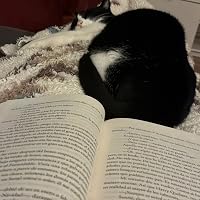
One day, a cat appeared in their yard. The two men work hard to return the cat to its owner, but encounter various incidents in the process. In this work, the relationship between Yoichi and Yukari and their interactions with the people around them are carefully depicted. And as you read on, you will be drawn into their world.
A highlight of the book is its attention to the ordinary moments of daily life. For example, there is a scene in which Yukari cooks a dish based on her late mother-in-law's recipe book. This not only satisfies her hunger, but also reveals her heart's desire to cherish the memories and bonds of family. Such detailed descriptions create a warm atmosphere throughout the story.
The growth of the characters is also impressive. Yoichi struggles to balance work and housework, and tries to protect his younger sister with a sense of responsibility. Yukari, on the other hand, understands her brother's struggles and strives to be independent. The gradual change in their relationship is delicately depicted.
As you read the story, you will realize that families come in many different forms. The relationship between Yoichi and Yukari, even though they are not related by blood, may be the true family, as they care for and support each other. This is a heartwarming book that will make you think about how such a family should be.
3.5 Cuando estoy muy agobiada, los libros de este escritor son siempre un refugio de calma, leer sus libros me obliga a dedicar un tiempo a no pensar demasiado, sonreír entre líneas o echar una lagrimilla de vez en cuando. Con este título, ha vuelto a conseguir ese efecto, sin embargo creo que de sus historias es la más flojilla de las que he leído. Si no hubiese leído nada de este género, le pondría sin dudar 4 estrellas, pero las comparaciones son odiosas y se ha quedado un poco por detrás de otros títulos.
Audiolibro narrado por Begonya Ferrer. Es una historia de calma y tranquilidad; de ir viendo cómo gestionan sus vidas, qué cambios van surgiendo y cómo se adaptan a ellos. No pasa nada dramático, pero engancha igual. Eso sí, la costumbre de explicar lo que acabas de decir en la frase anterior en ocasiones me resultó un poquito cargante.
Es un libro "Feel-good", bastante pasable. No siento que los personajes tengan un gran arco dramático. La reseña de la contratapa centra mucho la atención en el gato pero es lo que menos tracciona la trama, prácticamente si se lo saca de la historia no afectaría en nada a la narración de los hechos.