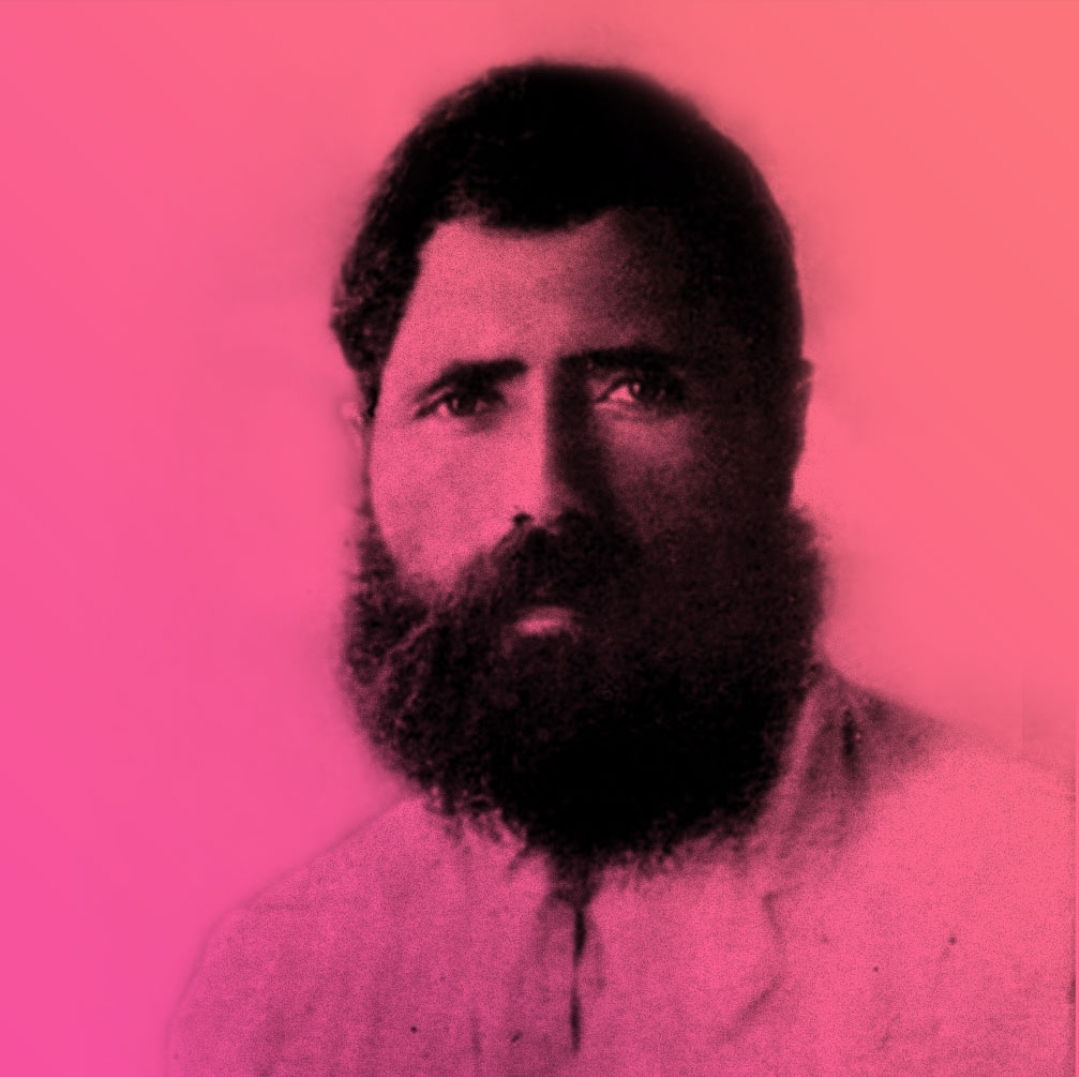
יוסף חיים ברנר (1921-1881), מחלוצי הספרות המודרניסטית בעברית, היה גם עורך, מתרגם, הוגה, מורה ומנהיג ציבור. הוא נולד בנוביה מליני שבאוקראינה (אז בתחומי הקיסרות הרוסית) למשפחה ענייה. בילדותו למד ב" חדר" ובישיבות, והחל להתעניין בספרות חול וגם לכתוב. בישיבת פּוֹצֶ'פּ הכיר את גנסין. בהמשך התקרב אל תנועת הבונד הסוציאליסטית. ב-1900 התפרסם סיפורו הראשון "פת לחם". הוא גויס לצבא הרוסי, ערק והגיע ללונדון. ספרו "בחורף" החל להתפרסם בהמשכים ב-1903 בכתב העת "השילוח". ב-1907-1906 הוציא לאור את כתב העת רב ההשפעה "המעורר". ב-1909 השתקע בארץ ישראל, ניסה לעבוד בחקלאות אך לא הצליח, והקדיש עצמו לכתיבה, הוראה ופעילות ציבורית. בארץ פרסם את יצירותיו החשובות "שכול וכשלון", "עצבים", ועוד ספרים, מאמרים ומסות, ונודע בסגנונו הייחודי. ברנר נרצח סמוך ליפו עם כמה מחבריו במאורעות 1921.
Brenner was born to a poor Jewish family in Novi Mlini, Russian Empire. He studied at a yeshiva in Pochep, and published his first story, Pat Lechem ("A Loaf of Bread") in HaMelitz, a Hebrew language newspaper, in 1900, followed by a collection of short stories in 1901.
In 1902, Brenner was drafted into the Russian army. Two years later, when the Russo-Japanese War broke out, he deserted. He was initially captured, but escaped to London with the help of the General Jewish Labor Bund, which he had joined as a youth.
In 1905, he met the Yiddish writer Lamed Shapiro. Brenner lived in an apartment in Whitechapel, which doubled as an office for HaMe'orer, a Hebrew periodical that he edited and published in 1906–07. In 1922, Asher Beilin published Brenner in London about this period in Brenner's life.
Brenner married Chaya, with whom he had a son, Uri.
Brenner immigrated to Palestine (then part of the Ottoman Empire) in 1909. He worked as a farmer, eager to put his Zionist ideology into practice. Unlike A. D. Gordon, however, he could not take the strain of manual labor, and soon left to devote himself to literature and teaching at the Gymnasia Herzliya in Tel Aviv. According to biographer Anita Shapira, he suffered from depression and problems of sexual identity. He was murdered in Jaffa on May 1921 during the Jaffa riots.