2.5 stars. I expected a deeper explanation of the biochemical processes taking place in the brain and how those processes can inform our understanding of why the enneagram typology works. For example, I've read other places that extroverts have more dopamine receptors and introverts react more strongly to acetylcholine, which means different lengths of neural pathways. I was hoping to hear similar explanations for enneagram types, or scientific explanations debunking personality myths.
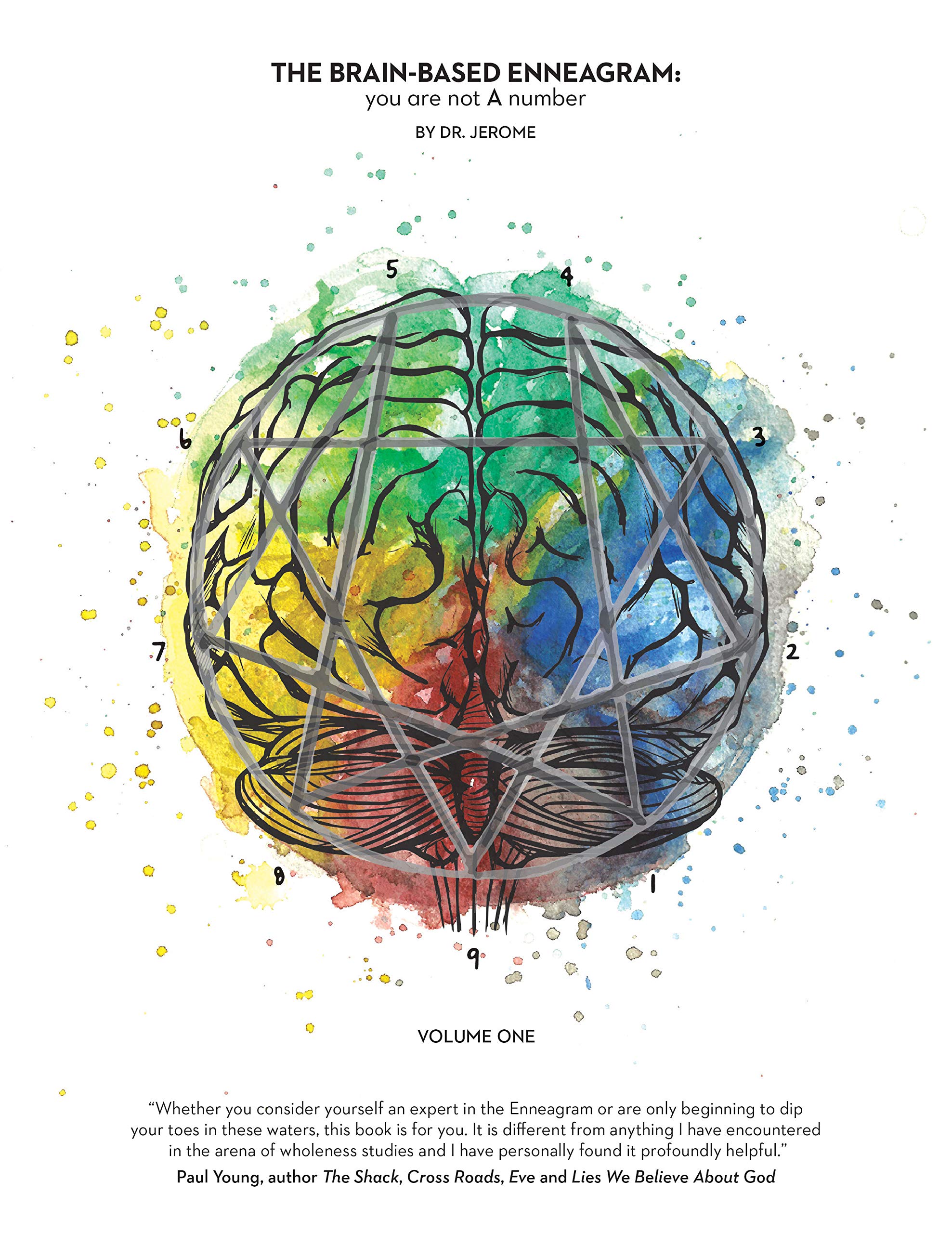
The general idea of this book is that the brain stem, left hemisphere, and right hemisphere are the primary centers for the instinctive/gut, intuitive/heart, and intellectual/mind. This book puts an emphasis on how no one is any one part, we all use our whole brains just like we all exhibit/experience every enneagram type to some degree. This was a nice message since no one wants to be boxed in or labeled.
This book also had a great part about trauma, explaining how frequency, duration, and intensity play a part in trauma being imprinted on the brain. And how the brain reliving the trauma can account for the experienced frequency. My wife just attended a conference on trauma where they spoke about not going to sleep right away, I believe. The brain is a fascinating thing.
A good section or this book feels like an advertisement for an additional test you have to pay for, which either should have been mentioned in the book synopsis or made a less substantial part of this book. Admittedly, it contributed to my feeling that this book was incomplete, hence 2.5 stars.
The visual design of the chapter separators is really beautiful.