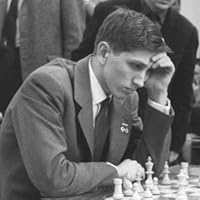
Arthur Schopenhauer was born in the city of Danzig (then part of the Polish–Lithuanian Commonwealth; present day Gdańsk, Poland) and was a German philosopher best known for his work The World as Will and Representation. Schopenhauer attempted to make his career as an academic by correcting and expanding Immanuel Kant's philosophy concerning the way in which we experience the world.
Το βιβλίο που διάβασα περιλαμβάνει τη Βούληση για ζωή και τη Μηδαμινότητα της ανθρώπινης ύπαρξης, απ’ τις εκδόσεις Printa – Ροές.
Κατ’ αρχήν, μια μικρή εισαγωγή: Έχω μια ιδιαίτερη ευαισθησία με τους εκδοτικούς οίκους, τη μετάφραση και την επιμέλεια, όσο και με τις ερμηνευτικές παρεμβολές. Εκτιμώ απεριόριστα όταν μιλάμε για Φιλοσοφία, εκδότες όπως οι Printa – Ροές, ο Κάκτος, το Πανοπτικόν κ.α. Επίσης απ’ το Εγχειρίδιο πρακτικής σοφίας του Σοπενάουερ είχα εκτιμήσει και τον κύριο Υφαντή που προλόγιζε κι εκείνο το βιβλίο κι έκανε τη μετάφραση. Ωστόσο σε αυτό το βιβλίο βρήκα ένα φάουλ που ανήκει στην κατηγορία αυτών που δε συγχωρώ. Υπάρχει σε δυο διαφορετικές περιπτώσεις ερμηνευτική παρατήρηση του κυρίου Υφαντή όπου αποκαλεί το Σοπενάουερ εμπαθή σε σχέση με άλλους φιλοσόφους. Διαφωνώ απόλυτα με το χαρακτηρισμό, δεν είναι ούτε επιστημονικός, ούτε καλόγουστος και ούτε ορθά τεκμηριωμένος ιστορικά και φιλοσοφικά. Επίσης, το αν ο κύριος Υφαντής ασπάζεται τον Οπτιμισμό του Λάϊμπνιτς δε σημαίνει πως τον αποδέχομαι κι εγώ και επίσης όταν χαρακτηρίζεται ο Σοπενάουερ ως εμπαθής και χρησιμοποιεί αναφορές και των Βολταίρο, Λοκ, Χιούμ επικουρικά ως συγγενείς απόψεις στα συγκεκριμένα σημεία, είναι σα να χαρακτηρίζει κατ’ επέκταση και εκείνους ως εμπαθείς. Πέρα απ’ αυτό η έκδοση, η επιμέλεια και η ενεργή συμμετοχή του κυρίου Υφαντή ήταν απολαυστικότατες.
Η ΒΟΥΛΗΣΗ ΓΙΑ ΖΩΗ: Σε 6 διακριτά σημεία.
1) Κάθε ανθρώπινη μονάδα αντιλαμβάνεται τον κόσμο διττά, - για τη συνείδηση του είναι παράσταση: αλληλουχία, ακολουθία, χημική αντίδραση, ηλεκτρομαγνητικό πεδίο, οσμωτική πίεση, εκλεκτική συγγένεια. Με εκφράζουν αυτοί οι όροι της χημείας και γι’ αυτό το εξηγώ έτσι. Άρα, αφ’ ενός η λέξη Παρατήρηση. - για τον εαυτό εκτός απ’ τη συνείδηση είναι βούληση με την έννοια της Έλλειψης και της Στέρησης: θέληση, επιθυμία, επιδίωξη. Αφ’ ετέρου, λοιπόν η λέξη Στόχος και κατά προέκταση, ο όρος Κοινωνική Ροπή.
2) Ο συνδυασμός της Παρατήρησης με το Στόχο δηλαδή αυτό που θέλω να δρέψω απ’ τον κόσμο, οδηγεί σε ικανοποίηση, άρα εκπλήρωση στο να δοθεί απάντηση στον εαυτό. Ωστόσο, η ικανοποίηση του προσδοκώμενου δε συνάδει με την ευτυχία, μπορεί να συνεπάγεται και πόνο. Συνήθως δε, σημαίνει και τα δύο, επεκτείνοντας αυτό που υπερβαίνει σε ποσοστό το άλλο καθορίζει την παραμονή στον κόσμο, ή τη ροπή στον εαυτό.
3) Η ικανοποίηση τώρα οδηγεί σε μια νέα επιθυμία μέσα απ’ το μηχανισμό της πλήξης. Πλήττω άρα ζητώ ν’ αλλάξω την κατάσταση μου. Θα οδηγηθώ εκ νέου στην επιδίωξη, συνδεόμενη με μια ορισμένη δεινοπάθεια.
4) Η βούληση είναι ο γεννήτορας της αίσθησης και της διανοητικής ικανότητας, άρα σε μια σύνδεση με τον Αριστοτέλη, ψυχή ως αρχή και με επιφαινόμενο το λόγο και την αυτοσυνείδηση που εν συνεχεία αυτονομούνται, αυτό που χαρακτήρισε κι ο Αριστοτέλης στο Περί ψυχής, το ανεξάρτητο μυαλό. Αυτονομούνται λοιπόν με τρεις τρόπους: α. Την Τέχνη που περικλείει ξένες ιδέες, ικανές να αναδιαμορφώσουν τη βούληση β. Την Ηθική που βάση της είναι η συμπάθεια και η συμπόνια για τους άλλους και τα ζώα ( έρχομαι στη θέση του άλλου και νιώθω, σκέφτομαι αυτό το αν ήμουν εγώ ) που μας βγάζουν απ’ την πλαναίσθηση ότι η δεινοπάθεια είναι μεμονωμένη και ατομική γ. Τον Ασκητισμό, με την έννοια της πλήρους αναγνώρισης της βούλησης απ’ τον εαυτό της και όσα συνεπάγεται σε σχέση με τους άλλους, που τελικά θα οδηγήσει στη σύμπραξη ή την αποκόλληση ( μερική: παίρνω ένα μέρος της μοναχικότητας – αυτάρκειας μου στον κόσμο, ή ολική ) και συνεπώς την πλήρη ελευθερία απ’ τη βούληση και τον υλισμό.
5. Η αναζήτηση της ευτυχίας είναι χιμαιρική ματαιοπονία. Διότι, η ευτυχία οδηγεί σε καθησυχασμό και άρα πλήξη ( το βάλτωμα που μ’ έχετε ακούσει κάποιο να λέω ), επικείμενη λοιπόν αίσθηση του μάταιου και του υπαρξιακού άγχους, επομένως αναζήτηση στόχων και δράσης. Ένα αέναο κυνηγητό. Γι’ αυτό, η ευτυχία δεν υπάρχει. Υπάρχει η χαρά με το σκέρτσο, το μπρίο, το ζενίθ και την προσωρινότητα της, με πυρήνα την ανησυχία του πνευματικού και υλικού θανάτου και να συμπληρώσω, όπως έλεγε ο Σενέκας την αίσθηση του δεν προλαβαίνω γιατί είναι τόσο λίγος ο χρόνος ( που εγώ βέβαια δεν αξιοποιώ ορθά και για τον εαυτό μου ).
6. Η βούληση για ζωή ως έκφραση του δαιμονίου του έρωτα ( το αρχέγονο ένστικτο της διαιώνισης του είδους κατά το Σοπενάουερ, βλέπετε Μεταφυσική του έρωτα ) ως υποκινητή.
Δέχομαι τα (1) έως (5) αλλά όχι και το (6). Η διαφορά μου δεν έχει να κάνει με το δαιμόνιο του έρωτα ( το αν συμφωνώ ή διαφωνώ είναι άσχετο διότι δεν κρίνω τη Μεταφυσική του έρωτα εδώ ), αλλά με το εξής: Η πρώτη βούληση ως αίτιο και ας δεχτούμε ότι είναι για το μωρό, η τροφή, ή η αγκαλιά της μαμάς του, αυτή στην αρχή οδηγεί σε νέες βουλήσεις από μιας αρχής άλογες ψυχικά και εγκεφαλικά σταδιακά αναπτυσσόμενες, άρα τις επαναδιαμορφώσεις της πρώτης βούλησης ως αιτιατά. Εν συνεχεία, με την εξέλιξη εμπλέκονται η Τέχνη και η Ηθική και κάποια στιγμή η Αυτάρκεια ( ασκητισμός ), επομένως δεν αποδέχομαι τη θεωρία της μετάλλαξης της πρώτης βούλησης διατηρώντας έμμεσα τον πρώτο χαρακτήρα της. Θεωρώ το διαχωρισμό ολοκληρωτικό.
4 ΑΣΤΕΡΙΑ
Η ΜΗΔΑΜΙΝΟΤΗΤΑ ΤΗΣ ΑΝΘΡΩΠΙΝΗΣ ΥΠΑΡΞΗΣ: Τι είμαστε άραγε; Με ένα σάρωμα, τυχαίο πουφ κι εξαφανιστήκαμε. Ο θάνατος ζει μέσα μας ως οντότητα, είναι η οφειλή που θα αποδώσουμε τελικά στη ζωή, η τελευταία. Ένας ακόμη τρόπος να εκλογικευτεί το υπαρξιακό άγχος. Τίποτα λιγότερο, τίποτα περισσότερο. 1 ΑΣΤΕΡΙ
"Human life must be some kind of mistake. The truth of this will be sufficiently obvious if we only remember that man is a compound of needs and necessities hard to satisfy; and that even when they are satisfied, all he obtains is a state of painlessness, where nothing remains to him but abandonment to boredom. This is direct proof that existence has no real value in itself; for what is boredom but the feeling of the emptiness of life?"
Read it on the WikiSource, an excellent translation by Thomas Bailey Saunders. Though Schopenhauer isn't new to me, this one truly resonated with me which prompted me to add his Essays and Aphorisms as my next target.
Apart from the "vanity" which is deduced here due to the obvious fact that meaningless suffering to overcome boredom and desires breed nothing but those very things, there's a stark glare of cosmic horror here...
"It is only in the microscope that our life looks so big. It is an indivisible point, drawn out and magnified by the powerful lenses of Time and Space."
There are some of his essays that I don't understand, cause my understanding is still limited, but his essay on women is too harsh, and among them I like the essay on "metaphysics of love" the most, that is an interesting look for love.
Time is that by virtue of which everything becomes nothingness in our hands and loses all real value * To our amazement we suddenly exist, after having for countless millennia not existed; in a short while we will again not exist, also for countless millennia. * Every moment of our life belongs to the present only for a moment; then it belongs for ever to the past. * existence is typified by unrest. * That human life must be some kind of mistake is sufficiently proved by the simple observation that man is a compound of needs which are hard to satisfy; that their satisfaction achieves nothing but a painless condition in which he is only given over to boredom; and that boredom is a direct proof that existence is in itself valueless, for boredom is nothing other than the sensation of the emptiness of existence. * As things are, we take no pleasure in existence except when we are striving after something - in which case distance and difficulties make our goal look as if it would satisfy us (an illusion which fades when we reach it) * That the most perfect manifestation of the will to live represented by the human organism, with its incomparably ingenious and complicated machinery, must crumble to dust and its whole essence and all its striving be palpably given over at last to annihilation - this is nature's unambiguous declaration that all the striving of this will is essentially vain. * Yet what a difference there is between our beginning and our end. We begin in the madness of carnal desire and the transport of voluptuousness, we end in the dissolution of all our parts and the musty stench of corpses. And die road from the one to the other too goes, in regard to our well-being and enjoyment of life, steadily downhill: happily dreaming childhood, exultant youth, toil-filled years of manhood, infirm and often wretched old age, the torment of the last illness and finally the throes of death - does it not look as if existence were an error the consequences of which gradually grow more and more manifest. We shall do best to think of life ...as a process of disillusionment: since this is, clearly enough, what everything that happens to us is calculated to produce.
"In such a world, where no stability of any kind, no enduring state is possible, where everything is involved in restless change and confusion and keeps itself on its tightrope only by continually striding forward - in such a world, happiness is not so much as to be thought of. "
"Life presents itself first and foremost as a task: the task of maintaining itself... If this task is accomplished, what has been gained is a burden, and there then appears a second task: that of doing something with it so as to ward off boredom, which hovers over every secure life like a bird of prey. Thus the first task is to gain something and the second to become unconscious of what has been gained, which is otherwise a burden."
"We shall do best to think of life ...as a process of disillusionment: since this is, clearly enough, what everything that happens to us is calculated to produce."
"In a world where all is unstable, and nought can endure, but is swept onwards at once in the hurrying whirlpool of change; where a man, if he is to keep erect at all, must always be advancing and moving, like an acrobat on a rope — in such a world, happiness in inconceivable. How can it dwell where, as Plato says, continual Becoming and never Being is the sole form of existence? In the first place, a man never is happy, but spends his whole life in striving after something which he thinks will make him so; he seldom attains his goal, and when he does, it is only to be disappointed; he is mostly shipwrecked in the end, and comes into harbor with masts and rigging gone. And then, it is all one whether he has been happy or miserable; for his life was never anything more than a present moment always vanishing; and now it is over."
“The vanity of existence is revealed in the whole form existence assumes: in the infiniteness of time and space contrasted with the finiteness of the individual in both; in the fleeting present as the sole form in which actuality exists; in the contingency and relativity of all things; in continual becoming without being; in continual desire without satisfaction; in the continual frustration of striving of which life consists. Time and that perisha-bility of all things existing in time that time itself brings about is simply the form under which the will to live, which as thing in itself is imperishable, reveals to itself the vanity of its striving. Time is that by virtue of which everything becomes nothingness in our hands and loses all real value.”
Every satisfaction he attains lays the seeds of some new desire, so that there is no end to the wishes of each individual will. And why is this? The real reason is simply that, taken in itself, Will is the lord of all worlds: everything belongs to it, and therefore no one single thing can ever give it satisfaction, but only the whole, which is endless. For all that, it must rouse our sympathy to think how very little the Will, this lord of the world, really gets when it takes the form of an individual; usually only just enough to keep the body together. This is why man is so very miserable.
I love Schopy, and certainly there's some beautiful prose and overall this is a mesmerizing read as always----- but, he moves to close to Gnosticism here for my liking. I'll fully acknowledge much of his pessimistic outlook, say even his life-negation is persuasive. But outright calling the world "a mistake" is venturing too far into Manichean and Demiurgic thinking. There certainly is a lot of suffering in existence, but, as Schop points out in other works, the transcending of that suffering and desires is where we find meaning.
This paper not only shows how great Schopenhauer's writing skills are but even his logical rigidity. One of the best philosophers in history, in my opinion.




![Profile Image for Keith [on semi hiatus].](https://i.gr-assets.com/images/S/compressed.photo.goodreads.com/users/1541020315i/84884940._UX200_CR0,0,200,200_.jpg)