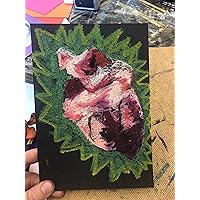
Viktor Rydbergs Singoalla, som ursprungligen publicerades 1857, har blivit en av de populäraste klassikerna i svensk romanlittertur. Berättelsen om den unge riddar Erland och hans kärlek till zigenarflickan Singoalla med dess romantik, mystik och vemod äger en suggestiv stämning, ett skimmer av saga, som fortfarande fängslar oss. Handlingen utspelas på 1300-talet och författaren har utan att tynga med historiska detaljer gett en stark påtaglig tidsfärg åt sin skildring.
Abraham Viktor Rydberg (Jönköping, December 18, 1828 – Djursholm, September 21, 1895) was a Swedish writer and a member of the Swedish Academy, 1877-1895. "Primarily a classical idealist",[1] Viktor Rydberg has been described as "Sweden's last Romantic" and by 1859 was "generally regarded in the first rank of Swedish novelists."
A few days and a 4000 word essay about the author and a long ass analysis later, I have discovered two things: the author was probs a homosexual, and this book was actually really good and cool for its time.
And now that that is settled I can get to the review. Byeee bitcheess
****
I'm pretty sure this is the first Swedish classic I've read that wasn't a children's book.
And it was... peculiar? The description makes the book seem like a Romeo and Juliet-esque story but this is nothing like Romeo and Juliet. In fact, it's like nothing I've ever read before. Not to say there were a bunch of plot twists or anything, but I did not predict ANYTHING correctly.
Also, yeah, the author totally demonized the Romani culture... smh.
Review (+maybe analysis because I'm writing one for school anyway) to come! You'll want to hear about this one, I promise you...
By far, one of the best books I've read in a very long time. I read it in Swedish. Wherever I can, I read books in their original language and I'm so glad I stuck to that ethic for this book. It is a Literary masterpiece with circles within circles.
On the surface, Singoalla is a dated text from the early nineteenth century about a Romeo and Juliet style star-crossed lovers plot. However, Rydberg's plot is interwoven with the Nordic tradition of folk tales that include Bergmanesque introspection, an intense love of nature, and dark magic to explain the inexplicable. In this sense, dark magic is not evil, just unexplained, which is really refreshing considering Sweden's history with the witch hunts.
As for the impossible love between a gypsy woman and the son of a Swedish knight. I was pleasantly surprised at how neutral Rydberg's account is. When compared to other authors of the time, Victor Hugo included, the description of the gypsy folk their customs and their magic was honestly quite open-minded. Yes, some of the "wandering folk" had to be portrayed in a bad light for plot purposes, however, it is clear that this was a description of bad people being bad people, not of these people being bad because they are gypsies. I liked that.
The circles within circles of the plot made it interesting and engaging. There was not single loose thread in this story and everything comes back to the beginning, which is literary rigour we rarely see these days.
I was also impressed with the deep message that the heart is more honest than the mind and that one should follow one's heart, not look to propriety and social norms. We often talk about such things. About finding ourselves and following our dreams, but rarely do we stop to think of what happens to us when we ignore the calling of the heart. The tragedy of Erland Månesköld is that he almost loses himself because he spent so much time believing the desires of his heart were evil and the result of witchcraft. When we deny our longings and turn them into something we ignore or deliberately repress, we lose ourselves to anger, depression and the meaningless life of "doing what's expected". In embracing his penance, going within and opening himself to the truth of his heart, even when it's too late to change anything, Erland is rewarded with a perfect moment, the final scene in the book, which offers catharsis after the hesrtwrenching events of this story.
Better than any fairytale, I would love too see a modern retelling of this brilliant folkloric tale. And more than anything, I'd love to know what happens to Singoalla when she takes Erland Jr. to India. Perhaps I'll do it myself... who knows 😁
Kul att ha läst en så gammal bok och i stunder va den intressant, men pga att den är väldigt problematisk och att historien är svår att följa så får den bara 1
Kändes som en fin gammal saga. Kringresande romer och bofasta nordbor, tydligt uttalat om vem som var ljus eller mörk. Lyssnade via biblioteksappen Biblio.
Kanske är det för att berättelsen är såpass gammal men den är väldigt formalistisk. Fokus ligger inte på detaljer eller målande skildringar utan av karaktärernas sinnesstämningar och känsloupplevelser. Berättelsen är överlag melodramatisk men på ett passande sätt och även om man inte vet exakt vad som kommer ske så är berättelsen ödesmättat från första stund.
Berättelsen handlar om en Riddarson och en zigenarflicka som blir förälskade i varandra, motsättningarna är uppenbara och deras kärlek blir som en förbannelse. Berättelsen blir inte mindre ödesmättad av att den utspelas med pesten som fond.
Dock gör formalismen och den ödesmättade tematiken att man får köpa att berättelsen är som den är även fast det är mycket som man kan ifrågasätta utifrån ett realistiskt perspektiv. Vilket gör att man läser berättelsen nästan mer som ett grekiskt drama än en komplicerad berättelse. Så man fastnar inte berättelsen på ett sätt som skulle ge högre betyg utan man får köpa att berättelsen är som den är. Helt ok men inte en toproman.
Viktor Rydberg kallade Singoalla sitt älsklingsbarn, och visst är det lätt att hänföras av den här nätta sagoromanens förtrollande inslag och många oväntade vändningar. Jag blev verkligen positivt överraskad när jag läste den här boken, som stått i min bokhylla i säkert tio år. Av och till blir romanen dock något högtravande, men det hör ju romantikens litteratur till.
Vackert språk och Anita Björk läser så underbart vilket gjorde den väl värd att lyssna på. Storyn var dock inte direkt spännande eller hade någon bra poäng, och minus för den rasistiska synen på romer som jag antar tyvärr präglade den tidens Sverige. Detta gör att boken inte har åldrats särskilt bra.
Bättre än dikterna, men fortfarande långt ifrån imponerad. Bokens bitvis problematiska delar ger en bitter eftersmak och första halvan är pinsamt oinspirerad. Andra halvan är dock rätt skum på ett bra sätt som räddar skeppet från att helt och hållet gå på grund och här fanns en hel del tankeväckande antydningar till något större.. Känslan av att "man vill fatta vad det betyder" stannade kvar vilket för mig är en green flag. Bra material för bokcirkel. Boken är som starkast när den kör full-on "symboler all over the place" och som svagast när den försöker beskriva till exempel en normal mänsklig konversation. Läste det fjärde av de fyra möjliga sluten vilket förmodligen har en påverkan på helheten...
Jag gillade den mycket mer än jag förväntat mig! Det fins en filosofisk underton och anspelningar på medeltida kristna mystiker som kom som en liten trevlig överraskning för mig som inte trodde mer än att det var en riddarsaga från romantiken (vilket inte är så dumt det heller!)
Medeltida kärleksdrama, shakesperiansk tragedi blandat med Goethe. Som hade en tydlig influens på Strindberg.
Singoalla av Viktor Rydberg är en historisk roman utgiven 1857. Författaren levde 1828-1885 och var en författare, skald, journalist, filosof, tecknare, översättare, historiker. Han är mestadels känd i Sverige (ej internationellt) exempelvis dikten om tomten som visas på tv varje jul och varje svensk känner till. Rydberg var även ledamot av Svenska Akademien. Anses vara en föregångare och förebild till August Strindberg. Notera att Rydberg översatte Faust vilket är en av västvärldens viktigaste verk. Jag valde denna för att få förståelse av svensk litteratur samt kultur. Den store folkbildaren Knut Kjellberg läste flera Rydberg verk under julafton slutet på 1800-talet vilket inspirerade honom. Hur kunde Rydbergs verk inspirera honom så pass mycket? Vad finns det i böckerna som kan ge upphov till stordåd? Det valde jag att undersöka genom att låna denna bok.
Singoalla utspelar sig i mitten av 1300-talet. Huvudkaraktären är riddaren Erland Månesköld. Han föds i en högättlig familj som styr över en borg samt domän. Han stöter som ung på en zigenarflicka som han förälskar sig i. En kärlekshistoria utvecklar sig. Han besegrar Assim en konkurrent till hennes gunst samt de förlovar sig enligt hednisk sed. Samtidigt förbereds han för en avresa till Tyskland samt att delta i krig. Han utbildas av Patern/prästen. Det finns en referens till Ovidius Metamorfoser. Paterns väg är intellekt och utbildning, föräldrarnas plikt samt ett dygdigt liv. När flickans familj bestjäl klostret samt flyr iväg, kidnappar de även Erland. Han tas tillbaka och väljer sedan den väg som föräldrarna bestämt åt honom. Samt gifter sig med den vackra kvinnan Helena istället för den första kvinnan, Helena räddar honom då han förgiftats i fångenskapen.
En resa på tio år fortgår. Han återvänder då till borgen samt domänen. Föräldrarna är döda, patern är kvar. Han har nu barn med Helena och lever ett lyckligt liv. Men då plötsligt dyker ett barn upp-Sorgebarnet. Det visar sig ha förtrollande krafter som enbart kan verka på natten. Han tar med Erland till Singoalla som uppehåller sig i närheten tillsammans med Assim som nu är hennes man. På dagen älskar han Helena och kvällen Singoalla. Men hans krafter avtar sakta. Han blir till slut sjuk. Han botas då av patern. Han dödar sorgebarnet. Han inser först efteråt att det var hans son. Samtidigt förgiftas Helena av Assim. En pest sprider ut sig i landet. Erland blir pestdrabbad och drar runt i sorg. Han träffar sedan på Singoalla som håller på att begravas levande enligt hednisk sed. Hon vet inte att Erland har dödat Sorgebarn. Men han får förlåtelse samt känner sorg över Helena, över Erlands händelseutveckling. Boken avslutas med ”Trängtar du efter evig skönhet, obefläckad oskuld, oförgänglig lycka, sök den icke på jorden, men hoppas på evigheten!”. Poetiskt slut som känns väldigt Goethe/Shakespeare influerad.
Teman är kärlek, drama, heder, samvete, förtrollning/magi, tragedi. Även historia, religion. Jag uppskattade de djupa teman och ser verkligen framemot att läsa mer av Viktor Rydberg. Detta höll en hög klass och ser verkligen hur Strindberg kämpade när han hade en så otroligt välskriven föregångare. Teman kompliceras även i form av kärlek mellan Erland och sorgebarnet, eller sorgebarnet samt mamman. Eller föräldrarna till Erland. Min utgåva har rubriken ”klassiker för ungdom”-från en annan tid då gemene man hade en högre allmän utbildning. Denna ger reflektion för de olika livsvägar i livet en man kan ta. Rekommenderas varmt till de som tycker om de teman denna bok rör sig inom, se första stycket.
Tyvärr riskerar jag att låta högaktig, men i min åsikt visar de låga betygen om boken på Goodreads mer på målgruppen som befinner sig här än kvaliteten på boken. Unga svenskar idag är ovana att hylla vårt kulturarv och svensk klassisk litteratur och många ogillar en bok för att de inte håller med om dess teman eller för att den är svår att förstå. Men som någon som studerat engelsk litteratur i Storbrittanien, ett land där man finner stolthet i dess stora författare från förr och där det är vanligt för barn att läsa Shakespeare i skolan (och det är tämligen inte lätt att förstå!), så häpnas jag över avsaknaden av samma perspektiv även här. I Grekland lär sig barnen att läsa böcker från antiken på sitt originalspråk, i Kina lär sig barnen att läsa klassisk poesi från 3000 år tillbaka. Att läsa en svensk bok från 200 år sedan trots att den är svår och gammelmodig tycker jag man borde kunna stå ut med och se förbi för att komma åt vårt arv.
Man måste ju såklart inte tycka om en bok bara för att det är en klassiker men personligen tycker jag att Rydbergs bok är en fantastisk saga som har mycket gemensamt med kända verk som Romeo och Julia och Dracula, men med en tydlig nordisk smak med våra förtrollande sagor. Jag lyssnade på originalutgåvan med sitt klassiska tragiska slut och jag gillade särskilt skildringen av det undermedvetna vs. det medvetna och fann det intressant hur man förstod dess relation innan Freud utvecklade psykoanalysen. Detta i relation till rädslor för det okända, "the other", i boken om magi och hypnos samt skildringen av det multikulturella var intressant. Onskan i boken handlar inte främst om främlingsfientlighet mot romer, för Erlands och Singoallas äktenskap var äkta, och en ed som bör hållas, precis som ett kristligt äktenskap, men han insåg inte konsekvenserna av sin förbjudna kärlek. Singoalla var aldrig ond, och budskapet är inte att kärleken var förbjuden för att den var fel i sig, utan för att den inte tilläts av omgivningen. Häri ligger symboliken för Rydbergs homosexualitet som många akademiker refererar till, tror jag.
Jag var inte jätteförtjust i den andra delen, lite väl repetitivt och blommigt språk för en modern läsare. Men den första hade väldigt bra tempo och intensitet. Slutet var relativt intressant, men också lite av en besvikelse. Erlands personlighet fick en spännande dimension i andra delen som jag tyckte gjordes rättvisa av språket. Men Singoallas person kom inte riktigt till sin rätt, hon förblev rätt passiv i sitt narrativ vilket var en sån stor skillnad gentemot den första delen att det nog förvånade mig lite. Kanske var det Rydbergs mening att porträttera en kvinna som gett upp och inte har mycket val, vilket jag å andra sidan förstår.
Eller så kanske det är de tio åren mellan första och andra delen där ingenting hände och som bara hoppades över då jag inte riktigt får veta karaktärernas motiv till att tio år ska gå och ingenting av betydelse ska ske. Säkert finns det ett bibliskt skäl till detta, dvs att Sorgbarn måste vara tillräckligt gammal för att kunna utfärda sitt öde - men i en parallell värld så är denna berättelse mycket längre och följer bägges perspektiv under de här tio åren. Jag gör väl bäst i att betrakta Singoalla som en enkel saga, där det inte är ovanligt att flika in "Åren gick...". Till syvende och sist uppskattar jag för en gångs skull läsa en berättelse som inte drar ut på historien bara för att utan faktiskt bara förtäljer det viktigaste och ingenting mer.
This entire review has been hidden because of spoilers.
En atmosfärisk roman med en klar sagokänsla och ett skimmer av magi, i varje fall första delen. Första delen drog in mig ordentligt; det kändes som en bortglömd gammal svensk saga som nytolkats i modernare tappning (då boken skrevs). Det fanns även en intressant aspekt med förälskelsen mellan den svenska riddarsonen Erland och den romska flickan Singoalla som kändes som det kanske skulle leda till en slags Romeo och Julia-situation, där båda deras respektive folks ytliga fördomar kommer ivägen för deras kärlek. Jag väntade mig inget progressivt, men kanske något naivt optimistiskt och formulaiskt, men sånt kan vara kul det med.
Men så blev det inte. Istället faller storyn in i mörka rasistiska stereotyper och Singoallas folk blir omedelbart skurkarna; andra delen tappar all sin sagolika lyster och blir en mörk och släpig historia där ingen karaktär känns särskillt sympatisk. Slutmoralen är också extremt på näsan och väldigt otillfredsställande; den kristna värdegrunden (som inte motiveras utan tas för given) missar målet helt för en modern sekulär läsare.
Med det sagt, för den med intresse av svenska litteraturklassiker är den nog ett måste, och utgåvan med Carl Larssons underbara illustrationer lyfter berättelsen oerhört till att faktiskt vara ganska mysig läsning en sommarkväll.
Folk tyckte, att det var något oroligt, vilt hos denne gosse, något efterblivet hedniskt, något i hans natur, som icke sugit till sig ett stänk av dopvattnet. p.14
Han hade ju sett den värld, som är, och kände ur böcker den värld, som var. p.17
Erland är lycklig med sin maka; men hans sällhet är ej oblandad, och vilken jordisk lycka är väl det? p. 77
Barnens känsloliv är sällskapligt. p.95
Det förflutna, närvarande och kommande kunna sammansmälta i en blick. p.110
- Herren gav och Herren tog; välsignat vare hans namn! p.150
Han var skövlad på allt men knotade ej; det vore orimligt att i denna förvandlingens, förgängelsens och dödens värld pocka på en varaktig äganderätt till timlig lycka. p.151
För det första: en bok skriven på 1800-talet måste läsas med tanke på det.
Den är bombastisk och melodramatisk. Och jag gillar det! Jag uppskattar verkligen att läsa en äldre typ av skrift. Den som vill ha modernt språk får läsa en nyskriven bok helt enkelt.
Det är en kärlekshistoria som går åt skogen. Fylld av romantik, svartsjuka, förräderi, svek, ilska och sorg. Det är en tidvis brutal historia där huvudpersonen riddar Erland inte är en särskilt trevlig person och utför hemska dåd. Han slits mellan att hata häxan som förtrollat honom och älska den vackra Singoalla utan att förstå vad som är på riktigt och vad som är förvridna tankar som han inbillar sig är minnen.
Alltså jag vet inte riktigt vart jag ska börja.. Om man tänker sig bakåt i tiden och om man skulle ha läst just denna boken under 1900-talet så skulle upplevelserna upplevas på ett helt annat sätt än idag där vi befinner oss i 2021. Texten , uppbyggnaden och skriften är ju helt annorlunda idag i jämför med hur det var under 1900-talet. Men även storylinen känns inte heller helt rätt , man tappar intresset efter redan några kapitel och i visste lägen så låter det inte helt rimligt eller realistiskt, men även spänningen vart finns den ? Det finns ingen spänning i den som gör att man känner att man vill fortsätta. Jag skulle inte riktigt rekommendera denna boken om jag ska vara ärlig!
the nostalgia of a medieval romance but with so much more! I absolutely loved the message about staying true to yourself and who you are, no matter what. I also appreciate the story of forbidden love. There's also so much heartache in this story. Not just because the lovers can't be together. There's so much more to it. This book was also well ahead of its time in representing a woman like Singoalla who is Roma. Most depictions of these people in Rydberg's time were undoubtedly racist. Just look at The Hunchback of Notre Dame! But Singoalla presents the gamut of human emotions and actions on the good-evil spectrum. People on both sides did wrong. I like that.
Det enda intressanta med denna bok var sorgebarn och karaktärernas koncept. Karaktärerna verkar nämligen vara personifieringar av de sju dödssynderna. Erland är vrede, Assim är avund, Assims mamma är girighet, det främmande folket är kättja och Singoalla verkar vara lust ( jag vet att det inte är en dödssynd men hon är en motsats till kyskhet som är en av de sju dygderna). De alla är platta och enkla förutom Sorgebarn som har motiveringar till hans handlingar samt debatter inombords om vad han ska göra. Boken var tråking och oorginell. Som ett barn mellan Ringaren i Notre Dame och Ivanhoe. en var ordig och långdragen.
Mina fingrar multnade fast vid Viktor Rydbergs magnus opus, Singoalla. En av mina djupaste sommarresor. Mötet mellan Riddaren Erland Månesköld och den kringvandrande nomadskan i 1400-talets Svedala, var utomordentligt originell, men samtidigt hissnade likt tidsrymden och tematiken i Virginia Wolfs Orlando. Till skillnad från Orlando är Erlands dagar räknade från första kapitlet. Döden växer likt ett födelsemärke på karaktären och bejakar livets dans från första raden. Det gäller att veta sin plats på planeten jorden.
Well... It was very intresting to read a book in "old swedish" and in the beginneing it was a bit hard to understand everything, but you got used to it. The story was in the beginning quite good but in the end very confusing and I don't really get what the storry was. I feel like the important thing with this book was reading an old book. I can't say that the book was good but it was a good experience.