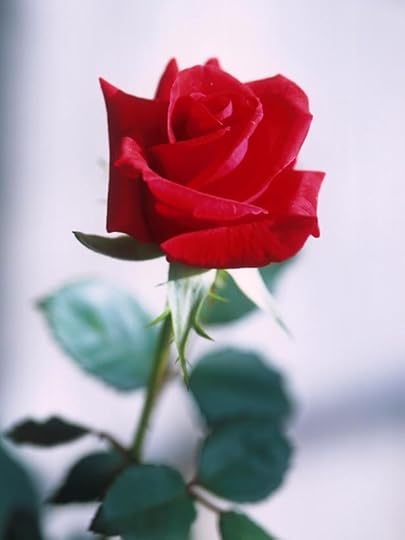
Un tanar indragostit are nevoie de un trandafir rosu pentru ca aleasa inimii sale sa danseze cu el. Dar pretul platit pentru acest trandafir este enorm si nu tanarul este cel care-l plateste. Plina de duiosie si umor, dar si de comentarii morale, ca toate povestirile lui Wilde, Privighetoarea si trandafirul este o lectura incantatoare despre iubire, sacrificiu si recunostinta. Ilustratii de Anca Smarandache
Oscar Fingal O'Fflahertie Wills Wilde was an Irish poet and playwright. After writing in different forms throughout the 1880s, he became one of the most popular playwrights in London in the early 1890s. He is best remembered for his epigrams and plays, his novel The Picture of Dorian Gray, and his criminal conviction for gross indecency for homosexual acts. Wilde's parents were Anglo-Irish intellectuals in Dublin. In his youth, Wilde learned to speak fluent French and German. At university, he read Greats; he demonstrated himself to be an exceptional classicist, first at Trinity College Dublin, then at Magdalen College, Oxford. He became associated with the emerging philosophy of aestheticism, led by two of his tutors, Walter Pater and John Ruskin. After university, Wilde moved to London into fashionable cultural and social circles. Wilde tried his hand at various literary activities: he wrote a play, published a book of poems, lectured in the United States and Canada on "The English Renaissance" in art and interior decoration, and then returned to London where he lectured on his American travels and wrote reviews for various periodicals. Known for his biting wit, flamboyant dress and glittering conversational skill, Wilde became one of the best-known personalities of his day. At the turn of the 1890s, he refined his ideas about the supremacy of art in a series of dialogues and essays, and incorporated themes of decadence, duplicity, and beauty into what would be his only novel, The Picture of Dorian Gray (1890). Wilde returned to drama, writing Salome (1891) in French while in Paris, but it was refused a licence for England due to an absolute prohibition on the portrayal of Biblical subjects on the English stage. Undiscouraged, Wilde produced four society comedies in the early 1890s, which made him one of the most successful playwrights of late-Victorian London. At the height of his fame and success, while An Ideal Husband (1895) and The Importance of Being Earnest (1895) were still being performed in London, Wilde issued a civil writ against John Sholto Douglas, the 9th Marquess of Queensberry for criminal libel. The Marquess was the father of Wilde's lover, Lord Alfred Douglas. The libel hearings unearthed evidence that caused Wilde to drop his charges and led to his own arrest and criminal prosecution for gross indecency with other males. The jury was unable to reach a verdict and so a retrial was ordered. In the second trial Wilde was convicted and sentenced to two years' hard labour, the maximum penalty, and was jailed from 1895 to 1897. During his last year in prison he wrote De Profundis (published posthumously in abridged form in 1905), a long letter that discusses his spiritual journey through his trials and is a dark counterpoint to his earlier philosophy of pleasure. On the day of his release, he caught the overnight steamer to France, never to return to Britain or Ireland. In France and Italy, he wrote his last work, The Ballad of Reading Gaol (1898), a long poem commemorating the harsh rhythms of prison life.
A young student is madly in love with the professor’s daughter, but she won’t go to the dance with him without red roses. A compassionate nightingale feels so moved by his deep sorrow that decides to help him win her heart.
This was just PERFECT! This is exactly why I love short stories. You can invest hours, days, weeks or even months in a long book; and it can either be bad, good, or, if you are lucky enough, a perfect ten. On the other hand, sometimes you can invest as much as ten or twenty minutes in a short story, and be rewarded just the same, or even immensely more! Short stories may not have a detailed setting, a complex plot or unforgettable characters, yet just the same they can sometimes leave you a message that will truly stay with you forever, and just for the price of a couple of minutes. For me, this tiny story is one of those invaluably unique examples. And of course, it had to be Wilde.
So that’s why I’m opening a new shelf and will be adding the most memorable short stories I’ve ever read. Because this tiniest thing of a handful of pages that can be hardly called a book, truly deserves its own review, and my five stars.
Un joven estudiante esta locamente enamorado de la hija del profesor, pero ella no irá al baile con él sin rosas rojas. Un compasivo ruiseñor se siente tan conmovido por su profundo pesar que decide ayudarlo a ganar su corazón.
¡Esto fue simplemente PERFECTO! Esto es exactamente por lo que amo los cuentos cortos. Podés invertir horas, días, semanas o incluso meses en un libro largo; y puede ser malo, bueno, o, si sos suficientemente afortunado, un perfecto diez. Por otro lado, a veces podés invertir diez o veinte minutos cuando mucho en un cuento corto, y ser recompensado casi igual, ¡o incluso inmensamente más! Los cuentos cortos tal vez no tengan un detallado ambiente, una compleja trama o personajes inolvidables, pero a veces incluso así pueden a veces dejarte un mensaje que verdaderamente quedará grabado en ti para siempre, y sólo por el precio de un par de minutos. Para mí, esta pequeña historia es uno de esos invaluablemente únicos ejemplos. Y por supuesto, tenía que ser Wilde.
Así que por eso estoy abriendo un nuevo estante para ir añadiendo los cuentos cortos más memorables que alguna vez leí. Porque esta pequeñísima cosa de un par de páginas que difícilmente pueda llamarse un libro, verdaderamente merece su propia reseَña, y mis cinco estrellas.
Written in 1888, this is Oscar Wilde’s sweet little fairytale about a young lovestruck student, and it conveys beautifully the true meaning of love. It’s astonishing how much emotion he manages to pack into such a short story, it certainly tugs at the heartstrings! See what you think, it’s free here http://pinkmonkey.com/dl/library1/ros...
This is the saddest, most tragic story I've ever read. It starts out as a fairytale and you think it will end well. Love is described as the most beautiful thing in the world, by the nightingale outside the student's window.
“Be happy, cried the Nightingale, be happy; you shall have your red rose. I will build it out of music by moonlight, and stain it with my own heart's-blood. All that I ask of you in return is that you will be a true lover, for Love is wiser than Philosophy, though she is wise, and mightier than Power, though he is mighty. Flame-coloured are his wings, and coloured like flame is his body. His lips are sweet as honey, and his breath is like frankincense.”
But I should have seen it coming, the darkness. This is Oscar Wilde, after all. My heart burst and I felt pure pain for the nightingale's sacrifice. The picture that got stuck in my mind was the painfully colored rose lying in the gutter.
Wilde is portraying people's idea of love as extremely shallow, while the nightingale serves as the only one with a true heart.
A handsome young student is having what we would nowadays term a 'hissy fit' because there isn't a single red rose in his entire garden; he desperately needs one to present to his crush. "For want of a red rose is my life made wretched?" he wails. A nightingale watches from above, heartened that it has at last witnessed a true lover. The bird represents one of the few romantics in this cynical world - unlike the lizard, the butterfly and even the whispering daisies - who all think that the young human is simply getting himself upset over nothing.
Oscar Wilde, channelling his own real-life romantic battles in the face of hostility, brings us a beautiful little fairytale with themes focusing on the extreme sacrifices we make to find true love - but also on the selfishness of those who don't deserve it.
Wonderful use of anthropomorphism, too. Well done, Oscar!
“Surely Love is a wonderful thing. It is more precious than emeralds, and dearer than fine opals.” —Oscar Wilde
Love is a gift that should never be squandered. The Nightingale and the Rose is a beautifully written short story of love and sacrifice that will tug at the heartstrings.
A fairy tale with a tragic ending. A poignant and heartbreaking story about sacrificing oneself for an unrequited love. True love set against greed and cupidity. Which would triumph? Which would be crushed?
Surely love is a wonderful thing. It is more precious than emerald and dearer than fine opals. Pearls and pomegranates cannot buy it, nor is it set forth in the market place. It may not be purchased of the merchants, nor can it be weighed out in the balance for gold.
The Nightingale and The Rose is a heartbreaking story about the nature of love and sacrifice. At the beginning of the story, we are given the impression that the love between the student and the girl is a true love. Later, we are struck with the truth. Their love turns out to be a shallow one based on materialistic happiness. At the end the student gives up on his love because it was not true in the first place.
“What a silly thing Love is. It is not as useful as Logic, for it does not prove anything, and it is always telling one of things that are not going to happen, and making one believe things that are not true. In fact, it is quite unpractical, and, as in this age to be practical is everything, I shall go back to Philosophy and study Metaphysics.”
And we are left to ponder the nightingale’s sacrifice; was it worth it? Or was it all in vain? The nightingale believed it was worthwhile. For him, it mattered immensely. But does it really matter??
“Death is a great price to pay for a red rose,” cried the Nightingale, “and Life is very dear to all .....Yet Love is better than Life, and what is the heart of a bird compared to the heart of a man?”
A great read. Highly recommended.
This entire review has been hidden because of spoilers.
My review stuck in my mind as I read, short and (to me at least) funny: Dudes, if you're trying to get back your wife or looking for a girl, you need to read this.
Then Oscar started to get to me. I melted. I remembered the times before reality, cynicism and societal manliness invaded my romantic, child-like heart. My eyes burned with the production of moistness.
I opened to Oscar. He said, "Relax. Trust me. Look deep inside. Remember. Don't be afraid of the ideologies of love you once knew. I'm trying to tell you something." I loosened. My eyes fixed in a trance. I smiled, opened my heart, my body, my face.
Oscar leaned forward with a gentleness in his eyes, a softness, and PUNCHED ME IN THE FACE!
I said, "What the hell man!" He made me mad. Shocked me. Why would someone do this? Why mock such a loving sacrifice? I looked up meanings and understand.
Lust, selfishness, greed counterfeit true love. They crush it underfoot, the true tragedy of humanity.
Only do unconditional love, and don’t read to your children, they will be sad, enlightened and disillusioned by love going forward Yet Love is better than Life
Excellently captures a fairytale like feel and far from sweet in resolution, impressed by this short story from Oscar Wilde. The overall message is ambiguous which made me enjoy it more than expected. 🥀 🕊
“...life is very dear to all. It is pleasant to sit in the green wood, and to watch the sun in his chariot of gold, and the moon in her chariot of pearl...Yet love is better than life and what is the heart of a bird compared to the heart of a man?” - Oscar Wilde
The Nightingale and The Rose by Oscar Wilde is a satirical and heart-breaking story about love - the all-consuming passion of which nightingales sing and the self-serving quest of the heart that some humans choose to make of it.
A nightingale in a holm-oak tree heard a young student weeping because he did not have a red rose. His love interest said she would dance with him only if he brought her one. He wept for opportunities he knew he would never have. “Ah, on what little things does happiness depend.”
The nightingale who sang of love understood its mystery, and was deeply affected. She flew to every rose bush in the garden and asked to sing her sweetest song for a red rose. But it would take much more than a song to procure a fiery red rose in the heart of winter. The nightingale who believed in true love was willing to make the supreme sacrifice.
Love, after all, is a lavish emotion. If only the young man and the girl of his dreams understood love the way the nightingale did. What a travesty! In this instance, the heart of a man cannot hold a candle to the heart of a bird. And my heart ached for the nightingale.
One of the fairy tales of Oscar Wilde, this short story is about a lovelorn student, and a nightingale who sacrifices her life to give a despondent student a red rose for his beloved.
درگیر یه رابطه ی سمی بود. یه روز برام شعری از شهریار رو فرستاد. عاشقی درد است و درمان نیز هم مشكل است این عشق و آسان نیز هم جان فدا باید به این دلدادگی دل كه دادی میرود جان نیز هم و گفت: حالا که فکر کردم دیدم عشق ما اینطور نیست. بخاطر همدیگه قرار نیست خودمون رو فدا کنیم.
اون موقع در حد توانم سعی کردم بهش بفهمونم این ره که تو میروی به گورستان است! اما طبق معمول همیشه، فایده ای نداشت. خودش خواست قبر خودش رو بکنه و خب، به جهنم. من وظیفه ای نداشتم که برای زندگیش تصمیمی بگیرم و نسخه بپیچونم. خودش هم چون میدونست، ازم انتظار نداشت به چس ناله هاش گوش بدم و بگم پدر عشق بسوزه که این بلا رو سرت آورد(واقفم به اینکه گاهی اوقات بی رحم میشم). به خوبی میدونستم اگه پای چنین چیزی وسط باشه، جای تعجبی نداره که جزغاله بشی و شاید حس کسایی رو داشته باشی که به سمت کوره های آدم سوزی هدایت میشدن. مدت ها گذشت تا اینکه یه سوالی ذهنم رو درگیر کرد. اینکه نیازی به فدا کردن خودت هست؟ اصلا گیرم جونت هم بدی، آیا این قربانی کردن فایده ای هم برای معشوق داره؟ اصلا اون بینوا چنین توقع بیجایی ازت داشت؟ یا اگه نداشت، به چه حقی برای زندگیتون تصمیم گرفتی؟ اون فداکاری ای که ازش دم میزدی به چه دردی اصلا خورد؟... خلاصه که هنوز هم جوابی براش پیدا نکردم. حتی وقتی زیباترین داستان عاشقانه ی زندگیم هم به چشم دیدم، نتونستم کار یکیشون رو تایید کنم. وقتی تصمیم گرفت به بهای از دست دادن خودش، زندگی معشوقش رو نجات بده. اما چه میدونست که با این کار، دلبندش نه تنها قدردان فداکاریش نیست، بلکه از هم میپاشه و آرزویی جز مرگ نمیکنه :) اما از طرفی یک چیزی در این مرگ خودخواسته برام زیباست. اینکه عشق رو فراتر از هستی خودت بدونی. درست چیزی که بلبل این داستان بهش اشاره کرد(اگه به اسپویل حساسی این دیالوگ رو رد کن):
"and Life is very dear to all. It is pleasant to sit in the green wood, and to watch the Sun in his chariot of gold, and the Moon in her chariot of pearl. Sweet is the scent of the hawthorn, and sweet are the bluebells that hide in the valley, and the heather that blows on the hill. Yet Love is better than Life, and what is the heart of a bird compared to the heart of a man?"
این داستان کوتاه، اولین مواجههی من با قلم اسکار وایلد بود. همون طور که ازش انتظار داشتم، زیبا بود. وزن آهنگین کلمات، شاعرانه بودنش، طبیعتی که بهش جان بخشیده بود، عشق و بهایی که نیاز هست پرداخت کنی و در کل همه اینها کنار هم، یک داستان کوتاه دلانگیز رو برام ساختن. ماجراش از این قرار بود که پسری دانشجو، دلباختهی دختری شده بود. و برای مجلس رقصی که زمان برگزاریش فردا بود، به گل سرخی نیاز داشت! گلی که تقدیم دختر بکنه و به واسطه ش بتونه باهاش برقصه :) حالا گل رو از کجا تو دل زمستون گیر بیاره؟ مسئله این است. اینکه چطور گل سرخ رو میتونه به دست بیاره و بابتش چه بهایی باید پرداخت بشه داستان رو میسازه. و خب نیازی نیست اسپویلش کنم. اونقدر کوتاه هست که میشه تو چند دقیقه خوند. فقط پیشنهاد میکنم ترجمه ش رو نخونین چون هم سانسور داره و هم اون ریتم آهنگینی که موقع خوندنش به زبان اصلی گوش نواز هست، در ترجمه به چشم نمیاد. در آخر خوشحالم که به طور اتفاقی این داستان کوتاه رو از نویسنده ای که کشفش نکرده بودم خوندم.
I really liked the messages on love. I didn't know where it was going in the end and I was worried it was going to promote an idea I wasn't too happy about but it switched up the game. We really do need to be careful to only give love to those who truly appreciate us and care. You need to be careful who you give your love to! I think the fairytale did a good job of repeating the message twice, in a subtle way, so it really drives it home.
Maybe greed is going to be a common theme in his fairytales. I have only read two but it has been there in both, and I will keep an eye out in the other tales I intend to read.
A magnificent illustration of "The Nightingale and the Rose" by Del Kathryn Barton and Brendan Fletcher.
OSCAR Fingal O'Flahertie Wills Wilde (October 16, 1854 – November 30, 1900) was an Irish playwright, novelist, poet, and short story writer. He was known for his barbed wit and was one of the most successful playwrights of late Victorian London.
A poster for the stage production of "The Nightingale and the Rose" at the Bristol Museum in February 2014.
Wilde’s “The Nightingale and the Rose” is a short story full of irony. It tells about a student who falls in love with a young woman. However, the latter demands that he gift her with a red rose if he truly loves her. The youth goes about looking for a red rose in the garden but in vain. Filled with moroseness, he starts crying. A nightingale perched on the branch of a tree is watching all this. She utters, “Surely Love is a wonderful thing. It is more precious than emeralds, and dearer than fine opals. Pearls and pomegranates cannot buy it, nor is it set forth in the marketplace. It may not be purchased of the merchants, nor can it be weighed out in the balance for gold." She decides to get a red rose for the student so that he can attain his love. She goes to a rose tree and asks it for a red rose. "If you want a red rose," said the Tree, "you must build it out of music by moonlight, and stain it with your own heart's blood. You must sing to me with your breast against a thorn. All night long you must sing to me, and the thorn must pierce your heart, and your life-blood must flow into my veins, and become mine." "Death is a great price to pay for a red rose," cried the Nightingale, "and Life is very dear to all. It is pleasant to sit in the green wood, and to watch the Sun in his chariot of gold, and the Moon in her chariot of pearl. Sweet is the scent of the hawthorn, and sweet are the bluebells that hide in the valley, and the heather that blows on the hill. Yet Love is better than Life, and what is the heart of a bird compared to the heart of a man?"
"The Nightingale and the Rose" on an iPhon.
The Nightingale has the strongest character in the story. The Nightingale is willing to give up her life just so that the student can get a rose for his Lady Love. She proves that she has a heart of gold and is willing to sacrifice herself to help a human being. She proves herself to be more humane than a human can ever be.
A beautiful book cover of Wilde's moving short story.
The young woman has the most negative character in the story. She is greedy and selfish and seems only hungry for worldly desires. First she wants a red rose and when she gets it, she does not seem to care for it anymore and wants jewels instead. In fact, another youth has already promised it to her. The student’s character too is not flawless. When the Nightingale tells him, “Be happy; you shall have your red rose. I will build it out of music by moonlight, and stain it with my own heart's-blood. All that I ask of you in return is that you will be a true lover, for Love is wiser than philosophy,” he seems to be immune to her feelings. He studies Philosophy, yet he can’t understand these simple words from a bird who is going to sacrifice her life so that his desire gets fulfilled. Even the Oak-tree is more sensible as she understands and feels sorry for the bird as it knows what is going to happen to her in the end. The Nightingale’s future is certainly not rosy. It can only see the world through rose-tinted glasses!
My Love resides in my heart and within my eye.
Wilde also seems to be mocking Victorian society which seems to measure love with materialism. True love can never be measured and is worth more in weight than all the diamonds, pearls, gold and silver on earth put together.
The story made me think. This is what I want a story to do. It has a message I agree with, and the message is delivered with a subtle touch of humor rather than in a didactic fashion. The prose is pretty, but a bit too pretty for my taste. It reads as a fairy tale and is thus a bit simplistic. I do like the story, but I cannot give it more than three stars.
This is what I think the story says:
The story is very short. Read it yourself and see what you think it says.
If anyone knew the risks of loving, it was no doubt Oscar Wilde. He served time in prison for his love, and his time in prison precipitated his death. The Nightingale and the Rose is one of his fairy tales, of which he wrote a collection.
A story about love and sacrifice and the risk that that sacrifice will be undeserved and unappreciated. The only one in this story who understands love is the nightingale. The bird says, "Yet Love is better than Life, and what is the heart of a bird compared to the heart of a man?” In this case, the heart of the bird is much purer than the heart of the man. When she sings to him of her coming sacrifice, the student cannot understand her at all, which may well be a metaphor for how little man understands of love.
In the end, love, in the form of the rose, is tossed away and the Nightingale has sacrificed herself in vain. She has failed to recognize that the student's love is not real or meaningful, but that does not lessen the fact that her love is both of those things. Her sacrifice is real, even if it is made for an undeserving cause, and it is not diminished by the callous use the rose comes to. Perhaps one of the themes here is that love never diminishes the true lover, even if the object of that feeling is wholly undeserving.
The Nightingale and the Rose has touched me deeply and made me angry.
Bitter, bitter was the pain, and wilder and wilder grew her song, for she sang of the Love that is perfected by Death, of the Love that dies not in the tomb.
«Rondine, Rondine, piccola Rondine» disse il Principe «non vuoi restare con me ancora una notte?» Piccoli racconti che sembrano perle, luccicanti sotto l’acqua di mare. Nella sua spregiudicatezza ho trovato un Oscar lieve, delicato, sensibile, quasi tenero. Di base si potrebbe dire che il filo conduttore di questi racconti sia la disillusione di fronte alla verità, il capire che l’Amore non basta a salvare tutto e tutti e che ogni punto di vista porta in sé un briciolo di quella verità che assoluta non è. L’Amore non basta a salvare la piccola rondine dal freddo, non basta a salvare il principe dalla rovina, non basta a salvare l’usignolo, né lo studente. L’usignolo muore per un amore che viene calpestato e il suo sacrificio non è riconosciuto, così come succede nel “il razzo eccezionale”. Solo nella morte l’usignolo trova l’unicità di quella verità perché il suo Amore diventa Eterno. L’ultimo componimento “il ritratto di Mr. W.H” è un dotto esercizio sui Sonetti di Shakespeare, che Wilde dimostra di conoscere perfettamente, tanto da costruirci sopra un piccolo castello di carte. Cadrà al primo soffio? Un Wilde sorprendente, di grande effetto.
My heart😭. oscar wilde you have took it in your hands and ripped it apart! A heartfelt story of a beautiful nightingale whos belief in pure love has disastrous consequences. Life can be cruel when it comes to affairs of the heart. This short story has so much power.
“Then she gave one last burst of music. The white Moon heard it, and she forgot the dawn, and lingered on in the sky. The red rose heard it, and it trembled all over with ecstasy, and opened its petals to the cold morning air. Echo bore it to her purple cavern in the hills, and woke the sleeping shepherds from their dreams. It floated through the reeds of the river, and they carried its message to the sea.” ― Oscar Wilde, The Nightingale and the Rose
Review to follow.
My review:
Happy turkey day, everyone! I hope everyone had a very happy Thanksgiving. I am utterly exhausted, more exhausted than I’ve been in a long time and I’m having some lingering back issues because of that my reviews be a little shorter than usual.
So I read this last night on Thanksgiving day. Beautiful, bittersweet, short story that I found through a Goodreads friend, who seems to have a pension for picking great short stories .
You know who you are Fernando!
This contained some of the most exquisite prose I’ve ever seen in a short story.
But it’s sad! It’s so so sad. I also have to warn people who don’t like animal, cruelty I mean all you have to do is read what it’s about. And you will fall in love with this valiant little Nightingale, who is love itself.
Oscar Wilde was a very interesting man. He has a poem that I love about the ancient story of echo and Narcissus called The Disciple. Echo is also mentioned in this poem and in my quote above.
I can’t believe I never heard of this before. I mean you can get more out of this short and very sad little story, then a lot of full length books. But you have to be warned it is the very definition of sad.
I know I will be thinking of that little Nightingale. Maybe she’ll visit me in my dreams. I really wish I’d read this as a kid. I have a feeling I wouldn’t of liked it as much though.
This story should be said orally or even better if presented as a musical. I really liked the way this story was told. A young lad, deeply in love with a girl who promised him a dance only if he brought a red rose for her, is in agony over not having a rose for his love. This agonizing was heard by a Nightingale who then flew around from tree to tree to find a red rose for the boy’s ‘true love’. She did find a rose but had to sacrifice her the blood from her heart to color it red. Her blood, her painful song, her falling pulse, her failing heart bloomed the rose into life but Alas! her sacrifice found no true love. It was only crushed under a cart. The girl didn’t want it nor did the boy.
The Nightingale and the Rose is an allegory of selflessness and selfishness often claimed as Wilde’s own agony and battle to find a place for his own feelings in this society. The nightingale’s sacrificial nature is much reflective of Wilde himself during his end years when he sacrificed his freedom for the love of his male lover. Well, the nightingale did all in vain much like Wilde who also did it, maybe all in vain. Life still moved on even after he accepted his sexuality in the society. All that he got was a spiteful crowd laughing at his misery.
This story stands true for any common man. There are people, who sacrifice their life and suffer to help someone, but at the end they aren’t returned with the same emotional intensity; possible, their actions were never even comprehended. In an age and period when most people appear to be interested only in their own welfare, without being able to look beyond their limited, subjective perspective, thus failing to see what or who is outside the borders of their very narrow egoistic world.
PS: Promod Nair: My Friend, I found roses and love again here but, this time, I know why & how they both are related. Thank you again for the review of 'Poetry of Roses'. I have shared the link of your review below. :). Thanks again. https://www.goodreads.com/review/show...
3★ This is a little fable, parable, fairytale, what-have-you written by a man who's famous for his wit and wild ways. The writer often quoted as saying: "I never travel without my diary. One should always have something sensational to read in the train."
This little story is not that. It's a very short love story where a young student pines for a girl who has said she will dance with him if he gives her a red rose. He dreams that if he dances with her, she will fall in love with him and so on until happily ever after.
"'No red rose in all my garden!' he cried, and his beautiful eyes filled with tears. 'Ah, on what little things does happiness depend! I have read all that the wise men have written, and all the secrets of philosophy are mine, yet for want of a red rose is my life made wretched.'
As he frets and worries about where he will ever find a red rose, a nightingale overhears him and decides to intervene. I will leave it there. I understand it as advising us to be careful what we wish for and to open our eyes to what we have. He obviously didn't really absorb all those secrets of philosophy.
It's not going to entertain you for long on the train, I'm afraid.
If I bring her a red rose she will dance with me till dawn. If I bring her a red rose, I shall hold her in my arms, and she will lean her head upon my shoulder, and her hand will be clasped in mine. But there is no red rose in my garden, so I shall sit lonely, and she will pass me by. She will have no heed of me, and my heart will break.