

What do you think?

城南旧事
《城南旧事》是林海音的经典自传体小说。小说以细腻、率真的文笔,通过英子童稚的双眼,观看大人世界的喜怒哀乐、悲欢离合,淡淡的哀愁与沉沉的相思感染了一代又一代读者。这既是作者童年生活的写照,又是当时北京平民生活与民俗旧貌的写真。本书被《亚洲周刊》评选为“二十世纪中文小说一百强”,入选教育部语文新课标推荐书目,其中篇目多次入选中小学语文课本,被翻译至英国、德国、日本、法国、意大利等。
编辑推荐
《城南旧事》是林海音的经典自传体小说,书后收录了《两粒芝麻》《母亲是个好榜样》《我们的爸》三篇文章,延续了《城南旧事》关于友情、亲情的感情线。作者用细腻、率真的文笔,书写了属于自己的似水流年。该书被《亚洲周刊》评选为“二十世纪中文小说一百强”,入选教育部语文新课标推荐书目。
《城南旧事》同名电影荣获:中国电影金鸡奖,菲律宾马尼拉国际电影节金鹰奖,厄瓜多尔基多城国际电影节赤道奖,南斯拉夫贝尔格莱德国际儿童电影思想奖。
作者简介
林海音(1918—2001),原名林含英,小名英子,生于日本大阪,祖籍台湾省苗栗县。
3岁随父母回台湾,5岁到北京,在北京一住就是25年。1948年,举家迁往台湾,在台湾仍以办报、办刊、写作、出版为主,
编辑推荐
《城南旧事》是林海音的经典自传体小说,书后收录了《两粒芝麻》《母亲是个好榜样》《我们的爸》三篇文章,延续了《城南旧事》关于友情、亲情的感情线。作者用细腻、率真的文笔,书写了属于自己的似水流年。该书被《亚洲周刊》评选为“二十世纪中文小说一百强”,入选教育部语文新课标推荐书目。
《城南旧事》同名电影荣获:中国电影金鸡奖,菲律宾马尼拉国际电影节金鹰奖,厄瓜多尔基多城国际电影节赤道奖,南斯拉夫贝尔格莱德国际儿童电影思想奖。
作者简介
林海音(1918—2001),原名林含英,小名英子,生于日本大阪,祖籍台湾省苗栗县。
3岁随父母回台湾,5岁到北京,在北京一住就是25年。1948年,举家迁往台湾,在台湾仍以办报、办刊、写作、出版为主,
248 pages, Kindle Edition
First published July 1, 1960
Ratings & Reviews
Friends & Following
Create a free account to discover what your friends think of this book!
Community Reviews
Displaying 1 - 30 of 81 reviews
September 4, 2023
Đúng thế, tương lai tôi muốn viết sách, tôi muốn phân biệt bầu trời với biển cả, muốn phân biệt tốt xấu, muốn phân biệt người điên với kẻ trộm, nhưng hiện tại tôi chẳng thể phân biệt được gì cả.
Mình vô tình biết tới cuốn sách này và mình rất bất ngờ, bởi vì cuốn sách chỉ đơn giản là câu chuyện tuổi thơ của một đứa trẻ, nhưng nó lại có thể khiến mình nổi cả da gà và lay động cảm xúc của mình mạnh mẽ đến thế. Khiến mình nhận ra lời kể của trẻ con có thể đẹp, cảm động và có thể kỳ diệu đến thế nào.
城南旧事 gồm 5 truyện ngắn, toàn bộ truyện được đặt dưới góc nhìn của đứa trẻ 6 tuổi, Tiểu Anh Tử, khi cô bé cùng gia đình rời một hòn đảo được bao quanh bởi bốn bề là biển (Đài Loan) đến sống ở Thành Nam (Bắc Kinh), Trung Quốc. Trong một thế giới và xã hội vẫn còn nhiều biến động, ở nơi đó, Anh Tử kết bạn với nhiều người, trải qua và chấp nhận những vui buồn và ly biệt.
Tiểu Anh Tử là một cô bé thông minh, tinh nghịch, nhưng điều khiến mình thích ở cô bé này là sự ngây thơ và cách Anh Tử cảm nhận mọi thứ xung quanh một cách sâu sắc với trái tim đơn thuần của cô bé thế nào. Lời kể của Anh Tử không khác gì những nhân vật trong 天橋上的魔術師; Anh Tử quan tâm và để ý những điều thật là đơn giản nhưng cũng có những lúc mọi việc quá khó hiểu với cô bé, Anh Tử cũng chưa thể phân biệt đâu là tốt và xấu, cũng như chẳng thể phân biệt bầu trời và biển cả. Sự ngây thơ và trái tim thuần khiết đó khiến cô bé kết bạn và thấu thiểu cho đủ loại người: một cô bạn bên giếng nước, một cô gái điên, một kẻ trộm, bà vú nuôi...; tất cả bọn họ thêu dệt lên một câu chuyện vừa đẹp vừa cảm động, đủ khiến mình đau lòng cho những phận đời bất hạnh, những cuộc chia ly có thể đến bất cứ lúc nào.
Mình thích nhất truyện thứ hai 我们看海去, đây là truyện khiến mình nổi da gà nhiều nhất vì mình không tin được, cảm giác của một đứa trẻ có thể khiến mình buồn nhiều đến thế. Khoảnh khắc mà Anh Tử chỉ mới là một đứa trẻ đã nghĩ đến và trải qua những ly biệt không khỏi khiến mình nghẹn ngào; việc Anh Tử đã trò chuyện và lắng nghe "người đàn ông môi dày" đó thật cảm động.
Tôi ngơ ngác nhìn, suy nghĩ một lúc, mắt tôi ươn ướt. Tôi đang nghĩ, sau khi mùa hè qua đi, mùa thu và mùa đông sẽ đến, liệu chú ấy còn đến đây thường xuyên không? Chú ấy làm gì khi thời tiết trở lạnh? Nếu một ngày em trai chú ấy đi du học thì chuyện gì sẽ xảy ra với chú? Chú vẫn muốn đến đồng cỏ chứ? Tôi ngồi xổm xuống, để nước mắt rơi xuống cỏ, không hiểu sao tôi lại buồn đến thế? Tôi từng có một người bạn, mọi người nói chị ấy điên nhưng tôi lại thích chị ấy. Bây giờ mọi người sẽ gọi chú là gì? Tôi rất sợ chia ly, liệu tôi có nói lời chia tay với chú ấy như cách mà chị gái điên đã làm lần đó không?
Thậm chí khi truyện kết thúc mình lại nổi da gà một lần nữa, khi Anh Tử nhận ra bản thân đã "chỉ điểm" cho cảnh sát thì mình lại thấy có gì đó nhói trong lòng, một đứa trẻ khó có thể phân biệt điều gì đúng và sai lúc đó. Truyện này khiến mình nghĩ tới một truyện ngắn của Xuân Quỳnh mà mình đọc năm ngoái.
Bên cạnh đó 城南旧事 còn là một cuốn sách buồn thương cho số phận của những người phụ nữ trong thời đại cũ. Việc bán đi đứa con ruột của họ cũng dễ dàng đến thế, quan niệm trọng nam khinh nữ cũng đầy nhức nhối, "Đưa nó cho người khác chẳng phải yên tâm hơn sao? Dù sao con gái cũng vô giá trị." Những người phụ nữ đó trải qua đau khổ, mất mát và chia ly; những người phụ nữ đó cũng một phần thay đổi thế giới quan của Anh Tử đầy sâu sắc, dưới cái nhìn của Anh Tử mọi thứ không có sự phân biệt, tốt xấu lẫn lộn và thay đổi liên tục. Nhưng chỉ cần một trái tim thuần khiết, một tấm lòng bao dung Anh Tử đã đồng cảm và thấu hiểu mọi thắc mắc trong lòng cô bé. Và điều khiến mình thích là cuốn sách này chính là một phần tuổi thơ của tác giả - là kỷ niệm của bà ấy, tác giả viết không phải để phán xét bất cứ điều gì, mà chỉ có những kỷ niệm còn lại sau những ly biệt. Mình cũng thích cách sắp xếp các truyện, cho đến Truyện cuối thì Anh Tử phải trưởng thành, không còn là một đứa trẻ nữa.
Hoa của cha đã rụng rồi.
Con không còn là một đứa trẻ nữa.

September 29, 2018
Memories of the Old Peking has to be one of the best memoirs I have ever read.
link to the English translated version of the book: https://www.goodreads.com/book/show/5...
Told from the viewpoint of a little girl who lived with her upper-middle class family in Peking (now Beijing) at the turn of the century, it contains six moving, elegantly written short stories about the innocent joy of childhood; the loss, hardship and sadness of life.
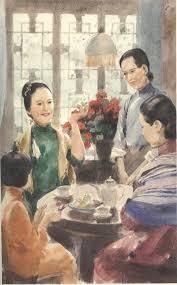
I read this masterpiece as a child, and the remarkable, unforgettable illustrations really do help me to get lost in the bygone Old Peking:

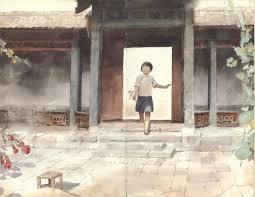
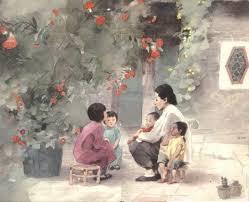

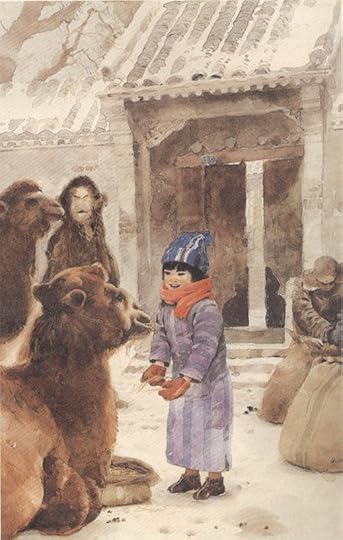
For a memoir about the author's own childhood, the messages beyond the stories are surprisingly mature; plus there are quite a number of heartbreaking moments in the stories, for example: .
the same with Totto-chan: The Little Girl at the Window, I highly recommend you to read the illustrated version of this memoir. It's a must read!
link to the English translated version of the book: https://www.goodreads.com/book/show/5...
Told from the viewpoint of a little girl who lived with her upper-middle class family in Peking (now Beijing) at the turn of the century, it contains six moving, elegantly written short stories about the innocent joy of childhood; the loss, hardship and sadness of life.
I read this masterpiece as a child, and the remarkable, unforgettable illustrations really do help me to get lost in the bygone Old Peking:
For a memoir about the author's own childhood, the messages beyond the stories are surprisingly mature; plus there are quite a number of heartbreaking moments in the stories, for example: .
the same with Totto-chan: The Little Girl at the Window, I highly recommend you to read the illustrated version of this memoir. It's a must read!
December 4, 2016
在去悉尼的大巴上一下看完了这本书 想到小学课本里学的一个词 白驹过隙 小小的北京城也很大了 对于小孩子来说总有很多舍不得 也迷迷糊糊成了旧事 还想再看一遍再看一遍呀

April 22, 2026
Dagen jag läste klart min första riktiga kinesiska roman på kinesiska

June 19, 2018
林海音的文字親切好讀,用小孩子單純的眼光敘述大人世界的無奈,裡面的每篇故事都是悲傷的,但是透過英子的純真,似乎也看見了未來的希望。
October 16, 2022
好暖的好暖 几个小故事读的我温馨又心软

May 25, 2019
在《城南旧事》中林海音回忆了孩提时期于北平生活的一些故事,京味儿十足的言语读起来令人很亲切,或许南方的同学会觉得有些不顺畅,好在不少热心书友及时做了很详尽的注解。前几篇文章从英子的童真视角铺开了故事的缘起结束,有感动、有唏嘘,后面几篇文章是新编进去的一些故事,应是林海音去台湾后的经历,更贴近现代生活一些。蛮喜欢读传记,这段时间又喜欢读历史。我是一个蛮念旧的人,时不时会想起过去的年岁,在写日记时也常提及一两笔,但很难延展出一篇完整故事来,个人的人生阅历尚浅吧。

December 2, 2017
英子,也许只是一位普普通通的小女孩,但正是她朴素的心灵,使她与众不同。在她天真的眼光中,身边的每一位人都是好人。也许,只有善良的她,才会认真倾听身边人的故事,才会懂得同情与爱。
一部散文式的小说,讲述了一个人的故事,一个时代的故事。童年的海洋中怀着多少零零碎碎的时光,却被岁月的流沙渐渐抹淡,一去不返……
“每个人的童年不都是这样余蔼而神圣吗?”
一部散文式的小说,讲述了一个人的故事,一个时代的故事。童年的海洋中怀着多少零零碎碎的时光,却被岁月的流沙渐渐抹淡,一去不返……
“每个人的童年不都是这样余蔼而神圣吗?”

December 31, 2021
"人生難得是歡聚, 惟有別離多…"
Six short stories that make up a short novel full of nostalgia and Peking flavour. This is a tale of growing up through encounters and farewells with different people. Bitter-sweet prose, well recommended for the advanced Chinese learner.
Six short stories that make up a short novel full of nostalgia and Peking flavour. This is a tale of growing up through encounters and farewells with different people. Bitter-sweet prose, well recommended for the advanced Chinese learner.
November 13, 2023
I really liked these charmingly written stories that reflect the social circumstances of old Peking. 英子 as the child narrator had a compelling voice that enriched the themes of morality and marginalization. Very whimsical and touching!

February 12, 2024
506-My Memories of Old Beijing-Lin Haiyin-Novel-1918
Barack
2024/02/11
"Old Things in the South of the City" was first published in 1960. It is an autobiographical novel. It describes that in the 1920s, in a courtyard in the south of Beijing, Yingzi's warm and harmonious family lived. Through the childish eyes of the protagonist Yingzi, it shows the joys and sorrows of the adult world to the world. It has an indescribable innocence, but it expresses the complex emotions of the world. The novel brings together five stories of Xiao Yingzi's childhood experience. It is the expression and sustenance of the author's inner creative emotions, using constant "departures" to organize the plot and promote the development of the story. It reflects the author's nostalgia for his childhood and his longing for the south of Beijing.
Lin Haiyin was born in Osaka, Japan in 1918 and died in 2001. Studied at Peking Journalism College. Representative works: "Xiaoyun", "Old Things in the South of the City", "A Guest in America", "Yun Chuang Night Reading", etc.
Table of Contents
1. Hui’an Pavilion
2. Let’s go see the sea
3. Aunt Lan
4. The donkey rolls around
5. Dad’s flowers have fallen, and I am no longer a child.
There is a saying, "Some people use their childhood to heal their whole lives, while some people need to spend their whole life to heal their childhood." This sentence profoundly reflects the long-term impact of childhood on a person. When the 42-year-old author looks back on his childhood memories of around ten years old, he is actually an adult trying to act like his former self and trying to understand the adult world from a child's perspective. Naturally, this attempt will inevitably lead to distortion. When anyone recalls his childhood, he can only restore the emotions and experiences of that time as much as possible, but it is almost impossible to truly reproduce his true feelings at that time. Some people believe that human nature is inherently good, while others believe that human nature is inherently evil. It seems to me that both attributes may exist in human nature, with considerable randomness in the exact proportions. Some children are naturally compassionate, while others may show an innate tendency to be cruel. Of course, the acquired environment also has a great impact. For children who are naturally compassionate, their hearts may become harder over time and as they learn about the truth about the world. And those children who are naturally cruel may gradually learn to control their impulses through acquired education and etiquette learning. Due to various reasons, Xiuzhen's love has no results, and even her own flesh and blood were abandoned by her parents. This kind of mental trauma caused her to become insane. Even though she was so unfortunate, those around her only saw her as a madman. The joys and sorrows of human beings are indeed not the same.
Regarding blood relationships, I often feel that they are complicated and subtle. For most people, they are naturally full of love for their biological children, but they may show more impatience for their adopted children. However, this is just a general trend. In fact, I have heard of or witnessed many examples that violate this rule. Although some people have become parents, they seem to lack the awareness to become parents. These so-called parents always regard their children as mindless and soulless beings, consciously or unconsciously. Children do lack understanding of certain things, but their understanding is not due to ignorance, they just do not know enough about the world. As for love, I believe children can feel it. Of course, there are some people who are able to consistently provide abundant love to their children, whether biological or adopted. I don't think a person who has the ability to love should take on the role of a partner or even a parent. If these little lives can’t be made to feel full of love early in their lives, why bring them into the world at all?
The first time I read "A Dream of Red Mansions" was when I was in junior high school. At that time, I found this work extremely boring and did not finish reading it. I tried reading it again in high school but still failed. It was not until my undergraduate degree that I read "Dream of Red Mansions" in its entirety for the first time and was finally attracted by it. When I was young, I preferred stories like "Romance of the Three Kingdoms" and "Water Margin" with grand narratives full of pleasure and hatred, and was less interested in works that depicted daily trivial matters. It was probably after I was twenty years old that I began to have a strong interest in stories that reflected daily life, and I felt strong emotional resonance from the daily joys and sorrows of ordinary people. In my early years, I always liked to talk about ambitions, full of longing for the future, and a sense of pride in being ambitious in all directions. I thought that being decisive and powerful was a desirable life. However, as time goes by, I feel that the most important things in life are actually three things: keeping one's physical and mental health, finding the person you love, and finding the career you love. If this can be achieved, what else can I ask for?
The tragedy between Xiuzhen and Niuer makes people feel pitiful when reading it. The author's writing style makes people confused about which parts really happened and which ones are the product of memory confusion caused by fever. I personally don't like this narrative method that interweaves reality and illusion, because it successfully blurs the boundaries between reality and fiction, and even makes people question the authenticity of memory and even life. The suffering mother and daughter finally recognized each other but failed to have a happy ending, which added to the tragedy of the story. The older I get, the more I hate stories that end tragically. We have seen too many tragedies in the real world, and I don’t want to read about tragedies while reading. If I were an author, I would rather transform the tragic ending in reality into a happy ending in the novel world. I don't pursue so-called artistry, I just hope that in the world of novels, all difficulties can be eliminated.
If I have children in the future, I'm not sure I will be like many parents who teach their children to divide people into good and bad people. I even began to wonder whether many adults still simply divide people in the world into good and bad. For almost 20 years, from elementary school to graduate school, I have always been a rule follower. When I was in elementary school, I stopped my classmates from copying their homework. When I was in junior high school, I reported my classmates to the invigilator for cheating. When I was asked by the teacher in my undergraduate degree whether my roommate came to class, I answered truthfully. I always tried to act according to the so-called correct "rules", but these behaviors eventually caused me brought many negative consequences. In my mind, I am doing the things of a "good person", but in the eyes of others, I may become a "bad person". A person who is regarded as a prodigal because of his squandering of family property, and a person who steals to support his younger brother's education. Is this person a good or bad person? A plainclothesman who eliminates harm to people by solving cases, a plainclothesman who finds clues to solve the case through a little girl and arrests the little girl's friend. Is he good or bad? As I grow older, I realize more and more that there are no absolute good and bad people in the world. Everything depends on the relationship between the other person and us. Those who are close to us and friendly to us, even thieves, may appear cute in our eyes; and those so-called "righteous" guardians who have nothing to do with us may sometimes not be accepted by us.
The author was estimated to be about 10 years old when he was in third grade. Some adults often think that children do not understand the world and cannot understand the emotional entanglements of adults, but I don’t think so. I believe that although children may not fully understand the love between men and women in the adult world, they have the ability to feel these emotions. It may even be that adults tend not to hide their emotions in front of children, allowing children to feel these emotions more directly. Yingzi's father probably had the idea of taking Aunt Nalan as a concubine. However, such a decision makes him happy, but it may make Yingzi's mother a victim. From another perspective, Aunt Lan was sold by her biological mother when she was three years old, and she was likely to become a victim of the infamous "Yangzhou Skinny Horse" that has been circulating for many years. She was officially sold as goods when she was 14 years old. After going through many twists and turns, I finally want to find a satisfactory destination. What’s wrong with that?
Song's mother has two children. Faced with the family's poverty and her husband's inaction, she chose to go out to work and nurse other people's children, leaving her biological daughter to be taken care of by others. Four years later, she discovered that due to her husband's negligence, her son drowned and her daughter was likely to be given away or even sold. Not to mention a hundred years ago, even today, most people in the world may still be driven by instinct to live, get married, have children, and make ends meet day after day. Children who grow up in such an environment are likely to continue this cycle. I am extremely disgusted with the thinking mode that "your parents give birth to you and raise you, and your parents' kindness is as great as the sky". In this world, most relationships should be two-way choices. However, the relationship between parents and children cannot be chosen. Isn’t it absurd to ask children who grow up in a family lacking love to feel grateful from the bottom of their hearts for their parents’ so-called upbringing? These children may even wish they had never been born. How can they be grateful to the people who forcibly brought them into this world? Many people choose to get married and have children out of physiological needs or financial pressure. How is this different from the instinctive reproduction of animals? If a person does not have the ability, confidence, or awareness to take on family responsibilities, it is better to choose to live alone.
October 27, 2025
“I can’t tell the sky from the sea, nor the good from the bad.”
Beneath the innocence of a child’s gaze lie stories burdened with life and death, love and loss.
Beneath the innocence of a child’s gaze lie stories burdened with life and death, love and loss.
September 10, 2020
I like Beijing! This book is about the author live in Beijing when she is a child.
The author live in alley. She talks about she's friends, the madman in the alley and her family...
So i love this book! I yearn for live in alley in Beijing. This book describes exactly the life I want to live.
The author live in alley. She talks about she's friends, the madman in the alley and her family...
So i love this book! I yearn for live in alley in Beijing. This book describes exactly the life I want to live.

April 16, 2026
童年过去了,他一去不返。
每个人的结局都很唏嘘, 淡淡的童年充满了生离死别。
每个人的结局都很唏嘘, 淡淡的童年充满了生离死别。
September 4, 2020
I think this book is very interesting, and is talk about the author' childhood in Beijing. Also author share lots of events that happen when she was young ! I very like this book, also I hope I have same childhood with the author.

August 24, 2021
一直以来我都认为,阅读是需要心境的,在什么样的年纪读什么样的书,倘若你觉得一本书不好,很有可能是你没有读懂它,或许再过一些年来读,会疑惑于自己当年的不以为然。对于我来说,林海音的《城南旧事》早已是耳熟能详,可是曾经在书店无数次的翻开它,却从来也提不起阅读的兴趣。到我真正喜欢上这本书的时候,才发现它一直静静在那个角落等我,从来不曾远离。
三毛曾经说过:“童年,只有在回忆中才成就了那么完美。”可是在林海音的笔下,这个童年故事却饱含了一种凄婉的味道,仿佛那不是一个平凡的小说故事,而是关于过去的真实回忆。
整本书分为《惠安馆》、《我们看海去》、《兰姨娘》、《驴打滚儿》、《爸爸的花儿落了我也不再是小孩子》五个短篇故事,每一篇都浸染了浓浓的惆怅,这是怀念特有的忧郁滋味,典雅柔美,令人叹息。
《惠安馆》里痴痴等待着情人归来的秀贞让我不禁想起了那个关于“望夫石”的古老传说,可是,命运更加不幸的秀贞在离别前夕怀上了那个男子的骨肉,负心的男子一去不回,而刚刚生下来的爱情结晶便被狠心的母亲抛弃在荒凉的遥远地方。不能经受双重打击的秀贞精神失常,整日整夜的念叨着旧日情人思康以及可怜的孩子“小桂子”。作为旁观者的英子善良的心里对秀贞抱着深深的同情,期望着她的好转。有一天她发现自己的好友——命途多舛的妞儿竟然是那个被遗弃的小桂子,她毫不犹豫的拿走了母亲的金镯子,送给秀贞和妞儿作为盘缠,并将她们送上了火车,去寻觅那个男子。
“我们看海去!/我们看海去!/蓝色的大海上,/扬着白色的帆。/金色的太阳,/从海上升起来,/照到海面照到船头。/我们看海去!/我们看海去!”好一首优美和快乐的诗,深深喜爱它的英子对着那个草丛里面偶遇的奇怪的人吟诵。这个看起来一点也不坏的人答应和她一起去看海,就在供养他弟弟到漂洋过海去念书的时候,可是,在满天夕阳里英子只看到这个善良的哥哥被警察带走,英子知道他偷窃是为了弟弟的学业。可是为什么一个不坏的人会被抓走,是什么吞噬了他?英子并不明白,因为这个社会的黑暗还没有在她纯真的心灵上投下阴影。
看到英子竭力撮合兰姨娘和德先的小手段,我不禁哑然失笑,孩童的心思总是天真无邪,她只为了看到母亲的笑颜,便决定将纠缠着父亲的兰姨娘交给德先,让其远离父亲的身边。得知她的杰作之后,她母亲带着微笑问她:“你那天说要买什么来着?”她毫不迟疑的说:“一副滚铁环,一双皮鞋,现在我还要加上订一整年的《儿童世界》。”一个带着得意神态的小小女孩子的可爱形象跃然纸上。
《驴打滚儿》里面的宋妈无疑是让人同情的,她在同一时刻得知儿子溺水身亡和女儿被送人两个沉痛的消息,几乎精神崩溃。后来她又带着英子满城寻找那杳无踪影的小女儿,却没有任何消息。在彻底绝望之后,她决心回到家乡,再生育儿女,重拾做母亲的滋味。旧社会的穷人家里上演着各式各样的悲剧,而宋妈就像鲁迅先生笔下的祥林嫂,失去了自己心爱的儿女。故事里的宋妈还有开始新生活的勇气,而可怜的祥林嫂却在满城的祝福声中凄凉的死去了,这样的结局令人叹惋。
故事里的英子在六年之后终于如愿成为了毕业生代表上台领奖,当她发现离别近在眼前的时候,骊歌声早已响起。唱了五年的骊歌,终于轮到同学们为他们唱,这时所有的毕业生都流下了泪水。当英子拿着小学毕业文凭匆忙的赶回家中时,她的心里似乎在害怕赶不上什么事情。果然,她心里的预感变成了现实。走进家门,弟弟妹妹们还坐在院子里玩耍,而爸爸种的石榴却落下来了。这时厨子老高让她去医院好好劝劝妈妈,英子变得如此的平静。当她爸爸的花儿落下,她已不再是小孩子。
这样一部安静的小说,它不是一个故事,而是一部关于成长的寓言。那些点缀在英子人生旅途中的人和事,就这样匆匆远离。昔日像一首诗,躺在回忆的深处,不曾忘记也不需要想起,因为他们早已是她生命的一部分。
伤离别是人生最为痛苦的一件事,撕心裂肺的痛楚往往让人迷失自我,过了许多年想起来还是伤心。记得一首令人怅惘的词:“把酒祝东风,且共从容。垂杨紫陌洛城东,总是当年携手处,游遍芳丛。聚散苦匆匆,此恨无穷。今年花胜去年红,可怜明年花更好,知与谁同?”
我们也曾经像英子一样唱那首忧郁的骊歌:“长亭外,古道边,芳草碧连天。晚风拂柳笛声残,夕阳山外山。天之涯,地之角,知交半零落。一瓢浊酒尽余欢,今宵别梦寒。”我们一直都在离别,和我们的朋友,家人,旧时光里的自己,在哀叹离伤的同时,我们发现自己已经悄悄的长大了。
其实,每个人心中都有自己的城南旧事,那飘逸在童年角落让人回味无穷的点点滴滴,或喜或悲。请不要为了那业已消逝的时光而怅惘,如果这就是成长,那么就让我们安之若素。
三毛曾经说过:“童年,只有在回忆中才成就了那么完美。”可是在林海音的笔下,这个童年故事却饱含了一种凄婉的味道,仿佛那不是一个平凡的小说故事,而是关于过去的真实回忆。
整本书分为《惠安馆》、《我们看海去》、《兰姨娘》、《驴打滚儿》、《爸爸的花儿落了我也不再是小孩子》五个短篇故事,每一篇都浸染了浓浓的惆怅,这是怀念特有的忧郁滋味,典雅柔美,令人叹息。
《惠安馆》里痴痴等待着情人归来的秀贞让我不禁想起了那个关于“望夫石”的古老传说,可是,命运更加不幸的秀贞在离别前夕怀上了那个男子的骨肉,负心的男子一去不回,而刚刚生下来的爱情结晶便被狠心的母亲抛弃在荒凉的遥远地方。不能经受双重打击的秀贞精神失常,整日整夜的念叨着旧日情人思康以及可怜的孩子“小桂子”。作为旁观者的英子善良的心里对秀贞抱着深深的同情,期望着她的好转。有一天她发现自己的好友——命途多舛的妞儿竟然是那个被遗弃的小桂子,她毫不犹豫的拿走了母亲的金镯子,送给秀贞和妞儿作为盘缠,并将她们送上了火车,去寻觅那个男子。
“我们看海去!/我们看海去!/蓝色的大海上,/扬着白色的帆。/金色的太阳,/从海上升起来,/照到海面照到船头。/我们看海去!/我们看海去!”好一首优美和快乐的诗,深深喜爱它的英子对着那个草丛里面偶遇的奇怪的人吟诵。这个看起来一点也不坏的人答应和她一起去看海,就在供养他弟弟到漂洋过海去念书的时候,可是,在满天夕阳里英子只看到这个善良的哥哥被警察带走,英子知道他偷窃是为了弟弟的学业。可是为什么一个不坏的人会被抓走,是什么吞噬了他?英子并不明白,因为这个社会的黑暗还没有在她纯真的心灵上投下阴影。
看到英子竭力撮合兰姨娘和德先的小手段,我不禁哑然失笑,孩童的心思总是天真无邪,她只为了看到母亲的笑颜,便决定将纠缠着父亲的兰姨娘交给德先,让其远离父亲的身边。得知她的杰作之后,她母亲带着微笑问她:“你那天说要买什么来着?”她毫不迟疑的说:“一副滚铁环,一双皮鞋,现在我还要加上订一整年的《儿童世界》。”一个带着得意神态的小小女孩子的可爱形象跃然纸上。
《驴打滚儿》里面的宋妈无疑是让人同情的,她在同一时刻得知儿子溺水身亡和女儿被送人两个沉痛的消息,几乎精神崩溃。后来她又带着英子满城寻找那杳无踪影的小女儿,却没有任何消息。在彻底绝望之后,她决心回到家乡,再生育儿女,重拾做母亲的滋味。旧社会的穷人家里上演着各式各样的悲剧,而宋妈就像鲁迅先生笔下的祥林嫂,失去了自己心爱的儿女。故事里的宋妈还有开始新生活的勇气,而可怜的祥林嫂却在满城的祝福声中凄凉的死去了,这样的结局令人叹惋。
故事里的英子在六年之后终于如愿成为了毕业生代表上台领奖,当她发现离别近在眼前的时候,骊歌声早已响起。唱了五年的骊歌,终于轮到同学们为他们唱,这时所有的毕业生都流下了泪水。当英子拿着小学毕业文凭匆忙的赶回家中时,她的心里似乎在害怕赶不上什么事情。果然,她心里的预感变成了现实。走进家门,弟弟妹妹们还坐在院子里玩耍,而爸爸种的石榴却落下来了。这时厨子老高让她去医院好好劝劝妈妈,英子变得如此的平静。当她爸爸的花儿落下,她已不再是小孩子。
这样一部安静的小说,它不是一个故事,而是一部关于成长的寓言。那些点缀在英子人生旅途中的人和事,就这样匆匆远离。昔日像一首诗,躺在回忆的深处,不曾忘记也不需要想起,因为他们早已是她生命的一部分。
伤离别是人生最为痛苦的一件事,撕心裂肺的痛楚往往让人迷失自我,过了许多年想起来还是伤心。记得一首令人怅惘的词:“把酒祝东风,且共从容。垂杨紫陌洛城东,总是当年携手处,游遍芳丛。聚散苦匆匆,此恨无穷。今年花胜去年红,可怜明年花更好,知与谁同?”
我们也曾经像英子一样唱那首忧郁的骊歌:“长亭外,古道边,芳草碧连天。晚风拂柳笛声残,夕阳山外山。天之涯,地之角,知交半零落。一瓢浊酒尽余欢,今宵别梦寒。”我们一直都在离别,和我们的朋友,家人,旧时光里的自己,在哀叹离伤的同时,我们发现自己已经悄悄的长大了。
其实,每个人心中都有自己的城南旧事,那飘逸在童年角落让人回味无穷的点点滴滴,或喜或悲。请不要为了那业已消逝的时光而怅惘,如果这就是成长,那么就让我们安之若素。
January 2, 2017
I read this out of a task set by my Mandarin teacher right after finishing Persepolis by Marjane Satrapi and the Red Rising Trilogy by Pierce Brown. To be frank, I disliked the slow pace of this book in comparison to the drama and intensity I familiarized myself with previous reading. I was even kind of dreading it. I trod on regardless. And here I am. Touched to the core, lying with a face streaked with tears. I wasn't expecting to identify with the author's childhood, as it is apparent that we are the products of different eras (well I'm 16). Yet, Lin's writing, one of such simplicity is so powerful. She writes like a seagull flying across the sea, a sea so blue the young Lin in the book wouldn't be able to distinguish from the equally blue sky, gracefully sliding over the surface of the glittering water. She writes with such elegance and innocence, and I, who knew so little about appreciating was resenting how she buried the clues to the ending so carelessly (I was constantly going: oh my goodness you're so predictable!) and every time I was surprised by how each chapter is drawn to a close, to different extents.
Old is gold! Just as they always say! Love it! Reminds me that my faith in my culture can always be restored through books like this! Cheers.
Old is gold! Just as they always say! Love it! Reminds me that my faith in my culture can always be restored through books like this! Cheers.

April 22, 2018
a melancholy chronicling of one girl’s childhood in five tragic, well-rounded stories. the protagonist’s narration is both innocent and wise, endearing in a childlike sort of way, and hard to forget. it was impossible not to sympathize with the characters, which made it all even more heartbreaking when i watch their sad little lives unfold through the masterful, simplistic storytelling. i would’ve given this a much higher rating if i wasn’t reading for chinese class, The Literal Bane Of My Goddydamned Life.
September 27, 2017
My favorite book: 淘气包马小跳
My favorite book are too many, but I choose this book because this book is write about children. Is so good.
This book protagonist is four or five boys, four girls, the boys parents and six teacher. The book write many things about five boys and four girls, the five boys was very naughty, the most naughty boy was 马小跳,he always go to the teacher office, he always do bad things, and the teacher was so angry.
The all book write about the children's in the school and in the home things. Sometime is funny, and sometime is no funny. The teacher always call the 马小跳 father come to school, the teacher want call he mother come to the school, but he mother don't want go to the school.
I like the this book so much, this book have 24 books, is so good, I like this books!
My favorite book are too many, but I choose this book because this book is write about children. Is so good.
This book protagonist is four or five boys, four girls, the boys parents and six teacher. The book write many things about five boys and four girls, the five boys was very naughty, the most naughty boy was 马小跳,he always go to the teacher office, he always do bad things, and the teacher was so angry.
The all book write about the children's in the school and in the home things. Sometime is funny, and sometime is no funny. The teacher always call the 马小跳 father come to school, the teacher want call he mother come to the school, but he mother don't want go to the school.
I like the this book so much, this book have 24 books, is so good, I like this books!
August 13, 2018
Read it on tube journeys in Summer 2017. The book is a reflection of the Beijing society in 1920s from the perspective of an innocent child. Strong contrast of tragegic nature of events with the innocent mind of a child. Miss the old Beijing.

June 28, 2019
《城南旧事》是重读的,但是和第一次阅读相比,心情完全不一样了。第一次阅读,读的是旧时北京的风土人情,是主角小英子眼中的童年时光,而今次重读,却读出了隐藏在孩子视角背后的成人世界的残酷与无奈。《惠安馆》一篇中母女相认却一同命丧火车轮下的悲惨,《兰姨娘》里不停怀孕生子的母亲,父亲潜藏的风流性情,《驴打滚》里面不知晓亲生子女情况的奶娘。在结尾,林海音说:爸爸的花落了,我也要长大了。对于我们每个人来说,成长大概也是生命中每一个“花落”的时刻吧。
September 6, 2019
泪流不止。离别的故事。
August 28, 2022
LinHaiYin knows how to write.
I spent 9 months reading (very slowly) this book and analysing it for my Chinese class. This book at the surface is about the author's memories but at the heart, it is about the realities of growing up. Every coming-of-age piece of media I've consumed has been glamorized to make me want to grow up but this book really focuses on the sad and more bittersweet parts of it as well.
The last line of the last part of the book, '我也不再是小孩子。' made me so upset (in a good way). Realising she was 12 and experiencing all of those events made me inexplicably sad, she is still a child, yet she now has to take care of her SIX younger siblings alone with her mother. Also, knowing that her mother can't remarry (following traditions---a big theme in this book) makes me so sad too.
I guess a childish part of me really expected her to grow up in some idyllic environment and for her to no longer run into these melancholic events. It was the same feeling I got when I thought about Song Ma's (宋妈) life after she went back to her husband. I don't even want to think about her life after her dad's death.
I spent 9 months reading (very slowly) this book and analysing it for my Chinese class. This book at the surface is about the author's memories but at the heart, it is about the realities of growing up. Every coming-of-age piece of media I've consumed has been glamorized to make me want to grow up but this book really focuses on the sad and more bittersweet parts of it as well.
The last line of the last part of the book, '我也不再是小孩子。' made me so upset (in a good way). Realising she was 12 and experiencing all of those events made me inexplicably sad, she is still a child, yet she now has to take care of her SIX younger siblings alone with her mother. Also, knowing that her mother can't remarry (following traditions---a big theme in this book) makes me so sad too.
I guess a childish part of me really expected her to grow up in some idyllic environment and for her to no longer run into these melancholic events. It was the same feeling I got when I thought about Song Ma's (宋妈) life after she went back to her husband. I don't even want to think about her life after her dad's death.
This entire review has been hidden because of spoilers.
January 5, 2024
I don't often read literature, but thanks to the pressure of assisting with my daughter's schoolwork, I found myself listening to the audiobook for half an hour. To my surprise, I was seamlessly drawn into the author's memories of 1930s Beijing. Experiencing the story through the author's childhood perspective, richly conveyed through her delicate writing, made me feel as if I were right there - enveloped in a world that's warm, naive, yet tinged with creeping sadness. The magic of this literature took me by surprise; it's as though it has implanted its memories in my mind. I find myself missing the people and scenes described in the book as if they are part of my own memories. For the first time, I truly understand the feeling of reminiscence.
November 28, 2022
一共十章,有的像中篇小说,有的非常短甚至算不上故事。其中唯二我有感触的是最有名的《惠安馆传奇》和《驴打滚儿》。两个故事都非常惨。
《惠安馆传奇》讲的是:六岁的英子和大人们让她避开的“疯子”成为了朋友,并从她妈妈口中得知了“疯子”秀贞悲惨的故事:约好的恋人一去不复返,私生女一生下就被家人丢弃。英子渐渐发现自己的好朋友妞儿是领养的,并且就是秀贞的私生女。她带两人相认后,秀贞带着妞儿去赶火车找失散的恋人,但两人不幸被火车撞死了。英子病了一场后,家人带她搬家了。
《驴打滚儿》讲的是:英子家生了很多孩子,奶妈兼保姆宋妈是从乡下来的。宋妈自己有一双儿女,但丈夫家暴并不养家,所以狠心抛下儿女来给城里的英子家当奶妈赚钱。待了三四年后,心里总是慌慌的,逼丈夫带亲生孩子来看自己,才得知真相,原来儿子几年前就溺水身亡,女儿出生没多久就被丈夫送人了。宋妈怎么也找不到女儿。英子妈妈劝宋妈回家再生个儿子。宋妈期待三年没见的孩子来访前的喜悦和之后的绝望形成了鲜明的对比。宋妈和英子妈表露出赤裸裸的重男轻女也让人难过。
两个故事中相同的元素是至亲把自己的孩子抛弃后母亲心碎。全书充斥着很多老北京的元素,体现了老北京的日常生活细节。
~摘抄~
“爸爸,你不去,我很害怕,你在台底下,我上台说话就不发慌了。”
爸爸说:
“英子,不要怕,无论什么困难的事,只要硬着头皮去做,就闯过去了。”
“那么爸不也可以硬着头皮从床上起来到我们学校去吗?”
《惠安馆传奇》讲的是:六岁的英子和大人们让她避开的“疯子”成为了朋友,并从她妈妈口中得知了“疯子”秀贞悲惨的故事:约好的恋人一去不复返,私生女一生下就被家人丢弃。英子渐渐发现自己的好朋友妞儿是领养的,并且就是秀贞的私生女。她带两人相认后,秀贞带着妞儿去赶火车找失散的恋人,但两人不幸被火车撞死了。英子病了一场后,家人带她搬家了。
《驴打滚儿》讲的是:英子家生了很多孩子,奶妈兼保姆宋妈是从乡下来的。宋妈自己有一双儿女,但丈夫家暴并不养家,所以狠心抛下儿女来给城里的英子家当奶妈赚钱。待了三四年后,心里总是慌慌的,逼丈夫带亲生孩子来看自己,才得知真相,原来儿子几年前就溺水身亡,女儿出生没多久就被丈夫送人了。宋妈怎么也找不到女儿。英子妈妈劝宋妈回家再生个儿子。宋妈期待三年没见的孩子来访前的喜悦和之后的绝望形成了鲜明的对比。宋妈和英子妈表露出赤裸裸的重男轻女也让人难过。
两个故事中相同的元素是至亲把自己的孩子抛弃后母亲心碎。全书充斥着很多老北京的元素,体现了老北京的日常生活细节。
~摘抄~
“爸爸,你不去,我很害怕,你在台底下,我上台说话就不发慌了。”
爸爸说:
“英子,不要怕,无论什么困难的事,只要硬着头皮去做,就闯过去了。”
“那么爸不也可以硬着头皮从床上起来到我们学校去吗?”
This entire review has been hidden because of spoilers.
May 10, 2018
heres a little summary of this book, although my Chinese isn't on-point, I'll try to summarize most of it
我其实看中文书没有那么大的兴趣,大部分看的书都是英文书。但是我第一次看中文书就是这本。我看完电影,感觉英子是个挺有意思的女孩。她那么小,有知道那么多,敢做那么多现在她这个年龄的小女孩不敢做的事情。其实,我挺羡慕她的。我也挺理解她的。感觉自己的胆子好小啊~要是小时候能跟她一样就好啊。因为这本书是关于老北京的故事和事情,它还给我一个在老北京生活的经验,让我享受一下老北京的生活是什么样子的。好多好多问题,但是慢慢的学,呵呵~
我其实看中文书没有那么大的兴趣,大部分看的书都是英文书。但是我第一次看中文书就是这本。我看完电影,感觉英子是个挺有意思的女孩。她那么小,有知道那么多,敢做那么多现在她这个年龄的小女孩不敢做的事情。其实,我挺羡慕她的。我也挺理解她的。感觉自己的胆子好小啊~要是小时候能跟她一样就好啊。因为这本书是关于老北京的故事和事情,它还给我一个在老北京生活的经验,让我享受一下老北京的生活是什么样子的。好多好多问题,但是慢慢的学,呵呵~
December 24, 2025
An essential read from elementary school that I, unfortunately, only just read for the first time today. There are few works left that manage to portray society through a purely childlike lens; and while this style can't capture the sweeping changes of an entire era like a grander narrative can, it manages to touch the heart far more deeply. 经典不愧是经典。
*不过果然还是更适合年龄稍大一点的读者呢
*不过果然还是更适合年龄稍大一点的读者呢
October 17, 2017
I love this book because I grown up in Beijing and fully understand the environment and language the author used. Actually, it is a throwback for me to my childhood. The story is sad but the language is soft and warm.
November 11, 2021
This is a very good story.It tells the author Lin Haiyin's experience as a child.And every story leaves someone.In the end,author’s father is die.I think the ending is very sad, and the whole story in the old events in the south of the city reflects the darkness of the society at that time.
September 18, 2023
这明媚的秋天是所有人的冬天,这场离别后,他们将去各自的天地里无声悲喜
从前的故事也将无踪飘散,但千百年来寂寥悲泣又何止他们呢?
不经意的转身的瞬间,总有人在红尘中慢慢远去,也许你只一眨眼,那些熟悉而陌生的背影,又消失在时间的河流中,成了不可逆转的曲终人散
它无视想念,无关心酸,无法重逢
更无论从前相聚的日子有多斑斓,它只是时光飞快焚烧后,无数美好在灰烬里的昙花一现,也是于山川万物的世界里,你我注定各自跋山涉水,淡于时间的荒原
更把此去今年变成了奢望,无法泅过思念潮水的你无法回头,但前方依旧是水迢迢,路漫漫
分别的人们泪光闪闪,直到残影稀疏,却依旧没说出心里的那句再见
从前的故事也将无踪飘散,但千百年来寂寥悲泣又何止他们呢?
不经意的转身的瞬间,总有人在红尘中慢慢远去,也许你只一眨眼,那些熟悉而陌生的背影,又消失在时间的河流中,成了不可逆转的曲终人散
它无视想念,无关心酸,无法重逢
更无论从前相聚的日子有多斑斓,它只是时光飞快焚烧后,无数美好在灰烬里的昙花一现,也是于山川万物的世界里,你我注定各自跋山涉水,淡于时间的荒原
更把此去今年变成了奢望,无法泅过思念潮水的你无法回头,但前方依旧是水迢迢,路漫漫
分别的人们泪光闪闪,直到残影稀疏,却依旧没说出心里的那句再见
Displaying 1 - 30 of 81 reviews