Jump to ratings and reviews
Rate this book

De kapiteinsdochter

Rate this book
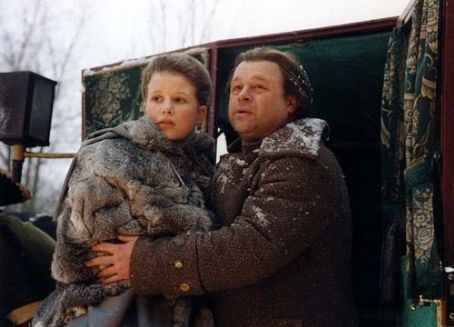
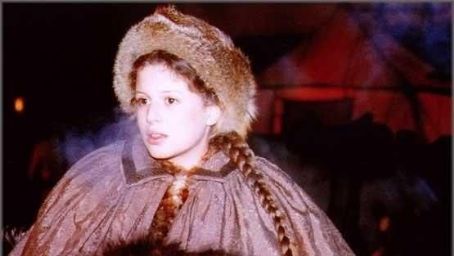
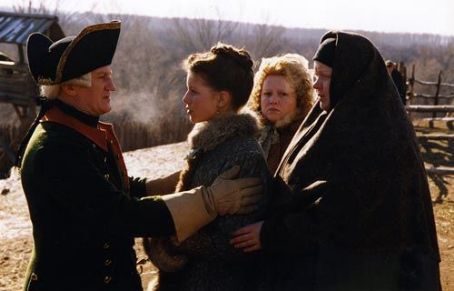
Tijdens het regime van Katharina de Grote wordt de jonge Grinjov door zijn ouders ingeschreven voor het leger. Onderweg van Sint-Petersburg naar de kleine vesting waar hij gestationeerd wordt, raakt hij verdwaald in een sneeuwstorm. Langs de weg staat een vreemdeling, die hem uit de storm helpt en zo zijn leven redt. Uit dankbaarheid geeft Grinjov hem zijn pels, niet wetende dat dat het begin is van een avontuur vol intriges, liefde en verraad.

Historische feiten en pure fictie zijn door Poesjkin met elkaar verweven tot een tijdloze vertelling. Zijn humor, levendigheid en scherp oog voor de menselijke natuur maken deze novelle tot een heus sleutelwerk van de Russische literatuur.

176 pages, Paperback

First published January 1, 1836

1035 people are currently reading
19017 people want to read

About the author

Alexander Pushkin

3,084 books3,444 followers
Works of Russian writer Aleksandr Sergeyevich Pushkin include the verse novel Eugene Onegin (1831), the play Boris Godunov (1831), and many narrative and lyrical poems and short stories.

See also:
Russian: Александр Сергеевич Пушкин
French: Alexandre Pouchkine
Norwegian: Aleksander Pusjkin
Spanish:Aleksandr Pushkin

People consider this author the greatest poet and the founder of modern literature. Pushkin pioneered the use of vernacular speech in his poems, creating a style of storytelling—mixing drama, romance, and satire—associated ever with greatly influential later literature.

Pushkin published his first poem at the age of 15 years in 1814, and the literary establishment widely recognized him before the time of his graduation from the imperial lyceum in Tsarskoe Selo. Social reform gradually committed Pushkin, who emerged as a spokesman for literary radicals and in the early 1820s clashed with the government, which sent him into exile in southern Russia. Under the strict surveillance of government censors and unable to travel or publish at will, he wrote his most famous drama but ably published it not until years later. People published his verse serially from 1825 to 1832.

Pushkin and his wife Natalya Goncharova, whom he married in 1831, later became regulars of court society. In 1837, while falling into ever greater debt amidst rumors that his wife started conducting a scandalous affair, Pushkin challenged her alleged lover, Georges d'Anthès, to a duel. Pushkin was mortally wounded and died two days later.

Because of his liberal political views and influence on generations of Russian rebels, Pushkin was portrayed by Bolsheviks as an opponent to bourgeois literature and culture and a predecessor of Soviet literature and poetry. Tsarskoe Selo was renamed after him.

Ratings & Reviews

What do you think?
Rate this book

Friends & Following

Create a free account to discover what your friends think of this book!

Community Reviews

5 stars
7,755 (27%)
4 stars
10,803 (38%)
3 stars
7,487 (26%)
2 stars
1,694 (6%)
1 star
349 (1%)
Displaying 1 - 30 of 1,727 reviews
Profile Image for Ilse.
551 reviews4,434 followers
September 21, 2024
Something About Pushkin
It’s hard to say something about Pushkin to a person who doesn’t know anything about him. Pushkin is a great poet. Napoleon is not as great as Pushkin. Bismarck compared to Pushkin is a nobody. And the Alexanders, First, Second and Third, are just little kids compared to Pushkin. In fact, compared to Pushkin, all people are little kids, except Gogol. Compared to him, Pushkin is a little kid.
And so, instead of writing about Pushkin, I would rather write about Gogol.
Although, Gogol is so great that not a thing can be written about him, so I'll write about Pushkin after all.
Yet, after Gogol, it’s a shame to have to write about Pushkin. But you can’t write anything about Gogol. So I’d rather not write anything about anyone.
.
(Daniil Kharms, Today I Wrote Nothing: The Selected Writings, 1936).

No writer in the world, not even Shakespeare or Goethe, has ever been more venerated in his homeland than Alexander Sergeyevich Pushkin, Russia’s mythic national bard, proclaimed in unison by the Russians their ‘all’, their Genius, their divinity, the ‘soul’ or ‘spirit’ of Russia, and Art incarnate. Even the Soviets acknowledged his unique and godlike status, exploiting the Pushkin cult during the height of the purges, mirroring Stalin’s cult of personality. At the 1937 Jubilee Pushkin was made a representative Soviet hero just has Dostoevsky in his famous speech has made him the ultimate Russian prophet in 1880, at the unveiling of the Pushkin monument in Moscow. While one hero after another has toppled in Post-Communist Russia, Pushkin has withstood all the vicissitudes of Russian regime changes, to emerge intact. Growing sideburns in Russia, all the rage in the 19th Century, is nowadays still immediately associated with trying to imitate the poet.

Kiprensky Pushkin
Turning more and more to prose after 1830, Pushkin wrote the concise historical novel The Captain’s Daughter, the only novel he finished, published two months before his tragic death in 1836.

Unlike his poetry, Pushkin’s prose didn’t resonate much with the wider audience at the time. Blending a style averse from prolixity or frippery, playing with literary conventions and genres, his prose didn’t fit the more conventional taste of his time. But his prose deeply impressed the literati following in his footsteps: Gogol, Turgenev, Chekhov, Gorky, Nabokov.

At the end of his life, Tolstoy preferred Pushkin the prosaist above Pushkin the poet: 'The main thing in him is the simplicity and terseness of the narrative: there is never anything superfluous. Pushkin is amazing because it is impossible to change a single word in his writings. And not only is it impossible to take away a word, but it is impossible to add one'.

The captain’s daughter was Chekhov’s favorite. According to Gogol, Pushkin’s friend and protégé “in comparison with The Captain’s daughter, all our novels and tales are like saccharine mush. Purity and lack of artifice rise to such a high degree in it that reality itself seems artificial and a caricature next to it.” Dostoevsky praised the naturalness of his prose. Dealing with the most important paroxysm of popular fury known in Russian history, the Soviets valued The Captain’s Daughter for its realism and apparent class-consciousness.

The obligated romance and quarrelling about Masha, the daughter of the officer mentioned in the title of the novel, occurs more like a fairytale subplot, a vehicle to highlight two antagonist characters: the narrator, the naïve and noble poet-hero Pyotr Grinyov, and the archetypical disloyal villain, Shvabrin. In fact, they look like anemic schoolboys compared to Puskhin’s vivid portrayal of the real protagonist of the story, the Don Cossack Yemelyan Pugachev, the leader of the most widespread and serious popular revolt under Catherine the Great in the years 1773-1775. Pushkin put a lot of effort in his research on the resurrection, studying state archives and travelling to Orenburg to interview witnesses. The bloodshed and savagery - on both sides – aren’t sugarcoated – Pushkin’s nonchalant observations on tsarist mutilation punishments like nose-cutting and the slaughtering and hanging of officers by the rebels left me shivering. Unlike his image in official history, Pugachev himself however is not depicted as a monster. Pushkin accredits him with human traits, painting vibrantly his boisterous bravura, casual cruelty and boasting vanity as well as his camaraderie, magnanimity and simple generosity.

USSR stamp E.Pugachev 1973 4k

Unless his latent sympathy for his fictitious Pugachev, Pushkin, the nobleman of “six—hundred-year-old lineage” , clearly rejects the insurrection:
God save us from seeing a Russian revolt, senseless and merciless. Those who plot impossible upheavals among us, are either young and do not know our people, or are hard-hearted men who do not care a straw either about their own lives or those of others.

Having a soft spot for the Russian classics ever since my youth, I was enchanted when reading Pushkin’s verse novel Eugene Onegin years ago (and mesmerized by the eponymous opera by Tchaikovsky). The Captain’s Daughter is the kind of novel I turn to when longing for homecoming, for charm, equivalent to a beam of sunlight, a treat. I loved the dynamic vitality of the language, the compelling and powerful story, the playfulness, and was intrigued by the picaresque complexity of Pugachev’s personality and this part of Russian history.


Thank you so much, Florencia, for reminding me of this gem.
Profile Image for Flo.
649 reviews2,245 followers
January 12, 2018
I am familiar with Pushkin's writing. And whereas I prefer Pushkin the Poet, I can say with absolute certainty that, in fact, I enjoyed this novella but for other somewhat unexpected reasons. I found the plot so enthralling that I could not put this book down. Historical facts and pure fiction are interwoven as a single reality which eventually prompted me to read more about Russian history in order to comprehend the political and social background and Pushkin's points of view on them.

The context of this story revolves around the rebellion led by Yemelyan Ivanovich Pugachev, a man who claimed to be Tsar Peter III and consequently established an alternative government during 1773 and 1775 (actually, until late 1774, Pugachev was executed in January 1775; well, if you come up with the smart idea of impersonating an emperor, sparking off one of the largest peasant revolts in the history of your country, expect no colorful parade in your honor).
I will abstain from revealing much details (my Anna Karenina review is reaching astronomical proportions and I think that's going to be painful enough; I wouldn't want to put the entire world to sleep; that would be awkward, and terribly exhausting, but it may happen), so in the spirit of a quick review I must say that the characters have been decently developed. I felt some sort of ambivalence towards them; and some are, to put it mildly, despicable and exemplify the recurrent thought that almost nothing is done altruistically. The writing seems to be more focused on the description of events rather than the characters' psyche, something that gave me Iceberg City flashbacks. But the lyrical tone that defines Pushkin's style was still present.

The main character is Pyotr Andreyich Grinyov, a young man whose father sends him into military service with his old servant because, according to him, it is time he starts acting like a man and hard work is the way to accomplish that.
A blizzard, a chance meeting, a woman, obviously; a duel, naturally, and a great opportunity to dive into Pushkin's writing and Russian history.


Mar 21, 16
* Also on my blog.
Profile Image for Mohammed  Ali.
475 reviews1,391 followers
February 6, 2018

" اسمعوا أيّها الفتية البسطاء
ما نقصّه عليكم نحن الشيوخ "


ابنة الضابط .. لألكسندر بوشكين .. قصّة من قصص الشيوخ والعجائز :

كان يا ماكان وفي زمن من الأزمان قريبا من زمننا هذا .. حدثت قصة سأحكيها لكم .. قصّة إنسان لا هو بالبطل ولا بالشخص الخارق، مجرد إنسان وقع في حب فتاة .. فحاول حمايتها بدافع من هذا الحب، و بدافع من الشرف، وبدافع من الواجب، وبدافع من الإنسانية .. وكلّما اجتمعت هذه الدوافع في نفس الإنسان، معززة بأهم دافع وهو النّية الحسنة الطيبة، فإنّ الظروف والعقبات ستزول مهما كبرت وعظمت، هذه ليست حقيقة مطلقة ولكنّها صحيحة في أغلب الأحيان أو صحيحة في أحيان كثيرة .

إنّ إنساننا هذا ( سنطلق عليه إسم البطل كناية وتوصيفا فقط ) لم يحارب الوحوش الأسطورية والتنانين، و لم ينقذ حبيبته من قلعة أسوارها شاهقة .. بل بالعكس .. هو فقط حاول الحفاظ عليها في زمن الحرب، وفي زمن الحرب تعتبر المحفاظة على الشيء فما بالك بالإنسان من أصعب المهام وأكبر التحديات .


" حافظ على شرفك منذ أيام صباك "

آه .. ما أندر اللحظات العذبة في حياتنا الشقية .. تلك اللحظات التي تتوج رؤوسنا بهالة من السعادة، سعادة نعرف أنّها لحظية ولكنّنا نعيشها بتفاصيلها الصغيرة، نشم عبيرها، نستنشقها .. ونحياها بكل ما نملك من قوة ووقت .. وقصّتنا هذه فيها لحظات تشبه هذا السحر الذي حدّثتكم عنه .
إن بطلنا وبطلتنا جمعت بينهما ظروف غريبة، جمعت بين قلبين .. جمعت بين روحين .. فاحترما بعضهما البعض قبل أن يحبا بعضهما البعض .. والحب احترام .. و الإحترام فيه الكثير من الحب .

هل تريدون معرفة القصة ؟ معركة الحكاية ؟ سأنصحكم بشيء بسيط .. اقرأوا الرواية وانصتوا لبقايا وآثار حكايا الشيوخ والعجائز داخلكم .. فدائما الشيوخ و العجائز على صواب :)
Profile Image for Amira Mahmoud.
618 reviews8,874 followers
August 6, 2015
دائمًا وأبدًا حين يُذكر الأدب الروسي نجد أسماء أمثال دستوفيسكي وتولستوي وجوجول تقفز بتلقائية شديدة إلى أذهاننا
حين تقرأ اسم بوشكين على تلك الرواية، التي تتعرض لاسم كاتبها لأول مرة
وتعرف أنه هو مُلهم كلّ هؤلاء، وأنهم استمدوا أفكارهم العبقرية التي ابهرونا بها منه ومن كتاباته وعلى وجه الخصوص من روايته تلك
ترتفع التوقعات، وتتحمس أكثر وأكثر للقراءة
لكن بعيدًا عن بوشكين وبعيدًا عن مكانته كرائد الأدب الروسي

الرواية تقليدية إلى أبعد حد، لن تجد فيها ذلك الشيء الاستثنائي الذي تبحث عنه
لكن على الرغم من تقليدية أحداثها، إلا أن بوشكين مزج فيها بين الحب والحرب
هي عن ذلك الفتى الذي يرسله أبواه لخدمة جيش بلده في أحلك فتراتها التاريخية وهي فترة الثورة الشعبية
لتربطه علاقة حب بابنة الظابط التي قُتل واعدم أبواها على يد المغتصبين
فيمضي يدفعه الحب إلى محاولة بذل كلّ ما في وسعه لإنقاذ تلك الفتاة ، حتى إذا اضطرته الظروف للتعاون مع هؤلاء اللصوص ذاتهم!
تتآمر الظروف والمصادفات وتتحد _أو هكذا يريد لها بوشكين_ أن تُنقذ ذلك الفتى الظابط وتساعده في مسعاه لإنقاذ حبيبته
قصة يستطيع القارئ بسهولة تنبؤ أحداثها
لكنها تعطيك جرعة مركزة عن تاريخ روسيا في تلك الفترة ، تضعك بداخلها عن قرب
أما عن الأسلوب
برغم شاعرية بوشكين، التي تظهر في بداية كلّ فصل مزيلة ببعض الأبيات
لكن أسلوب السرد ممل إلى أبعد حد، ليس الملل فقط في الإسهاب في سرد التفاصيل والأحداث
بل يحدث أن يكون الملل في القفز على الأحداث أيضًا
عندما تقرأ في انتظار ذروة الأحداث ويأتي الكاتب ويمر عليها م��ور الكرام ، مشيرًا لها بطرف أصبعه ويمضي !!
هنا تشعر بمدى سخافة وملل ما تقرؤه.

نهاية سعيدة كما الأفلام.
وترجمة ممتازة

هي تجربة كمفتاح للأدب الروسي،وما خلقته من أفكار
لا بأس بها
ل��ن يبقى التطوير والابتكار ضرورة أيضًا

تمّت
Profile Image for Fernando.
721 reviews1,058 followers
December 27, 2019
Maravillosa novela de Pushkin, que ambienta el romance de Piotr Andréyevich y Maria Ivanovna, en medio de verdaderos hechos históricos: el levantamiento del revolucionario Yemeli Pugachov durante la época de la zarina Catalina.
La novela nunca deja de mantenerlo atrapado a uno dado que los hechos se suceden sin pausa y ahí está la maestría de Pushkin, quien con su clara y simple narrativa nos lleva por las páginas durante todos los acontecimientos.
Pushkin supo como pocos entender y describir los quehaceres del pueblo ruso, sus costumbres, alegrías y tristezas. Tanto Gógol como Dostoievski destacaban esta característica del poeta, padre de las letras rusas.
Profile Image for Mohamed Al.
Author 2 books5,481 followers
March 6, 2014

دائمًا ما نستشهد عند الحديث عن غوغول بمقولة دوستويفسكي الشهيرة "كلنا خرجنا من معطف غوغول" ونتوقف، دون أن يدور في خلدنا أن العبارة ناقصة، وأن حديث دوستويفسكي لم يكن عن غوغول أساسًا بل عن شخصٍ آخر، لذلك لا بد من وضع العبارة كاملة حتى تتضح لنا الصورة بكامل أجزائها.
يقول دوستويفسكي:
كلنا خرجنا من معطف (غوغول). ولكن، ألم يكن معطف (غوغول) منسوجا من قميص (بوشكين) ؟ ألم يكن بوشكين هو الذي ألهم زميله الأصغر منه مواضيع رواياته وبخاصة روايته الشهيرة الأرواح الميتة
يعترف دوستويفسكي، إذًا، أن بوشكين هو معلم الجميع . فكل من جاء بعده استدان منه ومن أدبه شيئًا، فغوغول تأثر به عندما كتب "الأرواح الميتة" وتولستوي استلهم أفكار رائعته "الحرب والسلم" من رواية بوشكين "ابنة الضابط"
في السياق نفسه، يذكر "بينيون " مؤلف كتاب "قصة حياة بوشكين" أن "بوشكين" هو أول من دشن الرواية التاريخية في روسيا حينما كتب رواية "ابنة الضابط"
من هنا تكمن أهمية بوشكين، وأهمية رواية "ابنة الضابط" التي تعد أكثر روايات بوشكين بساطة وواقعية.
تتحدث الرواية عن الشاب "بترو أندروفيتش" الذي يلتحق بالجيش الروسي بناءً على أوامر من أبيه وينخرط في القتال ضد ثورة المتمرد بوغاتشيف. ورغم أن بوشكين يذيل روايته بملاحظة –أعتبرها مضللة نوعًا ما- تؤكد أنه صاغها استناداً إلى حكاية حقيقية اكتشفها فيما كان ينبش الوثائق والتواريخ لكتابة "تاريخ ثورة بوغاتشيف"، إلا أن القارئ يستيطع أن يتبين بوضوح –ومنذ الفصول الأولى للرواية- أن بوشكين يقوم بإعادة كتابة تاريخ الثورة بمزاج وعقلية الأديب فيخلط الواقعي بالمتخيل إلى درجة يصبح الفصل بينهما صعب جدًا!
رغم الملاحظات التي ذكرتها في بداية المراجعة عن تأثر كبار أدباء روسيا ببوشكين إلا أننا نلاحظ فرقًا جوهريًا بينهم وبينه. فبوشكين لا يعلن نفسه قديسًا أو واعظًا أو معلمًا .. إلخ وﻟﻢ ﻳﻮظﻒ ﻣﺆﻟﻔﺎﺗﻪ ﻟﺘﻮﺟﯿﻪ اﻟﻘﺮاء أو تغيير أﻓﻜﺎرهم ومبادئهم ﻛﻤﺎ ﻓﻌﻞ ذﻟﻚ من جاء بعده دﺳﺘﻮﻳﻔﺴﻜﻲ وﺗﻮﻟﺴﺘﻮي.
يبدو هذا الأمر واضحًا في "ابنة الضابط" التي لا تعدو أن تكون شاهدًا محايدًا على حقبة تاريخية معينة دون أن توجه أحكامًا أو تدين أحدًا.
Profile Image for Ramzy Alhg.
448 reviews245 followers
October 2, 2023
إبنة الآمر الصياغة العبقرية .
هنا تظهر إنسانية ظاهرة بوشكين.
Profile Image for Issa Deerbany.
374 reviews685 followers
March 17, 2017
ليست رواية بل هي سيرة ذاتية لضابط شاب يلتحق بأحد الحصون البعيدة بطلب من والده ليتم ترفيع ابنه أسرع من سلاح الفرسان او الحرس الخاص يقع الضابط الشاب في حب ابنة رئيسه ويدخل في منافسه مع احد الضباط في نفس الحصن ويدخل في مبارزة معه بسبب إهانتها.
في طريقه الى الحصن يعمل خيرا مع شخص قوزاقي بإعطائه معطفه الجديد في طقس جليدي بارد .
هذا اللقاء مع القوزاقي يكون عاملا هاما في احداث القصه وفِي مستقبل حبه وكذلك في سجنه أيضا ونفيه الى سيبيريا.

استمتعت بها
Profile Image for Bill Kerwin.
Author 2 books84.3k followers
December 10, 2019

The short novel The Captain’s Daughter (1836) is the last of Pushkin’s great achievements; he published it in his thirty-seventh year, months before the duel that led to his death.

The proof of its genius is that, although it often seems to be many books at once—a near-parody of a naive young officer’s memoir, a realistic depiction of a godforsaken military backwater, an accurate historical novelization of an often brutal Russian rebellion, an unabashedly romantic tale in which the hero rescues his eponymous heroine, a surprising fairy tale with a denouement in which the captain’s daughter’s returns the favor—it also never ceases to be one resplendent unity: a sincere homage to the works of Sir Walter Scott but a criticism of him too, refining the scotsman’s themes and concentrating his effects with a more disciplined, though still romantic, style. As such, it resembles Hugo’s historical meditation Notre Dame de Paris (1831) and foreshadows the swashbuckling Dumas novels to come.

Here, to give you a taste of Pushkin’s realism and humor, is our hero’s account of his arrival at the isolated border fort where most of the story takes place:
“Is it far from here to the fort?” I asked the driver.

“Why, you can see it from here,” replied he.

I began looking all round, expecting to see high bastions, a wall, and a ditch. I saw nothing but a little village, surrounded by a wooden palisade. On one side three or four haystacks, half covered with snow; on another a tumble-down windmill, whose sails, made of coarse limetree bark, hung idly down.

“But where is the fort?” I asked, in surprise.

“There it is yonder, to be sure,” rejoined the driver, pointing out to me the village which we had just reached.

I noticed near the gateway an old iron cannon. The streets were narrow and crooked, nearly all the cottages were thatched. I ordered him to take me to the Commandant, and almost directly my wagon stopped before a wooden house, built on a knoll near the church, which was also in wood.
No one came to meet me. From the steps I entered the ante-room.

. . . I looked out of the narrow window. I saw stretching out before me a bare and dull steppe; on one side there stood some huts. Some fowls were wandering down the street. An old woman, standing on a doorstep, holding in her hand a trough, was calling to some pigs, the pigs replying by amicable grunts.

And it was in such a country as this I was condemned to pass my youth!
Profile Image for Peiman E iran.
1,436 reviews1,091 followers
November 11, 2018
‎دوستانِ گرانقدر این کتاب از 176 صفحه و 14 فصلِ جذاب و خواندنی تشکیل شده است، در زیر چکیده ای از این داستان را برایتان مینویسم
---------------------------------------------
‎داستانِ حولِ محورِ شخصی به نامِ «پتروشا» یا همان «پتر آندرویچ» میچرخد
‎پتروشا، تک پسری است که از میانِ 9 فرزندِ دیگر برایِ پدرش «آندره» و مادرش «آودینا» باقی مانده است
‎پتروشا در سنِ 17 سالگی و با درجۀ گروهبانی جهتِ خدمت به نظام، به همراه استادش «ساولی ایچ» روانۀ قزاقزستان میشوند
‎در راه اسیرِ توفان شده و راه را گم میکنند، اما فردی ناشناس آنها را نجات داده و به اصطلاح، بَلَدِ آنها برایِ رسیدن به مقصد میشود... پتروشا برایِ قدردانی به او پوستینی از پوستِ خرگوش را هدیه میدهد
‎پس از رسیدن به مقصد که همان «اورانبورگ» است، پتروشا در قلعه ای به نامِ «بلوگرسک» مشغول به خدمت میگردد
‎حاکمِ آن قلعه «ایوان کوزمیچ» نام دارد... حاکم، دختری زیباروی با موهایِ بلند و خرمایی رنگ به نامِ «ماشا» یا همان «ماریانا میرونو» دارد
‎پتروشا در همان نگاهِ اول عاشق و دلباختهٔ ماشا میشود... ولی ماشا دلباختۀ دیگری به نامِ شوابرین دارد که خواستگارِ پرو پاقرصِ ماشا به حساب می آید
‎چندین هفته سپرسی میشود، حاکم به پتروشا علاقه مند شده و او را به عنوانِ عضوی از خانواده میپذیرد
‎ولی، شوابرین به این رابطه حسادت کرده و پتروشا را با تمامِ مخالفتی که حاکم ایوان کوزمیچ میکند، دعوت به «دوئل» برایِ کسبِ عشق مشترکشان پتروشا مینماید... وقتی پتروشا متوجه میشود که ماشا اصلاً علاقه ای نسبت به شوابرین ندارد و به او جوابِ منفی داده و حتی حاضر نیست او را ببوسد، در وجودِ خویش، بیشتر برایِ انجامِ دوئل انگیزه پیدا میکند... در این نبردِ عشقی و خونین، پتروشا از ناحیۀ زیرِ شانۀ راستِ دستش توسطِ شمشیرِ شوابرین زخم بر میدارد... ولی این زخم بهانه ای میشود تا ماشا به بالینش رفته و پتروشا بتواند راحت حرفِ دلش را به او زده و نسبت به ماشا ابرازِ عشق و علاقه کند
‎فصلِ پنجم به سخنانِ عاشقانۀ رد و بدل شده بینِ «ماشا» و « پتروشا» میپردازد
‎یک زندانیِ یاغی به نامِ «ایمیلیان پوگاچف» همراه با یاران و دیگر یاغیان، شورش کرده و قلعۀ «بلوگرسک» را تسخیر و حاکم را دار زده و همسرش را میکشند... پوگاچف با تحریکِ شوابرینِ حسود و کینه ای، قصدِ اعدامِ پتروشا را دارد، ولی استاد و مربیِ پتروشا یعنی «ساولی ایچ» به دست و پایِ پوگاچف می افتد، پوگاچف با دیدنِ ساولی ایچ، دستور میدهد تا پتروشا را رها کنند... پتروشا متوجه میشود که پوگاچف همان شخصِ ناشناسی بوده که آن روز آنها را از توفان نجات داده بود و او نیز به او پوستین هدیه داده است
‎در این میان ماشا برایِ نجاتِ جانِ خویش به منزلِ کشیش پناه میبرد و زنِ کشیش او را خواهر زادۀ خود معرفی میکند
‎شوابرین حاکمِ قلعه میشود و پوگاچف سریع پتروشا را به عنوانِ پیک، به سمتِ حاکمِ «اورانبورگ» میفرستد تا او را تسلیمِ خویش کند
‎در اورانبورگ توجهی به پتروشا نمیکنند و از طرفی پیغامی به دستِ پتروشا از سویِ ماشا میرسد، که خودت را اینجا برسان که شوابرین سه روزِ دیگر قرار است من را به عقدِ خود درآورد... پتروشا از حاکم درخواستِ کمک میکند، اما موافقت نمیشود... پتروشا به تنهایی برایِ نبرد با شوابرین به آن سو حرکت میکند، که در میانۀ راه عده ای یاغی او را دستگیر کرده و به نزدِ رئیسشان میبرند... پتروشا در کمالِ تعجب متوجه میشود که رئیس همان پوگاچف است... پوگاچف دلیلِ رفتن به قلعه را جویا میشود، پتروشا میگوید: شوابرین از قدرتش سوء استفاده کرده و دختری یتیم را اسیر نموده است... پوگاچف احساساتی و برافروخته میشود... به قلعه رفته و ماشا را از دستِ شوابرین نجات میدهند
‎پس از اتفاق هایِ گوناگون برایِ پتروشا و پدر و مادرِ او .. و بگیر و ببندهایِ بسیار، شوابرین برایِ انتقام، گزارشِ پتروشا را به دولت و پ��دشاه داده و او را همدستِ پوگاچف معرفی میکند و پتروشا دستگیر شده و به جرمِ خیانت به زندان می افتد
‎ماریانا یا همان ماشا برایِ نجاتِ پتروشا به «پطرزبورگ» رفته تا با ملکه «کاترین دوم» دیدار کند... در آنجا به طورِ اتفاقی با زنی هم صحبت شده و تمامِ ماجرا را برایش تعریف میکند... سپس به دیدن ملکه رفته و متوجه میشود که .............................................. عزیزانم، بهتر است خودتان این داستان را خوانده و از سرانجامِ آن که البته شیرین نیز میباشد، آگاه شوید
---------------------------------------------
‎امیدوارم این چکیده نویسی و ریویو، در جهتِ آشنایی با این داستانِ زیبا، مفید بوده باشه
‎«پیروز باشید و ایرانی»
Profile Image for Hadeer Khaled.
287 reviews1,835 followers
November 17, 2020

" أواه ما أحلاه
يوم عرفتكِ فيه
يا حبيبتي الجميلة
و آه ما أشقاني
إذ أفارقكِ الآن.
لكأنني أفارق روحي.."

............................................

IMG-20201117-150848-712

لا يمكنني تصور الشاعر يغشاه زيُّ الروائي، لأن الشعرَ يحكم صاحبه في قيدٍ أسلوبي و لغوي عادةً ما يميل إلى الإيجاز و تكثيف العاطفة المُبتغاة في أقصر عبارة ممكنة، فكيف له إذن أن يُطيل تلك المشاعر في خطوطٍ شتَّى من السهل أن تنزلق من يد صاحبها؟ كالسرد و الحوار و الحبكة و تطور الشخوص و أشياء كثيرة تجعل البدء في رواية ما و إكمالها و إحكامها كابوسًا في غاية التعقيد بالنسبة إليّ، و قد أحسن كامو في رواية الطاعون حين جعل شخصية ثانوية لا تفعل شيئًا طَوال أحداث الوباء سوى الخوف من الفشل في إيجاد نقطة انطلاق لحكاية روايته، و من منّا لم يسمع عن أمير الشعراء في روسيا؟ صريع المبارزة الغر؟ النبيل ألسكندر بوشكين، لذلك لم أُخفِ شكوكي حين انتقيتُ تلك الرواية.

0h5cmv57ucv4vm7h

و لكن يا للمفاجأة التي حطمت توقعاتي و ضربت بها عُرض الحائط! كيف لرواية مثل هذه أن تُكتب في القرن الثامن عشر؟ و كيف لهذا النضج اللغوي و الأسلوبي أن يزين حكاية بسيطة شاعرية؟ شخصيًّا عندي ولعٌ خاص بالأفلام القديمة الغربية التي تحكي قصصًا ساذجة في تلقائية و بساطة بديعين، و تلك الرواية ما هي إلا فيلم مكتوب يجعل القارئ يطير بخياله فتتراءى أمامه صورٌ حالمة، و هي بصمة الشاعر التي لم يستطع الفكاك منها، الرومانسية، و لا أعني العلاقة العاطفية، بل المدرسة الرومانسية الأدبية التي يخلع الأديب فيها صفاته و مشاعره على المناظر الطبيعية، فتشعر أن البيئة من حول الشخصيات تخدم العمل و تصبح طوْعًا بين يديْ الكاتب، و هنا وجدتُ الريف الروسي الخلّاب، و الأزياء النبيلة للأبطال و رجال التتر و القوزاق، و القصور المنيفة، ثم الخيول و وصف أصالتها، و لا يمكنني إغفال كوني شخصية ملولة إزاء الأوصاف المسهبة للمناظر الخارجية للعمل، و لكنني هنا كدتُ أشعر بكل كلمة وضعها الكاتب و كأنّي جزءٌ من الرواية، شاهد عيان صامت مُدلَّه بأوصاف الجغرافية الروسية و انصهار كل هذه العناصر في بوتقة واحدة، الرواية.

8tqfs1ubq8ykkyb

w25d5e9ao9f5e5a2

فهمتُ من بعض القراءات أن الأدب الروسي في القرنين الثامن و التاسع عشر قد تأثر ببدايات الغضب التي استشرت بين قلة من النبلاء و الأدباء إزاء السياسة القيصرية، و قد ثقبت النار بوجود العناصر القومية كالقوزاق و التتر و السلافيين، و قد ظهرت هذه النيران الغاضبة أول ما ظهرت في الأدب بالطبع، و فهمت هذا على سبيل المثال من رواية القوزاق الشهيرة لتولستوي، و هذه الرواية التي من الممكن أن تُفهَم على أنها تنتقد الفكر الثوري، إلا أن الكاتب قد دسّ بين السطور أن هؤلاء الثوار الفوضاويين في ضرباتهم ما هم إلا نتيجة الإقطاع الغاشم و الانقسام الاقتصادي الذي هشَّم طبقية المجتمع الروسي.

wh3nkrpplcsulpsk

تبدأ الرواية بضمير المتكلم، فنرى نوعًا من المزج بين الرواية و السيرة الذاتية، على لسان بترو أندروفتش الذي ترعرع في الريف الهادئ الممل بين ترف والديْه فيُقرر والده فجأة أن هذا الشاب قد شبَّ عن الطوق و يجب أن يُبعث إلى الريف الروسي المُعرَّض لهجمات الثوار، و يتعلم الصلابة العسكرية كما يجب أن تكون، فتقلب حياة البطل رأسًا على عقب، و بعد وصوله إلى الحصن المطلوب، لن ينالَ حسوة طائر من الراحة، بل ستقلبه الحياة بين جوانب لم يتوقعها قطُّ، سيذوق الحب و سيعرف الشجاعة و ستضعه تلك الأقدار أمام معضلة الخطأ و الصواب، و بين ليلة و ضحاها، سيترك حياة المراهقين الغريرة، و يتحول إلى رجل عصامي، ليأتي أهم ملمح بالنسبة إليّ في صنع تلك الرواية، و هو اختلاف صيغة الكلام، فبعد الشاعرية التي وصمت مراهقة البطل، في الجزء الأخير من الرواية سيحكي عن معانٍ و تجارب و قرارات تُشعرِك أنك طوال هذه الصفحات القليلة كنت رفيقًا لهذا الرجل في حياته.

89fuqpjtt66gf9q6


هذه الرواية هي آخر ما كتب بوشكين قبل قتله، و قد أوضح في الخاتمة أن تلك الأحداث قد أُخِذَتْ من مخطوطة حقيقية لأحد أحفاد بترو أندرفتش، فظننتُ تلك خدعة كثيرًا ما يجنح إليها بعض الكُتّاب لإضفاء لمسة واقعية على الأحداث مما يزيد من جرعة التشويق، و لكنّي اكتشفت بعد البحث أن تلك الأحداث حقيقية، فلم يَزِدْ دور الكاتب فيها عن تدبيجها بالأسلوب و اللغة و الأوصاف، أيْ إعادة الصياغة، و لا أنكر أني أحببتُ شخصية البطل، فكانت الرواية أشبه بأسطورة حالمة تتمنى لو عايشتَها برفقة شخوصها، محكمة الحوار و لا تخلو من الكثير من الدروس الواقعية.

أردتُ تذييل تلك المراجعة أن سامي الدروبي قد أسرني بلغته، تقريبًا تلك المرة الأولى التي أطالع فيها عملًا روسيًّا من ترجمته، أعلم أن ترجمات الدروبي ترجمات وسيطة تمت من خلال الفرنسية، و لكنّ حتى لو كانت تعريبًا، فلم أشعر إلا بنشوة امتزاج تلك الرواية البديعة برومانسية لغتنا المُعجزة.

تمت.

١٧ نوفمبر ٢٠٢٠
Profile Image for Mahdi Lotfi.
447 reviews134 followers
February 7, 2019
دختر سروان (به روسی: Капитанская дочка) رمانی تاریخی از الکساندر پوشکین نویسنده­ روس است که نخستین بار در سال ۱۸۳۶ در مجله ادبی ساورمنیک منتشر شد. این رمان در قالب خاطرات یک افسر اشراف‌زاده امپراتوری روسیه به نام پتر آندرویچ و با زاویه دید اول شخص نوشته شده‌است.
دختر سروان داستانی رمانتیک و زندگی‌نامه‌ای است که در متن شورش پوگاچف در سال‌های ۴-۱۷۷۳ در دوران سلطنت ملکه کاترین دوم جریان دارد.
Profile Image for Anja Karenjina.
424 reviews252 followers
December 15, 2020
Toliko mi se dopala ova divna, divna priča! Uživala sam u svakoj stranici😍
Profile Image for Matt.
61 reviews
March 28, 2019
"Listen," said Pugachev with a sort of wild inspiration. "I'll tell you a tale that I heard as a child from an old Kalmyk woman. Once an eagle asked a raven: 'Tell me, raven-bird, why do you live three hundred years in the wide world, and I all in all thirty-three?' 'Because, my dear friend,' the raven answered him, 'you drink living blood, while I feed on dead meat.' The eagle thought: 'Let's us try feeding on the same.' Good. So the eagle and the raven flew off. They saw a dead horse; they flew down and alighted. The raven started pecking and praising. The eagle pecked once, pecked twice, waved his wing, and said to the raven: 'No, brother raven, rather than feed on carrion for three hundred years, it's better to drink the living blood once, and then take what God sends!' How's that for a Kalmyk tale?"

"Ingenius," I replied. "But to live by murder and robbery for me means to peck at dead meat."

Pugachev looked at me in surprise and made no reply. We both fell silent, each immersed in his own reflections. The Tartar struck up a mournful song; Savelych, dozing, swayed on the box. The kibitka flew down the smooth winter road...


Pushkin considers certain traits of human behavior in The Captain's Daughter. While I was anticipating love to be the central trait in a novella about devotion during a time of rebellion, it was not. What Pushkin is pushing at, what he is exploring, in my opinion, is mercy. This theme underlies the entire story, and it is endlessly interesting how the author does so. I will not spoil how--that would take all the fun out of it. But, The Captain's Daughter made me think of how mercy is a quality that may not come easily. It takes much to forgive, especially if the offense taken is grievous. And if the power to condemn rests on us alone is it easier to give way to punishment, or to mercy? Any granting of mercy would not be possible without truth; this is how Pushkin truly exerts himself and asks us: can we count on each other, sinful and repentant, for forgiveness and kindness? Nevertheless, if I am incoherent in my thoughts, it is a byproduct of writing this review at 2:30 AM after feeding my teething son. And as a poor, tired father, I beg you, the reader, for mercy.
Profile Image for Sara.
Author 1 book935 followers
January 7, 2021
The Captain’s Daughter was not at all what I expected from a Russian writer. My first Pushkin, and I really don’t know what to think. It is almost a farcical story about young love. It was easy reading, but not much depth to it; like watching a b-rate swashbuckler movie.
Profile Image for Algernon.
1,839 reviews1,163 followers
September 14, 2022

Listen, you young lads, listen to our tales.
We old folks, we have much to tell.


Pushkin was still in his thirties when he published this short novel, but wise beyond his age. I do wonder what amazing stories were cut short by the bullet that ended his life prematurely only a few months after the publishing of this historical romance. Pushkin had style, he had vision, a subtle sense of humour and a keen social engagement. No wonder the whole Russian literary school pays homage to the master.
As far as I’m concerned, I couldn’t be bothered with required books while in school, preferring adventure travelogues, pulp crime and science-fiction at the time. In a way, this worked for the best, because I am better able now to put this novel in the context of its period: a reaction to the romanticism of Walter Scott, Victor Hugo and Lord Byron, tempered by modern sensibilities, by robust oral traditions in storytelling and by a sharp satirical pen worthy of Lawrence Sterne or Daniel Defoe.

Mama was still pregnant with me when I was enrolled as sergeant in the Semyonovsky Regiment through a close relative who was a serving major with the Guards. If my mother had given birth to a daughter – Heaven forfend! – Father would have immediately reported the death of an absentee Guards sergeant, and that would have put an end to the matter.

Pyotr Grinyov has his journey all mapped out from before he is even born. Noblesse oblige for the Imperial Russia francophone aristocracy, and the young man receives all the gifts of his class – a personal servant, a French tutor (albeit a drunk and womanizer scoundrel] and a lot of freedom to roam around the estate doing whatever took his fancy.
Worried that his son will develop into an effete courtier, the father decides to send him to the army, only instead of the designated position in the Imperial Guards, young Pyotr is dispatched to the recently pacified southern border, to a remote fortress named Belogorsk.
True to his nature, the young man starts by getting drunk and gambling away a fortune in one night of debauchery in the company of an older officer. Yet, there is some basic honest core to his soul, displayed in his acts of contrition towards his serf and in his generosity towards a stranger met during a blizzard. Both of these acts will be important in the later economy of the novel, but before that, Pyotr arrives in the middle of nowhere and reports for duty at Fort Belogorsk.

Hear me, hear me, captain’s daughter.
Stay indoors at night. You oughta.


The place has very little to recommend it: just a few impoverished hovels, some morose conscript soldiers and a lot of shady Cossacks riding around the palisades. Yet the commander of the fort has a beautiful young daughter [and a rather bossy wife], so the young officer settles down to write love poetry to his muse, to eventually fight a duel for her honour against a fellow officer and to worry his parents with an importune request to bless his engagement to the poor girl.

History puts a hard stop to the budding romance, since this is the year 1773 and the Pugachov rebels come to visit Fort Belogorsk. The young Pyotr is one of the few surviving officers of the ensuing massacre when Pugachov recognizes him as the noble who has helped him in his hour of need.

We are treated now to a full account of the Pugachov campaigns in the Orenburg province and elsewhere in Russia, inter twinned with the efforts of Pyotr to rescue his beloved from the hands of a traitorous officer.
I find it remarkable how Pushkin, with his pen trained from epic poems to be concise and efficient, can dispatch in a couple of dozen pages what a modern fantasy or historical writer will bloat into a couple of serialized volumes. I still feel like a have a clear picture of both sides in the conflict, the class-conscious Russian aristocracy and the bloody-minded yet party prone Cossacks., from this very short novel.
Pugachov will eventually be brought down, but for Pyotr and the captain’s daughter the road ahead remains deadly perilous until the issue is taken to the Great Catherine herself.

>>><<<>>><<<

Pushkin Press celebrates its Puskin publication with the addition of two of his best short stories, further proof of his talent, if any was needed after the end of the main attraction.

The Stationmaster is a typival Gogolian tale, only it was published in the same year [1831] with the first ‘Ukrainian Stories’ from Gogol. The similarities include the country setting, the narrative device of the visitor who witnesses the events, the look at the administrative bureaucracy and the bittersweet nostalgia for the little man who passes away ignored by the high society.

The place is a horse exchange post for the mail service, also used by government officials. The unsung hero is the man in charge of the station, an ingrate job that many find fault with and are quick to criticize. This man has a beautiful daughter that turns the head of many a passing officer, until one day she runs away with one of the more dashing type, breaking the heart of her father into the bargain.

When all’s said and done, what would become of us if, instead of the accepted rule, rank before all , a new one was introduced – say intelligence before all? Think of the arguments that would arise! And how would servants know whom to serve first? But, back to the story.

>>><<<>>><<<

The Queen of Spades also reminds me of Gogol, in his Gothic supernatural period, but it may very well be the source of inspiration for Dostoevsky’s account of gambling addiction in ‘The Gambler’

Memorable characters, intuitive psychological study and social engagement justify the inclusion of this story in numerous anthologies. Once again, the most remarkable aspect for me is how much Pushkin can do with so few words, when they are chosen carefully.

How salty is the taste of another’s bread, said Dante, and how hard it is going up and down another’s stairs – and who has a better understanding of dependence than the poor ward of a grand dame?

A wealthy Countess with a terrible reputation at the Court of France is spending her twilight years abusing her servants and the young girl that she has hired as her companion. Elsewhere in town, a group of young men playing cards discuss a rumour that the Countess has a sort of pact with the Devil to gain a sure method of winning at the casino. One of the men, an engineer named Hermann, decides he wants to do something about it, so he sets out to seduce the impressionable girl and gain access to the Countess through her.

Two fixed ideas cannot coexist in the moral world just as two bodies in the physical world cannot occupy the same space.

>>><<<>>><<<

How relevant is Pushkin to the modern reader? This is a question every reader should decide on their own. I’m glad for my brief visit, and once again I wish the day would have twice as many hours in it so I could read all the stuff that appeals to me, like the rest of his short stories.

“Paul!” the Countess called out from behind the screen. “Send me another novel, but not one of those modern ones.”
“What do you mean, grand’maman?
“I mean a novel in which the hero doesn’t strangle his father or his mother, and there aren’t any drowned bodies. I cannot abide drowned bodies.”


[is this a dig at Emile Zola and Thomas Hardy?]
Profile Image for Navid.
117 reviews95 followers
March 3, 2023
واقعیت این است که دختر سروان به حدی کلیشه‌ای است که شاید بتوان گفت ارزش یکبار خواندن هم ندارد.
داستان هیچگونه پیچیدگی، شخصیت‌پردازی، فضاسازی و جای تعمق یا هیجان ندارد. همه چیز خیلی سرراست و بیش از حد ساده است. به همین دلیل جزو ضعیف‌ترین رمان‌هایی است که تاکنون خوانده‌ام. در مقدمه‌ی ترجمه آتش برآب نوشته شده پوشکین آغاز رمان‌نویسی مدرن روسی است. شاید به همین دلیل هم هست که هنوز تکنیک‌های داستان‌نویسی گویی به بلوغ نرسیده اند، برخلاف آنچه در رمان‌های بزرگان روس می‌بینیم.
Profile Image for hosein.
80 reviews27 followers
November 26, 2022
رمان فوق‌العاده پوشکین، که حکایت عاشقانه پتر آندرویچ و ماریا ایوانونا را در بحبوحه وقایع تاریخی واقعی قرار می‌دهد.
زمینه این داستان حول محور شورش به رهبری یمیلی ایوانوویچ پوگاچوف در زمان حکومت ملکه کاترین است (1775-1773) که خود را پتر سوم معرفی میکرد.
شخصیت اصلی رمان پتر آندرویچ مرد جوان 16 ساله‌ای است که پدرش او را همراه با خدمتکار پیرشان به خدمت سربازی میفرستد اما نه به پترزبورگ که نجیب‌زادگان برای خدمت میروند بلکه به یکی از مناطق دوردست با این عقیده که پسرش مرد بار بیاید و تنها با سختی کشیدن پسرش مرد می‌شود!
یک کولاک... یک ملاقات تصادفی... یک دختر... و بدون دوئل هم که رمان، رمان روسی نمی‌شود و فرصتی برای شیرجه در اقیانوس تسکین دهنده روس
Profile Image for Nazanin .
26 reviews12 followers
January 16, 2025
من در این ساعت بسیار خوش‌بخت بودم. آیا نظایر این دقایق در زندگانی تلخ انسان زیاد است؟
Profile Image for فهد الفهد.
Author 1 book5,606 followers
October 30, 2014
ابنة الضابط

كتب بوشكين هذه الرواية قبل وفاته بعام، وفيها يلجأ الضابط الشاب (بترو أندرفتش جرينيف) لمبارزة ضابط آخر دفاعاً عن شرف الفتاة التي يحبها – ابنة الضابط – فيصاب بإصابات خطيرة، وكأنما كان بوشكين يتنبأ بمصيره، ولكنه على خلاف بطله لم يشفى من جروحه وإنما مات باكراً وفي ثلاثيناته.

إنها رواية من روايات الفرسان، حيث يترحل الضابط جرينيف مع خادمه ليعمل في حصن، وهناك يعشق ابنة الضابط المسؤول عن الحصن، ومن ثم يعمل على إنقاذها عندما يسقط الحصن بيد بوجاتشيف وهو ثائر قوزاقي من القرن الثامن عشر، إنها قصة فروسية مكتملة، فهناك فارس عاشق، وهناك معشوقة يسلك العاشق الصعاب لإنقاذها والزواج بها، وهناك خائن، ومحاكمة باطلة للبطل العاشق وحكم سرعان ما يتم استنقاذه منه، أحببت الرواية على بساطتها.
Profile Image for Oguz Akturk.
290 reviews736 followers
September 13, 2022
YouTube kanalımda Puşkin'in hayatı, bütün kitapları ve kronolojik okuma sırası hakkında bilgi edinebilirsiniz:
https://youtu.be/nljKaOPQcBI

Asteğmenin kızı, teğmenin kızı, üsteğmenin kızı, yüzbaşının kızı, binbaşının kızı, yarbayın kızı, albayın kızı, tuğgeneralin kızı, tümgeneralin kızı, korgeneralin kızı, orgeneralin kızı. Puşkin'in edebiyatında rütbelerin hiyerarşisinin bir önemi var mıdır? Hayır, kendisi rütbeler yerine bu kız sıralamasının bile akla göre yapılması gerektiğini düşünen bir yazardır.

"Elbiseni yeniyken, şerefini gençken koru."

Puşkin'in Dubrovski kitabında girizgahını yaptığı epik türdeki ilk halk ayaklanmasını ve Byelkin'in öykülerindeki lirik romantisizmini bir üst seviyeye çıkardığı eseridir Yüzbaşının Kızı.

Ben de 18. yy'da kendimi III. Petro olarak tanıtsaydım Ruslar bana da inanırdı herhalde. Köylülerin III. Petro'nun simasına bakabilecekleri ve karşılaştırma yapabilecekleri bir telefonları yok, kendilerine her para verene ve biraz laf edene kanmak için hazır bekliyorlar. Odun kesmekten ve hayvanları otlatmaktan canları sıkılmış Rus köylülerinin arasında dünyaya gelseydim ben de Rusya'nın kasvetinden ve siyasi sisteminin diktesinden sıkılıp ayaklanmayı isteyebilirdim. Pugaçev de ayaklanırken aynen bunu yapmış zaten. Pugaçev'in ayaklanmasının açıklaması bir bakıma proletaryanın varoluş problemleri olarak belirtilebilir.

Savaşlar arasında sevgi unutulur mu peki? Tam tersine esas sevgi bir savaştır. Hatta savaş olması gerekir. Çünkü sevginin savaşında da bazen iki bazen de ikiden fazla cephe vardır. Siperlerin arkasında savunmaya geçeriz bazen biz de bu kitaptaki Rus askerleri gibi. Karşıdan bir Pugaçev'in bize doğru saldırıya geçtiğini sanırken aslında bu bir bakıma kalıcı sevgiyi unutup unutmadığımızın bir imtihanıdır. Bu savaşın taktiği ise doğaçlama olmalıdır. Sevginin sınırlarına girmeyi istediğiniz zaman planlı hiçbir taktik işe yaramayabilir, hiç beklemediğiniz yerden bir saldırı alabilir veya karşı cephenin askerlerinin triplerine maruz kalabilirsiniz. Pugaçev aslında geçirgen bir zar gibidir, ona düşen insan bir o tarafa bir bu tarafa yalpalayabilir. İşte bu da kitabın ana karakterinin içinde bulunduğu durumun kısa bir özetidir diyebiliriz.

Şiirleriyle epik bir destanı anlatırmışcasına, eleştirileriyle satirik üsluptaki bir eleştirmeni hatırlatırmışcasına, romantiklikleriyle de lirik üsluptaki bir şairi betimlemişcesine harman edebiyatı sunuyor bize Puşkin. Bunu da yaparken dönem şairlerinin ve şiir ürünlerinin arasında kendisine öz eleştiri yapmayı da ihmal etmiyor olgun bir şekilde.

Erzurum Yolculuğu ise kesinlikle bu kitaptan daha iyiydi. Evet, bu kitapta biraz daha aşk ve dramatik tonlar olabilir ama bunları Dostoyevski'nin daha iyi kurguladığını düşünüyorum. Epik ve savaş içerikli bir eser okunacaksa Puşkin, psikolojik ve romantisizmin daha iyi kurgulandığı bir eser okunacaksa Dostoyevski'yi öneririm.
Profile Image for Evi *.
395 reviews307 followers
July 15, 2020
Non mi aspettavo un romanzo così movimentato  scorrevole e dal ritmo veloce, con accenni quasi piacevolmente umoristici nella prima parte.

Così...meno russo, posso dirlo?

Potrebbe essere un buon invito alla lettura per chi vuole prendere dimistichezza con la letteratura russa (tipo le mie figlie se solo leggessero...), a costoro mi permetterei proprio di consigliarlo, siamo lontani (personalmente direi forse  peccato) dalle implicazioni filosofiche esistenziali di Dostoevskij o dalla maestosità narrativa di Tolstoj.

È  un romanzo storico dove una vicenda di finzione  con una vena romantica si mescola alle vicende legate  al cosacco Pugacev, ribelle che tentò, con grande carisma e tenacia,  di usurpare il titolo di zar  all'imperatrice Caterina  II sobillando all'insurrezione  le popolazioni più arretrate e orientali dell'impero.
Pugaciov e  Caterina II rappresentano due poteri contrapposti e ostili, la ribellione dal basso e l'assolutismo zarista, in realtà utilizzano  le stesse leggi, da ovunque provenga il potere finisce sempre per virare verso la sua inevitabile degenerazione. 

Nel romanzo non troviamo un tratteggio scientificamente storico della figura  di Pugaciov, Puskin è  perfettamente conscio di scrivere o, meglio  di riscrivere la storia, dà  sfogo alla sua vena poetica quasi reinventandosi un personaggio reale che riesce, a discapito della sua nota ferocia, a diventare anche amabile agli occhi del lettore con il suo forte senso di gratitudine verso il protagonista maschile del romanzo.

Ma dietro questa personale rielaborazione romanzesca  c'è invece, da parte dell'autore, una attenta attività documentale,  due anni prima della pubblicazione de La figlia del Capitano, Puskin aveva infatti pubblicato   un testo,  questo sì storico, intitolato  Storia della rivolta di Pugačëv.

La figlia del capitano può anche essere inteso come un Promessi sposi in insalata russa, depurato di ogni inpastoiamento religioso,  al pari del romanzo manzoniano ci sono due giovani promessi innamorati: Masa Mironovs, la figlia del capitano e il giovane alfiere Andrej Petrovic Grinev che devono fare fronte agli ostacoli che intralciano il coronamento del loro amore  in quanto all'esito,  ovviamente non faccio spoiler.
Profile Image for Wind.
125 reviews49 followers
October 4, 2020
Okuduğum ilk Puşkin eseri oldu ve favorilerim arasına girmeyi başardı. Rus klasiklerine giriş yapmak isteyen ancak nereden başlayacağını bilemeyenler için Yüzbaşının Kızı önereceğim ilk eser olacak. Bence başlangıç için doğru bir tercih olur.

Puşkin'in dilini ve anlatımını çok beğendim. İnanılmaz duru bir anlatım tarzını benimsemiş ve bu anlatım insanın ağzında lezzetli bir tat bırakıyor. Kitap 120 sayfa olmasına rağmen rahatlıkla 250 sayfa haline getirilebilecek bir eser.

Puşkin bu eseri 1836 yılında yazmış ancak hikaye teknik olarak son derece modern. 2020 yılında daha eskimiş ve basit bir hikaye okuyormuş hissine kapılmıyorsunuz. Karakterler o kadar iyi düşünülmüş ve oluşturulmuş ki günümüzde dahi hemen hemen her hikayede görüyoruz benzer hikayeleri.

Puşkin mükemmel bir yazar ve bu kitabı okuyunca edebiyatı ve hikaye anlatıcılığını nasıl derinden etkilediğini görmek mümkün oluyor. Bence yazar olmak isteyen herkes bu kitabı tekrar tekrar okumalı ve karakterleri tek tek analiz etmeli. Teknik olarak bu kadar başarılı eksiği fazlası olmayan çok az eser var. Herkese tavsiye ederim..
Profile Image for John Hatley.
1,383 reviews232 followers
January 18, 2022
Once I had started reading this romantic adventure, I was unable to stop until I had finished it. Against the background of historic events during the reign of Catherine the Great, Pushkin created a classic adventure.
Profile Image for Medisa.
323 reviews24 followers
October 17, 2025
درسته که دقیقاً همون چیزهای معمول و کلیشه‌ای ادبیات روسیه رو داشت اما نحوه‌ی بیان زیبا و اینکه در اون تلخی با شخصیت‌هایی مثل ساولیچ لبخند به لب آدم می‌اورد، باعث شد دوستش داشته باشم. بیخود نیست که بهش می‌گن پدر ادبیات روسیه. نتیجه اخلاقی داستان هم این بود که تا می‌تونید انعام بدید:)
Profile Image for Alireza.
198 reviews40 followers
June 11, 2025
کتاب دختر سروان از پوشکین رو شک داشتم بین سه ستاره و چهار ستاره امتیاز بدم که شاید به خاطر ترجمه در نهایت سه دادم. در انتهای ریویو در خصوص ترجمه هم نظرم رو می‌نویسم.
راستش اگر با آگاهی نسبت به زمان و جایگاه پوشکین در ادبیات روسیه به این کتاب نگاه کنیم قطعا با کتاب ارزشمند و صاحب سبکی روبه‌رو هستیم. این کتاب خیلی روان و خوش‌خوان هستش و اصلا پیچیدگی‌های معمول داستانی و اسامی روسی رو نداره. برای همین به کسانی که میخوان ادبیات روس رو شروع کنن پیشنهاد میشه. داستان مثل اکثر داستان‌های اون زمان در بستر زندگی اشرافی اتفاق می‌افته و بقیه مردم عوام و بی‌شعور و بی‌فرهنگ به حساب میان و همه اتفاق‌های جالب بین اشراف می‌افته. یه شباهت‌هایی هم میشه پیدا کرد بین این کتاب با قزاقان تولستوی که فکر کنم مقداری از این کتاب وام گرفته.
در خصوص ترجمه هم من ترجیح میدم یه سری از کتاب‌های قدیمی مجدد ترجمه بشه. با این کار هم میشه ازمترجم زبان تخصصی استفاده کرد و هم ادبیات فارسی کتاب در بستر زمان حال باشه. مخاطب هم میتونه تصمیم بگیره کدوم ترجمه رو بخونه. من راستش اصلا از ترجمه‌هایی که زبان فارسی‌شون قدیمی و ثقیل باشه لذت نمی‌برم مخصوصا اینکه یه سری مفاهیم یا اصطلاح‌ها مخصوص اون کشور یا مسلمون‌هاست و اینکه ببینی یک شخصیت مسیحی روس یه اصطلاح عربی بگه خیلی نمیشه باهاش ارتباط گرفت.
Profile Image for Flybyreader.
716 reviews212 followers
April 18, 2021
Zaman tuhaf bir ilüzyon. Lise yıllarında okuyup bayıldığım ve zihnimde güzel niteliklerle eşleştirdiğim bu kitabı 30’larımda yeniden okuduğumda bambaşka bir gözle bakıp aslında neden keyif aldığımı bulamıyorum. Tam tersini de çok sık yaşıyorum. Yine bir kadının adı yok: O Yüzbaşı’nın Kızı. O, Pyotr Grinyov’un nişanlısı. Ona sahip olan erkeklerle tanımlıyoruz Maşa’yı. Savaşta oradan oraya sürüklenen, korunmaya muhtaç kızımızın kendini içinde bulduğu birbirinden acayip durumlara pek de söylenebilecek bir şey yok. Babası Yüzbaşı, isyan çıkınca kalesini savunmak zorunda kalır, kızı kaçıramaz kaleden; anası bırakmaz kocasını kızı bir başına sürmeye çalışır oradan, o da olmaz zavallım mecbur kalır kalede, esir düşer başka ellere gider, sevdiği adam gelir kızı isyan bitene dek ona yabancı kendi ana-babasının yanına yollar, böyle böyle savrulur durur Maşa’mız beyaz atlı prensini beklerken ve belki de kitabın en akıllıca sözlerini eder:
“Şu erkekler ne tuhaf şeyler. Bir hafta sonra muhakkak unutacakları bir kelime için birbirini doğramaya hazırdırlar.”
Tarihi bir aşk romanı okuyoruz ancak aşkı hissedebilmek için kitabı mikroskopla incelemeniz gerekebilir. Bildiğimiz sevgi ve aşk algılarından uzak, ne ara geliştiği bilinmez nasıl bir sevgi var kahramanlarımız arasında ben anlayamadım. Ancak öylesine bir bağlılık ki her şeyi yakıp yıktırabiliyor. Pugaçov ayaklanması da başlı başına bir absürt komedi. Üzülsek mi gülsek mi şaşırıyoruz yaşananları okurken. Dört ayak üstüne düşüp duran Pyotr ile aile uşağı Savelyiç arasındaki eğlenceli diyaloglar da olmasa kitabın tadı tuzu kalmazdı herhalde. Ayrıca orijinal dilini fazlasıyla merak ettiğim koca koca yüzbaşı komutanların askerlerine “anacım onu da öyle yapma” gibi cümlelerle konuşması ve bolca canım kuzum ifadeleri geçmesi beni benden almadı değil. Bir yirmi sene daha bekleyip okusam neler çıkaracağım kim bilir. Rus külliyatına göre vasat kalmış bir roman.
Profile Image for Kathleen.
Author 1 book264 followers
January 24, 2021
“Pugatchov was watching me intently, occasionally screwing up his left eye with an extraordinary expression of slyness and mockery. At last he laughed with such unaffected gaiety that, as I looked at him, I laughed, too, without knowing why.”

I really enjoyed this, my first of Pushkin’s prose. It is a tale of Pugatchov’s Rebellion of 1773-4, when a Cossack leader pretending to be the deceased emperor Peter III led Cossacks and peasants to revolt in an insurrection against the government of Catherine the Great.

The adventure begins as a coming-of-age tale, when young Pyotr Grinyov, sent to serve in a remote military post, encounters tests and triumphs before walking right into the middle of this historical conflict. His personal story brings history to life (and the opportunity to delve into this timely topic of the making of an insurrection was an added bonus).

The writing felt simple like Chekhov, but with a warm fable-like quality, and clear message of empathy.

My library copy made it an aesthetic experience as well, with its lovely pencil drawings and well-worn leather binding. The Captain's Daughter and Other Stories by Alexander Pushkin

I read from The Captain's Daughter and Other Stories, and not only hope to read on to the other stories, but will also look for more Pushkin translated by Natalie Duddington.
Profile Image for Manar.
201 reviews144 followers
November 25, 2024
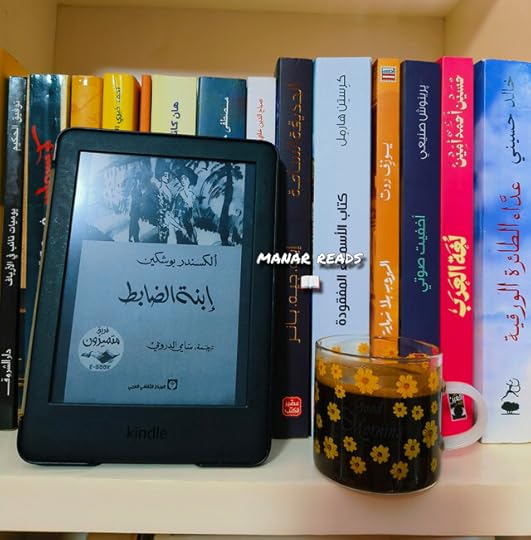
Picsart-24-11-18-15-44-53-293

حكاية من الأدب الروسي هذه المخطوطة وردت ل بوكشين من حفيد بطل الرواية وهو الضابط اندرو هذا الضابط النبيل الذي أرسله والده وهو في سن السابعة عشر للالتحاق بالخدمة العسكرية لتبدأ من هنا تغيير في حياته حروب ومكائد وثورات وصراعات حتى يقع البطل في الحب مع ابنة الضابط ماريا ثم تتوالى الأحداث ويحدث ثورة وهجوم ويضطر لترك القريه كي ينقذ حبيبته ويتهم بالخيانة ويحاول اثبات براءته

ألكسندر بوشكين"، أمير شعراء روسيا، كان متأثراً بالآداب الشرقية، وقد ظهر هذا التأثير في أشعاره وكتاباته، وهو في هذه الرواية التي تصوّر حياة القوزاق، يقدّم لنا صورة عن حياة هؤلاء الذين ينعكس في شخصيتهم الجمال الوحشي والقاسي للطبيعة حيث يعيشون؛ في مقابل حياة البذخ التي يعيشها النبلاء الروس.


الرواية كلاسيكية لطيفة وسلسة والترجمة ممتازة اسم سامي الدروبي يكفي ♥️
التقييم النهائي ٣.٥
تمّت 18/11/2024 📖
Profile Image for Andrei Tamaş.
448 reviews371 followers
February 6, 2016
Cred că, din tot ce-am citit de Puşkin, romanul acesta este singurul care m-a făcut să reflectez asupra obârşiei emoţionale, stereotipice, a poporului rus (citisem mai întâi Puşkin, iar ulterior Dostoievski). Şi, după cele descrise în "Fata căpitanului", constat cu melancoliei că numai unui popor ca cel rus i-ar fi priit socialismul leninist. Şi nu e o anticipare de două secole (Puşkin scriind opera în secolul XVIII, iar Revoluţia Bolşevică având loc în 1917), e pur şi simplu poporul rus. E drumul lui.
Simplul cadru rusesc conferă întreaga magie a scrierii, căci stepa rusă nu e alcătuită din roci şi plante ierboase, ci din melancolie...
Libertatea rusă, libertinajul social al ruşilor, răscoala lui Emilian Pugaciov şi absolutismul monarhic în contrast cu o idilă romanţată. Şi este de departe cea mai bună proză a lui Puşkin.
Displaying 1 - 30 of 1,727 reviews

Can't find what you're looking for?

Get help and learn more about the design.