

What do you think?

Los vagabundos
Madrid. Encuadernación en tapa dura de editorial. 22 cm. 188 p. Colección 'Grandes genios de la literatura universal', 21. London, Jack 1876-1916 .. Este libro es de segunda mano y tiene o puede tener marcas y señales de su anterior propietario. ISBN: 84-7461-225-X
Imitation Leather
First published January 1, 1907
About the author
Jack London
8,105 books8,087 followersJohn Griffith Chaney, better known as Jack London, was an American novelist, journalist and activist. A pioneer of commercial fiction and American magazines, he was one of the first American authors to become an international celebrity and earn a large fortune from writing. He was also an innovator in the genre that would later become known as science fiction.
London was part of the radical literary group "The Crowd" in San Francisco and a passionate advocate of animal rights, workers’ rights and socialism. London wrote several works dealing with these topics, such as his dystopian novel The Iron Heel, his non-fiction exposé The People of the Abyss, War of the Classes, and Before Adam.
His most famous works include The Call of the Wild and White Fang, both set in Alaska and the Yukon during the Klondike Gold Rush, as well as the short stories "To Build a Fire", "An Odyssey of the North", and "Love of Life". He also wrote about the South Pacific in stories such as "The Pearls of Parlay" and "The Heathen".
London was part of the radical literary group "The Crowd" in San Francisco and a passionate advocate of animal rights, workers’ rights and socialism. London wrote several works dealing with these topics, such as his dystopian novel The Iron Heel, his non-fiction exposé The People of the Abyss, War of the Classes, and Before Adam.
His most famous works include The Call of the Wild and White Fang, both set in Alaska and the Yukon during the Klondike Gold Rush, as well as the short stories "To Build a Fire", "An Odyssey of the North", and "Love of Life". He also wrote about the South Pacific in stories such as "The Pearls of Parlay" and "The Heathen".
Ratings & Reviews
Friends & Following
Create a free account to discover what your friends think of this book!
Community Reviews
Displaying 1 - 30 of 381 reviews

June 28, 2013
The Road by Jack London was published in 1907, years before George Orwell’s Down and Out in Paris and London and decades before Jack Kerouac’s On the Road.
This compilation of stories and essays is gleaned from the remembrances of an older and more successful London, looking back on his days as a tramp and hobo. We learn about life aboard box car trains, running and evading the train conductors, time in prison for vagrancy and the ubiquitous begging and scamming for food.
Also detailed is London’s own (at age 18) experience as a part of Coxey’s Army of unemployed protesters in 1894. Most interesting to me was the clearly planted seeds of London’s later socialist ideological passions, growing from his humble perspective of a wayward soul on the roads of North America.
Not one of his better works, but very interesting in its own unique way.

This compilation of stories and essays is gleaned from the remembrances of an older and more successful London, looking back on his days as a tramp and hobo. We learn about life aboard box car trains, running and evading the train conductors, time in prison for vagrancy and the ubiquitous begging and scamming for food.
Also detailed is London’s own (at age 18) experience as a part of Coxey’s Army of unemployed protesters in 1894. Most interesting to me was the clearly planted seeds of London’s later socialist ideological passions, growing from his humble perspective of a wayward soul on the roads of North America.
Not one of his better works, but very interesting in its own unique way.

December 15, 2018
Big Rock Candy Mountain
~~ written by Harry McClintock
Chorus:
Oh the buzzin' of the bees in the cigarette trees
The soda water fountain where the lemonade springs
And the bluebird sings in that Big Rock Candy Mountain
On a summer day
In the month of May
A burly bum came ahiking
Down a shady lane
Through the sugar cane
He was looking for his liking
As he strolled along
He sang a song
Of the land of milk and honey
Where a bum can stay
For many a day
And he won't need any money
Chorus:
In the Big Rock Candy Mountain
The cops have wooden legs
The bulldogs all have rubber teeth
And the hens lay soft-boiled eggs
The farmers' trees are full of fruit
The barns are full of hay
I want to go where there ain't no snow
Where the sleet don't fall and the wind don't blow
In that Big Rock Candy Mountain
~~ Sung by Burl Ives
Back in the 70s my friend Cathy and her boyfriend George took me to Glen Ellen, CA to Jack London’s Historial Park. The small wooden house where he lived was still on the land, and the stone Wolf House that he had been having built, had burned down just before they were to move into it. Its ruins remain. His wife Charmian wrote that "the razing of his house killed something in Jack, and he never ceased to feel the tragic inner sense of loss.”
I picked up a copy of his credo while at the museum, and I kept it for many years:
“I would rather be ashes than dust!
I would rather that my spark should burn out
in a brilliant blaze than it should be stifled by dry-rot.
I would rather be a superb meteor, every atom
of me in magnificent glow, than a sleepy and permanent planet.
The function of man is to live, not to exist.
I shall not waste my days trying to prolong them.
I shall use my time.”
Ah, to live like that, I thought.
Jack and Charmian began preparations to build another stone house on the land, but he died 3 years and 3 months after the fire on November 22, 1918. His health had been failing him for a while. He was just 40 years old. His wife saw to the construction of new house, The House of Happy Walls, and she lived in it until her death in 1955. It is this house that you see first when you come into the park. In it is the museum. Since that one visit, I had gone there often, sometimes alone, just to be there, to see it agaih, and sometimes I sat by their small lake.
While in the museum I read of his travels, I saw this souvenirs from the different islands, and I coveted it all. I had wished then that I had been his wife Charmian because she had traveled with him. Heck, I wished that I had been him. Ah, to sail the seas, to meet the natives of the various islands.
And then I saw his Socialist Party card. He had become one in 1890. This book was about his life as a hobo in 1894. It is political. There is a book out titled, The Radical Jack London.
He had become a hobo because he had the wanderlust, the desire to try it out, to jump the trains, see the U.S. and Canada. It sounded excitsing. So if you read a biography of him that says he did this because he was studying sociology, don’t believe it, he says.
His days as a hobo, while they sounded exciting, weren’t always so. It was dangerous. The shacks, as he called the men working the trains, the ones that fought to keep the hobos off, were dangerous. You could get beaten up, even killed. He played cat and mouse with them many a time. Perhaps that was exciting to him.
What surprised me and yet didn’t surprise me at all, was how they could pick a man up off the streets, or walking in the country, without any provocation. Vagrancy. Then that man would be thrown into jail and then sent to prison for 30 to 90 days. He was made to work hard before he got out.
They fed the prisoners, the new ones, bread and water. The men bartered when they could. An old timer in prison got better food, so if the old timer needed an article of your clothing, like your suspenders, he may trade you a piece of meat for them.
Jack London mentioned how you couldn’t see a lawyer during your quick trial, you could’t even send a letter out of the prison or receive one. When I think of how he was a socialist, I can see that this book had a message. One of our cruel prison system.
I thought back to`1962 when I first moved to Vacaville, CA to stay with my to be husband’s family. He had once lived in my home town of Paso Robles, CA when we met. I wanted to move close to him, and I was fresh out of high school, so I left home. One day he drove me into town, and while he was at the high school, I walked around town looking for work. Not finding any, I went back and sat in the car in the school parking lot to wait until school was out. Instead, the police came and took me down to the station. Vagrancy. I told them where I was staying and said that I had been looking for work. I was not a vagrant. They were bullies. They took me in one of their squad cars and let me out just outside of the city limits on the road going to my boyfriend’s mother’s home. I sat and waited for him to show up.
I have never since liked Vacaville’s police. I don’t even like Vacaville. In the next few days, I had a job at the A&W Root Beer Stand as a carhop. The same police men drove by and saw me. I smiled to myself, thinking that they could do nothing more to me. I had a job. Then I rented a house in the country.
London feared the police and ran from them even after he began going to college. Even though he had done nothing wrong. His fear was deep.
There was a chapter in this book where he talked about hopping trains, but I didn’t understand the lingo, so I missed out on some of what he was saying. Another chapter was about his knocking on doors looking for handouts. He said that as soon as you saw the person who answered the door, you had to have them sized up that quick, as to the story you would tell. And did he ever have sad stories. For one, his mother died of different ailments, depending on how he sized up the home owner. His father may have as well.
The hobos knew which towns to walk quietly though and which ones to leave alone altogether, because if you were caught in certain towns, it was 30 days or more. They wrote these notes on water towers, even notes saying who had been there and when and even where that person was headed. Jack tried to follow one hobo around whose nick name was similar to his. He just wanted to meet up with him, but he was either just behind him or in front of him. They never got to meet.
I am sure that there are better ways to travel, because this hobo life didn’t seem carefree to me. You could go hungry, freeze to death, get beaten, go to prison, and have what little you own stolen from you. Still, it would have been fun to have learned to hop a few trains.
~~ written by Harry McClintock
Chorus:
Oh the buzzin' of the bees in the cigarette trees
The soda water fountain where the lemonade springs
And the bluebird sings in that Big Rock Candy Mountain
On a summer day
In the month of May
A burly bum came ahiking
Down a shady lane
Through the sugar cane
He was looking for his liking
As he strolled along
He sang a song
Of the land of milk and honey
Where a bum can stay
For many a day
And he won't need any money
Chorus:
In the Big Rock Candy Mountain
The cops have wooden legs
The bulldogs all have rubber teeth
And the hens lay soft-boiled eggs
The farmers' trees are full of fruit
The barns are full of hay
I want to go where there ain't no snow
Where the sleet don't fall and the wind don't blow
In that Big Rock Candy Mountain
~~ Sung by Burl Ives
Back in the 70s my friend Cathy and her boyfriend George took me to Glen Ellen, CA to Jack London’s Historial Park. The small wooden house where he lived was still on the land, and the stone Wolf House that he had been having built, had burned down just before they were to move into it. Its ruins remain. His wife Charmian wrote that "the razing of his house killed something in Jack, and he never ceased to feel the tragic inner sense of loss.”
I picked up a copy of his credo while at the museum, and I kept it for many years:
“I would rather be ashes than dust!
I would rather that my spark should burn out
in a brilliant blaze than it should be stifled by dry-rot.
I would rather be a superb meteor, every atom
of me in magnificent glow, than a sleepy and permanent planet.
The function of man is to live, not to exist.
I shall not waste my days trying to prolong them.
I shall use my time.”
Ah, to live like that, I thought.
Jack and Charmian began preparations to build another stone house on the land, but he died 3 years and 3 months after the fire on November 22, 1918. His health had been failing him for a while. He was just 40 years old. His wife saw to the construction of new house, The House of Happy Walls, and she lived in it until her death in 1955. It is this house that you see first when you come into the park. In it is the museum. Since that one visit, I had gone there often, sometimes alone, just to be there, to see it agaih, and sometimes I sat by their small lake.
While in the museum I read of his travels, I saw this souvenirs from the different islands, and I coveted it all. I had wished then that I had been his wife Charmian because she had traveled with him. Heck, I wished that I had been him. Ah, to sail the seas, to meet the natives of the various islands.
And then I saw his Socialist Party card. He had become one in 1890. This book was about his life as a hobo in 1894. It is political. There is a book out titled, The Radical Jack London.
He had become a hobo because he had the wanderlust, the desire to try it out, to jump the trains, see the U.S. and Canada. It sounded excitsing. So if you read a biography of him that says he did this because he was studying sociology, don’t believe it, he says.
His days as a hobo, while they sounded exciting, weren’t always so. It was dangerous. The shacks, as he called the men working the trains, the ones that fought to keep the hobos off, were dangerous. You could get beaten up, even killed. He played cat and mouse with them many a time. Perhaps that was exciting to him.
What surprised me and yet didn’t surprise me at all, was how they could pick a man up off the streets, or walking in the country, without any provocation. Vagrancy. Then that man would be thrown into jail and then sent to prison for 30 to 90 days. He was made to work hard before he got out.
They fed the prisoners, the new ones, bread and water. The men bartered when they could. An old timer in prison got better food, so if the old timer needed an article of your clothing, like your suspenders, he may trade you a piece of meat for them.
Jack London mentioned how you couldn’t see a lawyer during your quick trial, you could’t even send a letter out of the prison or receive one. When I think of how he was a socialist, I can see that this book had a message. One of our cruel prison system.
I thought back to`1962 when I first moved to Vacaville, CA to stay with my to be husband’s family. He had once lived in my home town of Paso Robles, CA when we met. I wanted to move close to him, and I was fresh out of high school, so I left home. One day he drove me into town, and while he was at the high school, I walked around town looking for work. Not finding any, I went back and sat in the car in the school parking lot to wait until school was out. Instead, the police came and took me down to the station. Vagrancy. I told them where I was staying and said that I had been looking for work. I was not a vagrant. They were bullies. They took me in one of their squad cars and let me out just outside of the city limits on the road going to my boyfriend’s mother’s home. I sat and waited for him to show up.
I have never since liked Vacaville’s police. I don’t even like Vacaville. In the next few days, I had a job at the A&W Root Beer Stand as a carhop. The same police men drove by and saw me. I smiled to myself, thinking that they could do nothing more to me. I had a job. Then I rented a house in the country.
London feared the police and ran from them even after he began going to college. Even though he had done nothing wrong. His fear was deep.
There was a chapter in this book where he talked about hopping trains, but I didn’t understand the lingo, so I missed out on some of what he was saying. Another chapter was about his knocking on doors looking for handouts. He said that as soon as you saw the person who answered the door, you had to have them sized up that quick, as to the story you would tell. And did he ever have sad stories. For one, his mother died of different ailments, depending on how he sized up the home owner. His father may have as well.
The hobos knew which towns to walk quietly though and which ones to leave alone altogether, because if you were caught in certain towns, it was 30 days or more. They wrote these notes on water towers, even notes saying who had been there and when and even where that person was headed. Jack tried to follow one hobo around whose nick name was similar to his. He just wanted to meet up with him, but he was either just behind him or in front of him. They never got to meet.
I am sure that there are better ways to travel, because this hobo life didn’t seem carefree to me. You could go hungry, freeze to death, get beaten, go to prison, and have what little you own stolen from you. Still, it would have been fun to have learned to hop a few trains.

March 18, 2014
Not your typical Jack London tale but very interesting and entertaining. It's about his life on the road and his experiences riding the rails as a hobo. A series of anecdotal tales of dodging conductors, railroad security, town sheriffs, and bumming meals while perfecting the art of lying.
What an interesting character this man was. He was a hobo, a seaman, a gold prospector, just to name a few. And he drew on all these life experiences to write some of the most successful novels of the early 20th century.
What an interesting character this man was. He was a hobo, a seaman, a gold prospector, just to name a few. And he drew on all these life experiences to write some of the most successful novels of the early 20th century.

September 8, 2023
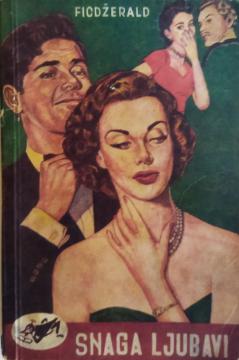
Posebnu slabost gajim prema ovim džepnim izdanjima „Svjetlosti“, pre svega zbog ovih predivnih petparačkih ilustracija na koricama, a onda i zbog demokratičnosti izbora romana - od jugo žanrovskih ostvarenja preko klasike (prvi prevod Velikog Getsbija se pojavio u ovoj ediciji i to pod imenom „Snaga ljubavi“) do ondašnje savremene književnosti (prvi prevodi Kriste Volf i Edne O Brajen).
A slabost galjim i prema Džeku Londonu, poslednjoj mitskoj figuri američke književnosti (uvek računam da devetnastovekovne figure Amerike poput Dikinsonove, Vitmena, Melvila i ekipe, izgledaju manje „stvarno“ od njihovih evropskih savremenika). Pojavio se tako niotkuda i samouk, ištancovao gomilu raznolikih knjiga i onda nestao u dimu opijuma.
„Uspomene skitnice“, iliti „The Road“ kako glasi u originalu (prevodilac je isti onaj koji je Getsbija preveo kao „Snaga ljubavi"!), su memoarska proza o vremenu kada je osamnaestogodišnji London živeo kao skitnica i prošao železnicom put od 10.000 milja. Pripovedne celine su oblikovane manje epizodično, a više tematski (kako sam prosio, kako sam besplatno putovao vozom, kako sam preživeo zatvor i sl.). Pripovedanje je pravo Londonovsko, uzbudljivo i pustolovno, i dalje blisko živom pripovedanju uz, recimo, neku vatru. Nije najveći London, ali je tipičan. Hit the I ponovo da se vratim na ovo izdanje: petparačke korice, komunističko ideološki podoban blurb: „Ova knjiga je ujedno i reljefni prikaz teške socijalne stvarnosti koja pritiskuje i otuđuje siromašne ljude željne rada, hljeba i mirnog života“ i naposletku sam pripovedač koji demanatuje blurb jugoslovenskog izdanja tvrdeći da je njegov motiv da postane skitnica ležao u želji za avanturom i prezir prema radu. U tom trojnom sadejstvu može da se predstave tri lica ova memoarske proze. Naime, lik osamnaestogodišnjeg Džeka Londona kao skitnice jeste neko ko je blizak pikarskoj tradiciji, on je lupež, ne može mu se verovati, superioran je u svojoj inteligenciji u odnosu na druge likove i urnebesno duhovit u pripovedanju svojih priključenija. Naravno, tu je i London socijalista, nekad direktno nekad indirektno, ali uvek pod plaštom ironije (tipa, nemojte se čuditi što sam krao hranu u zatvoru od drugih zatvorenika, to bogati van zatvora redovno čine siromašnima). I, konačno, London kao zabavljač, onaj koji u autpoetičkom momentu insitira da je naučio ubedljivo da pripoveda tako što je prosio i što je od „kvalieta“ priča direktno zavisilo da li će uspeti da isprosi hranu na pragovima kuća širom Amerike. To je London kao komercijalni autor koji balansira ona prva dva lica – ok ideologija, ok istina, ok umetnost ali ajde da zaradim lebac od middleclass tako što ću pružim zabavnu priču. Početna rečenica memoara zaslužuje da bude poznatija: Još i sada živi u državi Nevadi žena koju sam jednom prilikom nekoliko dugih sati neprekidno, dosledno i bezočno lagao.
A slabost galjim i prema Džeku Londonu, poslednjoj mitskoj figuri američke književnosti (uvek računam da devetnastovekovne figure Amerike poput Dikinsonove, Vitmena, Melvila i ekipe, izgledaju manje „stvarno“ od njihovih evropskih savremenika). Pojavio se tako niotkuda i samouk, ištancovao gomilu raznolikih knjiga i onda nestao u dimu opijuma.
„Uspomene skitnice“, iliti „The Road“ kako glasi u originalu (prevodilac je isti onaj koji je Getsbija preveo kao „Snaga ljubavi"!), su memoarska proza o vremenu kada je osamnaestogodišnji London živeo kao skitnica i prošao železnicom put od 10.000 milja. Pripovedne celine su oblikovane manje epizodično, a više tematski (kako sam prosio, kako sam besplatno putovao vozom, kako sam preživeo zatvor i sl.). Pripovedanje je pravo Londonovsko, uzbudljivo i pustolovno, i dalje blisko živom pripovedanju uz, recimo, neku vatru. Nije najveći London, ali je tipičan. Hit the I ponovo da se vratim na ovo izdanje: petparačke korice, komunističko ideološki podoban blurb: „Ova knjiga je ujedno i reljefni prikaz teške socijalne stvarnosti koja pritiskuje i otuđuje siromašne ljude željne rada, hljeba i mirnog života“ i naposletku sam pripovedač koji demanatuje blurb jugoslovenskog izdanja tvrdeći da je njegov motiv da postane skitnica ležao u želji za avanturom i prezir prema radu. U tom trojnom sadejstvu može da se predstave tri lica ova memoarske proze. Naime, lik osamnaestogodišnjeg Džeka Londona kao skitnice jeste neko ko je blizak pikarskoj tradiciji, on je lupež, ne može mu se verovati, superioran je u svojoj inteligenciji u odnosu na druge likove i urnebesno duhovit u pripovedanju svojih priključenija. Naravno, tu je i London socijalista, nekad direktno nekad indirektno, ali uvek pod plaštom ironije (tipa, nemojte se čuditi što sam krao hranu u zatvoru od drugih zatvorenika, to bogati van zatvora redovno čine siromašnima). I, konačno, London kao zabavljač, onaj koji u autpoetičkom momentu insitira da je naučio ubedljivo da pripoveda tako što je prosio i što je od „kvalieta“ priča direktno zavisilo da li će uspeti da isprosi hranu na pragovima kuća širom Amerike. To je London kao komercijalni autor koji balansira ona prva dva lica – ok ideologija, ok istina, ok umetnost ali ajde da zaradim lebac od middleclass tako što ću pružim zabavnu priču. Početna rečenica memoara zaslužuje da bude poznatija: Još i sada živi u državi Nevadi žena koju sam jednom prilikom nekoliko dugih sati neprekidno, dosledno i bezočno lagao.

June 26, 2020
Jack London got off to a busy start in life. Born in 1876, before he took off from Oakland CA to be a 17-year-old hobo, he'd worked 12-hour days at a cannery, owned his own boat as an oyster pirate, and sailed to Japan on a sealing ship, among other things. By the time these tales of his adventures crossing the country by rail in 1893-94 were published in 1907, he was already famous for his novels Call of the Wild, The Sea Wolf, and White Fang.
The nine sketches are a mix of training manual for life riding the trains and anecdotes of London's own experiences among the horde of hoboes driven to the rails by the Panic of 1893. He covers in some detail the jargon, rules of the road, and physical techniques for jumping on and getting off moving trains, while evading the "shacks", i.e. brakemen, and other railroad crewmen, and explains the mindset necessary for successful begging for food and clothes at houses and on the street in between trains.
Generally not given to waxing eloquently about the vast swathes of the country he passed through, London was quite taken with Niagara Falls. Unfortunately, his visit resulted in a sentence of 30 days in the Erie County Penitentiary for vagrancy. His account of his arrest and trial has an almost humorous tone, but there's nothing funny about his time in the "Pen", and as corrupt and violent as he describes it being, he also confesses he's passing lightly over "unprintable" and unthinkable" horrors.
As a native Hawkeye, I found his description of travelling across Iowa with Kelly's Army, from Council Bluffs, on the Missouri River, to Keokuk, on the Mississippi, to be fascinating. The 2,000-strong Army of unemployed had jumped trains from California to Omaha, but the railroads said no more free rides. Following an unsuccessful effort to hijack a train, the Army headed east on foot and the plot thickened.
There's not really a narrative arc to The Road and it just ends, without much development or resolution along the way. For having already published "How I became a Socialist" in the March 1903 issue of The Comrade, London doesn't get very political in the book, either. He uses several racist terms for blacks, but otherwise doesn't express racist views.
The free LibriVox audiobook I listened to was a good choice for my daily walk, but there were a few mispronunciations.
The nine sketches are a mix of training manual for life riding the trains and anecdotes of London's own experiences among the horde of hoboes driven to the rails by the Panic of 1893. He covers in some detail the jargon, rules of the road, and physical techniques for jumping on and getting off moving trains, while evading the "shacks", i.e. brakemen, and other railroad crewmen, and explains the mindset necessary for successful begging for food and clothes at houses and on the street in between trains.
Generally not given to waxing eloquently about the vast swathes of the country he passed through, London was quite taken with Niagara Falls. Unfortunately, his visit resulted in a sentence of 30 days in the Erie County Penitentiary for vagrancy. His account of his arrest and trial has an almost humorous tone, but there's nothing funny about his time in the "Pen", and as corrupt and violent as he describes it being, he also confesses he's passing lightly over "unprintable" and unthinkable" horrors.
As a native Hawkeye, I found his description of travelling across Iowa with Kelly's Army, from Council Bluffs, on the Missouri River, to Keokuk, on the Mississippi, to be fascinating. The 2,000-strong Army of unemployed had jumped trains from California to Omaha, but the railroads said no more free rides. Following an unsuccessful effort to hijack a train, the Army headed east on foot and the plot thickened.
There's not really a narrative arc to The Road and it just ends, without much development or resolution along the way. For having already published "How I became a Socialist" in the March 1903 issue of The Comrade, London doesn't get very political in the book, either. He uses several racist terms for blacks, but otherwise doesn't express racist views.
The free LibriVox audiobook I listened to was a good choice for my daily walk, but there were a few mispronunciations.

December 31, 2021
4.5 Stars for The Road (audiobook) by Jack London read by Barry Eads.
This was a interesting part of Jack London’s life that I wasn’t aware of. In this book he tells stories about when he was a young man in the late 1800’s, traveling around the country as a Hobo. There were many great adventures of him jumping on trains and getting arrested. It was fascinating to hear about the life he led before he became a famous author.
This was a interesting part of Jack London’s life that I wasn’t aware of. In this book he tells stories about when he was a young man in the late 1800’s, traveling around the country as a Hobo. There were many great adventures of him jumping on trains and getting arrested. It was fascinating to hear about the life he led before he became a famous author.

November 26, 2018
Ein Schlitzohr mit Erzähltalent über das unerträgliche Vergnügen, ein Schwarzfahrer und Schnorrer zu sein.

January 11, 2018
Έβδομο βιβλίο του Τζακ Λόντον που διαβάζω και δεύτερο που το βαθμολογώ με πέντε αστεράκια στο Gooreads, μετά το καταπληκτικό "Ο ταξιδιώτης τ'ουρανού" που διάβασα και απόλαυσα πέρυσι. Επίσης είναι το πρώτο αμιγώς αυτοβιογραφικό έργο του Λόντον που είχα την τύχη να πιάσω στα χέρια μου. Φυσικά κάποια διηγήματά του που έχω διαβάσει, βασίζονται σε περιπέτειες που έζησε ο ίδιος, αλλά εδώ δεν βλέπουμε κάποιο alter ego του, αλλά τον ίδιο τον Τζακ Λόντον, σαν περιφερόμενο αλήτη.
Οι εννιά αυτοβιογραφικές ιστορίες που περιέχονται στο βιβλίο έχουν να κάνουν με τα χρόνια που ο Τζακ Λόντον έζησε σαν hobo κατά τη δεκαετία του 1890, όταν ήταν ακόμα έφηβος. Hobos ήταν αυτοί οι άστεγοι περιπλανώμενοι τύποι, που πήγαιναν από πόλη σε πόλη και από πολιτεία σε πολιτεία, σε όλα τα μήκη και πλάτη του Καναδά και των ΗΠΑ, χρησιμοποιώντας τα πόδια τους αλλά κυρίως τρένα. Που και που δούλευαν για να βγάλουν τα απαραίτητα χρήματα για να φάνε και να βρουν ένα μέρος να κοιμηθούν, αλλά συνήθως ζητιάνευαν ή έκλεβαν. Και φυσικά το πιο συναρπαστικό κομμάτι της καθημερινότητάς τους ήταν να ξεγελάσουν αστυνομικούς, σταθμάρχες, οδηγούς, φροντιστές κλπ και να πηδήξουν σ'ένα τρένο. Πολλές φορές κοιμόντουσαν στο ύπαιθρο, ακόμα περισσότερες σε κελιά και φυλακές, ενώ ο θάνατος από δυστυχήματα δεν ήταν ασυνήθιστο φαινόμενο.
Πραγματικά, δεν ξέρετε πόσο πολύ με εξιτάρουν τέτοιου είδους ιστορίες, δημιουργήματα της φαντασίας ενός συγγραφέα ή βασισμένες σε πραγματικά γεγονότα. Εδώ, φυσικά, ισχύει το δεύτερο, οπότε ευχαριστήθηκα ακόμα περισσότερο το βιβλίο. Ο Τζακ Λόντον τείνει να γίνει ένας από τους αγαπημένους μου συγγραφείς και το συγκεκριμένο βιβλίο αποδεικνύει το γιατί. Ο τρόπος που περιγράφει τις περιπέτειες του, τα μέρη και τους ανθρώπους που γνώρισε, είναι πραγματικά μοναδικός. Ο ρεαλισμός είναι έντονος και ωμός, η ειρωνεία διάχυτη στην ατμόσφαιρα, η ματιά του οξυδερκής. Επίσης φοβερά είναι τα διάφορα σχόλιά του που κρίνουν και επικρίνουν τις Αρχές, το δικαστικό σύστημα, τους "καθωσπρέπει" ανθρώπους που κοιτούν επιτιμητικά τους ζητιάνους και τους φτωχούς, και πάει λέγοντας. Άλλωστε, ο Τζακ Λόντον ήταν γνωστός για τις πολιτικές του ανησυχίες.
Αυτά τα ολίγα. Όταν αγόρασα το βιβλίο αυτό ανυπομονούσα να το διαβάσω, αλλά ήθελα να το διαβάσω την κατάλληλη στιγμή, με την ησυχία μου. Χθες το βράδυ και σήμερα το μεσημέρι (το διάβασα σε δυο δόσεις) βρήκα τον κατάλληλο ελεύθερο χρόνο και πραγματικά το κατευχαριστήθηκα. Πριν καν το αρχίσω ήμουν σίγουρος ότι θα με ξετρελάνει και δεν έπεσα έξω. Τέλος, έχω να προτείνω μια ταινία σχετική με το βιβλίο, με παρόμοια ατμόσφαιρα και πολλά κοινά στοιχεία: "Emperor of the North Pole", σε σκηνοθεσία Robert Aldrich και με πρωταγωνιστές τους Lee Marvin, Ernest Borgnine και Keith Carradine. Πραγματικά εξαιρετική ταινία!
Υ.Γ. Πολύ ωραία η έκδοση του Ζαχαρόπουλου, με προσεγμένη μετάφραση και πάνω από σαράντα φωτογραφίες και σκίτσα!
Οι εννιά αυτοβιογραφικές ιστορίες που περιέχονται στο βιβλίο έχουν να κάνουν με τα χρόνια που ο Τζακ Λόντον έζησε σαν hobo κατά τη δεκαετία του 1890, όταν ήταν ακόμα έφηβος. Hobos ήταν αυτοί οι άστεγοι περιπλανώμενοι τύποι, που πήγαιναν από πόλη σε πόλη και από πολιτεία σε πολιτεία, σε όλα τα μήκη και πλάτη του Καναδά και των ΗΠΑ, χρησιμοποιώντας τα πόδια τους αλλά κυρίως τρένα. Που και που δούλευαν για να βγάλουν τα απαραίτητα χρήματα για να φάνε και να βρουν ένα μέρος να κοιμηθούν, αλλά συνήθως ζητιάνευαν ή έκλεβαν. Και φυσικά το πιο συναρπαστικό κομμάτι της καθημερινότητάς τους ήταν να ξεγελάσουν αστυνομικούς, σταθμάρχες, οδηγούς, φροντιστές κλπ και να πηδήξουν σ'ένα τρένο. Πολλές φορές κοιμόντουσαν στο ύπαιθρο, ακόμα περισσότερες σε κελιά και φυλακές, ενώ ο θάνατος από δυστυχήματα δεν ήταν ασυνήθιστο φαινόμενο.
Πραγματικά, δεν ξέρετε πόσο πολύ με εξιτάρουν τέτοιου είδους ιστορίες, δημιουργήματα της φαντασίας ενός συγγραφέα ή βασισμένες σε πραγματικά γεγονότα. Εδώ, φυσικά, ισχύει το δεύτερο, οπότε ευχαριστήθηκα ακόμα περισσότερο το βιβλίο. Ο Τζακ Λόντον τείνει να γίνει ένας από τους αγαπημένους μου συγγραφείς και το συγκεκριμένο βιβλίο αποδεικνύει το γιατί. Ο τρόπος που περιγράφει τις περιπέτειες του, τα μέρη και τους ανθρώπους που γνώρισε, είναι πραγματικά μοναδικός. Ο ρεαλισμός είναι έντονος και ωμός, η ειρωνεία διάχυτη στην ατμόσφαιρα, η ματιά του οξυδερκής. Επίσης φοβερά είναι τα διάφορα σχόλιά του που κρίνουν και επικρίνουν τις Αρχές, το δικαστικό σύστημα, τους "καθωσπρέπει" ανθρώπους που κοιτούν επιτιμητικά τους ζητιάνους και τους φτωχούς, και πάει λέγοντας. Άλλωστε, ο Τζακ Λόντον ήταν γνωστός για τις πολιτικές του ανησυχίες.
Αυτά τα ολίγα. Όταν αγόρασα το βιβλίο αυτό ανυπομονούσα να το διαβάσω, αλλά ήθελα να το διαβάσω την κατάλληλη στιγμή, με την ησυχία μου. Χθες το βράδυ και σήμερα το μεσημέρι (το διάβασα σε δυο δόσεις) βρήκα τον κατάλληλο ελεύθερο χρόνο και πραγματικά το κατευχαριστήθηκα. Πριν καν το αρχίσω ήμουν σίγουρος ότι θα με ξετρελάνει και δεν έπεσα έξω. Τέλος, έχω να προτείνω μια ταινία σχετική με το βιβλίο, με παρόμοια ατμόσφαιρα και πολλά κοινά στοιχεία: "Emperor of the North Pole", σε σκηνοθεσία Robert Aldrich και με πρωταγωνιστές τους Lee Marvin, Ernest Borgnine και Keith Carradine. Πραγματικά εξαιρετική ταινία!
Υ.Γ. Πολύ ωραία η έκδοση του Ζαχαρόπουλου, με προσεγμένη μετάφραση και πάνω από σαράντα φωτογραφίες και σκίτσα!

December 31, 2012
”I went on the road because I couldn’t keep away from it, because I hadn’t the price of the railroad fare in my jeans, because I was so made that I couldn’t work all my life on one same shift, because, well, just because it was easier to than not to.”
Jack London was America’s original man of action writer. A generation before Hemingway became as famous for the life he led as for what he wrote, London had already blazed that trail. Jack London used the material gained from his adventure-packed life to power his writing. Outlaw oyster pirate, Klondike gold prospector, seal schooner sailor, war correspondent, socialist activist — all of these roles that he lived became grist for his writing. But perhaps the role that had the greatest impact on London as the most popular storyteller of his generation was his experiences crossing and recrossing the country as a young tramp riding the rails. The Road, written years afterward when he was an established writer, chronicles those crucial formative experiences.
In The Road, London shared fascinating stories of his life riding the rails. One chapter, Holding Her Down, details a single train ride where he continually outsmarted two shacks (railroad brakemen) and a conductor who were earnestly working in concert at every stop of the train to roust him off. He tells tales of run ins with bulls (cops), and of getting pinched and doing thirty days in prison in Buffalo. He tells a harrowing story of catching a ride on a locked down through train (a train with all doors locked with no stops so it could gain speeds of sixty miles per hour) while he was desperately clinging on its outside with too little purchase, death just inches away. He has a whole chapter about road kids — youths as young as thirteen who rode the rails together and formed dangerous, feral gangs who preyed on drunks and bindlestiffs (working hobos who could be counted on to have cash) with shocking and joyful violence. And he recounts his adventures traveling with Kelly’s Army, a division of the famous Coxey’s Army, riding rails, navigating rivers, and marching in an organized protests march against unemployment.
But most telling are his chapters about how he learned to survive on the road through learning the psychology of his countrymen. He learned how to lie strategically, to sum people up, learn how they saw him, and what story they needed to hear. He came to see himself as performing for his dinner. He wrote:
”It was fair exchange. I gave full value. Right royally I gave them entertainment. My coming to sit at their table was their adventure. An adventure is beyond price, anyway.”
And he clearly viewed these lessons he learned to survive on the road as the basic building blocks of his craft —
”I have often thought that to this training of my tramp days is due much of my success as a story writer. In order to get the food whereby I lived, I was compelled to tell tales that rang true. At the back door, out of inexorable necessity, is developed the convincingness and sincerity lain down by all authorities on the short story.”
So while The Road is far from London’s most famous or popular book, it may just be the most crucial one to understanding the popular writer he became. That’s in addition, of course, to being one of the earliest and best American road books, and being full of fascinating tales told well.
Jack London was America’s original man of action writer. A generation before Hemingway became as famous for the life he led as for what he wrote, London had already blazed that trail. Jack London used the material gained from his adventure-packed life to power his writing. Outlaw oyster pirate, Klondike gold prospector, seal schooner sailor, war correspondent, socialist activist — all of these roles that he lived became grist for his writing. But perhaps the role that had the greatest impact on London as the most popular storyteller of his generation was his experiences crossing and recrossing the country as a young tramp riding the rails. The Road, written years afterward when he was an established writer, chronicles those crucial formative experiences.
In The Road, London shared fascinating stories of his life riding the rails. One chapter, Holding Her Down, details a single train ride where he continually outsmarted two shacks (railroad brakemen) and a conductor who were earnestly working in concert at every stop of the train to roust him off. He tells tales of run ins with bulls (cops), and of getting pinched and doing thirty days in prison in Buffalo. He tells a harrowing story of catching a ride on a locked down through train (a train with all doors locked with no stops so it could gain speeds of sixty miles per hour) while he was desperately clinging on its outside with too little purchase, death just inches away. He has a whole chapter about road kids — youths as young as thirteen who rode the rails together and formed dangerous, feral gangs who preyed on drunks and bindlestiffs (working hobos who could be counted on to have cash) with shocking and joyful violence. And he recounts his adventures traveling with Kelly’s Army, a division of the famous Coxey’s Army, riding rails, navigating rivers, and marching in an organized protests march against unemployment.
But most telling are his chapters about how he learned to survive on the road through learning the psychology of his countrymen. He learned how to lie strategically, to sum people up, learn how they saw him, and what story they needed to hear. He came to see himself as performing for his dinner. He wrote:
”It was fair exchange. I gave full value. Right royally I gave them entertainment. My coming to sit at their table was their adventure. An adventure is beyond price, anyway.”
And he clearly viewed these lessons he learned to survive on the road as the basic building blocks of his craft —
”I have often thought that to this training of my tramp days is due much of my success as a story writer. In order to get the food whereby I lived, I was compelled to tell tales that rang true. At the back door, out of inexorable necessity, is developed the convincingness and sincerity lain down by all authorities on the short story.”
So while The Road is far from London’s most famous or popular book, it may just be the most crucial one to understanding the popular writer he became. That’s in addition, of course, to being one of the earliest and best American road books, and being full of fascinating tales told well.

October 21, 2012
The 'Road' in question is the railroad - motor cars were almost unheard of when Jack London was travelling around America as a hobo. This is a fascinating look at a very different country. It's full of great characters and long-forgotten slang and exciting tussles with policemen and railroad employees.
The interesting thing about the book, for me, is that it works so well even though the story doesn't have much of a trajectory. It's really just a series of anecdotes about life as a hobo, from surviving a stint in jail to sneaking onto trains and staying on despite the brakemen trying to throw him off. The reason I kept reading was for the wonderful details, the vivid descriptions, the large characters, the tall tales and the wonderful insight into a world that seems very distant now. Highly recommended.
The interesting thing about the book, for me, is that it works so well even though the story doesn't have much of a trajectory. It's really just a series of anecdotes about life as a hobo, from surviving a stint in jail to sneaking onto trains and staying on despite the brakemen trying to throw him off. The reason I kept reading was for the wonderful details, the vivid descriptions, the large characters, the tall tales and the wonderful insight into a world that seems very distant now. Highly recommended.

July 7, 2013
This was a great book. When I found the free e-book I didn't realize it was an autobiography until I was a few pages in, then did some research on it. That just made it better. Jack London has to be one of the most fascinating figures in American literature.
This slim book is a series of vignettes about the time he spent as a train-jumping hobo in his youth. It is a fantastic look into a long-past time and a unique culture. Many of the stories are funny, such as how he would win food or elude the bulls. Some inspire social outrage, like when he was imprisoned. The one that stuck with me the most concerned the gypsy camp.
If it offends you to see black people called "coons" and the dreaded N word, you might want to avoid this. Otherwise, I very highly recommend it.
The book gets four starts instead of five simply because I wish there'd been at least a one-paragraph epilogue explaining why he gave up the tramp life.
This slim book is a series of vignettes about the time he spent as a train-jumping hobo in his youth. It is a fantastic look into a long-past time and a unique culture. Many of the stories are funny, such as how he would win food or elude the bulls. Some inspire social outrage, like when he was imprisoned. The one that stuck with me the most concerned the gypsy camp.
If it offends you to see black people called "coons" and the dreaded N word, you might want to avoid this. Otherwise, I very highly recommend it.
The book gets four starts instead of five simply because I wish there'd been at least a one-paragraph epilogue explaining why he gave up the tramp life.

February 7, 2025
کتاب شرح سالهای خانهبهدوشی جک لندن است. در ابتدا تصور میکنیم راوی یک بیخانمان در سالهای رکود اقتصادی آمریکا است، اما در انتهای کتاب نویسنده میگوید این شرح زندگی خودش در سالهای ۱۸۹۰ (و بهطور دقیقتر سال ۱۸۹۳) است و اگر میگویند جک لندن به خاطر به رشتهٔ تحریر درآوردن زندگی بیخانمانان مدتی در میان آنان زندگی کرد، اشتباه است. جک لندن واقعاً مدتی بدون شغل و بیخانمان یا به قول خودش «ولگرد» (hobo) بوده است. در این کتاب شرح قوانین سخت آن سالهای آمریکا در مواجهه با بیخانمانان و زندانی کردن آنان، سختی پیدا کردن شغل و سیر کردن شکم، سیستم زندانها و روابط بین زندانیان و شرح رفاقتهای بیخانمانها با همدیگر را میخوانیم. این کتاب اولین بار در سال ۱۹۰۷ با عنوان اصلی The Road منتشر شد.
تاریخ شروع و پایان: جمعه ۱۹ بهمن ۱۴۰۳
تاریخ شروع و پایان: جمعه ۱۹ بهمن ۱۴۰۳

February 3, 2023
London’s The Road recounts episodes from his life as a hobo in the America of the 1890s. It brought to mind George Orwell’s Down and Out in Paris and London, but with a distinctly American flavor. Four Stars.

October 21, 2020
ترجمهی ضعیفی داشت و گاهی اصطلاحها رو کلمه به کلمه ترجمه کرده بود. اما داستانها سوژههای متفاوت و خلاقی داشتن که ارزش خواندن داره.
December 23, 2024
چهار داستان کوتاه شامل اعتراف ،دستگیر کردند،کشتن انسان و کولائوی جذامی بود.
داستان ها شرح ولگردی های انسان ها و فقر رو به خوبی نشان داد و میشه گفت یه جور شرح روایت از زندگی خود لندن در سال های فقر و نداری هست و تجربه خودش رو از این نوع زندگی رو به اشتراک گذاشت. نگرش سوسیالیستی لندن در این چند داستان کوتاه واضح هست.
داستان آخر هم در مورد سرخپوست های آمریکایی بود که زمین خودشون رو از دست دادن و اینکه آزادی چه اهمیتی براشون داره و برای اون حاضر به جنگ بودن و شخصیت کولائوی جذامی برام خیلی جذاب بود و اینکه به هیچ قیمتی حاضر به تسلیم نشد.
داستان ها شرح ولگردی های انسان ها و فقر رو به خوبی نشان داد و میشه گفت یه جور شرح روایت از زندگی خود لندن در سال های فقر و نداری هست و تجربه خودش رو از این نوع زندگی رو به اشتراک گذاشت. نگرش سوسیالیستی لندن در این چند داستان کوتاه واضح هست.
داستان آخر هم در مورد سرخپوست های آمریکایی بود که زمین خودشون رو از دست دادن و اینکه آزادی چه اهمیتی براشون داره و برای اون حاضر به جنگ بودن و شخصیت کولائوی جذامی برام خیلی جذاب بود و اینکه به هیچ قیمتی حاضر به تسلیم نشد.
April 1, 2009
Has to be by far one of the most interesting Non-fiction travel stories I have read. A classic needless to say; makes you want to jump on trains and travel across the US or the world for that matter.

July 19, 2023
This short classic tells about the portion of London's life when he was a hobo traveling through the US and Canda jumping trains. There were a few interesting bit but it was a tedious and dry read.

September 7, 2024
Jack London’ı yollara düşüren 1893 krizi olmuş. Japonya kıyılarında fok avcılığı yapan gemide çalıştıktan sonra ülkeye dönmüş ve bir jüt fabrikasında ve bir elektrik santralinde yorucu işlerde çalıştıktan sonra yollara düşmeye, dünyayı keşfetmeye karar vermiş. Hobo olduğunda Jack London henüz on sekiz yaşındaymış. Yük trenlerine kaçak olarak binip ya da yürüyerek binlerce kilometre kat ederek Kuzey Amerika’yı dolaşmış.
Jack London bu maceralarını 1907'de yayınlanan Yol’da anlatmış. “Demiryolu Serserileri”, “Açlar Ordusu” gibi adlarla çeşitli kereler ve Türkçeye çevrilen Yol’u bu kez özgün adıyla, usta çevirmen Levent Cinemre’nin Tükçesiyle okuyoruz (İş Bankası Kültür yay.). Cosmopolitan dergisinde tefrika edildikten sonra kitaplaşan Yol bir anı kitabı. Jack London’un ilk gençlik çağlarında yaşadıklarını öğreniyoruz.
Tatlı dilli, keyifli, kolay okunan bir anlatımla Amerika Birleşik Devletleri'nin o zamana kadar yaşadığı en kötü ekonomik buhran sırasında, bir hobo olarak yaşadıklarını anlatırken hoboluğun inceliklerini, bir hobonun başına gelebilecek tatlı ve acı şeyleri de anlatıyor.
Tren çalışanlarını, özellikle hoboları yakalamayı iş haline getirmiş frencileri ve polisleri atlatarak yük trenlerine binmek, trende yakalanmamak nasıl mümkün olur anılarla bezeyerek kaleme almış Jack London. Yiyecek, giysi ve para nerelerde, hangi saatler dilenilir? Hangi kentlerin sakinleri hayırsever, hangi kentlerinkiler hobo düşmanıdır. Tutukladıkları hobo sayısına göre maaş alan polislerden nasıl kaçılır, ellerine düşüldüğünde nasıl hikayeler uydurularak onları hobo olmadığınıza inandırırsınız gibi bir çok pratik bilgi de var kitapta.
Bir hobonun hayatında, tutuklanıp 15 saniye süren ve kendini savunmak için tek bir sözcük bile ettirmeden 30 günden başlayan hapis cezaları yediği yargılamalar da kaçınılmaz bir kadermiş. Jack London da serserilik nedeniyle 30 gün hapis cezası yiyor ve hapishane günlerini ayrıntılı olarak anlatıyor. Onunki biraz şanslı bir hapislikmiş ama yargısız ceza yiyen hoboların bazılarının taş ocaklarında, çiftliklerde karın tokluğuna zorla çalıştırıldıkları da biliniyormuş. İronik bir durum ama Jack London’ın babası da bir dönem yakladığı hobo sayısına göre maaş alan bir polismiş.
Kelley'nin Ordusu’na katılması da önemli bir macera. İşsizliği protesto etmek ve hükümeti yeni iş alanları açmaya zorlamak amacıyla 1894’te 100 kişi Ohio’dan başkent Washington’a doğru yürüyüşe başlıyor. Hoboların da katılmasıyla yürüyüşçülerin sayısı kısa sürede bini geçiyor. Ülkeyi bir baştan diğerine yürüyen grubun bir bölümünün başında "General" Charles T. Kelley varmış. Bu grubun Kelley'nin Ordusu adını almasının nedeni de bu. Jack London grubun nehir oyunca kendi yaptıkları ilkel sallarla seyahatini, nehir kıyısındaki kasaba ve kentlerde yaşayanlarla ilişkileri anlatıyor.
Hoboluk aynı zamanda çok tehlikeli bir yaşam biçimi, tren çalışanlarının ya da polisin eline düşmenin yanında kendi aralarındaki gruplaşmalar ve kavgalar da kanlı geçiyormuş. Bir trene atlamaya çalışırken tekerleklerin altında kalmak, hızla giden trenden düşmek, vagonlar arasında sıkışmak ve soğuk havalarda donarak ölmek gibi tehlikeler de var.
Jack London bu maceralarını 1907'de yayınlanan Yol’da anlatmış. “Demiryolu Serserileri”, “Açlar Ordusu” gibi adlarla çeşitli kereler ve Türkçeye çevrilen Yol’u bu kez özgün adıyla, usta çevirmen Levent Cinemre’nin Tükçesiyle okuyoruz (İş Bankası Kültür yay.). Cosmopolitan dergisinde tefrika edildikten sonra kitaplaşan Yol bir anı kitabı. Jack London’un ilk gençlik çağlarında yaşadıklarını öğreniyoruz.
Tatlı dilli, keyifli, kolay okunan bir anlatımla Amerika Birleşik Devletleri'nin o zamana kadar yaşadığı en kötü ekonomik buhran sırasında, bir hobo olarak yaşadıklarını anlatırken hoboluğun inceliklerini, bir hobonun başına gelebilecek tatlı ve acı şeyleri de anlatıyor.
Tren çalışanlarını, özellikle hoboları yakalamayı iş haline getirmiş frencileri ve polisleri atlatarak yük trenlerine binmek, trende yakalanmamak nasıl mümkün olur anılarla bezeyerek kaleme almış Jack London. Yiyecek, giysi ve para nerelerde, hangi saatler dilenilir? Hangi kentlerin sakinleri hayırsever, hangi kentlerinkiler hobo düşmanıdır. Tutukladıkları hobo sayısına göre maaş alan polislerden nasıl kaçılır, ellerine düşüldüğünde nasıl hikayeler uydurularak onları hobo olmadığınıza inandırırsınız gibi bir çok pratik bilgi de var kitapta.
Bir hobonun hayatında, tutuklanıp 15 saniye süren ve kendini savunmak için tek bir sözcük bile ettirmeden 30 günden başlayan hapis cezaları yediği yargılamalar da kaçınılmaz bir kadermiş. Jack London da serserilik nedeniyle 30 gün hapis cezası yiyor ve hapishane günlerini ayrıntılı olarak anlatıyor. Onunki biraz şanslı bir hapislikmiş ama yargısız ceza yiyen hoboların bazılarının taş ocaklarında, çiftliklerde karın tokluğuna zorla çalıştırıldıkları da biliniyormuş. İronik bir durum ama Jack London’ın babası da bir dönem yakladığı hobo sayısına göre maaş alan bir polismiş.
Kelley'nin Ordusu’na katılması da önemli bir macera. İşsizliği protesto etmek ve hükümeti yeni iş alanları açmaya zorlamak amacıyla 1894’te 100 kişi Ohio’dan başkent Washington’a doğru yürüyüşe başlıyor. Hoboların da katılmasıyla yürüyüşçülerin sayısı kısa sürede bini geçiyor. Ülkeyi bir baştan diğerine yürüyen grubun bir bölümünün başında "General" Charles T. Kelley varmış. Bu grubun Kelley'nin Ordusu adını almasının nedeni de bu. Jack London grubun nehir oyunca kendi yaptıkları ilkel sallarla seyahatini, nehir kıyısındaki kasaba ve kentlerde yaşayanlarla ilişkileri anlatıyor.
Hoboluk aynı zamanda çok tehlikeli bir yaşam biçimi, tren çalışanlarının ya da polisin eline düşmenin yanında kendi aralarındaki gruplaşmalar ve kavgalar da kanlı geçiyormuş. Bir trene atlamaya çalışırken tekerleklerin altında kalmak, hızla giden trenden düşmek, vagonlar arasında sıkışmak ve soğuk havalarda donarak ölmek gibi tehlikeler de var.

February 7, 2026
Üç yıldız, o da Jack London'ın güzel hatırı için.
Kitap yazarın, hobo olarak seyahat ettiği yıllarda başından geçen maceraları anlattığı otobiyografik bir anlatı.
Aslında başlarken çok hevesliydim kitaba karşı, ilk kısımları da ilgi ve heyecanla okudum ama bir noktadan sonra ilgimi kaybettim çünkü sürekli aynı şeyleri okuyor hissine kapıldım. Trenlere kaçak binme, polislerden kaçma, yakalanma ve kurtulma hikâyesi sürekli mekan ve çevredeki kişiler değişerek kendini tekrar etti.
Yazar bunları macera havasında yazdığı için iç dünyasıyla ilgili detaylar da yoktu kitapta. Salt macera sevenleri tatmin edecek bir metin ama ben daha çok bu maceraların onun hissi ve fikri dünyasında nasıl yankı bulduğunu okumak isterdim.
Jack London'ın kurgusal metinlerini daha çok seviyorum. O yüzden onlarla devam edeceğim. Demir Ökçe, Vahşetin Çağrısı, Beyaz Diş, Yıldız Gezgini kitapları hala favorileri klasiklerim arasındadır. Yazarı okumaya muhtemelen Deniz Kurdu ile devam edeceğim.
Kitap yazarın, hobo olarak seyahat ettiği yıllarda başından geçen maceraları anlattığı otobiyografik bir anlatı.
Aslında başlarken çok hevesliydim kitaba karşı, ilk kısımları da ilgi ve heyecanla okudum ama bir noktadan sonra ilgimi kaybettim çünkü sürekli aynı şeyleri okuyor hissine kapıldım. Trenlere kaçak binme, polislerden kaçma, yakalanma ve kurtulma hikâyesi sürekli mekan ve çevredeki kişiler değişerek kendini tekrar etti.
Yazar bunları macera havasında yazdığı için iç dünyasıyla ilgili detaylar da yoktu kitapta. Salt macera sevenleri tatmin edecek bir metin ama ben daha çok bu maceraların onun hissi ve fikri dünyasında nasıl yankı bulduğunu okumak isterdim.
Jack London'ın kurgusal metinlerini daha çok seviyorum. O yüzden onlarla devam edeceğim. Demir Ökçe, Vahşetin Çağrısı, Beyaz Diş, Yıldız Gezgini kitapları hala favorileri klasiklerim arasındadır. Yazarı okumaya muhtemelen Deniz Kurdu ile devam edeceğim.
April 14, 2016
When he was a teenager, London decided, for the pure fact that the road was there, to become a hobo. Later, he compiled his wanderings into a series of essays, thus, The Road. These stories are wonderful, testament to the fact that London was something far beyond The Guy Who Wrote the Wolf Books. He spent 1892-1893 hopping trains across America and Canada, getting tossed in jail for a month in Erie, playing deadly train-hopping games with railroad employees trying to ditch him, stole boats, begged, stole, thieved, and lived an incredible year or two of villainy. He ended up in Kelly's Army and became a river pirate, alienating Kelly himself.
London's reminiscences are fun, funny, and difficult to fathom in this age of screen-scream-mini-me-me-mes. This guy was 16, notorious for being an oyster poacher in Oakland, and decking freight trains in blizzards. All the more wonderful for pointing up the absurdity and lack of our "modern" life.
London's reminiscences are fun, funny, and difficult to fathom in this age of screen-scream-mini-me-me-mes. This guy was 16, notorious for being an oyster poacher in Oakland, and decking freight trains in blizzards. All the more wonderful for pointing up the absurdity and lack of our "modern" life.

January 9, 2011
This is The Road before On the Road. It's funny and ugly and individualistic and crafty and bad and good and American and human.
I can't imagine what it's like to be so far over the edge, and then to come back.
"I became a tramp-well, because of the life that was in me, of the wanderlust in my blood that would not let me rest. Sociology was merely incidental; it came afterward, in the same manner that a wet skin follows a duckling. I went on 'The Road' because I couldn't keep away from it; because I hadn't the price of the railroad fare in my jeans; because I was so made that I couldn't work all my life on "one same shift"; because--well, just because it was easier to than not to".
I can't imagine what it's like to be so far over the edge, and then to come back.
"I became a tramp-well, because of the life that was in me, of the wanderlust in my blood that would not let me rest. Sociology was merely incidental; it came afterward, in the same manner that a wet skin follows a duckling. I went on 'The Road' because I couldn't keep away from it; because I hadn't the price of the railroad fare in my jeans; because I was so made that I couldn't work all my life on "one same shift"; because--well, just because it was easier to than not to".

Read
June 20, 2018London'ın "serserilik" yıllarını kaleme aldığı Demiryolu Serserileri, hem onu tanıma imkanı hem de sürükleyici sayfalar sunuyor. Okuması oldukça keyifli, özellikle sonlara doğru kitap tam anlamıyla kendini buldu ve sayfalar hiç bitmesin istedim. London'ın farklı bir yönünü kendi ağzından okumak güzel bir ayrıcalık.


September 7, 2008
I’ve enjoyed several other hobo accounts (such as Jim Tully's great Beggars of Life), and don’t know how this had escaped my notice for so long, but I enjoyed it so much I think it may kick off a Jack London binge for me. In these real-life adventures drawn from his tramping days during the depression years of the 1890s, London shares with the reader the fine art of lying and begging for food, the vicious skill of holding one’s own amidst the rough handling of wolfish road kids and predatory professional hobos, and the colorful language and customs of life on the road. Throughout, London depicts himself as a romantic adventurer and protean trickster, but there is another journey underway here as well. He records a lesser-known historical chapter in which he joined an army of jobless tramps in a march on Washington D.C. to demand of a sort of proto-Public Works Administration – an experience that clearly had a big influence on London’s own Socialist views. London comes of age, maturing from a wayward adventure-seeker continually on-the-make and looking out only for his own interests to someone with a wider view of the world’s unfortunates and a social conscience. These views are reinforced by London’s experiences behind bars in a powerful passage that pre-figures Alexander Berkman’s great Prison Memoirs of an Anarchist. I hugely enjoyed this account, as I suspected I would when I chose this title to be the first full-length work to read on my Sony Reader. Not bad, and now I have several other London works in the public domain downloaded, including The Star Rover, which a number of ex-cons have recommended to me over the years.

August 5, 2012
Painfully boring. Poorly written. This happened, then this happened, then this happened. On and on for 100 pages. It's a shame that this is so bad because it is an interesting subject (train hopping, the life of a hobo) The reality is that it's been written about so much better, with so much more insight. This left me completely unmoved, it is filled with as much emotion as the instruction manual to my electric toothbrush. Good for you Jack London, you were a hobo for a few years when you were a teenager, big freaking deal. Avoid this book, instead check out the following:
Hobo by Eddy Joe Cotton.
Murder on the Rails by William G. Palmini Jr.
Surviving on the Streets:How to go down without going out by Ace Backwards
Evasion (Crimethinc collective)
Bound for Glory by Woody Guthrie
You Can't Win by Jack Black (Written in 1926 and reported to be William S. Burroughs' favorite book)
Hobo by Eddy Joe Cotton.
Murder on the Rails by William G. Palmini Jr.
Surviving on the Streets:How to go down without going out by Ace Backwards
Evasion (Crimethinc collective)
Bound for Glory by Woody Guthrie
You Can't Win by Jack Black (Written in 1926 and reported to be William S. Burroughs' favorite book)

September 19, 2018
"E depois? Era uma página da vida, nada mais, e já vi piores, bem piores. Tenho defendido (quem me ouve pensa que se trata de brincadeira) que o homem se distingue dos animais sobretudo pelo facto de ser o único a maltratar as fêmeas da mesma espécie, algo de que nunca se pode acusar o lobo ou o cobarde coiote. Nem o cão, degenerado pela domesticação, faz tal coisa, porque nesse aspecto ainda conserva o instinto selvagem, ao passo que o homem perdeu a maior parte dos seus instintos selvagens... pelo menos, a maior parte dos bons instintos."

April 9, 2011
Three and a half stars. I hadn't been interested in reading any more hobo literature after "You Can't Win" - it just didn't seem like anything had a chance against Jack Black. However, Jack London's stories of tramping are definitely worth reading, and I'm glad I gave this book a chance. I especially recommend this one if you are interested in hobo terminology; by the time you get through the book, you will have learned a bunch of the lingo for train-hopping and other hobo activities.
June 1, 2022
A quick free read from Amazon for Kindle.
While it's called "The Road" it should really be called "The Rails" since London hopped trains more than walked (and there was no mention of hitchhiking--because this was written in 1894! I kept thinking it was during the Depression but nope.)
He apologizes for all the "stories" he told to get food and says it was all good practice for this writing career. Early in the book he makes the comment that the poor are more generous than the rich.

He explains all the lingo of hobos. Even I knew what "rolling a stiff" was! Hard to imagine that phrase has been around for 130 years! They also had shorthand on train water towers so they could keep track of each other. Other hobo markings--

Bet the officials at the "Erie County Pen" had some explaining to do. He wrote a chapter about how horrible it was and all the layers of graft.
While it's called "The Road" it should really be called "The Rails" since London hopped trains more than walked (and there was no mention of hitchhiking--because this was written in 1894! I kept thinking it was during the Depression but nope.)
He apologizes for all the "stories" he told to get food and says it was all good practice for this writing career. Early in the book he makes the comment that the poor are more generous than the rich.
He explains all the lingo of hobos. Even I knew what "rolling a stiff" was! Hard to imagine that phrase has been around for 130 years! They also had shorthand on train water towers so they could keep track of each other. Other hobo markings--
Bet the officials at the "Erie County Pen" had some explaining to do. He wrote a chapter about how horrible it was and all the layers of graft.

August 12, 2022
Jack London's true tales of badassary as a hobo riding the rails, getting rolled by bulls and making short-lived acquaintances during the great economic depression of the 1890s.
Not exactly a thriller this one but London's experience-based critique of the place of the poor in society--and description of the society of the poor and desperate risk takers riding the rails and living by their wits--is as apropos today as it ever was. A document of humanity seeking to reclaim the autonomy to go where they please and live as they can, a struggle that continues today.
Not exactly a thriller this one but London's experience-based critique of the place of the poor in society--and description of the society of the poor and desperate risk takers riding the rails and living by their wits--is as apropos today as it ever was. A document of humanity seeking to reclaim the autonomy to go where they please and live as they can, a struggle that continues today.

February 15, 2017
Quite interesting, alas, only up to the prison part; after that it becomes repetitive, boring, and just plain silly and impossible. A band of hoboes lording it over a helpless city – please. The style is great, energetic and springy, bordering on purple (good purple), but what it mainly serves is the endless boasting about riding trains for free and being healthy. It makes for nervous reading; the style promises grand things, but doesn’t deliver.
There is also a distinct stink of racism, and a certain warmth towards eugenic ideas. There is no sexual activity anywhere in sight, which is hugely suspicious. The life in prison is handled very delicately, despite the exclamations. Although:
“[…] man-handling was merely one of the very minor unprintable horrors of the Erie County Pen. I say “unprintable”; and in justice I must also say “unthinkable”. They were unthinkable to me until I saw them, and I was no spring chicken in the ways of the world and the awful abysses of human degradation. It would take a deep plummet to reach bottom in the Erie County Pen, and I do but skim lightly and facetiously the surface of things as I there saw them.”
In a word, irritating. But:
“The whole prison was covered by a network of lines of communication. And we who were in control of the system of communication, naturally, since we were modeled after capitalistic society, exacted heavy tolls from our customers. It was service for profit with a vengeance, though we were at times not above giving service for love.”
Displaying 1 - 30 of 381 reviews