

What do you think?

The Barracks Thief and Selected Stories
Offers a collection of short stories that combines, in mostly domestic settings, intense feeling with wild imagination and familiar situations with extraordinary events.
185 pages, Paperback
Published January 1, 1986
About the author
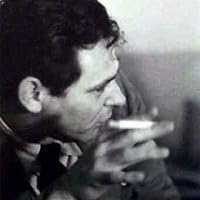
Tobias Wolff
150 books1,267 followersTobias Jonathan Ansell Wolff is a writer of fiction and nonfiction.
He is best known for his short stories and his memoirs, although he has written two novels.
Wolff is the Ward W. and Priscilla B. Woods Professor in the School of Humanities and Sciences at Stanford University, where he has taught classes in English and creative writing since 1997. He also served as the director of the Creative Writing Program at Stanford from 2000 to 2002.
He is best known for his short stories and his memoirs, although he has written two novels.
Wolff is the Ward W. and Priscilla B. Woods Professor in the School of Humanities and Sciences at Stanford University, where he has taught classes in English and creative writing since 1997. He also served as the director of the Creative Writing Program at Stanford from 2000 to 2002.
Ratings & Reviews
Friends & Following
Create a free account to discover what your friends think of this book!
Community Reviews
Displaying 1 - 6 of 6 reviews

July 16, 2014
Trying to read along with "Lucky Jim". Since this is short stories I can come and go. The first read by me of a TW book though I may have read some stories in magazines already.
Read the title story last night. Very good stuff. Sort of a combo of Carver, Denis Johnson(the "lost" young male) and Richard Ford. Probably semi-autobiographical. Interesting mix of first and third person narration.
"Hunters in the Snow" - more like incredibly lame and clueless d'bags in the snow. More Carveresque stuff. "Fargo" comes to mind as well. Dead-end lives going nowhere - or backwards. The title comes from a very famous painting by a Breughel.
"Smokers" - Very flat-toned(deliberate) account of boarding school social life. TW went to Hill for a time and can speak from experience. This one's set at Choate, one of our athletic rivals in Connecticut, at about the same time I was at Loomis. Choate was more a it older and prestigious. JFK went there.
- another three-guy story
- tab collars were OK at Loomis, a more plebeian place than Choate. No belted jackets, however - a fashion faux pas for sure!
- teen-age morality - don't get caught! don't get upset about anything!
"Wingfield" - an even briefer meditation on ... something. The mystery of life? Another three-buddy story with a Vietnam setting. I recall the intensity(looking back and seeing that is) of the social bonding of all of us young male "buddies" in the pre-volunteer military and the ephemeral quality of the friendships. We were all moving around constantly. Make "good" friends in one place and never see them again...
"In the Garden of the North American Martyrs" - not sure what the title has to do with the story but it might have to do with Mary's rant about the Iroquois at the end of the story. This one's eerily reminiscent of the ending of "Lucky Jim". Both end with aspiring academics(historians, I think) looking for a better job but chucking it with a crazy rant instead of a normal "lecture". How ODD is that! I just finished LJ the day before...
And - I just did some trivia questions about Engels and the Iroquois a day or two before also! Very odd indeed.
"Poaching" - Three more sad sacks. Three is apparently the magic number for TW. The momentary "beaver" ending is a moment of reprieve for the trio before "life" kicks in and moves on fitfully.
"The Liar" - the longest of the remaining stories after the long-long first one. More involved... slice of life... looking back etc.
- 3.75* rounds up to 4* - I must say I like the sort of flat and non-dramatic tone of the prose. Carver-esque indeed! In a good way of course...
Read the title story last night. Very good stuff. Sort of a combo of Carver, Denis Johnson(the "lost" young male) and Richard Ford. Probably semi-autobiographical. Interesting mix of first and third person narration.
"Hunters in the Snow" - more like incredibly lame and clueless d'bags in the snow. More Carveresque stuff. "Fargo" comes to mind as well. Dead-end lives going nowhere - or backwards. The title comes from a very famous painting by a Breughel.
"Smokers" - Very flat-toned(deliberate) account of boarding school social life. TW went to Hill for a time and can speak from experience. This one's set at Choate, one of our athletic rivals in Connecticut, at about the same time I was at Loomis. Choate was more a it older and prestigious. JFK went there.
- another three-guy story
- tab collars were OK at Loomis, a more plebeian place than Choate. No belted jackets, however - a fashion faux pas for sure!
- teen-age morality - don't get caught! don't get upset about anything!
"Wingfield" - an even briefer meditation on ... something. The mystery of life? Another three-buddy story with a Vietnam setting. I recall the intensity(looking back and seeing that is) of the social bonding of all of us young male "buddies" in the pre-volunteer military and the ephemeral quality of the friendships. We were all moving around constantly. Make "good" friends in one place and never see them again...
"In the Garden of the North American Martyrs" - not sure what the title has to do with the story but it might have to do with Mary's rant about the Iroquois at the end of the story. This one's eerily reminiscent of the ending of "Lucky Jim". Both end with aspiring academics(historians, I think) looking for a better job but chucking it with a crazy rant instead of a normal "lecture". How ODD is that! I just finished LJ the day before...
And - I just did some trivia questions about Engels and the Iroquois a day or two before also! Very odd indeed.
"Poaching" - Three more sad sacks. Three is apparently the magic number for TW. The momentary "beaver" ending is a moment of reprieve for the trio before "life" kicks in and moves on fitfully.
"The Liar" - the longest of the remaining stories after the long-long first one. More involved... slice of life... looking back etc.
- 3.75* rounds up to 4* - I must say I like the sort of flat and non-dramatic tone of the prose. Carver-esque indeed! In a good way of course...

August 20, 2023
I found this one at a yard sale years back, and came across it again while cleaning out my overstuffed bookshelf. Since I couldn't remember much of my years-ago first read, I decided to read it again. Other than the story "Bullet in the Brain", I don't know if I've read anything ELSE by Tobias Wolff, who I think I confused with Tom Wolfe when I bought the book, but he's won awards for his short fiction. Certainly, the pieces feature a level of craft, bleak humor, and honesty that could be used for instruction in a creative writing workshop.
Highlights:
The Barracks Thief: The title story depicts three young soldiers awaiting deployment to the Vietnam War, all "Fucking New Guys" ignored by the more veteran men. Unhappy for their own private reasons, known to the reader but not each other, the three are forced to bond when sent to guard an ammunition depot in the woods. There, their angst propels them into an act of reckless bravado, which is to have further repercussions on the choices they make over the rest of the piece. A study in how people do things for reasons that don't entirely make sense even to themselves, let alone to others, but have lasting consequences, even (or especially?) in the most disciplined of environments. I have yet to read any Vietnam War-related literature that doesn't leave me with the impression that the whole thing was a sad, stupid tragedy.
Hunters in the Snow: a hunting trip involving three guys who each get on each other's nerves from the start takes a dark turn when one member takes a joke too far. It made me think of a college spring break trip with some guy friends, on which clashing personalities and some risky behavior got a little out of hand (thankfully less so than in this story). I loved the clever setup, the finely balanced tensions/power dynamics between the three characters, and the pushing-the-envelope black humor. The lesson? Don't be THAT guy.
Smokers: a teenage boy at an elite prep school sets out to make the "right" friends, but gets a taste of what that means when the character that might be his truest friend gets kicked out and a wealthy pseudo-friend who probably deserves that fate more doesn't. Captures a lot about both class and the naive way with which we justify our choices to ourselves as teenagers.
Garden: an aging academic comes to the realization that she's played her life too safe, that her peers don't take her seriously, and that the whole system is a farce. I can't say that this is a critique of academia that I haven't heard before, especially from women.
The Liar: an adolescent boy can't help himself from making up lies about his mother, though clearly out of compulsion and not malice. I'm sure this behavior has some sort of name and psychological diagnosis, but no one in the story is fit to offer one. The boy struggles to make sense of his two parents, the father deceased from cancer several years earlier, their checkered relationship, and his own place in the family, and the lies seem to be the tool that serves him best. It made me think of how I floundered through several years of life after losing a family member to cancer in my teens, not receiving any professional counseling (because nobody thought of it in those less enlightened days), but dealing in my own eccentric ways (different than depicted here). The narrator, writing from a more adult perspective, seems to have made peace with his past.
I didn't appreciate these stories as much in my late 20s, when literary layers were a little lost on me. I "get" them a lot more now. Wolff seems fond of building his stories around triangular relationships, which he uses quite artfully.
Highlights:
The Barracks Thief: The title story depicts three young soldiers awaiting deployment to the Vietnam War, all "Fucking New Guys" ignored by the more veteran men. Unhappy for their own private reasons, known to the reader but not each other, the three are forced to bond when sent to guard an ammunition depot in the woods. There, their angst propels them into an act of reckless bravado, which is to have further repercussions on the choices they make over the rest of the piece. A study in how people do things for reasons that don't entirely make sense even to themselves, let alone to others, but have lasting consequences, even (or especially?) in the most disciplined of environments. I have yet to read any Vietnam War-related literature that doesn't leave me with the impression that the whole thing was a sad, stupid tragedy.
Hunters in the Snow: a hunting trip involving three guys who each get on each other's nerves from the start takes a dark turn when one member takes a joke too far. It made me think of a college spring break trip with some guy friends, on which clashing personalities and some risky behavior got a little out of hand (thankfully less so than in this story). I loved the clever setup, the finely balanced tensions/power dynamics between the three characters, and the pushing-the-envelope black humor. The lesson? Don't be THAT guy.
Smokers: a teenage boy at an elite prep school sets out to make the "right" friends, but gets a taste of what that means when the character that might be his truest friend gets kicked out and a wealthy pseudo-friend who probably deserves that fate more doesn't. Captures a lot about both class and the naive way with which we justify our choices to ourselves as teenagers.
Garden: an aging academic comes to the realization that she's played her life too safe, that her peers don't take her seriously, and that the whole system is a farce. I can't say that this is a critique of academia that I haven't heard before, especially from women.
The Liar: an adolescent boy can't help himself from making up lies about his mother, though clearly out of compulsion and not malice. I'm sure this behavior has some sort of name and psychological diagnosis, but no one in the story is fit to offer one. The boy struggles to make sense of his two parents, the father deceased from cancer several years earlier, their checkered relationship, and his own place in the family, and the lies seem to be the tool that serves him best. It made me think of how I floundered through several years of life after losing a family member to cancer in my teens, not receiving any professional counseling (because nobody thought of it in those less enlightened days), but dealing in my own eccentric ways (different than depicted here). The narrator, writing from a more adult perspective, seems to have made peace with his past.
I didn't appreciate these stories as much in my late 20s, when literary layers were a little lost on me. I "get" them a lot more now. Wolff seems fond of building his stories around triangular relationships, which he uses quite artfully.

August 11, 2025
Flawless novella that quickly yet throughly develops three interesting characters and presents a very believable situation. There's a lot of think about and discuss concerning the motivation and psychology of each, but they are complex enough not to simply be categorized. Fans of Wolff like me only regret that the writer didn't expand further on this subject. On the plus side, this makes for an excellent read for courses in literature or would be good for a book club that needs a quick read.

July 22, 2007
Outstanding novella.
May 6, 2020
Nouvelle 3
Stories 5
Stories 5

January 1, 2021
Particularly liked the stories “In the Garden of the North American Martyrs” and “The Liar”.
Displaying 1 - 6 of 6 reviews