Jump to ratings and reviews
Rate this book

La strada che va in città e altri racconti

Rate this book
Il romanzo è la storia di una ragazza che sceglie di fare un matrimonio d'interesse, di prendere la strada che va in città. Per poi accorgersi che il vero amore è altrove... Passioni senza via d'uscita, vite alla deriva, anime alla ricerca di un approdo sicuro dove lenire le proprie delusioni: con impetuoso realismo ma senza alcun giudizio morale l'autrice, in questo romanzo - che è il suo primo libro - descrive la solitudine di un'esistenza che nel gioco della memoria rievoca ciò che le è passato accanto come un mistero incomprensibile e inafferrabile.

172 pages, Paperback

First published January 1, 1942

58 people are currently reading
6050 people want to read

About the author

Natalia Ginzburg

86 books1,574 followers
Natalia Ginzburg (née Levi) was an Italian author whose work explored family relationships, politics during and after the Fascist years and World War II, and philosophy. She wrote novels, short stories and essays, for which she received the Strega Prize and Bagutta Prize. Most of her works were also translated into English and published in the United Kingdom and United States. An activist, for a time in the 1930s she belonged to the Italian Communist Party. In 1983 she was elected to Parliament from Rome as an Independent.

Ratings & Reviews

What do you think?
Rate this book

Friends & Following

Create a free account to discover what your friends think of this book!

Community Reviews

5 stars
539 (17%)
4 stars
1,321 (44%)
3 stars
935 (31%)
2 stars
176 (5%)
1 star
24 (<1%)
Displaying 1 - 30 of 368 reviews
Profile Image for Sepehr.
209 reviews237 followers
November 9, 2023
شاید معمولی و بی پیچ و خم بود ولی داستان خود من بود.
البته من آخر داستان مردم متاسفانه 😂
Profile Image for Davide.
508 reviews140 followers
Read
January 31, 2019
Di un racconto pubblicato - proprio come la prima edizione di questo primo romanzo (breve) - col nome di Alessandra Tornimparte, necessario ad evitare le leggi antiebraiche, Natalia Ginzburg scriveva: «mi parve di aver raggiunto l’apice della freddezza e del distacco».
E in realtà molta freddezza e distacco si possono percepire anche in questa Strada che va in città, scritto a partire dall'estate 1941, durante il confino a Pizzoli, in provincia dell’Aquila, dove aveva raggiunto il marito Leone dichiarato dal fascismo «persona pericolosa per la sicurezza dello Stato».

Il titolo proviene dall’Ecclesiaste citato in epigrafe: «Le fatiche degli stolti saranno il loro tormento | poiché essi non sanno la strada che va in città»; e a quanto pare fu suggerito proprio da Leone; come l'altra strada (La strada di Swann), per la traduzione del primo volume della Recherche di Proust.

Pavese ne parlò in questo modo: «È la storia d’una ragazza di famiglia povera, che vive in una casa sulla strada maestra a poche miglia dalla città. I personaggi del racconto non sono né campagnoli né cittadini, ma di questi e di quelli assommano le qualità deteriori, la grettezza, le meschine ambizioni, la miseria morale.»
E in effetti di questo racconto colpisce la sgradevolezza di tutti i personaggi (compresa la protagonista-narratrice in prima persona), segnati tutti, in modo più o meno accentuato da egoismo, noia, meschinità, pressioni sociali, ignoranza, superficialità, aridità sentimentale.

Aiuta l'impressione di freddezza anche l'assenza di indicazioni geografiche: ci sono soltanto la "città" e un paio di "paesi", come distinzioni assolute, senza colore locale: potrebbe essere la campagna piemontese come quella abruzzese.
Sono assenti anche le determinazioni temporali: il tempo è di sicuro contemporaneo, esistono i cinema e «il postale», ma manca qualsiasi data puntuale.

Raccontando questo distaccato romanzo di (non)formazione di una donna, Natalia proseguiva intanto il suo lavoro di formazione di una scrittrice, iniziato con racconti che scriveva ormai da una decina d'anni (ora si può seguire bene l'evoluzione in Un'assenza ). E già si percepisce un grande controllo dei dialoghi, della secca rapidità della narrazione; la capacità di disegnare personaggi e situazioni con pochissime azioni e parole pronunciate.
Profile Image for Luís.
2,370 reviews1,364 followers
September 4, 2025
It is a concise novel but incredibly rich: in the writing first, in the psychology of the main character (barely named, while we penetrate his intimacy), in the highlighting of this fascination with the city and, therefore, of the opposition between the way of life in the post-war countryside in Italy and the city. It is a beautiful discovery of Natalia Ginzburg's writing, made accessible without the complexity of reading. To recommend!
Profile Image for Celeste   Corrêa .
381 reviews323 followers
January 29, 2021
Há uma personagem narradora, adolescente de 17 anos, solteira e grávida de um estudante de medicina de uma condição social superior à sua. Marcado o casamento, a protagonista passa a maior parte da sua gravidez na casa de uma tia para evitar o falatório.

O livro centra-se nas jovens que vivem na aldeia e anseiam pela cidade no desejo de independência, divertimento, liberdade e fuga aos preconceitos dos adultos e dos meios pequenos.

«Para mim era melhor morrer – pensava – fui muito estúpida e desgraçada. Agora já não sei o que quero.» Mas se calhar a única coisa que queria era voltar a ser como era dantes, vestir o meu vestido azul e fugir todos os dias para a cidade, e procurar o Nini e ver se estava apaixonado por mim, e ir também com Giulio para o pinhal mas sem ter de casar com ele. E afinal tudo aquilo acabara e não podia começar de novo. E quando a minha vida era assim não fazia outra coisa senão pensar que me aborrecia e esperar qualquer outra coisa, e esperava que Giulio casasse comigo para me ir embora de casa. Agora já não desejava casar com ele e lembrava-me como tantas vezes me aborrecera enquanto ele falava, e quantas vezes ele me desprezara. «Mas não vale a pena – pensava – não vale a pena e temos de nos casar, e se ele não me quiser ficarei desgraçada para sempre.»

Quando o casamento era um escape a uma vida triste e pouco satisfatória, e o único modo de independência das mulheres; um cortar amarras com um passado que assustava pensar nele.
O livro não me convenceu provavelmente pelo facto de a independência alcançada ser mal aproveitada e as personagens muito jovens
Profile Image for Antoinette.
1,049 reviews239 followers
April 30, 2024
4.5 Stars

“ They say that a house with many children is full of joy, but I didn’t think there was anything joyful about our house.”

We meet Delia, our narrator, when she is 16 years old. All she wants is to be away from her family and the home she grew up in. She has two young men in her life- Giulio, the doctor’s son and Nini, her cousin, who pretty well grew up in their home.
The biggest pleasure she gets out of life is walking the road to the city with her brother and Nini.

This book was written in the early 1940’s- girls’ futures were dependant on getting married. In her unpretentious style, Natalia Ginzburg brings to life Delia, Nini and Giulio and we can reflect on the choices each of them makes in life.

This book took me back to my childhood and stories my mother used to tell me about growing up in Italy- how girls were always held more accountable than boys.

I love the way the author writes- just simple, stark writing which totally suited the time and place. I look forward to continuing my exploration of her books.

Published: 1942
Profile Image for m..
270 reviews653 followers
March 8, 2024
over the years i've grown to know exactly if i will like a book before i pick it up, and i'm right almost all the time. so it's always a pleasant surprise when a story creeps up on me like the road to the city did. such an accurate and straightforward representation of girlhood and of how it oppressive it is. ginzburg masterfully narrates the struggle of non-identity, of the "going-alongness" that is being a girl growing into a woman, of not knowing your body and yourself and therefore constantly missing out. 'very well, then, i'm a cold fish. and what are you?' he looked at me for a minute and then said: 'you're just a poor little girl.'
Profile Image for Gelareh Askari.
75 reviews61 followers
September 23, 2023
یک نفر نیست نظارت کنه هر بی سروتهی چاپ نشه؟ فقط اداره سانسور داریم. چه ترجمه نایکدست و بدی هم داشت. پیشنهاد نمی کنم قطعی بنده
Profile Image for Roya.
755 reviews146 followers
December 4, 2025
3.5 ⭐️
اینکه بتونی توی یک داستان کوتاه چنین روایت ساده ولی نه کم‌اهمیت رو به روی کاغذ بیاری کار آسونی نیست.
Profile Image for lise.charmel.
524 reviews194 followers
April 30, 2020
La strada che va in città è il primo romanzo di Natalia Ginzburg e racconta la storia di una miseria, economica ma anche umana di una ragazza poverissima che avvia una relazione con il figlio del medico del paese. La gravidanza inattesa e il successivo matrimonio riparatore non la condurranno alla felicità, ma soltanto a un'esistenza vuota e priva di scopo.

Incomunicabilità, relazioni sbagliate, egoismo, sono questi i temi centrali di questa raccolta di opere di una giovanissima Natalia Ginzburg, che già giovanissima stupiva il pubblico con la sua capacità di guardare dentro l'animo umano e trarne il peggio con un linguaggio semplice, diretto e non fraintendibile.
Un'opera che rischiavo di non scoprire mai, mi sarei persa un piccolo gioiello.
Profile Image for Teresa.
1,492 reviews
January 26, 2019
Este é daqueles livros que não precisam de marcador; começa-se e só se larga quando termina. Não apenas porque é pequeno (menos de 100 páginas) mas também pela forma de contar a história; com simplicidade e mantendo sempre a curiosidade e interesse até ao final.
A narradora é uma jovem de dezassete anos que vive, numa aldeia italiana, com a sua família pobre e numerosa onde não há muita disponibilidade para o amor e suas demonstrações.
Profile Image for Alan (on December semi-hiatus) Teder.
2,707 reviews249 followers
October 27, 2025
Show Me the Way (to the City)
A review of the New Directions Storybook ND hardcover (July 4, 2023) translated by Gini Alhadeff from the Italian language original La strada che va in città (1942) originally published under the pseudonym Alessandra Tornimparte and revealed as Natalia Ginzburg when republished after Italian liberation as La strada che va in città e altri racconti (1945) with an Afterword excerpted & translated from the Introduction to Cinque romanzi brevi (1964).
The labor of fools will be their torment, since they don't know the road to the city. - Used as the epigraph, from Ecclesiastes 10:15.
Not counting Nini, there were five of us. Before me was my sister Azalea, who was married and lived in the city. My brother Giovanni came after me, then came Gabriele and Vittorio. They say that a house with many children is full of joy, but I didn't think there was anything joyful about our house. I hoped to get married soon and to get away as my sister Azalea had done. Azalea had married at the age of seventeen. I was sixteen but no one had asked me yet.
The teenage narrator of The Road to the City introduces her goal on the first page. Marriage is seen as the only way for a girl to escape a restricted village and family life. The "city" is the metaphor for that goal. Her best bet is a well-to-do medical student but she also wavers about the possible love of her distant cousin Nini, who has come to live with her family. Pregnancy is the way to trap a man, but will the end result buy any happiness?
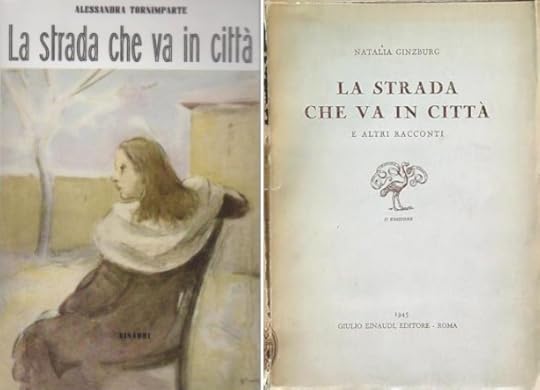
The front cover of the 1942 original Italian edition and the title page of the 1945 Italian edition which revealed Natalia Ginzburg as the author. Images sourced from Goodreads.

I've enjoyed several Natalia Ginzburg novellas since a late discovery in 2024. As The Road to the City was her first book it is lighter on the drama than that of later works such as The Dry Heart and Sagittarius. The struggles of women trapped in circumstances and seeking to break out is a common thread, as are often the tragic results.

This edition was enhanced with the benefit of the author's Afterword which relates the background* of her own village life which became the setting for the book. Due to the situation in Fascist Italy at the time, Jewish writers were not able to be published and so the book first appeared under a pseudonym. That addition bumps this from a GR 3-star to a 4-star. An earlier translation as in The Road to the City: Two Novellas (1990) is missing the Afterword.


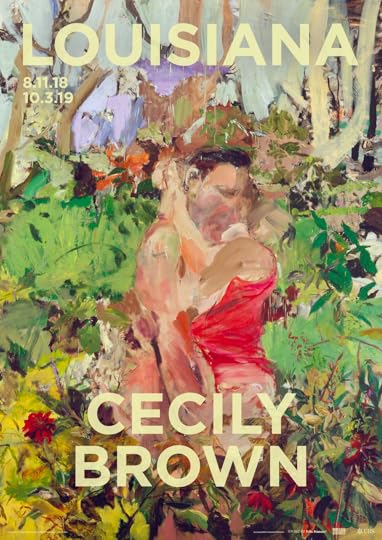
I couldn't find a proper complete copy of the painting "Couple" (2004) by Cecily Brown, a portion of which is cropped for the cover image of "The Road to the City." This image is sourced from an exhibition poster at Plakaten.

Soundtrack
OK, you guessed it, for some reason I thought of the Peter Frampton song Show Me the Way (1975) which also inspired my lede. Listen to the version from the album Frampton Comes Alive! (1976) on YouTube here or on Spotify here.

Footnote
* Read some excerpts from the Afterword in my GR Status Updates below or here if you are reading outside of GR.

Trivia and Links
Sicilian-Italian author Natalia Ginzburg (1916-1991) was a prolific writer of fictions of mostly short story or novella length. Her most popular work (per GR ratings and reviews) is Family Lexicon (English translation 1967) translated from the Italian language original Lessico Famigliare (1963).

The Road to the City is part of publisher New Directions Storybook ND series which is:
Created and curated by the writer and translator Gini Alhadeff, Storybook ND—our new series of slim hardcover fiction books—aims to deliver the pleasure one felt as a child reading a marvelous book from cover to cover in an afternoon. The series, beautifully designed by Peter Mendelsund, will feature original works by beloved New Directions authors, and will also introduce new writers to the list. As Alhadeff notes, “There’s nothing sweeter than to fall, for a few hours, between the covers of a perfect little book! And the image on the front, by a contemporary artist such as Francesco Clemente or Kiki Smith, will draw you in. Longer stories or shorter novels with a beautiful face: that’s Storybook ND.”
Profile Image for Ana.
Author 14 books217 followers
December 9, 2021
Este meu primeiro contacto com Natalia Ginzburg revelou-se bastante positivo. Não foi intencional ter-me iniciado precisamente com o primeiro livro da autora, mas agora que o meu interesse por ela se ateou, fico feliz por assim ter acontecido.

Li este livro num ápice, nao só porque é pequeno, mas também porque assim a história e a escrita me incentivaram.

Encontrei nestas páginas uma história simples, sobre expectativas juvenis e relações interpessoais. Contudo e apesar da simplicidade do que é narrado, obtive dele a riqueza de um testemunho ficcionado sobre como a liberdade de cada indivíduo é inevitavelmente condicionada por todo o seu ambiente social, em tantos aspectos sobre os quais não tem qualquer controlo. Entre outros factores, a época em que nasce, o local, as condições económicas da família, e mesmo (ou especialmente, no caso desta história) o nascer-se homem ou mulher.

É uma história direta, realista. O melhor adjectivo que encontro para descrever como a senti é "áspero". Uma história áspera. Aspereza do cenário, da época, nos personagens, nos seus discursos, comportamentos e relacionamentos, enfim... até na própria escrita da autora. Mas esta falta de verniz na escrita, na minha opinião, até acaba por ser bastante congruente com a história que é contada e resulta muito bem. Fiquei a interrogar-me se teria sido intencional, ou apenas ter essa característica por ser um texto da fase inicial da carreira da autora.

Tenciono ler mais livros dela, sem dúvida. Recomendações aceitam-se 😀
Profile Image for Peyman Talebi.
151 reviews36 followers
September 10, 2023
خداش خیر دهاد آن که این عمارت کرد... که را می‌گویم؟ آن دوستی که سالها پیش، کتاب «فضیلت‌های ناچیز» خودش را به من داد و کلی هم از آن تعریف کرد که بخوانمش. کتاب را خواندم، نه یک‌بار که سه بار و کلی کیف کردم. از آنجا به بعد نامی که روی جلد بود برایم اهمیت و ارزش بسیاری پیدا کرد... ناتالیا گینزبورگ...

«جاده شهر» اولین کتاب این بانوی نویسنده ایتالیایی است که آن را با نام مستعار «الساندرا تورنیمپارته» چاپ کرد. شاید نثر گینزبورگ در این نوولا، پختگی فضیلت‌های ناچیز یا نجواهای شبانه را نداشته باشد و اما آشکارا از همین کتاب اول، می‌توان نبوغ او در داستان‌پردازی و روایت را دید. او در این داستان بلند، وقایع را پشت سر هم، به تندترین شیوه ممکن روایت می‌کند و بدون بیان جزئیات - لازم یا غیرلازم - تلاش می‌کند صرفا اصل واقعه را بیان کند. تا جایی که اگر کمی جزئیات به همین کتاب حاضر اضافه می‌شد، می‌شد آن را به یک رمان ۵۰۰ صفحه‌ای تمام‌عیار تبدیل کرد.
البته کل روایت این کتاب، مبتنی بر تند کردن زمان نیست و از یک‌جایی به بعد، یعنی دقیقا از دوران بارداری شخصیت اصلی داستان، روایت آرام آرام و با شیبی ملایم «کند» می‌شود. انگار گینزبورگ در تلاش است انتظار و اضطراب یک زن باردار و کش‌آمدن روزها و شب‌ها برای او را، در چنین فرمی به خواننده منتقل نماید.

با وجود اینکه در داستان، گره به معنای مصطلح آن وجود ندارد، اما اواخر داستان، واقعه‌ای رخ می‌دهد که همه‌چیز را دگرگون می‌کند، البته روایت کماکان آرام پیش می‌رود.

می‌گویند ناتالیا گینزبورگ «مهم‌ترین نویسنده زن ایتالیایی بعد از جنگ جهانی» است. آیا وقتش نرسیده، با این همه کتاب مهم و استادانه‌ای که از او به جا مانده، یک یا حتی دو عنوان از قیدهای این ترکیب را برداریم؟
Profile Image for Mark Bailey.
248 reviews41 followers
October 30, 2023
Ginzburg's work oozes with elegance. I don't think there are many other writers so simplistic and raw, yet simultaenously so moving. Greats such as Hemingway and Carver have their own knack of knocking out masterpieces, particularly in short-story or novella form - and I'd definitely add Ginzburg alongside them.

She's just incredible. Her writing is soothing. It strips all complexity away - despite some of her topics being intricate and messy. I think it's the everydayness and ordinariness of her work that strike a chord. They're rarely sensationalist or acutely overwhelming in a thematic sense - maybe that's why they draw you in.

Ginzburg's writing is like a mirror being held aloft - and maybe sometimes it's nice to hear of people grinding their way through ordinary life - their troubles, their bouts of happiness, their boredom, their fancies and follies - and recognising that actually - all of our own troubles, happiness, fancies and follies are universal. And it's ok. We're all experiencing life for the first time. And the last.

The Road to the City is another short masterpiece that looks at the complexities of family, love, scandal, loss and struggle for self-identity. It follows seventeen-year-old Delia, a girl from a poor Italian village as she is enmeshed in a love affair devoid of substance and a pregnancy that offers now relief.
Profile Image for piperitapitta.
1,050 reviews465 followers
January 24, 2018
Nessuno torna indietro.

Questo racconto è doloroso, urticante, a tratti fastidioso.
Così come la scrittura della Ginzburg - della quale è la prima cosa che leggo - è spigolosa, brusca, priva di sentimentalismi.
Forse è per questo che mi è piaciuto.
Forse è per questo che l'ho odiato.
Mi è piaciuto per quel suo essere diretto, per quel realismo che lascia pochi spazi alla speranza e l'ho odiato per gli stessi motivi, ma soprattutto perché è implacabile.
Povera piccola Delia, che sogna la città per affrancarsi dalla campagna, senza sapere però che la città è una giungla, ma senza sapere, soprattutto - come scriveva più meno in quello stesso periodo Alba De Céspedes raccontando di altre ragazze "perdute" per la società bigotta e moralista dell'epoca - che nessuno torna indietro.
Profile Image for Masih Reyhani.
282 reviews12 followers
September 18, 2023
کتاب در رابطه با دختر جوان و جاه‌طلبی به نام دالیاست که همراه پدر و مادر و برادرهایش و نینی (پسر یکی از عموزاده‌های پدرش) در روستایی حومه‌ی شهری در ایتالیا زندگی می‌کند.
دالیا تقریبا هر روز برای تجربه‌ی زیست شهری، «جاده‌ی شهر» را طی می‌کند تا به سرزمین رویاهایش، جایی که زندگی به ظن او بیشتر از روستا در آن در جریان است، برسد؛ اما در این آمدن و رفتن‌ها، حوادثی رخ می‌دهد که آینده و زندگی او را دستخوش تغییر قرار می‌دهد.

پی‌نوشت:
آنچه در رابطه با داستان‌های ایتالیایی برایم جالب است، نزدیکی‌های فرهنگی است میان ما و آن‌ها که گه‌گاه به چشم می‌خورد.
Profile Image for Anna Avian.
609 reviews136 followers
December 14, 2023
The story is straightforward and lacking in complexity, with a fast-paced plot and minimal details. However, it does shed some light on the social conditions faced by women during the period and the limited routes available to them for obtaining financial independence.
Profile Image for Dhanaraj Rajan.
530 reviews362 followers
February 13, 2015
It may not be a great story but an engaging story.

It is a straight forward story of a girl from a lower background who through the wedlock enters into an 'upper society'. How and why does the wedding takes place? Because she got herself pregnant with a rich boy. That already sets the tone for this novel which was published in 1942.

The novel is in fact more than a simple story. It is a documentation of the time period. The documentation is focused on the female aspect. In that sense, it is interesting to read this story.

An excerpt: "Una ragazza non dovrebbe metterci i piedi in città, quando non l'accompagna la madre."

But Natalia Ginzburg is very adept in keeping us engaged through out the story.
Profile Image for rachy.
294 reviews54 followers
September 9, 2022
Well, it finally happened. I read a Ginzburg and I loved it! I think I might finally be starting to get the hype after all! After reading ‘Family Lexicon’ and not loving it (though, not hating it either), I wasn’t overly keen to check out more of Ginzburg’s work. Luckily, somebody gifted me two of her shorter novellas and with them already in my possession, it felt a little rude not to at least give her another shot.

I enjoyed basically everything about this novel. The writing was simple and straightforward, frank and uncompromising, but still beautiful. It’s not only wonderful to read on its own merit, but it’s also the perfect foil to the type of story and characters Ginzburg likes to tell about. The characters themselves were perfect in their imperfection. They all felt very real and layered in a way that felt like they had so much more life beyond the page. That it was only a glimmer we were seeing of a larger picture of these people's whole lives. She also handles her characters perfectly - never justifying or excusing, she simply lays everything out as it comes without judgment. It allows you to come to how you feel about them, with only the subtle guidance of just the right amount of detail about each. The plot itself simply felt like an inevitable conflict born of who the characters are fundamentally, and that is maybe the most impressive thing a piece of fiction can do.

I genuinely don’t think I can say a bad word about ‘The Road to the City’, even if I made it my life’s work! I’m not sure why I clicked with this so much but never had much love for ‘Family Lexicon’. Whether it just worked better for me over a short form novella, or whether I was just in a mood when I read it and not this, I really can’t be sure. One thing I am sure of is that I’ll definitely be giving it another go now that I’ve finally seen in Ginzburg what everyone has been telling me has been there for so long. Anyone looking for a quick but wonderful read couldn’t do much better than this little novella. I’m so excited for the next!
Profile Image for Baz.
359 reviews396 followers
May 13, 2022
I enjoyed and devoured this for the same reasons I enjoyed and devoured Ginzburg’s other works. I don’t know what I can say that I haven’t said before about the pleasure of reading her? About her prose style…

And I’m not one for padding out a ‘review’ by summarizing the plot.

I will say that Delia, in this first-person narrative, is a terrible little shit, and I love that Ginzburg doesn’t justify her behaviour. She’s just a coarse girl from a rough hostile family. It makes me wonder what place unpleasantness has in contemporary fiction. Where are the asshole protagonists? Who else is doing them apart from Moshfegh and Franzen? That’s not a rhetorical question or accusation – I be genuinely curious. Because I don’t mean the “unlikeable traits”, flaws, or bad actions that can actually make a character more endearing.

Sooo anyway, I’ll say I loved The Road to the City and leave it there.
Profile Image for Derek Driggs.
684 reviews50 followers
November 26, 2024
It’s clear that she is Elena Ferrante’s literary predecessor. She writes the everyday brutality of life without wealth, and particularly the life of women in relation to controlling men; and she captures better than anyone how young we truly are when we are thrust into adulthood.
Profile Image for Alessia Claire.
153 reviews
April 24, 2022
Nell’inverno del ’41, Natalia scrive questo breve romanzo, lo fa avere a Pavese, che accetta di pubblicarlo. Il romanzo esce presso la casa editrice Einaudi nel ’42. Poiché vi sono le leggi razziali, viene pubblicato con lo pseudonimo di Alessandra Tornimparte. Era, Tornimparte, un paese non lontano da Pizzoli, dove si ricevevano e spedivano i bauli, essendovi una stazione ferroviaria. Il
romanzo ebbe una severa stroncatura di Alfonso Gatto, nella rivista «Primato», ed ebbe invece il consenso di Silvio Benco, sul «Piccolo» di Trieste. Piú tardi, racconta Domenico Scarpa, Natalia conobbe Alfonso Gatto e strinsero amicizia. Non poté invece mai conoscere Silvio Benco, per il quale provava e prova oggi una profonda gratitudine. Le parole di consenso di Silvio Benco la sostennero nel corso degli anni, quando piú dubitava che il suo scrivere avesse un senso.
80 pagine meravigliose.

Riporto quanto scritto da Cesare Garboli, curatore dell'introduzione all'edizione del volume 'Cinque racconti brevi' pubblicato nel 1993. 'E' un libro senza rughe: non perde mai di freschezza, e mantiene intatta, a ogni rilettura, attraverso gli anni, la sua ruvidezza selvatica e adolescente.' Montale, nel '34, scrisse una lettera all'amico poeta Angelo Barile, a proposito della scrittura della Ginzburg (aveva appena letto un racconto di Natalia, intitolato 'I Bambini', pubblicato sotto pseudonimo). 'Hai letto Natalia Levi (17 anni)? Se continua così sviluppandosi abbiamo finalmente quello che ci mancava. E che scrittura intelligente!'.

In questo romanzo si avverte già la giustezza impressionante di tono e di tocco dell'autrice. E' asciutta, esatta, sliricizzata eppure viva, tenera, aggraziata, rimanendo sempre esente da preconcetti e da manierismi. Natalia scrive in maniera 'diritta', senza enfasi e senza dramma, senza nulla di esclamativo. Silvio Benco ha detto di lei che la sua prosa era 'camminante come la vita'.
La voce narrante è languida e dinoccolata, libera e senza affanni, e il risultato è che un''illusione di oggettività pura e semplice.

Domandai com'era questa sua fidanzata e perché non me la faceva vedere, e lui mi disse che aveva le ali e la coda e un garofano nei capelli.

La moglie del dottore stava alla finestra con la serva, e quando mi vedeva passare sbatteva i vetri come avesse visto un serpente.

Le voglio bene così. Stiamo insieme finché ci fa piacere, poi ci lasciamo in santa pace e buongiorno.

Quello che mi ha fatto soffrire, è stato sapere che avrai un bambino, che tu con questa faccia, con questi capelli, con questa voce, avrai un bambino e forse gli vorrai bene, forse diventerai a poco a poco un'altra, e io cosa sarò per te?
Profile Image for Mighty Aphrodite.
605 reviews58 followers
March 11, 2025
In una casa povera, piena di muffa e di fratelli vocianti, in cui neanche la riservatezza della propria stanza viene rispettata e una porta chiusa non rappresenta un deterrente, la mente di Delia fugge verso la città, le sue luci, le sue vetrine, i suoi caffè. Ogni giorno percorre la strada che va in città con il fratello Giovanni e suo cugino, il Nini.

Ognuno di loro cerca di trarre dalla città la soddisfazione che non può trovare in paese, affinché il ritorno alla sera, su quella strada polverosa, non sia troppo doloroso. Delia va a trovare la sorella Azalea, sposata con un uomo molto più grande di lei e sempre alla ricerca di un nuovo amante che possa movimentare il suo cuore e le sue giornate. Giovanni e Nini passano i pomeriggi seduti in un caffè a parlare, bere, ridere.

Nonostante i legami familiari che li uniscono e la vita che condividono, nessuno di loro sembra in grado di provare affetto, amore, né per sé stesso né per gli altri. I personaggi di Ginzburg sono fortezze inespugnabili, dalle quali – quasi per una casualità imprevedibile – escono ogni tanto deboli emissari, ambasciatori di sentimenti che non sanno però trovare le parole giuste per esprimersi, per liberare cuori troppo amareggiati dalla vita per contemplare altro che non sia la nuda realtà di tutti i giorni.

Pur essendo la narratrice, anche Delia ci appare chiusa, impenetrabile, incomprensibile nei suoi comportamenti che originano più dall’ingenuità dell’ignoranza che dalla malizia. La giovane, infatti, si compromette e inizia a farsi vedere in paese con il figlio del medico, Giulio, un giovanotto benestante che pensa solo a cacciare e a darle appuntamenti solitari nella pineta, dove decide che di lei può fare ciò che vuole, senza pensare alle conseguenze. Anche se Delia quasi presente ciò che sta per avvenire, non ha gli strumenti per fermarlo, l’esperienza per tirarsi indietro, per evitare qualsiasi situazione che possa arrecarle danno.

Continua a leggere qui: https://parlaredilibri.wordpress.com/...
Profile Image for Bagus.
474 reviews93 followers
January 3, 2025
My first read for 2025. Reading Natalia Ginzburg’s debut novel, The Road to the City, feels like standing at the precipice between adolescence and adulthood, where illusions, heartbreaks and quiet devastations converge. While this novella lacks the finely honed introspection of her later essays in The Little Virtues or the sprawling intergenerational reflections of Voices in the Evening, it carries the unmistakable seeds of her style: sparse, sharp and brimming with unspoken truths.

The story centres on Delia, a seventeen-year-old girl caught between the drudgery of her impoverished rural upbringing and her yearning for a grander, shinier life in the city. Her journey is not just a physical escape but also a descent into choices that strip away her youthful innocence. Ginzburg captures this transition with unflinching honesty, laying bare the allure of escape and the weight of its consequences.

Delia longs for change but seems destined to repeat cycles of unhappiness. She is seduced not merely by Giulio, the man she marries, but by what he represents: wealth, comfort and the promise of a different life. Yet her dreams of silk stockings and city apartments come at a cost, not only to herself but to Nini, her sensitive and devoted cousin. Nini’s love for Delia and his quiet despair are among the most heartbreaking elements of the story.

What captured my attention the most is Ginzburg’s ability to create characters who feel achingly real yet universal in their struggles. Nini’s vulnerability, Delia’s naivety, and even the muted presence of her parents and siblings reflect broader commentaries on the harsh realities faced by Italians during and immediately after the Second World War. These characters are trapped not only by poverty and circumstance but also by societal expectations and generational legacies.

Ginzburg does not moralise or offer easy answers. Her prose is deceptively simple. Each sentence is unadorned, yet laden with quiet weight. The novella, though brief, lingers in the mind long after the final page (thanks to the enduring translation of Frances Frenaye). It is a story of dreams and disillusionment, showing how the optimism of youth can be both a blessing and cruelty and how the road to the city (and adulthood) is often paved with compromises.

In The Road to the City, we witness a younger Ginzburg exploring these themes through the lens of one young woman’s limited choices. Her voice, though still finding its way, is no less powerful for its restraint. If the novella has a message, it is one that Ginzburg whispers rather than shouts: dreams can be as binding as the circumstances we seek to escape, and the greatest cruelty of youth often lies in its unexamined hope.
Profile Image for Cristina Delgado.
255 reviews72 followers
August 23, 2022
Tenho ouvido falar tão bem desta escritora italiana, de Palermo, que a queria "provar" rapidamente. Nada melhor do que este livrinho pequeno!

A sua escrita é de tal forma corrida que nos deixa quase sem fôlego. Por isso li-o em pouco mais de uma hora. A protagonista e narradora é uma rapariga ingénua, cuja ingenuidade é de tal forma extremada que coloca no leitor uma forte vontade de abaná-la e "falar" com ela!

Foi essa intenção que me manteve presa porque os acontecimentos são narrados num discurso directo intenso e rápido e não auguram nada de bom para essa moça cujo nome não me lembro e tão pouco importa, já que numa passagem rápida pelas páginas desta obra, me apercebi que, se foi mencionado, não há-de ter sido muitas vezes porque não o encontrei...

Então, chamemos-lhe N (narradora). N vive com os quatro irmãos e um primo. Os mais velhos desejam desesperadamente sair de casa. Ela própria também. A mãe é motivo de conflito e quase ódio. Do pai há ausência mas também amor.

N sempre que pode foge para a cidade, para a casa da irmã ou para deambular nas ruas. É uma menina amarga que a vida vai atropelar porque as escolhas que faz não contribuem para a sua felicidade. O primo e o namorado (mais tarde marido) serão sempre, para ela, motivo de angústia porque mais do que as decisões que poderia tomar e nunca o faz, ela deixa que a falta de resoluções se apoderem e comandem a sua vida. Ao não decidir, ela decide.

Um romance pequeno, que prende, ensina e seduz. Gostei muito.
Profile Image for Lavinia.
749 reviews1,041 followers
April 28, 2021
În încercarea de a vedea cine au fost precursoarele Elenei Ferrante, am luat la citit autoare italiene ale secolului trecut. Prima pe listă, Natalia Ginzburg (1916-1991) / El camino que va a la ciudad y otros relatos (Drumul care duce către oraș și alte povestiri).

Nuvela care dă titlul volumului de față (o ediție spaniolă care mai conține încă 3 povestiri) a fost scrisă în plin război mondial, al doilea, și a fost prima carte publicată de Ginzburg, inițial sub pseudonim (Alessandra Tornimparte), din cauza anti-semitismului. Sînt texte de tinerețe, scrise direct, fără emfază, în care se amestecă mizeria și sărăcia vieții la țară, relații defectuoase, cu accent pe condiția tinerelor fete / femei, de fapt (cred că) e un portret foarte realist al epocii.
Mi-a plăcut, mai caut Ginzburg.

Din cunoștințele mele, Natalia Ginzburg s-a tradus în română cu o singură carte, Lexic de familie, în 1981. Nu știu să se fi reeditat. Dacă nu e așa, să fiu scuzată și corectată.
Profile Image for Romina.
27 reviews4 followers
November 25, 2024
I started this novella thinking it was about children living in war time, but It was a whole different story😭
I needed this kind of story though.
The last paragraph broke my heart.
Profile Image for WndyJW.
680 reviews153 followers
July 11, 2023
This novella is told in first person by Delia, a poor 17 yr old girl living with her big Italian family in a small town, desperate for something interesting to happen in her life. The titular road to the city seems to her to be the road to a happy, exciting life and Delia, her brother, and their cousin walk to the city as often as they can. It’s along this road that Delia makes some choices that determine the path her life will now take.

Ginszburg gives her characters a dry, unsentimental voice and their thoughts about their circumstances and the other people in the stories are brutally honest, no rose colored glasses for Ginsburg’s characters. In this book and The Dry Heart, both stories showing how difficult and limited life is for women, Ginzburg’s razor sharp writing and astute observations go right to the heart of both her protagonist and her reader.

Having read a bit about Ginzburg’s life it’s clear the tragedies and the horrors of Fascism and WWII are at that the root of her interest in and inform her writing about families and the individual.

I strongly recommend this book and Natalia Ginzburg.
Profile Image for Arybo ✨.
1,468 reviews176 followers
April 13, 2017
Lettura velocissima non solo per la brevità, ma anche per il tipo di scrittura, caratterizzato da frasi brevi, concise, lapidarie. Un modo di parlare molto vicino a quello dei giovani, così diretti e spesso poco poetici. Veri, nudi e crudi.
Profile Image for Sogand Salehi.
18 reviews3 followers
May 25, 2024
این‌کتاب برای من خیلی دوست‌داشتنی بود و به روح ‌ و جانم نشست:))
Displaying 1 - 30 of 368 reviews

Can't find what you're looking for?

Get help and learn more about the design.