سلمیٰ اعوان کی خصوصیت سفر نامے ہیں لہذا اس ناول میں اس کا رنگ خوب نظر آتا ہے۔ اس میں ناول کے تمام اجزاء نہایت چابک دستی اور مہارت سے استعمال کیے گئے ہیں ۔ یہ ناول خوبصورت انسانی جذبات کے ساتھ ساتھ ایک تاریخی دستاویز بھی ہے۔ جغرافیہ کی دلچسپی ، قدرتی مناظر کا شاہکار ، ثقافت کے تمام رنگ خواہ عید ہو یا رمضان ، شادی ہو یا جنم دن ، موسموں کے تہوار ہوں یا مادری زبان کا دن ۔سب کی جھلک نظر آتی ہے۔ مشرقی پاکستان کی زندگی کے ہر گوشے سے آگہی ملتی ہے۔ جذبات نگاری ، منظر نگاری ، کردار نگاری سے بھر پور یہ ناول بنگال کے چپے چپے سے روشناس کراتا ہے۔
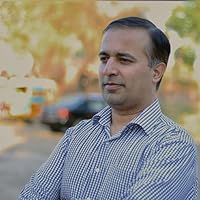
Salma Awan is one of the renowned Pakistani prose writers. In her literary career spanning over four decades, so far she has published seven novels, five short story books, and eleven travelogues. Lately, she also has dabbled into column writing, her articles are published in Urdu newspapers covering various socio-economic issues. Ms. Awan’s romance with literature started at an early age. She was a very keen reader often borrowing books from “Aana Libraries”. In addition to reading, she was also very fond of narrating stories. This fondness eventually grew into a full-fledged writing passion. Ms. Awan completed her Masters from Dhakka University in 1970. During this period, she was the first-hand witness of the events which caused widespread unrest in former East Pakistan eventually leading to its separation. One of her most acclaimed novels “Tanha” is written in this backdrop. In addition to her literary career, Ms. Awan has been successfully pursuing another passion of hers: Education. She is running an SSC School imparting education to young Pakistanis for the last twenty years.
A West Pakistani girl finds herself in East Pakistan (now Bangladesh) as Pakistan is about to break apart in 1971.She has sentimental notions about the unity of the country but discovers that the Bengalis are far from happy and want to go their separate way.This is unusual subject matter for an Urdu novel,derived from the author's own experiences in erstwhile East Pakistan.Apart from an analysis of the causes of Bengali discontent,it contains the elements of a travelogue and a love story.
Completed within a month of the Fall of Dhaka and offered to a publisher, it took eight years and trips to five different publishers before Tanha was finally published in 1979. An extraordinary novel because of the boldness, objectivity and nuance with which it approaches the sensitive and highly emotive theme of events that led up to secession and sundering of Pakistan, so proximate as its creation was both spatially and temporally to what transpired. Equally extraordinary is how difficult we still find it to talk about this bleak chapter of our past, how denuded our teaching of history of meaningful texts like this, and how intransigent our State about not learning from this debacle. Recently republished in an elegant edition by Book Corner Jhelum, this is a book that I would enthusiastically recommend for developing a deeper appreciation of how a people drift apart and the subsequent painful phases of disenchantment, distancing, dismay and divorce. Under the present sun, as others amongst our compatriots undergo this debilitating despondence and desperately protest at their forced alienation, such texts are obviously not just of value due to their literary merit and historical value, but vitally due to the politics of coming together that they extol — a politics that we don’t teach, don’t practice, and don’t allow to germinate and flourish. No wonder a spreading wasteland where diktat increasingly reigns supreme, as we witness with horror the shrinking space for what it means to be a citizen.
In Tanha, however, citizens remain central even as tumultuous, life-changing, epoch-defining events surround them. Samia Ali or Somi as she is fondly called is vivacious young woman from West Pakistan who opts to travel to be a student at Dhaka University. She is welcomed and often hosted there by a local Bengali family that has deep and abiding bonds with her family. Fascinated and charmed by the cultural and natural lushness of her new surroundings, overwhelmed by the affection of her host family, and progressively persuaded by her adopted locale to revisit many of her strongly held notions about nationhood, patriotism and identity, she is a compelling protagonist. The novel’s other main character is the eldest son of the host family — Ijtiba-ur-Rehman, fondly known as Shilpi, a top-notch Oxford educated lawyer and a firebrand and highly popular young political leader. Samia quickly finds herself at odds with him, both temperamentally as well as due to their diametrically opposed views on history and politics. Samia is a patriot who passionately believes in a united country and looks down upon all talks of separatism with horror and disdain. She harbors too, at least initially, some of the typical racial and cultural prejudices about East Pakistanis, and also encounters similar bigotry and prejudice directed against her and those like her from some of the more radicalized Bengalis. Ijtiba-ur-Rehman on the other hand has shifted from one kind of patriotism to another; a shift that has been brought about by disenchantment and increasing bitterness about his people getting a raw deal. Both him and Samia don’t lack conviction as well as good arguments, and this is where the author is so successful and adept in capturing multiple facets of complex realities. The charismatic young politician is a strident critic of what he sees as political and economic hegemony and exploitation by the Western wing. Years of political meditations and activism have now propelled him to be amongst those who lead and drive a movement for emancipation from what they see as the yoke of a rapacious ruling elite sitting a thousand miles away.
Salma Awan graduated from Dhaka University in 1970. Expose as it intimately did her to the special way of life of that place at that time, her experience there evidently also imbued and enriched her world view with nuance, objectivity, sensitivity and capacity to embrace complexity, contradictions, paradoxes and the potential credibility and merit of more attitudes and approaches than one. Above all, it is, as the narrative divulges, a deep empathy that allows her to step aside from entrenched statist, ethnic and cultural positions and dismantle and dissect ideologies and events to examine them at a fundamental human level. This is resonant in what is a generous and compassionate authorial voice in the novel. As a result, she is subtle and highly perceptive in how she portrays Samia questioning many of her staunchly held assumptions, notions and prejudices. Remaining faithful to her conviction that division is no solution and actually abhorrent, that any and all differences can be resolved, and mistakes and outrages undone, and that a rupture is short-sighted, parochial and disastrous, fueled also by intriguers and mischief-makers, she finds herself much altered over the months. And that is because she cannot watch and listen and learn and ponder and then deny the consequences of and resentment at a dispensation received by a land that is visibly much less loved by those in power.
Valiantly, especially at the deeply emotive, painful and polarized time when the country broke up, Salma Awan produces descriptions and dialogues highly critical of the inequitable political and economic treatment of East Pakistan, the hubris and apathy of administrators civil and military, the highly ill-advised language policy and imposition of Urdu, and criminally inept handling of a rapidly worsening situation, as angst, ire and rebelliousness spread through university campuses and the general populace like a wild fire. What she wrote was forthright and valiant then. It remains forthright and valiant today. Where many a publisher was timid and tremulous, she remained resolute that she wanted to publish precisely what she had experienced, felt and written. As the political intertwines with the romantic in the novel, the irrepressible Samia Ali finds that even love can’t overcome divides and gulfs that are triggered by a sense of injustice and pain. In many ways what transpires embodies Faiz’s haunting lines:
ہم کے ٹھہرے اجنبی اتنی ملاقاتوں کے بعد Hum Kai Thehray Ajnabi Itni Mulaqaton Kai Bad
For a novel so deeply steeped in emotions of alienation, resentment, regret and loss, Tanha is often wonderfully evocative and rejoicing, rich in description and at times even humorous. The novelist is also a much traveled and acclaimed travel writer, and her descriptive skills are on evident display. Dhaka, Barisal, Sylhet, Narayanganj, Khulna, Sundarbans, Chittagong, Cox’s Bazaar, old shrines, the waterscapes and countryside — it is enthralling to read descriptions of these places from someone who visited them at that critical juncture and gazed upon them with an affection bordering on adoration.
Salma Awan also evokes with loving detail the flora, topography, historical quarters, cuisine, customs, poetry, movies, and the fabulous music of Bengal, underlining again the richness of what it offers and what was not truly cherished and valued. Verses from Tagore and Nazrul Islam adorn her narrative as she makes converts of us, as she does also of her protagonist, to the charms of Bengal ka Jadu and the warmth of its people. Yet even while wringing her hands at her growing sense of loss, her protagonist never stops pointing fingers at intriguers, rabble-rousers, opportunists and miscreants who successfully exploited the real, felt and imagined popular grievances. But one finds this neither paradoxical nor contradictory as the complexity of the milieu understandably provokes very mixed and at times muddled emotions and assessments.
At the level of art and craft, the novel’s language flows, the descriptions and dialogues are lively and sharp, and very seldom do things become melodramatic. Importantly, the authorial voice is never didactic or definitive but invariably reflective and sensitive. As mentioned, a romance blossoms during the turbulent year in which the novel is set and amidst the debris of failed policies, growing campus violence, bloody language riots, and disastrous political caprice. Importantly, we are persuaded to appreciate that at a fundamental human level a deep bond can help potentially overcome so many divides. That Porbo Pakistan and Panchamo Pakistan could have remained together if those who called the shots had the same sense of collectivity and connection, as indeed many of the denizens of these places did — a people so callously torn apart.
مشرقی پاکستان کے متعلق بہت کم لکھا نظر سے گزرا ہے۔ ہمارے ہاں ایک تو یہ رجحان بہت زیادہ ہے کہ اگر کسی ایسی مشکل موضوع پر بات نہیں کرو گے۔ سختی کرو گے۔ تو شاید لوگ اس کے بارے میں سوچنا چھوڑ دیں گے۔ حالانکہ ایسا نہیں ہے۔ ماضی میں رہنا تو ٹھیک نہیں لیکن اس سے سیکھنے میں تو کوئی حرج نہیں ہے۔
تنہا ناول بھی ایک ایسی ہی مثال ہے۔ اس کتاب کو پہلی دفعہ شائع کروانے کے لیے مصنفہ سلمیٰ اعوان کو بارہ سال انتظار کرنا پڑا۔ یہ کہانی سمعیہ علی کی ہے جو لاہور سے پڑھنے کی غرض سے ڈھاکا گئی ہے۔ ایک مقامی فیملی نے اس کو خوش آمدید کہا اور جلد ہی وہ ان سے گھل مل بھی گئی۔ سمعیہ علی ایک ایسی پاکستانی لڑکی ہے جو مشرقی اور مغربی پاکستان کو اکھٹا اور ترقی کرتا دیکھنا چاہتی ہے لیکن وہاں جاکر معلوم ہوا کہ صرف فاصلےہی نہیں دلوں کی دوریاں بھی بڑھتی جا رہی ہیں۔ احساس محرومی بہت زیادہ ہے تلخیاں بھی ہیں۔ یہ سب کچھ اس کے لیے نیا ہے۔ ناول جہاں آپ کو دکھی کر دیتا ہے وہاں آپ کو ایک سفرنامے کی طرح مختلف مقامات کی سیر بھی کرا دیتا ہے۔ مقامی شادی سے لے کر یونیورسٹی کی تقریبات، کشتی میں سیر ، جنگل کی صبح ۔ کیا خوبصورت منظر کشی کی ہے کہ آپ بے اختیار بنگال کے عشق میں گرفتار ہو جاتے ہیں۔ آپ کو معلوم ہے کہ کہانی کس طرف جا رہی ہے اختتام کیسا ہو گا۔۔۔ لیکن پھر بھی بے اختیار کسی اچھے اختتام کے گمان میں پڑھتے چلے جاتے ہیں۔ انتہائی عمدہ مکالمہ، سخت ،بولڈ لیکن موقع کی مناسبت سے۔ پبلشرز جب ان سخت جملوں کے ساتھ اس کو شائع کرنے سے ہچکچا رہی تھے تو مصنفہ نے انتظار کرنا مناسب سمجھا کہ ان الفاظ میں ردوبدل ممکن نہیں ہے۔
تنہا از سلمیٰ اعوان یہ پڑھ کر حیرت لگی کہ یہ ناول اپنی تخلیق کے بارہ سال بعد شائع ہوا۔ آج جب الیکٹرانک اور سوشل میڈیا اپنی حدود کی سرحدیں پار کر گئے ہیں تو اس ناول میں ایسا کچھ محسوس ہی نہیں ہوتا کہ پبلشرز کیوں اس کو شائع کرنے سے عاری تھے۔ شائد وہ زمانہ کوئی اور تھا۔ جس سے ہماری نسل ناآشنا ہے۔ مصنفہ نے ناول مشرقی پاکستان کے بارے میں لکھا ہے اور اسکے مخاطب مغربی پاکستان کی اشرافیہ ہے۔ وہ چاہے تو آج بھی اس ناول سے سیکھ سکتے ہیں۔