Legends of the Jews is a chronological compilation of aggadah from hundreds of biblical legends in Mishnah, Talmud and Midrash. The compilation consists of seven volumes (four volumes of narrative texts and two volumes of footnotes with a volume of index) synthesized by Louis Ginzberg in manuscript of German language. In 1913, it was translated by Henrietta Szold.
Volume I: From the Creation to Jacob
Chapter I: The Creation of the World
The First Things Created - The Alphabet - The First Day - The Second Day - The Third Day - The Fourth Day - The Fifth Day - The Sixth Day - All Things Praise the Lord
Sometimes weird, sometimes enlightening, always fun. Perhaps the best part is getting a better feel of how some Jews interact with their sacred text. And "interact" is a great word--they don't just read, they fiddle with, argue against, embrace, and treat the Old Testament as a living, breathing text with which they can have an open conversation. An invaluable collection of myths, stories, and passages from the Midrash.
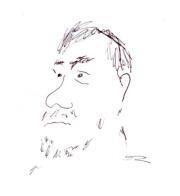
Talmudist and leading figure in the Conservative Movement of Judaism of the twentieth century, professor at the Jewish Theological Seminary of America (JTS).
جلد اول از کتاب صوتی افسانههای یهود. کتاب رو چندین نفر خوندن و به صورت رایگان منتشر کردن. برای همین کیفیت خوندن افراد مختلف، فرق میکنه. بعضیاشون خوب میخوندن و بعضیاشون نه.
اما در مورد کتاب. لوییس گینزبرگ اومده تمام تفاسیر و روایتهای میدراشی حول روایت کتاب مقدس رو جمع کرده و همه رو به صورت یه داستان واحد به هم پیوسته درآورده. این از یه جهت خیلی خوبه، چون دیگه آدم میتونه راحت از اول تا آخر به صورت یه داستان روایات برون توراتی یهودی رو بخونه. کار خوندن روایات رو راحت کرده. اما وجه منفی این کار اینه که خصوصیت «تفسیر» بودن این روایات رو از بین برده. کسی که این کتاب رو بخونه متوجه نمیشه که این داستان از کجا اومده. روایات یهودی، بر خلاف نظر مؤلف در مقدمه، فولکلور نیستن. روایات یهودی تفسیرن. یعنی خاخامهای یهودی یه عبارت از تورات رو گرفتن و از همون یه داستان بیرون کشیدن. اگر بدون این که بدونیم این داستان قرار بوده چه عبارتی رو تفسیر کنه، فقط خود داستان رو بخونیم، ممکنه داستان در نظرمون بی معنا و بی ربط و بی سر و ته بیاد. همون طور که خیلی از داستانهای این کتاب در نظر خوانندههای ناآشنا با سنت تفسیری یهودی احتمالاً این طور خواهد بود.
به علاوه، تفاسیر یهودی توسط خاخامهای متعدد تصنیف شدن. برای همین منقطع از همدیگهن. چون هر آیه رو مستقل از آیات دیگه تفسیر کردن و برای هر آیه جداگانه داستانپردازی کردن. در نتیجه داستانها ممکنه ضد و نقیض باشن. ممکنه هر مفسر یه جور داستانپردازی کرده باشه. ممکنه یه داستان از زبان مفسرهای مختلف یا در تفسیر آیات مختلف، به چند شکل تکرار بشه. اینجا مشکل دوم پیش میاد: نویسنده این کتاب ناچار بوده دست به انتخاب بزنه و از بین چندین روایت ضد و نقیض، یکی دو تا رو انتخاب کنه و بقیه رو صرفاً در پاورقی بهشون ارجاع میده. پس کتاب ناگزیر ناکامله.
با تمام این اوصاف، این کتاب بهترین و سادهخوانترین منبع برای مطالعۀ روایات برون توراتیه. کتاب دیگه در این زمینه، سفر ها-اگاداست. اون ضعفهای این کتاب رو نداره. اما در مقابل نقطه قوت این کتاب رو هم نداره. تفاسیر به صورت پراکنده و جزیره جزیره اومدن، در نتیجه خوندنش خسته کننده و سخته.
Sometimes weird, sometimes enlightening, always fun. Perhaps the best part is getting a better feel of how some Jews interact with their sacred text. And "interact" is a great word--they don't just read, they fiddle with, argue against, embrace, and treat the Old Testament as a living, breathing text with which they can have an open conversation.
This is such a different way of telling the stories that I have spent time learning about in church and personal study. Honestly, this feels more like the way an Evangelical Christian would tell the story because the belief is that everything that was done by the Patriarch's was right, so the narrative is slightly changed to fit that mindset. However, it doesn't mean it's right, correct or truthful. Still, this is a valuable book to read to get a mindset of the Israelite people.
Ginzbergs beskrivningar är, om jag förstår det rätt, tänkta att vara utbroderade versioner av gamla testamentets historier. De förändrar karaktären hos ganska många, på ett sätt som både gör Gud mindre labil, och skapar en större känsla av ansvar hos läsaren. Både skapelsen och Isaks historia är radikalt annorlunda, i bemärkelsen mycket djupare. Jag är glad att ha läst den.
This was weird. A combination between the Bible and fantastic stories that reminded me of the greek mythology. But that one was ok because it wasn't based on real facts so it didn't play with my mind. This one did. It took the reality of the Bible and played with it. I wonder what a real jewish believer thinks of this. If you take it just as mythology and you like this stuff, you might like it better than me.
لقد ظللنا كبشر نجمع القصص والأساطير لفترة طويلة لدرجة أننا لا نعلم بالتحديد طولها، مائة ألف سنة ربما. وحتى قبل أن نأتي نحن، كانت هناك كائنات تشبهنا تماما وكونت مجتمعات تشبه مجتمعاتنا كثيرًا، هم أيضا كان لديهم قصص وأساطير وطقوس وحكايات. لدينا قصص قديمة قدم التاريخ، أقدم قصة مكتوبة بين أيدينا اليوم هي "ملحمة جلجامش" قصة سومارية، عمرها أربعة آلاف سنة، مبنية على تقاليد شفهية يمتد عمرها لعشرة آلاف سنة ربما، جمعنا القصص لوقت طويل جدا، ولكن ماذا يعني ذلك؟
تخيل أنك تحكي قصة لصديق أو لشريك عن شيء مثير للاهتمام مررت به أو سمعته، ثم تخيل أنك جمعت ألف من أكثر القصص إثارة، ثم تخيل أنك كنت أديبا عبقريا كشكسبير مثلا، يمكنك أخذ القصص الألف المثيرة ثم جمعهم في مائة قصة عظيمة، ثم تخيل أن أمامك عشرة آلاف سنة لجمع القصص المائة العظيمة ثم صهرهم معا وخلق قصة واحدة كاملة مثالية، القصة الأفضل على الإطلاق، أفضل قصة يمكن أن تحكيها أبدًا; هذه هي الأسطورة! أفضل قصة يمكن أن تحكيها على الإطلاق!
وكل قصة عظيمة تحكي في أي زمان، تحمل في طياتها هيكل هذه الأسطورة الأعظم، ولهذا بالتحديد يمكننا أن نتعرف عليها، ونتعاطف معها ولهذا يمكنها أن تُخضعنا جميعا، بغض النظر عن اللغة والزمان والمكان والشكل الذي تقدم فيه، لأن القصة العظيمة تتجاوز كل ذلك!
Collection of interesting midrashim, with invaluable scholarly notes giving sources, but to be consulted with caution. Ginzburg makes a continuous narrative out of conflicting midrashim and some of the sources are considered by Observant Jews as holy some not -- there are also tales from non-Jewish sources which G infers come from Jewish sources. The diction is that of the King James Bible, so that gets to be a little much
Excellent and informative read. It helps if you have old testament knowledge as it basically goes into more detail on many old testament stories with increased background and context but still very accessible.
It’s a bit of a long book (and there are several volumes). This one covers up to Leah’s death. I like it although it can be a bit hard to read at times.
كالعادة عندما يتعلق الأمر بالمعتقدات الدينية أو بتاريخ اليهود كجماعة عرقية تكون الترجمة للعربية فظيعة ويحشر المترجم نفسه في النص غصبا ليثبت خطأه... في حين أنه مطالب بالنقل بأمانة !
Gives insights into Jewish thinking, probably unrivalled as an introduction into the culture of Judaism. But beware, only the Thora is the true revelation.
Molte delle persone che mi conoscono sanno che ho svolto un tirocinio per il Museo Ebraico di Bologna e che ho anche lavorato con loro, traducendo dei testi necessari per alcune mostre.
Vista la mia scarsa conoscenza della cultura ebraica e del Vecchio Testamento, nonché delle leggende e storie rabbiniche esterne al Vecchio Testamento, ho deciso di porre rimedio. Ho quindi cominciato a leggere questa serie di volumi… Solo che ho fatto in tempo a restituire questo libro che le biblioteche sono state chiuse; insomma, la mia solita fortuna.
In questo primo volume, Ginzberg ci parla della storia dell’umanità secondo le varie tradizioni ebraiche dalla Creazione al Diluvio, dividendo le informazioni in capitoli e sottocapitoli correlati da note per me estremamente utili e necessarie per comprendere il tutto in modo più completo.
Ammetto che, pur essendo cresciuta andando a catechismo, non sono molto ferrata sulla Bibbia. Ma, per quello che so, ho trovato moltissime differenza tra la religione ebraica e quella cristiana. Estremamente interessante è stata per me la lettura della prima parte, dove si parla di Dio e della creazione del mondo. Non conoscevo il collegamento tra il Dio ebraico e la lingua del suo popolo, né la struttura del mondo celeste secondo gli Ebrei. La parte che forse ho trovato più interessante, per interesse personale, è la struttura gerarchica degli angeli e il loro legame con le cose terrestri.
Estremamente particolari anche i riferimenti ai vari midrash e alle origini di alcune peculiarità della cultura ebraica.
Per quanto riguarda Abramo e la sua famiglia, non è tutto uguale al cristianesimo; soprattutto il legame con Dio, che ho trovato estremamente vendicativo e, sotto certi punti di vista, arrogante. Bisogna tenere comunque conto di alcune cose: questo libro non è il Vecchio Testamento, sono storie riscritte dall’autore che potrebbe non aver fatto passare alcune cose; inoltre, io non sono Ebrea, né Cristiana, se è per questo, quindi il Dio biblico non è il mio dio; non sono neanche cresciuta in questa cultura, quindi molte cose non le so. Non voglio offendere nessuno e sono pronta a capire di più.
Come ho detto, le note sono molto interessanti e praticamente necessarie a chi è esterno alla cultura e alla religione ebraica. Non vengono indicati solo i passaggi da cui sono tratte le versioni delle leggende e degli insegnamenti, ma anche versioni alternative non messe nella pgine principali e possibili relazioni tra parole della lingua ebraica. Non ne ho saltata nessuna, anche se ce n’erano davvero tantissime.
Per quanto riguarda lo stile, on so se è per il fatto che fossi nel mezzo di un blocco del lettore o per via del testo, forse anche per la mole di informazioni che dovevo incamerare, ma ho trovato la scrittura abbastanza pesante e lenta. Onestamente, questo non mi fermerà del leggere, appena possibile, i volumi seguenti. Certo è un testo che quasi bisogna studiare, non è una lettura facile da leggere quando si è stanchi, prima di andare a dormire.
Vorrei leggere anche altri libri sulla cultura ebraica, quindi se avete consigli fatemi un fischio! Possibilmente, vorrei libri scritti da Ebrei.
This fascinating collection of myths, legends and stories drawn from Jewish sources fills in for us the pieces missing from the Hebrew Bible. Never meant to be taken literally, these stories sound as if they were told around the fire or to entertain and educate children. This volume takes us from the creation of the world to the death of Esau.
Volume 1 of 7. These are the legends that are among the corpus of Jewish writings about God. They are not canon. However, if you've ever wondered if there's more to the story, there is. Now, one should not take these legends as God's word, per se, but they will enlighten the reader.
Excellent read. I loved the in depth extensions to what I already knew from the King James version on the Bible. I recommend this book to true believers. Only they will reach for the fruit on the far ends of the limbs.
I throughly enjoyed the stories. of course on some you finish and the story is retold from a different point of view and with differing information. All together fascinating
This book is helping me to understand the Bible better. Although not scripture, the stories help me to understsand better who I am in relationship to HIM.
This entire review has been hidden because of spoilers.