What do you think?
Rate this book


288 pages, Kindle Edition
First published September 17, 2020

Gurnah’s latest novel, the magnificent Afterlives from 2020, takes up where Paradise ends. And as in that work, the setting is the beginning of the 20th century, a time before the end of German colonisation of East Africa in 1919. Hamza, a youth reminiscent of Yusuf in Paradise, is forced to go to war on the Germans’ side and becomes dependent on an officer who sexually exploits him. He is wounded in an internal clash between German soldiers and is left at a field hospital for care. But when he returns to his birthplace on the coast he finds neither family nor friends. History’s capricious winds rule and as in Desertion we follow the plot through several generations, up until the Nazis’ unrealised plan for the recolonisation of East Africa. Gurnah again uses name-changing when the story shifts course and Hamza’s son Ilias becomes Elias under German rule. The denouement is shocking and as unexpected as it is alarming. But in fact the same thought recurs constantly in the book: the individual is defenceless if the reigning ideology – here, racism – demands submission and sacrifice.
At other times she was afraid she would lose him, and he would move on as he had come, heading nowhere in particular but away from her. She had understood that much about him, from looking and listening, that he was a man who was dangling, uprooted, likely to come loose. Or at least that was what she guessed from what she saw, that he was too diffident to make the decisive move, that one day she would wait for him to come to the door for the bread money and he would not appear and would be gone from her life forever.
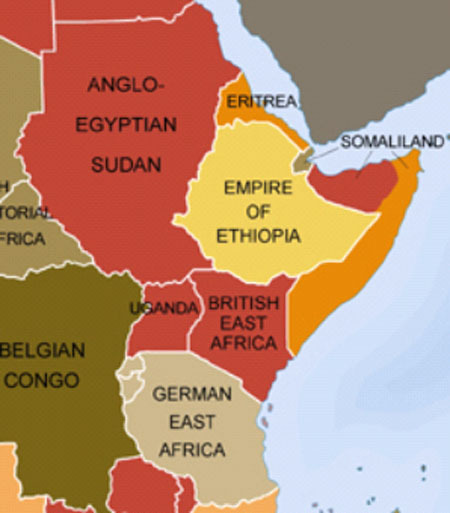
We want you to be thick-skinned, heartless braggarts who will do our bidding without hesitation and then we will pay you well and give you respect. We are here to take possession of what rightfully belongs to us because we are stronger. We are dealing with backward & savage people and the only way to rule them is to strike terror into them and pummel them into submission. The Schutztruppe is our instrument.
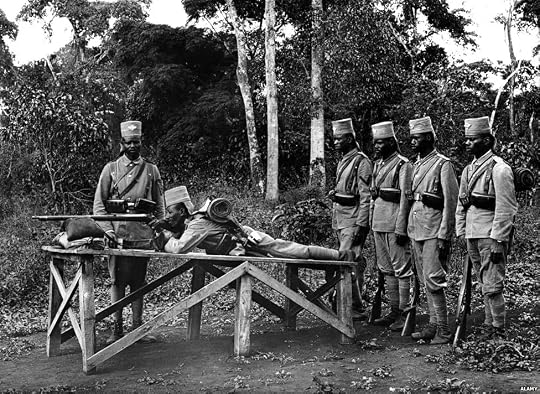
He had suffered humiliation & had lost a friend who was like a brother & the woman he was learning to love. The war crushed those niceties out of him & showed him staggering visions of brutality. He thought that sorrow was the inescapable fate of man.Much of the novel deals with the post-war circumstances bringing together the 3 main characters, two of whom eventually marry and a few others, including Khalifa, born of an Indian father & an African mother. The characters manage to overcome the memory of difficult experiences and forge new relationships, while struggling to find a way to earn a living.