Where have emoji come from? Why are they so popular? What do they tell us about the technology-enhanced state of modern society? Far from simply being an amusing set of colourful little symbols, emoji are in the front line of a revolution in the way we communicate. As a form of global, image-based communication, they're a perfect example of the ingenuity and creativity at the heart of human interaction. But they're also a parable for the way that consumerism now permeates all parts of our daily existence, taking a controlling interest even in the language we use; and of how technology is becoming ever more entangled in our everyday lives. So how will this split-identity affect the way that online communication develops? Are emoji ushering in a bold new era of empathy and emotional engagement on the internet? Or are they a first sign that we're handing over the future of human interaction to the machines?
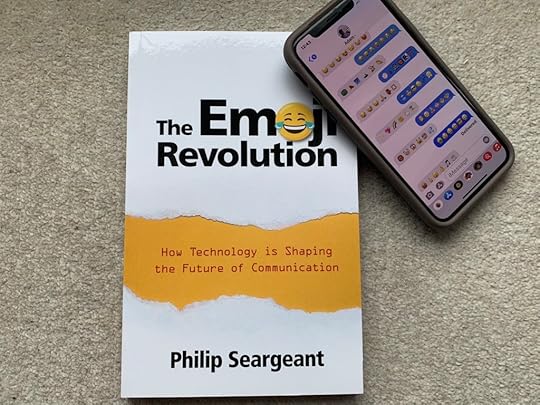
Using 👏 the 👏 clap 👏 emoji 👏 for 👏 emphasis. The Emoji Revolution: How Technology is Shaping the Future of Communication by Philip Seargeant is ✋⬇️ the best 📖 relating to the emoticons 👥⬅️ use on social media & the impact of communication through technology as society marches on. Emojis are ❌ emoticons, they're real 😀 ➕ 🖼️ of things. The 📖 was ➕1️⃣0️⃣0️⃣ more than a 👀 at little emojis. The author takes ➡️👤 through the 🌐 of language, how it 🧑💻️ ➕ changes in place ➕ ⏱️.
Emojis are 1️⃣-character 🖼️ used to convey a wide range of emotions, 👥, things, ➕ locations. The word ⤵️ from 🇯🇵 e ("🖼️") + moji ("character"), ➕ its resemblance to the 🏴 word "emotion" is a total coincidence. Emojis started becoming popular in 🇯🇵 in 1️⃣9️⃣9️⃣9️⃣ as a more straightforward way to 📦️➡️ emoticons over smartphones. 🍎 🆕 supporting emojis in 2️⃣0️⃣0️⃣8️⃣ for 🇯🇵 users only ➕ in 2️⃣0️⃣1️⃣1️⃣ for the rest of the 🌐, ➕ 2️⃣ years later, Android ➕ 🪟 followed 🕴️. Emojis quickly became the trendiest way to 📦️➡️ 🖼️ as text.
Emojis are often placed in 1️⃣ handle or profile summary to 🛠️ a political 👈️ or 🛠️ fun of the other side. The socialist ⬅️ (🌹) would use 🌽 to 🛠️ fun of the centrist ⬅️, which would use 🥀 ➕ 🍩 🛠️ fun of the socialist ⬅️. ➡️-leaning Twitter also has its emojis. The 🚩 of 1️⃣ country (e.g. 🇺🇸 or 🇬🇧) often shows 🏳️🌈 in 1️⃣ country. Reports that Twitter was "shadow-banning" conservative accounts prompted some to put ❌ in their handles. The 🐸 emoji (🐸) is used by the far-➡️ to evoke the 🐸👌 the 🐸 meme. It's also ❌ hard to 🔎 a 🧑 online who refuses to use emojis because of how ubiquitous they are, ❌ helped by all the shoddy merchandise 🛠️ of ➡️👥.
Above all, this 📖 ℹ️ was ❌ overly technical, 🛠️ this a 💡 👤📖 that 🧑🎤 as it meandered through its explanation of how emojis relate to language.