

What do you think?

The Great Successor: The Secret Rise and Rule of Kim Jong Un
'Astonishing and insightful - the inside story of the mercurial man now making headlines, and history. Essential reading' Lyse Doucet
'By far the most complete insight into the Hermit Kingdom I have ever seen' Christina Lamb
The Great Successor is an irreverent yet insightful quest to understand the life of Kim Jong Un, one of the world's most secretive dictators. Kim's life is swathed in myth and propaganda, from the plainly silly--he supposedly ate so much Swiss cheese that his ankles gave way--to the grimly bloody stories of the ways his enemies and rival family members have perished at his command.
One of the most knowledgeable journalists on modern Korea, Anna Fifield has exclusive access to Kim's aunt and uncle who posed as his parents while he was growing up in Switzerland, members of the entourage that accompanied Dennis Rodman on his quasi-ambassadorial visits with Kim, and the Japanese sushi chef whom Kim befriended and who was the first outsider to identify him as the inevitable successor to his father as supreme ruler. She has been able to create a captivating portrait of the oddest and most isolated political regime in the world, one that is broken yet able to summon a US president for peace talks, bankrupt yet in possession of nuclear weapons. Kim Jong Un; ridiculous but deadly, and a man of our times.
336 pages, Kindle Edition
First published June 11, 2019
About the author
Anna Fifield
1 book132 followersAnna Fifield is the Beijing bureau chief for The Washington Post. She previously covered Japan and the Koreas for the Post, and was the Seoul correspondent for the Financial Times. She has reported from more than 20 countries and has visited North Korea a dozen times, becoming one of the most authoritative journalists on this impenetrable country.
She was a Nieman journalism fellow at Harvard University, studying how change happens in closed societies. In 2018, she received the Shorenstein Journalism Award from Stanford University for her outstanding reporting on Asia.
Fifield was born and raised in New Zealand.
She was a Nieman journalism fellow at Harvard University, studying how change happens in closed societies. In 2018, she received the Shorenstein Journalism Award from Stanford University for her outstanding reporting on Asia.
Fifield was born and raised in New Zealand.
Ratings & Reviews
Friends & Following
Create a free account to discover what your friends think of this book!
Community Reviews
Displaying 1 - 30 of 585 reviews

September 12, 2019
Every book on North Korea walks its own path, but largely follows the route marked by the Kim dynasty, which has written the post-war history of the half peninsula. Still, it's nice to see Anna Fifield skip to the head of the line to focus on the third ruler, Kim Jong-Un, world's darkest source of inspiration for "things you can accomplish before you turn 35".
He was raised in splendid isolation, but not singularly groomed for the succession, until his brother fell from grace. The family elders which acted as regents in those crucial first 2 years after the death of Kim Jong-Il were ruthlessly executed along with key figures of the old guard. Their window to topple the dynasty from within was gone; the gates were opened for a new inner circle. This is a classic phase for any establishing dictator.
Jong-Un seems to master the principle of 'stick & carrot' better than his father.
The free market opportunities for ordinary citizens were relaxed, enabling them to better their chances at (ever relative) improved living standards. The discreetly nurtured birth of a North Korean middle class has weakened the linkelihood of a French Revolution - a ghost he encountered during his studies in Switzerland.
He has also played the game of international relationships better, making favorable impressions on both the South Korean president & Trump. He didn't try too hard to cover up the initial failures of rocket launches under his reign.
At the same time (a point which the rest of the world never fully grasps) he remains committed to a (thermo) nuclear arsenal to deter first strikes, in spite of renewed economic sanctions which have severely hurt the gray money flow in & out of the country. He has also nudged up the punishments for defectors.
For a man young enough to reign another 50 years , if smoking & obesity-related health issues don't get the better of his ambition, this self-studied "madman among realpolitik heads of state" has built a solid foundation.
A point which strikes me in comparison to most DKPR books: the Korean traditions dimension. Some of Jong-Uns actions strike us as plain weird, but convey a clear & positive signal to his subjects. Dividing society into "reliable "lukewarm" and "unreliable" classes was a deep-rooted social reality under the Korean kingdom: the communists have just layered it immensely. Piggybacking a nuclear scientist in elation over a successfull launch over Japan (with a range technically capable of reaching the entire continental U.S.A) or letting Trump go into a room first are Korean signs of respect for your elders. Modelling himself a bit more after his grandfather than his father, both in dress & travel abroad, is another major example: by North Korean logic, it conveys the memory of "the good old days", when China & Russia were reliable red allies.
A historical note which is often overlooked: North Korea's industry wasn't as much build as REBUILD from the infrastructure left by Japan. No matter how toroughly the U.S. Air Force bombed the country until it literally ran out of targets. The reverse side of the 1950-53 Korean War for the common people is one area in which I'm prepared to sympathize a bit with the generation of Kim Jong Ryul (Im Dienst des Diktators: Leben und Flucht eines nordkoreanischen Agenten) & the elderly decorated private in 2004's Dutch documentary Noord-Korea: Een dag uit het leven sitting in a small Pyongyang flat with his family : a country on the grow after 30 years of brutal colonialism & an all-out bombing must've felt pretty sweet.
He was raised in splendid isolation, but not singularly groomed for the succession, until his brother fell from grace. The family elders which acted as regents in those crucial first 2 years after the death of Kim Jong-Il were ruthlessly executed along with key figures of the old guard. Their window to topple the dynasty from within was gone; the gates were opened for a new inner circle. This is a classic phase for any establishing dictator.
Jong-Un seems to master the principle of 'stick & carrot' better than his father.
The free market opportunities for ordinary citizens were relaxed, enabling them to better their chances at (ever relative) improved living standards. The discreetly nurtured birth of a North Korean middle class has weakened the linkelihood of a French Revolution - a ghost he encountered during his studies in Switzerland.
He has also played the game of international relationships better, making favorable impressions on both the South Korean president & Trump. He didn't try too hard to cover up the initial failures of rocket launches under his reign.
At the same time (a point which the rest of the world never fully grasps) he remains committed to a (thermo) nuclear arsenal to deter first strikes, in spite of renewed economic sanctions which have severely hurt the gray money flow in & out of the country. He has also nudged up the punishments for defectors.
For a man young enough to reign another 50 years , if smoking & obesity-related health issues don't get the better of his ambition, this self-studied "madman among realpolitik heads of state" has built a solid foundation.
A point which strikes me in comparison to most DKPR books: the Korean traditions dimension. Some of Jong-Uns actions strike us as plain weird, but convey a clear & positive signal to his subjects. Dividing society into "reliable "lukewarm" and "unreliable" classes was a deep-rooted social reality under the Korean kingdom: the communists have just layered it immensely. Piggybacking a nuclear scientist in elation over a successfull launch over Japan (with a range technically capable of reaching the entire continental U.S.A) or letting Trump go into a room first are Korean signs of respect for your elders. Modelling himself a bit more after his grandfather than his father, both in dress & travel abroad, is another major example: by North Korean logic, it conveys the memory of "the good old days", when China & Russia were reliable red allies.
A historical note which is often overlooked: North Korea's industry wasn't as much build as REBUILD from the infrastructure left by Japan. No matter how toroughly the U.S. Air Force bombed the country until it literally ran out of targets. The reverse side of the 1950-53 Korean War for the common people is one area in which I'm prepared to sympathize a bit with the generation of Kim Jong Ryul (Im Dienst des Diktators: Leben und Flucht eines nordkoreanischen Agenten) & the elderly decorated private in 2004's Dutch documentary Noord-Korea: Een dag uit het leven sitting in a small Pyongyang flat with his family : a country on the grow after 30 years of brutal colonialism & an all-out bombing must've felt pretty sweet.
August 27, 2019
Anyone interested in North Korea should read Anna Fifield’s excellent The Great Successor: The Divinely Perfect Destiny of Brilliant Comrade Kim Jong Un. The only problem with this book is its too long subtitle, even though it appropriate in a snarky humorous way.
Fifield’s book covers the reign of the Kims, starting with the beginning: Kim Il Sung’s rise to power during World War II and how Russia appointed him ruler, thinking he would be a good little puppet leader. Unfortunately for the Russians, Kim Il Sung had his own ideas and soon created an unstoppable cult of personality and began rewriting North Korean (NK) history. The brief (but informative and entertaining) history of the Kim rulers proceeds through the Vietnam War and the rule of the country passing to Kim Il Sung’s son, Kim Jong Il. Under Kim Jong Il’s rule, the country fell into chaos due to the collapse of Communist Russia (NK’s main economic prop) and the severe famine that killed millions of North Koreans. Fifield’s book then focuses in on Kim Jong Un, a son of Kim Jong Il (not his first born, which is important). This is when the book, which is not dull, gets even more fascinating.
Through many interviews and hours of research, Fifield is able to describe the luxurious (and lonely) childhood of Kim Jong Un (KJU). He was raised from birth to be treated as a god whose only purpose is to lead the country. Servants had to be subservient to him. He was never corrected, he was rarely disciplined (except perhaps by close family members). While the children of North Korea starved around him, KJU had every toy he ever wanted and ate delicacies that only the wealthiest person, no matter what nationality, could afford to eat. Fifield’s details about his childhood and teenage years satisfied my idle curiosity, but what I really wanted to know about was KJU the tyrant. Fifield does not disappoint. The majority of this book concerns KJU’s authoritarian style, how he continues to hold onto and expand his power, and how he is different from his father and grandfather.
Fifield explains that KJU has expanded economic opportunity for North Koreans by allowing a certain amount of free enterprise. In a strict state-run socialist state, which is officially what NK is, the state supplies all of the citizens’ needs and citizens work at state-run factories, farms, educational facilities and in the government. There should be no need to earn money on your own because the state supplies everything. This, as we all know, never works. It certainly never worked in NK which was propped up for years by Communist Russia, now by China. KJU knows that he needs to allow a tiny bit of capitalism to work in NK; people are happier if they can make and sell their own goods and earn their own money. This loosening of the economic controls has alleviated NK’s poverty and allowed the people to eat better. KJU hasn’t done this to be a nice guy; it’s just one of his many ways of retaining control of the country. He controls people through surveillance, informants, stopping the flow of information, concentration camps that imprison disloyal North Koreans and often their whole family and propaganda: “The Kim regime had endured for seven decades by trapping the entire population inside the country and repeatedly drilling into them, starting from kindergarten, the myth that they lived in a socialist paradise and were the happiest people in the world” (113).
KJU doesn’t just remind his people that they should be grateful and scared, he also makes sure that the people closest to him also know they are expendable:
The Great Successor covers the elite of Pyongyang and “Pyonghattan” and North Korean millennials, a group that KJU particularly wants to make happy under his rule (happy young people don’t escape). Fifield explains the weirdness of the on-again, off-again bromance between KJU and Dennis Rodman, something no one saw happening and no one wanted to make happen (not the CIA, not Washington foreign policy experts and certainly not the Obama administration). The Dennis Rodman-KJU romance was arranged by HBO’s Vice News. KJU loves basketball and in particular, the Chicago Bulls. The Worm is a former Bulls player…boom! Love. Vice News arranged for Rodman/The Worm to go to NK with a few members of the Harlem Globetrotters (they were deemed suitably goofy and nonthreatening) and after a basketball game and drunken party (a Vice News source told Fifield: “we all got wasted”), Dennis Rodman became an unlikely source of information about KJU for Washington. The government people were reportedly very pissed off about this.
KJU’s psychological state is discussed. Despite our “stable genius” President Trump’s schoolyard taunts that KJU is a madman, Fifield’s research and interviews with psychologists suggests he is not mad. He is reasonably psychologically stable and is believed to be a classic narcissist. All of his actions, which a conscientious person may view as troubling and insane, are not. They are all carefully calculated to accomplish the one thing he wants most: to stay in power. However, Fifield’s research indicates that unlimited power causes biological and psychological changes in the brain. It stimulates the production of dopamine, the feel good chemical. The more you like something, the more you do it/want it, thus drug (and chocolate) addicts and the adage “absolute power corrupts absolutely.” However, the flipside of this is that an outsized ego is extremely fragile and vulnerable so even the smallest criticisms can provoke huge outbursts or irrational behavior. Hmmm…why does this sound so familiar?
Fifield explains that KJU has found creative ways of making money via cyberattacks: “By one estimate, RGB [elite spy agency run by NK military] hackers have attacked more than one hundred banks and cryptocurrency exchanges around the world since 2016 and pilfered more than $650 million in the process” (195). She goes over the Otto Warmbier detention by NK and said that it is commonplace for NK to take hostages of foreign citizens on false charges and hold them until arrangements are made for their release. When important political figures visit NK to negotiate for their release, KJU uses this as propaganda: “Look at me! I’m so important that these VIP are traveling here to pay homage to me!” Fifield raises several questions about the validity of Warmbier’s arrest (he probably never stole or attempted to steal a sign) and even though it is unlikely the truth of that night and what caused his catastrophic injuries will ever be known, Fifield’s fact-finding suggests that Warmbier died because security forces panicked and rather than seek medical care for him (which NK may not even had the expertise to deliver), they covered up Warmbier’s serious medical state until it was discovered much later. When NK finally agreed to his release, it presented the United States government with a bill for $2 million for Warmbier’s medical care. Amazingly, Trump hasn’t ordered it to be paid.
Fifield’s examination of NK’s nuclear weapons program is the most contemporary (and scariest) information in the book. She traces the history of the program back to KJU’s father and follows it through to KJU’s determination to see it successful—which it is. She answers quite clearly why NK will never give up its nuclear weapons and why it is futile to even try. Negotiators keep demanding that KJU give up his nuclear program in order to have sanctions on the country lifted: “This approach had always failed. It had failed because it overlooked the whole reason why North Korea had pursued nuclear weapons in the first place: the nuclear weapon program is a means to defend North Korea against an American attack” (277). KJU remembers what happened to Muammar Gaddafi—he agreed to give up his nukes, then he was invaded and overthrown. KJU (sensibly for a tyrant) does not wish this to happen to him. Fifield also suggests the other problem with dangling economic reform and prosperity, like the reforms that assisted Communist China and Communist Vietnam, in front of NK is: although the Communist Party controls these countries, they are not family dynasties—there is some competition for leadership roles. For the Kim regime, this is not an option:
The Great Successor is a superb book. I cannot possibly review all the fascinating details that author Anna Fifield has packed into this book. She writes about the Kim family secrets (suicides and alcoholics and the brother who worships Eric Clapton and just wants to play guitar), the growing drug abuse among the population and its police force, the amazing amount of free enterprise aka smuggling of Chinese goods, and how NK is confused by Trump and spends a good bit of time trying to figure him out (unlike KJU, who I think is Machiavellian and crazy like a fox, Trump self-sabotages and seems to say crazy shit because his mouth and his brain either a)rarely work in tandem or b)work very well in tandem…you decide). If you are even the tiniest bit interested in North Korea (and how can you not be?), read this book. Fifield writes well and with a certain amount of sarcasm when necessary. The book is packed full of information and includes an index and sources.
Fifield’s book covers the reign of the Kims, starting with the beginning: Kim Il Sung’s rise to power during World War II and how Russia appointed him ruler, thinking he would be a good little puppet leader. Unfortunately for the Russians, Kim Il Sung had his own ideas and soon created an unstoppable cult of personality and began rewriting North Korean (NK) history. The brief (but informative and entertaining) history of the Kim rulers proceeds through the Vietnam War and the rule of the country passing to Kim Il Sung’s son, Kim Jong Il. Under Kim Jong Il’s rule, the country fell into chaos due to the collapse of Communist Russia (NK’s main economic prop) and the severe famine that killed millions of North Koreans. Fifield’s book then focuses in on Kim Jong Un, a son of Kim Jong Il (not his first born, which is important). This is when the book, which is not dull, gets even more fascinating.
Through many interviews and hours of research, Fifield is able to describe the luxurious (and lonely) childhood of Kim Jong Un (KJU). He was raised from birth to be treated as a god whose only purpose is to lead the country. Servants had to be subservient to him. He was never corrected, he was rarely disciplined (except perhaps by close family members). While the children of North Korea starved around him, KJU had every toy he ever wanted and ate delicacies that only the wealthiest person, no matter what nationality, could afford to eat. Fifield’s details about his childhood and teenage years satisfied my idle curiosity, but what I really wanted to know about was KJU the tyrant. Fifield does not disappoint. The majority of this book concerns KJU’s authoritarian style, how he continues to hold onto and expand his power, and how he is different from his father and grandfather.
Fifield explains that KJU has expanded economic opportunity for North Koreans by allowing a certain amount of free enterprise. In a strict state-run socialist state, which is officially what NK is, the state supplies all of the citizens’ needs and citizens work at state-run factories, farms, educational facilities and in the government. There should be no need to earn money on your own because the state supplies everything. This, as we all know, never works. It certainly never worked in NK which was propped up for years by Communist Russia, now by China. KJU knows that he needs to allow a tiny bit of capitalism to work in NK; people are happier if they can make and sell their own goods and earn their own money. This loosening of the economic controls has alleviated NK’s poverty and allowed the people to eat better. KJU hasn’t done this to be a nice guy; it’s just one of his many ways of retaining control of the country. He controls people through surveillance, informants, stopping the flow of information, concentration camps that imprison disloyal North Koreans and often their whole family and propaganda: “The Kim regime had endured for seven decades by trapping the entire population inside the country and repeatedly drilling into them, starting from kindergarten, the myth that they lived in a socialist paradise and were the happiest people in the world” (113).
KJU doesn’t just remind his people that they should be grateful and scared, he also makes sure that the people closest to him also know they are expendable:
“There’s a good reason for terrifying the people at the top. Contrary to popular perception, most dictators are not overthrown by an angry populace marching in the streets. The vast majority are removed by insiders from the regime. The biggest risk to dictators is not the struggle between the privileged and the masses but a struggle among the elites” (130). [for more reading on this, here is Fifield’s source: The Politics of Authoritarian Rule by Milan W. Svolik, 2012]KJU disposed of many of the people who supported him, most famously his Uncle Jang—Jang Song Thaek. Uncle Jang was executed for a long list of crimes, one of which was dreaming the “wrong” dreams. Another powerful official was publicly killed by anti-aircraft guns. KJU’s message: no one is safe, no matter who you are. Not even family. (Although, my further thoughts on this are: if the officials closest to KJU believe that none of them is safe no matter how much they kiss his ass, then what do they have to lose by banding together and assassinating him? Even one man acting alone might be thanked, and the Kim family may even be grateful, knowing that their heads could potentially be on the block, blood relations be damned.) Another good example of this is the fairly recent very public assassination of KJU’s older half-brother Kim Jong Nam at Kuala Lumpur International Airport, which is covered in extensive detail in a chapter titled “The Unwanted Brother.” KJU arranged for his assassination publicly to show other family members and officials that he could get them anywhere, anytime. He also wanted to be rid of an older brother who was a threat to him because he was the first born son in a country that holds first born sons in special esteem.
The Great Successor covers the elite of Pyongyang and “Pyonghattan” and North Korean millennials, a group that KJU particularly wants to make happy under his rule (happy young people don’t escape). Fifield explains the weirdness of the on-again, off-again bromance between KJU and Dennis Rodman, something no one saw happening and no one wanted to make happen (not the CIA, not Washington foreign policy experts and certainly not the Obama administration). The Dennis Rodman-KJU romance was arranged by HBO’s Vice News. KJU loves basketball and in particular, the Chicago Bulls. The Worm is a former Bulls player…boom! Love. Vice News arranged for Rodman/The Worm to go to NK with a few members of the Harlem Globetrotters (they were deemed suitably goofy and nonthreatening) and after a basketball game and drunken party (a Vice News source told Fifield: “we all got wasted”), Dennis Rodman became an unlikely source of information about KJU for Washington. The government people were reportedly very pissed off about this.
KJU’s psychological state is discussed. Despite our “stable genius” President Trump’s schoolyard taunts that KJU is a madman, Fifield’s research and interviews with psychologists suggests he is not mad. He is reasonably psychologically stable and is believed to be a classic narcissist. All of his actions, which a conscientious person may view as troubling and insane, are not. They are all carefully calculated to accomplish the one thing he wants most: to stay in power. However, Fifield’s research indicates that unlimited power causes biological and psychological changes in the brain. It stimulates the production of dopamine, the feel good chemical. The more you like something, the more you do it/want it, thus drug (and chocolate) addicts and the adage “absolute power corrupts absolutely.” However, the flipside of this is that an outsized ego is extremely fragile and vulnerable so even the smallest criticisms can provoke huge outbursts or irrational behavior. Hmmm…why does this sound so familiar?
Fifield explains that KJU has found creative ways of making money via cyberattacks: “By one estimate, RGB [elite spy agency run by NK military] hackers have attacked more than one hundred banks and cryptocurrency exchanges around the world since 2016 and pilfered more than $650 million in the process” (195). She goes over the Otto Warmbier detention by NK and said that it is commonplace for NK to take hostages of foreign citizens on false charges and hold them until arrangements are made for their release. When important political figures visit NK to negotiate for their release, KJU uses this as propaganda: “Look at me! I’m so important that these VIP are traveling here to pay homage to me!” Fifield raises several questions about the validity of Warmbier’s arrest (he probably never stole or attempted to steal a sign) and even though it is unlikely the truth of that night and what caused his catastrophic injuries will ever be known, Fifield’s fact-finding suggests that Warmbier died because security forces panicked and rather than seek medical care for him (which NK may not even had the expertise to deliver), they covered up Warmbier’s serious medical state until it was discovered much later. When NK finally agreed to his release, it presented the United States government with a bill for $2 million for Warmbier’s medical care. Amazingly, Trump hasn’t ordered it to be paid.
Fifield’s examination of NK’s nuclear weapons program is the most contemporary (and scariest) information in the book. She traces the history of the program back to KJU’s father and follows it through to KJU’s determination to see it successful—which it is. She answers quite clearly why NK will never give up its nuclear weapons and why it is futile to even try. Negotiators keep demanding that KJU give up his nuclear program in order to have sanctions on the country lifted: “This approach had always failed. It had failed because it overlooked the whole reason why North Korea had pursued nuclear weapons in the first place: the nuclear weapon program is a means to defend North Korea against an American attack” (277). KJU remembers what happened to Muammar Gaddafi—he agreed to give up his nukes, then he was invaded and overthrown. KJU (sensibly for a tyrant) does not wish this to happen to him. Fifield also suggests the other problem with dangling economic reform and prosperity, like the reforms that assisted Communist China and Communist Vietnam, in front of NK is: although the Communist Party controls these countries, they are not family dynasties—there is some competition for leadership roles. For the Kim regime, this is not an option:
“North Korea has long considered exhortations for reform to be tantamount to calling for regime change, given that the North Korean economy can’t just open up and allow a freer flow of information, money, and people without seriously loosening the Kim family’s grip on power” (279).So while the Trump administration pats itself on the back for making progress with NK because Trump and KJU shake hands and make kissy faces at each other over a banquet table, KJU is impishly grinning because he is manipulating Trump to get what he wants: recognition as a major power player on the international stage and the possible—if he plays Trump’s ego and stupidity just right—lifting of sanctions. And he’ll never give up his nukes. Never.
The Great Successor is a superb book. I cannot possibly review all the fascinating details that author Anna Fifield has packed into this book. She writes about the Kim family secrets (suicides and alcoholics and the brother who worships Eric Clapton and just wants to play guitar), the growing drug abuse among the population and its police force, the amazing amount of free enterprise aka smuggling of Chinese goods, and how NK is confused by Trump and spends a good bit of time trying to figure him out (unlike KJU, who I think is Machiavellian and crazy like a fox, Trump self-sabotages and seems to say crazy shit because his mouth and his brain either a)rarely work in tandem or b)work very well in tandem…you decide). If you are even the tiniest bit interested in North Korea (and how can you not be?), read this book. Fifield writes well and with a certain amount of sarcasm when necessary. The book is packed full of information and includes an index and sources.
May 28, 2020
This one doesn't rely on the readers empathy for North Korean citizens to make the book readable, but actually concentrates on the Kim's view, the scant numbered elite, the atrocities and the vision, and of course about the people who ate rats for living, all with a neutral tone. It spans the history of three Kims, mostly the third one. Given that it's published recently and includes recent Trump-Kim meet, this has to be best North Korea nonfiction for now.

August 13, 2023
I do not know much about North Korea but couple years ago I've read Nothing to Envy and it broke my heart. So when I saw this book I got curious - is Kim Jong Un doing anything to improve the quality of life of his citizens? What kind of person is the enigmatic dictator? I was eager to learn more.
Beginning was quite satisfying - information about Kim Jong Un's childhood is sparse but provided a nice insight into extraordinary circumstances during which he was growing up. Recollections of his schoolmates from the time when he was attending school in Switzerland painted a picture of an ordinary boy that had his passions and struggles. The story was flowing smoothly till the moment Kim Jong Un returned to North Korea - and there is no more information of what was happening to him till the moment he emerged shortly before his father's death. The problem of describing the enigmatic dictator is quite straightforward - there is simply not enough information about him to fill the 300 pages of this book so author packed the second half with chapters that looks like separate articles where the main theme is North Korea and not Kim Jong Un. So I found here stories that were already widely publicized and I was familiar with them because they made their way to the mainstream - death of Otto Warmbier in North Korean prison, assassination of Kim Jong Nam on the airport, Nort Korea's nuclear weapons and rocket launches. Everything was quite surface level and left me wanting more.
I also need to mention one more problem with this book - editing. There are a lot of minor issues that seem to get more frequent the closer to the end of the book you are getting. Clunky sentences, repeated or added words and more. And the thing that makes me really annoyed - for some reason the last sentence of this book has a different font size.
I am still trying to decide if I should recommend this book or not. It's solid and there is a lot to be learned here but if you have not read Nothing to Envy then go and read it instead of The Great Successor.
Beginning was quite satisfying - information about Kim Jong Un's childhood is sparse but provided a nice insight into extraordinary circumstances during which he was growing up. Recollections of his schoolmates from the time when he was attending school in Switzerland painted a picture of an ordinary boy that had his passions and struggles. The story was flowing smoothly till the moment Kim Jong Un returned to North Korea - and there is no more information of what was happening to him till the moment he emerged shortly before his father's death. The problem of describing the enigmatic dictator is quite straightforward - there is simply not enough information about him to fill the 300 pages of this book so author packed the second half with chapters that looks like separate articles where the main theme is North Korea and not Kim Jong Un. So I found here stories that were already widely publicized and I was familiar with them because they made their way to the mainstream - death of Otto Warmbier in North Korean prison, assassination of Kim Jong Nam on the airport, Nort Korea's nuclear weapons and rocket launches. Everything was quite surface level and left me wanting more.
I also need to mention one more problem with this book - editing. There are a lot of minor issues that seem to get more frequent the closer to the end of the book you are getting. Clunky sentences, repeated or added words and more. And the thing that makes me really annoyed - for some reason the last sentence of this book has a different font size.
I am still trying to decide if I should recommend this book or not. It's solid and there is a lot to be learned here but if you have not read Nothing to Envy then go and read it instead of The Great Successor.

June 18, 2019
Having read (with appreciation) many of Anna Fifield's WaPo articles on North Korea over the past several years, I was looking forward to her book-length take on Kim Jong Un. As a result I was disappointed by the surprisingly superficial and distractingly snarky treatment she gives her subject here -- and although I learned a few fascinating nuggets of new information (for example, details about the whereabouts of Kim Jong Nam's long lost sister, or the lengths to which North Korean cleanup crews went to remove any trace of KJU's or his sister's DNA from the hotel rooms in which they stayed while abroad in Singapore and South Korea, respectively), there were few genuine revelations. To be fair, facts are few on the ground when it comes to the autocratic leader of North Korea, so maybe it was too much to expect a more detailed, more definitive biography. That biography is yet to be written, assuming we are not annihilated by a DPRK H-bomb in the meantime.
March 16, 2023
This book was just... not very good. Although the author appears to have quite impressive credentials in covering the North Korea regime for the Washington Post the past decade or so, perhaps that’s what she should stick with: shorter newspaper articles that offer more speculation into what may be going on in the Hermit Kingdom, rather than entire book that, as one reviewer on here put it, read much more like a very bland Wikipedia entry.
It is clear that Fifield gets only the “foreign journalists’” version of North Korea. She even says as much - when speaking of her trips to report on NK, she never once appears to have ventured outside Pyongyang. She also appears to have had minders (common for every western tourist/official/journalist to be assigned, so that the regime can control everything they see and hear).
I know a lot of people may say “well, this isn’t exactly her fault. So little is known about North Korea that you can’t really blame her if she wasn’t able to write a scathing expose of Kim Jong-un.” To that my answer would be: “Fair enough, but then why write a book at all?”
Only parts of it were new information to me. Most of it you’ve already heard or know, unless this is your first time ever reading about North Korea and you have extremely limited knowledge on the topic. In that case, I’d recommend for people first reading about the regime, Dear Leader, by Jang Jin-Sung. Coming from someone who is North Korean and worked for the Propaganda and Agitation Department, he knows more about the inner workings of NK than most other escapees. Also, given he was in contact with family and friends still from his hometown, he could offer views from both inside the capital/regime as well as outside of it.
He escaped while Kim Jong-Il was still in power, so nothing about Kim Jong-un... then again, not much of anything noteworthy in this “biography” either. It’s pretty clear just how watered down the stories are that she gets, given her dedication to her son at the end of the book, stating that she hopes one day soon, “all North Korean children will get to speak as freely, explore as widely, and watch as much Netflix as you!”
Yeah. To say that’s optimistic is a gross understatement. It also seems a bit tone deaf and insensitive, considering that most North Korean children are indeed still starving, despite her assertions of better living standards and economic growth under Jong-un’s reign. I don’t think their top concern at the moment is Netflix.
Skip this one and watch the hour and a half long documentary on YouTube by the Russian young man who got in past the foreign designated section in NK by posing as a Russian lawyer there on a business. Given that NK only exists thanks to aid from China and Russia, they have much greater opportunities to showcase the “real” North Korea than western journalists. This was just way too watered down (as previously mentioned) and could almost be considered “regime approved” (at least for a foreign journalist).

April 1, 2021
bizarno.
mislim... ne sam tekst, nego sadržaj. sjeverna koreja i dinastija kim su za ne vjerovati. cijeli taj sustav. ljudi koji su dio tog sustava. sve je to... posve bizarno.
pisano pomalo zbrčkano, bez pretenzija da tekst bude literarno bogat, ipak je naglasak na saznavanju informacija iz najzakopčanije države na svijetu. i ako uzmeš knjigu s tim motivom, saznat ćeš mnoštvo krajnje začuđujućih informacija.
preporučam onima koje zanima sjeverna koreja konkretno, pitanje ljudske slobode, pitanje slobode izbora, politički režimi.
voljela bih se dokopati psihološkog profila sjeverokorejanca. fascinantno.
mislim... ne sam tekst, nego sadržaj. sjeverna koreja i dinastija kim su za ne vjerovati. cijeli taj sustav. ljudi koji su dio tog sustava. sve je to... posve bizarno.
pisano pomalo zbrčkano, bez pretenzija da tekst bude literarno bogat, ipak je naglasak na saznavanju informacija iz najzakopčanije države na svijetu. i ako uzmeš knjigu s tim motivom, saznat ćeš mnoštvo krajnje začuđujućih informacija.
preporučam onima koje zanima sjeverna koreja konkretno, pitanje ljudske slobode, pitanje slobode izbora, politički režimi.
voljela bih se dokopati psihološkog profila sjeverokorejanca. fascinantno.

October 7, 2022
Eszembe jutott egy Pelevin-idézet, így hangzik:
"Csang Ezzel a néppel bármit meg lehet csinálni címmel írt egy cikket a legfőbb újságba, közölték is, kissé megváltoztatott, Ilyen néppel nagy dolgokat lehet véghezvinni címmel."
(Justin Bieber megirigyelhetné.)
Mert ugye hogy van az, hogy amíg az egyik Korea arra teszi fel egész sorsát, hogy hidrogénbombája legyen, addig a másik fejleszt egy olyan elektromos Hyundai-t, ami 600 km-t tud menni egy töltéssel? Nekem személyes meggyőződésem, hogy előbbi Koreában sokkal rosszabb élni, mint utóbbiban. És hát a tények is ezt látszanak alátámasztani. Aztán mégis, a KNDK már vagy 70 éve talpon van, a harmadik Kimjét fogyasztja éppen, és egyáltalán nem látszik, hogy a népnek szándékában állna lerázni magáról a láncot, és másik Koreává válni. Szomorú dolog ez, mert azt sugallja, hogy a népekkel tényleg bármit meg lehet csinálni, a Szeretett Vezér homárzabálás közben végignézheti, amint generációk halnak éhen, és mégse gyújtja rá senki a palotát. Lelombozó.
Fifield könyve betekintést nyújt ebbe a rejtélybe, és talán meg is válaszolja azt. Főhőse az a Kim Dzsongun, aki olyan, mint egy jóllakott ovis, aztán mégis elérte, hogy egy aggastyánok által dominált kommunista elit elfogadja vezérének. Hogy csinálta? A szerző szerint a kulcs az, hogy Kim Dzsongun sokkal ravaszabb, mint ahogy azt a róla készült vicces mémek alapján gondolnánk, és nem mellesleg: mestere a "korbács és kalács" taktikájának.
Ami a korbácsot illeti: szemrebbenés nélkül kivégeztette saját nagybátyját éppúgy, mint féltestvérét (hogy a mezei koreaiak tömegéről ne is szóljunk), megüzenve az elitnek, hogy nincs helye az elhajlásnak. A külvilágnak szóló legmeggyőzőbb üzenete pedig az, hogy "figyu, már nekem is van hidrogénbombám, szóval ne packázzatok" - ami nem mellesleg belpolitikai értelemben is jelentős hatással bír, hisz azt közli a hívekkel, hogy olyan országban élnek, ami képes félelmet kelteni másokban. Hisz aki fél, az mindig szívesen gondol arra, hogy más is fél.
Ugyanakkor van kalács is. Ha kell, az elnök az ujja köré csavarja Trumpot, szelfizik a szingapúri politikusokkal, és olyan jókedvűen élcelődik saját testsúlyán, hogy az ember el is felejti, ha egy észak-koreai próbálkozna ezzel, agyon lőnék*. De ami a legfontosabb: saját népe előtt is meglebegteti, hogy akár élhetnek jobban is. Mondjuk a léc nincs magasan - ahol az éhenhalás reális esély volt, ott már azzal is le lehet kenyerezni a tömeget, ha minden nap kapnak egy tányér hántolt rizst. Az pedig, hogy a Vezér elegánsan szemet huny a csempészet és a piacozás felett, csepp kapitalizmust adagolva a kommunizmushoz, lehetővé teszi, hogy a fineszesebbek felkapaszkodhassanak a középosztályig.
Persze ez a kalács sosem lesz túl laktató, arról meg ne is álmodjon senki, hogy vaj meg méz kerül rá. Mert ha a diktátor eljut arra a pontra, ahol a gazdasági liberalizálás politikai liberalizmusba kéne átcsapjon, mindig megretten, és visszatér a korbácshoz. Mert a hatalom a legjobb dopaminfröccs, függővé tesz. Szóval marad a palota felgyújtása. Már ha kerül benzin. Hatósági áron.
* Ami a külpolitikát illeti, Észak-Korea feloldhatatlan dilemma. Mert mit csináljon egy demokratikus állam vele? Szankcionálja addig, amíg mindenki éhen hal (utoljára a Vezér), vagy kereskedjen vele, hátha a növekvő jólét előbb-utóbb átcsap demokráciaigénybe? Nem tudom, hogy van-e jó válasz.
"Csang Ezzel a néppel bármit meg lehet csinálni címmel írt egy cikket a legfőbb újságba, közölték is, kissé megváltoztatott, Ilyen néppel nagy dolgokat lehet véghezvinni címmel."
(Justin Bieber megirigyelhetné.)
Mert ugye hogy van az, hogy amíg az egyik Korea arra teszi fel egész sorsát, hogy hidrogénbombája legyen, addig a másik fejleszt egy olyan elektromos Hyundai-t, ami 600 km-t tud menni egy töltéssel? Nekem személyes meggyőződésem, hogy előbbi Koreában sokkal rosszabb élni, mint utóbbiban. És hát a tények is ezt látszanak alátámasztani. Aztán mégis, a KNDK már vagy 70 éve talpon van, a harmadik Kimjét fogyasztja éppen, és egyáltalán nem látszik, hogy a népnek szándékában állna lerázni magáról a láncot, és másik Koreává válni. Szomorú dolog ez, mert azt sugallja, hogy a népekkel tényleg bármit meg lehet csinálni, a Szeretett Vezér homárzabálás közben végignézheti, amint generációk halnak éhen, és mégse gyújtja rá senki a palotát. Lelombozó.
Fifield könyve betekintést nyújt ebbe a rejtélybe, és talán meg is válaszolja azt. Főhőse az a Kim Dzsongun, aki olyan, mint egy jóllakott ovis, aztán mégis elérte, hogy egy aggastyánok által dominált kommunista elit elfogadja vezérének. Hogy csinálta? A szerző szerint a kulcs az, hogy Kim Dzsongun sokkal ravaszabb, mint ahogy azt a róla készült vicces mémek alapján gondolnánk, és nem mellesleg: mestere a "korbács és kalács" taktikájának.
Ami a korbácsot illeti: szemrebbenés nélkül kivégeztette saját nagybátyját éppúgy, mint féltestvérét (hogy a mezei koreaiak tömegéről ne is szóljunk), megüzenve az elitnek, hogy nincs helye az elhajlásnak. A külvilágnak szóló legmeggyőzőbb üzenete pedig az, hogy "figyu, már nekem is van hidrogénbombám, szóval ne packázzatok" - ami nem mellesleg belpolitikai értelemben is jelentős hatással bír, hisz azt közli a hívekkel, hogy olyan országban élnek, ami képes félelmet kelteni másokban. Hisz aki fél, az mindig szívesen gondol arra, hogy más is fél.
Ugyanakkor van kalács is. Ha kell, az elnök az ujja köré csavarja Trumpot, szelfizik a szingapúri politikusokkal, és olyan jókedvűen élcelődik saját testsúlyán, hogy az ember el is felejti, ha egy észak-koreai próbálkozna ezzel, agyon lőnék*. De ami a legfontosabb: saját népe előtt is meglebegteti, hogy akár élhetnek jobban is. Mondjuk a léc nincs magasan - ahol az éhenhalás reális esély volt, ott már azzal is le lehet kenyerezni a tömeget, ha minden nap kapnak egy tányér hántolt rizst. Az pedig, hogy a Vezér elegánsan szemet huny a csempészet és a piacozás felett, csepp kapitalizmust adagolva a kommunizmushoz, lehetővé teszi, hogy a fineszesebbek felkapaszkodhassanak a középosztályig.
Persze ez a kalács sosem lesz túl laktató, arról meg ne is álmodjon senki, hogy vaj meg méz kerül rá. Mert ha a diktátor eljut arra a pontra, ahol a gazdasági liberalizálás politikai liberalizmusba kéne átcsapjon, mindig megretten, és visszatér a korbácshoz. Mert a hatalom a legjobb dopaminfröccs, függővé tesz. Szóval marad a palota felgyújtása. Már ha kerül benzin. Hatósági áron.
* Ami a külpolitikát illeti, Észak-Korea feloldhatatlan dilemma. Mert mit csináljon egy demokratikus állam vele? Szankcionálja addig, amíg mindenki éhen hal (utoljára a Vezér), vagy kereskedjen vele, hátha a növekvő jólét előbb-utóbb átcsap demokráciaigénybe? Nem tudom, hogy van-e jó válasz.
March 23, 2019
In August 2014, the world was hoping that 26-year-old Kim Jong Un, the newly anointed leader of North Korea would be a reformer. His third generation, family dynasty was at risk with a young Kim Jung Un without military or government background. The world was skeptical he had the skills to succeed.
Great Successor provides a detailed history of the three generations of the Kim Dynasty: the grandfather, Kim II Sung, his son, Kim Jong II, and his grandson, Kim Jung Un. The ruling regime used all its wiles to establish Kim Jung Un; he accompanied his father to many events; he was introduced to schools, and government officials read out lectures throughout which the students were taught to cheer “long life.”
Anna’s book is a Tour de force; she describes a barely functioning economy and an oppressed country whose people had fear in their eyes. Anna supports our understanding of how a despotic ruler brainwashes his people; beginning at a young age; the children are instructed to chant songs which express love for the leader who becomes god-like in their eyes. North Korean people do not celebrate their own birthdays; the whole country celebrates the birthday of the leader. Their personalities are entwined with the leaders; his triumphs become their triumphs.
Anna Fifield writes with poignancy and shows the misery and desolation of living in North Korea. The regime inherited by Kim Jung Un was merciless, autocratic, and the North Korean people were starving but were required to idolize the Great Commander. How could a young, inexperienced ruler manage the politics and the economy without running afoul of the current leadership and the possible hatred of the people?
The Great Successor relates that Kim Jung Un kept the influential people around him happy by providing a superior standard of living. But he moreover had to identify loyal people with future value and begin to eliminate those who could constitute a danger. From Anna’s research, he seems to have been eminently capable of this level of strategy. He also proved capable of conducting meetings with President Xi of China, President Moon Jae-in of South Korea, and President Trump of America.
Anna provides many, many insights in this book which people will read and appreciate for themselves. I can only remain hopeful that America can forge a relationship with Kim Jung Un by walking that fine line to establish a successful collaboration between North Korea and the world. The alternative is unthinkable.
I rate this book 5 out of 5 stars. Anna has thoroughly researched the Great Successor and spoken to hundreds of people who could provide any insight at all into the man, Kim Jung Un. It is historical going back three generations and offers excellent insight into the inheritance of Kim Jung Un. Readers should be aware there is an extremely sinister side to the story and Anna has written in horrific detail about the deprivations of life in North Korea. She describes the removal of people who speak against the regime, the still existing labor camps and the — no communication policy — with the external world.
I recommend this book to people interested in politics, history, relationships, and unanswered questions about today’s world. I do not recommend it to people who prefer light reading.
Great Successor provides a detailed history of the three generations of the Kim Dynasty: the grandfather, Kim II Sung, his son, Kim Jong II, and his grandson, Kim Jung Un. The ruling regime used all its wiles to establish Kim Jung Un; he accompanied his father to many events; he was introduced to schools, and government officials read out lectures throughout which the students were taught to cheer “long life.”
Anna’s book is a Tour de force; she describes a barely functioning economy and an oppressed country whose people had fear in their eyes. Anna supports our understanding of how a despotic ruler brainwashes his people; beginning at a young age; the children are instructed to chant songs which express love for the leader who becomes god-like in their eyes. North Korean people do not celebrate their own birthdays; the whole country celebrates the birthday of the leader. Their personalities are entwined with the leaders; his triumphs become their triumphs.
Anna Fifield writes with poignancy and shows the misery and desolation of living in North Korea. The regime inherited by Kim Jung Un was merciless, autocratic, and the North Korean people were starving but were required to idolize the Great Commander. How could a young, inexperienced ruler manage the politics and the economy without running afoul of the current leadership and the possible hatred of the people?
The Great Successor relates that Kim Jung Un kept the influential people around him happy by providing a superior standard of living. But he moreover had to identify loyal people with future value and begin to eliminate those who could constitute a danger. From Anna’s research, he seems to have been eminently capable of this level of strategy. He also proved capable of conducting meetings with President Xi of China, President Moon Jae-in of South Korea, and President Trump of America.
Anna provides many, many insights in this book which people will read and appreciate for themselves. I can only remain hopeful that America can forge a relationship with Kim Jung Un by walking that fine line to establish a successful collaboration between North Korea and the world. The alternative is unthinkable.
I rate this book 5 out of 5 stars. Anna has thoroughly researched the Great Successor and spoken to hundreds of people who could provide any insight at all into the man, Kim Jung Un. It is historical going back three generations and offers excellent insight into the inheritance of Kim Jung Un. Readers should be aware there is an extremely sinister side to the story and Anna has written in horrific detail about the deprivations of life in North Korea. She describes the removal of people who speak against the regime, the still existing labor camps and the — no communication policy — with the external world.
I recommend this book to people interested in politics, history, relationships, and unanswered questions about today’s world. I do not recommend it to people who prefer light reading.

June 17, 2019
I was curious to learn more about Kim Jong Un, since he is quite a mysterious character. Even so, I'm not really sure what I expected from this.. maybe more of a character study? However, this is a very detailed and expert account of Kim Jong Un's life, from birth up to the 2018/19, as he begins his next phase for North Korea, after they achieved nuclear weapons. This is a great option if you want to learn about North Korea and the regime, since Fifield goes through a lot of history, and is very detailed in her explanations. I enjoyed her detailed recounting of her own experiences, and her interviews with those who knew Kim Jong Un, or were affected by his rule—those exiled from the ruling class, or those who ran illegal businesses on the border between North Korea and China.
However, all of the detail piles up and makes this a rather slow read. After a while, I found the endless interviews and details to be a bit much, and at times, repetitive. Some bits of interviews or pieces of Kim's origin story were repeated, and I felt that I was hearing the same thing over again. I'll give this four stars for scholarship and the amount of knowledge poured into it, since I think it is a strong work in that sense, but as a casual reader, it was a bit too serious for me.
However, all of the detail piles up and makes this a rather slow read. After a while, I found the endless interviews and details to be a bit much, and at times, repetitive. Some bits of interviews or pieces of Kim's origin story were repeated, and I felt that I was hearing the same thing over again. I'll give this four stars for scholarship and the amount of knowledge poured into it, since I think it is a strong work in that sense, but as a casual reader, it was a bit too serious for me.
March 30, 2021
Stronnicza i bawiąca się sensacją. Do tego albo brak źródeł, albo powoływanie się na materiały o "wysokiej wiarygodności".
Mówię to ja, po przeczytaniu kilkudziesięciu artykułów i książek o KRLD.
Mówię to ja, po przeczytaniu kilkudziesięciu artykułów i książek o KRLD.

October 14, 2019
Trump’s North Korean Boyfriend
Donald Trump has demonstrated a clear preference for strongmen like Russia’s Vladimir Putin over strong women like Germany’s Angela Merkel, but the only dictator Trump boasts that he “fell in love” with is the most ruthless of all: North Korea’s Kim Jong-un.
Don’t let our snarky titles fool you. “The Great Successor” is the most important book on North Korea published in years. Backed by interviews with defectors and shadowy intel types, the “Washington Post’s” Anna Fifield has given us a lively account of the rise of Kim Jong-un and his consolidation of power since his father died in 2011. However, even a great reporter like Fifield is unable to avoid some of the pitfalls and perils of writing about a leader who remains as mysterious as he is totalitarian. The only person I know who has gotten to jet ski with Kim, Michael Spavor, is rotting in a Chinese jail along with Michael Korvig, my successor at the International Crisis Group. Their crime? Being Canadian.
Writing about North Korea is invariably like the Indian parable about the blind men and the elephant. Given that Kim Jong-un happens to be the most sensitive part of the pachyderm, Fifield is forced to rely on a down and out Japanese sushi chef and a washed up basketball star with a drinking problem for information about her subject. Yet, we still know almost nothing about what Kim did from the time he was suddenly ordered to leave his Swiss high school in 2001 until he is introduced to the North Korean people as their next leader nearly a decade later. We don’t even know how many children he has or his actual birth date, but Kim is believed to be about the same age as Facebook’s Mark Zuckerburg (35).
After piecing together Kim’s childhood, Fifield recounts Kim’s chief exploits over the past eight years, which should be well known to readers of the “Washington Post.” Every major news outlet covered the funeral of Kim’s father, his execution of his uncle, his “summits” with his basketball idol Dennis Rodman, the assisination of his half-brother in Malaysia and his two meetings with Donald Trump. The best long-term coverage of Kim remains in the “New York Times.” Choe Sang-hoon has been writing consistently excellent articles on North Korea for over 20 years.
Fifield’s most important interviews are with Kim Jong-un's relatives who have defected to the U.S. and former North Korean officials. Her biggest scoop? The half-brother Kim had assassinated in Malaysia was working for the CIA. Fifield is also at her best when she is describing her on-the-ground experiences in North Korea. Actually, I wish she had included more of them. All five of my visits were frustrating, but my final visit was extremely unpleasant. My crime? Taking pictures on the street without a minder.
If the strongest chapter in the book is “Better to Be Feared than Loved” (Ch. 7), which describes Kim Jong-un’s consolidation of power, then the weakest is “Dictatorship 101” (Ch. 4). Fifield provides almost no information about the three key institutions Kim uses to wield power: the military, the party and the intelligence apparatus. Andrei Lankov’s “The Real North Korea” (2014) remains the best book for understanding how the regime actually works.
“The Great Successor” does not suffer from the rampant errors of fact and assessment that plague Victor Cha’s “The Impossible State” (2012). However, two of Fifield’s errors are worth noting. At the outset, she states, “Cha was maybe the most unequivocal in his predictions, but he was hardly alone. Most North Korea watchers thought the end was near” (p. 4). Actually, the vast majority (outside of government at least) thought the opposite. The University of Chicago’s Bruce Cumings and I immediately published articles challenging Cha. The only question was how long it would take Kim to consolidate power.
Later in her book, when Fifield explains America’s nuclear policy toward North Korea and the meaning of CVID (the Complete, Verifiable and Irreversible Dismantlement of the North’s nuclear program), she states that the “D” stands for “disarmament” (p.268). This may seem trivial, but she fails to point out that this extreme and unrealistic negotiating position contributed greatly to the breakdown in negotiations during the Bush, Obama and Trump Administrations. If you want to know what it really takes to negotiate with North Korea, I cannot recommend more highly Joel Wit’s “Going Critical” (2005).
Like the book she cites as her “gold standard” for writing on North Korea, Barbara Demick’s powerful “Nothing to Envy” (2010), Fifield relies heavily on interviews with North Korean defectors (which she insists on calling “escapees”). Indeed, all of the most popular books on North Korea are by or about defectors. Unfortunately, defectors are problematic sources for several reasons. For describing life in North Korea in a particular place at a particular time, they are perfectly fine. The problem is, the average defector is the furthest thing from a typical North Korean. The vast majority come from an extremely narrow demographic: Young women from the sparsely populated northeast border with China. J.D. Vance’s “Hillbilly Elegy” (2016) became so relevant because Appalachia could help elect Trump president. The region the vast majority of defectors come from is the geographic equivalent of Guam. In terms of proximity to political power, it may as well be the moon. The one notable exception is Jang Jin-sung’s “Dear Leader” (2014) but like most defectors, his information is already outdated. Fifield herself recognizes that Kim Jong-un “keeps his regime stable through the support of relatively few well-rewarded people while letting the rest of the population languish” (p.129). Thus, it really doesn’t matter what the average defector thinks about Kim Jong-un.
Kim Jong-un is widely seen as a madman, but if he is crazy, it is like a fox. Fifield interviews Scottish Psychologist Ian Robertson, who pronounces Kim to have acquired situational narcissism (“fame went to his head”) but Kim remains a “reasonably psychologically stable individual” (p. 190). Fifield does not put Donald “I’m a very stable genius!” Trump on the couch, but most mental health professionals who have weighed in believe Trump is suffering from malignant narcissism. Future book title: “A Tale of Two Narcissists: Hinged and Unhinged.” This does not strike me as a match made in heaven. The Trump-Kim coupling is more likely based on a Tinder rather than Match.com algorithm. Of course exchanging love letters is far better than trading insults and threats.
The second trap Fifield falls into is wishful thinking. Victor Cha is just one in a long line of North Korea watchers who were certain the North Korean regime’s days were numbered. In August, the “New York Times” published an op-ed entitled, “Kim Jong-un’s Terrible, Horrible, No Good, Very Bad Year” by Nicholas Eberstadt. Really? Kim has never heard thousands chant “Lock him up!” on the very same day of his greatest military accomplishment. The Times failed to inform its readers that Eberstadt is the same person who authored “The End of North Korea.” That book just celebrated its 20th anniversary.
A second variety of wishful thinking is the opposite notion that a breakthrough is just around the corner. Fifield writes, “Maybe these two unconventional leaders were just the right people to try something unorthodox” (p. 259). Even after the Trump-Kim Singapore debacle, “I retained a sense of optimism that this time could be different” (p. 279). Now that the impeachment flames are getting ever closer to Trump, will he be obsessed with trying to contain them or even more desperate to cut a deal? Let’s just say I’m not holding my breath.
My advice to Korean leaders on both sides of the DMZ: Placate and wait. Then again, the Brits prove that you can actually select a leader worse than America’s Commander Chaos/Vulgarian-in-Chief. I know! The North and South could talk to each other (minjok kkiri)! Sadly, this has proved to be a bridge too far for the Lube King (the most bizarre picture of Kim Jong-un is hands down his lube factory visit).
Speaking of images, given that this book is intended for a general audience, I was surprised that there was not a single picture, particularly since Fifield frequently mentions images that I have never seen. The family tree is great, but it would also be most helpful to include a chronology as well as suggested readings given that Fifield covers so much ground in 300 pages with limited and often vague footnotes.
Fifield is a great writer, but particularly in her closing pages, I wish she would provide more insight and analysis and fewer summit dinner menus. I am much more concerned with achieving a lasting peace than what the leaders ate or (in the case of Singapore) didn’t eat.
It is only a matter of time until we face our next crisis with North Korea. This breakup is bound to be messy.
Donald Trump has demonstrated a clear preference for strongmen like Russia’s Vladimir Putin over strong women like Germany’s Angela Merkel, but the only dictator Trump boasts that he “fell in love” with is the most ruthless of all: North Korea’s Kim Jong-un.
Don’t let our snarky titles fool you. “The Great Successor” is the most important book on North Korea published in years. Backed by interviews with defectors and shadowy intel types, the “Washington Post’s” Anna Fifield has given us a lively account of the rise of Kim Jong-un and his consolidation of power since his father died in 2011. However, even a great reporter like Fifield is unable to avoid some of the pitfalls and perils of writing about a leader who remains as mysterious as he is totalitarian. The only person I know who has gotten to jet ski with Kim, Michael Spavor, is rotting in a Chinese jail along with Michael Korvig, my successor at the International Crisis Group. Their crime? Being Canadian.
Writing about North Korea is invariably like the Indian parable about the blind men and the elephant. Given that Kim Jong-un happens to be the most sensitive part of the pachyderm, Fifield is forced to rely on a down and out Japanese sushi chef and a washed up basketball star with a drinking problem for information about her subject. Yet, we still know almost nothing about what Kim did from the time he was suddenly ordered to leave his Swiss high school in 2001 until he is introduced to the North Korean people as their next leader nearly a decade later. We don’t even know how many children he has or his actual birth date, but Kim is believed to be about the same age as Facebook’s Mark Zuckerburg (35).
After piecing together Kim’s childhood, Fifield recounts Kim’s chief exploits over the past eight years, which should be well known to readers of the “Washington Post.” Every major news outlet covered the funeral of Kim’s father, his execution of his uncle, his “summits” with his basketball idol Dennis Rodman, the assisination of his half-brother in Malaysia and his two meetings with Donald Trump. The best long-term coverage of Kim remains in the “New York Times.” Choe Sang-hoon has been writing consistently excellent articles on North Korea for over 20 years.
Fifield’s most important interviews are with Kim Jong-un's relatives who have defected to the U.S. and former North Korean officials. Her biggest scoop? The half-brother Kim had assassinated in Malaysia was working for the CIA. Fifield is also at her best when she is describing her on-the-ground experiences in North Korea. Actually, I wish she had included more of them. All five of my visits were frustrating, but my final visit was extremely unpleasant. My crime? Taking pictures on the street without a minder.
If the strongest chapter in the book is “Better to Be Feared than Loved” (Ch. 7), which describes Kim Jong-un’s consolidation of power, then the weakest is “Dictatorship 101” (Ch. 4). Fifield provides almost no information about the three key institutions Kim uses to wield power: the military, the party and the intelligence apparatus. Andrei Lankov’s “The Real North Korea” (2014) remains the best book for understanding how the regime actually works.
“The Great Successor” does not suffer from the rampant errors of fact and assessment that plague Victor Cha’s “The Impossible State” (2012). However, two of Fifield’s errors are worth noting. At the outset, she states, “Cha was maybe the most unequivocal in his predictions, but he was hardly alone. Most North Korea watchers thought the end was near” (p. 4). Actually, the vast majority (outside of government at least) thought the opposite. The University of Chicago’s Bruce Cumings and I immediately published articles challenging Cha. The only question was how long it would take Kim to consolidate power.
Later in her book, when Fifield explains America’s nuclear policy toward North Korea and the meaning of CVID (the Complete, Verifiable and Irreversible Dismantlement of the North’s nuclear program), she states that the “D” stands for “disarmament” (p.268). This may seem trivial, but she fails to point out that this extreme and unrealistic negotiating position contributed greatly to the breakdown in negotiations during the Bush, Obama and Trump Administrations. If you want to know what it really takes to negotiate with North Korea, I cannot recommend more highly Joel Wit’s “Going Critical” (2005).
Like the book she cites as her “gold standard” for writing on North Korea, Barbara Demick’s powerful “Nothing to Envy” (2010), Fifield relies heavily on interviews with North Korean defectors (which she insists on calling “escapees”). Indeed, all of the most popular books on North Korea are by or about defectors. Unfortunately, defectors are problematic sources for several reasons. For describing life in North Korea in a particular place at a particular time, they are perfectly fine. The problem is, the average defector is the furthest thing from a typical North Korean. The vast majority come from an extremely narrow demographic: Young women from the sparsely populated northeast border with China. J.D. Vance’s “Hillbilly Elegy” (2016) became so relevant because Appalachia could help elect Trump president. The region the vast majority of defectors come from is the geographic equivalent of Guam. In terms of proximity to political power, it may as well be the moon. The one notable exception is Jang Jin-sung’s “Dear Leader” (2014) but like most defectors, his information is already outdated. Fifield herself recognizes that Kim Jong-un “keeps his regime stable through the support of relatively few well-rewarded people while letting the rest of the population languish” (p.129). Thus, it really doesn’t matter what the average defector thinks about Kim Jong-un.
Kim Jong-un is widely seen as a madman, but if he is crazy, it is like a fox. Fifield interviews Scottish Psychologist Ian Robertson, who pronounces Kim to have acquired situational narcissism (“fame went to his head”) but Kim remains a “reasonably psychologically stable individual” (p. 190). Fifield does not put Donald “I’m a very stable genius!” Trump on the couch, but most mental health professionals who have weighed in believe Trump is suffering from malignant narcissism. Future book title: “A Tale of Two Narcissists: Hinged and Unhinged.” This does not strike me as a match made in heaven. The Trump-Kim coupling is more likely based on a Tinder rather than Match.com algorithm. Of course exchanging love letters is far better than trading insults and threats.
The second trap Fifield falls into is wishful thinking. Victor Cha is just one in a long line of North Korea watchers who were certain the North Korean regime’s days were numbered. In August, the “New York Times” published an op-ed entitled, “Kim Jong-un’s Terrible, Horrible, No Good, Very Bad Year” by Nicholas Eberstadt. Really? Kim has never heard thousands chant “Lock him up!” on the very same day of his greatest military accomplishment. The Times failed to inform its readers that Eberstadt is the same person who authored “The End of North Korea.” That book just celebrated its 20th anniversary.
A second variety of wishful thinking is the opposite notion that a breakthrough is just around the corner. Fifield writes, “Maybe these two unconventional leaders were just the right people to try something unorthodox” (p. 259). Even after the Trump-Kim Singapore debacle, “I retained a sense of optimism that this time could be different” (p. 279). Now that the impeachment flames are getting ever closer to Trump, will he be obsessed with trying to contain them or even more desperate to cut a deal? Let’s just say I’m not holding my breath.
My advice to Korean leaders on both sides of the DMZ: Placate and wait. Then again, the Brits prove that you can actually select a leader worse than America’s Commander Chaos/Vulgarian-in-Chief. I know! The North and South could talk to each other (minjok kkiri)! Sadly, this has proved to be a bridge too far for the Lube King (the most bizarre picture of Kim Jong-un is hands down his lube factory visit).
Speaking of images, given that this book is intended for a general audience, I was surprised that there was not a single picture, particularly since Fifield frequently mentions images that I have never seen. The family tree is great, but it would also be most helpful to include a chronology as well as suggested readings given that Fifield covers so much ground in 300 pages with limited and often vague footnotes.
Fifield is a great writer, but particularly in her closing pages, I wish she would provide more insight and analysis and fewer summit dinner menus. I am much more concerned with achieving a lasting peace than what the leaders ate or (in the case of Singapore) didn’t eat.
It is only a matter of time until we face our next crisis with North Korea. This breakup is bound to be messy.

August 27, 2020
Scary and very topical right now. Anna Fifield certainly has a handle on her subject and runs with Kim Jong Un unbelievable life story. The hopeless lives of his subjects is the saddest part of the book and the most fascinating. Four stars.

July 26, 2020
Review O Grande Sucessor, de Anna Fifield
44/2020
4⭐️
Estive quase para fazer um vídeo a falar sobre este livro, porque tenho tanta coisa a dizer sobre ele que vai ser difícil resumir aos caracteres que aqui cabem. Mas decidi-me pelas palavras escritas, uma vez que a disponibilidade não tem sido muita.
O trabalho de investigação desta jornalista estadunidense aqui presente é gigante, e merece todos os louvores.
Ela conseguiu entrevistar, desde o chef que cortou o sushi dos Kim durante 15 anos, até aos ex-prisioneiros (que conseguiram escapar) dos campos de trabalhos forçados na Coreia do Norte, que testemunharam perante a ONU depois da sua fuga.
Do culto de personalidade construído para cada um dos três Kim (e de todos os envolvidos, a quem de alguma maneira é criada uma narrativa própria, conforme convenha), à história da criação da Coreia do Norte pelos russos e pelos chineses no pós-segunda guerra mundial, passando pelas diferentes formas de “gestão” do poder e pela possível sucessão do terceiro hegemónico Kim, Anna Fifield consegue, com uma abordagem simples, clara e acessível a todos - aquilo a que chamo uma escrita democrática - juntar toda uma série de questões prementes a serem discutidas naquela que é, seguramente, a “nação” dos paradoxos, das antíteses e das hipérboles constantes.
Gostei muito deste livro, e recomendo bastante. É um livro de extrema importância! Aprendi em cada página. Só senti falta daquilo que o mundo inteiro sente e que é muito difícil (um verdadeiro eufemismo, aqui) conseguir ter: informação profundamente factual e mais documentação. Enquanto tal continua a não ser possível, há que agradecer um trabalho de investigação hercúleo.
Já leram? O que acharam?
44/2020
4⭐️
Estive quase para fazer um vídeo a falar sobre este livro, porque tenho tanta coisa a dizer sobre ele que vai ser difícil resumir aos caracteres que aqui cabem. Mas decidi-me pelas palavras escritas, uma vez que a disponibilidade não tem sido muita.
O trabalho de investigação desta jornalista estadunidense aqui presente é gigante, e merece todos os louvores.
Ela conseguiu entrevistar, desde o chef que cortou o sushi dos Kim durante 15 anos, até aos ex-prisioneiros (que conseguiram escapar) dos campos de trabalhos forçados na Coreia do Norte, que testemunharam perante a ONU depois da sua fuga.
Do culto de personalidade construído para cada um dos três Kim (e de todos os envolvidos, a quem de alguma maneira é criada uma narrativa própria, conforme convenha), à história da criação da Coreia do Norte pelos russos e pelos chineses no pós-segunda guerra mundial, passando pelas diferentes formas de “gestão” do poder e pela possível sucessão do terceiro hegemónico Kim, Anna Fifield consegue, com uma abordagem simples, clara e acessível a todos - aquilo a que chamo uma escrita democrática - juntar toda uma série de questões prementes a serem discutidas naquela que é, seguramente, a “nação” dos paradoxos, das antíteses e das hipérboles constantes.
Gostei muito deste livro, e recomendo bastante. É um livro de extrema importância! Aprendi em cada página. Só senti falta daquilo que o mundo inteiro sente e que é muito difícil (um verdadeiro eufemismo, aqui) conseguir ter: informação profundamente factual e mais documentação. Enquanto tal continua a não ser possível, há que agradecer um trabalho de investigação hercúleo.
Já leram? O que acharam?

August 27, 2019
The grumpus23 (23-word commentary)
Unique insight into the North Korean Kim family of dictators with a focus on the life of and brutal ascension of Kim Jung-Un.
Unique insight into the North Korean Kim family of dictators with a focus on the life of and brutal ascension of Kim Jung-Un.

July 23, 2024
Corea del Norte, ese extraño país aislado, totalitario, anacrónico, surrealista, pobre pero armado hasta los dientes que se resiste a formar parte del mundo moderno.
Los Kim, una familia hermética que ostenta el poder absoluto desde hace tres generaciones a pesar de las muchas complicaciones gracias a sus duras políticas y a enriquecer a una pequeña élite a su alrededor.
Kim Jong Un, el joven que nadie se tomó en serio que consiguió afianzarse en el poder e incluso poner en Corea del Norte la atención internacional.
Anna Fifield, periodista y editora, fue corresponsal en zona asiática. Ha entrevistado a muchas personas relacionadas o desertores del régimen y ha cubierto muchas de las noticias actuales.
Un gran trabajo de integración de la información, de los testimonios, análisis y descripción de la historia y los sucesos sobre Corea del Norte y su líder.
(4/5) ⭐️⭐️⭐️⭐️ ¡me ha encantado! ¡Aporta mucho!
Los Kim, una familia hermética que ostenta el poder absoluto desde hace tres generaciones a pesar de las muchas complicaciones gracias a sus duras políticas y a enriquecer a una pequeña élite a su alrededor.
Kim Jong Un, el joven que nadie se tomó en serio que consiguió afianzarse en el poder e incluso poner en Corea del Norte la atención internacional.
Anna Fifield, periodista y editora, fue corresponsal en zona asiática. Ha entrevistado a muchas personas relacionadas o desertores del régimen y ha cubierto muchas de las noticias actuales.
Un gran trabajo de integración de la información, de los testimonios, análisis y descripción de la historia y los sucesos sobre Corea del Norte y su líder.
(4/5) ⭐️⭐️⭐️⭐️ ¡me ha encantado! ¡Aporta mucho!

July 2, 2019
I thoroughly enjoyed this peek behind the curtain into North Korea's leader, Kim Jong Un.
The author has covered the Korea beat for many years, with the Financial Times and the Washington Post. Her extensive knowledge of the area is obvious in her writing. She has been to North Korea a dozen times. She also interviewed people who have escaped from North Korea.
Fifield covers the entirety of Kim Jong Un's life so far. From his early childhood to the present time. And the time before his rule, when his father and grandfather ruled the nation.
I have to admit that I had always considered Kim Jong Un to be a comical blowhard who was way out of his league. Now, after reading this, my opinion has done a 180. Now I am afraid of what the world has to face.
Kim Jong Un (KJU) is a cunning, calculating person, whom we should not be underestimating. What looks to us as nonsensical behavior is actually just the opposite. KJU is a master manipulator. Knowing that he rose to the position of leader at a very young age, he realized (or had been taught?) that he had to appease different factions to stay in power. Basically, the military and the Korean version of the "1%".
As far as the 1%'ers were concerned, he learned well from his father and grandfather. "Like his patriarchs, he has managed to survive as a dictator by controlling an entire nation through a relatively tiny group of people. It was another rule espoused by Machiavelli: don't worry about the general population; just be sure to enrich a small, elite group". He does this by letting this group ignore the socialist rules the rest of the population has to obey. They are "free" to make money anyway they can, through trade, smuggling, or any other method they can think of. With a caveat, of course, "free" as long as they kick back a portion of the spoils to KJU's own coffers.
By forging ahead at full steam to develop nuclear weapons, he kept the military satisfied. And as long as they have nuclear weapons, the military knows that it is safe from invasion.
And it doesn't hurt KJU's position that he is willing to sacrifice ANYONE to maintain his hold on the country. As is evidenced by what he did to his favorite uncle. No one under him should feel safe and secure.
The author points out that KJU will NEVER give up the nuclear weapons he now has. To do so would be political folly, and the probable end of his regime. No, KJU more then likely intends to use his membership in the nuclear family to extract more and more concessions from the rest of the world.
Which brings us to today. How are we (the free world) supposed to handle North Korea? Is it wiser to try to continue to isolate them in the world, or to try to interact with them? We have to admit, the isolation treatment did not work so well, they still developed nuclear weapons. Will the current U.S. President's overtures towards "friendship" work? I don't know. I just hope that someone in charge is acting with a clearly thought out plan, and not just flying by the seat of his pants to make himself look good.
Time will tell!
The author has covered the Korea beat for many years, with the Financial Times and the Washington Post. Her extensive knowledge of the area is obvious in her writing. She has been to North Korea a dozen times. She also interviewed people who have escaped from North Korea.
Fifield covers the entirety of Kim Jong Un's life so far. From his early childhood to the present time. And the time before his rule, when his father and grandfather ruled the nation.
I have to admit that I had always considered Kim Jong Un to be a comical blowhard who was way out of his league. Now, after reading this, my opinion has done a 180. Now I am afraid of what the world has to face.
Kim Jong Un (KJU) is a cunning, calculating person, whom we should not be underestimating. What looks to us as nonsensical behavior is actually just the opposite. KJU is a master manipulator. Knowing that he rose to the position of leader at a very young age, he realized (or had been taught?) that he had to appease different factions to stay in power. Basically, the military and the Korean version of the "1%".
As far as the 1%'ers were concerned, he learned well from his father and grandfather. "Like his patriarchs, he has managed to survive as a dictator by controlling an entire nation through a relatively tiny group of people. It was another rule espoused by Machiavelli: don't worry about the general population; just be sure to enrich a small, elite group". He does this by letting this group ignore the socialist rules the rest of the population has to obey. They are "free" to make money anyway they can, through trade, smuggling, or any other method they can think of. With a caveat, of course, "free" as long as they kick back a portion of the spoils to KJU's own coffers.
By forging ahead at full steam to develop nuclear weapons, he kept the military satisfied. And as long as they have nuclear weapons, the military knows that it is safe from invasion.
And it doesn't hurt KJU's position that he is willing to sacrifice ANYONE to maintain his hold on the country. As is evidenced by what he did to his favorite uncle. No one under him should feel safe and secure.
The author points out that KJU will NEVER give up the nuclear weapons he now has. To do so would be political folly, and the probable end of his regime. No, KJU more then likely intends to use his membership in the nuclear family to extract more and more concessions from the rest of the world.
Which brings us to today. How are we (the free world) supposed to handle North Korea? Is it wiser to try to continue to isolate them in the world, or to try to interact with them? We have to admit, the isolation treatment did not work so well, they still developed nuclear weapons. Will the current U.S. President's overtures towards "friendship" work? I don't know. I just hope that someone in charge is acting with a clearly thought out plan, and not just flying by the seat of his pants to make himself look good.
Time will tell!
September 24, 2021
ในขณะที่โลกภายนอกกำลังคลั่งไคล้ลิซ่าแห่งแบล็กพิ๊ง เรากลับเป็นติ่งคิมจองอุนแห่งเกาหลี(เหนือ) 555
หนังสือเกี่ยวกับเกาหลีที่เราเคยอ่านจะเกี่ยวกับประสบการณ์ของ defector หรือคนที่หลบหนีออกมาและลี้ภัยไปอยู่ต่างแดน แต่เล่มนี้เน้นไปที่ท่านผู้นำล้วนๆ ตั้งแต่ชีวิตวัยเด็ก การเลี้ยงดู การศึกษา จนไปถึงการขึ้นสู่อำนาจหลังคิมผู้พ่อ และมีส่วนที่กลายเป็นเพื่อนซี้ของ Donald Trump ด้วย วัตถุดิบที่นำมาใช้เขียนส่วนหนึ่งได้มาจากการไปสัมภาษณ์บุคคลที่เคยใกล้ชิดกับท่านผู้นำ ซึ่งเราว่ามันก็เป็น insight ดีนะ เห็นแง่มุมต่างๆ ว่าจริงๆแล้วโอปป้าคิมที่ภายนอกดูลึกลับ ทุกอย่างเป็นความลับสุดยอด ก็เป็นเพียงมนุษย์ธรรมดาๆ คนนึงเนี่ยแหละ และเกาหลีเหนือก็ไม่ได้ลึกลับอะไรขนาดนั้น
อ้อ เล่มนี้มีภาษาไทยด้วยนะ ชื่อ คิมจองอึน ผู้นำปริศนา สนพ.พระอาทิตย์
หนังสือเกี่ยวกับเกาหลีที่เราเคยอ่านจะเกี่ยวกับประสบการณ์ของ defector หรือคนที่หลบหนีออกมาและลี้ภัยไปอยู่ต่างแดน แต่เล่มนี้เน้นไปที่ท่านผู้นำล้วนๆ ตั้งแต่ชีวิตวัยเด็ก การเลี้ยงดู การศึกษา จนไปถึงการขึ้นสู่อำนาจหลังคิมผู้พ่อ และมีส่วนที่กลายเป็นเพื่อนซี้ของ Donald Trump ด้วย วัตถุดิบที่นำมาใช้เขียนส่วนหนึ่งได้มาจากการไปสัมภาษณ์บุคคลที่เคยใกล้ชิดกับท่านผู้นำ ซึ่งเราว่ามันก็เป็น insight ดีนะ เห็นแง่มุมต่างๆ ว่าจริงๆแล้วโอปป้าคิมที่ภายนอกดูลึกลับ ทุกอย่างเป็นความลับสุดยอด ก็เป็นเพียงมนุษย์ธรรมดาๆ คนนึงเนี่ยแหละ และเกาหลีเหนือก็ไม่ได้ลึกลับอะไรขนาดนั้น
อ้อ เล่มนี้มีภาษาไทยด้วยนะ ชื่อ คิมจองอึน ผู้นำปริศนา สนพ.พระอาทิตย์

July 22, 2019
3.0 flat. There was a lot of glowing praise for this book. I remember someone on Deep State Radio saying that they'd been highlighting something interesting on nearly every page. I'd heard other flowery praise for it as well, and to be honest, from Anna Fifield's reporting, expected a pretty amazing book. It might be so for someone without their head in the Korea game, but if you follow the Peninsula, read what's out there, and follow Anna's reporting, then there's actually not a whole lot that's new here. It's a pretty good place to go if you want all the bits and pieces on Kim Jong-un's life collected in one place, but otherwise, I can't say I learned a whole lot.
The biggest revelations for me were likely learning about how seriously Kim took basketball in Switzerland and just some humorous moments from the whole Vice-capades that I'd generally kind of ignored when they happened. Otherwise, if you know the Koreas, you probably know much of this already.
The biggest revelations for me were likely learning about how seriously Kim took basketball in Switzerland and just some humorous moments from the whole Vice-capades that I'd generally kind of ignored when they happened. Otherwise, if you know the Koreas, you probably know much of this already.

November 2, 2019
A good journalistic view of the current state of North Korea, with a fascinating analysis of KJU. Very readable (at times even gossipy) but based on first-hand knowledge of the country and good first-hand sources. Author, writing in early 2019, was still too optimistic about Trump, imo. She treats him as if he were sane — which is questionable, even dubious. Otherwise, a useful read.

July 4, 2019
One of the best books on North Korea I have read in years. Very well researched and as complete as a biography of Kim Jong Un can get. Based on many interviews and a lot of research, recommended to anyone interested in the North Korean leader.

March 1, 2022
Sorprendentemente entretenido a la vez q instructivo

July 10, 2019
Kim Jong Un is thirty-five years old now, but he's been the designated leader of his country since the age of eight. People decades older than him have been sucking up to him all his life. He is "five feet, seven inches tall, and his weight is estimated to be about three hundred pounds." The man has at least thirty-three homes; "his main compound in northeast Pyongyang covers almost five square miles." And since he has followed in the footsteps of his tyrannical grandfather and father, it should be no surprise that he had one senior general executed for falling asleep in a meeting with him.
Of course, Kim has also had his half-brother and his uncle murdered. And he was personally responsible for sinking a South Korean warship off the coast without provocation at the cost of more than forty lives. Welcome to the world of Kim Jong Un, as revealed in The Great Successor, a penetrating new biography by Washington Post reporter Anna Fifield.
A penetrating, up-to-date biography of Kim Jong Un
Since North Korea generally and Kim Jong Un in particular have been prominent in the news in recent years, you probably know a fair amount about the man. You may even have read about the radio installed in every household "that can never be turned off and can never be tuned to a different station." But it's unlikely you're aware of the changes Kim has engineered during the seven years he's been in power.
The new wealthy elite in "Pyonghattan"
For example, Kim has ordered so much new construction in the capital that it's now sometimes called Pyonghattan. The pampered minority who are privileged to live there can now take advantage of a wide range of foreign cuisine and luxury goods—if they have enough money to pay the outrageous prices. And there is a growing number who do. Kim has created a wealthy elite ("the Russian oligarchs of North Korea") to surround himself with people who know their lives and livelihood depend entirely on him.
"There is now a middle class in North Korea"
Although the UN "estimates 40 percent of the population is undernourished, and stunting and anemia are still major concerns," Fifield reports "there is now a middle class in North Korea." Nobody lives well on the average salary of $4 a month. Most of the income that permits a rising percentage of families to lift themselves out of penury comes from selling food or smuggled goods in local markets. And those markets now exist throughout North Korea because Kim ordered the police and security services not to enforce the laws against capitalism.
There seems little likelihood that the North Korean economy will collapse, as so many have observers have predicted from time to time. The country "has now existed for longer than the Soviet Union." And Fifield leaves no doubt that Kim Jong Un is the undisputed leader.
About the author
Anna Fifield is the Beijing Bureau Chief for the Washington Post. From 2014 to 2018, she was the Post's Bureau Chief in Tokyo and reported for the Financial Times for thirteen years before that. The Great Successor, her first book, is based on "hundreds of hours of interviews across eight countries."
Of course, Kim has also had his half-brother and his uncle murdered. And he was personally responsible for sinking a South Korean warship off the coast without provocation at the cost of more than forty lives. Welcome to the world of Kim Jong Un, as revealed in The Great Successor, a penetrating new biography by Washington Post reporter Anna Fifield.
A penetrating, up-to-date biography of Kim Jong Un
Since North Korea generally and Kim Jong Un in particular have been prominent in the news in recent years, you probably know a fair amount about the man. You may even have read about the radio installed in every household "that can never be turned off and can never be tuned to a different station." But it's unlikely you're aware of the changes Kim has engineered during the seven years he's been in power.
The new wealthy elite in "Pyonghattan"
For example, Kim has ordered so much new construction in the capital that it's now sometimes called Pyonghattan. The pampered minority who are privileged to live there can now take advantage of a wide range of foreign cuisine and luxury goods—if they have enough money to pay the outrageous prices. And there is a growing number who do. Kim has created a wealthy elite ("the Russian oligarchs of North Korea") to surround himself with people who know their lives and livelihood depend entirely on him.
"There is now a middle class in North Korea"
Although the UN "estimates 40 percent of the population is undernourished, and stunting and anemia are still major concerns," Fifield reports "there is now a middle class in North Korea." Nobody lives well on the average salary of $4 a month. Most of the income that permits a rising percentage of families to lift themselves out of penury comes from selling food or smuggled goods in local markets. And those markets now exist throughout North Korea because Kim ordered the police and security services not to enforce the laws against capitalism.
There seems little likelihood that the North Korean economy will collapse, as so many have observers have predicted from time to time. The country "has now existed for longer than the Soviet Union." And Fifield leaves no doubt that Kim Jong Un is the undisputed leader.
About the author
Anna Fifield is the Beijing Bureau Chief for the Washington Post. From 2014 to 2018, she was the Post's Bureau Chief in Tokyo and reported for the Financial Times for thirteen years before that. The Great Successor, her first book, is based on "hundreds of hours of interviews across eight countries."

July 26, 2019
This book biggest selling point in my opinion is that it is very au courant leading up to pretty recent meetings between Trump and Kim Jong Un. Most of the books I've read on North Korea focused on the "March of Suffering" when many North Koreans faced starvation. The North Korea described here shows improvement in some standards of living, including a burgeoning middle class and a rich elite class that can enjoy some decidedly capitalistic pleasures. Fifield also tries to draw a profile of Kim Jong Un by interviewing an assortment of people from a Japanese sushi chef who worked for the family to his aunt Kim Yong Suk and uncle Ri Gang, who acted as his parents in Switzerland. She relays the tragic story of Otto Warmbier, the American student who supposedly stole a poster, the brazen assassination of Kim Jong Nam, Kim Jong Un oldest brother, as well as the stories behind the famous uncle who was eliminated. All in all, an interesting peak into what motivates the leader of the hermit country.

June 10, 2019
Even with her intimate knowledge, Fifield is able to distance herself from her subject and present an objective look at a man who has been endlessly caricatured. Especially in the places when Kim steps on the international stage with two Americans who have had their share of past dalliances, Dennis Rodman and Donald Trump.
I highly recommend this book to anyone looking to take a clear and absorbing look into The Hermit Kingdom and its enigmatic leader. What this book does the best is invest in the now… It is well-research and immediate.
5 out of 5 stars
For my full review: https://paulspicks.blog/2019/06/10/th...
For all my reviews: https://paulspicks.blog
I highly recommend this book to anyone looking to take a clear and absorbing look into The Hermit Kingdom and its enigmatic leader. What this book does the best is invest in the now… It is well-research and immediate.
5 out of 5 stars
For my full review: https://paulspicks.blog/2019/06/10/th...
For all my reviews: https://paulspicks.blog
June 22, 2024
"...As we took off, Andersen told me he was curious to see what North Korea was really like, to get past the clichés of the American media. I didn’t have the heart to tell him that he was flying into a charade crafted over decades specifically to make sure no visitor could see what North Korea was really like, that he would not have one unplanned encounter or one ordinary meal."
The Great Successor was an interesting look into the most secretive country in the world. Officially named "The Democratic People's Republic of North Korea" (or "DPRK" from here on), you couldn't cram more irony into a single sentence if you tried...
Author Anna Fifield is the Asia-Pacific editor at The Washington Post. Previously she was the editor of The Dominion Post based in Wellington, New Zealand and the Beijing bureau chief for The Washington Post where she focused her attention on news and issues of Japan, North Korea, and South Korea. She has been to North Korea a dozen times.
Anna Fifield:
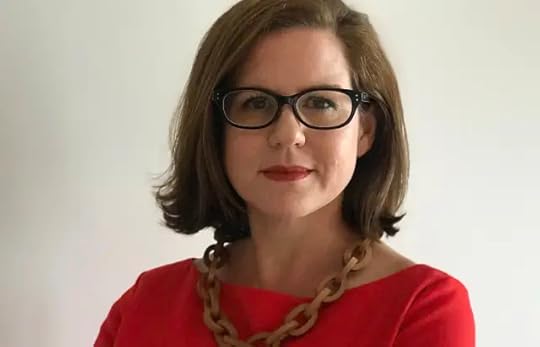
The author writes with a fairly decent style here that shouldn't struggle to hold the finicky reader's attention. She also narrated the audiobook version I have, and she did a great job. The formatting was also well done.
As mentioned above, the author has traveled to North Korea a dozen times. She draws on these visits for the writing in the book. She also met with many people close to Kim Jun Un to compile the material here.
In this short bit of writing, she talks about the transformative period after the death of Kim Jong-il, and the ascension of Kim Jong Un:
Some more of what the author covers here includes:
• The execution of Jang Song-thaek
• Friendship with Dennis Rodman
• The 2014 malware attack on Sony
• Otto Warmbier; his trial, imprisonment, and death
• Kim Jong-nam; his assassination in Kuala Lumpur
• Forged American currency; "Superdollars"
• Kim Jong Chol, the leader’s older, full brother
• The DPRK's acquisition of a hydrogen bomb
• The relationship between Kim Jung Un and Donald Trump; Twitter war
• Kim Yo Jong; Kim Jong Un's younger sister
******************
I enjoyed The Great Successor. The author did a great job in the research and overall presentation of the book.
I would recommend it to anyone interested.
4 stars.
The Great Successor was an interesting look into the most secretive country in the world. Officially named "The Democratic People's Republic of North Korea" (or "DPRK" from here on), you couldn't cram more irony into a single sentence if you tried...
Author Anna Fifield is the Asia-Pacific editor at The Washington Post. Previously she was the editor of The Dominion Post based in Wellington, New Zealand and the Beijing bureau chief for The Washington Post where she focused her attention on news and issues of Japan, North Korea, and South Korea. She has been to North Korea a dozen times.
Anna Fifield:
The author writes with a fairly decent style here that shouldn't struggle to hold the finicky reader's attention. She also narrated the audiobook version I have, and she did a great job. The formatting was also well done.
As mentioned above, the author has traveled to North Korea a dozen times. She draws on these visits for the writing in the book. She also met with many people close to Kim Jun Un to compile the material here.
In this short bit of writing, she talks about the transformative period after the death of Kim Jong-il, and the ascension of Kim Jong Un:
"From nearby Seoul to faraway Washington, DC, many government officials and analysts boldly predicted—sometime in whispers, sometimes in shouts—widespread instability, a mass exodus into China, a military coup, imminent collapse. Behind all the doom mongering was one shared thought: surely this regime couldn’t survive the transition to a third totalitarian leader called Kim, much less to a twentysomething who’d been educated at fancy European schools and had an obsession about the Chicago Bulls—a young man with no known military or government background..."
Some more of what the author covers here includes:
• The execution of Jang Song-thaek
• Friendship with Dennis Rodman
• The 2014 malware attack on Sony
• Otto Warmbier; his trial, imprisonment, and death
• Kim Jong-nam; his assassination in Kuala Lumpur
• Forged American currency; "Superdollars"
• Kim Jong Chol, the leader’s older, full brother
• The DPRK's acquisition of a hydrogen bomb
• The relationship between Kim Jung Un and Donald Trump; Twitter war
• Kim Yo Jong; Kim Jong Un's younger sister
******************
I enjoyed The Great Successor. The author did a great job in the research and overall presentation of the book.
I would recommend it to anyone interested.
4 stars.

June 4, 2020
ספר מרתק על צפון קוריאה, קים וכל מה שבאמצע. פשוט מרתק! מעניין ובעיקר עצוב.
מקווה מאוד שיום יבוא ותושבי צפון קוריאה יהיו חופשיים
מקווה מאוד שיום יבוא ותושבי צפון קוריאה יהיו חופשיים
March 11, 2021
Właściwie nie jest to biografia w czystym znaczeniu tego słowa, a raczej opis Korei Północnej pod rządami Kim Dzong Una, bo trudno napisać coś konkretnego o człowieku, którego życie od najmłodszych lat jest owiane tajemnicą, który jeśli wyjeżdża poza granice swojego Pustelniczego Królestwa zabiera własną przenośną toaletę, żeby przypadkiem nie zostawić po sobie żadnych biologicznych śladów.
Anna Fifield szyje zatem z tego co ma. Dociera do nielicznych znajomych Wielkiego Następcy z czasów, gdy ten uczył się w Szwajcarii, czy do japońskiego kucharza, który w dzieciństwie przyrządzał małym Kimom sushi, oraz rozmawia z uchodźcami z KRLD, przy okazji opisując dziwaczny system polityczny, ekonomiczny i takież stosunki społeczne panujące w tym komunistycznym raju.
Finalnie Wielki Następca okazał się książką wartościową i interesującą, ale - mimo sporej objętości - pozostawiającą czytelnika z poczuciem lekkiego niedosytu i obecnie już delikatnie przeterminowaną (pandemia, wyboru w U.S.A) - mimo to warto.
Anna Fifield szyje zatem z tego co ma. Dociera do nielicznych znajomych Wielkiego Następcy z czasów, gdy ten uczył się w Szwajcarii, czy do japońskiego kucharza, który w dzieciństwie przyrządzał małym Kimom sushi, oraz rozmawia z uchodźcami z KRLD, przy okazji opisując dziwaczny system polityczny, ekonomiczny i takież stosunki społeczne panujące w tym komunistycznym raju.
Finalnie Wielki Następca okazał się książką wartościową i interesującą, ale - mimo sporej objętości - pozostawiającą czytelnika z poczuciem lekkiego niedosytu i obecnie już delikatnie przeterminowaną (pandemia, wyboru w U.S.A) - mimo to warto.

April 14, 2019
(Note: I received an ARC of this book courtesy of NetGalley)
Through countless hours interviewing North Korean defectors ranging from average citizens to members of the ruling Kim family, deep research, and her own experiences traveling to the “Hermit Kingdom,” as a journalist, Anna Fifield has crafted an incredibly in-depth work about Kim Jong Un and the country he rules as Supreme Leader.
For starters, “The Great Successor” cuts right into the mix of mystery and absurd myth that has surrounded Kim Jong Un since he has stepped out of the privileged, protected shadows and into the spotlight. “The Great Successor” provides as intimate and detailed an overview of his life as possible, covering everything including his hyper-sheeted childhood, his European schooling under a fake identity, his cementation of himself as undisputed ruler after his father’s death right, and everything else up until the present day. And amongst many revelations, we are shown what appears to be a complex figure who is simultaneously more politically savvy, more open to change, and also far more ruthless than many may give him credit for.
Alongside this deep journey through one man’s life is also a comprehensive overview of modern-day North Korea. Fifield shows a country that has opened up a surprising amount economically, provided some modest improvements in the quality of life for a nascent middle class, and is also where the lucky well-connected are becoming fabulously enriched thanks to the new leader. We also see a nation where its ruling family is expected to be treated as gods, a literal caste systems based upon political loyalty still exists, malnourishment reigns rampant, prison camps are expanding, and fear of merciless punishment from above keeps everyone firmly in check.
These are only two broad areas in which Fifield’s work shines magnificently. To call this book a strong recommend is the very least that I can do. If anything, “The Great Successor” is practically essential reading considering the outsized role its subject dictator and his veritable kingdom continue to play on the world stage.
Through countless hours interviewing North Korean defectors ranging from average citizens to members of the ruling Kim family, deep research, and her own experiences traveling to the “Hermit Kingdom,” as a journalist, Anna Fifield has crafted an incredibly in-depth work about Kim Jong Un and the country he rules as Supreme Leader.
For starters, “The Great Successor” cuts right into the mix of mystery and absurd myth that has surrounded Kim Jong Un since he has stepped out of the privileged, protected shadows and into the spotlight. “The Great Successor” provides as intimate and detailed an overview of his life as possible, covering everything including his hyper-sheeted childhood, his European schooling under a fake identity, his cementation of himself as undisputed ruler after his father’s death right, and everything else up until the present day. And amongst many revelations, we are shown what appears to be a complex figure who is simultaneously more politically savvy, more open to change, and also far more ruthless than many may give him credit for.
Alongside this deep journey through one man’s life is also a comprehensive overview of modern-day North Korea. Fifield shows a country that has opened up a surprising amount economically, provided some modest improvements in the quality of life for a nascent middle class, and is also where the lucky well-connected are becoming fabulously enriched thanks to the new leader. We also see a nation where its ruling family is expected to be treated as gods, a literal caste systems based upon political loyalty still exists, malnourishment reigns rampant, prison camps are expanding, and fear of merciless punishment from above keeps everyone firmly in check.
These are only two broad areas in which Fifield’s work shines magnificently. To call this book a strong recommend is the very least that I can do. If anything, “The Great Successor” is practically essential reading considering the outsized role its subject dictator and his veritable kingdom continue to play on the world stage.
March 27, 2020
Terribly boring and predictable. It’s like Fifield got the cover to the book first, and then worked on the character from the outside in. He’s arrogant, he’s boastful, he was a strange child, etc etc. There’s a lot of earsay on the book, and a lot of filling in the gaps with “obvious” suppositions. It’s not terrible, but almost. I gave up around the middle - it felt like reading a huge Wikipedia entrance. A biography of Kim with so little info is pointless. Maybe if she should have focused more on North Korea’s way of living. That’s what I was expecting... Oh well.
Displaying 1 - 30 of 585 reviews