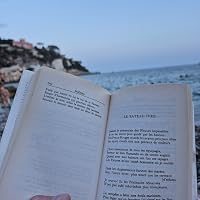
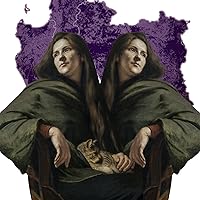
Die provozierende Schlusspointe dieser Parabel lässt niemanden so schnell los. Unweigerlich gerät man ins Grübeln und Rekonstruieren, und dabei kommen nicht nur Juristen, Tora-Experten und Kabbalisten auf ihre Kosten. Entstanden 1914 als Teil des Romans ›Der Proceß‹, löste das kleine Werk bei seinem Autor ein seltenes »Zufriedenheits- und Glücksgefühl« aus.
Mit dem Werkbeitrag aus Kindlers Literatur Lexikon. Mit dem Autorenporträt aus dem Metzler Lexikon Weltliteratur. Mit Daten zu Leben und Werk, exklusiv verfasst von der Redaktion der Zeitschrift für Literatur TEXT + KRITIK.
Franz Kafka wurde am 3. Juli 1883 als Sohn jüdischer Eltern in Prag geboren. Nach einem Jurastudium, das er 1906 mit der Promotion abschloß, trat Kafka 1908 in die »Arbeiter-Unfall-Versicherungs-Anstalt« ein, deren Beamter er bis zu seiner frühzeitigen Pensionierung im Jahr 1922 blieb. Im Spätsommer 1917 erlitt Franz Kafka einen Blutsturz; es war der Ausbruch der Tuberkulose, an deren Folgen er am 3. Juni 1924, noch nicht 41 Jahre alt, starb.
Franz Kafka was a German-speaking writer from Prague whose work became one of the foundations of modern literature, even though he published only a small part of his writing during his lifetime. Born into a middle-class Jewish family in Prague, then part of the Austro-Hungarian Empire, Kafka grew up amid German, Czech, and Jewish cultural influences that shaped his sense of displacement and linguistic precision. His difficult relationship with his authoritarian father left a lasting mark, fostering feelings of guilt, anxiety, and inadequacy that became central themes in his fiction and personal writings. Kafka studied law at the German University in Prague, earning a doctorate in 1906. He chose law for practical reasons rather than personal inclination, a compromise that troubled him throughout his life. After university, he worked for several insurance institutions, most notably the Workers Accident Insurance Institute for the Kingdom of Bohemia. His duties included assessing industrial accidents and drafting legal reports, work he carried out competently and responsibly. Nevertheless, Kafka regarded his professional life as an obstacle to his true vocation, and most of his writing was done at night or during periods of illness and leave. Kafka began publishing short prose pieces in his early adulthood, later collected in volumes such as Contemplation and A Country Doctor. These works attracted little attention at the time but already displayed the hallmarks of his mature style, including precise language, emotional restraint, and the application of calm logic to deeply unsettling situations. His major novels The Trial, The Castle, and Amerika were left unfinished and unpublished during his lifetime. They depict protagonists trapped within opaque systems of authority, facing accusations, rules, or hierarchies that remain unexplained and unreachable. Themes of alienation, guilt, bureaucracy, law, and punishment run throughout Kafka’s work. His characters often respond to absurd or terrifying circumstances with obedience or resignation, reflecting his own conflicted relationship with authority and obligation. Kafka’s prose avoids overt symbolism, yet his narratives function as powerful metaphors through structure, repetition, and tone. Ordinary environments gradually become nightmarish without losing their internal coherence. Kafka’s personal life was marked by emotional conflict, chronic self-doubt, and recurring illness. He formed intense but troubled romantic relationships, including engagements that he repeatedly broke off, fearing that marriage would interfere with his writing. His extensive correspondence and diaries reveal a relentless self-critic, deeply concerned with morality, spirituality, and the demands of artistic integrity. In his later years, Kafka’s health deteriorated due to tuberculosis, forcing him to withdraw from work and spend long periods in sanatoriums. Despite his illness, he continued writing when possible. He died young, leaving behind a large body of unpublished manuscripts. Before his death, he instructed his close friend Max Brod to destroy all of his remaining work. Brod ignored this request and instead edited and published Kafka’s novels, stories, and diaries, ensuring his posthumous reputation. The publication of Kafka’s work after his death established him as one of the most influential writers of the twentieth century. The term Kafkaesque entered common usage to describe situations marked by oppressive bureaucracy, absurd logic, and existential anxiety. His writing has been interpreted through existential, religious, psychological, and political perspectives, though Kafka himself resisted definitive meanings. His enduring power lies in his ability to articulate modern anxiety with clarity and restraint.
A very short and baffling story by Kafka. It was also included in The Trial. Unfortunately, I read that novel a long time ago and I do not remember anything that would help me make more sense of this story.
A man goes before the Llaw and asks the gatekeeper to let him in. He is told that he cannot entry "now". The man waits for days and years, his whole life, to be let inside by the gatekeeper. Before dying, the man asks why nobody else tried to enter the Law. The gatekeeper answers that this entry is only for him.
It might be a parable about the absurdity of bureaucracy, helplessness in front of authorities or religion. Not sure, what it means, to be honest.
‘What is it you want to know now?’ asks the doorkeeper. ‘You are insatiable.’ ‘Everyone wants to go to law,’ says the man, ‘How is it then that over so many years no one but me has tried to gain admission?’
‘Before the law’ is one of the most important works by Kafka. Although The plot is so self-evident that it apparently defies further explanation, however the story is a great allegory to the system of law, which in fact may be interpreted in so many different ways and that’s the beauty of Kafka- Kafkaesque world. The parable is invariably recognized as the center piece of ‘The Trial’ by Kafka. It is a cruel game wherein you’ve been thrown (you own consent is not taken for it, for it doesn’t matter); now you’ve no choice but to play. The rules of the game are surreptitious and unknown to you, the mysterious maze is cruel to the most probable intensity as you are trapped in bizarre situation, which you neither understand nor can escape- perfect Kafkaesque world or perhaps represents the life itself.
The parable starts in typical Kafkaesque world wherein a common man is making efforts to gain entrance into law, although in vain (of course); he spends rest of his life waiting for the permission to enter it, squandering his whole life on the basis of a hope which remains suspended in thin air on unclear probabilities, however eventually everything turns out to be a farce. The decision taken by the man seems to be logical at that juncture (as happens in real life too- the seemingly logical decisions turns out to be bleak drifts in aftermath) turns out to futile eventually. The man has been reduced to epitome of human yearning while circumstances and doorkeeper represents the impediments (seemingly though) of life; the entire existence of man has been narrowed down to just an representation of bleak, feeble and fragile hope ineffectually trying to overcome the supposedly limiting obstacles.
But in the dark he discerns a glory that bursts unquenchably from the gates to the law. He has not much longer to live. Before his death, he assembled all the experiences of many years into one question, which he has never put to the doorkeeper.
It so happens many a times that we spend our entire lifetime ostensibly waiting for some kind of revelation or hope- perhaps the essence of life, however we know (and perhaps realize too but only in aftermath) that life inherently is futile and there is nothing to hope for, whatever meaning is to given to life that has to be ascertained by us only and that too for our lifetime only, there is absolutely nothing which is inherently meaningful or waiting to be disclosed, it is game which we have play to bide time which has been endowed upon our existence- perhaps life is to be lived in all its splendor which we owe to hurdles of life.
The story represents the human choices as most of Kafka’s works do, and the way those choices affect us. We invariably and inexhaustibly make choices which do not have our full heart in them but the savage circumstances keep you pressing and squeezing against your natural will to make condemned choices, and we are robbed off our ‘free’ will. We know that we are putting ourselves in trouble still the unknown but vicious force, aroused out of cruel circumstances, keep us pushing in to inauthentic existence- an existential hell, which we know at our heart that it would not absolve our past from the circumstantial and incidental choices. The man leaves all practical aspects of his life and thrusts himself only in the pursuit of entering the law, his whole existence is reduced to a desire which eventually turns out to be futile- an existential malaise.
The story may be interpreted in so many ways, it may alludes to socio-political space wherein the state controls the lives of people by keeping them in a endless game of hope, the game invariably turns out to be futile but inescapable. As such, if the man was not able to get past the gatekeeper he would never gain access to the law. The same can be seen for those fighting to change how laws are in society. People can try several times to make changes; however, many are not able to get the changes they seek. The ‘law’ may also represents the ‘law of human life’ wherein the law might represents the almighty or nature which drives everything according to it s will and the man has to just participate in it, robbed off of any sense of ‘free will’. The gatekeeper there might symbolizes our corrupt systems of justice or society in general, his size might also implies futility of man in front of ‘law’ though whichever way it might be interpreted in. Or perhaps it might also alludes to our nature per se which is inherently corrupt, as we may go to any length to fulfill our desires, irrespective of the fact whether is right or wrong; and ironically, our concept of right and wrong may be corrupt itself too, though we tend to defend those concepts however absurd they may be.
However, on closer analysis, one may suspects that perhaps it is illogical to look for interpretations of the story (as usual with Kafka), perhaps the story does not have any underlying meaning which is waiting to be revealed. But our consciousness, which is influenced by our circumstances, scope of our knowledge and whims of our imagination, forces us to do so in an un-stimulated manner. Or perhaps it is different- as to say that although the plot is simple but its meaning is beyond our comprehension, probably we do not know. There is one thing which can be put here surely and which is that the very objective of the narrative is to subjugate any sort of hope it might have instigated in mind of the reader in absolutely brutal and ruthless manner.
“The only reason I’m accepting this is so that you don’t think there’s something you’ve omitted to do”
„În fața Legii stă un păzitor...”: cu mulți ani în urmă, am tradus această parabolă (alături de alte cîteva) și, din pricina variantelor încercate, mi-a rămas pentru totdeauna în minte. O voi recita și în rai...
Sigur, semnificația acestui text e imposibil de stabilit. Parabola e ambiguitatea însăși. În Procesul, există o discuție lungă (între Josef K și preot) cu privire la ce pot să însemne lunga așteptare a „omului de la țară” și dialogul lui cu bărbosul păzitor. Cînd a scris Vor dem Gesetz, Franz Kafka a fost influențat, probabil, de povestirile hassidice, care au o finalitate asemănătoare. Ele există tocmai pentru a fi discutate și interpretate la infinit, pînă la vertij, pînă la deznădejde.
Ciudățenia stă în faptul că preotul lui Kafka nu știe mai mult despre sensul parabolei decît Josef K. Tonul lui dogmatic și atotștiutor nu trebuie să ne amăgească: „Nu mă înţelege greşit. Eu mă mulţumesc doar să-ţi expun diversele păreri care există în privinţa aceasta. Nu da prea multă importanţă comentariilor. Scriptura e invariabilă şi comentariile nu sînt, adeseori, decît expresia deznădejdii comentatorilor”.
Firește, pentru un cititor obișnuit, ideea că există parabole care au fost compuse cu unicul scop de a prilejui interpretări (și dureri de cap) pare scandaloasă și greu de admis. Cum adică? Nimeni n-o poate interpreta? Atunci de ce a mai fost consemnată de autor? Scopul lui (de bună seamă ironic) a fost pur și simplu să ne sfideze istețimea. Și asta mi se pare destul.
-"أمام القانون"، رواية قد تفسّر بعدة معاني، كحال ادب كافكا بشكل عام: من المنظور السياسي، قانون الدولة البعيد المنال والذي لا يستطيع الريفي الوصول اليه لأنه محمي بحماة الدولة (الحاجب). من المنظور العملي القانون هو الحياة الفعلية للإنسان وللوصول اليها يجب القتال والصراع من اجلها لا الإستكانة مهما كانت العوائق (الحاجب الأول، الثاني والثالث). من المنظور الميتافيزيقي القانون هو ما بعد الحياة، ولكل امرء بوابته (بمعنى حسابه الشخصي) والحاجب كناية عن الممنوع (المحرم، المنكر،..) والبوابة مفتوحة!
- ما اعتقده، شخصياً، وبناء على رمزية كافكا في عدة قصص وروايات (في مستوطنة العقاب مثلاً)، فإن القصة لا بد وان تكون مرتبطة بالإنجيل والتوراة.. سأبحث لاحقاً عن ذلك عندما اقرأ "المحاكمة"!
«Se han escrito numerosas glosas y comentarios a la historia del guardián de la Ley, que el sacerdote le cuenta a K. en la oscuridad de la iglesia. La más extensa y convincente de esas glosas la escribió el propio Kafka: es El castillo. Para entenderla es necesario ante todo sustituir, en esa historia, la palabra “Ley” por la palabra “Castillo”. A continuación, leer, entero, El castillo.» Roberto Calasso, "K".
I didn't realize it would be the same parable from The Trial. I liked it better within the context of the story, though it works well as a standalone too.
This parable is excerpted from The Trial, but it stands alone quite well. I’m always afraid to read Kafka, and this was a good reminder not to be.
A man from the country spends his entire life waiting at the gates of the law, to be let in and have his questions answered. Presumably he wants to know about justice or the lack thereof, but this is not stated.
A complex, secret structure sits behind a closed gate that impedes the man’s entry, watched over by a guard, who even after hearing pleas and accepting bribes, does not let the man in.
It sounds cold and stark, but the richness comes from the thoughts it inspires. In that way, the gate does open, and we stare in wonder.
More than a hundred years later our courts, lawyers and appeals are still very successfully keeping justice unattainable and out of reach for the average countrymen.
3★ “The gatekeeper gives him a stool and allows him to sit down at the side in front of the gate. There he sits for days and years.”
This very short story is actually an excerpt from Kafka’s The Trial, which I haven’t read. This is apparently a parable that I won’t pretend to understand.
The gatekeeper (or doorkeeper, depending on the translation) is preventing the man’s entry into the law. A room? He tells the man he has a lot of power.
“The man from the country had not expected difficulties like this, the law was supposed to be accessible for anyone at any time, he thinks, but now he looks more closely at the doorkeeper in his fur coat, sees his big hooked nose, his long thin tartar-beard, and he decides it’s better to wait until he has permission to enter.”
I think I’d be likely to sit tight and hope for the best as well, but not for “days and years” as the man apparently did. He doesn’t just sit there, though, he is enterprising enough to try to ‘encourage’ (bribe) the gatekeeper, who does seem to take pity on him (but doesn’t budge).
“The man, who has equipped himself with many things for his journey, spends everything, no matter how valuable, to win over the gatekeeper. The latter takes it all but, as he does so, says, ‘I am taking this only so that you do not think you have failed to do anything.’ ”
I have read and enjoyed Kafka’s The Metamorphosis a couple of times, but I’m not sure what to make of this one. There are many discussions about it online. You can read the parable itself here: https://www.kafka-online.info/before-...
I admit I kept thinking about Catch-22, where you can be caught in a never-ending loop. (That reminds me, I want to read that again. Sorry Kafka.)
It’s another that the Short Story Club Group has read and discussed. You can join them here if you’re interested in the group discussions. https://www.goodreads.com/group/show/...
So beginnt diese berühmteste aller Parabeln Kafkas. Ich habe sie unzählige Male gelesen und auf verschiedene Weise verstanden. Es gibt selbstverständlich auch fast unzählige Interpretationen dieses ganz kurzen Textes. Ich habe jedoch nie eine davon gelesen. Ich lese einfach nicht gern literarische Analysen, selbst über die Werke, die mir am wichtigsten sind. Ich möchte meinen Blick hier fast ausschließlich an der Oberfläche dieses Textes halten.
Warum wird schon im ersten Satz der Türhüter unmittelbar mit dem Gesetz genannt? Warum ist er die erste Figur, die erscheint (und nicht der Mann vom Lande, der erst danach vorkommt)? Warum außerdem diese ganz allgemeinen Begriffe? Was ist also das Gesetz? Hat es mit der Justiz zu tun? Oder um welches Gesetz handelt es sich? Der Türhüter scheint ein Angestellter des Gesetzes zu sein, aber ist er überhaupt eine wichtige Figur? Für den Mann vom Lande ist er es zumindest, denn dieser kommt zu diesem Türhüter und bittet um Eintritt in das Gesetz.
Der Mann kommt nicht unmittelbar zum Gesetz (und wird niemals hineinkommen). Er darf nicht eintreten. Er versucht zunächst, die Erlaubnis zum Eintritt zu erhalten. Er versucht nicht (und wird es nie versuchen), einfach einzutreten. Geschieht dies aus Bescheidenheit oder aus Unentschlossenheit? Er überlässt dem Türhüter die Entscheidung darüber, ob er in das Gesetz eintreten darf. Dieser sagt, daß er ihm jetzt den Eintritt nicht gewähren könne. Es ist kein Verbot. Es ist vielmehr eine bedingte Aussage (?). Aber was sind die Bedingungen, um in das Gesetz einzutreten?
Der Mann fragt, ob er also später werde eintreten dürfen. »Es ist möglich«, sagt der Türhüter, »jetzt aber nicht.« Warum aber? Das sagt er nicht. Der Mann wird neugierig: Da das Tor zum Gesetz offensteht wie immer und der Türhüter beiseite tritt, bückt sich der Mann, um durch das Tor in das Innere zu sehn. Das amüsiert den Türhüter: Als der Türhüter das merkt, lacht er und sagt: »Wenn es dich so lockt, versuche es doch, trotz meines Verbotes hineinzugehn.
Vielleicht um zu spaßen oder den Mann zu warnen, erzählt ihm der Türhüter:
Merke aber: Ich bin mächtig. Und ich bin nur der unterste Türhüter. Von Saal zu Saal stehn aber Türhüter, einer mächtiger als der andere. Schon den Anblick des dritten kann nicht einmal ich mehr ertragen.«
Die Geschichte beeindruckt den Mann:
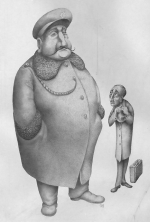
Solche Schwierigkeiten hat der Mann vom Lande nicht erwartet; er weist aber: das Gesetz soll doch jedem und immer zugänglich sein, denkt er, aber als er jetzt den Türhüter in seinem Pelzmantel genauer ansieht, seine große Spitznase, den langen, dünnen, schwarzen tatarischen Bart, entschließt er sich, doch lieber zu warten, bis er die Erlaubnis zum Eintritt bekommt.
Der Mann fürchtet nun also den Türhüter. Furcht ist nur eines der vielen Gefühle und Verhältnisse, in denen sich der Mann gegenüber dem Gesetz befindet. Zuerst bittet er um Eintritt, dann wird er neugierig, nachdenklich und ängstlich. Wegen seiner Unentschlossenheit oder Schüchternheit beginnt er nun einfach zu warten; später versucht er sogar, den Türhüter zu bestechen:
Der Mann, der sich für seine Reise mit vielem ausgerüstet hat, verwendet alles, und sei es noch so wertvoll, um den Türhüter zu bestechen. Dieser nimmt zwar alles an, aber sagt dabei: »Ich nehme es nur an, damit du nicht glaubst, etwas versäumt zu haben.«
Dann verflucht er sein Los, wird bitter; schließlich vergeht sein ganzes Leben vor dem Gesetz – oder vielmehr nicht einmal vor dem Gesetz, sondern vor dem Türhüter.
Kurz vor seinem Tod, verkrümmt, fast blind und taub, sammelt der Mann seine ganze Erfahrung, überdenkt alles und fasst es in einer einzigen Frage zusammen – der ersten vernünftigen, aber zugleich schon vergeblichen, überflüssigen Frage, die er dem Türhüter stellt:
»Alle streben doch nach dem Gesetz«, sagt der Mann, »wieso kommt es, daß in den vielen Jahren niemand außer mir Einlaß verlangt hat?« Der Türhüter erkennt, daß der Mann schon an seinem Ende ist, und, um sein vergehendes Gehör noch zu erreichen, brüllt er ihn an: »Hier konnte niemand sonst Einlaß erhalten, denn dieser Eingang war nur für dich bestimmt. Ich gehe jetzt und schließe ihn.«
War der Mann feige oder einfach dumm? Ist dies die Geschichte seines Scheiterns? Er hätte jederzeit eintreten können – aber wollte er überhaupt in das Gesetz eintreten?
English: Before the Law Kafka declared this text (which is also part of his novel The Trial) to be a legend, which might have been intended as a joke considering the content. The very short story goes like this: An unnamed man from the countryside (so probably a guy without much power and money) wants to enter "the law" - materialized as a room -, but he is held back by a doorkeeper who tells him that he can't enter - presently. The man keeps on waiting, pleading, and arguing for years and years, he tries to bribe the doorkeeper - and shortly before he dies, he asks the doorkeeper why nobody else has tried to enter "the law", to which the doorkeeper replies that this entry was designed only for him and that he will now close it. The End. Wow.
Kafka was part of the German-Jewish minority in Bohemia during the Austro-Hungarian Empire, and he was a lawyer working for an insurance company - just let that sink in in the context of this story. Much like In the Penal Colony, there is no justice in the legal system portrayed here, its workings remain mysterious and random. The doorkeeper fulfills his duty - towards whom and why? Should the man trying to gain access have been more persistent, as some reviewers suggest? If so: What could he have done? Considering Kafka's body of work, it seems like a rather far-fetched interpretation to me to say that the author wanted to say that instead of waiting, people should take action. Rather, this seems to be a text about helplessness and an authority that can't be overcome, about the cruelty of institutionalized power employed randomly - which crushes the individual. Kafka is not here to give advice or offer solutions.
The room is a powerful metaphor in many of Kafka's works - just look at The Metamorphosis and the rooms which Gregor can and can't access, or The Judgement where the terrible verdict is spoken in a small, dark room. Now, this door to "the law" was designed especially to not let this particular person pass through it - that's a whole new level of cruelty.
For Kafka, this is a very accessible text, but it's only the door through which you have to pass to make it to The Trial.
It was a story which could have multiple meanings, it can be alluded to a myriad of things but that doesn't take away from the brilliance of the story.
"Before the Law" is a parable that was later incorporated into Franz Kafka's unfinished philosophical novel, "The Trial." It features an Everyman who is trying to gain entrance into "The Law," and is caught up in a "Catch-22" situation where he has no way to succeed. While he does not give up hope, the circumstances make him powerless. Fate may be determining the outcome.
Kafka had been educated as a lawyer, although he worked in insurance. There is some dark humor behind this work that suggests that he had seen some frustrating situations involving rules, bureaucracy, and the law. "Before the Law" is a quick read, but it can keep your mind going around in circles for a long time.
This is a parable where a man from the country tries to enter a gate in order to reach “The Law” , but is warned by a guard to wait until later when he has permission to enter. The man believes that “The Law”should be available to all people at all times and so becomes angry, but he waits…and waits….and waits… until RIP. This man stands at the gate waiting for permission until he dies. (This says the most about this man. He wants whatever is beyond the gate so bad that he is willing to wait a lifetime, yet he is not willing to fight for it? Surely everyone has a time when they would switch from waiting mode to fight mode. After a while, you know that guard is being obnoxious.)
This is a work that is excerpted from Kafka’s larger work The Trial. No matter how many times I read this “short story”, I worry I need the larger work. I’m big on context.
However, reading this piece alone, I feel that the reader could place any of one’s goals, necessities, or desires beyond the gate. We should all have equal opportunities, but we must work hard for the things we want. And we must do it now. Not put things off for tomorrow. Our gates may be closed tomorrow. And there will always be guards in our way.
(Of course, I will read the book and find out it is something grand and noble like equal justice behind the gate.)
3.7 stars «بر من ترحم کن. من در هر گوشه و کنار زندگیام گناهکار هستم.» کافکا – یادداشتها، ۱۹۱۶
دقیقا چه چیزی باعث میشود که در برهههای حساس زندگی از هر تلاشی برای نیل به هدفی مهم و تعیینکننده باز بمانیم؟ چهچیزی است که ما را در بزنگاه حرکت و تصمیم فلج میسازد؟ آن هم درست در زمانی که هدف و مسیر را بارها با دقتی وسواسگونه سنجیدهایم؟ کدام نیرو است که ما را در آن لحظهی حساس سرنوشت، به سان بختکی در خواب فلج ساخته و باری دیگر به کنج آشنا و امن روزمرگیهای بیحاصل فراری میدهد؟ چگونه عمری را بدون برداشتن آن قدمِ ضروری بر باد میدهیم؟ صدای کیست که در پس ذهنمان دائما بانگ بر میآورد که «نمیتوانی!»، «محال است!»، «رهایش کن!» و «خطر مکن و به آنچه داری راضی باش!» آیا این ندای خرد و تجربهای است که در طی سالیانِ عمر دوختهایم یا فقط ترسی کودکانه است که ما را از بلندپروازیهای شغلی، مبارزه با هنجارهای خفقانآور و تحمیلی جامعه، ابراز آزادانهی هویت و گرایش جنسی یا مشارکت در مبارزات مدنی و سیاسی و در یک کلام «تحقق خویشتنِ خویش و خودشکوفایی» باز میدارد؟ ترسی کودکانه که به ریاکارانهترین شکل ممکن، نقابِ فیلسوفی خردمند را بر چهره زده است؟ ترس کودکی که از قدمگذاردن در راه بزرگان هراس دارد. بزرگانی که همواره او را به چشم کودکی بی دست و پا نگریستهاند. کودکی که بیشک این بار نیز در تلاشی محکوم به شکست برای اثبات بزرگی خویش، خود را مضحکه همگان خواهد ساخت.
شاید وقتی فرانتس کافکا حکایتِ کوتاهِ «جلوی قانون» را مینوشت، همین سوالاتْ ناخودآگاهِ ذهن او را به خود مشغول کرده بود. داستان از آنجا آغاز میشود که مردی روستایی تقاضای ورود به قانون را دارد. قانون در این حکایت، گویی ساختمان یا قصری است با دری که همچون همیشه باز است. اما جلوی قانون دربانی ایستاده که به مرد روستایی اجازهی ورود نمیدهد.
این دربان کیست؟ او با کمی تعمق، ما را به یاد مفهومِ «سوپر ایگو»ی فروید میاندازد. بخشی از ساحتِ روان که به زبانِ ساده، تبلورِ درونیِ قراردادهای اجتماعی و اخلاقی است و اولین سرمشق آنْ پدر است: پدر یا الگوی پدرانه، به مثابه برقرارکنندهی قانون در خانواده. پدری که راه را بر ماشین چشم و گوش بستهی اصلِ لذت و غرایز میبندد. او است که حرم میسازد و حریم قائل میشود و لذتبردن از بدنِ مادر را بر کودک حرام میکند.
اما دربِ این حرم همواره باز است و دربان حتی کنار میرود و مرد روستایی را وسوسه میکند که از لای شکافِ در نگاهی به درون بیندازد. حضورِ پدر دائمی نیست و محرومشدن از لذت هم علیالظاهر موقتی است. دربان میگوید ورود به قانون ممکن است، «ولی فعلا نه!» مرد روستایی ابتدا وسوسه میشود که به رغم ممانعت دربان به درون برود، اما وقتی هیبت دربان را به دقت نظاره میکند ــ مخصوصا «بینی بزرگ و نوک تیزِ» او را که کنایهای فالیک [قضیبی] دارد ــ مرعوب شده و تصمیم میگیرد بر چهارپایهای به انتظار بنشیند.
کودک نیز برای ورود به تمدن و فاصلهگرفتن از توحش ــ اگرچه در ابتدا تقلا خواهد کرد یا حتی اُدیپوار ــ آرزوی مرگ پدر را در سر خواهد پروراند، اما واضح است که خود را هماورد پدر نخواهد یافت. پس در نهایت چارهای جز گردننهادن بر قانونِ پدر و دستبرداشتن از مادر ندارد و پس از وقفه یا انتظاری کوتاه در رشد جنسی خود، سرانجام یاد میگیرد تا حریمی مخصوص به خود و دور از قلمروی پدر برای خود دست و پا کند.
با این حال، این اولین شکست مضحک عشقی، تجربهای به غایت تلخ و دردآور خواهد بود که البته خوشبختانه با کمک ماشین سرکوب، به درونیترین لایههای ناخودآگاه پس رانده شده و برای همیشه فراموش میشود و هرگونه تداعی یا یادآوری چنین داستان «شرمآوری» در بزرگسالی، واکنشی جز انزجار، انکار و تهوع در پی نخواهد داشت. اما چه میشود اگر پدر کمی بیش از حد لازم سختگیر، خشن یا ترسناک باشد؟ چه خواهد شد اگر حریم پدر، آنقدر وسیع باشد که خروج از ساحتِ آن برای کودک عملا ممکن نباشد مگر به قیمت دستشستن از تمامی لذات؟ در قلمرو چنین پدر سهمگین و دیکتاتورمآبی که هر هماوردی را از دم تیغ میگذراند و مرزهای حرمش انتها ندارد، تنها راه زندهماندن، صغیرماندن و سکون است. اگر میخواهی کشته نشوی، باید خود را از پیش کشته باشی و دست از تمامی آرزوها شسته! چرا که تحقق لذتبخش هر آرزویی، گناهی نابخشودنی است در حق پدر.
به کمک قرائن و شواهد بسیار، از جمله یادداشتها و نامههای شخصی کافکا، میدانیم که رابطهی او با پدرش کمابیش از چنین جنسی بود. ترسی که بر تمامی ارکان زندگی شخصی او و رویاهایش سایه انداخت و او را تا آخر عمرِ کوتاه او، با وجود چند مرتبه نامزدکردن، از ازدواج منصرف ساخت: ترس از پدر و حسرتِ تاییدنشدن از جانب او و به رسمیت شناخته نشدن مردانگیاش بود. کافکا نیز مانند مرد روستایی در جلوی قانون، یا «کا» در رمانِ ناتمام «قصر»، عمر خود را در حسرت کسب اجازهای گذراند که هیچگاه نمیتوانست صادر شود، چرا که شخصیت او بر مبنای همین صادرنشدنِ اجازه و همین به رسمیت شناخته نشدنِ میلش توسط مقامِ پدر ــ دربانِ قانون ــ و ناتوانی در بهرهمند شدن از لذتی بدون احساسِ گناه و واهمه شکل گرفته بود، و صدور چنین مجوزی به معنای فروپاشی هویت او بود.
رمان بلند و ناتمام «قصر»، همچون حکایت کوتاه «جلوی قانون»، موضوع تلاشی خستگیناپذیر و حیاتی اما محکوم به شکست برای ورود به قصری مرموز را روایت میکند: در یکی از جالبترین بخشهای داستان، یکی از منشیان قصر نهایتا بهطور ضمنی به «کا» وعدهی اجابتِ درخواستِ ورودش را تحت شرایط خاصی میدهد، اما در نهایتِ بهت و حیرتِ خواننده، «کا» به جای استفاده از این فرصت طلایی، به خواب میرود! این چرت ناگهانی درواقع تلاشِ «خود» است برای حفظ ساختارِ شخصیتی که بر اساس ناکامی و فقدان شکل گرفته است.
سالها میگذرد و مرد روستایی همچنان به انتظار نشسته است. او به مرور پیر و نحیف میشود، اما دربان گویی عمری جاودان دارد چرا که این نه وجود جسمانی پدر، که «نامِ پدر» است که بر قلمرو «سوپر ایگو»ی سادیستیک و بیرحم حکمفرماست. به علاوه، «از تالار به تالار، دربانهایی ایستادهاند هر یک قدرتمندتر از دیگری»: نمایندگان مقام پدر مانند معلم، رئیس، دولت، مذهب و خدا. طوری که هیبت سومین دربان را دربان اول نیز تاب نمیآورد!
ظرف این سالیان تمامی تلاشهای مرد برای مصالحه با این دربان شکست میخورد. مرد روستایی یک روز به او رشوه میدهد و روزی دیگر سعی میکند با پرسیدن سوالات بیشمار با او از در رفاقت درآید. نفرین میکند و غر میزند و دست آخر حتی به شپشهای پوستین او هم متوسل میشود اما دلِ دربانْ نرمشدنی نیست.
سطور آخر این حکایت جای تردیدی در صحت تعابیر ما باقی نمیگذارد. پایان کار مرد روستایی نزدیک است و آخرین سوالش از دربان این است که چرا شخص دیگری تقاضای ورود به قانون را ندارد؟ دربان که مرگ را در چهرهی مرد خوانده و حال وظیفه خود را انجامیافته میبیند، در گوشِ مردِ رو به موت فریاد بر میآورد که: «اینجا کس دیگری نمیتوانست اجازهی ورود کسب کند. این درب برای تو مقدر شده بود. اکنون میروم و آن را میبندم.» تحلیل از:: محمد فتحی
This is an allegory, or parable, and is to be found in Kafka’s book, The Trial.
This story is absolutely simply written – there are no difficulties here: it is only the interpretation that is difficult.
A gatekeeper sits before the law. A man from the country comes to him and asks to gain entry into the law.
The gatekeeper says the man may possibly be allowed to énter later but not now.
The man sits on a stool in front of the gate for days and years. He sits there his whole life. How he gets food and drink and attends to other daily necessities is not specified.
The man grows old and is dying, while the gatekeeper apparently does not age.
The man asks why no-one but him has requested entry to the law, which everyone ”strives after”.
Finally, the gatekeeper shouts to the man that no-one else gains entry, since the entrance was assigned only to him, and he is now going to close the gate.
Readers will need to interpret this story as best they can. I for one found the interpretation that came with the story practically impossible to comprehend so I did not get much help there, if any.
This is a typical Kafka story that seduces by its style of putting into small narratives, metaphors that generate great and different interpretations. In my opinion, some points are central to this work:
1. We are subordinated to a hermetic law, inaccessible and that as much as we can reflect, question and seek the right questions, it will remain unexplained and still exist.
2. This law may be either the Law, or the law of human life.
3. Although this law is not understood, there will always be until our death, people who defend and protect it. Creating truths, illusions and hermetism.
4. This situation which is life itself is also the absurd in itself. Inside it we live and die, without necessarily understanding it, as old as we are and knowing all the details of who says that understands it.
5. Life and legal law carry the bureaucracy that distances us from reality and from any solution.
6. Each person has its own truth - or several truths.
Around these matters, Kafka provokes us in the sense of waiting, as Beckett did in a similar way in "Waiting for Godot." Sometimes we wait our whole life for something, a hope, a discovery, a revelation between the lines, a greater secret - and often, not to say always in relation to life - there is nothing to hope for. But in another way, life is to be lived in all its grandeur.
______
"Diante da Lei"
Essa é uma típica história de Kafka que seduz pelo seu estilo de colocar em pequenas narrativas, metáforas que geram grandes e diferentes interpretações. Na minha opinião, alguns pontos são centrais nessa obra:
1. Nós somos subordinados à uma lei hermética, inacessível e que por mais que possamos refletir, questionar e procurar as perguntas corretas, ela continuará sem explicações e mesmo assim continuará existindo.
2. Essa lei pode ser tanto o a Lei Jurídica, ou a lei da vida humana.
3. Por mais que não se compreenda essa lei, sempre existirão até a nossa morte, pessoas que a defendem e a protegem. Criando verdades, ilusões e hermetismo.
4. Essa situação que é a própria vida é também o absurdo em si mesmo. Nela vivemos e morremos, sem necessariamente compreendê-la, por mais velhos que sejamos e conhecedores dos detalhes de quem se diz entendedor dela.
5. A vida e a lei Jurídica carregam a burocracia que nos afasta da realidade e de qualquer solução.
6. Cada um tem sua própria verdade - ou várias verdades.
Em torno desses assuntos, Kafka nos provoca no sentido da espera, como Beckett fez de uma forma parecida em “Esperando Godot”. Esperamos a vida inteira por algo, alguma coisa, uma esperança, uma descoberta, uma revelação nas entrelinhas, um segredo maior - e muitas vezes, para não dizer sempre - em relação à vida - não há nada o que esperar. Mas sim viver em absoluto nela mesma.
"Todos buscan la Ley –dice el hombre—. ¿Y cómo es que en todos los años que llevo aquí, nadie más que yo ha solicitado permiso para llegar a ella? El guardián comprende que el hombre está a punto de expirar y le grita, para que sus oídos debilitados perciban las palabras. —Nadie más podía entrar por aquí, porque esta entrada estaba destinada a ti solamente. Ahora cerraré".
El caso Acevedo muy conocido en Argentina es sobre una mujer de Santa Fe que concurre a una sala de auxilios por dolores de mandíbula, la mandan a un centro de mayor complejidad, y ahí se dan cuenta que tenía un cáncer de maxilar, cuando se le informa de esto a Acevedo el profesional no le da los recaudos que tenía que tomar de usar métodos anticonceptivos porque no estaba en condiciones de quedar embarazada, sin saber esto Acevedo queda embarazada. Entonces cuando se presenta a recibir el tratamiento para el cáncer los médicos se niegan porque podría dañar al feto, la familia de Acevedo solicita el aborto terapéutico que es aquel cuando esta en peligro la salud de la madre, los profesionales se niegan alegando objeción de conciencia, condiciones religiosas, Acevedo entra en una maraña burocrática tratando de encontrar un centro de salud que le practicara el aborto terapéutico que es legal, hasta que finalmente implica que la internan por una falla de todos sus órganos, los médicos adelantan el parto y practican una cesárea. Acevedo y el bebe mueren.
En este cuento de Kafka se da una metáfora igual que Acevedo pidiendo ante la puerta de la justicia y la ley no esta para ella y la puerta se cierra. La ley ¿que es? Es un deseo de un ciudadano común y corriente que entiende que es un derecho, que entiende que esta para él, es un tesoro que se lo guarda aquel que tiene la fuerza, el poder, que solo esta para privar al otro al acceso a la ley, es una manera de controlar a los ciudadanos con “la promesa de” y lo tengo al campesino toda su vida paralizado, lo despojo de todo lo que posee y finalmente muere. Claramente la visión de Kafka es pesimista pero nos marca quizás una de las grandes paradojas de nuestro modelo de organización social, de nuestra concepción de lo que es el derecho, podemos discutir si este tiene que ver algo con la justicia o si tiene algo que ver con ciertos valores, pero lo cierto es que por algún motivo que nadie sabría explicar muy bien todos los que formamos comunidades jurídicas organizadas aceptamos pacíficamente que un conjunto de personas puedan ejercer el monopolio de la fuerza en nuestro nombre y entendemos de que algo justifica que ellos decidan por nosotros lo que se debe y lo que no se debe hacer, este concepto que en teoría política se llama legitimidad, es el argumento por el cual aún cuando fácticamente no hay posibilidad de que el aparato coactivo estatal resista la fuerza de una comunidad que rechaza las decisiones de aquellos que ejercen el poder, en los hechos, todos actuamos sometiéndonos a las fuerzas que se impone su decisión.
Los soldados Americanos les preguntaban a los sobrevivientes del campo de concentración porque nunca se revelaron si eran más, y esto es como aquel poema que dice “Cuando los nazis vinieron a buscar a los comunistas, guardé silencio, porque yo no era comunista, Cuando encarcelaron a los socialdemócratas, guardé silencio, porque yo no era socialdemócrata Cuando vinieron a buscar a los sindicalistas, no protesté, porque yo no era sindicalista, Cuando vinieron a buscar a los judíos, no pronuncié palabra, porque yo no era judío, Cuando finalmente vinieron a buscarme a mi, no había nadie más que pudiera protestar.”
No hay que perder la capacidad critica con relación al poder, ni la capacidad critica por lo que entendemos que es la ley. Esto se reduce a quien tiene la facultad de ejercer la fuerza del aparato coactivo, a eso se reduce, de que sirve la orden del máximo tribunal, del jurista mas prestigioso, del órgano mas importante, si el aparato coactivo no lo ejecuta y no lo acata.
Deep, enigmatic, and unfathomable. My first impressions of this story by Kafka haven’t changed after a weekend of reflection.
Before the Law has countless meanings and interpretations. I doubt that reviewers could ever settle on one viewpoint. It’s so inscrutable and oblique to make it beyond any meaningful analysis.
The essence of the parable might be about exploitation and the haves and the have-nots. Possibly it reminds us that the law is not as accessible as we imagine. There are seemingly unattainable hoops to clear, and most would be lucky to get past Stage One – even if attempts to pay/bribe are gratefully accepted. But then, it may be about religion and not about the law? Maybe it’s about seeing things naively through a child’s eyes and being frustrated at every turn to reach the ‘adult’ world?
In any event, rejection in the face of an imposing person/law/standard is its essence (I think). But then again …
Algunos muy buenos y otros que están bien; siempre es llamativo ver el desarrollo creativo de un autor, como va profundizando ciertos temas y perfeccionando su prosa. Incluso hay un fragmento de El proceso, que señaló Kafka como una "exégesis de la leyenda" y que ahora tengo al debe.
This is a typical Kafka story that seduces by its style of putting into small narratives, metaphors that generate great and different interpretations. In my opinion, some points are central to this work:
1. We are subordinated to a hermetic law, inaccessible and that as much as we can reflect, question and seek the right questions, it will remain unexplained and still exist.
2. This law may be either the Law, or the law of human life.
3. Although this law is not understood, there will always be until our death, people who defend and protect it. Creating truths, illusions and hermetism.
4. This situation which is life itself is also the absurd in itself. Inside it we live and die, without necessarily understanding it, as old as we are and knowing all the details of who says that understands it.
5. Life and legal law carry the bureaucracy that distances us from reality and from any solution.
6. Each person has its own truth - or several truths.
Around these matters, Kafka provokes us in the sense of waiting, as Beckett did in a similar way in "Waiting for Godot." Sometimes we wait our whole life for something, a hope, a discovery, a revelation between the lines, a greater secret - and often, not to say always in relation to life - there is nothing to hope for. But in another way, life is to be lived in all its grandeur.
______
"Diante da Lei"
Essa é uma típica história de Kafka que seduz pelo seu estilo de colocar em pequenas narrativas, metáforas que geram grandes e diferentes interpretações. Na minha opinião, alguns pontos são centrais nessa obra:
1. Nós somos subordinados à uma lei hermética, inacessível e que por mais que possamos refletir, questionar e procurar as perguntas corretas, ela continuará sem explicações e mesmo assim continuará existindo.
2. Essa lei pode ser tanto o a Lei Jurídica, ou a lei da vida humana.
3. Por mais que não se compreenda essa lei, sempre existirão até a nossa morte, pessoas que a defendem e a protegem. Criando verdades, ilusões e hermetismo.
4. Essa situação que é a própria vida é também o absurdo em si mesmo. Nela vivemos e morremos, sem necessariamente compreendê-la, por mais velhos que sejamos e conhecedores dos detalhes de quem se diz entendedor dela.
5. A vida e a lei Jurídica carregam a burocracia que nos afasta da realidade e de qualquer solução.
6. Cada um tem sua própria verdade - ou várias verdades.
Em torno desses assuntos, Kafka nos provoca no sentido da espera, como Beckett fez de uma forma parecida em “Esperando Godot”. Esperamos a vida inteira por algo, alguma coisa, uma esperança, uma descoberta, uma revelação nas entrelinhas, um segredo maior - e muitas vezes, para não dizer sempre - em relação à vida - não há nada o que esperar. Mas sim viver em absoluto nela mesma.