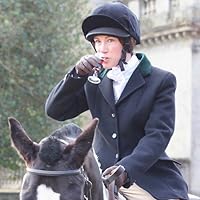
Lieutenant-Colonel Diane Allen had 30 years’ experience in the British Army. She was one of the first women at Sandhurst. Sandhurst was so unprepared there were no boots small enough for women and no beds for them (a recurrent theme). She served in Northern Ireland and Germany in the regular army, then 25 years in the reserves, alongside a career in the public and private sector. She moved through the ranks into more senior military leadership, creating new intelligence units. But with each success she achieved, resistance from those in charge increased. In November 2018, Diane was awarded the OBE for services to military intelligence. But by November 2019, she had started a messy divorce with the Army. She isn’t leaving voluntarily – she has been pushed out. This is her account of her time in the army; the comical, the tragic, the painful and the honest story of a woman for whom the Army will always be her true family.
This is an absolute must-read for all women with professional careers whether in a leadership role or not because the experiences that Diane relates with the army are sadly relatable to anyone who has worked in a career traditionally dominated by males.
The book starts with Diane’s beginnings at Sandhurst before moving into her reserve career. I dropped one star because of the complex details about army planning and management which didn’t add clarity to the story but the final chapters focusing on what needs to happen to fix the problems are fascinating and really struck a chord with me.
I joined the army within months of Allen (not as an officer, and i'm curious about her because i had A-levels but despite a military family background was rejected as officer material until i got to my first unit after trade training) and was posted to the same first regiment.
I'm pretty sure i don't remember her and I'm also pretty sure she wasn't at the regimental HQ (or she was so unremarkable as an officer that she made no impression on me). I had to stop reading just after she'd left NI because the tone of this is rather me-me-me (and yes I know it's a memoir but it's too much). I do rather think she thinks she was "in charge of" and "looking after" the WRAC where she was, but trust me, none of us needed a baby sprog of a 19 year old telling us anything about life or the army - we had a lot more trade and military training before we got to our first units for starters.
In fact I'd go so far as to say that young female officers with her attitude (oh aren't we clever girls keeping up with the men?) hindered us being accepted as soldiers. (I do remember one female 2nd Lt on battle camp being in charge of a night march with a total inability to a) read a map and b) take "advice" from senior NCOs who really should have tied her up and left her in a ditch rather than let her lead a tired bunch of troops aimlessly around Vogelsang in the dark)