

What do you think?

Nostalgia
Amir, studente di psicologia a Tel Aviv, e Noa, studentessa di fotografia a Gerusalemme, hanno preso casa al Castel, un tempo campo di transito per i nuovi immigrati dal Kurdistan e ora insieme indistinto di villette e baracche. Dietro il muro del loro appartamento abita il padrone di casa, Moshe Zakian, con la moglie Sima. Nell'appartamento di fronte vive il piccolo Yotam che si sente trascurato da quando Ghidi, il fratello grande, è morto soldato in Libano. Nei paraggi si aggira Saddiq, il muratore arabo che sogna di penetrare nell'appartamento sopra il bilocale di Amir e Noa, nel quale sua madre ha nascosto qualcosa di importante.
412 pages, Paperback
First published January 1, 2004
About the author
Eshkol Nevo
33 books588 followersEshkol Nevo (Hebrew: אשכול נבו) studied copywriting at the Tirza Granot School and psychology at Tel Aviv University. Today, Nevo owns and co-manages the largest private creative writing school in Israel and is considered the “godfather” of many upcoming young Israeli writers. He has published novels, short stories and nonfiction. His novels have all been top bestsellers.
Nevo, whose novels are very successful abroad, has received the Book Publishers Association's Gold and Platinum Prizes (2005; 2008; 2011), the FFI-Raymond Wallier Prize (Paris, 2008), the ADEI-WIZO Prize (Italy, 2011) and the Steimatsky Prize for Neuland (2012). Homesick was a finalist for the prestigious Independent Foreign Fiction Prize (UK, 2009), and World Cup Wishes was a finalist for the Kritikerpreis der Jury der Jungen Kritiker (Austria, 2011).
Nevo, whose novels are very successful abroad, has received the Book Publishers Association's Gold and Platinum Prizes (2005; 2008; 2011), the FFI-Raymond Wallier Prize (Paris, 2008), the ADEI-WIZO Prize (Italy, 2011) and the Steimatsky Prize for Neuland (2012). Homesick was a finalist for the prestigious Independent Foreign Fiction Prize (UK, 2009), and World Cup Wishes was a finalist for the Kritikerpreis der Jury der Jungen Kritiker (Austria, 2011).
Ratings & Reviews
Friends & Following
Create a free account to discover what your friends think of this book!
Community Reviews
Displaying 1 - 30 of 201 reviews

July 24, 2020
EPILOGO
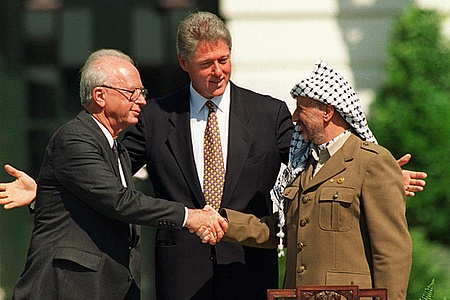
L’illusione della pace in una stretta di mano: 11:43 del 13 settembre 1993, Ytzak Rabin, primo ministro d’Israele, e Yasser Arafat, leader dell’OLP, firmano quelli che sono passati alla storia come gli accordi di Oslo, sotto l’occhi benevolente dell’allora presidente degli Stati Uniti, Bill Clinton.
Lo interessa di più conversare (non “parlare”, “conversare”. Anche lui, come me, predilige le belle parole).
E allora fammele leggere queste belle parole, o Amir: dove sono, dove le nascondi, perché non me le dici?
La verità, o Amir, è che tu parli (scrivi) in modo identico alla tua Noa. Ed entrambi avete la stessa identica voce dei vostri vicini, Sima e Moshe, da cui vi separa una parete sottilissima, più che altro un tramezzo.
E identica anche al tuo caro amico Modi che ti chiama fratello, o all’arabo Saddiq, è sempre la stessa voce.
Nessuna differenza neppure quando il testimone passa a Yotam, un bambino.
Parlate tutti nello stesso modo. Né adulto, né infantile, ma una via di mezzo. Tipo questo:
È bella, quella Gonzales, ho detto a Moshe, e lui ha ribattuto, sì, ma non come te, e mi ha dato un bacio sulla spalla e io ho detto, che buffo che sei, mica devi paragonare sempre tutte a me, anche se dentro di me ero contenta che lui continuasse con quella frase anche dopo due figli, ora che mi si sono ingrossate le cosce e i capelli hanno perso luminosità, come dicono negli spot pubblicitari, e ho persino qualche piccola ruga intorno agli occhi quando rido..
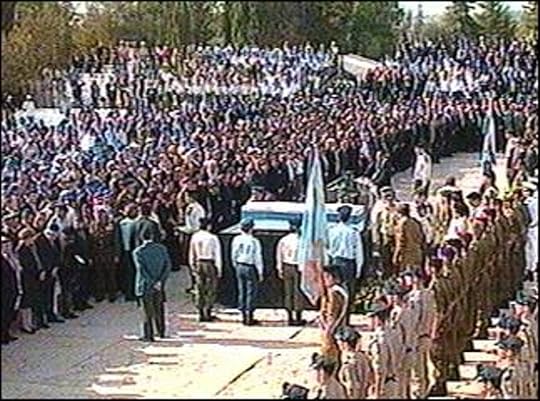
Un milione di israeliani partecipano il 6 novembre 1995 a Gerusalemme ai funerali di Stato del primo ministro israeliano Yitzhak Rabin. Due giorni prima un fanatico religioso ebreo l’aveva ucciso a Tel Aviv, alla fine di una manifestazione a favore degli accordi di Oslo.
Una pagina dietro l’altra, con gran fatica, ma quattrocento sono davvero troppe - con qualche interesse per la vicenda, ma a me interessa tutto quello che viene da Israele, a prescindere- con poco o nullo interesse per il tono e lo stile che adotti, io ti ho sentito piatto, caro Eshkol Nevo-Amir-Noa-Sima-Moshe-Saddiq-Yotam-Modi, piallato, appiattito. Monotono. M’hai sfiancato.
E poi, che bisogno avevi di trasformare ogni dramma, piccolo o grande, in una baruffa al gusto di banalità? che bisogno c’era d’insistere così tanto sul comico, sulla burla? d’inventare questo microcosmo di finta stucchevole innocenza e tanta naïveté? Hai paura di prenderti sul serio?

La fortezza che regala il nome alla località dove è ambientata la storia, Castel, o Maoz Zion.
Quattrocento e rotte pagine, con questa lingua ad altezza scuola media (davvero micidiale, uccide anche le migliori intenzioni), cos’è che vuoi raccontarmi che non avresti potuto dirmi nella metà delle pagine? Che Amir e Noa hanno nostalgia dei primi giorni che sono andati a vivere insieme perché poi la routine della convivenza ha spento il loro entusiasmo? Che Sima e Moshe hanno nostalgia di quando la religione, o meglio, l’educazione religiosa del figlio, non si era interposta tra loro, lei che è contraria, lui invece favorevole? Che Saddiq ha nostalgia di quando gli arabi avevano le loro case e i loro villaggi in Palestina prima della Nakba? Che Yotam e i suoi genitori hanno nostalgia del figlio morto, il loro Ghidi che rivorrebbero vivo? Che Modi ha nostalgia di casa perché è stato in viaggio (America Latina) troppo a lungo?
Sai che scoperta.

Fotografia di Sarah Ketelaars.
E poi nel finale, che secondo te chiude il cerchio, finale che fa apparire un happy ending hollywoodiano pallido e smunto per quanto sei stucchevole, che fai, o Eshkol Nevo, chiudi il cerchio della serenità, se non proprio felicità, per tutti, ma ti dimentichi proprio dell’unico arabo, Saddiq, a lui la nostalgia gliela lasci, lo tieni chiuso in prigione?! È questo il tuo essere realista?!

Fotografia di Sarah Ketelaars.
L’illusione della pace in una stretta di mano: 11:43 del 13 settembre 1993, Ytzak Rabin, primo ministro d’Israele, e Yasser Arafat, leader dell’OLP, firmano quelli che sono passati alla storia come gli accordi di Oslo, sotto l’occhi benevolente dell’allora presidente degli Stati Uniti, Bill Clinton.
Lo interessa di più conversare (non “parlare”, “conversare”. Anche lui, come me, predilige le belle parole).
E allora fammele leggere queste belle parole, o Amir: dove sono, dove le nascondi, perché non me le dici?
La verità, o Amir, è che tu parli (scrivi) in modo identico alla tua Noa. Ed entrambi avete la stessa identica voce dei vostri vicini, Sima e Moshe, da cui vi separa una parete sottilissima, più che altro un tramezzo.
E identica anche al tuo caro amico Modi che ti chiama fratello, o all’arabo Saddiq, è sempre la stessa voce.
Nessuna differenza neppure quando il testimone passa a Yotam, un bambino.
Parlate tutti nello stesso modo. Né adulto, né infantile, ma una via di mezzo. Tipo questo:
È bella, quella Gonzales, ho detto a Moshe, e lui ha ribattuto, sì, ma non come te, e mi ha dato un bacio sulla spalla e io ho detto, che buffo che sei, mica devi paragonare sempre tutte a me, anche se dentro di me ero contenta che lui continuasse con quella frase anche dopo due figli, ora che mi si sono ingrossate le cosce e i capelli hanno perso luminosità, come dicono negli spot pubblicitari, e ho persino qualche piccola ruga intorno agli occhi quando rido..
Un milione di israeliani partecipano il 6 novembre 1995 a Gerusalemme ai funerali di Stato del primo ministro israeliano Yitzhak Rabin. Due giorni prima un fanatico religioso ebreo l’aveva ucciso a Tel Aviv, alla fine di una manifestazione a favore degli accordi di Oslo.
Una pagina dietro l’altra, con gran fatica, ma quattrocento sono davvero troppe - con qualche interesse per la vicenda, ma a me interessa tutto quello che viene da Israele, a prescindere- con poco o nullo interesse per il tono e lo stile che adotti, io ti ho sentito piatto, caro Eshkol Nevo-Amir-Noa-Sima-Moshe-Saddiq-Yotam-Modi, piallato, appiattito. Monotono. M’hai sfiancato.
E poi, che bisogno avevi di trasformare ogni dramma, piccolo o grande, in una baruffa al gusto di banalità? che bisogno c’era d’insistere così tanto sul comico, sulla burla? d’inventare questo microcosmo di finta stucchevole innocenza e tanta naïveté? Hai paura di prenderti sul serio?
La fortezza che regala il nome alla località dove è ambientata la storia, Castel, o Maoz Zion.
Quattrocento e rotte pagine, con questa lingua ad altezza scuola media (davvero micidiale, uccide anche le migliori intenzioni), cos’è che vuoi raccontarmi che non avresti potuto dirmi nella metà delle pagine? Che Amir e Noa hanno nostalgia dei primi giorni che sono andati a vivere insieme perché poi la routine della convivenza ha spento il loro entusiasmo? Che Sima e Moshe hanno nostalgia di quando la religione, o meglio, l’educazione religiosa del figlio, non si era interposta tra loro, lei che è contraria, lui invece favorevole? Che Saddiq ha nostalgia di quando gli arabi avevano le loro case e i loro villaggi in Palestina prima della Nakba? Che Yotam e i suoi genitori hanno nostalgia del figlio morto, il loro Ghidi che rivorrebbero vivo? Che Modi ha nostalgia di casa perché è stato in viaggio (America Latina) troppo a lungo?
Sai che scoperta.
Fotografia di Sarah Ketelaars.
E poi nel finale, che secondo te chiude il cerchio, finale che fa apparire un happy ending hollywoodiano pallido e smunto per quanto sei stucchevole, che fai, o Eshkol Nevo, chiudi il cerchio della serenità, se non proprio felicità, per tutti, ma ti dimentichi proprio dell’unico arabo, Saddiq, a lui la nostalgia gliela lasci, lo tieni chiuso in prigione?! È questo il tuo essere realista?!
Fotografia di Sarah Ketelaars.

January 8, 2018
Being in a crappy mood - made me a little cynical - at times- while reading “Homesick”.
I’ll be discussing this book with my temple Jewish book club soon.
Jumping right in:
Here’s some dialogue ( then I’ll share the cynic-side...rather snotty side of me)
[“Do you love me, Amir?”
Yes
Why?
What do you mean, why?
I mean, what do you love about me?
Lots of things.
For example?
For example, the way you want. I really love the way you walk.
The way I walk?
Yes, quickly, like you’re in a hurry to get where you’re going.]
ME: WHAT THE F#&k?....what happens if the girl can’t walk any longer? What a stupid answer... what’s wrong with you buster?
MORE OF MY SNOTTY THINKING: I don’t want to read about a group of men and women who are searching for inner peace - who have experienced loss - and or hardships...
My heart wasn’t into this story —-but it was MY MOOD....I didn’t care enough about the character’s psyche.
Amir and Noa are young students —( Amir studying psychology- Noa studying photography). They moved into an apartment- house together between Tel Aviv and Jerusalem.
Sima and Moshe also live in the building with their two small children. Moshe’s parents - Avram and Gina also live in the building.
Next door is Yotam....a young boy whose parents recently loss their son Gidi to the war in Lebanon.
Saddiq is a Palestinian construction worker who lived in that house many years ago. He’s keeping a close eye on the house where his family use to live.
This story is a contemporary comic-tragedy story. It’ a captivating saga —looking at the intimate lives of people in Israel today.
Everyone has problems - but none of these problems make the 6 o’clock news.
It’s good....but I was still a little too crappy to appreciate it fully.
3.5
I’ll be discussing this book with my temple Jewish book club soon.
Jumping right in:
Here’s some dialogue ( then I’ll share the cynic-side...rather snotty side of me)
[“Do you love me, Amir?”
Yes
Why?
What do you mean, why?
I mean, what do you love about me?
Lots of things.
For example?
For example, the way you want. I really love the way you walk.
The way I walk?
Yes, quickly, like you’re in a hurry to get where you’re going.]
ME: WHAT THE F#&k?....what happens if the girl can’t walk any longer? What a stupid answer... what’s wrong with you buster?
MORE OF MY SNOTTY THINKING: I don’t want to read about a group of men and women who are searching for inner peace - who have experienced loss - and or hardships...
My heart wasn’t into this story —-but it was MY MOOD....I didn’t care enough about the character’s psyche.
Amir and Noa are young students —( Amir studying psychology- Noa studying photography). They moved into an apartment- house together between Tel Aviv and Jerusalem.
Sima and Moshe also live in the building with their two small children. Moshe’s parents - Avram and Gina also live in the building.
Next door is Yotam....a young boy whose parents recently loss their son Gidi to the war in Lebanon.
Saddiq is a Palestinian construction worker who lived in that house many years ago. He’s keeping a close eye on the house where his family use to live.
This story is a contemporary comic-tragedy story. It’ a captivating saga —looking at the intimate lives of people in Israel today.
Everyone has problems - but none of these problems make the 6 o’clock news.
It’s good....but I was still a little too crappy to appreciate it fully.
3.5

June 17, 2022
The events of the book unfold in the small town of Castel between Jerusalem and Tel Aviv. 1995, the year of the murder of Yitzhak Rabin. Noah (studying to be a photographer in Jerusalem) and Amir (a psychology student at Tel Aviv University) decide to live together, but to settle in one of these cities would be unfair to one of the two. Therefore, they decide to rent an apartment in the middle and take the bus to the place of study. In a small town, rent is more affordable than in expensive capitals.
She is a long-legged slender beauty, a talented photographer, although she has not yet found her own unique creative handwriting. He is a strong, handsome, charming guy, the epitome of reliability, calmness and friendliness. For admission to the magistracy, he volunteers in a club where people who have been cured in psychiatric clinics gather. Such an institution for more successful integration into society.
They rent an apartment from a married couple with two children, not much older than themselves, Sima, the wife, and at all the same age as Noah - a housewife. The boy is older, the girl is quite a baby. Husband, Moshe, bus driver. They have been together since school, he loves her madly, but is very attached to his orthodox religious family, and Sima, whose father, having "seen the light", left his mother and his sister for the sake of religion, treats faith coolly.
There is also a boy next door whose older brother, a soldier, had died in Lebanon shortly before and his world collapsed. Not only because he is grieving the loss, but because it deprived him of his parents. Mom stopped doing anything around the house, looks at the photos of Gidi all day and cries, father leaves at dawn, returns after dark, eats quietly quickly and goes to his room. The living room of their house is lined with candles and portraits and looks like a room where a party is going on.
Однажды в Израиле
Хочу больше читать. Кататься на велосипеде. Ладить с сестрой. Чаще смотреть людям в глаза. Чаще говорить правду.
Еще я хочу домой.
События книги разворачиваются в маленьком городке Кастель между Иерусалимом и Тель-Авивом. 1995, год убийства Ицхака Рабина. Ноа (учится на фотографа в Иерусалиме) и Амир (студент психолог Тель-Авивского Университета) решают жить вместе, но поселиться в одном из этих городов было бы нечестно по отношению к кому-то из двоих. Потому решают снять квартиру посередине и автобусом добираться к месту учебы. В маленьком городке и аренда доступнее, чем в дорогих столицах.
Она длинноногая стройная красавица, талантливый фотограф, хотя пока еще не нашла своего своего неповторимого творческого почерка. Он крепкий красивый обаятельный парень, воплощенная надежность, спокойствие и дружелюбие. Для поступления в магистратуру волонтерствует в клубе, где собираются люди, проходившие излечение в психиатрических клиниках. Такое учреждение для более успешной интеграции в социум.
Снимают квартиру у семейной пары с двумя детьми, ненамного старше себя, Сима, жена, так и вовсе ровесница Ноа - домохозяйка. Мальчик у них постарше, девочка совсем малышка. Муж, Моше, водитель автобуса. Они вместе со школы, он любит ее безумно, но очень привязан к своей ортодоксально религиозной семье, а Сима, чей отец, "прозрев" оставил маму и их с сестрой ради религии относится к вере прохладно.
По соседству живет еще мальчишка, старший брат которого, солдат, незадолго до этого погиб в Ливане и его мир рухнул. Не только потому, что он тяжело переживает утрату, но потому, что это лишило его родителей. Мама перестала делать что-нибудь по дому, целыми днями разглядывает фотографии Гиди и плачет, отец уходит с рассветом, возвращается затемно, тихо быстро ест и уходит в свою комнату. Гостиная их дома уставлена свечами и портретами и похожа на комнату, где идет тризна.
Есть еще араб Саддик, чью семью выселили из этого дома после шестидневной войны, позволив взять лишь самое необходимое, когда он был еще ребенком. Теперь здесь живут чужие люди, евреи, но мама раз за разом на всех родственных посиделках пересказывает историю их изгнания и печалится, что в суматохе сборов не забрала нечто очень важное, принадлежащее семье. Саддик, нанявшись рабочим на стройку в соседнем доме, надеется добыть эту вещь и отдать матери.
У каждого своя жизнь. своя боль, свои проблемы, на фоне серьезных общих: убийство Рабина, теракты, тревога, беспокойство, одиночество вдвоем, соблазны, ревность. Эшколь Нево мастер тонкой и точной психологической прозы, фиксирующей малейшие оттенки отношения и душевные движения персонажей. Структурно книга выстроена как коротенькие главки-монологи участников событий, которые перемежаются, передавая друг другу эстафету рассказа о событиях.
Без заголовков, без предуведомления, поначалу сложновато, но ориентироваться начинаешь скоро, потому что стиль монологов узнаваем, и тогда это воспринимается как своего рода интеллектуальная игра. Не могу не сказать о прекрасной работе Виктора Радуцкого, для которого этот роман стал последним, я читала в его переводе "Как-то лошадь входит в бар" Давида Гроссмана и впечатление тоже очень сильное.
Какой-то одной интриги, вокруг которой завяжется общее действие, в романе не будет. Нево предпочитает выращиватт цельное впечатление из многих частных историй: "Три этажа", "Симметрия желаний", "Медовые дни" - везде звук нескольких инструментов соединяется в гармонию ансамбля. "Тоска по дому" не исключение. И все же сцену изгнания беса можно считать кульминационной, она чудо как хороша: жутковатая, гомерически смешная, печальная - все вместе.
Умная тонкая глубокая книга о непростых отношениях простых людей в непростые опасные времена.
She is a long-legged slender beauty, a talented photographer, although she has not yet found her own unique creative handwriting. He is a strong, handsome, charming guy, the epitome of reliability, calmness and friendliness. For admission to the magistracy, he volunteers in a club where people who have been cured in psychiatric clinics gather. Such an institution for more successful integration into society.
They rent an apartment from a married couple with two children, not much older than themselves, Sima, the wife, and at all the same age as Noah - a housewife. The boy is older, the girl is quite a baby. Husband, Moshe, bus driver. They have been together since school, he loves her madly, but is very attached to his orthodox religious family, and Sima, whose father, having "seen the light", left his mother and his sister for the sake of religion, treats faith coolly.
There is also a boy next door whose older brother, a soldier, had died in Lebanon shortly before and his world collapsed. Not only because he is grieving the loss, but because it deprived him of his parents. Mom stopped doing anything around the house, looks at the photos of Gidi all day and cries, father leaves at dawn, returns after dark, eats quietly quickly and goes to his room. The living room of their house is lined with candles and portraits and looks like a room where a party is going on.
Однажды в Израиле
Хочу больше читать. Кататься на велосипеде. Ладить с сестрой. Чаще смотреть людям в глаза. Чаще говорить правду.
Еще я хочу домой.
События книги разворачиваются в маленьком городке Кастель между Иерусалимом и Тель-Авивом. 1995, год убийства Ицхака Рабина. Ноа (учится на фотографа в Иерусалиме) и Амир (студент психолог Тель-Авивского Университета) решают жить вместе, но поселиться в одном из этих городов было бы нечестно по отношению к кому-то из двоих. Потому решают снять квартиру посередине и автобусом добираться к месту учебы. В маленьком городке и аренда доступнее, чем в дорогих столицах.
Она длинноногая стройная красавица, талантливый фотограф, хотя пока еще не нашла своего своего неповторимого творческого почерка. Он крепкий красивый обаятельный парень, воплощенная надежность, спокойствие и дружелюбие. Для поступления в магистратуру волонтерствует в клубе, где собираются люди, проходившие излечение в психиатрических клиниках. Такое учреждение для более успешной интеграции в социум.
Снимают квартиру у семейной пары с двумя детьми, ненамного старше себя, Сима, жена, так и вовсе ровесница Ноа - домохозяйка. Мальчик у них постарше, девочка совсем малышка. Муж, Моше, водитель автобуса. Они вместе со школы, он любит ее безумно, но очень привязан к своей ортодоксально религиозной семье, а Сима, чей отец, "прозрев" оставил маму и их с сестрой ради религии относится к вере прохладно.
По соседству живет еще мальчишка, старший брат которого, солдат, незадолго до этого погиб в Ливане и его мир рухнул. Не только потому, что он тяжело переживает утрату, но потому, что это лишило его родителей. Мама перестала делать что-нибудь по дому, целыми днями разглядывает фотографии Гиди и плачет, отец уходит с рассветом, возвращается затемно, тихо быстро ест и уходит в свою комнату. Гостиная их дома уставлена свечами и портретами и похожа на комнату, где идет тризна.
Есть еще араб Саддик, чью семью выселили из этого дома после шестидневной войны, позволив взять лишь самое необходимое, когда он был еще ребенком. Теперь здесь живут чужие люди, евреи, но мама раз за разом на всех родственных посиделках пересказывает историю их изгнания и печалится, что в суматохе сборов не забрала нечто очень важное, принадлежащее семье. Саддик, нанявшись рабочим на стройку в соседнем доме, надеется добыть эту вещь и отдать матери.
У каждого своя жизнь. своя боль, свои проблемы, на фоне серьезных общих: убийство Рабина, теракты, тревога, беспокойство, одиночество вдвоем, соблазны, ревность. Эшколь Нево мастер тонкой и точной психологической прозы, фиксирующей малейшие оттенки отношения и душевные движения персонажей. Структурно книга выстроена как коротенькие главки-монологи участников событий, которые перемежаются, передавая друг другу эстафету рассказа о событиях.
Без заголовков, без предуведомления, поначалу сложновато, но ориентироваться начинаешь скоро, потому что стиль монологов узнаваем, и тогда это воспринимается как своего рода интеллектуальная игра. Не могу не сказать о прекрасной работе Виктора Радуцкого, для которого этот роман стал последним, я читала в его переводе "Как-то лошадь входит в бар" Давида Гроссмана и впечатление тоже очень сильное.
Какой-то одной интриги, вокруг которой завяжется общее действие, в романе не будет. Нево предпочитает выращиватт цельное впечатление из многих частных историй: "Три этажа", "Симметрия желаний", "Медовые дни" - везде звук нескольких инструментов соединяется в гармонию ансамбля. "Тоска по дому" не исключение. И все же сцену изгнания беса можно считать кульминационной, она чудо как хороша: жутковатая, гомерически смешная, печальная - все вместе.
Умная тонкая глубокая книга о непростых отношениях простых людей в непростые опасные времена.

November 10, 2014
Nostalgia di domani.
Di domani più che di ieri in questo secondo romanzo di Eshkol Nevo che leggo, il suo primo, più intimo e complesso.
Apparentemente più maturo e sofisticato de La simmetria dei desideri, sicuramente meno complice, intriso ancor più di quel senso di appartenenza e al tempo stesso di estraneità che già avevo trovato nei quattro amici israeliani, di quella forza centrifuga e centripeta che li avvicina e allontana alla loro terra in un frullato continuo di emozioni e sensazioni uguali e contrarie, eppure più difficile da avvicinare.
C'è un luogo, in termini geografici si tratta di un valico, dove tra due gobbe, proprio dove prima era un campo di transito per gli immigrati giunti dal Kurdistan, nome ufficioso Castel, nome ufficiale Maoz Zion, un piccolo insediamento ebreo ha preso il posto dei precedenti abitanti palestinesi sfollati durante la guerra d'Indipendenza del '48.
C'è un posto, a Castel, a metà strada tra Tel Aviv e Gerusalemme, dove in una casa divisa vivono Sima e Moshe e i loro due bambini, gli anziani genitori di Moshe, e dove, in una piccola porzione in subaffitto con uno sportello nel muro che li unisce li divide, arrivano Noa e Amir, per amore.
È una scomposizione di immagini quella che ci presenta Nevo, che scompone per ricomporre, attraverso le voci che si susseguono, per restituirci, attraverso un'immagine collettiva, per raccontarci, proprio così come cerca di fare Noa, studentessa di fotografia in cerca dell'argomento per la sua tesi di fine anno, per ricostruire un tutto.
O come non riesce a fare Amir, studente di psicologia schiacciato dal Centro dove trascorre il suo tempo come volontario e dalla sua incapacità a mettere radici, o come vorrebbe fare Yotam, che abita proprio lì vicino e passa le sue giornate da solo o a giocare a scacchi con Amir, trascurato dai suoi genitori, chiusi nel proprio dolore da quando il fratello Ghidi è morto in Libano, o come non può fare Saddiq, operaio arabo che lavora alla ristrutturazione di un'abitazione proprio di fronte, che da quel villaggio, da quella casa che guarda tutti i giorni, è stato cacciato cinquant'anni prima insieme alla sua famiglia.
C'è nostalgia in ciascuno di loro, una nostalgia che nasce da ieri ma che si proietta in un'assenza che viene da domani, una nostalgia che avvolge tutti, che attraversa le strade di Gerusalemme e Tel Aviv e trova il suo fuoco nell'assassinio di Yitzhak Rabin, e che a noi che siamo lì, a guardare le luci delle loro case, a sentire le loro canzoni sussurrate, che alziamo il coperchio delle loro pentole per scoprire il profumo dei mille e uno modi per cucinare i kube, che passiamo attraverso ai muri e alle pareti di cartongesso che li separano, che percorriamo i vialetti che dividono una porta dall'altra, un respiro da un bacio, una lacrima da un sorriso, sembra di quasi di poter toccare, per permetterci finalmente di fissare la nostra fotografia: comporre, aprire l'otturatore, scegliere la luce migliore, inquadrare, e infine scattare.
Una nostalgia che forse è possibile capire solo andando lontano, come fa Modi, che dal Sudamerica scrive lunghe e vivaci lettere all'amico Amir.
Andare per tornare.
Partire per ritrovarsi.
Finalmente a casa, fratello, ovunque sia casa.
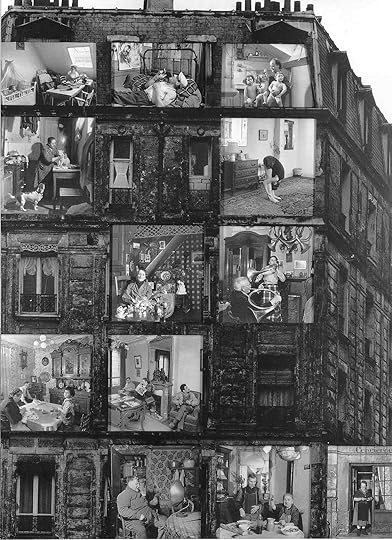
[Sono due giorni che ho aperto questa immagine sul monitor, da quando mi è venuta in mente pensando alla casa di Castel; che non è così grande, ma mi è apparsa così, esposta ai nostri sguardi mentre la vita continua.
La foto l'ho vista il 20 ottobre al Palazzo delle Esposizioni nell'ambito della mostra Robert Doisneau - Paris en libertà]
Di domani più che di ieri in questo secondo romanzo di Eshkol Nevo che leggo, il suo primo, più intimo e complesso.
Apparentemente più maturo e sofisticato de La simmetria dei desideri, sicuramente meno complice, intriso ancor più di quel senso di appartenenza e al tempo stesso di estraneità che già avevo trovato nei quattro amici israeliani, di quella forza centrifuga e centripeta che li avvicina e allontana alla loro terra in un frullato continuo di emozioni e sensazioni uguali e contrarie, eppure più difficile da avvicinare.
C'è un luogo, in termini geografici si tratta di un valico, dove tra due gobbe, proprio dove prima era un campo di transito per gli immigrati giunti dal Kurdistan, nome ufficioso Castel, nome ufficiale Maoz Zion, un piccolo insediamento ebreo ha preso il posto dei precedenti abitanti palestinesi sfollati durante la guerra d'Indipendenza del '48.
C'è un posto, a Castel, a metà strada tra Tel Aviv e Gerusalemme, dove in una casa divisa vivono Sima e Moshe e i loro due bambini, gli anziani genitori di Moshe, e dove, in una piccola porzione in subaffitto con uno sportello nel muro che li unisce li divide, arrivano Noa e Amir, per amore.
È una scomposizione di immagini quella che ci presenta Nevo, che scompone per ricomporre, attraverso le voci che si susseguono, per restituirci, attraverso un'immagine collettiva, per raccontarci, proprio così come cerca di fare Noa, studentessa di fotografia in cerca dell'argomento per la sua tesi di fine anno, per ricostruire un tutto.
O come non riesce a fare Amir, studente di psicologia schiacciato dal Centro dove trascorre il suo tempo come volontario e dalla sua incapacità a mettere radici, o come vorrebbe fare Yotam, che abita proprio lì vicino e passa le sue giornate da solo o a giocare a scacchi con Amir, trascurato dai suoi genitori, chiusi nel proprio dolore da quando il fratello Ghidi è morto in Libano, o come non può fare Saddiq, operaio arabo che lavora alla ristrutturazione di un'abitazione proprio di fronte, che da quel villaggio, da quella casa che guarda tutti i giorni, è stato cacciato cinquant'anni prima insieme alla sua famiglia.
C'è nostalgia in ciascuno di loro, una nostalgia che nasce da ieri ma che si proietta in un'assenza che viene da domani, una nostalgia che avvolge tutti, che attraversa le strade di Gerusalemme e Tel Aviv e trova il suo fuoco nell'assassinio di Yitzhak Rabin, e che a noi che siamo lì, a guardare le luci delle loro case, a sentire le loro canzoni sussurrate, che alziamo il coperchio delle loro pentole per scoprire il profumo dei mille e uno modi per cucinare i kube, che passiamo attraverso ai muri e alle pareti di cartongesso che li separano, che percorriamo i vialetti che dividono una porta dall'altra, un respiro da un bacio, una lacrima da un sorriso, sembra di quasi di poter toccare, per permetterci finalmente di fissare la nostra fotografia: comporre, aprire l'otturatore, scegliere la luce migliore, inquadrare, e infine scattare.
Una nostalgia che forse è possibile capire solo andando lontano, come fa Modi, che dal Sudamerica scrive lunghe e vivaci lettere all'amico Amir.
Andare per tornare.
Partire per ritrovarsi.
Finalmente a casa, fratello, ovunque sia casa.
[Sono due giorni che ho aperto questa immagine sul monitor, da quando mi è venuta in mente pensando alla casa di Castel; che non è così grande, ma mi è apparsa così, esposta ai nostri sguardi mentre la vita continua.
La foto l'ho vista il 20 ottobre al Palazzo delle Esposizioni nell'ambito della mostra Robert Doisneau - Paris en libertà]
December 9, 2010
The original Hebrew title of this book, arbaa batim ve-gaagua (four homes and longing), is a far better description of its story. One home belongs to Noa, a photography student, and Amir, her boyfriend studying psychology, who have decided to move in together and found an apartment to rent. The second home is that of their landlords, Moshe and Sima, a married couple not much older than Noa and Amir who have two young children. In the third home, a boy named Yotam has just lost his beloved older brother in the army and is being emotionally neglected by his grieving parents. And finally, Saddiq, an Arab worker doing construction on a neighboring house, realizes that one of the homes in the neighborhood belonged to his family before the Independence War, and Saddiq is determined to enter the house to reclaim a hidden possession of his mother's.
The viewpoint shifts continually between these individuals as we watch Noa and Amir endure individual tensions in their chosen fields of study as well as communication difficulties in their relationship; Sima and Moshe begin to question their chosen lifestyle and their bond; Yotam makes increasingly desperate attempts to regain his bereaved parents' attention; and Saddiq strives to enter the house legally and non-violently but the consequences prove drastic.
Although I'm not usually a fan of shifting viewpoints, I was able to get into the story without too much difficulty. I found Noa and Amir's difficulties a bit difficult to understand at times, and it seemed to me that some of Amir's angst might have been remediated earlier and less dramatically. On a pickier note, I was also a bit surprised at Eshkol Nevo's ignorance when it came to basic Orthodox rituals. Eshkol, you live here in Israel -- how hard could it be to find an Orthodox fact-checker to avoid such blatant and distracting mistakes?
Despite all these gripes, I found myself caught up in these three-dimensional characters and in seeing where life would take them. Eshkol created interesting personalities and situations while keeping the story grounded in day-to-day details and realistic events. I also felt that the atmosphere and culture of Israel was evoked beautifully.
It's not a perfect book, but it was certainly a good read.
The viewpoint shifts continually between these individuals as we watch Noa and Amir endure individual tensions in their chosen fields of study as well as communication difficulties in their relationship; Sima and Moshe begin to question their chosen lifestyle and their bond; Yotam makes increasingly desperate attempts to regain his bereaved parents' attention; and Saddiq strives to enter the house legally and non-violently but the consequences prove drastic.
Although I'm not usually a fan of shifting viewpoints, I was able to get into the story without too much difficulty. I found Noa and Amir's difficulties a bit difficult to understand at times, and it seemed to me that some of Amir's angst might have been remediated earlier and less dramatically. On a pickier note, I was also a bit surprised at Eshkol Nevo's ignorance when it came to basic Orthodox rituals. Eshkol, you live here in Israel -- how hard could it be to find an Orthodox fact-checker to avoid such blatant and distracting mistakes?
Despite all these gripes, I found myself caught up in these three-dimensional characters and in seeing where life would take them. Eshkol created interesting personalities and situations while keeping the story grounded in day-to-day details and realistic events. I also felt that the atmosphere and culture of Israel was evoked beautifully.
It's not a perfect book, but it was certainly a good read.

March 30, 2023
İsrailli yazar Eşkol Nevo’nun eseri Dört Ev Hep Hasret, 1995 yılında Kudüs’te, komşu dört ailenin hikayesini anlatan muhteşem bir roman. Biri fotoğrafçılık diğeri psikoloji okuyan ve birlikte yaşamaya karar veren genç bir çift, biri seküler diğeri dindar bir aileden gelen ve bu farklılıklarının çatışmasını yaşarken çocuklarını yetiştirmeye çalışan evli bir çift, büyük oğullarını savaşta kaybeden ve yaslarını tutarken küçük oğulları dahil her şeyden elini eteğini çeken bir anne-baba ve kovulduğu evinin hasretiyle yaşayan Arap bir inşaat işçisinin birbiriyle kesişen hikayeleriyle beraber ‘ev’i irdelerken arka planda da tarihi, kültürü, göçmenleri, inanç ve çatışmalarıyla bir İsrail portresi çiziyor Nevo.
‘Ev’e hepsi etkileyici ve gerçekçi, pek çok farklı açıdan yaklaşıyor yazar: Dışarıda aldığımız yaraları dönüp sağalttığımız duygusal sığınağımız. Hem en özgür, en maskesiz olduğumuz hem de sevdiklerimizle ortak bir yaşam alanı oluşturabilmek için belki de özgürlüğümüzden en çok ve gönüllü olarak feragat ettiğimiz yer. Hem kuşandığımız tüm kalkanları bırakıp çırılçıplak kalabildiğimiz hem de aslında en kolay ve en çok incinebildiğimiz yer. Değer yargılarımızın, kimliğimizin, dünya görüşümüzün şekillendiği, adeta hamur gibi yoğurulduğumuz ve aynı şekilde çocuklarımızı da şekillendirdiğimiz yer, belki bu açıdan kendi içindeki çatışmalarıyla da bir mikro toplum. Ailemiz, geçmişimiz, çocukluğumuz, anılarımız ama bazen birkaç saniyede depremde, bazen savaşta kaybettiğimiz, kimi zaman kendi isteğimizle kimi zaman zorla arkamızda bırakıp göç ettiğimiz, yine de kafamızda hep geri döndüğümüz, kaybettiğimizde içimizde hep hasretini taşıdığımız yer.
Hem aslında pek fazla okumadığımız bir coğrafyayı aktarmış yazar, hem de hikayeler çok tanıdık. Her karakterin ayrı ayrı dokunaklı hikayesi, adeta bir mozaiğin parçaları gibi bir araya gelmiş ve bambaşka dünyalar, çok yönlü ve oldukça da objektif bir toplumsal portre çıkmış ortaya. Anlattıklarının yanı sıra anlatımındaki ustalığıyla da büyüledi beni kitap. Hikayenin çoğunu farklı karakterlerin gözünden anlatan yazar nadiren de Tanrısal bakış açısı kullanmış ve bunu çok ustalıklı bir şekilde kotarmış. Çok ama çok beğendim.
‘Ev’e hepsi etkileyici ve gerçekçi, pek çok farklı açıdan yaklaşıyor yazar: Dışarıda aldığımız yaraları dönüp sağalttığımız duygusal sığınağımız. Hem en özgür, en maskesiz olduğumuz hem de sevdiklerimizle ortak bir yaşam alanı oluşturabilmek için belki de özgürlüğümüzden en çok ve gönüllü olarak feragat ettiğimiz yer. Hem kuşandığımız tüm kalkanları bırakıp çırılçıplak kalabildiğimiz hem de aslında en kolay ve en çok incinebildiğimiz yer. Değer yargılarımızın, kimliğimizin, dünya görüşümüzün şekillendiği, adeta hamur gibi yoğurulduğumuz ve aynı şekilde çocuklarımızı da şekillendirdiğimiz yer, belki bu açıdan kendi içindeki çatışmalarıyla da bir mikro toplum. Ailemiz, geçmişimiz, çocukluğumuz, anılarımız ama bazen birkaç saniyede depremde, bazen savaşta kaybettiğimiz, kimi zaman kendi isteğimizle kimi zaman zorla arkamızda bırakıp göç ettiğimiz, yine de kafamızda hep geri döndüğümüz, kaybettiğimizde içimizde hep hasretini taşıdığımız yer.
Hem aslında pek fazla okumadığımız bir coğrafyayı aktarmış yazar, hem de hikayeler çok tanıdık. Her karakterin ayrı ayrı dokunaklı hikayesi, adeta bir mozaiğin parçaları gibi bir araya gelmiş ve bambaşka dünyalar, çok yönlü ve oldukça da objektif bir toplumsal portre çıkmış ortaya. Anlattıklarının yanı sıra anlatımındaki ustalığıyla da büyüledi beni kitap. Hikayenin çoğunu farklı karakterlerin gözünden anlatan yazar nadiren de Tanrısal bakış açısı kullanmış ve bunu çok ustalıklı bir şekilde kotarmış. Çok ama çok beğendim.

October 11, 2018
Quando lo finisci ne hai nostalgia .....
bello e interessante per conoscere meglio la vita quotidiana in quella terra martoriata, e , con molta leggerezza ed obiettività, anche i pensieri di coloro che hanno dovuto abbandonare le loro case. Le cose non sono mai tutte bianche o tutte nere ( e questo vale da duemila anni) Ma Nevo non dà giudizi nè "sputa sentenze " e questo un suo grandissimo pregio! Nel finale si riprende alla grande e la parte del bambino che và a salutare mi ha commosso. Sempre consigliato! Adesso che l'ho terminato,ho già nostalgia di Nevo.
bello e interessante per conoscere meglio la vita quotidiana in quella terra martoriata, e , con molta leggerezza ed obiettività, anche i pensieri di coloro che hanno dovuto abbandonare le loro case. Le cose non sono mai tutte bianche o tutte nere ( e questo vale da duemila anni) Ma Nevo non dà giudizi nè "sputa sentenze " e questo un suo grandissimo pregio! Nel finale si riprende alla grande e la parte del bambino che và a salutare mi ha commosso. Sempre consigliato! Adesso che l'ho terminato,ho già nostalgia di Nevo.

July 4, 2008
So the first question that came to my (actually Anthony's) mind when I started reading this book was, WTF, did my grandmother ghost-write this thing? There are several reasons to believe that she did: (a) she is a relatively successful writer (mainly of children's books) in Israel, (b) she recommended this book to me, bought me a copy four years ago and proceeded to ask me several times whether I'd read it yet, (c) for no particular reason, the author points out that one of the characters works in Ramat Hen, which is the neighborhood where my parents live in Ramat Gan - and who the hell has heard of that neighborhood? and (d) there is a couple in the book named Moshe and Sima, and those are her PARENTS' names! And OK, I'll admit that Moshe is a super common name in Israel, but Sima isn't, and Moshe AND Sima? Together?!
On second thought, she probably didn't write this, because there are quite a few (really mild) sex scenes here, and not once does anyone mention feeling anyone else's erection through their pants. And that is one of her trademarks. I know, ew.
So assuming that Eshkol Nevo is a real person and the actual author of this book, I'll just say that though this wasn't the deepest or best written piece of literature I've picked up in the past year, it was definitely an enjoyable read - probably a lot more enjoyable than most of the deeper and better books out there. Also, it's in divided into teeny tiny little pieces, with alternating points of view (I'm on the fence about whether I liked this or not), so it's perfect for the subway.
The story is set in the mid-90s, when both Kurt Cobain and Itzhak Rabin died. It's about two couples who share a wall in a duplex in an Israeli neighborhood called the Kastel - described in the book as a town midway between Tel Aviv and Jerusalem. The structure invites some potentially disastrous racial stereotyping - on one side we have Amir and Noa, white bourgeois university students, she's studying photography at the Bezalel art school and he's studying psychology at Tel Aviv University; and on the other side are the Kurdish Moshe and Sima, he's a bus driver, she's curvy and outspoken and takes care of the kids and cooks a lot. But it seems that Nevo makes a serious effort to consider each character as a human being and to present them all in three dimensions. The book is full of middle-school-type revelations ("You know, you can really tell a lot about a person by the kind of music they listen to"), but I thought that was kind of sweet. For Israelis, I think the book was very Israeli in that reassuring "in Israel you can define pretty much anyone in two words" kind of way, meaning that you don't have to work too hard to feel like you understand where the different characters are coming from. The one thing that drove me up the wall was that some of the passages - for no apparent reason - were written in rhyme. I really, really hope that the English translator decided to forgo that particular stylistic flourish.
On second thought, she probably didn't write this, because there are quite a few (really mild) sex scenes here, and not once does anyone mention feeling anyone else's erection through their pants. And that is one of her trademarks. I know, ew.
So assuming that Eshkol Nevo is a real person and the actual author of this book, I'll just say that though this wasn't the deepest or best written piece of literature I've picked up in the past year, it was definitely an enjoyable read - probably a lot more enjoyable than most of the deeper and better books out there. Also, it's in divided into teeny tiny little pieces, with alternating points of view (I'm on the fence about whether I liked this or not), so it's perfect for the subway.
The story is set in the mid-90s, when both Kurt Cobain and Itzhak Rabin died. It's about two couples who share a wall in a duplex in an Israeli neighborhood called the Kastel - described in the book as a town midway between Tel Aviv and Jerusalem. The structure invites some potentially disastrous racial stereotyping - on one side we have Amir and Noa, white bourgeois university students, she's studying photography at the Bezalel art school and he's studying psychology at Tel Aviv University; and on the other side are the Kurdish Moshe and Sima, he's a bus driver, she's curvy and outspoken and takes care of the kids and cooks a lot. But it seems that Nevo makes a serious effort to consider each character as a human being and to present them all in three dimensions. The book is full of middle-school-type revelations ("You know, you can really tell a lot about a person by the kind of music they listen to"), but I thought that was kind of sweet. For Israelis, I think the book was very Israeli in that reassuring "in Israel you can define pretty much anyone in two words" kind of way, meaning that you don't have to work too hard to feel like you understand where the different characters are coming from. The one thing that drove me up the wall was that some of the passages - for no apparent reason - were written in rhyme. I really, really hope that the English translator decided to forgo that particular stylistic flourish.

November 7, 2023
As Shakespeare said "the course of true love never did run smooth." When Amir and Noa, both students, decide to move in together in a settlement between Jersalem and Tel Aviv they were enthusiastic, full of their dreams for a life together. As most of us know, being together always can test a relationship. Amir and Noa aren't the only ones in the novel. Next door (literally, on the other side of a thin wall) are Sima and Moshe, who drives a bus, married for 8 years with two small children. Across the way is Yotam who has not yet celebrated his Bar Mitzvah. His older brother was killed in Lebanon a couple of months before the novel opens. Not only is he suffering, but the loss of their first born is affecting Yotam's parents in different ways, ways that the other cannot understand. Their suffering has them nearly ignoring their other son.
The novel takes place in 1995. Israel's Prime Minister Itzak Rabin was assassinated that year. It was a year when suicide bombers blew themselves up on the buses of Jerusalem and Tel Aviv. These suicide bombers in particular are of concern to the novel's characters. But that sort of danger also has them realize that, even though no relationship is ever perfect, their mates and family are the most important things in their lives.
This is told mostly in the first person. However, that first person rotates. The first time there was a change I was completely at sea. In the first several sentences I wasn't sure who was speaking. Soon, however, I became familiar enough with the characters that I was able to follow the story from the different points of view. I have to admit, though, that I was more than halfway before I came to see that this changing point of view was pretty much the perfect way to tell this story.
I purchased this book over 3 years ago. I kept meaning to get to it, but it never became a priority. I'm glad now that I waited. Although it was originally published nearly 20 years ago, I'm sure it held more meaning for me today. It might not be 5-stars for others, or for another time, but I'm glad I waited for it.
The novel takes place in 1995. Israel's Prime Minister Itzak Rabin was assassinated that year. It was a year when suicide bombers blew themselves up on the buses of Jerusalem and Tel Aviv. These suicide bombers in particular are of concern to the novel's characters. But that sort of danger also has them realize that, even though no relationship is ever perfect, their mates and family are the most important things in their lives.
This is told mostly in the first person. However, that first person rotates. The first time there was a change I was completely at sea. In the first several sentences I wasn't sure who was speaking. Soon, however, I became familiar enough with the characters that I was able to follow the story from the different points of view. I have to admit, though, that I was more than halfway before I came to see that this changing point of view was pretty much the perfect way to tell this story.
I purchased this book over 3 years ago. I kept meaning to get to it, but it never became a priority. I'm glad now that I waited. Although it was originally published nearly 20 years ago, I'm sure it held more meaning for me today. It might not be 5-stars for others, or for another time, but I'm glad I waited for it.

August 27, 2017
Un borgo pacifico dorato dal sole
Vari autori israeliani raccontano vicende al plurale, non accontentandosi di una famiglia ma allargando lo sguardo verso il villaggio o il kibbutz. Sono spesso belle letture, perché consentono di farsi un’idea più ampia delle persone ma anche delle relazioni interpersonali e della realtà israeliana.
La storia si svolge in un paesino fra Gerusalemme e Tel Aviv, di nome Castel, popolato da ebrei di origine curda. Qui vengono ad abitare due giovani, Noa studia fotografia all’università di Gerusalemme, Amir psicologia a Tel Aviv.
Castel, in cima a una collina, sembra evocare un’idea di un borgo pacifico dorato dal sole.
In realtà passioni e drammi ronzano nel silenzio. Noa e Amir sono gli unici estranei nella piccola comunità, Nevo racconta la difficoltà di adattarsi a una vita comune senza sentirsi invasi dall’altro.
Accanto a loro i padroni di casa, Sima e Moshe, anche questa una giovane coppia con due bambini piccoli.
Sima invidia Noa per la sua bellezza e gli studi universitari ed è in contrasto con Moshe che vorrebbe mandare i bambini a una scuola religiosa. Lì vicino abita una famiglia il cui figlio maggiore è morto durante il servizio militare. I genitori sono annientati e ignorano completamente il figlio minore, che trova un amico in Amir. Saddiq, un muratore arabo, entra in una casa del villaggio che apparteneva alla sua famiglia, prima che il villaggio venisse occupato dai soldati israeliani e riconosce una stanza dopo l’altra.
Nevo è uno scrittore con una grande sensibilità ed è molto bravo a raccontare le storie di queste persone, ciascuna con una cassa di risonanza privata. E’ toccante quella di Saddiq, che viene rappresentato nella sua dignità di persona mite vittima di un’ingiustizia e anche quella del bambino trascurato che cerca di attirare su di sé l’attenzione degli adulti. Sullo sfondo, una paio di attentati a Tel Aviv, giusto per non farsi mancare niente della realtà israeliana. La nostalgia è soprattutto di Saddiq, nel suo avere in mano i documenti di proprietà di una casa che non è più sua, nel vivere una vita in un luogo altro da quello che sarebbe dovuto essere.
Vari autori israeliani raccontano vicende al plurale, non accontentandosi di una famiglia ma allargando lo sguardo verso il villaggio o il kibbutz. Sono spesso belle letture, perché consentono di farsi un’idea più ampia delle persone ma anche delle relazioni interpersonali e della realtà israeliana.
La storia si svolge in un paesino fra Gerusalemme e Tel Aviv, di nome Castel, popolato da ebrei di origine curda. Qui vengono ad abitare due giovani, Noa studia fotografia all’università di Gerusalemme, Amir psicologia a Tel Aviv.
Castel, in cima a una collina, sembra evocare un’idea di un borgo pacifico dorato dal sole.
In realtà passioni e drammi ronzano nel silenzio. Noa e Amir sono gli unici estranei nella piccola comunità, Nevo racconta la difficoltà di adattarsi a una vita comune senza sentirsi invasi dall’altro.
Accanto a loro i padroni di casa, Sima e Moshe, anche questa una giovane coppia con due bambini piccoli.
Sima invidia Noa per la sua bellezza e gli studi universitari ed è in contrasto con Moshe che vorrebbe mandare i bambini a una scuola religiosa. Lì vicino abita una famiglia il cui figlio maggiore è morto durante il servizio militare. I genitori sono annientati e ignorano completamente il figlio minore, che trova un amico in Amir. Saddiq, un muratore arabo, entra in una casa del villaggio che apparteneva alla sua famiglia, prima che il villaggio venisse occupato dai soldati israeliani e riconosce una stanza dopo l’altra.
Nevo è uno scrittore con una grande sensibilità ed è molto bravo a raccontare le storie di queste persone, ciascuna con una cassa di risonanza privata. E’ toccante quella di Saddiq, che viene rappresentato nella sua dignità di persona mite vittima di un’ingiustizia e anche quella del bambino trascurato che cerca di attirare su di sé l’attenzione degli adulti. Sullo sfondo, una paio di attentati a Tel Aviv, giusto per non farsi mancare niente della realtà israeliana. La nostalgia è soprattutto di Saddiq, nel suo avere in mano i documenti di proprietà di una casa che non è più sua, nel vivere una vita in un luogo altro da quello che sarebbe dovuto essere.

February 22, 2016
ספר מקסים! הכי אהבתי את הגעגוע בסוף. היה מקבל ממני חמישה כוכבים אם נבו היה מוריד את החרוזים המעצבנים שהופיעו פתאום בחלק מהקטעים שנכתבו בגוף שלישי, וכמו כן אם היה יותר ברור בכל קטע שנכתב בגוף ראשון מי לעזאזל כותב את זה. הרבה פעמים הייתי צריך לקרוא פעמיים משפט ראשון ושני בקטע וזה קוטע את רצף ההנאה

August 8, 2019
Actual rating 4,5
Eshkol Nevo sees through humans, clearly.
This was beautiful, subtle and raw and reading felt like being a spectator of the lives of several genuine people for a certain timespan, it seemed so real, oh my gosh.
The Israel setting was beautiful, it adds so much, all books set there have a certain something...what a country!
Tremendously glad I randomly selected this in the bookshop in Tel Aviv during my visit in February.
Eshkol Nevo sees through humans, clearly.
This was beautiful, subtle and raw and reading felt like being a spectator of the lives of several genuine people for a certain timespan, it seemed so real, oh my gosh.
The Israel setting was beautiful, it adds so much, all books set there have a certain something...what a country!
Tremendously glad I randomly selected this in the bookshop in Tel Aviv during my visit in February.

July 9, 2015
Non posso farci niente, Nevo mi piace sempre e sempre di più. In alcuni passaggi mi ritrovo a leggere esattamente quello che vorrei leggere e come vorrei leggerlo. Sviscera questioni profonde e intime con una naturalezza incredibile. Niente giri di parole, niente commenti, niente frasi altisonanti. Ti spiattella la storia così com'è usando uno stile e una scrittura mai uguali a sé stessi e il tutto risulta straordinariamente credibile, reale, affascinante ed emozionante.
Qui la sua voce più interiore e anti convenzionale la affida alle parole di Modi; le sue teorie sono letteralmente musica per le mie orecchie e mi ritrovo a condividere con lui pensieri e sensazioni che non avevo mai focalizzato così lucidamente.
Ti immergi tra le pagine e tutto il resto scompare.
Eppure gli ingredienti dei suoi libri sono sempre gli stessi: in primo piano le relazioni umane; che poi siano d'amore o d'amicizia, interrazziali o familiari, tra adulti o tra bambini, poco importa, il cuore dei suoi romanzi gira sempre intorno al mistero e alle infinite sfaccettature di questi temi. E sullo sfondo (o in primo piano? devo ancora capirlo) una realtà così lontana dalla nostra, ma per tanti aspetti così simile e vicina.
Ma lo stesso, libro dopo libro, ogni volta è una nuova scoperta, una rinnovata emozione, un ritrovato compagno di viaggio.
Qui la sua voce più interiore e anti convenzionale la affida alle parole di Modi; le sue teorie sono letteralmente musica per le mie orecchie e mi ritrovo a condividere con lui pensieri e sensazioni che non avevo mai focalizzato così lucidamente.
Ti immergi tra le pagine e tutto il resto scompare.
Eppure gli ingredienti dei suoi libri sono sempre gli stessi: in primo piano le relazioni umane; che poi siano d'amore o d'amicizia, interrazziali o familiari, tra adulti o tra bambini, poco importa, il cuore dei suoi romanzi gira sempre intorno al mistero e alle infinite sfaccettature di questi temi. E sullo sfondo (o in primo piano? devo ancora capirlo) una realtà così lontana dalla nostra, ma per tanti aspetti così simile e vicina.
Ma lo stesso, libro dopo libro, ogni volta è una nuova scoperta, una rinnovata emozione, un ritrovato compagno di viaggio.

June 15, 2010
great series by Dalkey Archive, the Hebrew Literature Series, this one about a young university going couple who move to a small town outside Jerusalem because it so much more affordable. Also, this is their first time cohabitating. So the elements of small town life, young coupledom, Israelis and Palestinians, dead soldiers, settler atrocities, bus bombs, all the fun stuff by the Med. This is 4 stars because of the great characters, most times very funny, even antic, action, meditations on love, lust, and art. And death and evocation of "place", a very REAL PLACE. And deadpan delivery with magical realism sprinkled in. Dalkey has a winner here, as most always.

April 9, 2026
“Voglio vivere nella natura. E se diventa troppo complicato, almeno andarmene da Tel Aviv ogni fine settimana. Voglio stare in punta a qualcosa e vedere lontano, trasparente.
Voglio farmi emozionare dalle piccole cose. Camminare scalzo sulla spiaggia. ”
Dopo ventidue anni, ritorna in libreria, nella nuova edizione di Gramma Feltrinelli, il romanzo d’esordio di Eshkol Nevo, “Nostalgia”: nel 2004, il romanzo fu pubblicato per la prima volta in Italia da Neri Pozza.
Questo romanzo rivelò il talento dello scrittore israeliano, tanto da consacrarlo nell’albo dei grandi scrittori.
Ci racconta lo stesso Nevo nella postfazione alla nuova edizione, che “Nostalgia” è uno dei romanzi in Israele che si studia per sostenere uno degli esami dí letteratura all’università. Nevo racconta un divertente aneddoto nel quale la figlia prova ad approfittare della presenza del padre per avvantaggiarsi con l’esame, per poi scoprire che l’aiuto che lo scrittore dovrebbe darle è nullo. Un po’ come dire che se lo scrittore Nevo sostenesse l’esame sul suo libro “Nostalgia”, sarebbe bocciato.
Il romanzo è ambientato negli anni novanta a Castel, un ex villaggio arabo diventato quartiere popolare tra Tel Aviv e Gerusalemme, e racconta la vita quotidiana di quattro famiglie attraverso voci diverse che si intrecciano con naturalezza, creando un affresco corale intenso e profondamente umano.
Al centro ci sono Amir, studente di psicologia tormentato dai suoi demoni interiori, e Noa, aspirante fotografa alla ricerca dell’immagine perfetta. La loro convivenza nel Castel li porta a confrontarsi con i vicini: Sima, moglie devota ma in crisi d’identità, il marito Moshe legato alle tradizioni religiose della famiglia, e il piccolo Yotam, bambino segnato dal lutto per la morte del fratello maggiore in guerra. Intorno a loro si muove anche Saddiq, un operaio palestinese che lavora nei dintorni e riconosce nella casa di Amir e Noa l’abitazione da cui la sua famiglia fu cacciata nel 1948.
Nevo non racconta grandi eventi storici in modo diretto, ma lascia che la Storia (l’ombra della guerra del Libano, gli attentati, il conflitto israelo-palestinese, il peso del 1948) filtri attraverso le vite ordinarie, i silenzi, i desideri repressi e le piccole rivolte quotidiane. Il risultato è un romanzo che parla di identità, di appartenenza, di amore e di perdita senza mai cadere nella retorica o nel manicheismo.
La nostalgia del titolo non è solo rimpianto per il passato, ma una condizione esistenziale: la ricerca di un luogo, di un senso, di una casa che forse non esiste più o non è mai esistita.
Un libro che ancora oggi, ahimè, è attualissimo perché quel conflitto, nel tempo, è andato sempre più esacerbandosi. Perché mai come oggi in quei territori c’è l’urgenza di avere una casa a cui fare ritorno:
“Voglio leggere di piú. Andare di piú in bicicletta. Migliorare i rapporti con mia sorella. Voglio guardare di piú negli occhi. Dire la verità, di piú.
E poi, voglio tornare a casa.”
🗞️ «La notorietà arriva nel 2004 con il romanzo a più voci Nostalgia ambientato in Israele nella metà degli anni novanta del Novecento, all’epoca dell’assassinio dell’ex primo ministro israeliano Rabin (1995) per mano di un colono ebreo estremista, Yigal Amir. Il libro è vincitore nel 2005 del Book Publisher’s Association’s Golden Book Prize e del Premio letterario francese Raymond Valier nel 2008.» - La Stampa
Voglio farmi emozionare dalle piccole cose. Camminare scalzo sulla spiaggia. ”
Dopo ventidue anni, ritorna in libreria, nella nuova edizione di Gramma Feltrinelli, il romanzo d’esordio di Eshkol Nevo, “Nostalgia”: nel 2004, il romanzo fu pubblicato per la prima volta in Italia da Neri Pozza.
Questo romanzo rivelò il talento dello scrittore israeliano, tanto da consacrarlo nell’albo dei grandi scrittori.
Ci racconta lo stesso Nevo nella postfazione alla nuova edizione, che “Nostalgia” è uno dei romanzi in Israele che si studia per sostenere uno degli esami dí letteratura all’università. Nevo racconta un divertente aneddoto nel quale la figlia prova ad approfittare della presenza del padre per avvantaggiarsi con l’esame, per poi scoprire che l’aiuto che lo scrittore dovrebbe darle è nullo. Un po’ come dire che se lo scrittore Nevo sostenesse l’esame sul suo libro “Nostalgia”, sarebbe bocciato.
Il romanzo è ambientato negli anni novanta a Castel, un ex villaggio arabo diventato quartiere popolare tra Tel Aviv e Gerusalemme, e racconta la vita quotidiana di quattro famiglie attraverso voci diverse che si intrecciano con naturalezza, creando un affresco corale intenso e profondamente umano.
Al centro ci sono Amir, studente di psicologia tormentato dai suoi demoni interiori, e Noa, aspirante fotografa alla ricerca dell’immagine perfetta. La loro convivenza nel Castel li porta a confrontarsi con i vicini: Sima, moglie devota ma in crisi d’identità, il marito Moshe legato alle tradizioni religiose della famiglia, e il piccolo Yotam, bambino segnato dal lutto per la morte del fratello maggiore in guerra. Intorno a loro si muove anche Saddiq, un operaio palestinese che lavora nei dintorni e riconosce nella casa di Amir e Noa l’abitazione da cui la sua famiglia fu cacciata nel 1948.
Nevo non racconta grandi eventi storici in modo diretto, ma lascia che la Storia (l’ombra della guerra del Libano, gli attentati, il conflitto israelo-palestinese, il peso del 1948) filtri attraverso le vite ordinarie, i silenzi, i desideri repressi e le piccole rivolte quotidiane. Il risultato è un romanzo che parla di identità, di appartenenza, di amore e di perdita senza mai cadere nella retorica o nel manicheismo.
La nostalgia del titolo non è solo rimpianto per il passato, ma una condizione esistenziale: la ricerca di un luogo, di un senso, di una casa che forse non esiste più o non è mai esistita.
Un libro che ancora oggi, ahimè, è attualissimo perché quel conflitto, nel tempo, è andato sempre più esacerbandosi. Perché mai come oggi in quei territori c’è l’urgenza di avere una casa a cui fare ritorno:
“Voglio leggere di piú. Andare di piú in bicicletta. Migliorare i rapporti con mia sorella. Voglio guardare di piú negli occhi. Dire la verità, di piú.
E poi, voglio tornare a casa.”
🗞️ «La notorietà arriva nel 2004 con il romanzo a più voci Nostalgia ambientato in Israele nella metà degli anni novanta del Novecento, all’epoca dell’assassinio dell’ex primo ministro israeliano Rabin (1995) per mano di un colono ebreo estremista, Yigal Amir. Il libro è vincitore nel 2005 del Book Publisher’s Association’s Golden Book Prize e del Premio letterario francese Raymond Valier nel 2008.» - La Stampa
May 12, 2017
Eshkol Nevo's Homesick is a gripping novel set in the political climate of Israel in the 90's. Tensions are rising with the war in Lebanon and Rabin's assassination. The book follows four main storylines. The first one is of Noa and Amir, a student couple struggling with moving together for the first time. The second story line features Sima and Moshe, Noa and Amir's landlords. They are a married couple who is at odds about how religion should be incorporated into their children's upbringing. Across the street live Yotam and his family. Yotam's older and only brother was just killed in action in the war, and the entire family is having trouble coping. Finally, the reader is faced with the story of Tzadek, and Arab construction worker who's family was kicked out of the very village he is now working in fifty years ago.
My favorite aspect of this book is that most of the characters are emotionally damaged in some way, and it represents real life in a very accurate way. For example, Yotam's dad is a victim of toxic masculinity. Several times the narrator states that Yotam's father feels guilty about his son's death but is too afraid to face his emotions. Instead of talking about his feelings he buries himself in his work and attempts to ignore almost all his pain. Even through the end of the book he does not find a constructive way to deal with his emotional distress. He instead relocates his entire family to Australia in order to escape his guilt. I found this story and many others like it in the book because it is a departure from the norm. Not everything in life really ends up happy. Sometimes people get messed up and never truly find their way back.
My least favorite aspect of this book is how it handled the storyline of Sima and Moshe. They had one short fight about the topic of religion in the beginning of the book, and then the subject was almost entirely dropped. Both of the characters rarely make an appearance in the second half of the book. I enjoyed the storyline and wanted it to develop further, but instead the author just forgot about it and left it to ruin. This is lazy writing and I really expected more from this author, because the rest of the book truly is high quality.
My favorite aspect of this book is that most of the characters are emotionally damaged in some way, and it represents real life in a very accurate way. For example, Yotam's dad is a victim of toxic masculinity. Several times the narrator states that Yotam's father feels guilty about his son's death but is too afraid to face his emotions. Instead of talking about his feelings he buries himself in his work and attempts to ignore almost all his pain. Even through the end of the book he does not find a constructive way to deal with his emotional distress. He instead relocates his entire family to Australia in order to escape his guilt. I found this story and many others like it in the book because it is a departure from the norm. Not everything in life really ends up happy. Sometimes people get messed up and never truly find their way back.
My least favorite aspect of this book is how it handled the storyline of Sima and Moshe. They had one short fight about the topic of religion in the beginning of the book, and then the subject was almost entirely dropped. Both of the characters rarely make an appearance in the second half of the book. I enjoyed the storyline and wanted it to develop further, but instead the author just forgot about it and left it to ruin. This is lazy writing and I really expected more from this author, because the rest of the book truly is high quality.
July 28, 2018
Could I share a tear?
Sometimes it is very tough to don't be emotionally biased by a last sentence or a last fragment of a book. Even though I tried my best.
Well, firstly I thought this book was only about Amir and Noa. But no. I was completely wrong. This book belongs to Amir, Noa, Saddiq, Moshe, Sima, Modi, Yatam, Avram, Gina, Yatam's parents. Due to so many stories related to real situations and correlated to each other. What would be Modi without Amir, or Amir without Yatam, or Noa without Sima? They are alike and completely different. Gidi plays a role as important as Yatam and his family. Probably we (unfortunately) didn't know about Yatam if Gidi was alive.
Second, how our deepest thoughts can be so well hidden and how our "flesh" is weak. Interesting that Amir had looked Sima differently and so did Sima to him, while Noa tried her best to stay away of guys even she wanted something. When Moshe got mad being expelled of his own house, however he kept polite with his wife. Such a way of keeping control.
Adding up, Amir and Noa they were born to each other, I mean, it is not just because they want each other or they love each other, but their inner thoughts are connected somehow. Time doesn't exit to them, for example if one is think about work and how deal it, the other will think the same, or if one miss having sex the other will feel the same. Only one soul. Although such perfection can be the mainly reason of being apart.
Well, finally, after I read the last paragraph (before I finished the book) I had remembered the Prologue and thought that Amir and Noa were apart. And that last sentence was Amir's thought. Fortunately the part doesn't belong to Amir at all. I feel happy it was just Modi being Modi, spontaneous and an adventurer trying to live more. Carpe diem if I can mention.
Now I am split between Modi or Yatam as my favourite character. Both are sensacional. About the writer, he is brilliant how he wrote something unique and simple with so many figures and complex emotions.
Destiny with some splash of efforts. Beautiful book.
Sometimes it is very tough to don't be emotionally biased by a last sentence or a last fragment of a book. Even though I tried my best.
Well, firstly I thought this book was only about Amir and Noa. But no. I was completely wrong. This book belongs to Amir, Noa, Saddiq, Moshe, Sima, Modi, Yatam, Avram, Gina, Yatam's parents. Due to so many stories related to real situations and correlated to each other. What would be Modi without Amir, or Amir without Yatam, or Noa without Sima? They are alike and completely different. Gidi plays a role as important as Yatam and his family. Probably we (unfortunately) didn't know about Yatam if Gidi was alive.
Second, how our deepest thoughts can be so well hidden and how our "flesh" is weak. Interesting that Amir had looked Sima differently and so did Sima to him, while Noa tried her best to stay away of guys even she wanted something. When Moshe got mad being expelled of his own house, however he kept polite with his wife. Such a way of keeping control.
Adding up, Amir and Noa they were born to each other, I mean, it is not just because they want each other or they love each other, but their inner thoughts are connected somehow. Time doesn't exit to them, for example if one is think about work and how deal it, the other will think the same, or if one miss having sex the other will feel the same. Only one soul. Although such perfection can be the mainly reason of being apart.
Well, finally, after I read the last paragraph (before I finished the book) I had remembered the Prologue and thought that Amir and Noa were apart. And that last sentence was Amir's thought. Fortunately the part doesn't belong to Amir at all. I feel happy it was just Modi being Modi, spontaneous and an adventurer trying to live more. Carpe diem if I can mention.
Now I am split between Modi or Yatam as my favourite character. Both are sensacional. About the writer, he is brilliant how he wrote something unique and simple with so many figures and complex emotions.
Destiny with some splash of efforts. Beautiful book.
This entire review has been hidden because of spoilers.

February 14, 2014
It's clear that Eshkol Nevo has an interesting, emotional, and moving narrative to tell, one that delves deeply into the lives of an eclectic collection of people. Unfortunately, a few technical things about the way in which Nevo went about it threw me off and left me wanting.
There's no definitive divide between character perspectives, and while the characters clearly have different beliefs and ways of thinking, the small breaks weren't enough for me to easily follow the story nor separate the characters. I often felt like things were lost in translation, and, despite being a Jew and a student of Judaism, the specific nature of some of the language and politics was lost on me.
Homesick is a series of moments, beautiful, tragic, and fascinating, and it's easy to lose oneself in each one in succession. It was hard, however, for me to tie them all together and find the commonality intended. Overall, Homesick was a solid book, but one I wouldn't pick up or recommend without outside pressure.
There's no definitive divide between character perspectives, and while the characters clearly have different beliefs and ways of thinking, the small breaks weren't enough for me to easily follow the story nor separate the characters. I often felt like things were lost in translation, and, despite being a Jew and a student of Judaism, the specific nature of some of the language and politics was lost on me.
Homesick is a series of moments, beautiful, tragic, and fascinating, and it's easy to lose oneself in each one in succession. It was hard, however, for me to tie them all together and find the commonality intended. Overall, Homesick was a solid book, but one I wouldn't pick up or recommend without outside pressure.

May 14, 2018
''Il tizio al quale avevano chiesto da Doga aveva fatto confusione e così d'un tratto, invece che nella casa da affittare, Amir e Noa si erano ritrovati a una shivah, una veglia funebre. Una donna corpulenta piangeva. Altre andavano e venivano con un vassoio d'argento. Nessuno badava a loro, ma il pensiero di andarsene così su due piedi li metteva a disagio. Rintanati in un angolo del divano, avevano ascoltato a capo chino la storia del figlio rimasto ucciso in Libano e pensato ai fatti loro guardando l'orologio di straforo. Amir con le dita delle mani incrociate, rimuginava: ecco un'occasione per essere triste senza limitazione. Ecco, forse proprio lì ci si poteva rilassare dallo sforzo di essere felici, lasciare che nel corpo si diffondesse, indisturbato, l'inchiostro nero emesso dalla seppia del dispiacere privato. Noa intanto giocherellava con i capelli e pensava: devo andare in bagno. E anche: strano come il lutto metta fame alla gente.''
-Che ne è di tutto il dolore che non lasciamo entrare. Non è che sparisce così.
-Forse si riversa nel mare
-Che ne è di tutto il dolore che non lasciamo entrare. Non è che sparisce così.
-Forse si riversa nel mare

March 6, 2023
E’ il secondo libro di Nevo che leggo e anche qui mi rimangono tante perplessità. Tanti personaggi all’interno di uno stabile, nuove coppie, coppie rodate, coppie in crisi, famiglie in lutto, sullo sfondo di una Israele che ha appena subito l’omicidio del suo leader primo ministro Rabin (1995). Certo, i personaggi avevano le loro caratteristiche peculiari, ma non “abbastanza”. Ogni tanto dovevo tornare all’inizio del paragrafo per capire chi stava parlando, tanto era simile il modo di parlare. Non è spiccata in maniera evidente nemmeno la nostalgia del titolo. Almeno io non l’ho notata. Mi viene spontaneo paragonare il romanzo a un fiume pieno di barche (i personaggi) che scivolano via lisce con qualche rallentamento, ma dovuto solo alla corrente, e arrivano al mare su un estuario calmissimo, senza scossoni. E vissero tutti felici e contenti. Tutto sommato “Tre piani” mi è piaciuto di più.

September 30, 2008
A couple of students moves into a simple neighborhood near Jerusalem. A friend of theirs sends them letters from his travels. The house owners are only a bit older than they are, but very different from them. The parents of the house owner live in a house whose Arab residents ran away from fifty years earlier, and now this family's son wants in. Each of these characters tells us about his/her relationships and about close and far happenings. At first it's a little confusing, but once you get a hold of it, this ambitious book comes together and becomes clever and touching.

July 8, 2017
אני חושב שמה שהכי אהבתי בספר הזה היה שאשכול נבו יודע מאוד לתאר בספר הזה את הישראליות.
את היום יום של הישראלים. הקשיים לקנות בית, הבדלי תרבות ודת.
הספר נחמד מאוד ואני בהחלט ממליץ לאנשים לקרוא אותו.
עד כה זה הספר הכי טוב של אשכול נבו שקראתי.
הבעיה היחידה שלפעמים היו קטעים נמרחים קצת ושחזרו על דברים שכבר קרו.
את היום יום של הישראלים. הקשיים לקנות בית, הבדלי תרבות ודת.
הספר נחמד מאוד ואני בהחלט ממליץ לאנשים לקרוא אותו.
עד כה זה הספר הכי טוב של אשכול נבו שקראתי.
הבעיה היחידה שלפעמים היו קטעים נמרחים קצת ושחזרו על דברים שכבר קרו.

April 3, 2020
Alla fine un gran bel libro, anche se con tutta una serie di difetti, forse dovuti al fatto che l'autore era qui ancora molto giovane. I personaggi sono acerbi, eccessivi – immersi nella melassa ha detto una mia amica. E anche le vicende forse un po’ troppo tirate. Ma lo stile è asciutto, ritmato anche se un po’ lento e la lettura piacevole.
Grande pregio rimane quello di affontare, da parte di in Israeliano, un tabù come quello dei territori occupati. Se non proprio dalla parte degli arabi, comunque con un minimo di tentativo di mettersi dal loro punto di vista; un arabo tra gli israeliani, da pari a pari. Con le sofferenze, le nostalgie che sono di tutti, non cittadino di serie B
Un po' di citazioni random
Al secondo piano, in quel che resta della casa araba originaria, abitano i genitori di Moshe, Avram e Gina, fondatori della tribú Zakian con i suoi discendenti: sei figli e quasi venti nipoti.
E una pietra, in un angolo, sporge in fuori come sporgeva in quella casa là. E un’altra, a sinistra della porta, è nera come c’era una pietra nera da noi, anche se io me la ricordo sul lato destro. E sulla finestra c’è un piccolo arco, proprio come quello che c’era sulla finestra della camera di papà e mamma.
Quel fine settimana eravamo in pace, ognuno con se stesso e con l’altro. Stavamo bene insieme. Non a posteriori, per nostalgia. Non a priori, per aspettativa. Bene davvero, in quel preciso momento.
stato militare ——– stato civile ——– stato turistico
Ecco la differenza fra “stato militare” e “stato civile”. Quando sai che nessuno di fuori può avere il sopravvento su di te. Che tu e solo tu stabilisci cosa fare. Adesso stai bene attento. La differenza fra “stato civile” e “stato turistico” è uguale, ma interiormente. Perché anche dopo che hai smesso l’uniforme e sei definitivamente e inequivocabilmente passato allo “stato civile”, resti soggetto ai tuoi gendarmi interni. Soggetto al tuo carattere come tutti lo conoscono. Nello “stato turistico”, dopo un processo che non mi è ancora del tutto chiaro (come già ricordato, la teoria è ancora in fase di sviluppo), ti sbarazzi di tutto quanto sopra, una cosa dopo l’altra. E la tua coscienza, almeno in teoria, rimane aperta alle sorprese e disponibile ai cambiamenti.
Non hai voglia di staccare un po’, voglia di sederti a guardare vecchie indie per tutto il giorno? Lui ha sbuffato con aria sprezzante e ribattuto in tono saccente, stronzate, ovunque tu vada porti te stesso
Amir
Solo una cosa faccio fatica a trasmettergli, per quanto ci provi: la comprensione che a volte conviene sacrificare un pedone per un obiettivo superiore, piú importante, come difendere il re o guadagnare un alfiere. Lui questo si rifiuta di accettarlo, combatte fieramente per salvare la vita di ciascuno dei suoi pezzi.
Saddiq
Nei giorni di un attentato mi torna in mente il secondino capo in prigione, Eli Barzillai, e spero che quel bastardo fosse nell’autobus che è saltato per aria. Ma mi torna in mente anche una soldatessa che mi aveva sentito piangere nella mia cella e mi ha dato una Marlboro Light del suo pacchetto, e spero che oggi lei abbia preso la macchina…. Nei giorni di un attentato mi sento vergogna nel cuore, e anche orgoglio, e non capisco come si fa a sentire queste due cose contemporaneamente.
Modi
Da allora per strada si vive un senso d’imminente cataclisma, e a ogni colpetto di tosse del vulcano la gente si ferma e si fa il segno della croce (credono che il monte sia un dio, il dio del fuoco, ma il segno della croce funziona anche con lui. È incredibile come qui tutto si mescola).
Amir – il calcio!!!
Gli inni dei tifosi rimbombano, fanno tremare i muri di cemento e il cuore. Una pioggia di confetti ci cade addosso da chissà dove, spazza via i pensieri. Niente piú centro. Niente piú Noa. Niente piú prurito. Il calcio è puro piacere.
Yotam si libera dalla mia presa e si precipita su per le scale. Lo seguo e dentro di me ruggisco: forza, rossi! Forza, rossi!
Yotam
È la cosa piú mitica, quando si sale su per le scale e all’improvviso, di colpo, si vedono tutto il campo e i tifosi seduti sulle tribune di fronte, e i giocatori che fanno riscaldamento. Come a Eilat, quando si entra in mare con pinne e maschera e bum, di colpo vedi tutti i pesci e i coralli.
Modi
e in secondo luogo c’è qualcosa nel nuoto che ti fa spazio dentro l’anima.
Grande pregio rimane quello di affontare, da parte di in Israeliano, un tabù come quello dei territori occupati. Se non proprio dalla parte degli arabi, comunque con un minimo di tentativo di mettersi dal loro punto di vista; un arabo tra gli israeliani, da pari a pari. Con le sofferenze, le nostalgie che sono di tutti, non cittadino di serie B
Un po' di citazioni random
Al secondo piano, in quel che resta della casa araba originaria, abitano i genitori di Moshe, Avram e Gina, fondatori della tribú Zakian con i suoi discendenti: sei figli e quasi venti nipoti.
E una pietra, in un angolo, sporge in fuori come sporgeva in quella casa là. E un’altra, a sinistra della porta, è nera come c’era una pietra nera da noi, anche se io me la ricordo sul lato destro. E sulla finestra c’è un piccolo arco, proprio come quello che c’era sulla finestra della camera di papà e mamma.
Quel fine settimana eravamo in pace, ognuno con se stesso e con l’altro. Stavamo bene insieme. Non a posteriori, per nostalgia. Non a priori, per aspettativa. Bene davvero, in quel preciso momento.
stato militare ——– stato civile ——– stato turistico
Ecco la differenza fra “stato militare” e “stato civile”. Quando sai che nessuno di fuori può avere il sopravvento su di te. Che tu e solo tu stabilisci cosa fare. Adesso stai bene attento. La differenza fra “stato civile” e “stato turistico” è uguale, ma interiormente. Perché anche dopo che hai smesso l’uniforme e sei definitivamente e inequivocabilmente passato allo “stato civile”, resti soggetto ai tuoi gendarmi interni. Soggetto al tuo carattere come tutti lo conoscono. Nello “stato turistico”, dopo un processo che non mi è ancora del tutto chiaro (come già ricordato, la teoria è ancora in fase di sviluppo), ti sbarazzi di tutto quanto sopra, una cosa dopo l’altra. E la tua coscienza, almeno in teoria, rimane aperta alle sorprese e disponibile ai cambiamenti.
Non hai voglia di staccare un po’, voglia di sederti a guardare vecchie indie per tutto il giorno? Lui ha sbuffato con aria sprezzante e ribattuto in tono saccente, stronzate, ovunque tu vada porti te stesso
Amir
Solo una cosa faccio fatica a trasmettergli, per quanto ci provi: la comprensione che a volte conviene sacrificare un pedone per un obiettivo superiore, piú importante, come difendere il re o guadagnare un alfiere. Lui questo si rifiuta di accettarlo, combatte fieramente per salvare la vita di ciascuno dei suoi pezzi.
Saddiq
Nei giorni di un attentato mi torna in mente il secondino capo in prigione, Eli Barzillai, e spero che quel bastardo fosse nell’autobus che è saltato per aria. Ma mi torna in mente anche una soldatessa che mi aveva sentito piangere nella mia cella e mi ha dato una Marlboro Light del suo pacchetto, e spero che oggi lei abbia preso la macchina…. Nei giorni di un attentato mi sento vergogna nel cuore, e anche orgoglio, e non capisco come si fa a sentire queste due cose contemporaneamente.
Modi
Da allora per strada si vive un senso d’imminente cataclisma, e a ogni colpetto di tosse del vulcano la gente si ferma e si fa il segno della croce (credono che il monte sia un dio, il dio del fuoco, ma il segno della croce funziona anche con lui. È incredibile come qui tutto si mescola).
Amir – il calcio!!!
Gli inni dei tifosi rimbombano, fanno tremare i muri di cemento e il cuore. Una pioggia di confetti ci cade addosso da chissà dove, spazza via i pensieri. Niente piú centro. Niente piú Noa. Niente piú prurito. Il calcio è puro piacere.
Yotam si libera dalla mia presa e si precipita su per le scale. Lo seguo e dentro di me ruggisco: forza, rossi! Forza, rossi!
Yotam
È la cosa piú mitica, quando si sale su per le scale e all’improvviso, di colpo, si vedono tutto il campo e i tifosi seduti sulle tribune di fronte, e i giocatori che fanno riscaldamento. Come a Eilat, quando si entra in mare con pinne e maschera e bum, di colpo vedi tutti i pesci e i coralli.
Modi
e in secondo luogo c’è qualcosa nel nuoto che ti fa spazio dentro l’anima.

February 20, 2022
La capacità di uno scrittore bravo è sicuramente quella di saper coinvolgere il lettore nel racconto, coinvolgerlo nei pensieri e nelle sensazioni dei personaggi, avviluppare il lettore nelle trame e nelle sensazioni dei protagonisti.
Nevo ci riesce sempre, e pure benissimo. In questo libro forse anche più che in altri.
Come non immedesimarsi nei sentimenti dei protagonisti? Seppur diversissimi fra di loro ti immedesimi e provi gli stessi sentimenti descritti.
Ma la più grande capacità, forse la migliore a mio parere, che ha uno autore molto bravo è quella di far emergere le sensazioni descritte che nel lettore sono latenti; che costringono il lettore ad andare con lo spirito al fondo di queste sensazioni.
E in questo Nevo è, sempre a mio parere, un maestro.
Non c’è una trama intricata, particolarmente complicata, non c’è suspense, non c’è il buono e il cattivo, il bene e il male; c’è la vita spicciola degli abitanti di un borgo, in realtà un incrocio di strade fra Tel Aviv e Gerusalemme, ci sono i sogni, le aspettative e i dubbi dei protagonisti. E per tutti la nostalgia come motore degli animi.
La nostalgia di un muratore per una casa che apparteneva alla sua famiglia araba e a questa sottratta con l’occupazione dei territori dagli israeliani, la nostalgia di una moglie a cui non manca nulla ma che si domanda cosa ne è stato e cosa ne sarà di lei, la nostalgia di una famiglia per la vita prima della morte del figlio maggiore, la vita del bambino che ha perso il fratello e che i genitori trascurano piangendo la morte del figlio, la nostalgia di due ragazzi giovani che stanno costruendo il proprio futuro e che sentono che stanno dando una svolta alle loro vite per cui nulla sarà più come prima.
E il lettore non può fare a meno di sondare le sue nostalgie, e porsi delle domande.
Provare nostalgia vuol dire aver vissuto qualcosa, che sai che puoi aver perso o puoi perdere. Sai che per provare “La Nostalgia” vuol dire che puoi avere dei rimpianti, delle recriminazioni, dei sentimenti di fallimento, un sentimento di esserci riuscito, di impotenza, di sconfitta o di vittoria.
Ma sai anche che provare nostalgia vuol dire che il tempo, il tuo tempo, è passato, provare nostalgia di quando eri felice vuol dire che non lo sei più veramente, sai che la nostalgia è un riflesso, un ricordo, di quel che eri e non sei più, di quel che era e ora non è più.
E ti interroghi, ti poni domande, e scopri molto di te; e così lo scrittore ti diventa come un amico, un amico che ti è utile a migliorarti e a superare i momenti difficili. Anche se puoi essere solo tu a superarli, come sempre ovviamente; non può essere infatti che siano altri a vivere per te.
Ma un amico ti può aiutare a vivere meglio.
Nevo ci riesce sempre, e pure benissimo. In questo libro forse anche più che in altri.
Come non immedesimarsi nei sentimenti dei protagonisti? Seppur diversissimi fra di loro ti immedesimi e provi gli stessi sentimenti descritti.
Ma la più grande capacità, forse la migliore a mio parere, che ha uno autore molto bravo è quella di far emergere le sensazioni descritte che nel lettore sono latenti; che costringono il lettore ad andare con lo spirito al fondo di queste sensazioni.
E in questo Nevo è, sempre a mio parere, un maestro.
Non c’è una trama intricata, particolarmente complicata, non c’è suspense, non c’è il buono e il cattivo, il bene e il male; c’è la vita spicciola degli abitanti di un borgo, in realtà un incrocio di strade fra Tel Aviv e Gerusalemme, ci sono i sogni, le aspettative e i dubbi dei protagonisti. E per tutti la nostalgia come motore degli animi.
La nostalgia di un muratore per una casa che apparteneva alla sua famiglia araba e a questa sottratta con l’occupazione dei territori dagli israeliani, la nostalgia di una moglie a cui non manca nulla ma che si domanda cosa ne è stato e cosa ne sarà di lei, la nostalgia di una famiglia per la vita prima della morte del figlio maggiore, la vita del bambino che ha perso il fratello e che i genitori trascurano piangendo la morte del figlio, la nostalgia di due ragazzi giovani che stanno costruendo il proprio futuro e che sentono che stanno dando una svolta alle loro vite per cui nulla sarà più come prima.
E il lettore non può fare a meno di sondare le sue nostalgie, e porsi delle domande.
Provare nostalgia vuol dire aver vissuto qualcosa, che sai che puoi aver perso o puoi perdere. Sai che per provare “La Nostalgia” vuol dire che puoi avere dei rimpianti, delle recriminazioni, dei sentimenti di fallimento, un sentimento di esserci riuscito, di impotenza, di sconfitta o di vittoria.
Ma sai anche che provare nostalgia vuol dire che il tempo, il tuo tempo, è passato, provare nostalgia di quando eri felice vuol dire che non lo sei più veramente, sai che la nostalgia è un riflesso, un ricordo, di quel che eri e non sei più, di quel che era e ora non è più.
E ti interroghi, ti poni domande, e scopri molto di te; e così lo scrittore ti diventa come un amico, un amico che ti è utile a migliorarti e a superare i momenti difficili. Anche se puoi essere solo tu a superarli, come sempre ovviamente; non può essere infatti che siano altri a vivere per te.
Ma un amico ti può aiutare a vivere meglio.

January 23, 2011
This debut novel shows a writer with great promise and a real knack for forming his characters with an impressive depth. The plot unfolds nicely as a young student couple move into a quiet neighbourhood that's meant to be a compromise - halfway between Jerusalem & Tel Aviv where they each study. Around them, the lives of their neighbours are woven into the story. It's set against a backdrop of late '95/early '96 Israel - the time of Rabin's assassination, the crumbling 'peace process', and a dramatic rise in terrorist attacks at random.
Each household has its own set of problems and preoccupations. The writer's approach is to rotate the plot from one character's perspective to the next. I like it, but it does feel at times a little clunky. That said, the dialogue is authentic and packed with a real sense of time and place. I liked the characters he creates - they are very real. Overall a good read. Other reviewers have pointed out that his second novel [World Cup Wishes] is a better crafted novel and I look forward to reading what I hope will be a very good read.
Each household has its own set of problems and preoccupations. The writer's approach is to rotate the plot from one character's perspective to the next. I like it, but it does feel at times a little clunky. That said, the dialogue is authentic and packed with a real sense of time and place. I liked the characters he creates - they are very real. Overall a good read. Other reviewers have pointed out that his second novel [World Cup Wishes] is a better crafted novel and I look forward to reading what I hope will be a very good read.

April 7, 2020
Prima di tutto, non credo sia facile scrivere un libro da israeliano su alcuni argomenti, per esempio i territori e le case espropriate dopo la guerra del '48. Secondo me questo autore c'é riuscito abbastanza bene. Secondo poi, non é nemmeno facile scrivere 350 pagine dove accade veramente ben poco, le voci narranti sono diverse e a volte si confondono anche e in tutto questo, l'argomento sono di solito i sentimenti. Mi é capitato spesso di leggere autori che tentavano questo approccio e spesso le voci si confondevano tutte, perché non é un facile escamotage.
Per concludere direi quindi che questo libro mi é piaciuto nonostante. Nonostante il fatto che l'argomento fossero i sentimenti e se ne parlasse tanto e a volte erano inseriti in contesti molto stereotipati. Nonostante il fatto che rifuggo gli autori israeliani specialmente quando parlando della Palestina, anche di sfuggita. Nonostante non accadesse praticamente niente e che all'inizio ci ho messo una vita per leggere un centinaio di pagine.
Provateci, magari succede anche a voi :)
Per concludere direi quindi che questo libro mi é piaciuto nonostante. Nonostante il fatto che l'argomento fossero i sentimenti e se ne parlasse tanto e a volte erano inseriti in contesti molto stereotipati. Nonostante il fatto che rifuggo gli autori israeliani specialmente quando parlando della Palestina, anche di sfuggita. Nonostante non accadesse praticamente niente e che all'inizio ci ho messo una vita per leggere un centinaio di pagine.
Provateci, magari succede anche a voi :)

February 4, 2018
Ogni protagonista di questo romanzo è alle prese con una sua personale nostalgia: nostalgia per la propria casa, nostalgia di una coppia, della vita vissuta prima della morte di un figlio, di un fratello. La nostalgia aiuta a fare chiarezza ed a progredire, comunque. Si legge facilmente, quattro stelle forse sono troppe ( ma questo è dovuto al mio gusto personale) ma tre sono ampiamente meritate.

Want to Read
January 16, 2026Incipit
Alla fine ha portato fuori per strada tutti i mobili rimasti.
Continua su IncipitMania
Alla fine ha portato fuori per strada tutti i mobili rimasti.
Continua su IncipitMania

February 26, 2013
Another decent Israeli novel.

March 9, 2023
Lento lento lento…
Displaying 1 - 30 of 201 reviews