

What do you think?

The Book of Anna
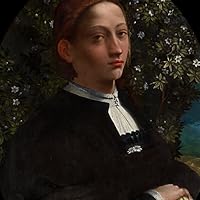
Saint Petersburg, 1905. Behind the gates of the Karenin Palace, Sergei, son of Anna Karenina, meets Tolstoy in his dreams and finds reminders of his mother the vivid portrait that the tsar intends to acquire and the opium-infused manuscripts Anna wrote just before her death, which open a trapdoor to a wild feminist fairy tale. Across the city, Clementine, an anarchist seamstress, and Father Gapon, the charismatic leader of the proletariat, plan protests that embroil the downstairs members of the Karenin household in their plots and tip the country ever closer to revolution. Boullosa tells a polyphonic and subversive tale of the Russian revolution through the lens of Tolstoy's most beloved work.
188 pages, Kindle Edition
First published June 17, 2016
About the author
Carmen Boullosa
82 books188 followersCarmen Boullosa (b. September 4, 1954 in Mexico City, Mexico) is a leading Mexican poet, novelist and playwright. Her work is eclectic and difficult to categorize, but it generally focuses on the issues of feminism and gender roles within a Latin American context. Her work has been praised by a number of prominent writers, including Carlos Fuentes, Alma Guillermoprieto and Elena Poniatowska, as well as publications such as Publishers Weekly. She has won a number of awards for her works, and has taught at universities such as Georgetown University, Columbia University and New York University (NYU), as well as at universities in nearly a dozen other countries. She is currently Distinguished Lecturer at the City College of New York. She has two children -- Maria Aura and Juan Aura -- with her former partner, Alejandro Aura --and is now married to Mike Wallace, the Pulitzer Prize–winning co-author of Gotham: A History of New York City to 1898.
(from Wikipedia)
(from Wikipedia)
Ratings & Reviews
Friends & Following
Create a free account to discover what your friends think of this book!
Community Reviews
Displaying 1 - 30 of 40 reviews

Read
March 30, 2020This is an extremely clever but ultimately unsatisfying little romp by wonderfully inventive and intelligent writer. How shall I label it: “hyper post modern"? Some of the characters are survivals of Tolstoy's novel Anna Karenina, principally Sergei, the son Anna felt so bad about leaving. He's neurotic, but not because of his parents' melodramas, but because he feels diminished by being a, "character" rather than "real" in the sense that made-up characters in this novel are "real". In short, reality is a football, let's kick it around and see if we can score. You learn nothing about Tolstoy's novel, although Tolstoy appears a a character, in a dream. A long section attributed to Anna consists of fairytales, basically a combination of several Grimm tales with Cinderella and Bluebeard: although the Bluebeard figure in this case is a glowing woman. There is no attempt to make this section something the "real" character Anna Karenina might've written. There is a revolutionary bomb plot, but no attempt to make the people involved seem like Russians of 1905. (For comparison consider Conrad's Under Western Eyes). Shifting media, there are lengthy descriptions of a painting of Anna Karenina that seems to be really her as much as many of the characters seem to be real. But it's fun reading it. I often smiled at what a clever twist the author has performed.

May 17, 2022
The concept for this book was fantastic, but the execution was so lacking. So much of it seemed barely connected if at all, and I struggled to see where the story was going at times. Thankfully it was a short and quick read so I didn’t have to spend too much time on it, because it was a slog.

Read
July 28, 2020Really interesting concept, but not sure if it was as enjoyable as it could have been.
July 12, 2021
Aunque normalmente me encanta la narrativa de Boullosa, este libro lo encuentro indefendible. Durante gran parte de la lectura solo me preguntaba: ¿Por qué existe este libro? Y no lo sé, la verdad.


Read
March 19, 2020Hot off the press, bought at AWP. This tale by the Mexican novelist Carmen Boullosa takes on Tolstoy's Anna Karenina and how Anna's children and servants might have lived in 1905, when Russia nearly had its revolution. The characters who were from Anna Karenina know, as do the other characters, that they were invented by Tolstoy. So "invented" people marry "real" people, which may or may not be why Anna's son has no children. This is an intricate and inventive novel that reads quickly and is full of surprises (including a long fairy-tale by the deceased Anna).

May 10, 2021
This book is so fascinating. I love anything meta, so this premise that imagines the finding of Anna Karenina's novel years after her death in a world where Tolstoy's characters are real but still fictional, sign me up! Boullosa observed these small lines from Anna Karenina and blew them up into a whole story set at the dawn of the Russian Revolution and I was captivated every minute. My favorite part was reading Anna's surreal fairy tale. Highly recommend this one.

June 24, 2020
Disappointing, in comparison to the Texas Theft

June 11, 2023
"Tenemos en las manos a tres Alejandras, y solo hemos presentado a dos. Sus nombres tienen ligera alteración de ortografía, son Aleksandra, Alexandra y Alexandra. Aleksandra es la desordenada, con su hermoso cabello, mal peinado ese día por excepción, por no haberse acicalado en su propia habitación. Está Alexandra, Sasha, la amiga de Aleksandra, amasia del cura Gapón, con el cabello tan severamente anudado en la base de la cabeza que es imposible saber si es poco o mucho, o de qué largo lo tiene. Y está Alexandra Kollontai, el cabello corto, el mechón muy esponjado. Las tres Alejandras están vestidas con la misma severa propiedad, con el vestido de cuello alto, cubriéndoles el cuello. La calidad de sus tres vestidos es muy distinta, basta que el corte se parezca, dadas las circunstancias.
Alexandra Kollontai tiene treinta y tres años, la edad de Cristo. La otra Alexandra, la bella Sasha (la amasia del Pope) y Aleksandra (la ayuda de cámara de Annie Karenina) tienen diecisiete. Pero aunque tengan la misma edad, parecería que no. A Sasha se la robó el Pope del orfanatorio cuando tenía trece años, se hizo mujer al lado de la fuerza de la naturaleza que es Gapón. Ha madurado del cuello a las rodillas, pero el resto de su persona no ha conseguido salir de sus trece.
A la Kollontai un puño de marchistas la llama «la maestra de marxismo». A la Aleksandra de Karenina, otro puño le dice «la hermana de Vladimir, el mensajero del Padre Gapón». A Sasha nadie la mienta, pero Gapón está por pensar en ella, agitando los puños.
La Kollontai (que hasta largas horas de la noche persuadió a comunistas a sumarse a la manifestación porque les sería propicio para su causa) marcha con su círculo de trabajadores bolcheviques. Aleksandra, en la primera línea —en la segunda va Gapón con sus lugartenientes—. En cuanto a Sasha, ella está en casa, por completo extranjera del momento solemne. No está rezando, como algunos aseguran. Este día quiere guisar remolachas, pero ¿cómo se cocinan las remolachas? Se las han dado de regalo a su marido. No tiene ni idea de qué hacer con ellas, ni a quién preguntar. Las ve con curiosidad, intentando descifrarles el secreto.
Así que, de las tres Alejandras, dos marchan, y una está pensando en un tema duro. La Kollontai dirá que «A partir de entonces todo sería distinto». Para Sasha no habría a partir de este día cambio alguno, seguiría lo de siempre, esperar a su marido (él llega a casa tan entrada la noche que la encuentra ya dormida, y no es raro el día en que salga antes de que ella haya abierto los ojos). Esperar, e intentar entender cosas que se le escapan. No tiene un pelo de tonta, porque la verdad es que la vida es algo inextricable, como bien dijo Perogrullo.
Para la otra Aleksandra —la hermana de Vladimir—, el cambio será total. "
Alexandra Kollontai tiene treinta y tres años, la edad de Cristo. La otra Alexandra, la bella Sasha (la amasia del Pope) y Aleksandra (la ayuda de cámara de Annie Karenina) tienen diecisiete. Pero aunque tengan la misma edad, parecería que no. A Sasha se la robó el Pope del orfanatorio cuando tenía trece años, se hizo mujer al lado de la fuerza de la naturaleza que es Gapón. Ha madurado del cuello a las rodillas, pero el resto de su persona no ha conseguido salir de sus trece.
A la Kollontai un puño de marchistas la llama «la maestra de marxismo». A la Aleksandra de Karenina, otro puño le dice «la hermana de Vladimir, el mensajero del Padre Gapón». A Sasha nadie la mienta, pero Gapón está por pensar en ella, agitando los puños.
La Kollontai (que hasta largas horas de la noche persuadió a comunistas a sumarse a la manifestación porque les sería propicio para su causa) marcha con su círculo de trabajadores bolcheviques. Aleksandra, en la primera línea —en la segunda va Gapón con sus lugartenientes—. En cuanto a Sasha, ella está en casa, por completo extranjera del momento solemne. No está rezando, como algunos aseguran. Este día quiere guisar remolachas, pero ¿cómo se cocinan las remolachas? Se las han dado de regalo a su marido. No tiene ni idea de qué hacer con ellas, ni a quién preguntar. Las ve con curiosidad, intentando descifrarles el secreto.
Así que, de las tres Alejandras, dos marchan, y una está pensando en un tema duro. La Kollontai dirá que «A partir de entonces todo sería distinto». Para Sasha no habría a partir de este día cambio alguno, seguiría lo de siempre, esperar a su marido (él llega a casa tan entrada la noche que la encuentra ya dormida, y no es raro el día en que salga antes de que ella haya abierto los ojos). Esperar, e intentar entender cosas que se le escapan. No tiene un pelo de tonta, porque la verdad es que la vida es algo inextricable, como bien dijo Perogrullo.
Para la otra Aleksandra —la hermana de Vladimir—, el cambio será total. "

May 13, 2020
(not that I understand it completely...)
characters within characters within stories within stories within dreams within dreams
characters within characters within stories within stories within dreams within dreams

April 1, 2020
When opening The Book of Anna, a three-page table of contents is followed by a preface titled: “An Explanation of What This Book Is About.” The author, Carmen Boullosa, imparts that The Book of Anna is a book written by Tolstoy’s Anna Karenina; the famous character mentions working on the novel in the classic tome. Of course, The Book of Anna is written by Boullosa, but it’s all par for the course in this experimental and playful novel that at once is a tribute to the book Anna Karenina, and also means to revise the portrayal of its central female character.
Boullosa’s novel is sectioned into five parts; they feel like disparate sections tenuously threaded together by the flicker of Anna Karenina’s memory or ghostly gossamer. The Book of Anna is at once so many things that it might feel burdensome trying to parse, but Boullosa’s humorous infusion throughout winks at the reader, and makes it light and absolutely enjoyable. I cracked so many smiles while reading...
Read the rest of the review at thebookslut.com <3
Boullosa’s novel is sectioned into five parts; they feel like disparate sections tenuously threaded together by the flicker of Anna Karenina’s memory or ghostly gossamer. The Book of Anna is at once so many things that it might feel burdensome trying to parse, but Boullosa’s humorous infusion throughout winks at the reader, and makes it light and absolutely enjoyable. I cracked so many smiles while reading...
Read the rest of the review at thebookslut.com <3

April 4, 2020
Anna Karenina, by Leo Tolstoy, is so famous that even people who haven’t read it know at least a little about the plot. Readers who pick up The Book of Anna, by Carmen Boullosa (and beautifully translated by Samantha Schnee), don’t have to have read Tolstoy’s novel in order to understand her take off on the classic book. This novel focuses on Anna’s legacy, in the form of her son, her daughter, and three symbolic objects that are all that remains of her belongings. Anna Karenina ended with one of the most famous conclusions in literary history; The Book of Anna is about her long shadow...
Read the rest of my review at A Bookish Type. I received a free copy of this book from the publisher via Edelweiss, for review consideration.
Read the rest of my review at A Bookish Type. I received a free copy of this book from the publisher via Edelweiss, for review consideration.

June 28, 2020
2.5 stars. I think Boullosa is doing something interesting here with the interrogation of Tolstoy's novel on multiple different planes, but it clearly relied on more context than I had at hand, and it wasn't clear if it would have been made clearer if I had that context either. Just not an enjoyable reading experience as it was.

March 21, 2018
Una curiosa voz narrativa, curioso y desafiante juego entre lo "real" y lo ficticio. Sergio y Annie Karenina, en su punto. Sin embargo, se siente como si Annie se hubiera quedado un poco en el tintero.

May 27, 2020
Very interesting concept, but the book did not speak to me upon reading it. I love capturing the books I encounter, regardless of my feelings on them, so I’ll click “read” on this one and leave it at that!

July 14, 2016
No quería que se acabara.
Sé que es el libro de Ana, pero no me hubiera molestado saber que fue de la familia de Levin.
Sé que es el libro de Ana, pero no me hubiera molestado saber que fue de la familia de Levin.
April 1, 2021
Good concept and overall plot, but the actual “book” was quite the let down and unnecessary.
March 16, 2022
I will preface this by saying that Tolstoy’s Anna Karenina is one of my top five favorite novels. Needless to say, I was very interested in this book when I came across it. The story is set in 1905 Saint Petersburg and is centered around a grown up Sergei, the only child of Anna and Karenin in Tolstoy’s novel, Sergei’s wife, Claudia, and Anya, the love child of Anna and Vronsky. Branching off of this trio are a handful of lady’s maids, chauffeurs, and various other working class characters - all of which are associated with the strengthening proletariat movement and all of which are connected in some way by the novel’s three central characters.
Structured in short, vignette-like chapters, the story oscillates between the many intertwined characters, which makes the plot feel dizzying at times and the characters often difficult to keep track of. Despite this, Boullosa is able to develop quite a few nuanced characters in a surprisingly limited amount of space. I find the idea of this theoretical world incredibly clever, particularly that the characters are entirely aware of the fact that some of them are fictional characters written by Tolstoy for his famous novel, Anna Karenina. This self-awareness works to establish two significant truths within the story: 1. It positions Tolstoy, as a character himself, as a sort of god-like being, having created both Sergei and Anya as well as much of the world around them (the Karenin palace, Anna’s old dresses, Anna’s manuscripts, the portrait of Anna, etc.) and 2. It forces Sergei and Anya, Tolstoy’s own creations, to struggle with the concept that they are not exactly their own people, not in the way that their peers are, but rather characters moulded by Tolstoy.
I’m the end, Boullosa is able to weave each of these characters’ stories, and the complex properties of the world she creates for them, intricately together to create what (for most of the book) seems like a collection of different perspectives, each colored by class/social standing, of the days leading up to revolution - Sergei, Claudia, and Anya battling over the repercussions of a famous painting that the tsar has set his sights on while their far less wealthy, working class peers are battling (literally) a system that will, and does, kill them for fighting back against income inequality and injustice. Just when the stories of each character seem to approach a natural end, the final ~10 pages of the book unfurl jarringly into a confusing fairy tale within a dream, or dream within a fairy tale or some combination of the two, written by Anna before her death. While hallucinatory and full of symbolism, the final pages, attributed to Anna and her manuscripts, just sort of felt like being thrown off of a cliff that I didn’t even know I was on.
While I did enjoy a majority of the ride, this one, for me, ultimately fell short of what could possibly have been a brilliant counterpart to Tolstoy’s beloved Anna Karenina.
Structured in short, vignette-like chapters, the story oscillates between the many intertwined characters, which makes the plot feel dizzying at times and the characters often difficult to keep track of. Despite this, Boullosa is able to develop quite a few nuanced characters in a surprisingly limited amount of space. I find the idea of this theoretical world incredibly clever, particularly that the characters are entirely aware of the fact that some of them are fictional characters written by Tolstoy for his famous novel, Anna Karenina. This self-awareness works to establish two significant truths within the story: 1. It positions Tolstoy, as a character himself, as a sort of god-like being, having created both Sergei and Anya as well as much of the world around them (the Karenin palace, Anna’s old dresses, Anna’s manuscripts, the portrait of Anna, etc.) and 2. It forces Sergei and Anya, Tolstoy’s own creations, to struggle with the concept that they are not exactly their own people, not in the way that their peers are, but rather characters moulded by Tolstoy.
I’m the end, Boullosa is able to weave each of these characters’ stories, and the complex properties of the world she creates for them, intricately together to create what (for most of the book) seems like a collection of different perspectives, each colored by class/social standing, of the days leading up to revolution - Sergei, Claudia, and Anya battling over the repercussions of a famous painting that the tsar has set his sights on while their far less wealthy, working class peers are battling (literally) a system that will, and does, kill them for fighting back against income inequality and injustice. Just when the stories of each character seem to approach a natural end, the final ~10 pages of the book unfurl jarringly into a confusing fairy tale within a dream, or dream within a fairy tale or some combination of the two, written by Anna before her death. While hallucinatory and full of symbolism, the final pages, attributed to Anna and her manuscripts, just sort of felt like being thrown off of a cliff that I didn’t even know I was on.
While I did enjoy a majority of the ride, this one, for me, ultimately fell short of what could possibly have been a brilliant counterpart to Tolstoy’s beloved Anna Karenina.
March 24, 2024
A serious investment in intertextuality. Not only is the book a riff on Anna Karenina (it reimagines the novel that Anna is mentioned in passing in Tolstoy's book, in addition to conceiving of the characters in Tolstoy's novel as real people, born 'of the pen'). Boullosa's book is divided into four parts, with the first two parts (if I'm remembering correctly) being a sort of historical fiction set in Russia in 1905 alternating between a proletarian, anarchist woman named Clementine, who is seeking the downfall of the tsar, and a bourgeois married couple, Serzhy (the son of Anna Karenina) and Claudia. It thus goes back and forth between different socio-economic classes, and the class disparity is prominent in the narration. The upper classes surely look down on the lower; it is clear who has the moral upper hand. Then, the third part is a recreation of one of the books that Anna Karenina supposedly wrote; it is a mishmash of different fairytales, that centers on a poor girl who turns rich, but is disowned by her family in the process; quite dark. The finale is the eve of the Russian Revolution. Serzhy has sold the portrait of his mother to the tsar.
There are regular reflections on different types of art (paintings, fictional writing), and their relationship to reality. To what degree can fictional characters take on 'their own life' after being created by an author? Can readers (like Boullosa) then take those characters and run with them, giving them new lives? Or should the characters 'die' in the 'original' work? To what extent can a work of art itself be a type of reality?
There are regular reflections on different types of art (paintings, fictional writing), and their relationship to reality. To what degree can fictional characters take on 'their own life' after being created by an author? Can readers (like Boullosa) then take those characters and run with them, giving them new lives? Or should the characters 'die' in the 'original' work? To what extent can a work of art itself be a type of reality?
March 5, 2021
Tr. Samantha Schnee. 4 stars really for the less experimental parts of the book wherein Boullosa imagines the lives of Anna Karenina’s children around the time of Bloody Sunday in 1905’s St Petersburg. There is an enjoyable side story about anarchists and philosophical musings on the ‘reality’ of Tolstoy’s characters and how they exist as his creation in the real world (which sounds way more confusing than it actually is). Alongside this however there is a moderately lengthy ‘fairytale’ written by Anna Karenina herself and unfortunately, despite much effort and desperately trying to pull out a hidden meaning, I just didn’t understand what it was meant to be saying. I’m sure this is more my lack than the authors but it did mean that I finished the book presuming that I’d missed the whole point. I still really like the bits that I did understand though hence sticking with the 4 stars overall..

Read
August 22, 2020Anna Karenina is the jumping-off point of this novel in which Anna’s children, Anya and Sergei, are characters in the real world (or at least in the “real world” of this novel). It takes place in 1905 right at the beginning of revolution. Characters include working-class activists as well as the upper class Karenins. We watch protests simmering at the same time as Anya and Sergei deal with the legacy of their mother and the Tsar’s request that they give him her portrait. Tolstoy himself haunts their dreams. The novel is clever and entertaining, with vivid characters and an absorbing story and even a short fairytale-like book written by Anna herself. It’s bursting with energy and life.
https://bookriot.com/summer-indie-pre...
https://bookriot.com/summer-indie-pre...

January 13, 2021
According to the introduction, this is the story of how the book written by Anna Karanina came to be found and read in 1905, as the old world of tsarist romance and power was, literally, being blown up by the insurgents.
It's a fiction about a fiction written by a fictional character, and Tolstoy has a couple of cameos, as do the tsar and a famous leader in the Russian revolution.
This book is utterly gorgeous, a fusion of fantasy and realism, dreams and history, poetry and narration. It's also very very funny.
It's a fiction about a fiction written by a fictional character, and Tolstoy has a couple of cameos, as do the tsar and a famous leader in the Russian revolution.
This book is utterly gorgeous, a fusion of fantasy and realism, dreams and history, poetry and narration. It's also very very funny.
February 16, 2024
Fascinating and I'll definitely read more books by this author - but I didn't give the book a higher rating because I felt that it was two separate books masquerading as one novel. The Russian revolution plot was only vaguely connected to the Karenin family plot and was honestly much less compelling. I loved the concept of Sergei Karenin and his family simultaneously existing in the real world and still being Tolstoy's creations; it's much more interesting than simply setting the novel in the universe of Anna Karenina.

June 3, 2022
The threads Boullosa is weaving together are fascinating - self-aware characters combining with non-invented people, the 1905 Revolution, questions of legacy and how society, others, and ourselves tell our story, particularly how women of all classes are defined and try to define/find themselves. These threads never quite coalesce into a completed tapestry,but the journey is fascinating nonetheless.

February 11, 2024
Tuve oportunidad de leer su ensayo sobre la Historia del Narco y me pareció un texto muy estudiado y perfectamente redactado para comprenderlo, por lo que, al enterarme que también tenía algunas novelas me aventuré a leer esta primero.
Tengo que decir que es el peor libro que he leído este año. La premisa se escuchaba bien, pero el desarrollo es malísimo y totalmente innecesario. Ana Karenina ya es por sí sola un clásico universal, este fanfic simplemente no debió suceder.
Tengo que decir que es el peor libro que he leído este año. La premisa se escuchaba bien, pero el desarrollo es malísimo y totalmente innecesario. Ana Karenina ya es por sí sola un clásico universal, este fanfic simplemente no debió suceder.

June 12, 2021
In reading other people's reviews this book seems to have a bunch of people taking it too seriously, it's a short book that plays with a pretty unique concept where fiction comes alive, manages to include an interesting overlooked tidbit of history and ends with stories within stories, it's clearly not Proust but it was a great couple of hours that made me go wow that was fun.

July 7, 2020
Creative. The Book of Anna is based on the unpublished manuscript of Anna Karerina in Tolstoy's famed work. So one does need to read Anna Karerina beforehand to grasp the background foundation of this book. The character are fleshed out beautifully. I was quite intrigued by the fairy tale nestled in the middle of the book written by Anna left behind for her son Sergei. The conundrum faced by the fictional characters from Tolstoy's novel is interesting: they know they were written into existence by an author, does what they do matter? Is it all predetermined? This fatalistic battling of self works particularly well in the context of a Russia on the cusp of revolution. The portrayal of a tone deaf self indulgent tsar against the desperate naive protesters touches a fine nerve.

January 6, 2022
"Anna split her sides laughing—that’s another thing Tolstoy forgot: Karenina loved to laugh."
No Tolstoyan masterpiece, but a very entertaining enjoyable read!
If you're an Anna fan, definitely worth a read
No Tolstoyan masterpiece, but a very entertaining enjoyable read!
If you're an Anna fan, definitely worth a read

November 11, 2024
I loved Anna Karenina, and so I was excited to read this continuation to Anna’s story. The concept has so much promise, but unfortunately this didn’t land for me. I found it hard to follow and too ambitious.
December 27, 2024
Ahh me duele!! Por qué el concepto de esta historia (continuación) es genial y algo que realmente me gustó pero la ejecución la sentí bastante inconclusa e inconexa con la historia original, faltaron muchas cosas por conectar y explicar
Displaying 1 - 30 of 40 reviews