

What do you think?

Cowboy Graves: Three Novellas
One more journey to the literary universe of Roberto Bolaño, an essential voice of contemporary Latin American literature
Roberto Bolaño's boundless imagination and seemingly inexhaustible gift for shaping the chaos of his reality into enduring fiction is unmistakable in these three exhilarating novellas. In "Cowboy Graves," Arturo Belano--Bolaño's alter ego--returns to Chile after the coup to fight with his comrades for socialism. "French Comedy of Horrors," takes the reader to French Guiana on the night after an eclipse where a seventeen year old answers a pay phone and finds himself recruited into the Clandestine Surrealist Group, a secret society of artists based in the sewers of Paris. And in "Fatherland," a young poet reckons with the fascist overthrow of his country, as the woman he is obsessed with disappears in the ensuing violence and a Third Reich fighter plane mysteriously writes her poetry in the sky overhead.
Cowboy Graves is an unexpected treasure from the vault of a master of contemporary fiction. These three fiercely original tales bear the signatures of Bolaño's extraordinary body of work, echoing the strange characters and uncanny scenes of his great triumphs, while deepening our understanding of his profound gifts.
Roberto Bolaño's boundless imagination and seemingly inexhaustible gift for shaping the chaos of his reality into enduring fiction is unmistakable in these three exhilarating novellas. In "Cowboy Graves," Arturo Belano--Bolaño's alter ego--returns to Chile after the coup to fight with his comrades for socialism. "French Comedy of Horrors," takes the reader to French Guiana on the night after an eclipse where a seventeen year old answers a pay phone and finds himself recruited into the Clandestine Surrealist Group, a secret society of artists based in the sewers of Paris. And in "Fatherland," a young poet reckons with the fascist overthrow of his country, as the woman he is obsessed with disappears in the ensuing violence and a Third Reich fighter plane mysteriously writes her poetry in the sky overhead.
Cowboy Graves is an unexpected treasure from the vault of a master of contemporary fiction. These three fiercely original tales bear the signatures of Bolaño's extraordinary body of work, echoing the strange characters and uncanny scenes of his great triumphs, while deepening our understanding of his profound gifts.
208 pages, Hardcover
First published September 14, 2017
About the author
Roberto Bolaño
133 books7,404 followersFor most of his early adulthood, Bolaño was a vagabond, living at one time or another in Chile, Mexico, El Salvador, France and Spain. Bolaño moved to Europe in 1977, and finally made his way to Spain, where he married and settled on the Mediterranean coast near Barcelona, working as a dishwasher, a campground custodian, bellhop and garbage collector — working during the day and writing at night.
He continued with his poetry, before shifting to fiction in his early forties. In an interview Bolaño stated that he made this decision because he felt responsible for the future financial well-being of his family, which he knew he could never secure from the earnings of a poet. This was confirmed by Jorge Herralde, who explained that Bolaño "abandoned his parsimonious beatnik existence" because the birth of his son in 1990 made him "decide that he was responsible for his family's future and that it would be easier to earn a living by writing fiction." However, he continued to think of himself primarily as a poet, and a collection of his verse, spanning 20 years, was published in 2000 under the title The Romantic Dogs.
Regarding his native country Chile, which he visited just once after going into voluntary exile, Bolaño had conflicted feelings. He was notorious in Chile for his fierce attacks on Isabel Allende and other members of the literary establishment.
In 2003, after a long period of declining health, Bolaño passed away. Bolaño was survived by his Spanish wife and their two children, whom he once called "my only motherland."
Although deep down he always felt like a poet, his reputation ultimately rests on his novels, novellas and short story collections. Although Bolaño espoused the lifestyle of a bohemian poet and literary enfant terrible for all his adult life, he only began to produce substantial works of fiction in the 1990s. He almost immediately became a highly regarded figure in Spanish and Latin American letters.
In rapid succession, he published a series of critically acclaimed works, the most important of which are the novel Los detectives salvajes (The Savage Detectives), the novella Nocturno de Chile (By Night In Chile), and, posthumously, the novel 2666. His two collections of short stories Llamadas telefónicas and Putas asesinas were awarded literary prizes.
In 2009 a number of unpublished novels were discovered among the author's papers.
He continued with his poetry, before shifting to fiction in his early forties. In an interview Bolaño stated that he made this decision because he felt responsible for the future financial well-being of his family, which he knew he could never secure from the earnings of a poet. This was confirmed by Jorge Herralde, who explained that Bolaño "abandoned his parsimonious beatnik existence" because the birth of his son in 1990 made him "decide that he was responsible for his family's future and that it would be easier to earn a living by writing fiction." However, he continued to think of himself primarily as a poet, and a collection of his verse, spanning 20 years, was published in 2000 under the title The Romantic Dogs.
Regarding his native country Chile, which he visited just once after going into voluntary exile, Bolaño had conflicted feelings. He was notorious in Chile for his fierce attacks on Isabel Allende and other members of the literary establishment.
In 2003, after a long period of declining health, Bolaño passed away. Bolaño was survived by his Spanish wife and their two children, whom he once called "my only motherland."
Although deep down he always felt like a poet, his reputation ultimately rests on his novels, novellas and short story collections. Although Bolaño espoused the lifestyle of a bohemian poet and literary enfant terrible for all his adult life, he only began to produce substantial works of fiction in the 1990s. He almost immediately became a highly regarded figure in Spanish and Latin American letters.
In rapid succession, he published a series of critically acclaimed works, the most important of which are the novel Los detectives salvajes (The Savage Detectives), the novella Nocturno de Chile (By Night In Chile), and, posthumously, the novel 2666. His two collections of short stories Llamadas telefónicas and Putas asesinas were awarded literary prizes.
In 2009 a number of unpublished novels were discovered among the author's papers.
Ratings & Reviews
Friends & Following
Create a free account to discover what your friends think of this book!
Community Reviews
Displaying 1 - 30 of 353 reviews

December 29, 2021
Nothing very expensive, as you can see, though when you’re poor anything that isn’t free is expensive.
Cowboy Graves: Three Novellas ~~~ Roberto Bolaño

Next up in my Roberto Bolaño reading project, Cowboy Graves: Three Novellas ~~ an unexpected delight, published 18 years after Bolaño’s death.
Whenever I start a new Bolaño I'm of two feelings: 1 ~~ I'm excited; I love his work ~~ I want to read it all. 2 ~~ Will this be the one that hits the bottom of the Bolaño barrel?
Cowboy Graves: Three Novellas is a wonderful read. There he was on the first page Arturo Belano ~~ it was like reuniting with an old friend. This was so unexpected, and such a delight.
These novellas were written sometime near the end of Bolaño’s life. First we encounter Cowboy Graves; next up is French Comedy of Horrors; lastly we are treated to Fatherland.
Cowboy Graves: Three Novellas features many of the touchstones Bolaño was known for ~~ semi-autobiographical narration; a humorous, fragmentary style ~~ these stories grab hold of you and never lets go; and like all other Bolaño fiction, they offer no conclusions.
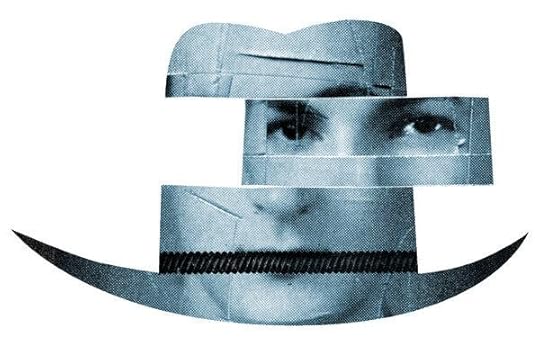
What Cowboy Graves: Three Novellas offers is something so wonderful ~~ a journey down the dark, surreal landscapes and the labyrinths of hell ~~ very few writers know this world as well as Bolaño. And, as with all of Bolaño’s fiction, these three novellas have their own vocabulary, their own rules and no clear endings ~~ often, we learn as much as in what is not written as we do with what is written.

Cowboy Graves: Three Novellas ~~~ Roberto Bolaño
Next up in my Roberto Bolaño reading project, Cowboy Graves: Three Novellas ~~ an unexpected delight, published 18 years after Bolaño’s death.
Whenever I start a new Bolaño I'm of two feelings: 1 ~~ I'm excited; I love his work ~~ I want to read it all. 2 ~~ Will this be the one that hits the bottom of the Bolaño barrel?
Cowboy Graves: Three Novellas is a wonderful read. There he was on the first page Arturo Belano ~~ it was like reuniting with an old friend. This was so unexpected, and such a delight.
These novellas were written sometime near the end of Bolaño’s life. First we encounter Cowboy Graves; next up is French Comedy of Horrors; lastly we are treated to Fatherland.
Cowboy Graves: Three Novellas features many of the touchstones Bolaño was known for ~~ semi-autobiographical narration; a humorous, fragmentary style ~~ these stories grab hold of you and never lets go; and like all other Bolaño fiction, they offer no conclusions.
What Cowboy Graves: Three Novellas offers is something so wonderful ~~ a journey down the dark, surreal landscapes and the labyrinths of hell ~~ very few writers know this world as well as Bolaño. And, as with all of Bolaño’s fiction, these three novellas have their own vocabulary, their own rules and no clear endings ~~ often, we learn as much as in what is not written as we do with what is written.

August 27, 2020
Bolaño releases another posthumous book from beyond the grave. More Bolaño is welcome in this day and age, but each time it happens I recall that 2666 was his crowning achievement. How many more manuscripts did he leave in the desk drawers? This book, along with the Spirit of Science Fiction, and Woes of the True Policeman are satellites orbiting his deathbed opus. All entertaining, but not riveting.
In these novellas, Bolaño discusses poets and the lifestyles of poets. He has done this before, but I somehow don't tire of it. Whether his mainstay character Arturo Bolano is just sitting around gabbing, drinking, or shoplifting books, it tends to make for nostalgic and bittersweet reading.
There is one really interesting science fiction idea inserted haphazardly. One of those patented Bolaño surprises. An alien invasion scenario. As in much of the author's work, there is not a clear drive toward a moral or a particular interpretation. He writes seemingly at random, jumping around from subject to subject, but his style is addictive. It is not frilly, but rather gritty, if that makes sense. Old pals like Parra and Carrington show up again, along with Mistral and the other badasses he liked to namedrop.
Sink your teeth into this brief Bolaño sandwich of tales, even if it has fake meat, it is well-seasoned.
In these novellas, Bolaño discusses poets and the lifestyles of poets. He has done this before, but I somehow don't tire of it. Whether his mainstay character Arturo Bolano is just sitting around gabbing, drinking, or shoplifting books, it tends to make for nostalgic and bittersweet reading.
There is one really interesting science fiction idea inserted haphazardly. One of those patented Bolaño surprises. An alien invasion scenario. As in much of the author's work, there is not a clear drive toward a moral or a particular interpretation. He writes seemingly at random, jumping around from subject to subject, but his style is addictive. It is not frilly, but rather gritty, if that makes sense. Old pals like Parra and Carrington show up again, along with Mistral and the other badasses he liked to namedrop.
Sink your teeth into this brief Bolaño sandwich of tales, even if it has fake meat, it is well-seasoned.

December 19, 2017
Ante la discusión más obvia: de si vale o no la pena que se esté publicando todo lo escrito por Bolaño, yo me decanto sin discusión por los chacales editoriales que pondrán en papel hasta la grasa que dejara el rostro de este escritor en sus gafas.
Mi explicación será breve: ¿han ido a las Ferias de libros? ¿A las librerías de viejo? ¿A cualquier librería que oferta una cantidad ingente de mierda y podedumbre? ¿En serio su discusión es si son borradores, textos incompletos, ensayos? ¿En serio el problema es que no muestra el mejor talento de este autor?
Considero que el peor Bolaño, el más pobre, el más jodido, el más triste, literariamente hablando, está a años luz de muchos escritores que hoy gozan de la luz de los reflectores, de la atención de cierta crítica literaria, de la ventas multimillonarias.
Prefiero a este apestado antes que otras cosas.
Sí, habla quien se ha vuelto un fan de su obra, de su universo y quien disfruta sus anécdotas narrativas a pesar de llegar a ser sosas o muy chafamente crípticas, ¿a qué hace referencia con los surrealistas clandestinos? ¿Quiénes son los herederos de Breton que viven en las cloacas de París que además alimentan una magna obra subterránea y multitudinaria apoyados por fondos económicos de oscuros orígenes?
Mi única recomendación sería, si no has leído a Bolaño, no empieces por aquí. Ni por El Tercer Reich, ni por los Sinsabores, y, por favor, no por la Universidad Desconocida: léete los cuentos de Putas asesinas, Llamadas telefónicas, ¿novela? Estrella distante, Los detectives salvajes o 2666.
Desconfío de la cronología que nos quieren hacer creer tanto Carolina López como Alfaguara, pero, hay ideas en este libro que me emocionan como solo lo puede hacer el Bolaño que más admiro: “La humanidad avanza así. Primero nos pareció horrendo el atraco en una calle abandonada y peor el robo con escalo, pero terminamos aceptándolos. Hemos pasado del asesinato perfecto al campo de concentración y la bomba atómica. Nuestros estómagos parecen de acero, sin embargo aún no somos capaces de digerir el canibalismo infanticida, pese a los consejos de Swift y Dupleix”.
Maestro: el mejor Bolaño en un solo párrafo. Y, claro que entiendo porque hay muchas personas que lo detestan, que lo detestaron, literariamente y a él como persona, pero, ¿por qué diablos tendría que gustarte? No. No es así. No tiene que gustarte, no tienes que respetarlo, no tienes que hacer una pinche chingada si no quieres. A mí me habla este güey. A mí me dice algo. Lo celebro. Lo leo y releo, y sigo viendo como los puntos se conectan en mi cabeza con su microcosmos, con su visión del mundo.
Cada que leo un poco más, que envejezco otro tanto, algunas de las referencias en su obra se vuelven más transparentes, otras ganan nitidez; sigo platicando con ese amigo que nunca conocí y que quizá hubiera odiado mis opiniones.
Una especie de clave de por qué podríamos justificar toda la obra de Bolaño, toda, no solo la literaria, incluso, cualquier obra de cualquier otro autor medianamente literaria, está escrita en este breve librito: “Es una novela, que como toda novela, por otra parte, no empieza en la novela, en el objeto libro que la contiene, ¿lo entiende? Sus primeras páginas están en otro libro, o en un callejón donde se ha cometido un crimen, o en un pájaro que observa a un grupo de niños que juegan y que no lo ven a él.”
Literatura y barbarie, no, no, no. Literatura y civilización, y ambas son sinónimos, son la piel de cordero del lobo de la barbarie que somos la estúpida humanidad. Civilización que no podemos con el canibalismo infanticida. Literatura que muchas veces comprende más allá del libro.
Mi explicación será breve: ¿han ido a las Ferias de libros? ¿A las librerías de viejo? ¿A cualquier librería que oferta una cantidad ingente de mierda y podedumbre? ¿En serio su discusión es si son borradores, textos incompletos, ensayos? ¿En serio el problema es que no muestra el mejor talento de este autor?
Considero que el peor Bolaño, el más pobre, el más jodido, el más triste, literariamente hablando, está a años luz de muchos escritores que hoy gozan de la luz de los reflectores, de la atención de cierta crítica literaria, de la ventas multimillonarias.
Prefiero a este apestado antes que otras cosas.
Sí, habla quien se ha vuelto un fan de su obra, de su universo y quien disfruta sus anécdotas narrativas a pesar de llegar a ser sosas o muy chafamente crípticas, ¿a qué hace referencia con los surrealistas clandestinos? ¿Quiénes son los herederos de Breton que viven en las cloacas de París que además alimentan una magna obra subterránea y multitudinaria apoyados por fondos económicos de oscuros orígenes?
Mi única recomendación sería, si no has leído a Bolaño, no empieces por aquí. Ni por El Tercer Reich, ni por los Sinsabores, y, por favor, no por la Universidad Desconocida: léete los cuentos de Putas asesinas, Llamadas telefónicas, ¿novela? Estrella distante, Los detectives salvajes o 2666.
Desconfío de la cronología que nos quieren hacer creer tanto Carolina López como Alfaguara, pero, hay ideas en este libro que me emocionan como solo lo puede hacer el Bolaño que más admiro: “La humanidad avanza así. Primero nos pareció horrendo el atraco en una calle abandonada y peor el robo con escalo, pero terminamos aceptándolos. Hemos pasado del asesinato perfecto al campo de concentración y la bomba atómica. Nuestros estómagos parecen de acero, sin embargo aún no somos capaces de digerir el canibalismo infanticida, pese a los consejos de Swift y Dupleix”.
Maestro: el mejor Bolaño en un solo párrafo. Y, claro que entiendo porque hay muchas personas que lo detestan, que lo detestaron, literariamente y a él como persona, pero, ¿por qué diablos tendría que gustarte? No. No es así. No tiene que gustarte, no tienes que respetarlo, no tienes que hacer una pinche chingada si no quieres. A mí me habla este güey. A mí me dice algo. Lo celebro. Lo leo y releo, y sigo viendo como los puntos se conectan en mi cabeza con su microcosmos, con su visión del mundo.
Cada que leo un poco más, que envejezco otro tanto, algunas de las referencias en su obra se vuelven más transparentes, otras ganan nitidez; sigo platicando con ese amigo que nunca conocí y que quizá hubiera odiado mis opiniones.
Una especie de clave de por qué podríamos justificar toda la obra de Bolaño, toda, no solo la literaria, incluso, cualquier obra de cualquier otro autor medianamente literaria, está escrita en este breve librito: “Es una novela, que como toda novela, por otra parte, no empieza en la novela, en el objeto libro que la contiene, ¿lo entiende? Sus primeras páginas están en otro libro, o en un callejón donde se ha cometido un crimen, o en un pájaro que observa a un grupo de niños que juegan y que no lo ven a él.”
Literatura y barbarie, no, no, no. Literatura y civilización, y ambas son sinónimos, son la piel de cordero del lobo de la barbarie que somos la estúpida humanidad. Civilización que no podemos con el canibalismo infanticida. Literatura que muchas veces comprende más allá del libro.

March 5, 2021
3.5 / 5
Από τη μύγα ξίγκι, λέει η παροιμία και ισχύει στην περίπτωση του πρόωρα χαμένου Μπολάνιο. Είτε πρόκειται για τους κληρονόμους του είτε για τους εκδότες που σπεύδουν να εκδώσουν ό,τι φέρει την υπογραφή του σπουδαίου συγγραφέα.
Η ερώτηση εδώ όμως οφείλει να είναι διαφορετική: Αξίζει το «ξίγκι» αυτό; Και η απάντηση είναι, θεωρώ, θετική. Οι 3 αυτές νουβέλες φέρνουν ανεξίτηλο το στίγμα του Μπολάνιο, το ιδιαίτερο αφηγηματικό του ύφος, κι αυτό νομίζω ότι είναι αρκετό.
Ένα τελευταίο σχόλιο:
Όσοι είναι κάτω των 30, το πιθανότερο είναι να αγοράσουν αυτό κι όλα τα υπόλοιπα έργα του.
Όσοι είναι πάνω από τα 40 (όπως εγώ) και δεν έχουν διαβάσει κάποιο έργο του, οι κορυφαίες του στιγμές παραμένουν οι «Άγριοι Ντετέκτιβ» και το «2666» (τα υπόλοιπα δεν έχουν να προσφέρουν τίποτα παραπάνω).
Υ.Γ.
Προφανώς ο ηλικιακός διαχωρισμός είναι παντελώς υποκειμενικός και δεν μπορεί να σταθεί σε οποιοδήποτε δικαστήριο λογοτεχνίας. Εμένα όμως με καλύπτει ;)
Από τη μύγα ξίγκι, λέει η παροιμία και ισχύει στην περίπτωση του πρόωρα χαμένου Μπολάνιο. Είτε πρόκειται για τους κληρονόμους του είτε για τους εκδότες που σπεύδουν να εκδώσουν ό,τι φέρει την υπογραφή του σπουδαίου συγγραφέα.
Η ερώτηση εδώ όμως οφείλει να είναι διαφορετική: Αξίζει το «ξίγκι» αυτό; Και η απάντηση είναι, θεωρώ, θετική. Οι 3 αυτές νουβέλες φέρνουν ανεξίτηλο το στίγμα του Μπολάνιο, το ιδιαίτερο αφηγηματικό του ύφος, κι αυτό νομίζω ότι είναι αρκετό.
Ένα τελευταίο σχόλιο:
Όσοι είναι κάτω των 30, το πιθανότερο είναι να αγοράσουν αυτό κι όλα τα υπόλοιπα έργα του.
Όσοι είναι πάνω από τα 40 (όπως εγώ) και δεν έχουν διαβάσει κάποιο έργο του, οι κορυφαίες του στιγμές παραμένουν οι «Άγριοι Ντετέκτιβ» και το «2666» (τα υπόλοιπα δεν έχουν να προσφέρουν τίποτα παραπάνω).
Υ.Γ.
Προφανώς ο ηλικιακός διαχωρισμός είναι παντελώς υποκειμενικός και δεν μπορεί να σταθεί σε οποιοδήποτε δικαστήριο λογοτεχνίας. Εμένα όμως με καλύπτει ;)

February 26, 2021
At this point I am more impressed with Bolano than I am with his stories. Granted, this is only my second Bolano book, the other being 'The Third Reich', and both seem to be considered minor Bolano works. I have not yet gotten to the meat and potatoes of Bolano, aka 'Savage Detectives' and '2666'.
With regards to this particular book, several moments of 4-5 star stuff, but too often I felt a little bit teased by these three novellas. The titular story has four parts, three of which I would call excellent while the fourth paints the communist coup of '73 in a slightly unflattering light but didn't do much for me as a story.
The second story summarizes my experience with Bolano to date; loved the writing, didn't care for the story. I did appreciate the fact that almost the entire story is told through a telephone conversation between two strangers. Kind of a cool feature.
The third story was good, but felt chaotic and fragmentary; fragmentary even for Bolano. I've read that Bolano does not like definitive narrative arcs, so I suppose I need to get used to this form if I'm going to continue reading him. Overall, I like what I've read so far and I expect to be even more impressed by his more highly regarded works.
With regards to this particular book, several moments of 4-5 star stuff, but too often I felt a little bit teased by these three novellas. The titular story has four parts, three of which I would call excellent while the fourth paints the communist coup of '73 in a slightly unflattering light but didn't do much for me as a story.
The second story summarizes my experience with Bolano to date; loved the writing, didn't care for the story. I did appreciate the fact that almost the entire story is told through a telephone conversation between two strangers. Kind of a cool feature.
The third story was good, but felt chaotic and fragmentary; fragmentary even for Bolano. I've read that Bolano does not like definitive narrative arcs, so I suppose I need to get used to this form if I'm going to continue reading him. Overall, I like what I've read so far and I expect to be even more impressed by his more highly regarded works.

February 7, 2021
«Εάν ο παράδεισος για να είναι παράδεισος παράγει μια αχανή κόλαση, το καθήκον του ποιητή είναι να μετατρέψει το παράδεισο σε κόλαση».

April 8, 2021
Τυχερός να διαβάζει κανείς παράλληλα Μπολανιο και Τσίρκα, δύο συγγενείς πένες, με έμφαση στο καθημερινό, στο γήινο, στο απλό
Όταν με ρώτησε τι ήθελα να σπουδάσω όταν θα πήγαινα στο Μεξικό, απάντησα ιατρική αλλά στην πραγματικότητα ήθελα να γίνω ποιητής
Και τι έχεις διαβάσει;
Ξαφνικά έμεινα βουβός, ακριβώς την εποχή της ζωής μου που είχα απαντήσεις για τα πάντα. Νικανόρ Πάρρα απάντησα.
Και με αυτόν τον απλό τρόπο να περνάνε τις αλήθειες τους αβίαστα και καθαρά
Ζητιάνοι, αλήτες, νεραϊδοπαρμενοι, συλλέκτες αποτσιγαρων κ πλανόδιοι πωλητές , μόλις μπουν κάτω από τις τέντες που σκεπάζουν τη σκηνή , χαμηλώνουν τη φωνή και περπατούν αθόρυβα, πνιγμένοι από το μολυσμένο χνωτο τόσων τάφων.
Μια μίξη, μια όσμωση γλυκόπικρων δίπολων κόσμων: Ελλάδα - Αίγυπτος/ Χιλή - Μεξικό
Η εξορία και η εποχή της αθωότητας
Όταν ρώτησα μια Περουβιανή που επέστρεφε από την Ιταλία γιατί δεν κατεβαίνουν να αποχαιρετήσουν το συνεπιβάτη τους στη στεριά, μου απάντησε ότι έτσι ήταν πιο ρομαντικό
Το τέλος είναι το προβλεπόμενο αλλά ωστόσο δεν του λείπει κ λίγη ποίηση
Όταν με ρώτησε τι ήθελα να σπουδάσω όταν θα πήγαινα στο Μεξικό, απάντησα ιατρική αλλά στην πραγματικότητα ήθελα να γίνω ποιητής
Και τι έχεις διαβάσει;
Ξαφνικά έμεινα βουβός, ακριβώς την εποχή της ζωής μου που είχα απαντήσεις για τα πάντα. Νικανόρ Πάρρα απάντησα.
Και με αυτόν τον απλό τρόπο να περνάνε τις αλήθειες τους αβίαστα και καθαρά
Ζητιάνοι, αλήτες, νεραϊδοπαρμενοι, συλλέκτες αποτσιγαρων κ πλανόδιοι πωλητές , μόλις μπουν κάτω από τις τέντες που σκεπάζουν τη σκηνή , χαμηλώνουν τη φωνή και περπατούν αθόρυβα, πνιγμένοι από το μολυσμένο χνωτο τόσων τάφων.
Μια μίξη, μια όσμωση γλυκόπικρων δίπολων κόσμων: Ελλάδα - Αίγυπτος/ Χιλή - Μεξικό
Η εξορία και η εποχή της αθωότητας
Όταν ρώτησα μια Περουβιανή που επέστρεφε από την Ιταλία γιατί δεν κατεβαίνουν να αποχαιρετήσουν το συνεπιβάτη τους στη στεριά, μου απάντησε ότι έτσι ήταν πιο ρομαντικό
Το τέλος είναι το προβλεπόμενο αλλά ωστόσο δεν του λείπει κ λίγη ποίηση

October 16, 2024
The first novella in this collection had all the stuff that made me fall in love with Bolaño a long time ago: it was extremely well written, understated, compelling, dark, unsettling and menacing. I was literally ready to embark on a much longer rollercoaster ride. Definitely recommend it.
The second novella seemed like a feverish excerpt that could’ve easily been part of 2666 or The Savage Detectives - it was good, but lacked context. Maybe give it a go.
The third novella was just a collection of random notes that should’ve stayed in the drawer where they were found after Bolaño’s death. Skip this one.
The second novella seemed like a feverish excerpt that could’ve easily been part of 2666 or The Savage Detectives - it was good, but lacked context. Maybe give it a go.
The third novella was just a collection of random notes that should’ve stayed in the drawer where they were found after Bolaño’s death. Skip this one.

March 20, 2021
Reading another Bolano book that arose from the grave is always an event for me- his style always veering on terse, poetic, and lyrical.
Also terrifying- all hallmarks of vintage Bolano. "Cowboy Graves" centers on three novellas, mostly surrounding Bolano's alter-ego Arturo Belano and his adventures with eccentrics, the eerie, the absurd and the mysterious.
Belano writes about themes all connected from other Bolano novels: how art is dangerously to create awareness for the political travails of the world, including political upheavals in Mexico, Chile, and Paris, "things are turning ugly in these parts, he said, though in Mexico, not to say things are bad, but they probably aren't much better" (Bolano 26).
The haunting vignette "The Grub" about a shadowy figure who has been involved in shady dealings is classic Bolano. Fragmentary, and dreamlike ending with a knife left to Belano, the first vignettes seem to verge on the surreal as if they never happened, "it's fated to disappear...emigration, people for leaving cities like Santa Teresa or Hermosillo or heading to the United States" (Bolano 38).
Bolano writes that safety via relocation is the key to safety and essential for survival.
"French Comedy of Horrors" is about a narrator named Diodorus Pilon who finds himself answering a mysterious phone call from a phone booth, set during an intense solar eclipse. Pilon finds himself being recruited for the Clandestine Surrealist Group (CSG) to take part in what is implied to be part of an anarchist group. The caller then informs Pilion a flashback where political activist Andre Breton invited five surrealists into the CSG and that whenever funding ran out, the widows of the surrealists would appear ghostly into the picture.
Wild, cerebral and for me, Bolano once again from the grave, rises above to give his readers, including myself another world to inhale, savor and be creeped out by.
Also terrifying- all hallmarks of vintage Bolano. "Cowboy Graves" centers on three novellas, mostly surrounding Bolano's alter-ego Arturo Belano and his adventures with eccentrics, the eerie, the absurd and the mysterious.
Belano writes about themes all connected from other Bolano novels: how art is dangerously to create awareness for the political travails of the world, including political upheavals in Mexico, Chile, and Paris, "things are turning ugly in these parts, he said, though in Mexico, not to say things are bad, but they probably aren't much better" (Bolano 26).
The haunting vignette "The Grub" about a shadowy figure who has been involved in shady dealings is classic Bolano. Fragmentary, and dreamlike ending with a knife left to Belano, the first vignettes seem to verge on the surreal as if they never happened, "it's fated to disappear...emigration, people for leaving cities like Santa Teresa or Hermosillo or heading to the United States" (Bolano 38).
Bolano writes that safety via relocation is the key to safety and essential for survival.
"French Comedy of Horrors" is about a narrator named Diodorus Pilon who finds himself answering a mysterious phone call from a phone booth, set during an intense solar eclipse. Pilon finds himself being recruited for the Clandestine Surrealist Group (CSG) to take part in what is implied to be part of an anarchist group. The caller then informs Pilion a flashback where political activist Andre Breton invited five surrealists into the CSG and that whenever funding ran out, the widows of the surrealists would appear ghostly into the picture.
Wild, cerebral and for me, Bolano once again from the grave, rises above to give his readers, including myself another world to inhale, savor and be creeped out by.

May 24, 2026
There’s one section in here where Bolaño’s alter ego Belano writes a sci-fi story about super advanced alien ants colonizing a county in West Virginia and man, I wish he wrote more sci-fi.

October 29, 2021
Ακόμα και σε ημιτελή, μισοδουλεμένα κείμενα, σε ασκήσεις ύφους και σε απομεινάρια ονείρων, ξεχειλίζει μια ανεπιτήδευτη αγάπη για την ζωή, για μια ηρωική νιότη που είναι σημαδούρα και μέτρο κάθε βιωμένης στιγμής.
Καταλήγω στο συμπέρασμα οτι η μαγεία του Bolaño ξεπερνά την λογοτεχνική του ευφυΐα, είναι αυτός ο ίδιος, ο παράξενος μύωψ νεαρός που ήταν Μεξικάνος στη Χιλή και Χιλιάνος στο Μεξικό, ενδεχομένως μοναδικό μέλος της Παράνομης Ομάδας Υπερρεαλιστών των υπόγειων Παρισίων, πάντα γενναιόδωρος, ακόμα και απέναντι στους φθονερούς λογοτέχνες και φιλόλογους, σε όσους λοιδωρούσαν το στιλ του επειδή κατά βάθος τούς εκνεύριζαν οι περιπετειώδεις περιπλανήσεις του στο ημιτελές μυθιστόρημα της ζωής.
Καταλήγω στο συμπέρασμα οτι η μαγεία του Bolaño ξεπερνά την λογοτεχνική του ευφυΐα, είναι αυτός ο ίδιος, ο παράξενος μύωψ νεαρός που ήταν Μεξικάνος στη Χιλή και Χιλιάνος στο Μεξικό, ενδεχομένως μοναδικό μέλος της Παράνομης Ομάδας Υπερρεαλιστών των υπόγειων Παρισίων, πάντα γενναιόδωρος, ακόμα και απέναντι στους φθονερούς λογοτέχνες και φιλόλογους, σε όσους λοιδωρούσαν το στιλ του επειδή κατά βάθος τούς εκνεύριζαν οι περιπετειώδεις περιπλανήσεις του στο ημιτελές μυθιστόρημα της ζωής.

July 7, 2026
she smelled spicy, a combination of Italian food and perfume
Perfect for high summer insomnia. I now ache to return to the major works. I'd say this was Breton imprisoned by Pinochet.
His sidelong riff on an alien invasion of West Virginia was remarkable. I have heard that after WTV's daughter died he read a considerable amount of science fiction.
Perfect for high summer insomnia. I now ache to return to the major works. I'd say this was Breton imprisoned by Pinochet.
His sidelong riff on an alien invasion of West Virginia was remarkable. I have heard that after WTV's daughter died he read a considerable amount of science fiction.

August 4, 2022
Tre abbozzi non compongono un vero Real Visceralista
Per chi scrive o respira scrittura il vero modo di scoprire e mantenere la propria voce da scrittore è scrivere di getto ma - e soprattutto - riscrivere ed editare la bozza della propria creatura.
Le tre bozze sono suddivise in tre parti e prendono rispettivamente i seguenti nomi:
1) SEPOLCRI DI COWBOY ✸✸✸✸
La migliore. Riesce a prenderti e sballottolarti e stregarti. Confusione e chiusura del cerchio.
2) PATRIA✸1/2
Patricia Arancibia è una voce anonima e, senza la magia di Bolaño, troppo spesso noiosa e autoreferenziale.
3) COMMEDIA DELL'ORRORE IN FRANCIA ✸✸✸ (quasi)
Ci siamo per la parte surreale ma troppo prolissa e senza mordente la telefonata.
In teoria sapevo che la spremitura a freddo fosse funzionale solo alle olive. Malignerò... ma penso che Bolaño non avrebbe portato alla luce certi scritti in fase così embrionale.
Per chi scrive o respira scrittura il vero modo di scoprire e mantenere la propria voce da scrittore è scrivere di getto ma - e soprattutto - riscrivere ed editare la bozza della propria creatura.
Le tre bozze sono suddivise in tre parti e prendono rispettivamente i seguenti nomi:
1) SEPOLCRI DI COWBOY ✸✸✸✸
La migliore. Riesce a prenderti e sballottolarti e stregarti. Confusione e chiusura del cerchio.
2) PATRIA✸1/2
Patricia Arancibia è una voce anonima e, senza la magia di Bolaño, troppo spesso noiosa e autoreferenziale.
3) COMMEDIA DELL'ORRORE IN FRANCIA ✸✸✸ (quasi)
Ci siamo per la parte surreale ma troppo prolissa e senza mordente la telefonata.
In teoria sapevo che la spremitura a freddo fosse funzionale solo alle olive. Malignerò... ma penso che Bolaño non avrebbe portato alla luce certi scritti in fase così embrionale.
June 24, 2025
Lo extrañaba mucho, amigo Roberto. Leerlo es como juntarse con un amigo a conversar después de mucho sin verse.

May 14, 2024
Nice to finally read some of Bolano's short fiction. I really enjoy his writing and his obsession with literary movements and surrealism. I loved the middle story in this the best and found it so fascinating and addictive. The way he played with structure in the final novel was so cool and so I am still super keen to explore more of his work. I really miss the feeling I got from 2666 but his love for literaryness shines through in everything that he writes and it's always amazing to experience.
May 2, 2024
"Για τον Μπολάνιο ή λογοτεχνία δεν είναι πεδίο ηθοπλαστικό, όπου μπορεί κανείς να βαθμολογεί κατά το δοκούν, να φλυαρεί περί καλών και κακών χαρακτηριστικών και ιδιοτήτων. Η λογοτεχνία είναι για αυτόν τον συγγραφέα ζήτημα ζωής και θανάτου." - Από το επίμετρο..
Εντάξει, πολιτικό ον είναι ο Bolano, και για πολιτικά θέματα ασχολείται σε αυτές τις" σημειώσεις" του, με το συνεχώς παρόν, υπερρεαλιστικό του ύφος. Είναι οκ, τρία αστέρια. Όμως κι εγώ, για να λέμε την αλήθεια, τσιμπολογώντας τα διάφορα μεζεδάκια του (αυτό εδώ, το "Παγοδρόμιο" , τις "Putas Assesinas"), ουσιαστικά αποφεύγω την πραγματική αναμέτρηση, με τα δύο Θηρία: το «2666» και τους Ντετέκτιβ του..
Κάθονται δίπλα-δίπλα στη βιβλιοθήκη με όλο τον όγκο τους, ατσαλάκωτα, και νιώθω σαν να είναι δύο Ελβετοί φρουροί, από τους οποίους θα πρέπει να περάσω για να φτάσω στη σάλα ακροάσεων του Πάπα (ή στην λογοτεχνική Βαλχάλα των ηρωικών αναγνωστών).. Αλλά ας βολευτούμε τώρα με τα μεζεδάκια, μέχρι να δυναμώσουμε αρκετά για τον σαματά. Είπαμε, σκέτα θηρία είναι αυτοί οι δύο Μπολάνιοι bouncers στο ράφι μου..
Χαπάκι πρωτεΐνης (Περιγραφή ηλιακής έκλειψης, κάπου στη Ν. Αμερική):
" Η θάλασσα, κάτω, είχε γαληνέψει ξαφνικά, και τα κύματα, όπως αποφάνθηκε ο Ρότζερ Μπολάμπα, αγνοούσαν εάν είχε έρθει η ώρα της φυρονεριάς ή της φουσκοθαλασσιάς. Ακούσαμε έναν σκύλο που γάβγιζε. Πιο πέρα από τον γκρεμό, εκεί όπου η παραλιακή λεωφόρος διασχίζει την περιοχή της παραλίας, είδαμε έναν άντρα να μπαίνει στο νερό και έπειτα να κολυμπάει μέχρι τη σημαδούρα. Τα κτίρια της πρώτης γραμμής μπροστά στη θάλασσα έμοιαζαν να έχουν μετακινηθεί, σαν να έγερναν ελαφρώς προς τον Νότο, σαν ψυχοπαθείς πύργοι της Πίζας".. σελ. 182
Βαράκια:
«Η γυναίκα του έβδομου μήνα έρχεται τραγουδώντας. Σταματάει το τραγούδι της μόνο για να βγάλει ένα μαντηλάκι και να φυσήξει τη μύτη της. Το βέλο τότε γέρνει λίγο και εκείνη το τακτοποιεί με αδεξιότητα μεθυσμένου. Τα μάτια της, που δεν μπορεί να καλύψει το βέλο, λάμπουν με αποφασιστικότητα. Είναι η αποφασιστικότητα ανθρώπου που ανοίγει δρόμο με γροθιές και δαγκωματιές μέσα σ΄ ένα μακρύ διάδρομο ονείρων.» σελ.209
ΥΓ. Αν ποτέ κάποιος διαβάσει τα "Μνήματα" και το θυμηθεί, ας σταματήσει λίγο στο απόσπασμα με την παρωδία του ποιήματος για τον Walt Whitman (για μένα πρόκειται για παρωδία της λογοτεχνικής κριτικής ), είναι ξεκαρδιστικό..
Εντάξει, πολιτικό ον είναι ο Bolano, και για πολιτικά θέματα ασχολείται σε αυτές τις" σημειώσεις" του, με το συνεχώς παρόν, υπερρεαλιστικό του ύφος. Είναι οκ, τρία αστέρια. Όμως κι εγώ, για να λέμε την αλήθεια, τσιμπολογώντας τα διάφορα μεζεδάκια του (αυτό εδώ, το "Παγοδρόμιο" , τις "Putas Assesinas"), ουσιαστικά αποφεύγω την πραγματική αναμέτρηση, με τα δύο Θηρία: το «2666» και τους Ντετέκτιβ του..
Κάθονται δίπλα-δίπλα στη βιβλιοθήκη με όλο τον όγκο τους, ατσαλάκωτα, και νιώθω σαν να είναι δύο Ελβετοί φρουροί, από τους οποίους θα πρέπει να περάσω για να φτάσω στη σάλα ακροάσεων του Πάπα (ή στην λογοτεχνική Βαλχάλα των ηρωικών αναγνωστών).. Αλλά ας βολευτούμε τώρα με τα μεζεδάκια, μέχρι να δυναμώσουμε αρκετά για τον σαματά. Είπαμε, σκέτα θηρία είναι αυτοί οι δύο Μπολάνιοι bouncers στο ράφι μου..
Χαπάκι πρωτεΐνης (Περιγραφή ηλιακής έκλειψης, κάπου στη Ν. Αμερική):
" Η θάλασσα, κάτω, είχε γαληνέψει ξαφνικά, και τα κύματα, όπως αποφάνθηκε ο Ρότζερ Μπολάμπα, αγνοούσαν εάν είχε έρθει η ώρα της φυρονεριάς ή της φουσκοθαλασσιάς. Ακούσαμε έναν σκύλο που γάβγιζε. Πιο πέρα από τον γκρεμό, εκεί όπου η παραλιακή λεωφόρος διασχίζει την περιοχή της παραλίας, είδαμε έναν άντρα να μπαίνει στο νερό και έπειτα να κολυμπάει μέχρι τη σημαδούρα. Τα κτίρια της πρώτης γραμμής μπροστά στη θάλασσα έμοιαζαν να έχουν μετακινηθεί, σαν να έγερναν ελαφρώς προς τον Νότο, σαν ψυχοπαθείς πύργοι της Πίζας".. σελ. 182
Βαράκια:
«Η γυναίκα του έβδομου μήνα έρχεται τραγουδώντας. Σταματάει το τραγούδι της μόνο για να βγάλει ένα μαντηλάκι και να φυσήξει τη μύτη της. Το βέλο τότε γέρνει λίγο και εκείνη το τακτοποιεί με αδεξιότητα μεθυσμένου. Τα μάτια της, που δεν μπορεί να καλύψει το βέλο, λάμπουν με αποφασιστικότητα. Είναι η αποφασιστικότητα ανθρώπου που ανοίγει δρόμο με γροθιές και δαγκωματιές μέσα σ΄ ένα μακρύ διάδρομο ονείρων.» σελ.209
ΥΓ. Αν ποτέ κάποιος διαβάσει τα "Μνήματα" και το θυμηθεί, ας σταματήσει λίγο στο απόσπασμα με την παρωδία του ποιήματος για τον Walt Whitman (για μένα πρόκειται για παρωδία της λογοτεχνικής κριτικής ), είναι ξεκαρδιστικό..

May 19, 2025
‘—somebody compared the eclipse to the state of the arts in our country; somebody said that children conceived during an eclipse were born with birth defects or just flat-out evil, which meant that it wasn’t a good idea to make love during an eclipse, total or partial. Then it was time to pay and we all dug into our pockets. As usual, somebody was out of cash, or didn’t have enough, or hadn’t brought cash with him, and among all of us, democratically, we had to cover what he’d ordered, a beer, a coffee, a dish of pineapple preserves. Nothing very expensive, as you can see, though when you’re poor anything that isn’t free is expensive.’
This (probably) goes without saying but — this is (pretty obviously) not Bolaño’s best work, but for all it is/what it’s worth, it’s still pretty spectacular. I reckon, however, that this may be the best way to ‘try’ him out — (if anything) an extremely ‘good’ Bolaño ‘starter’. The concluding chapter (the following excerpt below) is perfectly and unabashedly wild — might as well be a ‘poem’ / a prose poem of sorts — finishes up the entire thing perfectly, beautifully, poignantly. Either this, or Distant Star, I feel (anyway).
‘(From Lola Fontfreda to Rigoberto Belano) I’m Catalan. I’m an atheist. I don’t believe in ghosts. But yesterday Fernando came to me in a dream. He stood beside my bed and asked me to take care of the child. He asked me to forgive him for leaving me nothing. He asked me to forgive him for not loving me. No. He asked me to forgive him for loving me less than he loved books. But the child made up for all that, he said, because he loved him more than anything. Both of them: Didac and Eric. Actually, the children are what he said, which could have been a reference to all the children in the world, not just his own children. Then he got up and went into another room. I followed him. It was a hospital room. Fernando undressed and got into one of the beds. The other beds were empty, though the sheets were rumpled and in some cases shockingly dirty. I went to Fernando’s bed and took his hand. We smiled at each other. I’m burning up, he said, feel my forehead, how high is my fever? One hundred and seven, I answered. I don’t know why, since there was no way to take his temperature. You’re so precise it’s scary, he said, but now you should go—When I went out, I started to cry. I think Fernando was crying too. From here a person can go back anywhere, he said, please don’t come in—Then I woke up. I was shaking and soaked in sweat. It took me a while to realize that I was crying too. Since I couldn’t sleep anymore, I decided to write this. Now I think I should send it to you.’
Embarrassingly, I’m (still) ‘skirting’ (with so much mad cowardice) around Bolaño’s 2666, devouring the ‘smaller’ pieces first. For some reason though, I feel like (maybe) starting with that massive brick of (alleged and very convincing) brilliance could have been the best introduction to Bolaño (but in any case — that’s for braver, more tenacious sorts/lot only, and I don’t qualify — so here we are). Everything else (by Bolaño) that I’ve read feels in some ways ‘connected’ or reminiscent of one another(?). In any case, they slightly/somewhat mirror each other somehow — so undoubtedly, Rodénas' sentiments (below) resonate (closely enough) with me. And in any case, I like Bolaño’s ‘tone’ and (especially) ‘vibes’ very, very much — and I will probably read his entire ‘oeuvre’ at some point (slowly but surely, I feel).
‘To speak of Roberto Bolaño’s novels and stories as fragmentary—I’ve done so myself, I admit—is inexact, since each fragment relies on a whole in constant motion, on a genuine process of creation that at the same time is the consolidation of a universe. And precisely because these fragments (like Bolaño’s characters) are in constant motion and because they always lead us back to the larger body of his work—’ (from ‘Afterword’)

March 20, 2021
Book Review, Cowboy Graves by Roberto Bolano
In 2007 I opened Savage Detectives and became a huge fan of Roberto Bolano. Before that I had read a stray story here and there, but Detectives exploded with echoes of Kerouac and Kesey. Since then, I have devoured 2666, Amulet, and Between Parentheses. With his untimely death his estate and publishers have released a steady diet of found pieces, many of which have not lived up to the brilliance of those earlier works. How fabulous that with Cowboy Graves I have rediscovered the magic of Bolano.
Here are three novellas that cover familiar territory to those who have read through Bolano’s work. We follow the young poet as he discovers the world. He struggles to differentiate himself from family and friends finding his way via a love of poetry as he travels from Chile to Mexico and back again to Chile.
In Mexico we see the high school student cutting classes to spend his mornings in bookstores and his afternoons watching films and searching out sex. A young spirit his eyes wide open to experience the world around him. He befriends ‘The Grub” an older inhabitant whom he sees daily on a park bench in the Alameda of central Mexico City (this section, first appeared in Last Evenings on Earth, yet placing it here as part of Cowboy Graves works seamlessly). The Grub, a mysterious tragic figure, a fellow native of the protagonist’s father’s hometown in Sonora where cowboys die on the open range. In Cowboy Graves we learn more about Bolano’s upbringing, his relationship to his parents, early education, and poetic influences. He continuously sites both Nicanor Parra and Pablo Neruda as literary forefathers and heroes. On a boat trip to Chile, “I want to be a revolutionary”, he meets a burlesque performer, Dora, another older female he seeks knowledge from, “she smelled spicy, a combination of Italian food and perfume”.
What I admire most about Bolano’s work is that the poet is seen as a hero for culture and truth. He celebrates the poetic spirit as undying and vital. His characters continuously live within the poet’s skin, experiencing both the highs and lows of human experience.
In the 2nd novella, French Comedy of Horrors, Arturo Belano, receives a call from nowhere; walking home after a late-night party he stops to pick up a ringing call from a public phone booth, a voice on the other end asking if he is a poet and, though unpublished, the young man says, “yes I am a poet”. Summoned to Paris by the founder of the Surrealist Group of Clandestinity, Andre Breton, he joins a cadre of young surrealists living underground where they are supported by black veiled widows of famous Surrealist artists. It is well known that when Breton was sent to Mexico City by the French government he said, “I don’t know why I came here. Mexico is the most surrealist country in the world”.
The third novella, Fatherland, is the best of the three. In a series of 20 vignettes, Arturo returns to Chile as Pinochet steals power from the budding Socialist movement. Activists, artists, and their young followers form the cadre of revolution. He meets a young woman, Patricia, a beauty who guides the young poet, still innocent and naive yet a willing student eager to serve the effort.
The most intriguing character is Victor Diaz who becomes Juan Cherniaskovski, a photographer who carries his projector and slides in a traveling exhibition. The first show highlights a trip to India where holy men and eunuchs share the stage. He later isolates himself, writing poetry and saving a prostitute from her pimps. Sailing for Europe he dedicates himself to saving children from a system of organ harvesting. This brief episode is reminiscent of Bolano’s grand opus 2666: “beggar children, homeless children, are the most common source of raw material.”
Commenting on how people ignore what is happening, Bolano sites another great poet, WH Auden: “about suffering they were never wrong/the Old Masters: how well they understood/its human position; how it takes place/while someone else is eating or opening a window or just walking dully along” …
“The silence…is almost total. Every so often there’s a bit of news, not in the papers or on television, but in magazines, like stories about flying saucers. We know it exists, but the reality is so awful that we’d rather pretend we don’t. That’s human progress…Meanwhile business prospers and the Siquerios sun rises and falls like a mad mandrill. The witches touch up their warts with French makeup. The child hunters play cards and fondle their privates like degenerate Narcissuses, fathers and brothers to us all. Diaz…falls in love with an adolescent prostitute and embraces the Terror. His formula is expressed as the curtain falls: if paradise, in order to be Paradise, is fertile soil for a vast hell, the duty of the Poet is to turn Paradise into Hell. Victor Diaz and Jesus Christ set fire to the palm trees.”
Roberto Bolano’s manifesto for poets and artists. His body of work, a testament to his poetic and imaginative powers. He is a grand master. His estate, editors, publishers, and the translation by Natasha Wimmer (who also translated both Savage Detectives and 2666), together have pulled a rabbit out of the hat.
Bolano’s fans have been patiently waiting for another masterpiece; we are happy to have been rewarded with Cowboy Graves.
In 2007 I opened Savage Detectives and became a huge fan of Roberto Bolano. Before that I had read a stray story here and there, but Detectives exploded with echoes of Kerouac and Kesey. Since then, I have devoured 2666, Amulet, and Between Parentheses. With his untimely death his estate and publishers have released a steady diet of found pieces, many of which have not lived up to the brilliance of those earlier works. How fabulous that with Cowboy Graves I have rediscovered the magic of Bolano.
Here are three novellas that cover familiar territory to those who have read through Bolano’s work. We follow the young poet as he discovers the world. He struggles to differentiate himself from family and friends finding his way via a love of poetry as he travels from Chile to Mexico and back again to Chile.
In Mexico we see the high school student cutting classes to spend his mornings in bookstores and his afternoons watching films and searching out sex. A young spirit his eyes wide open to experience the world around him. He befriends ‘The Grub” an older inhabitant whom he sees daily on a park bench in the Alameda of central Mexico City (this section, first appeared in Last Evenings on Earth, yet placing it here as part of Cowboy Graves works seamlessly). The Grub, a mysterious tragic figure, a fellow native of the protagonist’s father’s hometown in Sonora where cowboys die on the open range. In Cowboy Graves we learn more about Bolano’s upbringing, his relationship to his parents, early education, and poetic influences. He continuously sites both Nicanor Parra and Pablo Neruda as literary forefathers and heroes. On a boat trip to Chile, “I want to be a revolutionary”, he meets a burlesque performer, Dora, another older female he seeks knowledge from, “she smelled spicy, a combination of Italian food and perfume”.
What I admire most about Bolano’s work is that the poet is seen as a hero for culture and truth. He celebrates the poetic spirit as undying and vital. His characters continuously live within the poet’s skin, experiencing both the highs and lows of human experience.
In the 2nd novella, French Comedy of Horrors, Arturo Belano, receives a call from nowhere; walking home after a late-night party he stops to pick up a ringing call from a public phone booth, a voice on the other end asking if he is a poet and, though unpublished, the young man says, “yes I am a poet”. Summoned to Paris by the founder of the Surrealist Group of Clandestinity, Andre Breton, he joins a cadre of young surrealists living underground where they are supported by black veiled widows of famous Surrealist artists. It is well known that when Breton was sent to Mexico City by the French government he said, “I don’t know why I came here. Mexico is the most surrealist country in the world”.
The third novella, Fatherland, is the best of the three. In a series of 20 vignettes, Arturo returns to Chile as Pinochet steals power from the budding Socialist movement. Activists, artists, and their young followers form the cadre of revolution. He meets a young woman, Patricia, a beauty who guides the young poet, still innocent and naive yet a willing student eager to serve the effort.
The most intriguing character is Victor Diaz who becomes Juan Cherniaskovski, a photographer who carries his projector and slides in a traveling exhibition. The first show highlights a trip to India where holy men and eunuchs share the stage. He later isolates himself, writing poetry and saving a prostitute from her pimps. Sailing for Europe he dedicates himself to saving children from a system of organ harvesting. This brief episode is reminiscent of Bolano’s grand opus 2666: “beggar children, homeless children, are the most common source of raw material.”
Commenting on how people ignore what is happening, Bolano sites another great poet, WH Auden: “about suffering they were never wrong/the Old Masters: how well they understood/its human position; how it takes place/while someone else is eating or opening a window or just walking dully along” …
“The silence…is almost total. Every so often there’s a bit of news, not in the papers or on television, but in magazines, like stories about flying saucers. We know it exists, but the reality is so awful that we’d rather pretend we don’t. That’s human progress…Meanwhile business prospers and the Siquerios sun rises and falls like a mad mandrill. The witches touch up their warts with French makeup. The child hunters play cards and fondle their privates like degenerate Narcissuses, fathers and brothers to us all. Diaz…falls in love with an adolescent prostitute and embraces the Terror. His formula is expressed as the curtain falls: if paradise, in order to be Paradise, is fertile soil for a vast hell, the duty of the Poet is to turn Paradise into Hell. Victor Diaz and Jesus Christ set fire to the palm trees.”
Roberto Bolano’s manifesto for poets and artists. His body of work, a testament to his poetic and imaginative powers. He is a grand master. His estate, editors, publishers, and the translation by Natasha Wimmer (who also translated both Savage Detectives and 2666), together have pulled a rabbit out of the hat.
Bolano’s fans have been patiently waiting for another masterpiece; we are happy to have been rewarded with Cowboy Graves.

September 25, 2018
De seguir a este ritmo, calculo que de aquí cuatro o cinco excreciones póstumas, lo que se publicará de Bolaño será algún recopilatorio de notas, apuntes y esbozos. Por ahora los borradores entregan las cosas que me gustan de él (el humor, la agilidad del lenguaje, el ingenio en las observaciones, la alusión cultural, el contexto hispánico), pero ya es una fruta algo pasada y que empieza a oler a pocha. Si este sepulcro efectivamente significa punto final y las publicaciones póstumas se detienen aquí, la viuda obrará con dignidad.
Seamos honestos: por más que en este libro he encontrado tramos y párrafos felices, mejores momentos que en otras lecturas insípidas, en verdad son pedazos a medio cocer. La primera parte es un batiburrillo de fragmentos que presagian Estrella distante, la segunda es una narración semi autobiográfica potable y la tercera el primer capítulo de una narración más extensa, interesante aunque limitada en cuanto a alcance, en general no se culmina ninguna idea o propósito. La aportación de esas tres partes a la obra de Bolaño es bastante discreta. En pintura a este tipo de trabajos se les llama estudio, también se exponen en los museos, pero sólo porque existen otras obras de X autor con mayor entidad y alcance. Si este libro llega a una editorial bajo otro nombre menos preciado difícilmente sería publicado. Existe por el éxito de Los detectives salvajes, que nadie cometa el error de sobrestimar este título sólo porque la memoria de aquél resulta grata.
Por otro lado, a nivel personal, diré que cuando deseas que te hablen acerca de algo y alguien lo hace, el tiempo te parece más grato. En este caso agradezco que una narración transcurra en la Alameda del DF. En mi memoria regreso en no pocos momentos a la entrada del Bellas Artes y el monumento a Benito Juárez. También a la librería El sótano. Y a Porrúa y la Ghandi. Pero esto, claro, es puramente accidental.
Seamos honestos: por más que en este libro he encontrado tramos y párrafos felices, mejores momentos que en otras lecturas insípidas, en verdad son pedazos a medio cocer. La primera parte es un batiburrillo de fragmentos que presagian Estrella distante, la segunda es una narración semi autobiográfica potable y la tercera el primer capítulo de una narración más extensa, interesante aunque limitada en cuanto a alcance, en general no se culmina ninguna idea o propósito. La aportación de esas tres partes a la obra de Bolaño es bastante discreta. En pintura a este tipo de trabajos se les llama estudio, también se exponen en los museos, pero sólo porque existen otras obras de X autor con mayor entidad y alcance. Si este libro llega a una editorial bajo otro nombre menos preciado difícilmente sería publicado. Existe por el éxito de Los detectives salvajes, que nadie cometa el error de sobrestimar este título sólo porque la memoria de aquél resulta grata.
Por otro lado, a nivel personal, diré que cuando deseas que te hablen acerca de algo y alguien lo hace, el tiempo te parece más grato. En este caso agradezco que una narración transcurra en la Alameda del DF. En mi memoria regreso en no pocos momentos a la entrada del Bellas Artes y el monumento a Benito Juárez. También a la librería El sótano. Y a Porrúa y la Ghandi. Pero esto, claro, es puramente accidental.

September 17, 2019
„Míg a napfogyatkozásra vártunk, költészetről és politikáról beszélgettünk, vagyis arról, amiről rendszerint máskor is.”
Igen, valahogy ez nekem a bolaño-i életmű: beszélgetni, lazulni, élni, miközben várunk valami szokatlanra és/vagy vészjóslóra. Bolaño úgy kóborol a saját írói univerzumában (ami minduntalan egybemosódik saját személyes univerzumával), mint holmi garabonciás, és közben nem csak az van, hogy pazar író*, hanem olyan pazar író, aki mintha folyton lázadna az ellen, hogy pazar író legyen. Gyakran látjuk, hogy elindul valamerre a történet, aztán megtorpan, vagy szürreális fordulatot vesz, esetleg váratlan vadhajtást ereszt – mintha Bolaño észrevenné, hogy túl konvencionális, túl üres ez a tökéletesség, kell bele egy kis hiba, hogy valódi, igazinál is igazibb, tökéletes tökéletesség legyen. Hát így valahogy.
(Amúgy meg. Vannak írók, akikre a „nagy művek árnyéka” vetül. Szerintem Bolaño nem ilyen író. Neki nem művei vannak, nagyok és kicsik, hanem egyetlen univerzuma, amibe nagyobb és kisebb betekintéseket nyerünk. Következésképpen nem arról van itt szó, hogy a kiadó összekaparja a reszlit, a kiadatlant, a kétséges minőségű asztalfiók-fattyakat, hanem lehetővé teszi, hogy újabb és újabb puzzledarabokat illeszthessünk az egészhez. Én személy szerint ezt örömmel fogadom.)
* Értve ezalatt, hogy képes megírni azt a mondatot, ami egészen pontosan azt tartalmazza, amit az írói szándéka szerint tartalmaznia kell. És ha valaki szerint ez evidencia, olyasvalami, amihez mindenkinek értenie kéne, aki írásra adja a fejét – hát, valóban az kéne legyen. Aztán mégsem.
Igen, valahogy ez nekem a bolaño-i életmű: beszélgetni, lazulni, élni, miközben várunk valami szokatlanra és/vagy vészjóslóra. Bolaño úgy kóborol a saját írói univerzumában (ami minduntalan egybemosódik saját személyes univerzumával), mint holmi garabonciás, és közben nem csak az van, hogy pazar író*, hanem olyan pazar író, aki mintha folyton lázadna az ellen, hogy pazar író legyen. Gyakran látjuk, hogy elindul valamerre a történet, aztán megtorpan, vagy szürreális fordulatot vesz, esetleg váratlan vadhajtást ereszt – mintha Bolaño észrevenné, hogy túl konvencionális, túl üres ez a tökéletesség, kell bele egy kis hiba, hogy valódi, igazinál is igazibb, tökéletes tökéletesség legyen. Hát így valahogy.
(Amúgy meg. Vannak írók, akikre a „nagy művek árnyéka” vetül. Szerintem Bolaño nem ilyen író. Neki nem művei vannak, nagyok és kicsik, hanem egyetlen univerzuma, amibe nagyobb és kisebb betekintéseket nyerünk. Következésképpen nem arról van itt szó, hogy a kiadó összekaparja a reszlit, a kiadatlant, a kétséges minőségű asztalfiók-fattyakat, hanem lehetővé teszi, hogy újabb és újabb puzzledarabokat illeszthessünk az egészhez. Én személy szerint ezt örömmel fogadom.)
* Értve ezalatt, hogy képes megírni azt a mondatot, ami egészen pontosan azt tartalmazza, amit az írói szándéka szerint tartalmaznia kell. És ha valaki szerint ez evidencia, olyasvalami, amihez mindenkinek értenie kéne, aki írásra adja a fejét – hát, valóban az kéne legyen. Aztán mégsem.


August 7, 2026
Bolaño helps us feel less alone here. In “La Patria” (one of the three short works in this collection) he gives us an enigmatic novella that induces the epiphany that ALL of us suffer heartbreaking tragedies; in fact, that these sufferings are a shared part of our humanity; that they are, in a sense, the very “fatherland” of what it means to be a human being. This message is not stated literally, it is just something you feel at the end. Really extraordinary. It made me feel less alone in my own trials.
The titular piece (Cowboy Graves, in English) twits those grand moments of courage we sometimes feel, but which easily fizzle away. He demonstrates this foible from the masculine side, showing manliness, in various forms, as mainly pretense. He “buries these cowboys” in a humane way that forgives these passing delusions of ours, and shows them, again, as just part of our humanity. This long story fits into the Mexico thread of his oeuvre, which I order linearly as (of what I’ve read so far): Cowboy Graves, The Spirit of Science Fiction, The Savage Detectives and 2666. These are all of a piece, with basically the same protagonist aging through the books in this order.
Bolaño is just so good. I will read every word of his eventually. I am restraining my pace on this project so that I can enjoy him for the first time as long as possible. Realizing that there is an optimal order in which to read these books has me already looking forward to a second read-through, which I might do without breaks between books. The third piece in this collection addresses how reality can only be truly seen from a liminal point of view.
-----
If you find the style of my reviews intriguing, a short book I’ve just published might interest you. It answers perhaps the ultimate question of the human condition, or, Why We Hurt. That link takes you to the Goodreads description where you can read the essay’s thesis. I worked on this piece, sporadically, for 14 years. Available worldwide.
The titular piece (Cowboy Graves, in English) twits those grand moments of courage we sometimes feel, but which easily fizzle away. He demonstrates this foible from the masculine side, showing manliness, in various forms, as mainly pretense. He “buries these cowboys” in a humane way that forgives these passing delusions of ours, and shows them, again, as just part of our humanity. This long story fits into the Mexico thread of his oeuvre, which I order linearly as (of what I’ve read so far): Cowboy Graves, The Spirit of Science Fiction, The Savage Detectives and 2666. These are all of a piece, with basically the same protagonist aging through the books in this order.
Bolaño is just so good. I will read every word of his eventually. I am restraining my pace on this project so that I can enjoy him for the first time as long as possible. Realizing that there is an optimal order in which to read these books has me already looking forward to a second read-through, which I might do without breaks between books. The third piece in this collection addresses how reality can only be truly seen from a liminal point of view.
-----
If you find the style of my reviews intriguing, a short book I’ve just published might interest you. It answers perhaps the ultimate question of the human condition, or, Why We Hurt. That link takes you to the Goodreads description where you can read the essay’s thesis. I worked on this piece, sporadically, for 14 years. Available worldwide.

May 12, 2025
The best

January 13, 2026
LOOOOOOOOOOOOOOOOKO DEMAIS. TEM BIOGRAFIA TEM ZUEIRA TEM SURREALISMO TEM FORMIA TRAMANDO PLANO CONTRA O GOVERNO TEM MUITA BRISA E TEM SEDUÇÃO. AMEI.

June 13, 2021
Another fragmented, posthumous, collection from the extraordinary writer, it has plenty of high and lows, many pointers to his master works and so on. This was a much better reading experience than many of his recent books. 3.5 stars.

February 6, 2021
life takes many turns, mr. belano, the adventure never ends...pulled from the late chilean's archives, cowboy graves (sepulcros de vaqueros) collects three novellas: "cowboy graves," "french comedy of horrors," and "fatherland." bolaño's works are all intertextual and referential and overlapping for the most part, and so it is with these three shortish pieces, most likely to appeal to completists and/or anyone who's already read most of his other works, both major and minor.
"cowboy graves" (written between 1995 and 1998) features bolaño alter ego arturo belano as a boy and teen, leaving his native chile for mexico and hijinks in between, yet going home before the 1973 coup which deposed allende. one of the parts of "cowboy graves," entitled "the grub," is nearly identical to the short story of the same name (collected in last evenings on earth, translated there by chris andrews).
"french comedy of horrors" (written between 2002 and 2003, the year of his death) finds a young poet on the receiving end of an enigmatic phone call which ends with his tacit recruitment into the revolutionary clandestine surrealist group, as well as a part-time residence in the paris sewers (begun at the behest of andré breton).
"fatherland" (written between 1993 and 1995) features a rigoberto belano (a [p]reworking of arturo?), the chilean coup, a skywriting airplane, a nazi pilot, and more in a vignette/episodic style.
for those already familiar with bolaño's fiction, the three novellas in cowboy graves make it easy to see how he liked to play with and revisit characters, locales (santa teresa, for example), plots, and themes. reading these pieces on their own, without the requisite background or context, may prove puzzling for many new readers. while cowboy graves is an absolute treat for the ardent fan, it's most definitely not the place to start for neophytes (or infrarealist wannabes).
the silence, as i was saying, is almost total. every so often there's a bit of news, not in the papers or on television, but in magazines, like stories about flying saucers. we know it exists, but the reality is so awful that we'd rather pretend we don't. that's human progress. assaults on a deserted street are awful at first, and break-ins are even worse, but we end up coming to terms with both. we've progressed from the perfect execution to the concentration camp and the atomic bomb. we seem to have stomachs of steel, but we're not ready to digest child-killing cannibalism, despite the counsel of swift and dupleix. we'll accept it eventually, but not yet.
*translated from the spanish by natasha wimmer (the savage detectives, 2666, enrigue, vargas llosa, nona fernández, zaid, fresán, ybarra, et al.)
3.5 stars

July 30, 2021
Deleted a certain fantasy card game from my life and I'm reading again. Holy cats, I just love Bolaño, and can't help but think of Holden when he says, “What really knocks me out is a book that, when you're all done reading it, you wish the author that wrote it was a terrific friend of yours and you could call him up on the phone whenever you felt like it."
Cowboy Graves: a telephone line for those who consider Bolaño a friend of the Road, the conversation only more important for lack of duration.
Cowboy Graves: a telephone line for those who consider Bolaño a friend of the Road, the conversation only more important for lack of duration.

May 1, 2018
Este tipo de libros son los que hacen que me cuestione hasta que punto me gusta Bolaño. Porque la insistencia en publicar todo del finado y no dejarlo descansar creo que no es la mejor de las opciones. La primera de las tres nouvelles de esta edición ya la hemos leído antes en Estrella distante; la segunda, en otras obras incluida su cuento "El gusano". La última es la más interesante. El chileno no será un vaquero, pero vaya que están profanando su sepulcro.

July 7, 2020
Pe Bolaño ori îl placi fără rezerve ori ți se flutură de fantasmagoriile lui. Eu fac parte din prima categorie. Textele astea postume sunt și plăcere și regret. Plăcere, fiindcă mă așteptam la niște schițe neterminate, în timp ce ele s-au dovedit a fi șlefuite până la luciu. Regret, fiindcă fiecare din cele trei are potențialul unui roman de talia lui 2066.

January 2, 2026
«گورهای گاوچران» متنی است که در آن سیاست نه بهصورت شعاری، که بهمثابه تجربهای زیسته و زخمخورده در تار و پود روایت نویسنده حضور دارد. بولانیو در این مجموعه، بار دیگر نشان میدهد که رویکرد سیاسیاش نه ایدئولوژیک و منظم، بلکه عمیقاً انتقادی، بدبین و ضد رمانتیزهکردنِ انقلاب است. سیاست برای او میدان آرمانهای پاک نیست؛ عرصهای است که در آن رؤیاها فرسوده میشوند و انسانها، اغلب ناخواسته، قربانی میگردند. در نوولای «گورهای گاوچران»، بازگشت آرتورو بلانو به شیلی همزمان با کودتای پینوشه، مواجههای عریان با خشونت دولتی و شکست چپ آمریکای لاتین است. بولانیو نه در مقام قهرمان انقلابی سخن میگوید و نه در جایگاه قربانی مطلق؛ بلکه از موضع شاهدی سرگشته روایت میکند که ایمان سیاسیاش ترک برداشته، اما هنوز از خاطره تعهد رهایی نیافته است. سیاست در اینجا نیرویی است که زندگی فردی را در هم میشکند و در عین حال، امکان بیطرفبودن را نیز از انسان میگیرد. «کمدی وحشت فرانسوی» سیاست را به عرصه ادبیات میکشاند و با طنزی سیاه، این پرسش را پیش میکشد که آیا ادبیات میتواند جایگزین کنش سیاسی شود یا خود به نوعی نمایش بیخطر بدل میگردد. تماس تلفنی سوررئالیستها، هم مضحک است و هم تهدیدآمیز؛ گویی بولانیو به تمایل روشنفکران برای بازی با انقلاب، بدون پذیرش هزینههای واقعی آن، طعنه میزند. در «سرزمین پدری»، سیاست دیگر حتی روایتپذیر نیست؛ به قطعاتی پراکنده از خشونت، ایدئولوژی و خاطره فروکاسته میشود که انسجام خود را از دست دادهاند. رویکرد سیاسی بولانیو در این کتاب، رویکرد نویسندهای است که به هیچ قدرتی اعتماد ندارد؛ نه به دولت، نه به انقلاب، و نه حتی به اسطوره روشنفکر متعهد. «گورهای گاوچران» از این منظر، اثری است درباره شکست، اما شکستی آگاهانه که ادبیات را به آخرین امکان برای ثبت حقیقت بدل میکند؛ حقیقتی که همواره ناتمام، متزلزل و دردناک است.
#گورهای_گاوچران | نوشتهی #روبرتو_بولانیو
ترجمهی #محمد_جوادی | #نشر_چشمه
t.me/LinguistPen
Displaying 1 - 30 of 353 reviews