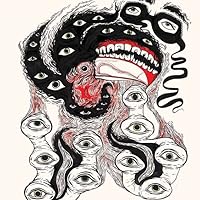
Nell'opera di Frantz Fanon, racchiusa in un periodo di pochi anni (1951-1961), prendono voce temi decisivi che non smettono d'interrogare il dibattito sulla condizione postcoloniale: le contraddizioni delle borghesie nazionali negli anni dell'indipendenza, lo spettro del razzismo e la sua oscura riproduzione nello Stato moderno, la costruzione della soggettività africana. Con l'ostinazione di chi aveva scritto "Ci sono troppi imbecilli su questa terra, e poiché lo dico, si tratta di provarlo", nei lavori qui raccolti, per buona parte mai tradotti in italiano, Fanon ripercorre con altrettanta sistematicità le teorie psichiatriche e psicanalitiche dell'epoca. La sua è urìar-cheologia sovversiva che, di quelle teorie, rivela limiti e paradossi: un'etnologia critica dell'Occidente. Con toni a tratti profetici, i suoi scritti disegnano una fenomenologia politica del corpo coloniale nella quale affiorano molti dei problemi con i quali si misurano oggi l'etnopsichiatria e l'antropologia mèdica critica: la violenza quotidiana e invisibile che secerne la sofferenza dei dominati, il difficile incontro fra il clinico occidentale e il corpo inquieto dell'immigrato, Yeconomia morale delle sue menzogne. La psichiatria, chiamata da Fanon a riconoscere che è "impossibile guarire" in un contesto di oppressione e di arbitrio, è invitata in queste pagine a interrogare conflitti e omissioni, e a confrontarsi con l'enigma politico della differenza, della malattia e della cura.
Frantz Fanon was a psychiatrist, philosopher, revolutionary, and author from Martinique. He was influential in the field of post-colonial studies and was perhaps the pre-eminent thinker of the 20th century on the issue of decolonization and the psychopathology of colonization. His works have inspired anti-colonial liberation movements for more than four decades.
Sicuramente consigliato agli appassionati della storia, dell'antropologia e della psicologia. Beneduce spiega e esplicita gli scritti di Fanon, come se li avesse scritti per mano sua. Interessante e complesso.
This book is virtually impossible to find, and the pdf I found is missing editorial introductions and a final essay, but Fanon’s texts remain.
The underlying thread of Fanon’s psychiatry is the colonial inheritance of medical/psychiatric practice. In medics contexts what cannot be “diagnosed” does not exist. In the body of the colonized subject, this relationship is exacerbated. Fanon views madness as potentially social, something that comes not as a result of denying reality but attempting to face it. When met with ineffability, the social structure of capitalism cannot but deny its humanity. In his practice, Fanon advocated for the subjectivity of his patients. Likewise, he participated in efforts to collectivize the psychiatric hospitals, seeing profound results. The text ends with an essay on the colonial subject, and the experience of colonialism as a psychiatric detriment to the person - in particular the relationship between labor, surveillance, and psychiatric internalization of the settler gaze.
A profound work, but perhaps the most profound is Fanon’s reflections of the communal transformation of the psychiatric hospital. He writes:
“Christmas, with its deeply embedded traditions, provided us with an opportunity… Religious hymns, choirs, carols… hands trembling with emotion. When we proposed the patients organize regular festivities… we hardly encountered any opposition. We attend merely as spectators. When the paranoid patient responsible for the musics number kept watch on the catatonic patient out of the corner of her eye to make sure she wasn’t losing the thread, pinching her when necessary to get her moving again.”
Fanon sempre attuale. Da leggere soprattutto in periodi in cui, come ora, imperialismi e colonialismi dilagano, e le culture occidentali vengono moralmente sopraelevate rispetto alle culture "altre".