A fable of the comic-horror of modern urban existence seen through the eyes of Doctor Dolly, a woman alone in an alienating city. Dolly mounts a solitary, crazy and comic protest against warmongers and bureaucrats, adopting a son along the way.
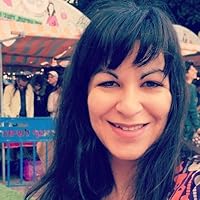
Orly Castel-Bloom (Hebrew: אורלי קסטל-בלום) is an Israeli author.
Orly Castel-Bloom was born in north Tel Aviv in 1960, to a family of Egyptian Jews. Until the age of three, she had French nannies and spoke only French. She studied film at the Beit Zvi School for the Performing Arts in Ramat Gan.
Castel-Bloom lives in Tel Aviv and has two children.
Castel-Bloom's first collection of short stories, Not Far from the Center of Town, was published in 1987 by Am Oved. She is the author of 11 books, including collections of short fiction and novels. Her 1992 novel Dolly City, has been included in the UNESCO Collection of Representative Works, and in 1999 she was named one of the fifty most influential women in Israel. Dolly City has been performed as a play in Tel Aviv.
In Free Radicals, Castel-Bloom stopped writing in the first-person. In Human Parts (2002) she was the first Israeli novelist to address the subject of Palestinian suicide bombings. Her anthology of short stories You Don't Argue with Rice, was published in 2003. Castel-Bloom has won the Prime Minister's award twice, the Tel Aviv award for fiction and was nominated for the Sapir Prize for Literature.
Israeli literary critic Gershon Shaked called her a postmodern writer who "communicates the despair of a generation which no longer even dreams the dreams of Zionist history."
Fucked up. At times brilliant, at times hilarious. I was not horrified because I immediately read it as an allegory of internal states. It is curious that unlike other unreliable narrators (closest comparison that comes to my mind is Beckett's narrators), Dolly knows she's crazy and reflects on her craziness, even within a state none of us would call normal. And everyone else is the same way. This frees up the conceit, somewhat, but also places the story outside of the mere surreal, and into one in which the horrors are more concrete. The levels of unreliability build on top of each other so that it is a range rather than a binary. There is no real analogue to the events that are happening except that they ring emotionally true. It's a book of brokenness from the start, and there is no real attempt to fix anything, but the impulse to fix is still there, is ever-present, like an echo of a pre-apocalyptic urge that seems oddly anachronistic and endearing.
I'm ill equipped to really understand this book because I don't understand the Israel it satirizes, but I still felt the urgency of its voice. These reviews may be more illuminating:
I think I need a drink. I also think I'd have to re-read and study this book and miles of history around the middle-east, immigration, alienation, outsider culture, survivors of war, and Israeli authors to understand the breadth of the work. I am stunned. One hell of a way to express the chaos that is living with feelings bordering on exile in a country that is outside your birth.
As the afterword suggests I think I'd have to read it again and again to fully come to grips with what I just experienced. Uh. And the rating feels utterly arbitrary, I feel like I've assigned a grade to the quality of an assassination or campaign bombing, yea, that was pretty good. How do you even do that?
Dolly City is an awful place where murderous citizens gobble buckets of anti-depressants and live in such sections of town as Wells of Despair, Lakes of Fear, and Swamps of Despair. And, there are two political parties: Bureaucracy and Procedure. At the heart of this city (well, actually there is no heart) is Dolly herself, a medical doctor who took her degree at the University of Katmandu (or maybe not). She sees sickness everywhere, particularly cancer, which even tires and roads seem to have contracted. She is eager to treat people, although she cares little whether they live or die and is quite willing to help them achieve the latter. Her main preoccupation is her son (actually an orphan she finds one day), whom she calls simply Son. She is a Jewish mother with a vengeance, performing a series of operations on Son to make sure he is normal (does he actually have two kidneys? Let’s operate and see). Finally, she has Son glued to her back so that “I would be able to incorporate him inside myself and forget all about him, and I wouldn’t have to worry so much anymore.” This is of course very, very broad satire from one of Israel’s most famous women writers. Does she go too far? Yes, of course. For the first one hundred pages I alternated between hilarity and horror . . . and, then, my emotion turned to boredom, and finally I just struggled to finish. This kind of thing will only take me so far, despite my admiration for Castel-Bloom’s imagination, and then I want a little something that enables my own imagination to poke its way into the narrative. None of that here.
The writing style and grotesque subject matter reminded me a lot of Mikhail Bulgakov's Heart of a Dog. Granted, I read that many years ago so the connection might be very, very loose.
I really enjoyed Dolly City. It's macabre, funny, and thought-provoking. I can't help but feel like I was missing a lot of the cultural commentary, although some of it became clearer after reading the "epilogue" type thing at the end.
While reading, it definitely comes across as one of those books in which EVERYTHING is metaphorical. Castel-Bloom's writing is very sharp and nothing is superfluous, down to the most absurd detail. The story progresses rapidly and years fly by in a matter of pages. Although the story is engrossing (I could barely put it down), I did kind of get the feeling that Dolly City wasn't really about the story, but rather more about what the story was trying to say. I don't quite know how to word it, but that's the one aspect of this book that was a little disappointing to me. Although I loved that it was very "in your face" and provoked you the whole way through to read between the lines, at times I wanted to enjoy the bizarre story as simply a story.
Definitely one of those books that I would like to read again (and in fact, probably SHOULD read again).
דולי סיטי הוא ספר מוטרף על חרדת אימהות והדברים שהיא גורמת לנו הנשים לעשות. זה ספר מאוד הולם לקריאה לקראת יום האישה הבינלאומי. בתזזיתיות שבו הוא מדגים את הצפיות החברתיות מנשים ואת כשלונן הסדרתי למלא אותן.
בכל אופן הוא ספר די בוטה וכמו שהילדים שלי אומרים "לפנים" בבוטות שבה הוא מציג את המתח בין נשיות, אמהות וקריירה.
דולי היא רופאה, מנתחת, שלמדה בטיבט בעקבות השאיפות של אביה שרצה שהיא תנצל את כרטיס הטיסה שהחברה נתנ לה בחינם. כשהיא חוזרת לדולי סיטי היא נסחפת אחר נטיות ליבה ועוסקת בביולוגיה, בבעלי חיים ובמחקר.
אין כסף במחקר ודולי לאורך כל הספר נעה על גבול העוני, דבר שדוחף אות לבצע דברים מטורפים יותר ממה שהיא כבר מבצעת.
היא מוצאת ילד והופכת אותו לשלה אבל החרדות הקיומיות גורמות לה להעביר אותו מסעות יסורים, ניתוחים וטיפולים רפואיים אותם היא מבצעת בעצמה והאמת שאני מבינה אותה. החרדה הזו לילדים, לשלומם ולבריאותם מחרפנת.
בשלב מסויים מאשפזים אותה והיא בורחת מהאישפוז הפסיכיאטרי, היא מדביקה את הילד לגב שלה עד שהיא מרגישה שהיא לא יכולה יותר ורק רוצה להתנתק ממנו ובגיל 45 בנה מאשפז אותה בבית זקנים כי העולם שייך לצעירים.
זה ספר מטלטל, מחריד ומטריד. יש בו הומור שחור ובקריאה ניכר שקסטל בלום לא לוקחת את עצמה ברצינות מידי.
I reread Dolly City for a book review that I am writing. When the review is published, I'll provide a link to it here. I will say that lately I've been enjoying a number of books with fantastic last sentences. There's quite a bit of literary criticism on "the poetics of closure," usually in relation to poetry, and it would be interesting to apply these observations to Castel-Bloom's novel. Dolly City has a remarkable finale. You have to go through a lot of gore for this moment but it's worth it (come to think of it, that's how I felt about giving birth to Lev).
Wow. I um, don’t know how to “review” this little novel. I’ll start by saying this was a tough sit. A little tough to read in the beginning. Towards the middle I started to think that Orly Castel-Bloom could be a genius. When I finished, after just a couple of hours, I’m certain she is. This book is easily one of the most original pieces of literature I’ve read. Yeah, it’s uncomfortable but it’s honest. It’s outlandish but remarkable. It’s rewarding and it’s eye-opening. It’s awesome. Another OCB is coming this month. Stay tuned.
UPDATE 4 days later: here's my essay but this is just me rambling to myself so keep scrolling and if not then be warned i punctuate based on vibes
as horror this is pretty decent, it's grotesque and twisted and "funny". the fast pace of the book adds to the ludicrousness and the humour although sometimes it's so fast-paced that you can't take in most of what's on the page.
dolly city presents "reality" but on x mode. it's a tale of many things, one of which is jewish motherhood. dolly is paranoid, she is so worried about her son possibly getting sick that she opens him up several times over the course of the book to make sure he's alright. her hysteria, her love and her hatred are one.
dolly city is also a tale of nationhood. dolly city shares dolly's own name, she is dolly city, she might even be israel (and some passages in the book support that: at one point, her sister tells her to "return to the '67 borders", will discuss that later though; on two occasions, the same sentence is present in different passages of the book: "And if a state like the State of Israel can't control the Arabs in the territories, how can anybody expect me, a private individual, to control the occupied territories inside myself?"). dolly city is diseased, it's both cancerous and carcinogenic, dolly sees cancer everywhere and goes out of her way to infect people with diseases of her own creation (in this futuristic setting, several diseases known to us today had been eradicated but dolly brings them back in her home lab). elements in the book also make reference to the holocaust (dolly claims she's entitled to butchering german babies to steal a kidney for her son because germans are "the worst pigs" you could think of), people whose families haven't been victims of the holocaust (non-european jews), and holocaust survivors are said to crucify random europeans on the streets of dolly city in the "anti-anti-semite" quarter. this is one aspect of israeli society the author mocks, along with israelis' fear of arabs or "arabophobia". the book also seems to make a statement on israel's occupation of palestine. dolly acknowledges that dolly city is unliveable, it's an unhinged city with no roots, ruled by chaos and disease. at one point, she says "I want to go home—even though this is my home." and in fact one of the sentences used to officially describe and sell the book is "Dolly City—, a city without a base, without a past, without an infrastructure. The most demented city in the world.". dolly herself compares her own madness to israel's occupation of palestinian territory in 1967 when she says "Madness is a predator", "Its food is the soul. It takes over the soul as rapidly as our forces occupied Judea, Samaria, and the Gaza Strip in 1967". dolly in her madness carves the map of israel on her son's back, and later her sister tells her that she would not be able to see her son again until she returns "to the '67 borders". in 1967, hundreds of thousands of palestinians were displaced and made refugees as israel demolished and took control of multiple villages. after a few years away from her son, dolly returns to see him again, and the map she had carved on his back had changed, he had returned to the '67 borders. being away from his overbearing, murderous, and abusive mother and city who share the same name, his personality had changed and the scars on his back had regressed. what i have issues with here, is that while the occupation of palestine is acknowledged—and makes dolly city/israel a despicable place to live in, where there is no sense of belonging as an israeli citizen whose home is not really their home but a home that was violently stolen from someone else—the message is muddled. on one hand it's clear that the only way to "cure" dolly, who embodies both dolly city and israel is to end the occupation of palestine. on the other hand, the occupation is explicitly addressed and the book seems to criticize and reject zionism by expressing it through dolly's madness and violent ways but the message doesn't go beyond "returning to the '67 borders" and this in my opinion doesn't call for the end of occupied palestine considering the occupation began in 1948 and caused the displacement of about 700,000 of palestinians.
in this story and as explained in the afterword, motherhood and nationhood are one. while i enjoyed it as a horror book, and found value in its storytelling i don't fully agree with its ideology hence the 3 stars and SCENE
This entire review has been hidden because of spoilers.
I am stunned! Never have I read a book so intense that I had to step away to breath. I need a drink to calm my nerves! From the first paragraph Castel-Bloom pierces you with her needle and you are frozen in a trance until you break away from the prose. I feel like I need to study some history or geography to fully grasp certain details of this novel, but regardless of what I didn't know, I did connect with the intense urge to protect one's child and I realized how we, as parents, can f*** up our kids without truly realizing the extent of our actions. There are some points in the narrative that I felt disjointed from the story--maybe I missed certain details or there are pieces that were lost in translation. Overall, I would recommend that you be prepared before entering the realm of Dolly City. It's not for the faint of heart!
Paternity is legal fiction to James Joyce, what about maternity to this Jewish mother? Her account is so wild, it can’t be anything other than fiction, but what if it conveys some kind of truth?
This strange little book starts out totally nonsensical, by the end you’re sure it corresponds to something that happened — happens? — to real people, in a really mad city, in the real world, but the language is too wild to piece it together easily.
It’s really funny, and provocative. It touches on so many taboos I’m afraid to recommend it. The author reportedly said that “in the months following the Israeli publication of the novel in 1992, people who recognized her as its author were actually afraid of her.”
But still, I want to read more by the same author. I’m already looking forward to rereading this.
Real downer and slog despite how much action happens constantly, an ever-changing barrage of murders, surgeries, and chaos that adds up to nothing. Definitely trying to go the Pynchon route of uniting the disparate events with a strange psedo-conspiracy, but it fails in every respect to add up or be compelling even in the unreliability. If read allegorically, well, it still doesn't mean too much. Gore gone lit as a criticism of Israeli politics sounds way cooler than the execution here!
"הילד עדיין שכב על גחונו. הרדמתיו, אף על פי שעוד לא ידעתי איפה אני חותכת אותו. ניסיתי נואשות להרגיע את הדחף הזה שלי להתעסק עם הילד, וניסיתי למכור לו חוקן פשוט - אבל זה לא סייע במאום. לקחתי סכין והתחלתי חותכת פה ושם. שירטטתי לו על הגב את מפת ארץ ישראל כפי שזכרתי אותה מתקופת התנ"ך, וסימנתי את כל הערים האלה של הפלישתים, כמו גת ואשקלון, וציירתי בלהב את הכינרת והירדן שנשפך לים המוות שמתאדה נונ-סטופ"
This short dystopian tale is written in a fearless, shocking and courageous language that, at first, can be off-putting. The author describes an Israel and a heroine beset with paranoia, chaos, disease and hopelessness. A doctor, trained in Katmandu, she travels her city and land searching for sense of family and security that is not possible in this horrid state of affairs. At one point, she adopts an infant and out of a misguided maternal instinct performs untold surgical and other medical interventions in a sick, misguided attempt to protect him from the world around them.
She meets a man called Gordon who claims “I’m the first Jew to work the land since the destruction of the Second temple” yet after being together for 9 months (symbolic) “history and folklore had taken him over completely. All the theories about Mother Earth and working the land were bullshit. He was sick of Dolly City, he wanted to try his luck in Mexico City”.
In the end one has to believe that the author's tale is a commentary on Israel and the complications it faces dealing with their Arab neighbors and their own internal political forces.
If one can get past the horror of its language it can be an engrossing experience that I will be thinking about for some time. This book is not for everyone.
Este libro es, por mucho, la cosa más rara que he leído en mi vida. Seguramente sea una metáfora sobre la historia de Israel o algo por el estilo. Pero, afortunadamente, se puede leer literalmente. O sea, sin tener en cuenta que uno lee algo simbólico, sino que es una historia hecha y derecha, sin doble sentidos. Y que es MUY-FUCKING-RARA.
Tratar de explicar de qué se trata es absolutamente imposible, pero sería algo así. A una médica se le muere el perro. Contrata un tipo para que lo entierre. Ella lo sigue a escondidas. El enterrador destroza el cadáver antes de enterrarlo. Ella lo mata. En el camino, encuentra un bebé en la calle. Decide adoptarlo y criarlo como a un hijo. Pero el instinto maternal se le pasa de rosca y ella vive con un pánico constante a que el nene se enferme; el miedo es tal que lo opera todos los días sólo para revisar que esté todo bien adentro. El resto de la novela es la relación de la mujer con este niño, su "hijo", al que sigue maltratando por amor, mientras tratan de vivir en una ciudad que, probablemente, sólo sea la psiquis de la mina.
Es rarísima. Todo pasa tan rápido que no te da tiempo a pensar ni siquiera en simbolismos ni nada. Todo es ya, ya, ya. La tapa del libro cita una crítica de Le Monde, que dice "Kafka en Tel Aviv". Kafka, mis pelotas. No se me ocurre ni un punto de comparación con esto, pero Kafka seguro que no.
Even though this is a postmodernist piece of political, social and corporeal horror satire, I’ve had a similar feeling to finishing a classic -you might not read it again, however you would probably discuss it. A lot. Indubitably the reading itself is an experience… It goes above and beyond the expected and perhaps would not be the best fit for more sensitive readers. One of my favourite parts about this book were the many descriptions of Dolly city: its people, weather, atmosphere, environment…A totally damned, dystopian, nonsensical city which holds its echoes in contemporary world absorbing all the possible horrors from it posing a question: is it the environment or the protagonist Dolly who is suffering from multiple illnesses? The illnesses and absurdity in this book eloquently encapsulate a critique on Israeli society, though closer reading is needed to understand different political, cultural and religious references.
In all honesty, I hated this book. If I could give it no stars without making it look like I didn't rate it, I would. Even though it was supposed to be a sattire, and the society was supposed to be corrupt, I just couldn't wrap my head around it at all. The narrator was just too much to handle.
At first I was overwhelmed by the weirdness and madness of this book, but it grew on me pretty quickly. You have to accept the fantastic setting and the obvious madness of the main character for what they are and let them lead you on. It is definitely worth reading.
Amazing, hilarious and twisted. The novel's arbitrary events and outlandish descriptions really challenge the idea of structres, boundaries and traditions.
עם סיום הספר הראשון שאני קוראת של אורלי קסטל־בלום אני יכולה לומר בפה מלא: כל מה שאמרו לי על הכתיבה שלה נכון – היא כותבת מעולה, קולח, כיף וקליל לקריאה. התכנים – פחות:) או לפחות ב׳דולי סיטי׳. בתקציר בגב הכריכה נכתב שהספר הוא משל להורות ולישראליות, אבל אני לא חוויתי אותו כך, אני חוויתי סיפור על אישה שבמקרה יש לה ילד, והוא דמות משנית, כמעט שולית אפילו. כי הסיפור הוא על דיכאון קליני. אני רוצה לומר שהסיפור הוא על התמודדות עם הפרעות נפשיות, אבל אני חושבת שאם אני מסתכלת בדברים יותר לעומק אני מבינה שהסיפור האמיתי הוא דיכאון. אולי דיכאון לאחר לידה, ואולי לא, ואולי לידה לאחר דיכאון, זה לא משנה. מה שמשנה הוא המצב הנפשי־מנטלי שהדמות שוהה בו.
רוב, ואולי כל, האירועים שכתובים בספר לא קרו לגיבורה, אין בספר הזה עלילה כמו שאנחנו תופסים עלילות. אין התחלה, אמצע וסוף, אין פיק ואין התרה, רוב הדברים שקורים בספר הם דרך ציורית להראות את המהלך החשיבתי של הדמות, את המהלך החשיבתי של האדם שסובל מדיכאון. ובסופו של דבר יש כאן 155 עמודים שיכולים להיות יום אחד או 20 שנה – והעיקר הוא ההתנהלות ודרך ההסתכלות על העולם. חשוב לי להבהיר, אני לא חושבת שהדמות עצמה חיה עם דיכאון קליני, אני חושבת שהדמות היא הדיכאון הקליני. אם נסתכל על הדברים כפשוטם יש כאן אישה שסובלת משלל מכובד של בעיות והפרעות נפשיות, אישה פוגענית ופגועה שחוטאת כלפי הקהילה והילד שלה עצמה אין־ספור פעמים. הדברים שהיא עושה לא גרמו לי לחוש אליה אמתפיה בכלל, אבל הדרך שלה לראות את העולם היא שסיקרנה אותי להמשיך לקרוא ולנסות לפענח את כוונת המשורר, ולאט־לאט הצלחתי להבין – נראה לי – שהפעולות שהיא עושה כנראה לא נעשו באמת והרוב בכלל מתרוצץ לה בראש. (אני מקפידה להסתייג מכל הכרזה דרמטית, כי כפי שאני רואה זאת, כוונת המשורר במקרה הזה שמורה למשוררת עצמה בלבד 😄)
אני חושבת שדולי מייצגת הלך חשיבה של אדם בדיכאון קליני, אחד שמעדיף לפגוע בעצמו, ולעיתים גם באחר, מתוך צרכים הישרדותיים או אשליית חוסר ברירה, במטרה אחת נכספת – להיעלם. מה שהכי יפה הוא שכל זה נכתב ללא שיפוטיות. זאת אומרת, הקורא שופט, גם אני שפטתי, אבל הכתיבה היא לטובתה של הדמות, היא מלאה בחמלה כלפי הדיכאון. וכשירדתי לסוף דעתה (נראה לי) הפסקתי לשפוט, הבנתי שדבר מכל מה שקרה בספר לא ׳באמת קרה׳ אלא פשוט סמל לדיכאון. כל מילה בספר הזה יכולה להיות רפרנס או משל כלשהו, לדעתי לא עליתי על כל המשלים, ולא הייתה לי מוטיבציה ללכת לחקור כל מילה. בסופו של דבר, הוא מעין קורות חיים של דולי, הוא עשוי ממשלים ואני חושבת שהמטרה שלו היא להעביר כמה מסרים – מה שאני לא מתחברת אליו כל כך. ובאמת, אם נדבר רק על מסרים הגדולים שהיא הכניסה, אז לא התחברתי לספר. אבל המסרים הם לא הדבר היחיד שהיא הכניסה, ולכן כן נהניתי, במידה מסוימת, גם אם מדובר בקורות חיים או מניפסט חברתי, וגם אם הוא מכיל משלים במידה מוגזמת מעט.
– אזהרת ספוילר בספק, מאוד בספק – אלו המשלים והרפרנסים שכן עליתי עליהם ויחסית נהניתי מהם: ׳דולי סיטי׳ היא עיר אפוקליפטית־עתידנית והיא בעצם ׳העיר של דולי׳. היא מבוססת על תל אביב. אבל גם על וינה, ועל רומא – ׳עיר שכל הרכבות בה מובילות לדכאו׳ ושהמכוניות בה הן חיפושיות פולקסווגן גרמניות – וגם על ורדן, ופריז – היא עיר שהצרפתים תוקפים, והבלגים מטביעים את הספינת הצבא של דולי סיטי. ונראה לי שהיא אפילו על נגסקי איכשהו. הספר נכתב בשנים האחרונות של המאה ה־20 ואני חושבת שהניסיון לבנות עיר אפוקליפטית כזו היא ניסיון לקבץ את כל מה שהאנושות עברה והעבירה עד לשנת 2000, ולהראות את החיים הפוסט־טראומטיים שכולנו חיים, בייחוד כאן בישראל, ואיך כל זה משפיע על החרדות ההוריות שלנו ועל הקיום שלנו בפרט. כלומר, זו עיר שהיא סיכום של כל המאה ה־20, והיא תערובת של כל מה שקורה בתל אביב וכל מה שקורה לדולי בראש, כל הרפרנסים והתלאות שעברנו ועוברים עד לאותה נקודה – מלחמות העולם ומלחמות ישראל, המנטליות הישראלית וצורות שלטון מעורבבות (השלטון בעיר הוא הרפואה, והדרך היחידה, הרשמית לפחות, לצאת מהעיר היא דרך האוויר עם חברת בי־עף, בהמשלה לאל־על), בטיחות מוגברת בגבולות (הבטיחות המגוברת מותאמת לאופי השלטון בעיר – בדיקה של מחלות ולא של מזוודות. מה שאולי ניבא את הקורונה? 😆), והדיכאונות והפחדים שלה שהם ראי לדיכאונות, הפחדים והשריטות של כולנו, של כל האנושות שנפגעה ממלחמות שוב ושוב ושוב. – סיום ספוילר אם היה כאן ספוילר –
הבעיה שהפריעה לי יותר מהחוסר בעלילה ויותר מהבלגן הקיומי של הכתיבה היא שאין קונטרסט בינה לבין שאר הדמויות סביבה. כלומר, בפעמים המועטות שמישהו סביבה בכלל פותח את הפה, הוא מדבר בדיוק כמוה, בבלגן, בחידות, קושיות ורפרנסים ליצירות, אסונות ואירועים. כך שכולם חולים כמוה, או קצת אחרת ממנה, אבל חולים, ואין הפרדה בין ייצוג הדיכאון והחולי שלה למציאות היום־יומית המציאותית. הגיוני שזו הייתה המטרה, להראות שכולנו חלק מהמעגל הבלתי נגמר של מלחמה־פוסט־טראומה־נקמה־מלחמה־פוסט־טראומה וכן הלאה, אבל אני חושבת שמכיוון שהדמות מוגזמת כל כך דווקא מחמיצים פה חלק חשוב מהרעיון שקונטרסט יכול היה לשבח. לפחות מהרעיון שאני הצלחתי להבין מהספר:)
מדובר בספר קשה לקריאה, ולא בגלל הכתיבה, כי הכתיבה מעולה. דווקא בגלל התיאורים הקשים של הדברים שהיא עושה לבן שלה, כנראה בהמשלה למה שאנחנו עושים לילדים שלנו בעצם הבאתם לעולם, בישראל בפרט ובעולם הגדול בכלל. כמו שאמרתי, אני בוחרת להתעלם מחלק מהמסרים שהיא הביאה שם, אני לא מסכימה איתם ואני חושבת שהחזרתיות שלהם בתוך הטקסט פוגמת בדרך האלגנטית שבה נמסרו שאר המסרים.
מבחינה לשונית, לא זוכרת שנתקלתי בבעיות - וזה כיף בפני עצמו.
לסיכום, ספר מוזר, מעניין, קליל וקשוח. ובסך הכול, הוא מעין הרפתקה לניתוח שאני לא בטוחה שאני ממליצה עליה, אבל גם לא בטוחה שאני לא ממליצה. 😆