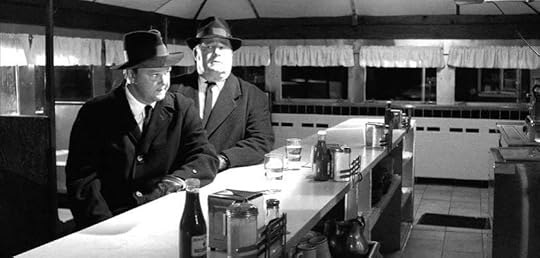
The story takes place in Summit, Illinois during the 1920s, during Prohibition. Two hit men, Max and Al, walk into Henry's lunchroom, which is run by George.
Ernest Miller Hemingway was an American novelist, short-story writer and journalist. Best known for an economical, understated style that significantly influenced later 20th-century writers, he is often romanticized for his adventurous lifestyle, and outspoken and blunt public image. Most of Hemingway's works were published between the mid-1920s and mid-1950s, including seven novels, six short-story collections and two non-fiction works. His writings have become classics of American literature; he was awarded the 1954 Nobel Prize in Literature, while three of his novels, four short-story collections and three nonfiction works were published posthumously. Hemingway was raised in Oak Park, Illinois. After high school, he spent six months as a cub reporter for The Kansas City Star before enlisting in the Red Cross. He served as an ambulance driver on the Italian Front in World War I and was seriously wounded in 1918. His wartime experiences formed the basis for his 1929 novel A Farewell to Arms. He married Hadley Richardson in 1921, the first of four wives. They moved to Paris where he worked as a foreign correspondent for the Toronto Star and fell under the influence of the modernist writers and artists of the 1920s' "Lost Generation" expatriate community. His debut novel The Sun Also Rises was published in 1926. He divorced Richardson in 1927 and married Pauline Pfeiffer. They divorced after he returned from the Spanish Civil War, where he had worked as a journalist and which formed the basis for his 1940 novel For Whom the Bell Tolls. Martha Gellhorn became his third wife in 1940. He and Gellhorn separated after he met Mary Welsh Hemingway in London during World War II. Hemingway was present with Allied troops as a journalist at the Normandy landings and the liberation of Paris. He maintained permanent residences in Key West, Florida, in the 1930s and in Cuba in the 1940s and 1950s. On a 1954 trip to Africa, he was seriously injured in two plane accidents on successive days, leaving him in pain and ill health for much of the rest of his life. In 1959, he bought a house in Ketchum, Idaho, where, on July 2, 1961 (a couple weeks before his 62nd birthday), he killed himself using one of his shotguns.
دهانم بسته میشود...کَسِ دیگر سخن میگوید...آنچه که از روحِ همینگوی موقع خواندن داستانش در جانم حلول کرده است...آری اوست که به کلام در میآید:
قبلش بگم من پایا هستم یه قلچماق به تمام معنا...ولی بخاطر ساختار لعنتی داستان باید اسممو بذارم پسر...حالا بریم سر اصل مطلب...اول یک صلیب بکشید
به نام هومر خدای خدایان و شکسپیر روح قدسی و خودم ینی پسری که به گلوله کشاند خودش را
آهای تو! که نامت را خواننده گذاشتهای هی تو!! آن طرف را نگاه نکن با تکتکتان هستم!!! شلوارت را بکش بالا تا کی باید طفل بمانی و لقمه رو بچپونن توی دهنت لامصب خودت آنجاتو بشور!!! خودتو جمع کن یالا قراره اینبار بیوفتیم دنبال لقمهها خوب یاد بگیر برای اینکار به اون بالایی و یه کمی هم شانس شدیدا نیازه آسمونو نگاه نکن اینجوری نگام نکن احمق کاری به اعتقادِ آدمها ندارم منظورم از اون بالا، کله بود اونو باید به کار بندازی دوره لفاظی و شاهنامهنویسی گذشته باور کن خودت را احمق جان اینبار تو مهمتری قرار نیست مرده متحرک باشی که هرجا بخوایم ببریمت این تویی که ناخدایی نترس!!! باور کن حماقت هم جزیی از وجود آدمهاست فقط آن برداشت لعنتیتو داشته باش خلاص (دود بلند میشود)
روایت من:
ميگويند روزی عطار در دكان خود مشغول به معامله بود كه درويشي به آنجا رسيد و چند بار با گفتن جمله «چيزی براي خدا بدهيد» از عطار كمك خواست ولی او به درويش چيزی نداد. درويش به او گفت: ای خواجه تو چگونه ميخواهی از دنيا بروی؟ عطار گفت: همانگونه كه تو از دنيا ميروی. درويش گفت: تو مانند من میتوانی بميری؟ عطار گفت: بله. درويش كاسه چوبي خود را زير سر نهاد و با گفتن كلمه الله از دنيا برفت
برداشت مذهبی و اخلاقی روایت بالا به کنار...چیزی درش هست که در دو داستان "آدمکشها" و "اردوگاه سرخپوستان" هم هست...ما در مقابل مردانی هستیم که سرنوشت محتوم خود را پذیرفتهاند...با بیخیالی در تختشان دراز شدهاند و به انتظار مرگ نشستهاند...آیا آن همان چیزی نیست که همینگوی میخواست به آن برسد...جلال و عظمتِ انسان در روبرو شدن با مرگ!!! ماشه کشیده میشود و مرگ همینگوی را در برمیگیرد...با آنکه هنوز از مرگ همینگوی متاثریم اما هنوز کنجکاوم بدانم آیا انگشتان همینگوی رو ماشه لرزیده است یا نه!؟ این برای من مهم است...چون اگر نلرزیده باشد دیگر متاثر نخواهم بود
دهانم دوباره بسته میشود...همینگوی است دوباره... میگوید بس است تخیلاتو اینقدر نریز تو زندگی واقعی من!!!
pop-quiz hotshot: which author birthed the terse prose style of classic hard-boiled fiction? was it dashiel hammett with “red harvest” in ‘29 or was hemingway even earlier with his short story “the killers” in ‘27?
i recently showed my younger brother the film adaptation of “the killers” for the first time. it features the original short story almost verbatim in the opening scene. afterwards he said: “well, that opening was better written than 99% of modern crime movies.”
that’s how good this short is.
the dialogue crackles back & forth — and it precedes, if not foreshadows, other great crime writers like cain, chandler (who arguably got his entire style from this short), mamet, tarantino, and ross macdonald.
the first time you read it, you might perceive the ending a misstep or confusing, but if you give it a minute to sink in, you might see there’s a point to the structure and where it ends. hemingway doesn’t really write genre stories. he’s writing things as they are or as they were experienced by someone like nick adams. it’s supposed to ring true, not pat and tidy. its why i often find myself thinking about this story, without even meaning to. really the earliest example i can find of great back & forth urban dialogue that feels as authentic as an elmore leonard novel or a david mamet play.
دوستانِ گرامی، داستان نکتۀ خواستی نداشت... ولی احساس میکنم چندتا فیلم دیدم که امکان داره از این داستان الهام گرفته باشن، یا حتی فقط اتفاق هایی که تو رستوران افتاد رو برداشت کرده باشن، نمیدونم همینگوی فضایِ داستان رو به نحوی شکل داده بود که جر و بحث هایِ «آل» و « مکس » با اعصاب و روانِ خواننده هم بازی میکرد، چه برسه به « جرج» و « نیک»!... حرف هایِ بی ربط، سؤال جواب هایِ پشتِ سرِ هم و تحقیرِ آشپز، « جرج» و « نیک» توسط این دو آدمکش، همه و همه رو اعصاب بود و در نهایت « همینگوی» شخصی به نامِ « اله اندرسون» رو واردِ ماجرا میکنه، و داستان رو به نحوی جلو میبره تا انتخاب و حتی کشفِ این که پیامِ داستان چی بوده! به عهدۀ خواننده باشه از دیدگاهِ من، میخواست نشون بده بعضی اوقات و در زندگی یک انسان ممکنه به هر دلیلی مواردی پیش بیاد که اون انسان آنقدر که دیگران به فکر زندگی و نجاتِ جانِش هستن، خودش به فکر خودش نباشه ویا ممکنه پیام این باشه که، یک مرد، مرگ براش آسونتر هستش تا فرار کردن از این محل به آن محل و زندگیِ همراه با استرس و نگرانی امیدوارم داستان رو بخونید و با نظراتِ شما راجبِ پیامِ این داستان آشنا بشم
خود داستان،یه داستان کوتاه معمولی حالِ حاضر ولی جذاب برای قرن بیستم بود. اما وقتی که نقد این داستان رو خووندم،روایت داستان رو بیشتر متوجه شدم و خیلی واسم جالب و جذاب شد. پیشنهاد میکنم همراه داستان،حتما نقد رو بخوونید.
چقدر عالی بود! یک داستان ساده ولی جذاب و کامل! آدم باورش نمیشه که به این سادگی میشه داستان کوتاهی به این خوبی نوشت! به درد اقتباس برای تئاتر هم میخوره!
"Oh, to hell with the clock," the first man said. What have you got to eat?" Ernest Hemingway, The Killers
Sorry Hemingway! I love most of your short stories, or at least the ones I've read. But this -- not for me.
It's about two killers who are looking for a specific person. The thing here is its all about the dialogue.
It goes at whiplash speed and some have mentioned how they liked that but it didn't do anything for me, I was mostly bored.
I also did not like repeated use of the N word. Yes, I know it was written in a different time period and yes other classics gave done the same, but it just didn't sit well with me.
And even though I love Noir and could see why someone would really appreciate the dialogue, I did not. Sorry.
This short story from Hemingway is mostly dialogue, and consists of only a few characters. Set in Summit, Illinois during the 1920s, during Prohibition, two hitmen enter a lunchroom, run by George. The only other people in the lunchroom are Sam, the cook and Nick, a customer. The story rolls out very quickly, with lots of tough-guy dialogue. Short statements, limited explanation, all in keeping with Hemingway and his style.
A good way to spend 10 minutes, if you don't have a lot of deep thought to spare! Available free on Project Gutenberg
Clearly a very early story from Hemingway (1927), and no doubt it a practice run for characters.
در اینکه همینگوی نویسنده ی خوبیه و قلمش عالیه که شکی نیست..اما این داستان کوتاه واقعا چیز خاصی نداشت... تنها نکته جذابش بیخیالیه اندرسن بود وقتی که فهمید میخوان بکشنش.. یه ستاره فقط برای نویسنده
X and Y wants to kill Z. Admirably. We all have to eat a piece of bread, right ? But here is the twist - Z is not too thrilled with the idea of X and Y, but he realizes that he has no chance. As Michael would say - This Is It . Mmm...Pesci and De Niro would fit perfectly here. .. But as in all the stories by H, the ending is as clear as a theory by Derrida. So, the killing of Z is up to the reader. Btw, have you ever killed ? No ? Not even just like that, out of boredom ? Ça peut arriver, you know.. I think adding Sharon Stone wouldn't have been a bad idea, though. No one would die anymore.
لحن و بیانش خوب بود...خوبه که داستانو سریع جمع و جور کرده و این داستان کوتاه رو شاخ و برگ نداده بود...اینجوری اثربخشی داستان بیشتر بود. قسمت جالبش زمانی بود که به اندرسون خبر میدن دونفر میخوان تو رو بکشن و اون بیخیال روی تختش دراز کشیده...تو اوج زمانی که کاری باید برای خودش بکنه براش مهم نیست.... حالشو خوب درک میکنم!!!!!!!!!
ضعیف بود. نقدش رو هم که دوستان گفته بودن بخونین درک بهتری به داستان پبدا میکنین رو هم خوندم و به نظرم یاوه ای بیش نبود. کلاسترو فوبیا!! اگرا فوبیا!! خدا نکنه یه نفر معروف بشه و چند نفر ازش تعریف کنند! واسه یک عده تبدیل به یک نیمه خدا میشه!
چه اتفاقی باعث میشه یکی تصمیم بگیره آدم بکشه؟ و بدتر چه اتفاقی باعث میشه آدم دست رو دست بذاره تا کشته بشه؟ این داستان کوتاه ذهن رو با این سوالها مشغول میکنه اما هیچ جوابی نمیده، هیچ.
هر سطر که جلوتر می رفتم با خود می گفتم بالاخره شد! من هم از همینگوی خوشم خواهد آمد! ...... هیج پایانی جز سرنوشتی که همینگوی بر این اثر خود رقم زد، نمی توانست این اثر را این چنین در نظرم معمولی و کم خاصیت جلوه دهد.... .
در رابطه با این که هرگز نمی توانم با قلم همینگوی ارتباط بگیرم به قطعیت رسیدم.
داستان را در برنامه اکنون، یاسین حجازی به زیبایی خواند و لحظات لذت بخشی رو خلق کرد. همزمان با خوانش داستان توسط حجازی، فیلمی که با اقتباس از این داستان ساخته شده بود هم پخش میشد که لذتمان را دو برابر کرد.
Two mob men, Al and Max, enter George's lunchroom and ask for a meal and some drinks. Shortly after they order the cook and bright boy out of the room; apparently they are expecting a visitor, and they mean serious business.
Not bad, yet not great either. All in all, one of few only exceptions I haven't exactly hated so much by this author. Acceptable even. But it's Hemingway, so whatever.
Dos mafiosos, Al y Max, entran al comedor de George y piden comida y algunas bebidas. Poco después ordenan al cocinero y al chico brillante que salgan de la habitación; aparentemente están esperando un visitante, y tienen algo serio entre manos.
No está mal, aunque tampoco genial. Dentro de todo, una de pocas excepciones que no he odiado tanto de este autor. Aceptable incluso. Pero es Hemingway, así que lo que sea.
I cringed every time they said “Bright Boy” — which was A LOT. Another pointless tale from Hemingway. So let me get this straight: a couple of guys go after an old man and wait for him in a diner. They take the cook, Nick, and George (“the bright boy”) as hostages, spill all their plans right in front of them — brilliant move — and then when the old man doesn’t show up, they just… leave. Free the hostages, walk out. Sure, that makes perfect sense.
Later, one of the diner guys goes to warn the old man, who looks miserable because he knows his death is inevitable. The messenger then goes back to the diner to tell the others what he saw. And that’s it. The end.
So… where’s the story? The idea? The plot? Even a logical flow of events? If Hemingway was trying to convey existential dread, maybe I’d have understood it — if we’d actually spent more time with the old man, felt his despair, or saw his world fall apart. Instead, we got a glimpse so brief it left no emotional mark.
The only bright side is that, come winter, I can use Hemingway's stuff for kindling. That's it.
Also, here's an afterthought: Is it possible to file a restraining order against a dead author and his books? Because, yes, hello, I'd like to file a restraining order against Ernest Hemingway and his mislabeled "classics."
داستان کوتاه عمیقی بود. خوندنش جالب بود واسم..مخصوصا که بعدش نقدش رو که توو ریویوها پیشنهاد شده بود خوندم. اینکه نشون میده به سادگی از نوشتههای همینگوی نگذریم.
This is one of those cases of the hype simply not hitting for me. I thought maybe it was my own mind-state or I was not sitting with it long-enough, but reading other reviews has shown me that it is not just me. Even Hemingway said it was one of his most minimalistic work. I feel, for me, this would work for me going through a novel, but it might be a bit much for short-stories...or maybe not. I can't say, but I saw the glimmer of something, but this was all shell, no gunpowder.
انقطعت عن القراءة لفترة طويلة نوعا ما ،أعود اليها عبر هذه القصة القصيرة "عودة اضطرارية" وهذا بسبب صف الأدب الأمريكي .تدوركل أحداث القصة تقريبا في مطعم حيث جاء قاتلان اليه بحثا عن ملاكم يدعى اولي اندرسون . للأمانة ،ربما لو كنت قرأتها خارج إطار الدراسة لقلت أنها قصة بسيطة بدون شيء يميزها لكن قرائتي لها في إطار الدراسة مع تحليل عميق هو ما جعلني أقدر أسلوبها. همنغواي محترف كتابة بين السطور، كتب في هذه القصة عن الموت ، الحياة ، الخيبة ، الجريمة ، المظاهر الخادعة لكن كل شيء قدم لنا على شكل أحجية للقارئ ان يبذل جهدا كبيرا في تجميعها .
2.75 just cause I feel like I wanted something a bit more from it. Knowing the context behind it though did help me to put more together. Overall nice and read like a Tarantino scene, there are a few things that could be explored like the two killers being almost identical/moving as one entity and the meaning behind them ordering dinner before dinnertime.