

What do you think?

La verdad de las mentiras
La vida es una y tiene límites. La lectura de novelas los revienta y lo que era una se convierte en mil, infinitas. Ése es el mayor poder de la literatura y este libro nos hace participar de él.
«Hay que leer buenos libros, e incitar y enseñar a leer a los que vienen detrás, como un quehacer imprescindible, porque él impregna y enriquece a todos los demás.»
Mario Vargas Llosa
Lolita, Muerte en Venecia, El extranjero, Manhattan Transfer, Trópico de Cáncer y El tambor de hojalata son solo algunas de las obras del siglo XX de las que nos habla Mario Vargas Llosa en estas páginas. Revela con sus palabras la íntima relación de su lectura con las posibilidades de ampliar nuestra experiencia vital.
A estos ensayos se añade un prólogo -con reflexiones lúcidas y apasionadas sobre el sentido de la ficción- y un epílogo. Este espléndido cierre resulta una incitación y una seducción hacia el placer de leer, además de una inmersión en las opiniones del autor, uno de los escritores más geniales de nuestro tiempo, sobre la función de la literatura y el presente y el futuro del libro.
«Hay que leer buenos libros, e incitar y enseñar a leer a los que vienen detrás, como un quehacer imprescindible, porque él impregna y enriquece a todos los demás.»
Mario Vargas Llosa
Lolita, Muerte en Venecia, El extranjero, Manhattan Transfer, Trópico de Cáncer y El tambor de hojalata son solo algunas de las obras del siglo XX de las que nos habla Mario Vargas Llosa en estas páginas. Revela con sus palabras la íntima relación de su lectura con las posibilidades de ampliar nuestra experiencia vital.
A estos ensayos se añade un prólogo -con reflexiones lúcidas y apasionadas sobre el sentido de la ficción- y un epílogo. Este espléndido cierre resulta una incitación y una seducción hacia el placer de leer, además de una inmersión en las opiniones del autor, uno de los escritores más geniales de nuestro tiempo, sobre la función de la literatura y el presente y el futuro del libro.
463 pages, Mass Market Paperback
First published January 1, 1990
About the author
Mario Vargas Llosa
581 books9,729 followersJorge Mario Pedro Vargas Llosa, 1st Marquess of Vargas Llosa, more commonly known as Mario Vargas Llosa, was a Peruvian novelist, journalist, essayist, and politician. Vargas Llosa was one of the Spanish language and Latin America's most significant novelists and essayists and one of the leading writers of his generation. Some critics consider him to have had a more substantial international impact and worldwide audience than any other writer of the Latin American Boom. In 2010, he won the Nobel Prize in Literature "for his cartography of structures of power and his trenchant images of the individual's resistance, revolt, and defeat".
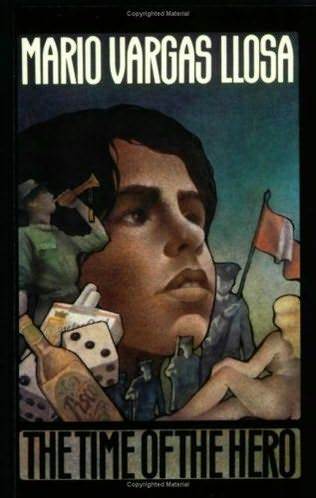
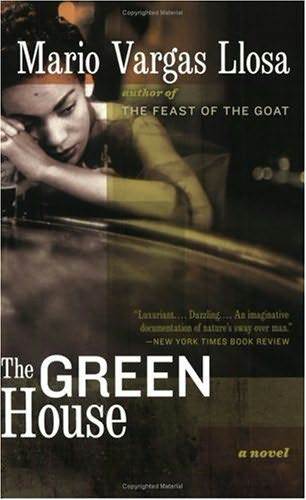
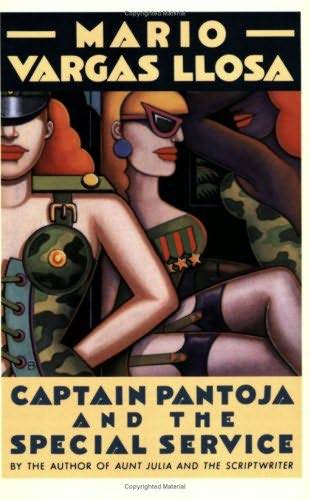
Vargas Llosa rose to international fame in the 1960s with novels such as The Time of the Hero (La ciudad y los perros, 1963/1966), The Green House (La casa verde, 1965/1968), and the monumental Conversation in The Cathedral (Conversación en La Catedral, 1969/1975). He wrote prolifically across various literary genres, including literary criticism and journalism. His novels include comedies, murder mysteries, historical novels, and political thrillers. He won the 1967 Rómulo Gallegos Prize and the 1986 Prince of Asturias Award. Several of his works have been adopted as feature films, such as Captain Pantoja and the Special Service (1973/1978) and Aunt Julia and the Scriptwriter (1977/1982). Vargas Llosa's perception of Peruvian society and his experiences as a native Peruvian influenced many of his works. Increasingly, he expanded his range and tackled themes from other parts of the world. In his essays, Vargas Llosa criticized nationalism in different parts of the world.
Like many Latin American writers, Vargas Llosa was politically active. While he initially supported the Cuban revolutionary government of Fidel Castro, Vargas Llosa later became disenchanted with its policies, particularly after the imprisonment of Cuban poet Heberto Padilla in 1971, and later identified as a liberal and held anti-left-wing ideas. He ran for the presidency of Peru in 1990 with the center-right Frente Democrático coalition, advocating for liberal reforms, but lost the election to Alberto Fujimori in a landslide.
Vargas Llosa continued his literary career while advocating for right-wing activists and candidates internationally following his exit from direct participation in Peruvian politics. He was awarded the 1994 Miguel de Cervantes Prize, the 1995 Jerusalem Prize, the 2010 Nobel Prize in Literature, the 2012 Carlos Fuentes International Prize, and the 2018 Pablo Neruda Order of Artistic and Cultural Merit. In 2011, Vargas Llosa was made the Marquess of Vargas Llosa by Spanish king Juan Carlos I. In 2021, he was elected to the Académie française.
Vargas Llosa rose to international fame in the 1960s with novels such as The Time of the Hero (La ciudad y los perros, 1963/1966), The Green House (La casa verde, 1965/1968), and the monumental Conversation in The Cathedral (Conversación en La Catedral, 1969/1975). He wrote prolifically across various literary genres, including literary criticism and journalism. His novels include comedies, murder mysteries, historical novels, and political thrillers. He won the 1967 Rómulo Gallegos Prize and the 1986 Prince of Asturias Award. Several of his works have been adopted as feature films, such as Captain Pantoja and the Special Service (1973/1978) and Aunt Julia and the Scriptwriter (1977/1982). Vargas Llosa's perception of Peruvian society and his experiences as a native Peruvian influenced many of his works. Increasingly, he expanded his range and tackled themes from other parts of the world. In his essays, Vargas Llosa criticized nationalism in different parts of the world.
Like many Latin American writers, Vargas Llosa was politically active. While he initially supported the Cuban revolutionary government of Fidel Castro, Vargas Llosa later became disenchanted with its policies, particularly after the imprisonment of Cuban poet Heberto Padilla in 1971, and later identified as a liberal and held anti-left-wing ideas. He ran for the presidency of Peru in 1990 with the center-right Frente Democrático coalition, advocating for liberal reforms, but lost the election to Alberto Fujimori in a landslide.
Vargas Llosa continued his literary career while advocating for right-wing activists and candidates internationally following his exit from direct participation in Peruvian politics. He was awarded the 1994 Miguel de Cervantes Prize, the 1995 Jerusalem Prize, the 2010 Nobel Prize in Literature, the 2012 Carlos Fuentes International Prize, and the 2018 Pablo Neruda Order of Artistic and Cultural Merit. In 2011, Vargas Llosa was made the Marquess of Vargas Llosa by Spanish king Juan Carlos I. In 2021, he was elected to the Académie française.
Ratings & Reviews
Friends & Following
Create a free account to discover what your friends think of this book!
Community Reviews
Displaying 1 - 30 of 75 reviews

September 22, 2016
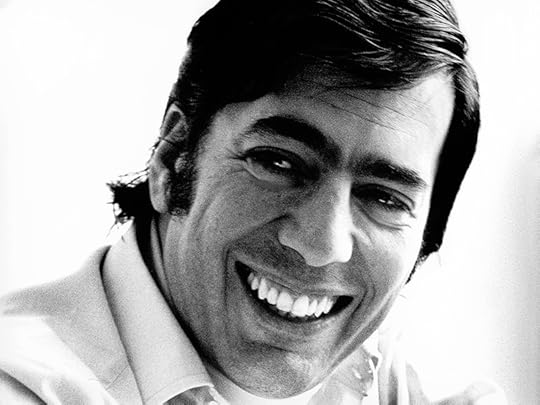
Mario Vargas Llosa in 1976 at age 40, already an author of four outstanding literary novels.
Peruvian Nobel Prize winner Mario Vargas Llosa wrote this series of eight highly entertaining and perceptive essays on the nature, purpose and spirit of fiction, especially the novel, in English, as part of a lecture series at Syracuse University. The last six essays are tied to one of his specific novels. Here are the chapter headings:
1. An Invitation of Borges’s Fiction
2. Novels Disguised as History
3. Discovering a Method for Writing – The Time of the Hero
4. On Being Nine and First Seeing the Sea – The Green House
5. Playing with Time and Language – Captain Pantoja and the Special Service
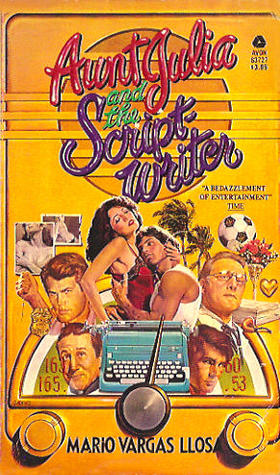
6. From Soap Opera to Serious Art – Aunt Julia and the Scriptwriter
7. The Author’s Favorite of his Novels – The War of the End of the World
8. Transforming a Lie into Truth – The Real Life of Alejandro Mayta.
As a way of sharing some of the author’s many keen insights, below are quotes, one from each of the first six essays, along with my comments:
“This is why Borges despised the novel as a genre; because it is impossible to dissociate the novel from living experience, by which I mean human imperfection. In a novel you cannot be only perfect; you must also be imperfect. The imperfection that is essential in a novel was for Borges inartistic and, therefore, unacceptable.”
A novel can spotlight all aspects of a character’s outer and inner life (and indirectly the reader’s life), however mundane, trivial, egotistical or immature, even shedding light on the stream of inner thoughts, both conscious and unconscious.
I suspect a major reason for the popularity of the novel over the last nearly two hundred years is the fact we modern people love to read about day-to-day life with all its messy imperfections – we can’t get enough of tragedy and comedy, heroes and antiheroes, irony and parody, symbol and allegory, wordplay and dialogue, romance and decadence, fantasy and science fiction, realism and naturalism, horror and satire, imagined utopias and dystopias, drama and more drama, happy endings, bad endings and everything in between. The novel is king and there is little sign of any future dethronement.
“The novel was forbidden in the Spanish colonies by the Inquisition. The Inquisition considered this literary genre, the novel, to be as dangerous for the spiritual faith of the Indians as for the moral and political behavior of society, and, of course, they were absolutely right. We novelists must be grateful to the Spanish Inquisition for having discovered before any critic did the inevitable subversive nature of fiction.”
In a very real sense, a novel is a second world, frequently a competing second world. And this is exactly the reason why the hardheaded despise what a novel stands for. “I never read fiction. I’m only interested in (fill in the blank: history, science, economics, commerce, etc.). So fumes legions of no-nonsense, practical, nose-to-the-grindstone men and women who want their world fixed, solid and serious. As anyone with imagination and a bit of wisdom knows, such an attitude bespeaks a narrow, controlling mindset. It’s also bad for one’s health.
“The narrator and time give fiction its sovereignty, its independence from the real world. A novel is never similar to the real world; a novel is always a separate world, a world that has something essentially different from real reality. The difference between fictitious reality and real reality is the presence of the narrator, which in real reality does not exist, and of the time structure, which in fiction is never similar to that of real life.”
The narrator makes all the difference; or, in other words, how the story is told – first person, third person or various other ways. Also the way an author orchestrates time – one continuous flow moving forward from first to last page or some other variation.
Personally, I tend to enjoy a passionate first-person narrator caught in crisis where the author fills in the juicy past details and events leading up to the crisis (The Kindly Ones, The Goldfinch, Bodies Electric, Double Indemnity, Notes from the Underground, A Fan’s Notes). But irrespective of how the author fashions narrator and time, this is the aesthetic difference – a novel is a fictional reality constructed by a literary vision. For those of us who love reading novels, we live through multiple lives in uniquely invented worlds.
“When you write a novel you must not shrink from the idea of distorting or manipulating reality. Distortion and manipulation of fact are necessary in a novel. You must lie without any scruples, but in a convincing way so that the reader accepts your lies as truth. If you succeed in the deception, something true will come through these lies, something that did not exist before, something that was not evident before. But if your intention is just to reproduce things of reality in fiction, you will probably fail as a writer because literature, in order to persuade and convince the reader, must become a sovereign world, independent, a world that has emancipated itself from its mother, from reality.”
VALIS, The Man in the High Castle, The Magus, The Last Good Kiss, Inverted World – novels filled to the brim with lies and distortion, manipulation and falsification. But by opening ourselves to these gifted writers, we, as readers, can participate in powerful truths. My personal observation is “real" reality is vastly overrated.
“Some books have been made into marvelous films, and some have been destroyed by films. To tell a story with images is quite different from telling a story with words. So you must be totally free to adapt, to change, to introduce new elements. The cinema is, like the novel, one aspect of fiction. In a film, as in a novel, you create a fiction that becomes a separate reality that must be persuasive and convincing.”
This statement really underscores the uniqueness of a novel. Attempting to take words from a literary masterpiece and simply transpose them to the screen can spell disaster. Of course, with a creative director, the opposite can happen: a classic film can be made of an average book, the prime example that comes to mind for me is The Graduate based on the forgotten novel by Charles Webb.
“With “Aunt Julia and the Scriptwriter” my idea was to write a novel with stereotypes, with clichés, with all the instruments of the popular novel, the soap opera, and the radio serial, but in such a way that these elements could be transformed into an artistic work, into something personal and original.”
The novel is the grand, all powerful king in regard to how it can incorporate other genres effectively at will. Entire novels have been written as one genre: literary criticism of a poem (Pale Fire), epistolary novel (Lady Susan), diary (Go Ask Alice), non-fiction novel (In Cold Blood). The list could go on and on. In the hands of a capable novelist like Mario Vargas Llosa, even a soap opera and ham radio serial can be transformed into art.

March 18, 2021
Mario Vargas Llosa a citit literatura secolului trecut pentru noi, dar nu în locul nostru. Asta se înțelege de la sine.
Volumul conține 36 de recenzii. 36 de povestiri (Oameni din Dublin, Moartea la Veneția, de pildă), nuvele (Bătrînul și marea, de pildă) și romane (Tropicul Cancerului sau Puterea și gloria, de pildă) sînt prezentate cu atenție și finețe de un profesionist al lecturii. Cine dorește să-și facă o idee cu privire la proza secolului XX e bine să răsfoiască volumul lui Llosa. Mie mi-a fost de un mare folos. Să vă spun și de ce.
Dacă n-aș fi citit lista și comentariile lui Llosa, nimic nu m-ar fi împins să deschid Puterea și gloria de Graham Greene, un roman minunat, după gustul meu. Llosa nu-l consideră o capodoperă (e un roman foarte aproape de a fi una), dar ce mai contează, important a fost impulsul de a citi cartea lui Greene. La fel, cei care detestă Tropicul Cancerului de Henry Miller n-ar face rău dacă ar străbate atent recenzia din Adevărul minciunilor. Poate și-ar revizui părerea, așa cum mi-am revizuit-o și eu.
Selecția lui Mario Vargas Llosa este ireproșabilă. Chiar dacă poți strîmba din nas la unele titluri. Eu am strîmbat din nas la:
- Hermann Hesse, Lupul de stepă,
- Alberto Moravia, Frumoasa romană,
- Vladimir Nabokov, Lolita, nimeni și nimic nu m-a ajutat să-mi placă acest roman, mai e timp,
- Doris Lessing, Caietul auriu.
E preferabil, firește, să nu confundăm plăcerea cu valoarea. Există cărți foarte valoroase care nu se citesc nici ușor, nici cu mare plăcere, nici ca în transă. Dar fără lectura lor nu poți pretinde că ești om citit, well read, cum spun englezii. Și nici nu-ți poți da cu părerea despre cărțile recente...
Volumul conține 36 de recenzii. 36 de povestiri (Oameni din Dublin, Moartea la Veneția, de pildă), nuvele (Bătrînul și marea, de pildă) și romane (Tropicul Cancerului sau Puterea și gloria, de pildă) sînt prezentate cu atenție și finețe de un profesionist al lecturii. Cine dorește să-și facă o idee cu privire la proza secolului XX e bine să răsfoiască volumul lui Llosa. Mie mi-a fost de un mare folos. Să vă spun și de ce.
Dacă n-aș fi citit lista și comentariile lui Llosa, nimic nu m-ar fi împins să deschid Puterea și gloria de Graham Greene, un roman minunat, după gustul meu. Llosa nu-l consideră o capodoperă (e un roman foarte aproape de a fi una), dar ce mai contează, important a fost impulsul de a citi cartea lui Greene. La fel, cei care detestă Tropicul Cancerului de Henry Miller n-ar face rău dacă ar străbate atent recenzia din Adevărul minciunilor. Poate și-ar revizui părerea, așa cum mi-am revizuit-o și eu.
Selecția lui Mario Vargas Llosa este ireproșabilă. Chiar dacă poți strîmba din nas la unele titluri. Eu am strîmbat din nas la:
- Hermann Hesse, Lupul de stepă,
- Alberto Moravia, Frumoasa romană,
- Vladimir Nabokov, Lolita, nimeni și nimic nu m-a ajutat să-mi placă acest roman, mai e timp,
- Doris Lessing, Caietul auriu.
E preferabil, firește, să nu confundăm plăcerea cu valoarea. Există cărți foarte valoroase care nu se citesc nici ușor, nici cu mare plăcere, nici ca în transă. Dar fără lectura lor nu poți pretinde că ești om citit, well read, cum spun englezii. Și nici nu-ți poți da cu părerea despre cărțile recente...

September 2, 2018
كتاب يوضح كيف كتب ماريو بارغاس رواياته الشهيرة، وكيف تغيرت قناعاته الأدبية بمرور الزمن، وتأثير بعض الكتاب عليه سواء القدامي أو المعاصرين له مثل بورخيس وسارتر

December 14, 2020
- مجموعة من المحاضرات الجامعية التي القاها احد افضل الروائيين عن كيفية كتابته لبعض رواياته، تأثير الكتّاب عليه (بورخيس، سارتر، مالرو)، تطور رأيه في الكتابة مع الوقت (الأدب الجاد في بداياته متبعاً سارتر ومبتعداً عن الفكاهة، والتي وجدها خاطئة فيما بعد)، البنية الروائية والبنية الزمنية للرواية وتقنيات الرواية وغيرها الكثير.
- الملفت جداً اعتماد يوسا على تجارب شخصية، حصلت معه او سمع عنها، هذه التجارب تجلس في الخلفية ويقوم يوسا بنسج واقع متخيّل كاذب لكنه مقنع جداً للقارئ.
- كتاب مهم لمن أراد الإطلاع على كيفية الكتابة من منظور يوسا وكيفية قراءة الأعمال الأدبية كنتيجة ثانوية لتحليله.
- الملفت جداً اعتماد يوسا على تجارب شخصية، حصلت معه او سمع عنها، هذه التجارب تجلس في الخلفية ويقوم يوسا بنسج واقع متخيّل كاذب لكنه مقنع جداً للقارئ.
- كتاب مهم لمن أراد الإطلاع على كيفية الكتابة من منظور يوسا وكيفية قراءة الأعمال الأدبية كنتيجة ثانوية لتحليله.
July 26, 2019
كما لو إنني كنت في جلسة حوارية ممتعة مع " يوسا" ، منذ اللحظة الأولى تشعر كما لو أنه يعرفك منذ زمن طويل ، يتحدث بتلقائية وعفوية نابعة من القلب ، في دعوة صريحة منه اليك للتعرف عليه ...
هنا يخبرك عن أهم الروائيين الذين كان لهم تأثيراً جوهرياُ على رحلته الإبداعية في عالم الكتابة ..
" بورخيس" يراه رمزاً للغزارة الفنية ، التميز ، المعرفة الواسعة ، لم يذكر على وجه التحديد ما الذي تعلمه من عالمه لأنه يبدو انه يرى عالمه لا ينضب من الإبداع...
" سارتر" تعلم منه أنه ثمة جانب مظلم للشخصيات الروائية يتمثل في سلوك مؤذي أو ميول ملتوية ومع ذلك هنالك شيء غريزي واضح ولا يمكنك القبض عليه..
" اندريه مالرو " الروائي الفرنسي الذي تعلم منه كيف يمكن وصف الجماعية والطريقة التى تتحدث بها ..
" وليم فوكنر " كيف يمكن التحكم في تنظيم منظور الحكي ..
" المؤرخ بارنيكيا" عمل مساعداً له في مشروع طموح عن تاريخ بيرو العام وهنا ادرك كيف يمكن للحكايا والأساطير ان تكون مادة ممتعة ورائعة للحكي...
ومن ثم ذكر التجارب الشخصية التي كانت نقطة انطلاق لأعماله الروائية ، اهتمامه بالبنية الروائية والتقنيات الكتابية حيث يتلاعب بالكلمات ويحور الواقع ليبدع عالم من الخيال ، مستقلاً بذاته مختلفاً عن الواقع الحقيقي ..
إن كان هنالك شيئاً سيصلك عن " يوسا" هنا ، هو انه لا يكتب بغاية المتعة بل من أجل شيء يتجاوزها ، الأدب غاية له وجوداً وكياناً مبرراً وليس وسيلة لتحقيق هدف ما...
أحببت هذه الجلسة الحوارية الجميلة والممتعة جداً....
هنا يخبرك عن أهم الروائيين الذين كان لهم تأثيراً جوهرياُ على رحلته الإبداعية في عالم الكتابة ..
" بورخيس" يراه رمزاً للغزارة الفنية ، التميز ، المعرفة الواسعة ، لم يذكر على وجه التحديد ما الذي تعلمه من عالمه لأنه يبدو انه يرى عالمه لا ينضب من الإبداع...
" سارتر" تعلم منه أنه ثمة جانب مظلم للشخصيات الروائية يتمثل في سلوك مؤذي أو ميول ملتوية ومع ذلك هنالك شيء غريزي واضح ولا يمكنك القبض عليه..
" اندريه مالرو " الروائي الفرنسي الذي تعلم منه كيف يمكن وصف الجماعية والطريقة التى تتحدث بها ..
" وليم فوكنر " كيف يمكن التحكم في تنظيم منظور الحكي ..
" المؤرخ بارنيكيا" عمل مساعداً له في مشروع طموح عن تاريخ بيرو العام وهنا ادرك كيف يمكن للحكايا والأساطير ان تكون مادة ممتعة ورائعة للحكي...
ومن ثم ذكر التجارب الشخصية التي كانت نقطة انطلاق لأعماله الروائية ، اهتمامه بالبنية الروائية والتقنيات الكتابية حيث يتلاعب بالكلمات ويحور الواقع ليبدع عالم من الخيال ، مستقلاً بذاته مختلفاً عن الواقع الحقيقي ..
إن كان هنالك شيئاً سيصلك عن " يوسا" هنا ، هو انه لا يكتب بغاية المتعة بل من أجل شيء يتجاوزها ، الأدب غاية له وجوداً وكياناً مبرراً وليس وسيلة لتحقيق هدف ما...
أحببت هذه الجلسة الحوارية الجميلة والممتعة جداً....

October 26, 2013
الكاتب وواقعه
لماذا يبخل الروائيون في الكتابة عن فنهم؟ عن كتبهم؟ التي قرأوها وأحبوها، والتي كتبوها وأحببناها !! نادراً ما تجد روائي عظيم، توقف ليكتب عن الكتابة، لهذا أسعدني أن كاتبي المفضل ماريو بارغاس يوسا، أحد هؤلاء النادرين، فقد توقف مراراً في خضم الروائع التي كتبها، ليكتب (رسائل إلى روائي شاب)، وليكتب سيرته الذاتية (سمكة في الماء)، وليكتب هذا الكتاب عن كتبه (الكاتب وواقعه).
ويوسا كاتب عظيم، سواء في رواياته، أو في كتبه الأخرى، ساحر وهو يأخذك لأدق خفايا الكتابة وفنونها، والأجمل هو أن كتابه هذا يعرفنا على كتبه الأولى التي لم تترجم للأسف، والتي أتمنى أن يلتفت لها أحد المترجمين وينقلها إلى العربية، بذات الجودة التي قدم بها علماني رواياته الحديثة.
هكذا نتعرف على كيف نشأت وتطورت رواياته (زمن البطل) و(البيت الأخضر) و(بنتاليون والزائرات) – وهذه مترجمة لحسن الحظ، وفيها يبرز الوجه الساخر ليوسا -، و(العمة جوليا وكاتب السيناريو) و(قصة مايتا) – مترجمة أيضاً -، و(حرب نهاية العالم) – روايته العملاقة والمذهلة والتي أنجزت قراءتها قبل أيام، ولازلت مسكوناً بذلك الشعور الغامض، شعور ما بعد قراءة الملاحم العظمى -.
هذا كتاب لكل قارئ مهتم أو كاتب مبتدئ، ليلج من خلاله إلى الغرفة الخلفية لأعظم روائيي عصرنا، ويراقب كيف يكتب، كيف يبحث، كيف يحول الأفكار والأبحاث والليالي الطويلة إلى هذه النصوص المذهلة.
لماذا يبخل الروائيون في الكتابة عن فنهم؟ عن كتبهم؟ التي قرأوها وأحبوها، والتي كتبوها وأحببناها !! نادراً ما تجد روائي عظيم، توقف ليكتب عن الكتابة، لهذا أسعدني أن كاتبي المفضل ماريو بارغاس يوسا، أحد هؤلاء النادرين، فقد توقف مراراً في خضم الروائع التي كتبها، ليكتب (رسائل إلى روائي شاب)، وليكتب سيرته الذاتية (سمكة في الماء)، وليكتب هذا الكتاب عن كتبه (الكاتب وواقعه).
ويوسا كاتب عظيم، سواء في رواياته، أو في كتبه الأخرى، ساحر وهو يأخذك لأدق خفايا الكتابة وفنونها، والأجمل هو أن كتابه هذا يعرفنا على كتبه الأولى التي لم تترجم للأسف، والتي أتمنى أن يلتفت لها أحد المترجمين وينقلها إلى العربية، بذات الجودة التي قدم بها علماني رواياته الحديثة.
هكذا نتعرف على كيف نشأت وتطورت رواياته (زمن البطل) و(البيت الأخضر) و(بنتاليون والزائرات) – وهذه مترجمة لحسن الحظ، وفيها يبرز الوجه الساخر ليوسا -، و(العمة جوليا وكاتب السيناريو) و(قصة مايتا) – مترجمة أيضاً -، و(حرب نهاية العالم) – روايته العملاقة والمذهلة والتي أنجزت قراءتها قبل أيام، ولازلت مسكوناً بذلك الشعور الغامض، شعور ما بعد قراءة الملاحم العظمى -.
هذا كتاب لكل قارئ مهتم أو كاتب مبتدئ، ليلج من خلاله إلى الغرفة الخلفية لأعظم روائيي عصرنا، ويراقب كيف يكتب، كيف يبحث، كيف يحول الأفكار والأبحاث والليالي الطويلة إلى هذه النصوص المذهلة.

July 12, 2024
[كتاب غير روائي 13»» كتاب رقمي 20»» اللغة عربية 53 الموضوع محاضرات أدبية]
🔻كيف تبدى تحب كاتب و مغروم بالأدب متاعو، تولي تحب تعرف عليه أكثر ما يمكن من معلومات، خاصة شنوة الي خلاه ياخو إتجاه معين في الأدب و كواليس إنتاج الروائع الأدبية الي خرج بيها. فمابالك إذا كان هذا الأديب هو ماريو بارغاس يوسا، القيمة الثابتة في الأدب اللاتيني و العالمي، و واحد من أهم روائي العصر.
• ينتمي ماريو بارغاس يوسا إلى جيل الإزدهار، و هم مجموعة من الكتاب الذين قاموا بتحرير الكتابة الأدبية الأمريكية اللاتينية من إقليميتها و توجهها
السوسيولوجي و صنعوا منها أداة للتعبير عن قيم إنسانية عالمية من خلال سياق الخبرة الأمريكية.
["ينتمي ماريو بارغاس يوسا إلى هذه المجموعة المنتقاة ذات الموهبة العالية من الكتاب، المدعوة بجيل الإزدهار، التي دفعت بأدب أمريكا اللاتينية إلى صدارة الأدب العالمي.
و القليل من الكتاب نزهاء بشأن أعمالهم مثل بارجاس يوسا، و الأقل منهم المتبصرون بأعمالهم مثله. إن إستقامته و حياده بخصوص تلك العناصر من حياته التي تحتويها أعماله بوضوح تضيء شخصيته الأدبية و تظهر إهتماماته الملتزمة بالكتابة الأدبية عامة، و بفنه الخاص على وجه التحديد.
ولقد أعلنت عبقرية يوسا عن نفسها مبكرا منذ أولى رواياته، و ظلت تتفتق عن روائع أدبية و فنية حقيقية، و يحاول أدب يوسا تكوين إجابة عن سؤال: ماذا يحدث عندما يوضع عالمان مختلفان و منفصلان في مواجهة؟"]
• الكتاب مجموعة من المحاضرات التي ألقاها ماريو بارغاس يوسا بالإنجليزية في جامعة سيراكيوز بوصفه أستاذا زائرا لتدريس العلوم الإنسانية على مقعد جانيت ك. واتسون و ذلك في الفترة من مارس إلى أفريل 1988 حول كيفية كتابة مجموعة من أهم مؤلفاته. حيث سيصحبنا في رحلة عن كيفية نشأة الفكرة، إختيار الموضوع، أسلوب الكتابة، التحديات التي واجهها مع الكتابة، و غيرها من الكواليس التي تكشف لنا الطريق التي سلكته هذه الروائع إلى حين وصولها للقارئ.
~~~~~~~~~~~~~~~~~~~~~
1. دعوة لأدب بورخيس:
• يبدأ الكتاب بفصل عن أدب الكاتب الأرجنتيني خورخي لويس بورخيس (الذي يعتبر واحدا من من مهدوا لظهور جيل البوم اللاتيني) حيث يعتبره يوسا من أهم الكتاب الذين وضعوا بصمتهم على اللغة الأسبانية و تأثره به و إعجابه الكبير بأدبه رغم الإختلاف الكبير بين أدب بورخيس وأدب يوسا حيث يكتب بورخيس قصصه بعيدا عن بيئته المعاشة وبجرعة كبيرة من الخيال بينما تتميز روايات يوسا بأنها جميعها نابعة من تجارب واقعية معاشة. كما يتطرق يوسا أيضا إلى نقطة تفضيل بورخيس للقصة القصيرة على الرواية، بينما نجد العكس عند يوسا المشهور برواياته التي تكون معظمها روايات طويلة.
• يعرج يوسا أيضا على نقطة حرمان بورخيس من جائزة نوبل بسبب مواقفه السياسية، السناريو الذي كان سيعاد مع يوسا نفسه والذي جعله في مرحلة ما ييأس من إمكانياته إحرازه على الجائزة.
[🗨️"مَثَّلَ بورخيس بشكل تحليلي واضح كل ما علمني سارتر أن أكره: الفنان الذي ينكمش من العالم حوله و يلجأ لعالم من العقل، المعرفة و الخيال، كاتب ينظر بإحتقار للسياسة و التاريخ، بل و حتى الواقع، و يعرض تشككه بلا خجل، و إزدراءه العنيد لأي شيء لا ينبع من الكتب."
🗨️"في حالة بورخيس لا أراه تسرعا أن أعده أهم شيء حدث للكتابة الخيالية في اللغة الإسبانية في العصور الحديثة و أحد أبرز فناني عصرنا. أعتقد أيضا أن الدَّيْنَ الذي ندين به نحن الذين نكتب بالإسبانية لبورخيس دَيْنٌ عظيم. و هذا يشمل حتى الذي لم يكتب قط، مثلي أنا، قصة من الخيال الصافي."
🗨️"بورخيس كان أحد الكتاب الذين إستطاعوا أن يضعوا بصمتهم الشخصية تماما على اللغة الإسبانية."]
~~~~~~~~~~~~~~~~~~~~
2. روايات متنكرة في هيئة التاريخ(حكايات ميلاد بيرو)
~~~~~~~~~~~~~~~~~~~~
3. إكتشاف طريقة للكتابة: سارتر المدرسة العسكرية و زمن البطل
["عملية الكتابة هي عملية يقوم فيها كل جزء من شخصية الكاتب بدور. فالكاتب لا يكتب بأفكاره فقط بل بغرائزه و حواسه أيضا. كما يلعب الجانب المظلم للشخصية دورا مهما للغاية في عملية الكتابة.]
°° "المدينة و الكلاب" هي أولى الأعمال الروائية ليوسا. كتبها بين عامي 1958 و 1961(إستغرقت كتابتها 3 أعوام). و منها إكتشف يوسا عدة أشياء عن نفسه و عن الأدب، و تعلم طريقة للكتابة ما زال يتبعها من حينها في جميع رواياته التالية.
»تعلم أن التجربة الشخصية هي دائما المادة الخام لما يكتبه
["أثناء فترة كتابتي للمدينة و الكلاب، إكتشفت شيئين عن نفسي: أولا أن التجربة الشخصية هي دائما المادة الخام لما أكتبه. فكل إبداعي من قصص قصيرة و روايات و مسرحيات بدأ تجارب شخصية، أي أنني كتبت هذه الأعمال لأن شيئا ما قد حدث لي أو لأنني قابلت شخصا ما أو قرأت شيئا أصبح تجربة مهمة بالنسبة إلي."]
»التجربة الشخصية التي ألهمته لكتابة المدينة و الكلاب هي الوقت الذي قضاه في مدرسة عسكرية داخلية في الفترة ما بين 1950 و 1951 (إكتشف حينها أن بلاده البيرو عبارة على مجتمع هجين يجمع عدة أعراق مختلفة و غير مترابطة ببعضها البعض)
»إكتشف أن هناك تقسيمات عديدة في بلده البيرو: تقسيم عرقي(بيض و هنود و سود و أقليات من الآسويين و سكان منطقة الأمازون) و تقسيم حضاري(تباين بين الريف و المدينة في العادات و الطقوس و إيقاع الحياة و حتى اللغة)و تقسيم جغرافي و إقليمي(بين المناطق الساحلية و الإنديز و أدغال الأمازون).
»مثلت المدرسة العسكرية مكانا جامعا لكل هذه الإختلافات الإجتماعية و الثقافية و العرقية و الطبقية.
»عاش يوسا هذه التجربة في المدرسة العسكرية بصعوبة، حيث إنتقل من حضن عائلته التي حمته و دللتهة طوال سنوات طفولته ليصطدم بواقع عنيف و وحشي و عمق الأختلاف بين البشر الذي يمكن أن يؤدي إلى الكثير من الشرور.
»الشيء الثاني الذي إكتشفه يوسا هو أنه يحتاج مسافة من التجربة التي عاشها لكي يتمكن من صياغتها أدبيا:"إذا كانت حميمية الواقع الحقيقي المعيش يمكن أن يكون لها تأثير مقنع على خيالي فإنني أحتاج لمسافة في الزمان و في المكان."
»هذا ما جعله يفشل في كتابة هذه الرواية أثناء فترة دراسته الجامعية في ليما و لم ينجح في ذلك إلا عندما إنتقل إلى مدريد عام 1958، بعد ستة أعوام كاملة من إنتهاء هذه التجربة.
»تأثير ساتر على يوسا أثناء كتابة "المدينة و الكلاب":
إكتشف يوسا ساتر و الفلسفة الوجودية عندما كان في الجامعة و إكتشف من خلاله الأدب الحديث و أفكاره عن الأدب، هما ينبغي أن يكون عليه الأدب و ما ينبغي أن يكون عليه الأديب و تشكلت عنده قناعة تامة بأهمية الأدب الملتزم:"لقد أعجبتني فكرة ساتر القائلة بأن الأدب ليس، و لا يمكن أن يكون، مجانيا، و أنه من غير المقبول أن يصبح الأدب مكرسا بشكل خالص للمتعة. و أن الأدب خطير لأن الكاتب من خلال كتبه يمكن أن يكون صوتا لمجتمعه و يمكن أن يغير أشياء في الحياة."
يقول Sartre: "إن الكلمات أفعال يمكنها أن تنتج تغييرا تاريخيا و اجتماعياً و إنه إذا كانت الكاتب هذه السلطة فإن عليه إلتزاما أخلاقيا بأن يستخدمها في القتال من أجل ضحايا المجتمع و فضح كل المستور و كل الأفعال الخاطئة في زمنه. و إنه من غير المقبول أخلاقيا إستخدام الأدب في الهروب من المشاكل المعاصرة."
»يقول يوسا بأنه عندما يرغب في الكتابة عن أمور سياسية فإنه يكتب مقالات أو بحوثا أو يلقي محاضرات، فهو مقتنع بأن الأدب الخلاق ليس وسيلة جيدة لنقل المقولات السياسية "فإذا حاولت أن تستخدم الأدب وسيلة للدعاية السياسية و لنشر أفكار سياسية فإنك تفشل كاتبا."
"يمكنك أن تستخدم السياسة من أجل الأدب لكن لا يمكنك فعل العكس. لا ينبغي أن يستخدم الأدب لنقل فكرة سياسية، لأن النتيجة ستكون تدمير الأدب."
"أعتقد أن الأفكار السارترية عن المسؤولية الإجتماعية و الأخلاقية في الأدب منعكسة بشكل عميق فيما حاولت أن أفعله في روايتي الأولى التي تحتوي بعضا من الهم الإجتماعي."
•• الكاتب الأمريكي William Faulkner كان له تأثير كبير على كتابة رواية يوسا الأولى "المدينة و الكلاب"
The time of the hero في الترجمة الإنجليزية
يقول يوسا بأن Faulkner كان أول كاتب قرأه بالورقة و القلم محاولا فك طلاسم البنى و الإبداع الشكلي في رواياته.
•• بفضل Faulkner تعلم يوسا أن الشكل يمكن أن يكون شخصية في رواية، و في بعض الأحيان أكثر الشخصيات أهمية.
•• في "المدينة و الكلاب" قدمت بعض الشخصيات من خلال رؤية خارجية فقط، فإختلفت الروايات حول نفس الشخصية بإختلاف الراوي، بينما قدمت شخصيات أخرى من زاوية رؤية داخلية فقط. و شخصيات أخرى قدمت من زوايتي الرؤية الداخلية و الخارجية معا.
•• هذه المستويات المختلفة لم تكن إعتباطية فقد كان هناك سبب لإستخدام منظور مختلف لكل شخصية.
•• كتب يوسا أكثر من نسخة للمدينة و الكلاب (ثلاثة نسخ) و تضمنت النسخة الأصلية على حوالي 1200 صفحة.
•• نهاية رواية "المدينة و الكلاب" إعتمد فيها يوسا طريقة مزج المشاهد التي حدثت في أوقات و أماكن مختلفة في مشهد واحد. و عمل على تطوير هذه التقنية الروائية لإستعمالها لاحقا في كتبه التالية. يقول يوسا "لقد أصبحت مفتونا بمزج الأزمنة و الأماكن في مشهد واحد حتى أن روايتي (البيت الأخضر) مبنية كليا حول هذه الفكرة للأواني المستطرقة vasos comunicantes."
~~~~~~~~~~~~~~~~~~~
4. من مسلسلات الصابون إلى الفن الجاد "الخالة خوليا و كاتب السيناريو":
•• إكتشف يوسا الفكاهة في الأدب و كيفية وجودها كإحتمالية لتوصيل الأدب الجاد من خلال روايته "بانتاليون و الزائرات" و هو ما أثر على كيفية معالجته لروايته "الخالة خوليا و كاتب السيناريو".
•• مع إفتنانه بما يسمى "الأدب الشعبي" الذي يتوجه لكافة القراء مهما كانت مستوايتهم الثقافية، قرر يوسا كتابة رواية تجمع بين الأدب الخلاق و الإنتسار الجماهيري، و ليس أدبا نخبويا فحسب، بل رواية تناسب أذواق الجمهور العام.
•• لم تخرج هذه الرواية عن القاعة العامة، فيوسا يكتب رواياته إنطلاقا من تجارب شخصية عاشها، فوظف تجربته كصحافي في محطة إذاعية عندما كان طالبا، حيث تعرف من خلال عمله هذا على شخصية غير عادية و هو كاتب سيناريو بوليفي لمسلسلات إذاعية. إلا أنه قرر أن تتشابك قصة هذه الشخصية الفريدة مع قصة أخرى تعطي بعدا إضافيا للرواية، و هكذا جمع يوسا بالتبادل بين قصة البوليفي و قصة زواجه الأول عندما كان في الثانية عشرة من عمرها.
•• المميز في هذه الرواية هو تداخل القصص التي يؤلفها كاتب السيناريو مع بعضها، فتقفز أحداث و شخصيات من قصة إلى أخرى، مما أضفى بعدا كوميديا و غرائبيا على القصة بالإضافة إلى الكوميديا التي تناول بها يوسا قصته الشخصية في زواجه الأول.
~~~~~~~~~~~~~~~~~~~
5. رواية الكاتب المفضلة "حرب نهاية العالم":
•• يقول يوسا أنه إذا أضطر إلى إختيار رواية واحدة من بين كل الروايات التي نشرها، فسيختار "حرب نهاية العالم" و يصفها بأنها أكثر المشروعات التي تولى أمرها طموحا، و هي الرواية التي عمل فيها لأطول وقت و واجه فيها أشد صعوبة لعدة أسباب.
•• هي أول رواية يكتبها لا تدور أحداثها في بلده البيرو، و إنما في بلد أجنبي. كما أن أحداثها لا تتزامن مع حياته، فهو لم يعد هذه الأحداث و إنما قرأ عنها، فهي على خلاف جل روايته، ليست نتاجا لتجربة عاشها أو عاصرها
•• كان ليوسا إعتقاد أن مهمته هي كتابة قصص معاصرة (له) تدور أحداثها بين أناس و أراض مألوفة بالنسبة له و للقراء. إلا أن قناعته هذه تبدلت إثر قراءته لكتاب يصفه بالغير عادي عنوانه Os Sertors لكاتب برازيلي و من هنا نشأت فكرة رواية "حرب نهاية العالم".
~~~~~~~~~~~~~~~~~~~
6. تحويل كذبة إلى حقيقة: الحياة الحقيقية لأليخندرو ماياتا ككناية عن مهمة الكاتب
🗨️"فكرة الإشتراكية كانت جذابة للغاية بالنسبة لي و كنت متحمسا جدا للماركسية بشكل عام بالرغم من بعض شكوكي و إختلافاتي مع بعض الأوجه في المركسية، تحديدا النظرة الماركسية للجماليات، للأدب و للفن. لكن إنتصار الثورة الكوبية عنى شيئا عظيما لأناس مثلي: لأنه للمرة الأولى فكرنا في أن الثورة هي شيء ممكن في بلادنا، فحتى ذلك الوقت كانت فكرة الثورة رومانسية و بعيدة عنا،كانت شيئا أخذناه أكثر كفكرة أكاديمية لا يمكن أن تصبح واقعا أبدا في بلاد كبلادنا."
** كجل رواياته، بدأ يوسا سيرة مايتا كتجربة شخصية، لم يعشها و لكنه عايشها.
** كانت الفكرة الأولية للرواية عن حفنة من الأشخاص يحاولون القيام بثورة. و كان سيتم تقديمها كقصة مغامرات.
** لا يبدأ يوسا الكتابة فور حصوله على الفكرة مباشرة. فأسلوبه المعتاد هو التفكير فيها لشهور و سنين محاولا إثراء الفكرة.
** في الستينات، بدأ حماس يوسا للثورة يتضاءل، إنطلاقا من نبذ فكرة العنف: فكرة أن العنف وحده هو القادر على كسر سلطة الدولة و إدخال الإصلاح الإقتصادي و الإجتماعي لم تعد مقبولة بالنسبة إليه.
** أثناء الستينات، كان هناك العديد من المحاولات في بيرو و غيرها لتأسيس بؤر عسكرية في الجبال، و من هنا برزت الفكرة: فكرة الثورة في البيرو.
** إعتمد يوسا في كتابة الرواية على دمج الخيال الأدبي بالوقائع الحقيقية: رواية عن الخيال، نوعين من الخيال، عن الخيال الإيديوليجي و الخيال الأدبي [الخيال الإيديوليجي هو ما يحياه ماياتا و رفاقه: ماياتا شخص أيديولوجي، مقتنع تماما ببأن الواقع يمكن أسره بآليات العقل، بآليات عقيدة هي الماركسية المثراة و المعدلة بواسطة لينين و تروتسكي التي توفر كل الأدوات لفهم ماهية المجتمع.
** إعتبر يوسا سيرة ماياتا رواية سياسية ضد الثورة. رواية هي نوع من الإتهام للماركسية و الحركات الثورية في أمريكا اللاتينية.
🗨️"الكاتب هو شخص يكتب من خلال تجاربه، و تجارب كاتب ما يمكن أن تكون مختلفة تماما عن تجارب كاتب آخر. ففي سيرة ماياتا إستخدمت كل تجاربي ككاتب للخيال الأدبي. و يقف الكتاب كمجاز عن مهمتي ككاتب."
~~~~~~~~~~~~~~~~~~~
7. في مديح زوجة الأب:
** يقول يوسا عن هذه الرواية أنها نوع من التجربة، فقد قام ناشر بعرض هذه الفكرة عليه و على رسام: الفكرة هي أن يقوم كاتب و رسام بإنتاج كتاب معا، كل واحد منهما يستخدم المادة التي يوفرها الآخر.
** لم تكتمل هذه الفكرة و لكن يوسا إستخدم بعض اللوحات الشهيرة كمصدر لكتابة خمسة عشر فصلا في رواية، رواية ستكون تجسيدا لهذه اللوحات من خلال خبرة الراوي.
🔻كيف تبدى تحب كاتب و مغروم بالأدب متاعو، تولي تحب تعرف عليه أكثر ما يمكن من معلومات، خاصة شنوة الي خلاه ياخو إتجاه معين في الأدب و كواليس إنتاج الروائع الأدبية الي خرج بيها. فمابالك إذا كان هذا الأديب هو ماريو بارغاس يوسا، القيمة الثابتة في الأدب اللاتيني و العالمي، و واحد من أهم روائي العصر.
• ينتمي ماريو بارغاس يوسا إلى جيل الإزدهار، و هم مجموعة من الكتاب الذين قاموا بتحرير الكتابة الأدبية الأمريكية اللاتينية من إقليميتها و توجهها
السوسيولوجي و صنعوا منها أداة للتعبير عن قيم إنسانية عالمية من خلال سياق الخبرة الأمريكية.
["ينتمي ماريو بارغاس يوسا إلى هذه المجموعة المنتقاة ذات الموهبة العالية من الكتاب، المدعوة بجيل الإزدهار، التي دفعت بأدب أمريكا اللاتينية إلى صدارة الأدب العالمي.
و القليل من الكتاب نزهاء بشأن أعمالهم مثل بارجاس يوسا، و الأقل منهم المتبصرون بأعمالهم مثله. إن إستقامته و حياده بخصوص تلك العناصر من حياته التي تحتويها أعماله بوضوح تضيء شخصيته الأدبية و تظهر إهتماماته الملتزمة بالكتابة الأدبية عامة، و بفنه الخاص على وجه التحديد.
ولقد أعلنت عبقرية يوسا عن نفسها مبكرا منذ أولى رواياته، و ظلت تتفتق عن روائع أدبية و فنية حقيقية، و يحاول أدب يوسا تكوين إجابة عن سؤال: ماذا يحدث عندما يوضع عالمان مختلفان و منفصلان في مواجهة؟"]
• الكتاب مجموعة من المحاضرات التي ألقاها ماريو بارغاس يوسا بالإنجليزية في جامعة سيراكيوز بوصفه أستاذا زائرا لتدريس العلوم الإنسانية على مقعد جانيت ك. واتسون و ذلك في الفترة من مارس إلى أفريل 1988 حول كيفية كتابة مجموعة من أهم مؤلفاته. حيث سيصحبنا في رحلة عن كيفية نشأة الفكرة، إختيار الموضوع، أسلوب الكتابة، التحديات التي واجهها مع الكتابة، و غيرها من الكواليس التي تكشف لنا الطريق التي سلكته هذه الروائع إلى حين وصولها للقارئ.
~~~~~~~~~~~~~~~~~~~~~
1. دعوة لأدب بورخيس:
• يبدأ الكتاب بفصل عن أدب الكاتب الأرجنتيني خورخي لويس بورخيس (الذي يعتبر واحدا من من مهدوا لظهور جيل البوم اللاتيني) حيث يعتبره يوسا من أهم الكتاب الذين وضعوا بصمتهم على اللغة الأسبانية و تأثره به و إعجابه الكبير بأدبه رغم الإختلاف الكبير بين أدب بورخيس وأدب يوسا حيث يكتب بورخيس قصصه بعيدا عن بيئته المعاشة وبجرعة كبيرة من الخيال بينما تتميز روايات يوسا بأنها جميعها نابعة من تجارب واقعية معاشة. كما يتطرق يوسا أيضا إلى نقطة تفضيل بورخيس للقصة القصيرة على الرواية، بينما نجد العكس عند يوسا المشهور برواياته التي تكون معظمها روايات طويلة.
• يعرج يوسا أيضا على نقطة حرمان بورخيس من جائزة نوبل بسبب مواقفه السياسية، السناريو الذي كان سيعاد مع يوسا نفسه والذي جعله في مرحلة ما ييأس من إمكانياته إحرازه على الجائزة.
[🗨️"مَثَّلَ بورخيس بشكل تحليلي واضح كل ما علمني سارتر أن أكره: الفنان الذي ينكمش من العالم حوله و يلجأ لعالم من العقل، المعرفة و الخيال، كاتب ينظر بإحتقار للسياسة و التاريخ، بل و حتى الواقع، و يعرض تشككه بلا خجل، و إزدراءه العنيد لأي شيء لا ينبع من الكتب."
🗨️"في حالة بورخيس لا أراه تسرعا أن أعده أهم شيء حدث للكتابة الخيالية في اللغة الإسبانية في العصور الحديثة و أحد أبرز فناني عصرنا. أعتقد أيضا أن الدَّيْنَ الذي ندين به نحن الذين نكتب بالإسبانية لبورخيس دَيْنٌ عظيم. و هذا يشمل حتى الذي لم يكتب قط، مثلي أنا، قصة من الخيال الصافي."
🗨️"بورخيس كان أحد الكتاب الذين إستطاعوا أن يضعوا بصمتهم الشخصية تماما على اللغة الإسبانية."]
~~~~~~~~~~~~~~~~~~~~
2. روايات متنكرة في هيئة التاريخ(حكايات ميلاد بيرو)
~~~~~~~~~~~~~~~~~~~~
3. إكتشاف طريقة للكتابة: سارتر المدرسة العسكرية و زمن البطل
["عملية الكتابة هي عملية يقوم فيها كل جزء من شخصية الكاتب بدور. فالكاتب لا يكتب بأفكاره فقط بل بغرائزه و حواسه أيضا. كما يلعب الجانب المظلم للشخصية دورا مهما للغاية في عملية الكتابة.]
°° "المدينة و الكلاب" هي أولى الأعمال الروائية ليوسا. كتبها بين عامي 1958 و 1961(إستغرقت كتابتها 3 أعوام). و منها إكتشف يوسا عدة أشياء عن نفسه و عن الأدب، و تعلم طريقة للكتابة ما زال يتبعها من حينها في جميع رواياته التالية.
»تعلم أن التجربة الشخصية هي دائما المادة الخام لما يكتبه
["أثناء فترة كتابتي للمدينة و الكلاب، إكتشفت شيئين عن نفسي: أولا أن التجربة الشخصية هي دائما المادة الخام لما أكتبه. فكل إبداعي من قصص قصيرة و روايات و مسرحيات بدأ تجارب شخصية، أي أنني كتبت هذه الأعمال لأن شيئا ما قد حدث لي أو لأنني قابلت شخصا ما أو قرأت شيئا أصبح تجربة مهمة بالنسبة إلي."]
»التجربة الشخصية التي ألهمته لكتابة المدينة و الكلاب هي الوقت الذي قضاه في مدرسة عسكرية داخلية في الفترة ما بين 1950 و 1951 (إكتشف حينها أن بلاده البيرو عبارة على مجتمع هجين يجمع عدة أعراق مختلفة و غير مترابطة ببعضها البعض)
»إكتشف أن هناك تقسيمات عديدة في بلده البيرو: تقسيم عرقي(بيض و هنود و سود و أقليات من الآسويين و سكان منطقة الأمازون) و تقسيم حضاري(تباين بين الريف و المدينة في العادات و الطقوس و إيقاع الحياة و حتى اللغة)و تقسيم جغرافي و إقليمي(بين المناطق الساحلية و الإنديز و أدغال الأمازون).
»مثلت المدرسة العسكرية مكانا جامعا لكل هذه الإختلافات الإجتماعية و الثقافية و العرقية و الطبقية.
»عاش يوسا هذه التجربة في المدرسة العسكرية بصعوبة، حيث إنتقل من حضن عائلته التي حمته و دللتهة طوال سنوات طفولته ليصطدم بواقع عنيف و وحشي و عمق الأختلاف بين البشر الذي يمكن أن يؤدي إلى الكثير من الشرور.
»الشيء الثاني الذي إكتشفه يوسا هو أنه يحتاج مسافة من التجربة التي عاشها لكي يتمكن من صياغتها أدبيا:"إذا كانت حميمية الواقع الحقيقي المعيش يمكن أن يكون لها تأثير مقنع على خيالي فإنني أحتاج لمسافة في الزمان و في المكان."
»هذا ما جعله يفشل في كتابة هذه الرواية أثناء فترة دراسته الجامعية في ليما و لم ينجح في ذلك إلا عندما إنتقل إلى مدريد عام 1958، بعد ستة أعوام كاملة من إنتهاء هذه التجربة.
»تأثير ساتر على يوسا أثناء كتابة "المدينة و الكلاب":
إكتشف يوسا ساتر و الفلسفة الوجودية عندما كان في الجامعة و إكتشف من خلاله الأدب الحديث و أفكاره عن الأدب، هما ينبغي أن يكون عليه الأدب و ما ينبغي أن يكون عليه الأديب و تشكلت عنده قناعة تامة بأهمية الأدب الملتزم:"لقد أعجبتني فكرة ساتر القائلة بأن الأدب ليس، و لا يمكن أن يكون، مجانيا، و أنه من غير المقبول أن يصبح الأدب مكرسا بشكل خالص للمتعة. و أن الأدب خطير لأن الكاتب من خلال كتبه يمكن أن يكون صوتا لمجتمعه و يمكن أن يغير أشياء في الحياة."
يقول Sartre: "إن الكلمات أفعال يمكنها أن تنتج تغييرا تاريخيا و اجتماعياً و إنه إذا كانت الكاتب هذه السلطة فإن عليه إلتزاما أخلاقيا بأن يستخدمها في القتال من أجل ضحايا المجتمع و فضح كل المستور و كل الأفعال الخاطئة في زمنه. و إنه من غير المقبول أخلاقيا إستخدام الأدب في الهروب من المشاكل المعاصرة."
»يقول يوسا بأنه عندما يرغب في الكتابة عن أمور سياسية فإنه يكتب مقالات أو بحوثا أو يلقي محاضرات، فهو مقتنع بأن الأدب الخلاق ليس وسيلة جيدة لنقل المقولات السياسية "فإذا حاولت أن تستخدم الأدب وسيلة للدعاية السياسية و لنشر أفكار سياسية فإنك تفشل كاتبا."
"يمكنك أن تستخدم السياسة من أجل الأدب لكن لا يمكنك فعل العكس. لا ينبغي أن يستخدم الأدب لنقل فكرة سياسية، لأن النتيجة ستكون تدمير الأدب."
"أعتقد أن الأفكار السارترية عن المسؤولية الإجتماعية و الأخلاقية في الأدب منعكسة بشكل عميق فيما حاولت أن أفعله في روايتي الأولى التي تحتوي بعضا من الهم الإجتماعي."
•• الكاتب الأمريكي William Faulkner كان له تأثير كبير على كتابة رواية يوسا الأولى "المدينة و الكلاب"
The time of the hero في الترجمة الإنجليزية
يقول يوسا بأن Faulkner كان أول كاتب قرأه بالورقة و القلم محاولا فك طلاسم البنى و الإبداع الشكلي في رواياته.
•• بفضل Faulkner تعلم يوسا أن الشكل يمكن أن يكون شخصية في رواية، و في بعض الأحيان أكثر الشخصيات أهمية.
•• في "المدينة و الكلاب" قدمت بعض الشخصيات من خلال رؤية خارجية فقط، فإختلفت الروايات حول نفس الشخصية بإختلاف الراوي، بينما قدمت شخصيات أخرى من زاوية رؤية داخلية فقط. و شخصيات أخرى قدمت من زوايتي الرؤية الداخلية و الخارجية معا.
•• هذه المستويات المختلفة لم تكن إعتباطية فقد كان هناك سبب لإستخدام منظور مختلف لكل شخصية.
•• كتب يوسا أكثر من نسخة للمدينة و الكلاب (ثلاثة نسخ) و تضمنت النسخة الأصلية على حوالي 1200 صفحة.
•• نهاية رواية "المدينة و الكلاب" إعتمد فيها يوسا طريقة مزج المشاهد التي حدثت في أوقات و أماكن مختلفة في مشهد واحد. و عمل على تطوير هذه التقنية الروائية لإستعمالها لاحقا في كتبه التالية. يقول يوسا "لقد أصبحت مفتونا بمزج الأزمنة و الأماكن في مشهد واحد حتى أن روايتي (البيت الأخضر) مبنية كليا حول هذه الفكرة للأواني المستطرقة vasos comunicantes."
~~~~~~~~~~~~~~~~~~~
4. من مسلسلات الصابون إلى الفن الجاد "الخالة خوليا و كاتب السيناريو":
•• إكتشف يوسا الفكاهة في الأدب و كيفية وجودها كإحتمالية لتوصيل الأدب الجاد من خلال روايته "بانتاليون و الزائرات" و هو ما أثر على كيفية معالجته لروايته "الخالة خوليا و كاتب السيناريو".
•• مع إفتنانه بما يسمى "الأدب الشعبي" الذي يتوجه لكافة القراء مهما كانت مستوايتهم الثقافية، قرر يوسا كتابة رواية تجمع بين الأدب الخلاق و الإنتسار الجماهيري، و ليس أدبا نخبويا فحسب، بل رواية تناسب أذواق الجمهور العام.
•• لم تخرج هذه الرواية عن القاعة العامة، فيوسا يكتب رواياته إنطلاقا من تجارب شخصية عاشها، فوظف تجربته كصحافي في محطة إذاعية عندما كان طالبا، حيث تعرف من خلال عمله هذا على شخصية غير عادية و هو كاتب سيناريو بوليفي لمسلسلات إذاعية. إلا أنه قرر أن تتشابك قصة هذه الشخصية الفريدة مع قصة أخرى تعطي بعدا إضافيا للرواية، و هكذا جمع يوسا بالتبادل بين قصة البوليفي و قصة زواجه الأول عندما كان في الثانية عشرة من عمرها.
•• المميز في هذه الرواية هو تداخل القصص التي يؤلفها كاتب السيناريو مع بعضها، فتقفز أحداث و شخصيات من قصة إلى أخرى، مما أضفى بعدا كوميديا و غرائبيا على القصة بالإضافة إلى الكوميديا التي تناول بها يوسا قصته الشخصية في زواجه الأول.
~~~~~~~~~~~~~~~~~~~
5. رواية الكاتب المفضلة "حرب نهاية العالم":
•• يقول يوسا أنه إذا أضطر إلى إختيار رواية واحدة من بين كل الروايات التي نشرها، فسيختار "حرب نهاية العالم" و يصفها بأنها أكثر المشروعات التي تولى أمرها طموحا، و هي الرواية التي عمل فيها لأطول وقت و واجه فيها أشد صعوبة لعدة أسباب.
•• هي أول رواية يكتبها لا تدور أحداثها في بلده البيرو، و إنما في بلد أجنبي. كما أن أحداثها لا تتزامن مع حياته، فهو لم يعد هذه الأحداث و إنما قرأ عنها، فهي على خلاف جل روايته، ليست نتاجا لتجربة عاشها أو عاصرها
•• كان ليوسا إعتقاد أن مهمته هي كتابة قصص معاصرة (له) تدور أحداثها بين أناس و أراض مألوفة بالنسبة له و للقراء. إلا أن قناعته هذه تبدلت إثر قراءته لكتاب يصفه بالغير عادي عنوانه Os Sertors لكاتب برازيلي و من هنا نشأت فكرة رواية "حرب نهاية العالم".
~~~~~~~~~~~~~~~~~~~
6. تحويل كذبة إلى حقيقة: الحياة الحقيقية لأليخندرو ماياتا ككناية عن مهمة الكاتب
🗨️"فكرة الإشتراكية كانت جذابة للغاية بالنسبة لي و كنت متحمسا جدا للماركسية بشكل عام بالرغم من بعض شكوكي و إختلافاتي مع بعض الأوجه في المركسية، تحديدا النظرة الماركسية للجماليات، للأدب و للفن. لكن إنتصار الثورة الكوبية عنى شيئا عظيما لأناس مثلي: لأنه للمرة الأولى فكرنا في أن الثورة هي شيء ممكن في بلادنا، فحتى ذلك الوقت كانت فكرة الثورة رومانسية و بعيدة عنا،كانت شيئا أخذناه أكثر كفكرة أكاديمية لا يمكن أن تصبح واقعا أبدا في بلاد كبلادنا."
** كجل رواياته، بدأ يوسا سيرة مايتا كتجربة شخصية، لم يعشها و لكنه عايشها.
** كانت الفكرة الأولية للرواية عن حفنة من الأشخاص يحاولون القيام بثورة. و كان سيتم تقديمها كقصة مغامرات.
** لا يبدأ يوسا الكتابة فور حصوله على الفكرة مباشرة. فأسلوبه المعتاد هو التفكير فيها لشهور و سنين محاولا إثراء الفكرة.
** في الستينات، بدأ حماس يوسا للثورة يتضاءل، إنطلاقا من نبذ فكرة العنف: فكرة أن العنف وحده هو القادر على كسر سلطة الدولة و إدخال الإصلاح الإقتصادي و الإجتماعي لم تعد مقبولة بالنسبة إليه.
** أثناء الستينات، كان هناك العديد من المحاولات في بيرو و غيرها لتأسيس بؤر عسكرية في الجبال، و من هنا برزت الفكرة: فكرة الثورة في البيرو.
** إعتمد يوسا في كتابة الرواية على دمج الخيال الأدبي بالوقائع الحقيقية: رواية عن الخيال، نوعين من الخيال، عن الخيال الإيديوليجي و الخيال الأدبي [الخيال الإيديوليجي هو ما يحياه ماياتا و رفاقه: ماياتا شخص أيديولوجي، مقتنع تماما ببأن الواقع يمكن أسره بآليات العقل، بآليات عقيدة هي الماركسية المثراة و المعدلة بواسطة لينين و تروتسكي التي توفر كل الأدوات لفهم ماهية المجتمع.
** إعتبر يوسا سيرة ماياتا رواية سياسية ضد الثورة. رواية هي نوع من الإتهام للماركسية و الحركات الثورية في أمريكا اللاتينية.
🗨️"الكاتب هو شخص يكتب من خلال تجاربه، و تجارب كاتب ما يمكن أن تكون مختلفة تماما عن تجارب كاتب آخر. ففي سيرة ماياتا إستخدمت كل تجاربي ككاتب للخيال الأدبي. و يقف الكتاب كمجاز عن مهمتي ككاتب."
~~~~~~~~~~~~~~~~~~~
7. في مديح زوجة الأب:
** يقول يوسا عن هذه الرواية أنها نوع من التجربة، فقد قام ناشر بعرض هذه الفكرة عليه و على رسام: الفكرة هي أن يقوم كاتب و رسام بإنتاج كتاب معا، كل واحد منهما يستخدم المادة التي يوفرها الآخر.
** لم تكتمل هذه الفكرة و لكن يوسا إستخدم بعض اللوحات الشهيرة كمصدر لكتابة خمسة عشر فصلا في رواية، رواية ستكون تجسيدا لهذه اللوحات من خلال خبرة الراوي.

May 2, 2012
Că adevărul minciunii care este opera de artă nu e nici etic, nici istoric, nici social, ci pur și simplu estetic e deja un loc comun al viziunii critice și, în ciuda titlului și a capitolului introductiv, nu despre asta este vorba în cele 26 de eseuri ale lui Llosa, cu toate că autorul confruntă noțiunea de adevăr cu marile teme romanești: istoria, timpul, societatea etc.
Nu, ca orice cititor "păcătos", care va să zică, el nu citește numai din plăcere, ci și pentru a-și crea probleme, a învăța și a se imbogăți sufletește (după propriile spuse), fiind mereu în căutarea acelui adevăr care a conferit valoare romanelor amintite în volum.
Evident, un adevăr subiectiv căci (alt loc comun), orice operă are atîtea interpretări cîți cititori. Iar farmecul unui eseu pe marginea unei opere (spre deosebire de abordarea critică, oarecum pedantă în pretenția ei de obiectivitate) este că nu o pune în niște tipare și nici n-o explică, ci (ca să folosesc o imagine a lui Blaga), îi adaugă alte învelișuri de mister, care uneori se întîmplă să coincidă cu propria ta viziune despre opera respectivă, alteori aduce o interpretare nouă și proaspătă.
Iată cîteva adevăruri despre mari cărți:
Minunata lume nouă a lui Huxley aduce încă un argument (alături de 1984 etc.) că "utopiile sînt acceptate și valabile numai în artă și literatură. În viață, ele sînt în permanentă contradicție cu independența individuală și cu libertatea."
Marele Gatsby creează un erou (nu m-am gîndit niciodată la asta) care e literatură pură și nu un om "în carne și oase":
Eu nu sînt Stiller (extraordinar roman!) ilustrează revolta împotriva unei societăți în care "mediocritatea disimulată în bunăstare materială pătrunde și în relațiile umane, sărăcindu-le și frustrîndu-le."
Străinul lui Camus aduce în prim plan un erou antisocial fără să fie revoltat:
În sfîrsit, Lolita, fascinantul și controversatul roman al lui Nabokov, spune o poveste scandaloasă, dar nu erotică:
Mă opresc aici, nu înainte de a adăuga pe lista cărților pe care va trebui să le citesc, următoarele:
John Dos Passos, Manhattan Transfer; Henry Miller, Tropicul Cancerului; Elias Canetti, Auto da fe, Graham Greene, Puterea și gloria, Alberto Moravia, Frumoasa romană, Lampedusa, Ghepardul, Junichiro Tanizaki, Casa frumoaselor adormite, Doris Lessing Caietul auriu (The Golden Notebook), Saul Bellow, Herzog, Hemingway, Parisul era o sarbatoare (A Moveable Feast).
PS (noiembrie 2022) din lista de mai sus numai Moravia mi-a rămas de citit și va trebui să reiau Canetti.
Nu, ca orice cititor "păcătos", care va să zică, el nu citește numai din plăcere, ci și pentru a-și crea probleme, a învăța și a se imbogăți sufletește (după propriile spuse), fiind mereu în căutarea acelui adevăr care a conferit valoare romanelor amintite în volum.
Evident, un adevăr subiectiv căci (alt loc comun), orice operă are atîtea interpretări cîți cititori. Iar farmecul unui eseu pe marginea unei opere (spre deosebire de abordarea critică, oarecum pedantă în pretenția ei de obiectivitate) este că nu o pune în niște tipare și nici n-o explică, ci (ca să folosesc o imagine a lui Blaga), îi adaugă alte învelișuri de mister, care uneori se întîmplă să coincidă cu propria ta viziune despre opera respectivă, alteori aduce o interpretare nouă și proaspătă.
Iată cîteva adevăruri despre mari cărți:
Minunata lume nouă a lui Huxley aduce încă un argument (alături de 1984 etc.) că "utopiile sînt acceptate și valabile numai în artă și literatură. În viață, ele sînt în permanentă contradicție cu independența individuală și cu libertatea."
Marele Gatsby creează un erou (nu m-am gîndit niciodată la asta) care e literatură pură și nu un om "în carne și oase":
Bastardul unei lungi genealogii literare, Gatsby este un om pe care un agent fatidic, înflăcărîndu-i dorinta și imaginația, îl face să se îndoiască de lumea reală, orientîndu-l spre vis.
Eu nu sînt Stiller (extraordinar roman!) ilustrează revolta împotriva unei societăți în care "mediocritatea disimulată în bunăstare materială pătrunde și în relațiile umane, sărăcindu-le și frustrîndu-le."
Străinul lui Camus aduce în prim plan un erou antisocial fără să fie revoltat:
Prin comportamentul lui ciudat, Meursault demonstrează precaritatea și morala îndoielnică a convențiilor și riturilor civilizației."
În sfîrsit, Lolita, fascinantul și controversatul roman al lui Nabokov, spune o poveste scandaloasă, dar nu erotică:
Conștientizarea răului de către protagonist conferă aventurii acestuia caracterul moral nesănătos și inacceptabil mai degrabă decît vîrsta victimei lui care, în fond, e numai cu un an mai mică decît Julieta lui Shakespeare. Iar ceea ce agravează greșeala lui, privîndu-l de mila cititorului, este antipatia și aroganța, precum și disprețul pe care i-l inspiră toți bărbații și toate femeile din jur, inclusiv frumoasele animăluțe semipubere care-l excită atît.
Mă opresc aici, nu înainte de a adăuga pe lista cărților pe care va trebui să le citesc, următoarele:
John Dos Passos, Manhattan Transfer; Henry Miller, Tropicul Cancerului; Elias Canetti, Auto da fe, Graham Greene, Puterea și gloria, Alberto Moravia, Frumoasa romană, Lampedusa, Ghepardul, Junichiro Tanizaki, Casa frumoaselor adormite, Doris Lessing Caietul auriu (The Golden Notebook), Saul Bellow, Herzog, Hemingway, Parisul era o sarbatoare (A Moveable Feast).
PS (noiembrie 2022) din lista de mai sus numai Moravia mi-a rămas de citit și va trebui să reiau Canetti.
January 17, 2017
A brilliant writer explains in detail the creative process behind 6 of his masterworks. Reading this book is akin to taking a course from a Nobel prize winning writer. This is one of those books that I think will prove to be instrumental in the development of my own writing. My favorite parts in the book were the explanations behind the concepts of his books. The process by which he performed his research. The humility by which he explains he approached his books. The very depths of research that he chose to undertake were monumental. Real interviews from the characters he chose to write about. This deep immersion, he states, proved in the end to be indispensable. The likes of which had he not undertaken would have probably left his books lacking in the necessary colors.
Mario Vargas Llosa has a penchant for writing about meta concepts, or abstractions within abstractions. The writer writing about the writer writing about the story. He goes in depth into this process and this was most definitely one of my favorite aspects of this tutorial.
Another of my favorite parts in this particular book were the author's explanations that a fictitious work that is open about it's fictitiousness can be very useful and bring joy to our objective and subjective reality. Mario explains that what is dangerous and detrimental to human societies is fictitious works that present themselves as objective reality. The writer uses great examples stemming from books on political ideology. The ideas presented in Utopian political ideologies being not grounded in objective reality have actually proven to be quite detrimental for Latin American countries. Even though (he admits) that their intentions were good and noble, the Utopian idealism behind some of the political ideologies that have raced over the world in bloody revolutions to overthrow oppressive regimes have in fact proven to be just as bloody as the cruelty inflicted by the oppressive regimes. Mario Vargas Llosa argues that this is due to the fictitious nature of these ideologies. What I think that he is saying is that the idea inherent in most revolutionary political ideologies (that one could bring down a makeshift paradise for everyone on earth) is antithetical to the actual reality in which we reside.
The reality is that reality is not perfect. Everything around us is subject to change, growth, decay, sickness, and death. Not to mention the illusory nature of our own reality and even of what we perceive to be our own selves. And let's not forget our own inherent limitations and dreadful ignorance of many things under the sun. If one were to think about this deeply enough one could veritably go down a deep philosophical rabbit's hole of which we would not be able to escape even with the help of Alice, the Mad Hatter, all of the assorted Red Queen's playing cards, and the Cheshire cat. So at the risk of ending this review abruptly, this will just have to do so as to save us from the deep abyssal mire of philosophical excrement in which we could find ourselves in.
Mario Vargas Llosa has a penchant for writing about meta concepts, or abstractions within abstractions. The writer writing about the writer writing about the story. He goes in depth into this process and this was most definitely one of my favorite aspects of this tutorial.
Another of my favorite parts in this particular book were the author's explanations that a fictitious work that is open about it's fictitiousness can be very useful and bring joy to our objective and subjective reality. Mario explains that what is dangerous and detrimental to human societies is fictitious works that present themselves as objective reality. The writer uses great examples stemming from books on political ideology. The ideas presented in Utopian political ideologies being not grounded in objective reality have actually proven to be quite detrimental for Latin American countries. Even though (he admits) that their intentions were good and noble, the Utopian idealism behind some of the political ideologies that have raced over the world in bloody revolutions to overthrow oppressive regimes have in fact proven to be just as bloody as the cruelty inflicted by the oppressive regimes. Mario Vargas Llosa argues that this is due to the fictitious nature of these ideologies. What I think that he is saying is that the idea inherent in most revolutionary political ideologies (that one could bring down a makeshift paradise for everyone on earth) is antithetical to the actual reality in which we reside.
The reality is that reality is not perfect. Everything around us is subject to change, growth, decay, sickness, and death. Not to mention the illusory nature of our own reality and even of what we perceive to be our own selves. And let's not forget our own inherent limitations and dreadful ignorance of many things under the sun. If one were to think about this deeply enough one could veritably go down a deep philosophical rabbit's hole of which we would not be able to escape even with the help of Alice, the Mad Hatter, all of the assorted Red Queen's playing cards, and the Cheshire cat. So at the risk of ending this review abruptly, this will just have to do so as to save us from the deep abyssal mire of philosophical excrement in which we could find ourselves in.

April 6, 2016
Absolutamente genial, al menos el ensayo que da el título al libro. Yo incluso lo cito en conversaciones coloquiales, ¿importa que las historias que contemos no sean verdad? ¿No es que podemos concebirlas porque PODRÍAN SUCEDER y eso las convierte en verdad? Es una interrogante muy astuta, diría yo y me recuerda a lo mismo que dice Asimov sobre la ciencia ficción: que es importante imagina a un mundo que es posible.
En el caso de Vargas Llosa es incluso más posible porque algunas de las cosas que imaginamos podrían fácilmente estar pasando. En esta realidad. En este contexto, aquí y ahora.
En fin, que es un ensayo genial (de los otros no me acuerdo tanto, para ser sincera). Y es corto, y tiene una pluma ágil. Yo lo leí obligada para la universidad, lo que después agradecí, porque es bueno, y porque después lo he citado reiteradamente y quedado como reina, jajaja (creo yo).
En el caso de Vargas Llosa es incluso más posible porque algunas de las cosas que imaginamos podrían fácilmente estar pasando. En esta realidad. En este contexto, aquí y ahora.
En fin, que es un ensayo genial (de los otros no me acuerdo tanto, para ser sincera). Y es corto, y tiene una pluma ágil. Yo lo leí obligada para la universidad, lo que después agradecí, porque es bueno, y porque después lo he citado reiteradamente y quedado como reina, jajaja (creo yo).

May 21, 2018
اول كتاب تنظيري يستلهم التجربة الشخصية في الكتابة اقرأه لماريو فارغس يوسا، بعد كتابه المثير الاول رسائل الى روائي شاب. الكتابة مهمة غير مريحة، شاقة بالنسبة لمن يحترفونها، وقد تكون ضريبتها انك تكتب وتكتب وتؤمن بأن ما تكتبه جيد وتستحق عليه الثناء لكن في الوقت نفسه لا تلوم نفسك اذا ما بلغت من العمر حافة الخرف ولم تحقق ما لم يعحز عنه اخرون اقل منك جودة . هذا اول درس يمكن تعلمه من كتاب يوسا هذا . الكتابة لارضاء واشباع الذات ومواجهة الحياة او الحقيقة الواقعية الرثة والتافهة بالواقعية الادبية والمخيال الادبي. شكرا يوسا لانك تعلمنا كل هذه المطاولة والمثابرة..

January 13, 2022
این کتاب رو آقای غبرائی سال ۷۷و توسط نشر مرکز منتشر کردند و قرار اشت به زودی نشر خزه این مهم و موج آفرینی را تجدید جاپ کنند.
اما کتاب در مورد چگونگی نوشته شدن آثار یوسا تا کتاب زندگی واقعی الخاندرو مایتا و ستایش نامادریست«سور بز،مرک در آند،رویای سلت،وسوسه ناممکن ها،»در این کتاب نیست چون نوشته نشده بوده است!
اما کتاب در مورد چگونگی نوشته شدن آثار یوسا تا کتاب زندگی واقعی الخاندرو مایتا و ستایش نامادریست«سور بز،مرک در آند،رویای سلت،وسوسه ناممکن ها،»در این کتاب نیست چون نوشته نشده بوده است!

September 19, 2013
كيف كتب ماريو بارغاس يوسا رواياته الأشهر والأهم، في (الكاتب وواقعه) يشرح يوسا ذلك، وبالتالي فهو يدلنا علي طرق استخلاصه لحكاياته من الواقع، وكتابتها.

February 24, 2022
Mario Vargas Llosa, como un gran maestro de la literatura, expone de manera magistral sus impresiones, análisis literario y etc. de una selección de las novelas más destacadas del siglo XX.
Por ejemplo Lolita, Un mundo feliz, El extranjero, El Gran Gatsby, Santuario.
Son 25 títulos reseñados por el autor peruano con una calidad que impresiona por su lucidez en la interpretación de los textos, la detección de las formas literarias y la pulcritud de su estilo.
Por ejemplo Lolita, Un mundo feliz, El extranjero, El Gran Gatsby, Santuario.
Son 25 títulos reseñados por el autor peruano con una calidad que impresiona por su lucidez en la interpretación de los textos, la detección de las formas literarias y la pulcritud de su estilo.

May 4, 2025
La verdad es que es un muy buen libro. Grandes ensayos con interesantes reflexiones de Vargas Llosa.
Es mi primera aproximación a la obra de Mario Vargas Llosa y quedé muy satisfecho. Nos habla de veinticinco novelas que, según el autor, son las más importantes del siglo XX. Desde Lessing hasta Kawabata, se exploran las fortalezas de cada título y lo compara entre éstos.
Lo que quiero destacar es la introducción que hizo el autor para estos ensayos. Ese texto es fenomenal y le daría un 5 de 5 ⭐️ por sí mismo. Da una frases increíbles y unas reflexiones memorables. Dejaré algunas frases que me marcaron:
“No se escriben novelas para contar la vida sino para transformarla” (p.7)
“Las novelas se escriben y se leen para que los seres humanos tengan las vidas que no se resignan a no tener” (p.6)
“ sueño lúcido, fantasía encarnada, la ficción Nos completa, a nosotros, seres mutilados a quienes ha sido impuesta a la dicotomía de tener una sola vida y los deseos y fantasías de desear mil” (p.11)
Acá les va el único detalle: es recomendable haber leído primero las novelas de las que hablan los ensayos pues el autor cuenta muchos detalles de dichos libros y puede arruinar futuras lecturas si no se ha hecho con anterioridad. O sea hay mucho “spoiler”. No le resté realmente puntos por esta característica pero si es importante de saberlo.
Es mi primera aproximación a la obra de Mario Vargas Llosa y quedé muy satisfecho. Nos habla de veinticinco novelas que, según el autor, son las más importantes del siglo XX. Desde Lessing hasta Kawabata, se exploran las fortalezas de cada título y lo compara entre éstos.
Lo que quiero destacar es la introducción que hizo el autor para estos ensayos. Ese texto es fenomenal y le daría un 5 de 5 ⭐️ por sí mismo. Da una frases increíbles y unas reflexiones memorables. Dejaré algunas frases que me marcaron:
“No se escriben novelas para contar la vida sino para transformarla” (p.7)
“Las novelas se escriben y se leen para que los seres humanos tengan las vidas que no se resignan a no tener” (p.6)
“ sueño lúcido, fantasía encarnada, la ficción Nos completa, a nosotros, seres mutilados a quienes ha sido impuesta a la dicotomía de tener una sola vida y los deseos y fantasías de desear mil” (p.11)
Acá les va el único detalle: es recomendable haber leído primero las novelas de las que hablan los ensayos pues el autor cuenta muchos detalles de dichos libros y puede arruinar futuras lecturas si no se ha hecho con anterioridad. O sea hay mucho “spoiler”. No le resté realmente puntos por esta característica pero si es importante de saberlo.

October 28, 2016
من المعتاد أن يحمل كل عمل أياً تكن طبيعته شيئاً من طبيعة صاحبه، لكن المميز في هذا العمل هو أنه يعرض جزءاً أكبر من المعتاد من : الكاتب والإنسان ..
الأمر أشبه بقطار متعدد العجلات، أفكاره منذ البدايات، أسلوبه في الكتابة على مراحل تغيره، نظرته للأدب والتاريخ والسياسة وغيرها مما ساهم في تكوينه ورؤاه ككاتب .. ويعرفنا بكل عمل على حده لكن من داخل المصنع، فنرى الخامات من كتب وأدب أثرت فيه ،والأحداث من رحلات وتجارب وأبحاث، وكيف تتجمع لتخرج في النهاية عملاً يخضع لرؤى القراء وتأويلاتهم فيما يبدو بعيداً عن روحه التي وهبها له كاتبه .. المثير هنا أنك ترى هذه الروح عارية من الآراء المتباينة، تراها من حيث يراها صاحبها الأول ومبدعها ..
ما بدى لي من هذه النصوص هو كون الإنسان كاتباً يحكم عليه أن يتقبل أنه بالضرورة غير قابل للفهم بدرجة ما،بعض الأشياء غير قابلة للشرح،فهي كالعجين إن عجنت أكثر من اللازم تقسو ولا تعود قابلة للفرد.. هكذا هي كثير من الأفكار والتعبيرات، إن شرحت فقدت معناها وجماليتها..
لو أن "كتاب" اليوم قرأوا مثل هذه النصوص التي هي أشبه بمذكرات ودفتر وصفات؛ ربما اختفى أغلب الأعمال المنسوبة للأدب من المكتبات وأشكاك الكتب .. بالطبع هي أساليب فردية، لكنها ترينا في المجمل كم الكتابة والأدبية خاصة عمل صعب ودقيق لا يحق الاستهانة به كما هو حاصل ..
ومن خلالها نتعرف على الكتابة صنعة ورسالة وابتلاء..
عمل شيق وممتع ^_^ ..
الأمر أشبه بقطار متعدد العجلات، أفكاره منذ البدايات، أسلوبه في الكتابة على مراحل تغيره، نظرته للأدب والتاريخ والسياسة وغيرها مما ساهم في تكوينه ورؤاه ككاتب .. ويعرفنا بكل عمل على حده لكن من داخل المصنع، فنرى الخامات من كتب وأدب أثرت فيه ،والأحداث من رحلات وتجارب وأبحاث، وكيف تتجمع لتخرج في النهاية عملاً يخضع لرؤى القراء وتأويلاتهم فيما يبدو بعيداً عن روحه التي وهبها له كاتبه .. المثير هنا أنك ترى هذه الروح عارية من الآراء المتباينة، تراها من حيث يراها صاحبها الأول ومبدعها ..
ما بدى لي من هذه النصوص هو كون الإنسان كاتباً يحكم عليه أن يتقبل أنه بالضرورة غير قابل للفهم بدرجة ما،بعض الأشياء غير قابلة للشرح،فهي كالعجين إن عجنت أكثر من اللازم تقسو ولا تعود قابلة للفرد.. هكذا هي كثير من الأفكار والتعبيرات، إن شرحت فقدت معناها وجماليتها..
لو أن "كتاب" اليوم قرأوا مثل هذه النصوص التي هي أشبه بمذكرات ودفتر وصفات؛ ربما اختفى أغلب الأعمال المنسوبة للأدب من المكتبات وأشكاك الكتب .. بالطبع هي أساليب فردية، لكنها ترينا في المجمل كم الكتابة والأدبية خاصة عمل صعب ودقيق لا يحق الاستهانة به كما هو حاصل ..
ومن خلالها نتعرف على الكتابة صنعة ورسالة وابتلاء..
عمل شيق وممتع ^_^ ..

March 20, 2011
A beautiful collection of essays on 35 of some of the best novels from the 20th century,from one of the best writers of the 20th and present century, and last year's(2010)winner of the Nobel Prize for Literature,Mario Vargas Llosa. An amazing book,feels like you're taking a course on literature.Each essay is a joy to read,they combine history,biography,the reasons and moments in time in which each book was written,the style that was use,and above all Vargas Llosa's opinion and comment about each novel.A surprise was to find only one novel from the spanish speaking world,and this one from the cuban writer Alejo Carpentier's El Reino De Este Mundo.I was expecting to find Julio Cortazar, Garcia Marquez,Bennedeti,Carlos Fuentes,etc.The book is one of the best from Vargas Llosa,as good as his novels,making you want to go in search of those books, he wakes up in you the appetite for reading them all.He shares with you the magic and joy of reading,the power of reading,the need of reading!
January 28, 2013
يقول يوسا أنه لو اضطر لإختيار أحب رواياته إلى قلبه لاختار : حرب نهاية العالم.

February 23, 2017
كتاب ورحلة من أجمل وأروع الرحلات الأدبية وتجربة بارجاس يوسا والتى أعتبرهامفيدة لى على الخصوص

August 26, 2011
Vargas Llosa is one of my favorite authors of fiction, so I had to read this and did so a number of years ago. Based on eight lectures Vargas Llosa gave detailing his personal vision of fiction-writing, it's a sweeping and personal introduction to how he sees writing, Latin America, and himself. It's worth reading certainly if you like Vargas Llosa, but not as nuanced as I'd hoped: he could have expanded the lectures to include further discourse in the book as it's rather slim. For a better general view of a writer's work and opinions based on lectures given at a university, I would suggested Hélène Cixous' Three Steps on the Ladder of Writing. Still, a good book and not very long.

November 3, 2013
I have finally found out what it's like to fall in love with a book of literary criticism. I read this book in two days without being able to let it down. It's full of beautiful and wise words on the importance of literature in life and it also provides some of the most accurate and easy to understand critical opinions on the most important books of the 20th century.

January 23, 2022
Un libro que te da ganas de leer más libros.
Creo que en todos los escritos pude encontrar algo que despertó mi interés, incluso en los que habla casi exclusivamente de política (y los hay en demasía para mí gusto).
Pendiente de relectura y también leer a Vargas Llosa como autor de ficción.
Creo que en todos los escritos pude encontrar algo que despertó mi interés, incluso en los que habla casi exclusivamente de política (y los hay en demasía para mí gusto).
Pendiente de relectura y también leer a Vargas Llosa como autor de ficción.

June 17, 2020
Mario Vargas Llosa (1936, Perú), La verdad de las mentiras (1990).
El corazón de las tinieblas (1902), Joseph Conrad.
La muerte en Venecia (1912), Thomas Mann.
Dublineses (1914), James Joyce.
Manhattan Transfer (1925), John Dos Passos.
La señora Dalloway (1925), Virginia Woolf.
El gran Gatsby (1925), Francis Scott Fitzgerald.
El lobo estepario (1927), Hermann Hesse.
Nadja (1928), André Breton.
Santuario (1931), William Faulkner.
Un mundo feliz (1932), Aldous Huxley.
La condición humana (1933), André Malraux.
Trópico de Cáncer (1934), Henry Miller.
Siete cuentos góticos (1934), Isak Dinesen.
Auto de fe (1936), Elias Canetti.
El cero y el infinito (1940), Arthur Koestler.
El poder y la gloria (1940), Graham Greene.
El fin de la aventura (1951), Graham Greene.
El extranjero (1942), Albert Camus.
La granja de los animales (1945), George Orwell.
La romana (1947), Alberto Moravia.
El reino de este mundo (1949), Alejo Carpentier.
El viejo y el mar (1952), Ernest Hemingway.
París era una fiesta (1964), Ernest Hemingway.
Al este del Edén (1952), John Steinbeck.
No soy Stiller (1954), Max Frisch.
Lolita (1955), Vladimir Nabokov.
El Gatopardo (1957), Giuseppe Tomasi de Lampedusa.
El doctor Zhivago (1957), Boris Pasternak.
El tambor de hojalata (1959), Günter Grass.
La casa de las bellas durmientes (1961), Yasunari Kawabata.
El cuaderno dorado (1962), Doris Lessing.
Un día en la vida de Iván Denisovich (1962), Alexandr Solzhenitsin.
Opiniones de un payaso (1963), Heinrich Böll.
Herzog (1964), Saul Bellow.
Sostiene Pereira (1994), Antonio Tabucchi.
¿Por qué leer buena literatura?
«La verdadera vida, la vida por fin esclarecida y descubierta, la única vida por lo tanto plenamente vivida, es la literatura»
Marcel Proust.
El corazón de las tinieblas (1902), Joseph Conrad.
«Adam Hochschild calcula, de manera persuasiva, que la población congolesa fue reducida a la mitad en los veintiún años que duraron los desafueros de Leopoldo II».
La muerte en Venecia (1912), Thomas Mann.
«Freud la llamó instinto de muerte; Sade, deseo en libertad; Bataille, el mal. Se trata, en todo caso, de la búsqueda de aquella soberanía integral del individuo, anterior a los convencionalismos y a las normas, que toda sociedad —algunas más, otras menos— limita y regula a fin de hacer posible la coexistencia e impedir que la colectividad se desintegre retrocediendo a la barbarie».
Dublineses (1914), James Joyce.
«Joyce, uno de los escasísimos autores contemporáneos que ha sido capaz de dotar a la clase media —la clase sin heroísmo por excelencia— de un aura heroica y de una personalidad artística sobresaliente, siguiendo también en esto el ejemplo de Flaubert. Ambos realizaron esta dificilísima hazaña: la dignificación artística de la vida mediocre».
Manhattan Transfer (1925), John Dos Passos.
«Pero el libro no erró en señalar el talón de Aquiles de la civilización industrial. Ésta hace a los hombres más prósperos, no más felices».
La señora Dalloway (1925), Virginia Woolf.
«Sólo las ficciones fracasadas reproducen lo real: las logradas lo aniquilan y transfiguran».
«¿En qué consiste esta maestría? En la sabia alternancia del estilo indirecto libre y del monólogo interior, y en una alianza de ambos métodos narrativos».
El gran Gatsby (1925), Francis Scott Fitzgerald.
Scott Fitzgerald escribió de su personaje Jay Gatsby: «Es lo que siempre fui: un joven pobre en una ciudad rica, un joven pobre en una escuela de ricos, un muchacho pobre en un club de estudiantes ricos, en Princeton. Nunca pude perdonarles a los ricos el ser ricos, lo que ha ensombrecido mi vida y todas mis obras. Todo el sentido de Gatsby es la injusticia que impide a un joven pobre casarse con una muchacha que tiene dinero. Este tema se repite en mi obra porque yo lo viví».
«Acaso ésa podría ser una buena definición de El gran Gatsby: una novela muy literaria. Es decir, muy escrita y muy soñada, en la que la irrealidad, congénita al arte narrativo, es algo así como una enfermedad o vicio compartido por muchos de sus protagonistas y la impalpable sustancia con que ha sido amasado de pies a cabeza y lanzado a vivir el héroe, James Gatz, alias Gatsby».
El lobo estepario (1927), Hermann Hesse.
«¿Cuáles son las razones de la incompatibilidad entre el lobo estepario y el mundo? Que éste ha tomado un rumbo para él inaceptable. Las cosas que objeta son incontables: la prédica guerrerista y el materialismo rampante; la mentalidad conformista y el espíritu práctico de los burgueses; el filisteísmo que domina la cultura y las máquinas y productos manufacturados de la sociedad industrial en los que presiente un riesgo de esclavización para el hombre»
«Así descubre que estos grandes creadores de sabiduría y de belleza no dieron la espalda a la vida sino que construyeron sus mundos admirables mediante una sublimación amorosa de las menudencias que, también, componen la existencia».
Nadja (1928), André Breton.
«Borges solía decir: «Estoy podrido de literatura». En su boca no había en ello nada peyorativo. Pues lo que más amaba en la vida —y acaso se podría decir lo único que amaba y conocía a fondo— era la literatura».
Santuario (1931), William Faulkner.
«En toda novela es la forma —el estilo en que está escrita y el orden en que aparece lo contado— lo que decide la riqueza».
Un mundo feliz (1932), Aldous Huxley.
«Lo humano es perfectible, nunca perfecto».
«Porque las utopías sólo son aceptables y válidas en el arte y en la literatura. En la vida, ellas están siempre reñidas con la soberanía individual y con la libertad».
La condición humana (1933), André Malraux.
«La condición humana es una obra maestra, digna de ser citada junto a las que escribieron Joyce, Proust, Faulkner, Thomas Mann o Kafka, como una de las más fulgurantes creaciones de nuestra época».
«La condición humana está basada en una revolución real, que tuvo lugar en 1927, en Shanghai, del Partido Comunista chino».
«[…] la ideología malrauxiana: la del héroe que, gracias a su lucidez, voluntad y temeridad, se impone a las «leyes» de la historia. Que fracase —los héroes de Malraux son siempre derrotados— es el precio que paga para que, más tarde, su causa triunfe».
Trópico de Cáncer (1934), Henry Miller.
«Se podría definir como la moral de un anarquista romántico en rebelión contra la sociedad industrializada y moderna en la que vislumbra una amenaza para la soberanía individual».
Siete cuentos góticos (1934), Isak Dinesen.
«Nada como leerla para comprobar hasta qué punto es cierto que todo se puede contar, si se sabe cómo hacerlo».
Auto de fe (1936), Elias Canetti.
«Peter Kien, el sinólogo de Auto de fe a quien su inmensa sabiduría —domina una docena de lenguas orientales y muchas occidentales— no le sirve literalmente de nada que pueda ser apreciado por sus contemporáneos. Porque nada de lo que sabe —de lo que aprende y piensa— revierte sobre los demás; más bien levanta una muralla de incomunicación entre él y su mundo».
«El malestar que nos produce la novela viene seguramente de esta inquietante verdad que se desprende de sus páginas: los demonios que provocan los desvaríos y apocalipsis sociales son los mismos que fraguan las obras maestras».
El cero y el infinito (1940), Arthur Koestler.
«[…] novela que ilustra los mecanismos de la destrucción de la personalidad y el envilecimiento de las víctimas que pusieron en evidencia los procesos de Moscú de los años treinta, […], generó polémicas interminables, se dice que influyó en la derrota comunista en el referéndum de 1946 en Francia y convirtió a Koestler en la bestia negra de los comunistas de todo el mundo».
El poder y la gloria (1940), Graham Greene.
«Porque la primera obligación de una novela —no la única, pero sí la primordial, aquella que es requisito indispensable para las demás— no es instruir sino hechizar al lector: destruir su conciencia crítica, absorber su atención, manipular sus sentimientos, abstraerlo del mundo real y sumirlo en la ilusión».
El fin de la aventura (1951), Graham Greene.
«En literatura el tema no es nunca lo esencial; lo son el estilo y el orden —la forma—, pues ellos determinan que una obra sea profunda o vacua, espléndida o exangüe de significados».
El extranjero (1942), Albert Camus.
«También Meursault, con su manera de ser, interpreta un papel: el de ser libre al extremo, indiferente a las formas entronizadas de la sociabilidad. El problema al que nos enfrenta la novela es, más bien: ¿la manera de ser de Meursault es preferible a la de quienes lo condenan?».
«El «mito colectivo» es el pacto tácito que permite a los individuos vivir en comunidad. Esto tiene un precio que al hombre —lo sepa o no— le cuesta pagar: la renuncia a la soberanía absoluta, el recorte de ciertos deseos, impulsos, fantasías, que si se materializan pondrían en peligro a los demás».
La granja de los animales (1945), George Orwell.
«Es otra de las moralejas del libro: el poder lo corrompe todo, incluida la revolución».
La romana (1947), Alberto Moravia.
«La maestría de Moravia en los retratos psicológicos alcanza en esta novela, al igual que en Agostino y El conformista, su punto más alto».
El reino de este mundo (1949), Alejo Carpentier.
«El reino de este mundo, acaso la mejor de sus novelas y una de las más acabadas que haya producido la lengua española en este siglo».
El viejo y el mar (1952), Ernest Hemingway.
París era una fiesta (1964), Ernest Hemingway.
Al este del Edén (1952), John Steinbeck.
«En la esquizofrenia novelística de nuestro tiempo, se diría que los novelistas se han repartido el trabajo: a los mejores les toca la tarea de crear, renovar, explorar y, a menudo, aburrir; y a los otros —los peores—, mantener vivo el viejo designio del género: hechizar, encantar, entretener. Se cuentan con los dedos de una mano los novelistas de nuestro tiempo que han sido capaces, como Faulkner o García Márquez, de reconstruir la unidad de la ficción en obras que sean a la vez grandes creaciones estilísticas y mundos hirvientes de vida y aventura, de pensamiento y de pasión. Al este del Edén es una novela pésimamente construida que, sin embargo, se lee con la avidez y los sobresaltos de las buenas historias».
No soy Stiller (1954), Max Frisch.
«Lamartine, comentando Los miserables de Victor Hugo, escribió que lo peor que le podía ocurrir a un pueblo era contraer la «pasión de lo imposible». También para los individuos es ésta una enfermedad muy arriesgada. Pero de ella, agreguemos, no sólo han resultado muchos sufrimientos para los hombres; también, las más extraordinarias hazañas del espíritu humano, las obras maestras del arte y el pensamiento, los grandes descubrimientos científicos y —lo más importante— la noción y la práctica de la libertad. «Amar lo imposible» forma parte de la naturaleza del hombre, ser trágico a quien han sido dados el deseo y la imaginación, que lo inducirán siempre a querer romper los límites y alcanzar aquello que no es y que no tiene».
Lolita (1955), Vladimir Nabokov.
El Gatopardo (1957), Giuseppe Tomasi de Lampedusa.
«Pero, aun así, la duda se agiganta cuando advertimos que este perseverante lector no había escrito sino cartas hasta que, a los cincuenta y ocho años de edad, cogió de pronto la pluma para garabatear en pocos meses una obra maestra. ¿Cómo fue posible? ¿Debido a que este aristócrata que no sabía vivir en el mundo que le tocó sabía, en cambio, soñar con fuerza sobrehumana? Sí, de acuerdo, pero ¿cómo, cómo fue posible?».
El doctor Zhivago (1957), Boris Pasternak.
«En las épocas heroicas rechazar el heroísmo puede requerir un ánimo excepcional».
«Lo que el discreto Zhivago defiende con tesón, en su accidentada existencia, es su derecho a ser como es: un hombre débil, amante de la verdad, de la ciencia, de la naturaleza, de la poesía, ser desgarrado por el amor de dos mujeres, perplejo ante la historia, desconfiado de los dogmas, incapaz de entusiasmarse por ninguna reforma social que borre al individuo concreto y lo transforme en esa abstracción, la masa, el pueblo».
El tambor de hojalata (1959), Günter Grass.
La casa de las bellas durmientes (1961), Yasunari Kawabata.
«El erotismo, que comienza siendo, siempre, una fiesta regocijada y feliz, suele terminar en lúgubres o sangrientas hecatombes, porque para el deseo en libertad no hay otro límite que la muerte, como muestran esas atroces devastaciones en que terminan siempre las orgías de las novelas de Sade».
El cuaderno dorado (1962), Doris Lessing.
Un día en la vida de Iván Denisovich (1962), Alexandr Solzhenitsin.
Opiniones de un payaso (1963), Heinrich Böll.
Herzog (1964), Saul Bellow.
«Es imposible no compadecerlo, porque es verdad que sufre, y, sobre todo, porque su desgracia es haber creído en las «grandes ideas» y haberlas usado como norte de su propia vida».
Sostiene Pereira (1994), Antonio Tabucchi.
«Es muy difícil escribir novelas morales laicas en nuestra época. Probablemente, el último autor europeo que lo hizo con talento fue Albert Camus. Pero Tabucchi, en Sostiene Pereira, lo ha conseguido, y acaso su mérito sea todavía mayor porque, en los tiempos de apogeo del posmodernismo y de la literatura light, concebir una novela comprometida es ir contra la corriente».
¿Por qué leer buena literatura?
Para adquirir sabiduría: «Sólo la literatura dispone de las técnicas y poderes para destilar ese delicado elixir de la vida: la verdad escondida en el corazón de las mentiras humanas».
Para despabilar el conformismo: «Y no existe mejor fermento de insatisfacción frente a lo existente que la literatura. Para formar ciudadanos críticos e independientes, difíciles de manipular, en permanente movilización espiritual y con una imaginación siempre en ascuas, nada como las buenas lecturas». «Salir de sí mismo, ser otro, aunque sea ilusoriamente, es una manera de ser menos esclavo y de experimentar los riesgos de la libertad».
Para satisfacer lo inalcanzable: «Salir a cabalgar junto al escuálido Rocinante y su desbaratado jinete por los descampados de La Mancha, recorrer los mares en pos de la ballena blanca con el capitán Ahab, tragarnos el arsénico con Emma Bovary o convertirnos en un insecto con Gregorio Samsa, es una manera astuta que hemos inventado a fin de desagraviarnos a nosotros mismos de las ofensas e imposiciones de esa vida injusta que nos obliga a ser siempre los mismos, cuando quisiéramos ser muchos, tantos como requerirían para aplacarse los incandescentes deseos de que estamos poseídos».
Para aprender a hablar: «Se aprende a hablar con corrección, profundidad, rigor y sutileza, gracias a la buena literatura, y sólo gracias a ella».
Para enriquecer el romance: «En un mundo aliterario, el amor y el goce serían indiferenciables de los que sacian a los animales, no irían más allá de la cruda satisfacción de los instintos elementales: copular y tragar».
Para unir a la humanidad: «Y nada defiende mejor al ser viviente contra la estupidez de los prejuicios, del racismo, de la xenofobia, de las orejeras pueblerinas del sectarismo religioso o político, o de los nacionalismos excluyentes, como esta comprobación incesante que aparece siempre en la gran literatura: la igualdad esencial de hombres y mujeres de todas las geografías y la injusticia que es establecer entre ellos formas de discriminación, sujeción o explotación».

December 12, 2025
qué pasadaaaa

October 15, 2008
I read more than I initially wanted, I couldn't help myself from reading about books I haven't read yet. But I definitely want to, after that! :)
As I said (or at least, thought) I like Llosa's criticism and apreciate a lot the tone he uses and how he avoids interpretating evreything for you, the analysis he does and the details he notices so acurately.
Though he criticized Steinbeck's East of Eden (which I loved) or at least, it's configuration and his narrative technique, I wasn't bothered. He didn't overreact, he gave Caesar what was Caesar's.
The books I've read about:
Death in Venice, Thomas Mann
Dubliners, James Joyce
Manhattan Transfer, John Dos Passos
Mrs Dalloway, Virginia Woolf (I almost think I liked the article more than I'll ever like a Woolf book - time will tell:D)
Steppenwolf, Herman Hesse
L'etranger, Albert Camus
The Old Man and the Sea, Ernest Hemingway
East of Eden, John Steinbeck
Lolita, Vladimir Nabokov
The Tin Drum, Günter Grass
The End of The Affair, Graham Greene
Doctor Jivago, Boris Pasternak
The House of the Sleeping Beauty, Yasunari Kawabata
--13 out of 35
so I'm not sure I should call this a read book. I'll come back to it, of course, after I read some more of the books he presented here.
Oh! And the epilogue he added in a later edition about life and literarure is excelent. He argued very well the need of literature that is more and more obvious throughout the world. I share his opinion about introducing people to literature from an early age; it's family's responsability to help them in discovering it.
Also, in the prologue, a sort of introduction to the book, Llosa ingeminates what he discussed in 'Letters to a young novelist': great novels tell the truth, only poor novels lie.
A little tribute to what the Spanish Inquizition revealed and overall, good analysis of The truth of lies.
good stuff here
As I said (or at least, thought) I like Llosa's criticism and apreciate a lot the tone he uses and how he avoids interpretating evreything for you, the analysis he does and the details he notices so acurately.
Though he criticized Steinbeck's East of Eden (which I loved) or at least, it's configuration and his narrative technique, I wasn't bothered. He didn't overreact, he gave Caesar what was Caesar's.
The books I've read about:
Death in Venice, Thomas Mann
Dubliners, James Joyce
Manhattan Transfer, John Dos Passos
Mrs Dalloway, Virginia Woolf (I almost think I liked the article more than I'll ever like a Woolf book - time will tell:D)
Steppenwolf, Herman Hesse
L'etranger, Albert Camus
The Old Man and the Sea, Ernest Hemingway
East of Eden, John Steinbeck
Lolita, Vladimir Nabokov
The Tin Drum, Günter Grass
The End of The Affair, Graham Greene
Doctor Jivago, Boris Pasternak
The House of the Sleeping Beauty, Yasunari Kawabata
--13 out of 35
so I'm not sure I should call this a read book. I'll come back to it, of course, after I read some more of the books he presented here.
Oh! And the epilogue he added in a later edition about life and literarure is excelent. He argued very well the need of literature that is more and more obvious throughout the world. I share his opinion about introducing people to literature from an early age; it's family's responsability to help them in discovering it.
Also, in the prologue, a sort of introduction to the book, Llosa ingeminates what he discussed in 'Letters to a young novelist': great novels tell the truth, only poor novels lie.
A little tribute to what the Spanish Inquizition revealed and overall, good analysis of The truth of lies.
good stuff here

October 30, 2022
35 maravillosos ensayos sobre las grandes novelas del siglo XX. Si las has leído, disfrutas el análisis y los datos que enriquecen la obra, y si no las has leído, captas lo esencial y te anotas las novelas que quieres leer (en mi caso, París era una fiesta de Hemingway). Tiene una brillante introducción que es la que da el título al libro, para reivindicar la "mentira" de las novelas y, como de esa forma, expresan la verdad que solamente puede expresarse de manera disfrazada o encubierta. Las novelas expresan verdades profundas, la verdad que se esconde en las mentiras humanas. Las novelas están aquí para que los seres humanos ricos o pobres pero siempre deseando y soñando más de lo que podemos alcanzar (la triste condición humana de insatisfacción), tengamos una vida distinta a la que vivimos. "En el embrión de toda novela bulle un a inconformidad, late un deseo". Su tesis principal es muy simple; no se escriben novelas para contar la vida sino para transformarla, agregándole algo. Y esa "verdad" de una novela depende de su valor de persuasión.

December 5, 2017
كتاب لطيف جدا ، يجب أن يقرره كل مهتم بالكتابة وتقنياتها وقوالبها الإبداعية .
عبر معظم روايات يوسا _كما شرح هو_ كان يتبع أسلوب الكتابة عبر مستويين سرديين مختلفين في الزمان أو المكان أو الرؤية كما أنه كتب دوما منطلقا من تجربته الشخصية مع كثير من التعديلات التي يفرضها الخيال الأدبي وخبرة الكاتب الشخصية، أعجبتني قدرة "يوسا" على شرح تجربته في كتابة كل رواية من رواياته منذ ولدت كفكرة وحتى نضجها في نفسه عبر السنين وأخيرا تنفيذها في مسودة واثنتين حتى النسخة النهائية ، أعجبني كذلك إبداعه في تجربة تقنيات سردية متنوعة لتناسب الفكرة التي أراد إيصالها عبر كل رواية .
لقد كان الكتاب _الذي حصلت عليه دون أي تخطيط ولا أي معرفة سابقة بمؤلفه_ اكتشافا رائعا لأفكار شديدة الثراء حول الكتابة وافقت الكثير من أفكاري التي كنت مترددة بشأنها، وأفكارا أخرى لم أنتبه لها من قبل ، كذلك كان اكتشافا لعوالم أدبية لمؤلف مبدع لم أقرأ له من قبل للأسف ، واكتشافا متجددا لحياة أمريكا اللاتينية بكل تناقضها وخيالاتها ومشاكلها .
أعتقد أن عليّ الاحتفاظ بهذا الكتاب قريبا على الدوام وإعادة قراءته مرة بعد الأخرى .
عبر معظم روايات يوسا _كما شرح هو_ كان يتبع أسلوب الكتابة عبر مستويين سرديين مختلفين في الزمان أو المكان أو الرؤية كما أنه كتب دوما منطلقا من تجربته الشخصية مع كثير من التعديلات التي يفرضها الخيال الأدبي وخبرة الكاتب الشخصية، أعجبتني قدرة "يوسا" على شرح تجربته في كتابة كل رواية من رواياته منذ ولدت كفكرة وحتى نضجها في نفسه عبر السنين وأخيرا تنفيذها في مسودة واثنتين حتى النسخة النهائية ، أعجبني كذلك إبداعه في تجربة تقنيات سردية متنوعة لتناسب الفكرة التي أراد إيصالها عبر كل رواية .
لقد كان الكتاب _الذي حصلت عليه دون أي تخطيط ولا أي معرفة سابقة بمؤلفه_ اكتشافا رائعا لأفكار شديدة الثراء حول الكتابة وافقت الكثير من أفكاري التي كنت مترددة بشأنها، وأفكارا أخرى لم أنتبه لها من قبل ، كذلك كان اكتشافا لعوالم أدبية لمؤلف مبدع لم أقرأ له من قبل للأسف ، واكتشافا متجددا لحياة أمريكا اللاتينية بكل تناقضها وخيالاتها ومشاكلها .
أعتقد أن عليّ الاحتفاظ بهذا الكتاب قريبا على الدوام وإعادة قراءته مرة بعد الأخرى .

January 17, 2017
Excellent collection of essays/lectures. In each essay Vargas Llosa reflects on one of his novels and writes about what inspired it, how he wrote it, and what he was intending to accomplish. Worthwhile reading for anyone who aspires to be a writer or wants deeper insight into the thought process of a novelist.
Read
June 16, 2009I loved this book. Not just because I'm a Vargas Llosa fan but also because he talks about how he does what he does. His style is so smooth, you forget that he has worked a lot to get where he is and that he's just great at it.
October 25, 2020
What I really liked was that he was neither a literary critic nor a lawyer, just a great writer who loves literature enormously and admires other writers, an honest Man and for that I admire him even more.
Displaying 1 - 30 of 75 reviews