

What do you think?

Loveless Love
A landlord falls in love with a tenant who is tied to another and cannot return his love; the perfect woman organizes her friends’ weddings yet cannot find love herself; and the eternal love triangle separates two lifelong friends. In each of these tales, Luigi Pirandello captures all the pain and tragedy of loveless love. Nobel Prize-winning Luigi Pirandello is one of Italy’s most distinguished and influential literary figures.
116 pages, Paperback
First published June 1, 1995
About the author
Luigi Pirandello
1,632 books1,491 followersLuigi Pirandello; Agrigento (28 June 1867 – Rome 10 December 1936) was an Italian dramatist, novelist, poet, and short story writer whose greatest contributions were his plays.
He was awarded the 1934 Nobel Prize in Literature for "his bold and ingenious revival of dramatic and scenic art"
Pirandello's works include novels, hundreds of short stories, and about 40 plays, some of which are written in Sicilian. Pirandello's tragic farces are often seen as forerunners of the Theatre of the Absurd.
He was awarded the 1934 Nobel Prize in Literature for "his bold and ingenious revival of dramatic and scenic art"
Pirandello's works include novels, hundreds of short stories, and about 40 plays, some of which are written in Sicilian. Pirandello's tragic farces are often seen as forerunners of the Theatre of the Absurd.
Ratings & Reviews
Friends & Following
Create a free account to discover what your friends think of this book!
Community Reviews
Displaying 1 - 30 of 32 reviews

October 18, 2010
There might not be any textbooks for relations, particularly of love. But there seem to be some well researched papers put in literary form.
Pirandello's Loveless Love is one such a gem! In fact three gems in a single book.
Definitely not recommended to souls accustomed to Bollywood kinda love, though!
Pirandello's Loveless Love is one such a gem! In fact three gems in a single book.
Definitely not recommended to souls accustomed to Bollywood kinda love, though!

February 24, 2010
Much flouncing about and wringing hands over marriage prospects.
I have no idea why I read this through. It has no flavor, no descriptions of birds or scenery, no smells, no colors, no humor, or music, not even very much description of the aristocrats who are agonizing over each other. It is really a staggering accomplishment to write so much about the thoughts of such vapid personalities. It's a wonder Pirandello did not fossilize in the process of writing this.
I'm disappointed, I was under the impression that the Nobel Laureate Luigi was an innovator, but what we have here are manners that would put Henry James to sleep.
This is obviously the wrong introduction to this author.
I have no idea why I read this through. It has no flavor, no descriptions of birds or scenery, no smells, no colors, no humor, or music, not even very much description of the aristocrats who are agonizing over each other. It is really a staggering accomplishment to write so much about the thoughts of such vapid personalities. It's a wonder Pirandello did not fossilize in the process of writing this.
I'm disappointed, I was under the impression that the Nobel Laureate Luigi was an innovator, but what we have here are manners that would put Henry James to sleep.
This is obviously the wrong introduction to this author.

December 22, 2014
Not as good as some of Pirandello's plays but acute and detached. A very observant look at the loosening bonds of love. The first and last stories are essential reading for his fans.
December 26, 2024
Misoginia a venderne ma va bene lo stessooooooooo

August 25, 2026
Le prime due novelle hanno come protagonisti degli uomini e sono piuttosto scipite; nella terza e ultima la figura centrale è femminile e finalmente ci si diverte davvero.

February 25, 2025
Tre novelle del 1894, quando Pirandello era ancora convinto di dover diventare romanziere e novelliere anzichè autore teatrale: il secondo obiettivo (le novelle) gli è anche poi riuscito, ma non lo si capirebbe da questo libretto. Infatti le tre novelle raccolte mancano dell’originalità del Pirandello maturo: dell’assurdo, del paradosso, del “sentimento del contrario”.. Sono però racconti gradevolissimi sulle complicazioni della vita sociale borghese a fine ‘800, complessi e con qualche spunto dei temi futuri, scritte in un elegante italiano letterario (“uscio”, “mal di capo” e tanti “codesto a Roma..), non ancora nell’italiano espressionista e multiregionale che pirandello adotterà in seguito. Roma vi compare appena come sfondo, e si capisce che l’influenza del “Piacere” di D’Annunzio, uscito pochi anni prima, fosse schiacciante; anche se qui di swensualità ce n’è ben poca.
L’onda. Una coppia si sposa per ragioni di convenienza sociale: lei, abbandonata dal fidanzato, si sforza di farsi piacere il protagonista pur di non restare zitella, e ci riesce; se non fosse che lui, probabilmente omosessuale in pectore e sicuramente uomo molto noioso, “ingegnere” che non si vede mai lavorare ma si occupa della madre malata e dei fiori del giardino ma cerca una sistemazione, pronto però a tormentare la moglie con gelosie relative al precedente fidanzamento di lei, e a disprezzarla e trascurarla una volta rimasta incinta.
La signorina. Amori senza grandi slanci, quasi per obbligo sociale, mentre i pochi sentimenti spontanei vengono soffocati da altri obblighi sociali. E di nuovo la gelosia per un fidanzato precedente (che non era nemmeno tale?). La signorina Giulia però, che “non è massaia”, dorme fino a tardi, legge romanzi, ha carattere: è protofemminista, e tra i tre uomini che le girano attorno saprà rifiutare quello insipido che piace ai genitori e ignorare il farfallone artistoide, per scegliere quello molto discusso ma che in fondo le è sempre piaciuto, smontando la congiura familiare perchè non sapesse nemmeno che lui si era proposto. E che gli altri continuino a recitare la loro infelice parte finchè a sorpresa “era come se un’altra persona, da dentro, dirigesse i loro movimenti”.. (bella prefigurazione dell’inconscio).
L’amica delle mogli. Una ragazza che tiene con successo un salotto, sembra la moglie perfetta e ha “ormai” 26 anni (però legge romanzi e soprattutto non ha dote..), e insomma non arriva ad accendere le fantasie dei suoi potenziali corteggiatori (oppure le spegne lei?), i quali regolarmente ricompaiono a Roma sposati con qualche donna piuttosto “selvatica” conosciuta in provincia.. e lei si “vendica” organizzando i loro matrimoni e successiva vita coniugale ed educando le sposine in maniera tanto perfetta, da far loro rimpiangere di non averla sposata (o quello di lei sarà perfezionismo?)..
L’onda. Una coppia si sposa per ragioni di convenienza sociale: lei, abbandonata dal fidanzato, si sforza di farsi piacere il protagonista pur di non restare zitella, e ci riesce; se non fosse che lui, probabilmente omosessuale in pectore e sicuramente uomo molto noioso, “ingegnere” che non si vede mai lavorare ma si occupa della madre malata e dei fiori del giardino ma cerca una sistemazione, pronto però a tormentare la moglie con gelosie relative al precedente fidanzamento di lei, e a disprezzarla e trascurarla una volta rimasta incinta.
La signorina. Amori senza grandi slanci, quasi per obbligo sociale, mentre i pochi sentimenti spontanei vengono soffocati da altri obblighi sociali. E di nuovo la gelosia per un fidanzato precedente (che non era nemmeno tale?). La signorina Giulia però, che “non è massaia”, dorme fino a tardi, legge romanzi, ha carattere: è protofemminista, e tra i tre uomini che le girano attorno saprà rifiutare quello insipido che piace ai genitori e ignorare il farfallone artistoide, per scegliere quello molto discusso ma che in fondo le è sempre piaciuto, smontando la congiura familiare perchè non sapesse nemmeno che lui si era proposto. E che gli altri continuino a recitare la loro infelice parte finchè a sorpresa “era come se un’altra persona, da dentro, dirigesse i loro movimenti”.. (bella prefigurazione dell’inconscio).
L’amica delle mogli. Una ragazza che tiene con successo un salotto, sembra la moglie perfetta e ha “ormai” 26 anni (però legge romanzi e soprattutto non ha dote..), e insomma non arriva ad accendere le fantasie dei suoi potenziali corteggiatori (oppure le spegne lei?), i quali regolarmente ricompaiono a Roma sposati con qualche donna piuttosto “selvatica” conosciuta in provincia.. e lei si “vendica” organizzando i loro matrimoni e successiva vita coniugale ed educando le sposine in maniera tanto perfetta, da far loro rimpiangere di non averla sposata (o quello di lei sarà perfezionismo?)..
May 20, 2023
Amare per ripicca.
“Amori senza amore” è una breve raccolta di tre novelle pirandelliane. Il fil rouge che lega i racconti è chiaramente l’impossibilità di mantenere rapporti amorosi. I personaggi di Pirandello si innamorano e sono capaci di amare, ma senza lieto fine.
L’incapacità connatura all’uomo di sapersi destreggiare in relazioni romantiche e durature è protagonista assoluta di questo libricino.
La prima novella, “L’Onda”, è a detta mia la più dolce e amara.
Amare è senza dubbio difficile, ma ancora di più, renderlo esplicito: gli amori di cui si parla sono affetti timidi, impacciati, spesso ambigui. E nessuno è disposto a buttarsi senza certezze.
Di certezze, però, non ce ne sono. E allora che si fa? Non si ama.
“Amori senza amore” è una breve raccolta di tre novelle pirandelliane. Il fil rouge che lega i racconti è chiaramente l’impossibilità di mantenere rapporti amorosi. I personaggi di Pirandello si innamorano e sono capaci di amare, ma senza lieto fine.
L’incapacità connatura all’uomo di sapersi destreggiare in relazioni romantiche e durature è protagonista assoluta di questo libricino.
La prima novella, “L’Onda”, è a detta mia la più dolce e amara.
Amare è senza dubbio difficile, ma ancora di più, renderlo esplicito: gli amori di cui si parla sono affetti timidi, impacciati, spesso ambigui. E nessuno è disposto a buttarsi senza certezze.
Di certezze, però, non ce ne sono. E allora che si fa? Non si ama.

June 24, 2022
3 / 5 stars
- read on train to/from genoa
- review tbc
- read on train to/from genoa
- review tbc

December 23, 2019
One of the great ironies of Pirandello’s body of work is that he considered theatre to be a secondary form to literature – yet is best known for his drama, especially the superb Six Characters in Search of an Author (but check out the superb Henri 4 also). Six Characters provides us with some insight to this rich and subtle commentary on bourgeois expectations and life. This is very much a book of its time, a commentary on the marital mores of the Italian bourgeoisie of the 1890s as tales of yearning and unrealised romance, of unrequited attraction and conflicting familial expectation, of potential romances unrecognised because she is so good at arranging others – but amongst it all, indecision.
Pirandello crafts dialogue at cross-purposes, of incompleteness and uncertainty, of reticence and conflicting loyalties. In doing so he often leaves us frustrated with his characters, at their failure to engage or connect, at their sentences that fizzle out as their goal and intended outcome becomes less and less clear as they develop. In writing of loveless loves he is casting us into a world of ‘what if’, what loves might have been had their people been more decisive, less bound up in bourgeois expectation of what might have happened had the women, all cast as appealing and attractive, not been ‘without dowry’ with their options limited as much by their parents’ expectations of their options as their potential suitors.
As is so often the case with Pirandello, these are stories of what might otherwise have been, making them both beautiful and annoyingly incomplete… meaning they are enjoyable, in their own way, but not a good place to start in Pirandello’s world.
Pirandello crafts dialogue at cross-purposes, of incompleteness and uncertainty, of reticence and conflicting loyalties. In doing so he often leaves us frustrated with his characters, at their failure to engage or connect, at their sentences that fizzle out as their goal and intended outcome becomes less and less clear as they develop. In writing of loveless loves he is casting us into a world of ‘what if’, what loves might have been had their people been more decisive, less bound up in bourgeois expectation of what might have happened had the women, all cast as appealing and attractive, not been ‘without dowry’ with their options limited as much by their parents’ expectations of their options as their potential suitors.
As is so often the case with Pirandello, these are stories of what might otherwise have been, making them both beautiful and annoyingly incomplete… meaning they are enjoyable, in their own way, but not a good place to start in Pirandello’s world.

January 2, 2020
Siamo ancora lontani dal Pirandello de Il Fu Mattia Pascal (scritto dieci anni dopo), ma i suoi appassionati ci troveranno sicuramente la penna di quello che sarebbe diventato uno dei nostri più importanti romanzieri.
In queste tre novelle Pirandello cerca di fare ciò a cui si dedicherà per tutta la sua produzione: fotografare dei rituali che prendiamo per scontati nel vivere in società, per poi dissezionarli e infine mostrarli in tutto il loro essere illusori, vuoti, e soprattutto ineluttabili. In questo caso è toccato all'amore e a quello che è il proposito/obbligo di sposarsi in fretta (parliamo sempre di fine 1800). Per quanto Pirandello si destreggi benissimo nel suo intento, i drastici cambiamenti che si sono susseguiti da allora (mi riferisco specialmente all'emancipazione sessuale) rendono distanti - anche ridicoli, alle volte - i problemi che Pirandello mostra e con cui si diverte a torturare il lettore.
Una bella lettura, che consiglierei però solo agli appassionati dello scrittore.
In queste tre novelle Pirandello cerca di fare ciò a cui si dedicherà per tutta la sua produzione: fotografare dei rituali che prendiamo per scontati nel vivere in società, per poi dissezionarli e infine mostrarli in tutto il loro essere illusori, vuoti, e soprattutto ineluttabili. In questo caso è toccato all'amore e a quello che è il proposito/obbligo di sposarsi in fretta (parliamo sempre di fine 1800). Per quanto Pirandello si destreggi benissimo nel suo intento, i drastici cambiamenti che si sono susseguiti da allora (mi riferisco specialmente all'emancipazione sessuale) rendono distanti - anche ridicoli, alle volte - i problemi che Pirandello mostra e con cui si diverte a torturare il lettore.
Una bella lettura, che consiglierei però solo agli appassionati dello scrittore.

October 26, 2020
Yet another disappointing title from Pirandello. All 3 stories in this collection are about people who marry the wrong person for the wrong reason and, presumably, face the consequences. In "The Wave", a young rentier with an invalid mother woes his tenant who has been ditched by her fiancé, only to realize that his jealousy of the other man, whom his bride is quite happy to forget, will leave him no peace. In "The Signorina", a young woman who is half-heartedly courted by 2 guys ends up marrying a third to save face. In "A Friend to the Wives", a woman whose suitors have both chosen to marry somebody else at the last minute takes revenge by becoming a bosom friend of the couples and making the men realize what a superior wife she would have been to either of them. Each story has potential. They are all about people who shoot themselves in the foot because they are blind to their own motivations and true desires, but Pirandello doesn't dig deep enough and his characters are not nearly memorable enough.
May 15, 2023
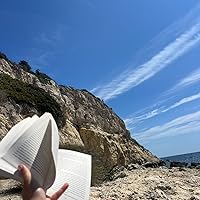
It felt obligatory to read Pirandello after seeing “Così è (se vi pare)” and loosely knowing about him for the better part of my teenage years. Overall, I found this book (novella?) thought provoking - it made me reflect a lot on the politics of love, which transcend time and place. In the end, basically all of our human interactions are dictated by dynamics of power and influence that are usually bigger than us, and romantic relationships are no exception. I liked that much of the book was set in Rome, but I didn’t love that every other page talked about some signorina’s dowry (or lack thereof). Overall there were some really great bits amongst the very boring bits, and I’m glad I read it.

January 14, 2022
2.75
very heavy on the dialogue, this collection of short stories exploring the bitterness that comes with unrequited love is not for readers who rely on descriptions and a vision for the narrative world
i liked the sound of this theme, but pirandello played with it in such an overt way which left me feeling just frustrated and with little sympathy for any of the unlikeable characters
however, some lines struck a chord with me, and for the most part i liked the pacing of the book!
very heavy on the dialogue, this collection of short stories exploring the bitterness that comes with unrequited love is not for readers who rely on descriptions and a vision for the narrative world
i liked the sound of this theme, but pirandello played with it in such an overt way which left me feeling just frustrated and with little sympathy for any of the unlikeable characters
however, some lines struck a chord with me, and for the most part i liked the pacing of the book!

September 10, 2020
I've re-read the first story and finished the other two in this three short story volume after my new found incursion and appreciation into the understated but psychologically probing writings of Luigi Pirandello with questions which go deep into the human psyche, which often remains a mystery to one's self. Intriguing, beguiling, highly readable and lingering.
August 16, 2023
As can be suggested by the title these three stories are not for the romantics amongst you. Though well written the cynicism shines through and you are unlikely to find a character you can easily identify with. Characters manipulate emotions with very mixed results. This book will appeal to those who like to observe human nature.

December 9, 2018
Three similar, weak stories about judgey and manipulative folks from a long time ago. I think I've been misled by the zeitgeist about Luigi Pirandello. Did he go on to write interesting fiction? Hard to imagine.
July 17, 2024
De este sí que no me he enterado muy bien porque el italiano era más literario, pero lo que he pillado no me ha gustado demasiado. Tres historias sobre gente a la que el amor no le va como quiere; podría ser mi grupo de WhatsApp con Álvaro y Silvana.
Robado de casa de la abuela.
Robado de casa de la abuela.

July 26, 2025
3.5/5 ⭐️ I didn’t even realize it was three different stories lol. The translation implied that one of the characters called his mother an invalid and that was funny/random. All of them had somewhat sad endings. I read this on a beach in tropea which was super beautiful backdrop for this.

August 12, 2017
Wish I could give it 3 & 1/2 stars...it doesn't deserve three nor can I seem to give it a four...

October 17, 2021
The Wave is probably one of the finest stories I have ever read.
October 3, 2025
Magari non l’ho compreso bene ma non mi ha colpito molto questo libro,tre stelle solo perché è Pirandello

October 3, 2010
I picked this book out of the clearance section at a used bookstore knowing of the author but having not read anything by him. I picked it up mostly because I'm grumpy that I can never find the one book I do want to read by Pirandello, Six Characters in Search of an Author and Other Plays. The library claims to have it but it's forever checked out...
This book includes three short stories, each involving a complicated love story as the title suggests - loveless love, untold love, unrequited love. Pirandello captures the complexity behind these circumstantial relationships, and his stories read easily. I was able to knock off the whole thing in just a couple hours (including a trip out for some lunch and a quick walk with the dogs). I can't say Pirandello's writing blew me away at all. There seems to be a lot of sentences that trail off with ellipses.
I love using ellipses as much as the next kid, really. But this was insanity.
Still, not bad overall. Maybe not Nobel Prize quality of writing, but then I've decided as I've read more and more Nobel winners recently that I don't think a lot of them are that quality though they may be enjoyable (as in the case of Kipling).
If I don't get my hands on a copy of Pirandello's plays soon I'm gonna throw a fit.
This book includes three short stories, each involving a complicated love story as the title suggests - loveless love, untold love, unrequited love. Pirandello captures the complexity behind these circumstantial relationships, and his stories read easily. I was able to knock off the whole thing in just a couple hours (including a trip out for some lunch and a quick walk with the dogs). I can't say Pirandello's writing blew me away at all. There seems to be a lot of sentences that trail off with ellipses.
"We're late... Mama is getting dressed..." (p 31)
"No one... And must he now play fair with other people? Ah, he would not be so foolish! Be patient a while, but not so foolish..." (p 47)
"Put it on the table, there... I don't feel like reading any more." (p 64)
"He knows that you love his daughter... and so... But there is no need to tell him... Go to him... make up your mind for once!" (p 76).
"Always obsessed by the thought that he might have forgotten something... And then, run here, go there; and we, Mama and I, behind: out of the house, to this and that shop... Ah, I assure you, no one could have done any more! But we were laughing... We did work." (p 103).
I love using ellipses as much as the next kid, really. But this was insanity.
Still, not bad overall. Maybe not Nobel Prize quality of writing, but then I've decided as I've read more and more Nobel winners recently that I don't think a lot of them are that quality though they may be enjoyable (as in the case of Kipling).
If I don't get my hands on a copy of Pirandello's plays soon I'm gonna throw a fit.

November 15, 2010
Uno dei guai di essere un compratore compulsivo di libri e non avere tempo per leggerli è che finisce che me ne può capitare uno tra le mani dopo quindici anni. I cinque euro attuali erano 3900 lire... A parte queste considerazioni secondarie, devo dire che Kafka non fa per me. Non so se il problema è esacerbato dalla traduzione, vecchiotta e quindi un po' pesante; ma è proprio la struttura del racconto kafkiano, che oscilla tra la disperazione e l'inconclusione, che mi mette a disagio. Prendiamo "Nella colonia penale", per esempio. C'è questa ineluttabilità delle esecuzioni, che si fanno senza che nessuno sappia esattamente la ragione; e anche il visitatore, che pure sembrerebbe uno dei protagonisti, è come se non esistesse davvero. Tra i molti racconti postumi inseriti nella raccolta, spicca "Il maestro di scuola del villaggio", dove l'incomunicabilità così cara a Kafka arriva a un livello persino comico; "Blumfeld, un vecchio scapolo" inizia benissimo con le due palle che seguono il protagonista, ma poi la trama si perde. Inutile: in generale non riesco ad appassionarmi a questo tipo di racconti.

September 13, 2015
"במה אפשר להאשים אותי? שאני רוצה שהבת שלי תהיה קודם כול עשירה ורק אחר כך מאושרת? " - אהבות ללא אהבה מאת לואיג'י פירנדלו
תמצית הסיפורים המצורפים בספר הזה. סיפורים קטנים על חיי נישואים, הציפיות והאכזבות שבהם. פירנדלו קורע מעל הדמויות את המסכות וחושף את המהות שלהן לעיתים בחמלה, לעיתים באירוניה עדינה ולעיתים באכזריות.
בסיפור הארוך ביותר בספר, "לפי התור", אב מחתן את בתו הצעירה עם אלמן עשיר בן 72 מתוך מחשבה שבתוך שנתיים שלוש, הוא ימות והיא תוכל להינשא לעלם צעיר. האב אינו לוקח בחשבון את תהפוכות הגורל ואת הסבלנות הקצרה של הצעירים. הגורל המתעתע מכה באב ובתוכניותיו וכפי שאנו יודעים אנחנו מתכננים תכנונים ולמציאות יש את הדרך שלה.
ישנה אירוניה דקה אך ברורה בכל הסיפורים שכתובים בכישרון רב. לפעמים הם דורשים מחשבה נוספת. בכולם מעורבת רמאות במידה כזו או אחרת ויש בהם מסר סמוי. בכולם יש אפשרות, פוטנציאל ליחסים אחרים שמשהו מונע מהם להתממש: האישה האלמנה שהתחתנה עם גבר חדש והפכה אותו מבלי דעת לדמוי בעלה. השכן שהתאהב באפשרות של אהבה וקינא לאישתו על אהבתה הנכזבת.
אהבות ללא אהבה, כשמן כך הן. השם של הספר מתאר במדוייק את קובץ הסיפורים הללו. מתארים את נפש האדם ואת המעמקים של היחסים הזוגיים.
סיפורים מצויינים ומומלצים מאוד.
תמצית הסיפורים המצורפים בספר הזה. סיפורים קטנים על חיי נישואים, הציפיות והאכזבות שבהם. פירנדלו קורע מעל הדמויות את המסכות וחושף את המהות שלהן לעיתים בחמלה, לעיתים באירוניה עדינה ולעיתים באכזריות.
בסיפור הארוך ביותר בספר, "לפי התור", אב מחתן את בתו הצעירה עם אלמן עשיר בן 72 מתוך מחשבה שבתוך שנתיים שלוש, הוא ימות והיא תוכל להינשא לעלם צעיר. האב אינו לוקח בחשבון את תהפוכות הגורל ואת הסבלנות הקצרה של הצעירים. הגורל המתעתע מכה באב ובתוכניותיו וכפי שאנו יודעים אנחנו מתכננים תכנונים ולמציאות יש את הדרך שלה.
ישנה אירוניה דקה אך ברורה בכל הסיפורים שכתובים בכישרון רב. לפעמים הם דורשים מחשבה נוספת. בכולם מעורבת רמאות במידה כזו או אחרת ויש בהם מסר סמוי. בכולם יש אפשרות, פוטנציאל ליחסים אחרים שמשהו מונע מהם להתממש: האישה האלמנה שהתחתנה עם גבר חדש והפכה אותו מבלי דעת לדמוי בעלה. השכן שהתאהב באפשרות של אהבה וקינא לאישתו על אהבתה הנכזבת.
אהבות ללא אהבה, כשמן כך הן. השם של הספר מתאר במדוייק את קובץ הסיפורים הללו. מתארים את נפש האדם ואת המעמקים של היחסים הזוגיים.
סיפורים מצויינים ומומלצים מאוד.

August 6, 2023
Raccolta di tre novelle, nel pieno rispetto dell'opera originale di Pirandello:
- L'onda
- La signorina
- L'amica delle mogli
Tutte e tre gradevoli, veloci, realiste e affatto banali, come gran parte dei lavori del Maestro. Ho molto apprezzato queste digressioni sugli amori "infelici", sicuramente più realistici e diffusi delle versioni edulcorate che somministrano i romanzi rosa, le telenovele o i film di Hollywood. L'amore che viene cantato da poeti e sognatori è un'idea che raramente trova riscontro nella società umana, mentre l'amore secondo Pirandello dipinge uno spaccato concreto della realtà. Coppie che restano assieme per ripicca, amore nati per vendetta, convenienza o costume culturale, passioni non corrisposte, differenze di classe e soprattutto maschere, maschere, maschere!
- L'onda
- La signorina
- L'amica delle mogli
Tutte e tre gradevoli, veloci, realiste e affatto banali, come gran parte dei lavori del Maestro. Ho molto apprezzato queste digressioni sugli amori "infelici", sicuramente più realistici e diffusi delle versioni edulcorate che somministrano i romanzi rosa, le telenovele o i film di Hollywood. L'amore che viene cantato da poeti e sognatori è un'idea che raramente trova riscontro nella società umana, mentre l'amore secondo Pirandello dipinge uno spaccato concreto della realtà. Coppie che restano assieme per ripicca, amore nati per vendetta, convenienza o costume culturale, passioni non corrisposte, differenze di classe e soprattutto maschere, maschere, maschere!

May 19, 2020
Loveless love is not love at all.
I bought this book as a souvenir when I went to Rome, Italy. That, I told myself, should be included when I purchase mugs and key chains. Haha. Anyway, the book has three tales. A landlord who falls in love with a tenant tied to another thus cannot return his love; an eternal love triangle that separates two lifelong friends; and a perfect woman organizing her friends’ weddings yet cannot find love herself. For me though, it's about a man who is only in it for the chase, another for trickery, and finally of folly. Ahh love.
I bought this book as a souvenir when I went to Rome, Italy. That, I told myself, should be included when I purchase mugs and key chains. Haha. Anyway, the book has three tales. A landlord who falls in love with a tenant tied to another thus cannot return his love; an eternal love triangle that separates two lifelong friends; and a perfect woman organizing her friends’ weddings yet cannot find love herself. For me though, it's about a man who is only in it for the chase, another for trickery, and finally of folly. Ahh love.

February 22, 2016
Read this book if you:
-Been in unfulfilled love before.
-Love someone to the point you self destroy it.
-Experienced a moment of paralyzing indecision.
-Dislike Freud because he is mostly pessimistic but think his ideas are applicable to humans, sometimes.
-Support small presses whose motto is to spread cultural knowledge instead of making a massive profit.
-Been in unfulfilled love before.
-Love someone to the point you self destroy it.
-Experienced a moment of paralyzing indecision.
-Dislike Freud because he is mostly pessimistic but think his ideas are applicable to humans, sometimes.
-Support small presses whose motto is to spread cultural knowledge instead of making a massive profit.

April 10, 2009
Three diverting tales of the Italian Bourgeoisie getting its knickers in a twist over love.

January 3, 2011
O melhor até hoje.
Displaying 1 - 30 of 32 reviews