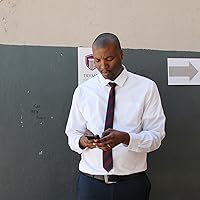
Becoming Men is the story of 32 boys from Alexandra, one of Johannesburg’s largest townships, over a period of twelve seminal years in which they negotiate manhood and masculinity. Psychologist and academic Malose Langa has documented graphically what it means to be a young black man in contemporary South Africa. The boys discuss a range of topics including the impact of absent fathers, relationships with mothers, siblings and girls, school violence, academic performance, homophobia, gangsterism, unemployment and, in one case, prison life. Dominant themes that emerge are deep ambivalence, self-doubt and hesitation in the boys’ approaches to alternative masculinities that are non-violent, non-sexist and non-risk-taking. The difficulties of negotiating the multiple voices of masculinity are exposed as many of the boys appear simultaneously to comply with and oppose the prevalent norms.
Providing a rich interpretation of how emotional processes affect black adolescent boys, Langa suggests interventions and services to support and assist them, especially in reducing the high-risk behaviours generally associated with hegemonic masculinity. This is essential reading for students, researchers and scholars of gender studies who wish to understand manhood and masculinity in South Africa. Psychologists, youth workers, lay counsellors and teachers who work with adolescent boys will also find it invaluable.
Typically when one thinks of young men in the township, negative images of nyaope, alcohol, fast cars and parties come to mind. However the township is a place of massive talent, beautiful culture and resilience, where alternatives definitions of masculinities are taking place beyond the toxic masculinities we normally exposed through #MenAreTrash and #MeToo experiences. As part of his PhD thesis, psychologist and senior lecturer Malose Langa went on a longitudinal study (2007 to 2018) engaging a group of 32 boys on how they define and redefine “manhood” in a township of Alexandra, North-East of Johannesburg. The schoolboys were between the ages of 13 and 18, by the end of the study they were all young adults between 24 and 28 years old
Langa specifically took an “applied psychoanalysis” approach which focuses on the psychological processes and social context the subject is located in, in order to fully determine how these dynamics contribute to the shaping of a boy to becoming a man in a black township context. Key themes explored included how young boys dealt with peer pressure to “perform”; feelings towards their absent fathers; relationships with girls; and homophobia.
Fear and anxiety of being an outcast in the peer group hierarchy the author argues, are some factors that contribute to toxic masculinities. In general the male gender fears to be emasculated and when their patriarchal position is challenged by women (or even other men) it may lead to violent reaction (in most cases physical) as a defense mechanism. When this behavior is practiced continually from a young age, it gets ingrained leading to boys reacting aggressively in their adult lives. This could indicate that in essence men lack solid emotional intelligence, self-knowledge and “perform” the male role based on flawed social constructs of “manhood”.
The study of boys and men has been critiqued by some scholars, arguing that such studies may undermine feminist scholarship and unintentionally continue favoring men’s experiences at the expense young girls and women voices. However some scholars argue that the study of boys and men is aimed at promoting healthy masculinity, anti-sexist behavior and broader understanding of gender, therefore studies on men and women should be parallel. Through this research work, Langa has adopted the latter view with the aim to better understand the common enemy of toxic hegemonic masculinity
Above the other feasible interventions suggested by the author, there is an urgent need for safer spaces for men to TALK to young men in order to guide, demystify, affirm and encourage healthier masculinities. This could assist in breaking the cycle of toxic masculinity damaging women and children in South Africa and globally. In regards to future research on this subject and research approach, it would be interesting to see the views on masculinities from white, Coloured and Indian adolescents in their respective environments in order to get a broader understanding of how South African boys become men and understand gender issues
The author aims for the research project findings to be used by teachers, researchers and policy makers in South Africa, with hope that it will contribute to policy development, campaigns and curricular that promote healthy constructions of masculinity. This book is also recommended for gender studies students; to those seeking to understand township adolescent’s behavior and how that could lead to various definitions of what it means to be a “man” in South Africa.
This book captures the plight of young black men growing up in the townships so well. It helps us to grapple with the realities we are facing as a society, particularly the objectification of women. It also helps with how we can engage going forward.
I loved the ideas, liked the execution but found the repetitive nature of it to be too much at times. I know it's needed to drive home the point but a bit more flare with the prose style would have aided this book immensely. I highly recommend it to anyone interested in it or just merely curious. It put into words a lot of the observations I've had and made me feel more sane.