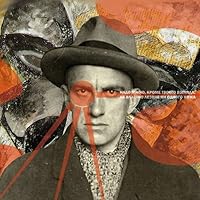
A collection of fairy tales from Estonia, Latvia, and Lithuania. Contents include: The White Deer / The Sea Bride / The King of the Mushrooms / The Forbidden Knot / The Sun Princess and the Prince.
Real fairy tale reviewers know that Younger Sister > Middle Sister > Elder sister. An absolutely iron-clad rule established in the stories here. Also the illustrations were stunning.
This book was a combination of some of the old elements popular in most Slavic folklore and some new elements. This book was also a good mixture of moral tales and those of heroism.
The Forbidden Knot is a tale of wisdom. The White Deer is a tale of hero outwitting an evil and cunning magical being. The King of Mushrooms is a feel good tale of a powerful benefactor helping a protagonist. The Sun Princess is a variant of a story from another books in the same series. But this has more magical artifacts and hence probably more interesting than the other one. Sea Bride was a kind of new story of sorts. But there wasn't really anything really stand out.
Overall, with all the nice illustrations and the nice waxy paper, a light feel good book to relax with. Something that doesn't tax your emotions or intellect at all.
The illustrations are really interesting and as high of a selling point as the folktales they illustrate. The short 2-page background info about the Baltic states is surprisingly apt.
As for the tales themselves, only two (out of five) stand out: The Sun Princess (epic, high potential for re-telling and symbolic interpretation) and The Forbidden Knot (a simple and short tale about wisdom, greed and moving in sync with the world)
நாஸ்டால்ஜியா..! ஒவ்வொரு ஓவியங்களையும் திரும்ப இன்னும் நாலு முறை பார்க்கலாம். சர்ரியலிச தன்மை கொண்ட ஓவியங்களை முதல் முதலா நான் பார்த்தது இந்தப் புத்தக வரிசையில் தான். அதற்குப் பிறகு பல சர்ரியலிச ஓவியங்களைப் பார்த்தாலும் இந்த புத்தகத்தின் ஓவியங்கள் இன்னமும் அப்படியே புத்துணர்ச்சியோட இருக்கு.
A girl called a man the devil and her dad made her marry him. They moved off and the husband went to work. The girl met a handsome knight and he gave them 3 pomegranates and 3 “tips.” The man done all three things and got presents for each one and sent them back to his wife. His wife got them and made a castle and had a baby with the knight. When the husband returned, they didn’t recognize him and sent him to work because they thought he was a slave/worker. When she realized who he was, they lived happily ever after. I would probably never use this story in my classroom. I think it is inappropriate and will probably never be in my standards and or lesson plans.