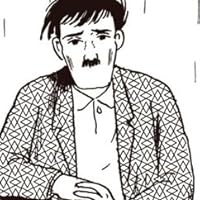
A maior e mais consagrada obra do grande mestre dos mangás de samurai, Hiroshi Hirata, chega ao Brasil numa coleção de três volumes. Se você já gostou de O Preço da Desonra: Kubidai Hikiukenin, saiba que foi em Satsuma Gishiden que Hirata encontrou seu auge como artista, entregando uma trama épica, com arte arrebatadora. A época dos samurais é repleta de histórias de grandes proezas em batalha e sistemas profundamente arraigados na honra e disciplina, mas, por trás desse rígido código de conduta havia uma sociedade se despedaçando. Com o longo período de paz trazido pelo resultado da Batalha de Sekigahara, em 1600, conflitos nos sistemas de classes e a necessidade de uma nação unida acabaram com os velhos modos de combater dos samurais, que perderam seu propósito de vida de uma hora para outra. Agora, eles diariamente se digladiam com o severo código de honra que norteia suas vidas, enquanto tentam se adequar aos novos tempos. E nenhuma província tinha mais samurais treinados para a guerra do que Satsuma, o que faz dela a região mais temida pelo Xogunato. Lá, o clima de apreensão ganha ares de rebelião quando uma ordem expressa do governo demanda a realização de uma obra quase impossível de ser executada, o que só pode significar que as autoridades buscam a derrocada do clã. O acirramento dos ânimos desses homens levará a desdobramentos que poderão tanto glorificá-los pela eternidade como decretar sua desgraça de uma vez por todas.
Satsuma Gishiden é um clássico gekigá (mangá de temática realista) sobre o começo do fim da era dos samurais. Publicado originalmente no Japão de 1979 a 1982, ele agora é apresentado aos leitores brasileiros em uma coleção fechada de três volumes, com sobrecapa com verniz localizado de alto relevo, papel de alta gramatura, miolo colado e costurado para o melhor manuseio na leitura, e um marcador de páginas diferente em cada edição.
Hiroshi Hirata (平田 弘史 Hirata Hiroshi?, born February 9, 1937, Japan) was a mangaka best known in the United States for the samurai manga series Satsuma Gishiden, which is published in the United States by Dark Horse Comics. Hirata's works belong to the subset of manga known as "gekiga" ("dramatic pictures"), and his artwork has a realistic style comparable to Goseki Kojima's work on Lone Wolf and Cub. He's also known for his use of elaborate calligraphy for dialogue, which has been preserved (though still translated) in the American editions of his work. According to Frederik L. Schodt's Dreamland Japan: Writings on Modern Manga, famed Japanese author and militarist Yukio Mishima admired Hirata's work. Also, Usagi Yojimbo creator Stan Sakai has praised Hirata's artwork.
While the apotheosis of the Samurai as a way of life was probably the 'sengoku' or 'warring states'-period that was more-or-less done with in the first couple of decades that followed the battle of Sekigahara in 1600, the years of peace that accompanied the consolidation of power by the Tokugawa shogunate hold the strongest grip on the public imagination. The theme of the warrior cursed to have been born in a time of peace hits a deep, archetypal nerve; the American Western serves as a rough corollary, with the majority of tales set in the waning hours of the Frontier, from the end of the Civil War in 1865 to the proliferation of railroads, telegraph lines, and Cavalry Forts that encouraged rapid western expansion throughout the 1880's. The thematic similarities between the Samurai and the Gunslinger, Ronin and Outlaw, are demonstrated best in the Westernized film adaptations of Akira Kurosawa's 'Yojimbo' -- Sergio Leone's 'For a Few Dollars More', with Clint Eastwood lending his icy charisma to the role Toshiro Mifune made so unforgettable -- and 'Seven Samurai' -- as 'The Magnificent Seven', the 1960 John Sturges classic that featured Steve McQueen, Yul Brynner and Charles Bronson.
The brand of hard-hearted 70's gekiga/seinen manga that explored the bleakest and most horrific aspects of samurai culture, particularly the 20 000-plus pages of brilliant story-telling by Kazuo Koike and Goseki Kojima, as well as the lesser-known masterpiece 'Satsuma Gishiden' by Hiroshi Hirata, have their own parallels in the complex moral relativism and brutality that authors like Cormac McCarthy, Ron Hansen and Larry McMurtry introduced to the previously simplistic mythmaking of the American West. This realism was reflected in film as well; from Leone's spaghetti westerns and the thousands of exploding squibs in Sam Peckinpah's films, to the near-perfection of 'Unforgiven', there was a concerted effort to break free of genre clichés and create historical fiction in it's stead. 'Satsuma Gishiden' uses an almost academic tone at times, and while Hirata doesn't have the bottomless reservoir of incredibly clever plots that Koike does, he has a talent for creating scenes of gut-churning violence and cruelty that rival anything from 'Samurai Executioner'. The opening pages depict a ritualized contest between two opposing 'armies' of bored, frustrated, destitute samurai, organized by their feudal lord in an attempt to release pent-up hostility. Condemned criminals, their hands tied behind their backs, are put on horseback and told to ride for a large tree a half-mile-or-so away. If they reach it, they are given their freedom. In order to get there, however, they have to run a gauntlet between the two mounted teams of battle-ready samurai, all of whom are looking to use the condemned man's liver as a football... literally. With armored samurai hacking away with naked, razor-sharp katana and dotanuki, the criminal is soon reduced to a glistening crimson trail of severed limbs and spilt organs. The warriors pull no punches with one another, each one desperate for whatever scraps of glory they might gain from reaching the finish-line with the chunk of armless, headless torso containing the liver. The art and calligraphy Hirata uses in rendering the scene -- drawn from detailed historical accounts -- is typically unsettling and beautiful. The contrast between the elegant landscapes & architecture and the gruesome disregard for human suffering is both disturbing and compelling.
The most spectacular examples of Hirata's celebrated calligraphy are left intact and subtitled in Dark Horse's typically meticulous translation of the early 70's Gekiga. Hirata's artistic style is stunning, slightly more natural and detailed -- but otherwise very similar -- to the cinematic storytelling of Goseki Kojima. The social tensions that emerged in Edo-period Japanese society are explored in fascinating detail; as need for trained samurai steadily declined, the lowest class of warrior known as the 'Goshi', or peasant samurai, grew larger. Members of a once valued hereditary aristocracy, dedicated to the harsh strictures of the Bushido code, were now an inconvenience. Forced to do the work usually done by the peasant and merchant classes to avoid starvation, the Satsuma Daimyo declared that a wide variety of professions could only be completed by the Goshi. These frustrated samurai were still not happy about the situation, and exploited their various monopolies on professions they despised, extorting unfair prices and favors from any merchant who needed a store built, or any peasant requiring medical treatment. The higher classes of samurai, meanwhile, displayed an open contempt for the 'yam-eaters', perhaps uncomfortable being reminded of their steadily declining importance. They could lash out and kill the Goshi for any perceived slight, and any attempt at defending themselves or seeking vengeance could result in a death sentence that extended not just to the offender, but their family as well. Since death was not something the samurai feared, especially a starving samurai, stronger deterrents were required. The social and psychological complexities examined in 'Satsuma Gishiden' are fascinating. The artistry, emotional resonance, and historical authenticity have made it one of the most revered manga classics, and rightfully so.
A bit too bloody, which was to be expected from Hirata, and great artwork. But the story was unexpectedly dry and I'm not yet sure what exactly it is about and who the protagonists are supposed to be, as there's many characters.
Eu assisti recentemente uma série no Netflix que conta sobre as guerras samurai até o ponto de unificação do Japão e a batalha de Sekigahara. A obra de Hiroshi Hirata caiu como uma luva, uma ficção histórica (graphic novel) ilustrando a decadência da cultura samurai num período de paz nas décadas seguintes a essa grande batalha, especialmente sobre o povo da região de Satsuma.
As ilustrações do autor são belíssimas, a forma em que ele encaixa nos curtos capítulos um pouco de história e exemplos que nos ajudam a construir a imagem (anti-intuitiva no meu caso) de como os samurais pensavam e se comportavam é super intrigante. A história principal, construída através de relatos de sofrimento e honra, é interessantíssima. Em breve devo encarar os outros dois volume!
PS - Edição de luxo da editora Pipoca e Nanquim -- no aguardo pelo volume, esgotado :(
Sem dúvida o grande mérito da HQ é desmistificar a vida dos samurais, ao longo do volume somos apresentados a uma visão bem menos romantizada da que estamos acostumados, de um guerreiro com um forte código de conduta, mas também preso a uma hierarquia rígida onde os que estivessem na base mesmo estando acima do cidadão comum ainda assim eram miseráveis. Aqui sendo um volume de preparação, fica claro que estamos sendo apresentados aos dois principais protagonistas, nos é mostrado um retrato da vida desses guerreiros, especificamente os do clã Satsuma e toda uma intrincada contenda política que vai determinar os acontecimentos da trama. Ao final do volume somos apresentados a duas histórias paralelas que guardam alguma relação já que ambas essencialmente falam sobre fidelidade e família, mas a segunda é especialmente macabra.
o mangá é rico, dando uma aula sobre a história do Japão, com uma arte muito bonita.
contudo, sinto que Satsuma Gishiden 1 é apenas a introdução da história que Hiroshi Hirata quer contar; obviamente que sendo o vol 1 o caráter introdutório é esperado, mas ainda assim me incomodou. temos: apresentação de alguns (2!) personagens relevantes para a história, a situação precária em que vivem os habitantes de Satsuma, os conflitos pre-existentes entre os clãs Tokugawa e Shimazu (abordando, um pouco, a Batalha de Sekigahara) e é isso.
acabei sentindo falta de aprofundamento em algumas questões, mas também entendo o caminho que o autor tomou (aparentemente).
honestamente? um saco. a arte é formidável e tal, bem realista, sombria e detalhada, porém é o único fator mais positivo. achei as histórias super desconexas, mesmo considerando a proposta de serem "crônicas". os poucos fios condutores são confusos e desinteressantes. como mangá histórico traz várias informações e ambienta bem a época q retrata, isso com certeza é um mérito. mas de resto achei bem esquecível. até tenho o volume 2 em casa, mas nem vou me dar ao trabalho.
(4,1 of 5 for a nice semi-historic feudal Japan story) I like this theme, best if sticking to history and Satsuma Gishiden fits that perfectly. It's great, heavy on information, morals, characters and action too. The art can be sometimes git chaotic, but otherwise, I really enjoyed it and flew through very fast. Now I wish I hadn't only the first volume...
Senti que esse primeiro volume é uma grande introdução de algo muito maior. Apresenta bem os personagens mas os trocentos nomes e fatos históricos me deixaram um pouco perdido (oi DDA).
L'histoire est intéressante car basée sur l'Histoire mais je n'aime pas le dessin. Et celui-ci prédomine sur de nombreuses pages, ne facilitant pas la compréhension de ce qu'il s'y passe. Par contre le supplément historique est très intéressant.
This series took my breath away and left nothing to the imagination. Brutal, very graphic, and nothing like Lone Wolf and Cub series at all. Lone Wolf had a terrible and melancholic beauty both in the artwork and the stories, despite all the brutalities and pain contained within. But in Satsuma Gishiden there were only anger, too much anger and frustration, and bitterness that seemed to evaporate from every page and made me want to finish these books as soon as possible and be done with them.
The best of the series translated into English thus far. Very compelling story-line with a strong historical context. The areas dealing with impoverished samurai and their attempt to maintain dignity were very powerful. Brutal but representative of the strictly hierarchical social milieux in which the story takes place.
Primeiro, edição estupenda do P&N, como de costume. Volume de fácil manuseio, sobrecapa e capa internas belíssimas, sem qualquer vislumbre de transparência entre as páginas, replicação impressionante das pinceladas fortes do Hirata, um índice ao final bastante esclarecedor sobre termos, personagens e períodos históricos, e por aí vai.
Segundo, quanto à obra em si: apesar de ser uma "introdução" ao problema principal que há de vir, é uma "introdução" exemplar. Os dois primeiros capítulos são extasiantes, em particular, com toda a sequência envolvendo o Hiemontori.
Os pressupostos a respeito dos valores e das práticas daqueles samurais e sobre a Região de Satsuma como um todo são estabelecidos nesse volume. É reforçada a relevância do elemento comunitário e social para a apreciação da obra: mais do que o individual, importa o coletivo, a comunidade, a família. Para além disso: importa a decadência desses valores no contexto retratado e a dureza/intransigência dos samurais.
A forma como o Hirata desenha e a narrativa assumida ajuda a ressaltar o elemento coletivo em detrimento do individual: é difícil distinguir a grande maioria dos personagens. Ora, mas é claro. O que importa é, acima de tudo, compreender o povo de Satsuma e os samurais que ali viviam.
Ao mesmo tempo, o individual também é colocado em relevo, mas somente quando tal proposta é interessante em termos narrativos. O individual é destacado para dar ênfase a (poucos) personagens que, em meio à decadência generalizada, assumem traços contrastantes de rebeldia e fidelidade que revelam pessoas que buscam a base/os princípios dos valores do guerreiro samurai, não segui-los por mera formalidade.
Rebeldia em relação à postura formal de seguir regras e valores impostos apenas por seguir. Simultaneamente, buscar fidelidade às bases, aos princípios dessas mesmas regras e valores. Guiar a ação com base no princípio último que os guia como samurai, não com base na prática reiterada e decadente que era vigente. Que me importa falar sobre a importância da palavra dada e da promessa, se não pretendo honrá-las diante dos mais pobres?
Em resumo, uma obra realmente linda e com muitas camadas de complexidade sobre um povo e um grupo de pessoas em dado tempo, mas que é capaz de se comunicar conosco, no tempo presente.
15/06/2022 •Primeiro mangá que li e gostei muito, tanto do estilo (mangá) quanto da obra em si •Muito legal ver as tradições do Japão antigo, como era o código de honra dos samurais e como eles levavam isso à sério •Bizarro a cena do pênis gigantesco do cara kkkkk •Ilustração muito foda •É extremamente rápido a leitura, fiquei até assustado, quase 500 páginas e li em 3 dias, sendo que daria pra ler em 1 tranquilamente
Increíble, la distintiva forma de plasmar un Japón, donde la pobreza, en Satsuma, afectaba de forma brutal. Donde como regir su vida, se iba degradando de su codigo samurai. Los personajes se volvieron más complejos al entrar en dilemas acerca de lo que realmente significa ser un samurai.
La discriminación entre clanes es muy evidente. Ricos y pobres separados.
Reli e continua incrível, principalmente quanto a arte e a técnica de desenho do Hirata. A história também é muito interessante, assim como a narrativa. Estou ansioso em ler os próximos volumes.
If you like things like Samurai Executioner and Lone Wolf and Cub, you will probably like this as well. This is a tale of samurai who have fallen into poverty and hard times, and they try to preserve their honor and dignity. Not always an easy task. The story starts fast and graphic (a scene where a convict is to be killed), and the pace pretty much remains fairly quick for the narrative. Like other works in this genre, it is very evocative of the era it presents. The art is very well suited to the story. My only issue is that this volume ends just as the story is picking up an important plot. I hope I can find the next title, though I have learned Black Horse discontinued the series after the third volume. A pity, since this is clearly a good piece of work.
I was hoping for more manga in the style of Lone Wolf and Cub. It doesn't exactly follow one person around. It follows the Samurai of Satsuma, which makes for an interesting read. The first book feels like a good introduction.
Dessin puissant et menaçant et une chronique bien documentée sur le Japon de l'époque, c'est dense et de grands hommes se détachent au milieu des pressions du shogunat et des difficultés de l'époque
This was okay. Maybe it was just not the right time for me to read this particular book, but I had a difficult time following the plot. It seemed like the timeline was skipping into the past, but that was not explained and so it came off as disjointed and confusing. Not sure if I'll be reading more or not. The art was lovely though and I did learn a little more about Japanese class culture and structure.