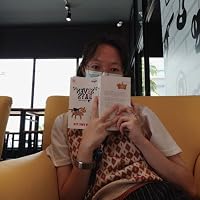
A textualisation of oral interviews with the victims, their family members and (accidental) participating members of the May 13, 1969 riot in Kampung Baru, Kuala Lumpur, which has been deliberately brushed off from the history of Peninsular Malaysia due to its barbaric and shameful nature. The oral history group (the author) aims to recollect the stories of how the incident happened half a century ago before it gets forgotten forever as people age and pass on; how it affected the victims and their family; and its influence over the course of the country thence. Formal record of the incident included around a couple of hundred casualties, but witnesses of corpses along the river estimated the death count to be around 800, and official record of the number of people who went missing suggested the deaths to be in the thousand. The context of this riot is about racial tension, disrespect and a lack of empathy across ethnic groups. It is believed to be ignited by a political stir and misunderstood and escalated by extreme groups. Prior events stemming from racial conflicts in the years leading up to this massacre included the separation of Singapore from Malaysia in 1965.
Death polls in the hundreds, the vivid images of “血流成河” (river of blood) from widespread rumours, and curfew orders at that time resulted in the stepdown of the founding father of the independent Malaya and first prime minister of the country, dominance of one ruling alliance in the government for six decades, the formation of the New Economic Policy (NEP) as a means to empower the middle-class Malays and to prevent racial aggression like in Indonesia, stocking up of food prior to general elections, and mistrust in the democratic system until the last decade of changes and reforms. While NEP was a timely measure to curb poverty and economic inequality in the 1970s, dividing Malaysian citizens into classes based on their ethnicity rather than merits has since been institutionalised and ingrained in the minds of many, resulting in the sense of entitlement of the major ethic group and causing the reversal/revision of this policy to match the environment in modern times to be extremely difficult and controversial.
Most interviewees expressed confusion towards the root of the incident, while some expressed it occurred against the backdrop of high poverty rates. I admire the tenacity of the history group in recollecting the painful memories and traumas of the interviewees while having their full-time job, and their transcribing and reordering of events narrated in various dialects. I can only imagine the challenges in the translation of some words and expressions to have compounded the difficulty of recalling and the chronology of events happened half a century ago.
The publication of this book is a timely and relevant reminder of late (despite the largely improved economic scene and living conditions) as the recent 2022 general election resulted in a hung parliament which demands compromises by many parties and their represented constituents. Untold in these individual stories are the urban-rural divide, geographical distribution of ethnic groups, politicisation of basic rights such as education and welfare initiatives, gerrymandering of electoral seats, confusions about the truths and in deciding what’s best for one and for all due to media, fake news/rumours, religion, information asymmetry, etc. These structural problems are inevitable and contribute to the bottleneck stage of Malaysia today and the complexity in maintaining and preserving tribal identities, customs, cultures, and vernacular languages and schools in the greater multicultural, multiethnic and multireligious society. History is not all pain, however. Fearful days (for all Malaysians) leading up to the formation of government in 2022 and the potential curfew orders reminded the importance of being humble and mindful, and 求同存异 - the fact that despite deep cultural differences Malaysian residents rely on each other for survival. Announcements were made to the public to refrain from celebrating electoral wins in the face of those who voted against the winning parties. #前车之鉴
If admitting own’s mistakes and recognising own’s weaknesses are crucial to one’s advancement, we have this to practise and teach to our children.