

What do you think?

Storia di un abito inglese e di una mucca ebrea
Palestina, 1947. Giaffa è una città viva di mercati, caffè, strade affollate, aperta sul mare pescoso e chiusa da distese immense di aranceti profumati. Subhi è un ragazzo che sogna di diventare il Miglior Meccanico della città. È in effetti un talento e quando riesce a riparare una pompa d'irrigazione, il ricco uomo d'affari che lo ha messo alla prova gli fa confezionare, in segno di riconoscenza, un abito inglese in lana di Manchester. Subhi è al settimo cielo e con quell'abito acquista una nuova consapevolezza di sé e della città in cui si muove, ma soprattutto immagina di indossarlo, malgrado il caldo, per fare colpo sulla ragazza dei suoi sogni, la giovanissima e bellissima Shams. Peccato che non siano tempi facili, tanto più per le storie d'amore: gli inglesi, che da oltre vent'anni amministravano la Palestina, dichiarano concluso il loro mandato e finiscono con il fomentare le già forti tensioni tra gli ebrei sempre più numerosi e i residenti palestinesi. Nel 1948 arriva l'attacco deliberato, quello che fu chiamato Nakba, la catastrofe: le forze israeliane ben equipaggiate dalla Gran Bretagna bombardano Giaffa senza pietà, la occupano, la riducono a una città fantasma. Traditi gli accordi, sono disperse centinaia di famiglie, le abitazioni e gli aranceti sono espropriati, la vita quotidiana è sfigurata da uno stato di polizia. E in quel teatro di caos e di morte le giovani anime di Subhi e Shams, perduti l'uno all'altra, disegnano sulla mappa della Storia il loro destino, senza rassegnazione, illuminati dalla certezza di appartenere a una terra, alla gente che l'ha abitata, a una avventurosa speranza, che, come in un sogno, è di volta in volta l'apparizione di una mucca sfortunata, la morbida eleganza della lana di Manchester, o un coloratissimo volo di aquiloni. Suad Amiry ha saputo ascoltare i veri protagonisti di questo racconto, ha saputo narrare una promessa d'amore, ha saputo mettere nel cuore di un ragazzino la meraviglia di esistere e ha intessuto tutto questo dentro una delle pagine più drammatiche e meno note del secolo scorso.
240 pages, Hardcover
First published August 2, 2022
About the author
Suad Amiry
21 books269 followersSuad Amiry (Arabic: سعاد العامري) is a Palestinian writer and architect has been living in Ramallah since 1981.
Born in Damascus, Amiry grew up between Amman, Damascus, Beirut and Cairo. She studied architecture at the American University of Beirut, Michigan, US, and in Edinburgh, Scotland.
Amiry is author of the well-known book Sharon and My Mother-in-Law which has been translated into 17 languages and was awarded the prestigious 2004 Viareggio Prize.
She is the founder and Director of the Riwaq: Centre for Architectural Conservation. Amiry is the vice-president of the Board of Trustees of Birzeit University.
Her book Menopausal Palestine: Women at the Edge was published in India by Women Unlimited (2010) Her latest book Nothing to Lose But your Life, has been published by Bloomsbury Qatar Foundation April 2010. Amiry lives in Ramallah with her husband, the academic and political activist Salim Tamari.
Born in Damascus, Amiry grew up between Amman, Damascus, Beirut and Cairo. She studied architecture at the American University of Beirut, Michigan, US, and in Edinburgh, Scotland.
Amiry is author of the well-known book Sharon and My Mother-in-Law which has been translated into 17 languages and was awarded the prestigious 2004 Viareggio Prize.
She is the founder and Director of the Riwaq: Centre for Architectural Conservation. Amiry is the vice-president of the Board of Trustees of Birzeit University.
Her book Menopausal Palestine: Women at the Edge was published in India by Women Unlimited (2010) Her latest book Nothing to Lose But your Life, has been published by Bloomsbury Qatar Foundation April 2010. Amiry lives in Ramallah with her husband, the academic and political activist Salim Tamari.
Ratings & Reviews
Friends & Following
Create a free account to discover what your friends think of this book!
Community Reviews
Displaying 1 - 30 of 417 reviews

October 25, 2023
قصتكم يا أهل فلسطين قصة لا يصدقها عقل..
شعب كامل يعيش على أرضه ثم يطرد منها هكذا بكل قسوة وبجاحة لا نظير لها!!!!
شعب كامل يتعرض لهجوم مسلح يدفعه للفرار لينجو بحياته!!!
يموت من يموت ويتوه من يتوه...
عائلات تتمزق وبيوت تتهدم...
شتات ليس له مثيل
شعب كامل لا يريدون محوه فقط بل يريدون إنكار وجوده من الأساس!!!
السلب والنهب
الاستيلاء على الأرض
على البيوت
على الممتلكات
إدارة أملاك الغائبين.. ومن هم هؤلاء الغائبين؟
جنون مستعر...
أفعال وحشية...
يافا عام 1948
هجرة اليهود
الانتداب البريطاني
العصابات اليهودية
النكبة وتقسيم فلسطين الذي لم يكتفوا به بل استحوذوا عليها شبه كاملة والآن يريدون استكمال البقية الباقية...
رواية تروى لنا الحكاية من البداية، نعيش معهم ونفكر مثلهم ونتعاطف معهم في حكايتهم التي لا يتعاطف معها أحد....
اوشكنا على نسيانهم لولا صمودهم...
الله معكم يا اهل فلسطين..
فلسطين الكلمة المحرمة التي لا نجرؤ على التلفظ بها🥺🥺🥺
الله معكم يا أهل فلسطين في كل مكان....
الله معكم في الداخل والخارج....
ثبتكم الله ونصركم وعوضكم خيرا مما أخذ منكم، وغفر الله لنا ما قصرنا فيه.
طوفان الأقصى
اكتوبر ٢٠٢٣
شعب كامل يعيش على أرضه ثم يطرد منها هكذا بكل قسوة وبجاحة لا نظير لها!!!!
شعب كامل يتعرض لهجوم مسلح يدفعه للفرار لينجو بحياته!!!
يموت من يموت ويتوه من يتوه...
عائلات تتمزق وبيوت تتهدم...
شتات ليس له مثيل
شعب كامل لا يريدون محوه فقط بل يريدون إنكار وجوده من الأساس!!!
السلب والنهب
الاستيلاء على الأرض
على البيوت
على الممتلكات
إدارة أملاك الغائبين.. ومن هم هؤلاء الغائبين؟
جنون مستعر...
أفعال وحشية...
يافا عام 1948
هجرة اليهود
الانتداب البريطاني
العصابات اليهودية
النكبة وتقسيم فلسطين الذي لم يكتفوا به بل استحوذوا عليها شبه كاملة والآن يريدون استكمال البقية الباقية...
رواية تروى لنا الحكاية من البداية، نعيش معهم ونفكر مثلهم ونتعاطف معهم في حكايتهم التي لا يتعاطف معها أحد....
اوشكنا على نسيانهم لولا صمودهم...
الله معكم يا اهل فلسطين..
فلسطين الكلمة المحرمة التي لا نجرؤ على التلفظ بها🥺🥺🥺
الله معكم يا أهل فلسطين في كل مكان....
الله معكم في الداخل والخارج....
ثبتكم الله ونصركم وعوضكم خيرا مما أخذ منكم، وغفر الله لنا ما قصرنا فيه.
طوفان الأقصى
اكتوبر ٢٠٢٣
April 6, 2023
https://www.instagram.com/p/CuE8B1SrR...
A heartfelt novel of first love and loss amidst the destruction of Palestine. Told in an animated and lively style, this novel starts off lighthearted and casual, highlighting the everyday goings on in Jaffa, and of two teenagers who feel the blossoming of new love. Then, as the destruction and displacement of Palestine begins, our protagonists must grow up overnight, struggling with grief, war, and having to start over with nothing. This is a novel of separation, of lives knocked off course, never to return to their original plans. The lives of Subhi and Shams are a devastating example of the pains of occupation and erasure, the beacons of clinging to hope and rebelling against oppression.
A heartfelt novel of first love and loss amidst the destruction of Palestine. Told in an animated and lively style, this novel starts off lighthearted and casual, highlighting the everyday goings on in Jaffa, and of two teenagers who feel the blossoming of new love. Then, as the destruction and displacement of Palestine begins, our protagonists must grow up overnight, struggling with grief, war, and having to start over with nothing. This is a novel of separation, of lives knocked off course, never to return to their original plans. The lives of Subhi and Shams are a devastating example of the pains of occupation and erasure, the beacons of clinging to hope and rebelling against oppression.

July 25, 2022
Happy Pub Day to this beauty! I posted this last week w/ a short review & wanted to dive a little deeper. Mother of Strangers by Pale$tinIan author @suad.amiry was a deeply touching story about a young boy, blissful, hopeful & in love, planning his future until occupation takes over. While there were some shortcomings, I savored every single page. There are so many moments of laughter & happiness, moments of accomplishments & failures, moments of naivety & credulousness, moments of hope & hopelessness, but through it all, knowing the end, I couldn’t help but be optimistic for Subhi.
I couldn’t help but be optimistic for not just the characters in Amirys’ story, bc I saw reflections of my own family through them, but I dream of a world where suffering of my people in real life ends. Where our voices weren’t & aren’t silenced; where we are free.
A world where we are free.
The glimpses of fulfillment, joy & happiness evaporate immediately when “a new nation” is being born & another “annihilated.” In these very passages, it was hard for me to grasp. It was hard to accept. Knowing the reality, I found it so hard to be happy for these very characters, bc they aren’t just characters. They are real people, every day & for the last 73 years who have slowly been erased at the hands of colonizers. The hatred driving this new state & now country is often ignored w/ a facade that peace is what they want-when reality & history proves otherwise.
Hatred is what made that state, now a country. & love is what keeps us going, country or not.
I appreciate this book so much bc there isn’t much literature be it fiction or not that truly depicts the diaspora of a once prosperous nation. Amiry sets the landscape for what Pale$tine once was: beautiful, vivacious, lively, aromatic from street cafes, orange & olive orchards & restaurants, but more, a people with dreams, hopes, aspirations & family bonds.
There is so much more I want to say, but truly, my words escape me bc I could never have enough words to express how deeply connected I am to this book, to Subhis’ story, to the lives of many, many Pale$tinian$, to the loss & trauma I felt reading it & to the utter loss & emptiness I feel writing my review about it. With that, it’s important to be open & to seek understanding even when you truly can’t understand or don’t care to. Because as a Pale$tinian, all I have is my voice & all I want is to be heard.
🧿To my brothers & sisters, we will get through this.✊🏽
📖#SADGIRLREADERS category, so dont forget to use my hashtag when you read sadly powerful books and tag me so I can see it!
🎁 Thank you so much @pantheonbooks my gifted copy! Ya’ll are amazing!😘
🗣Always and forever—FREE MY PEOPLE! 🇵🇸
HEAD OVER TO MY INSTAGRAM PAGE @TOTAHLYBOOKED FOR THIS REVIEW & MORE.
I couldn’t help but be optimistic for not just the characters in Amirys’ story, bc I saw reflections of my own family through them, but I dream of a world where suffering of my people in real life ends. Where our voices weren’t & aren’t silenced; where we are free.
A world where we are free.
The glimpses of fulfillment, joy & happiness evaporate immediately when “a new nation” is being born & another “annihilated.” In these very passages, it was hard for me to grasp. It was hard to accept. Knowing the reality, I found it so hard to be happy for these very characters, bc they aren’t just characters. They are real people, every day & for the last 73 years who have slowly been erased at the hands of colonizers. The hatred driving this new state & now country is often ignored w/ a facade that peace is what they want-when reality & history proves otherwise.
Hatred is what made that state, now a country. & love is what keeps us going, country or not.
I appreciate this book so much bc there isn’t much literature be it fiction or not that truly depicts the diaspora of a once prosperous nation. Amiry sets the landscape for what Pale$tine once was: beautiful, vivacious, lively, aromatic from street cafes, orange & olive orchards & restaurants, but more, a people with dreams, hopes, aspirations & family bonds.
There is so much more I want to say, but truly, my words escape me bc I could never have enough words to express how deeply connected I am to this book, to Subhis’ story, to the lives of many, many Pale$tinian$, to the loss & trauma I felt reading it & to the utter loss & emptiness I feel writing my review about it. With that, it’s important to be open & to seek understanding even when you truly can’t understand or don’t care to. Because as a Pale$tinian, all I have is my voice & all I want is to be heard.
🧿To my brothers & sisters, we will get through this.✊🏽
📖#SADGIRLREADERS category, so dont forget to use my hashtag when you read sadly powerful books and tag me so I can see it!
🎁 Thank you so much @pantheonbooks my gifted copy! Ya’ll are amazing!😘
🗣Always and forever—FREE MY PEOPLE! 🇵🇸
HEAD OVER TO MY INSTAGRAM PAGE @TOTAHLYBOOKED FOR THIS REVIEW & MORE.

December 13, 2023
THE EPILOGUE! Ugh. My hearttttt 🥺🥺🥺
If you're looking for a historical fiction that depicts the Palestinian Nakba of 1948 - this is it! It's a blend of love story and fictional retelling of true events. Shams and Subhi are real people. Most people mentioned within the book are real people. And thus, the epilogue will make you misty-eyed to know how their true stories turned out.
I find that learning about historical events through historical fiction is such an emotive way to approach history. Because you're so invested in the characters. And then you can do further research now that you're personally tied to these events.
If you're looking for a historical fiction that depicts the Palestinian Nakba of 1948 - this is it! It's a blend of love story and fictional retelling of true events. Shams and Subhi are real people. Most people mentioned within the book are real people. And thus, the epilogue will make you misty-eyed to know how their true stories turned out.
I find that learning about historical events through historical fiction is such an emotive way to approach history. Because you're so invested in the characters. And then you can do further research now that you're personally tied to these events.

January 9, 2026
“Subhi non capiva. Com’era possibile che tutto il suo mondo si fosse frantumato in poche ore? Davanti agli occhi gli scorrevano le immagini delle tre giornate che avrebbero segnato per sempre il suo destino e quello della città.”
Ancora una volta Suad Amiry racconta il crollo di un microcosmo felice, la fine di un mondo, la sofferenza di un popolo invaso e vessato, e lo fa narrando la vita di persone comuni, facendoci entrare nella loro piccola storia che è la conseguenza e il riflesso della grande storia. Quella che conosciamo dai libri, dalle immagini, dai reportage giornalistici, ma che qui diventa più viva e vera, nutrendo i nostri sentimenti, arricchendo la nostra conoscenza.
Subhi è un adolescente che vive a Giaffa, città sontuosa, impreziosita dalle coltivazioni di arance, dove le divisioni sociali sono ben visibili, ma dove si sente anche la speranza di poter cambiare la realtà, diventando padroni del proprio futuro.
Così è per Subhi che, con il suo talento di giovane meccanico, si guadagna il favore di un ricco proprietario di aranceti, dal quale riceve in regalo un elegante abito inglese confezionato su misura per lui con pregiate lane di Manchester e che rappresenta per il ragazzo un sogno da realizzare ben presto: conquistare l’amore di Shams, una ragazzina di tredici anni che vive nella vicina campagna e di cui lui è perdutamente innamorato.
I due giovani si incontreranno e sboccerà il loro tenero amore, emozionante e vibrante di promesse non mantenute. Perché è il 1948, l’Inghilterra ritira il suo mandato sulla Palestina, gli ebrei sono liberi di concludere la loro opera di colonizzazione, occupando le terre e le case palestinesi. Comincia così una guerra che, come sappiamo, è stata ed è ancora feroce e interminabile.
Vite spezzate, sogni infranti, morte e devastazione. Il destino di Subhi e Shams drasticamente si divide.
Suad Amiry racconta una storia vera. Subhi e Shams lei li ha incontrati. Al tempo del libro (2020) avevano rispettivamente 86 e 84 anni. La loro emblematica vicenda ci viene restituita da una scrittura brillante e coinvolgente che ci mostra anche il carattere dei personaggi, la loro formazione e la brusca crescita, raccontando il dolore senza mai dimenticare la bellezza.
Ancora una volta Suad Amiry racconta il crollo di un microcosmo felice, la fine di un mondo, la sofferenza di un popolo invaso e vessato, e lo fa narrando la vita di persone comuni, facendoci entrare nella loro piccola storia che è la conseguenza e il riflesso della grande storia. Quella che conosciamo dai libri, dalle immagini, dai reportage giornalistici, ma che qui diventa più viva e vera, nutrendo i nostri sentimenti, arricchendo la nostra conoscenza.
Subhi è un adolescente che vive a Giaffa, città sontuosa, impreziosita dalle coltivazioni di arance, dove le divisioni sociali sono ben visibili, ma dove si sente anche la speranza di poter cambiare la realtà, diventando padroni del proprio futuro.
Così è per Subhi che, con il suo talento di giovane meccanico, si guadagna il favore di un ricco proprietario di aranceti, dal quale riceve in regalo un elegante abito inglese confezionato su misura per lui con pregiate lane di Manchester e che rappresenta per il ragazzo un sogno da realizzare ben presto: conquistare l’amore di Shams, una ragazzina di tredici anni che vive nella vicina campagna e di cui lui è perdutamente innamorato.
I due giovani si incontreranno e sboccerà il loro tenero amore, emozionante e vibrante di promesse non mantenute. Perché è il 1948, l’Inghilterra ritira il suo mandato sulla Palestina, gli ebrei sono liberi di concludere la loro opera di colonizzazione, occupando le terre e le case palestinesi. Comincia così una guerra che, come sappiamo, è stata ed è ancora feroce e interminabile.
Vite spezzate, sogni infranti, morte e devastazione. Il destino di Subhi e Shams drasticamente si divide.
Suad Amiry racconta una storia vera. Subhi e Shams lei li ha incontrati. Al tempo del libro (2020) avevano rispettivamente 86 e 84 anni. La loro emblematica vicenda ci viene restituita da una scrittura brillante e coinvolgente che ci mostra anche il carattere dei personaggi, la loro formazione e la brusca crescita, raccontando il dolore senza mai dimenticare la bellezza.

December 3, 2021
” A cosa gli serviva l’abito inglese adesso che sposarsi era diventato un sogno impossibile?
Il tono scanzonato annunciato dal titolo del romanzo non tradisce le aspettative eppure qualcosa non quadra.
Come si può essere spensierati a Giaffa verso la fine del 1947?
La tensione è nell’aria: i coloni ebrei premono e gli inglesi sono alla fine di un mandato che non vogliono rinnovare.
La preoccupazione dunque c'è ma da subito ci si immerge nell’ingenua spensieratezza di un adolescente che, come ogni suo coetaneo guarda con speranza al futuro.
La voce narrante segue, come un occhio di bue, il quindicenne Subhi ignaro di quanta sofferenza implicherà il suo essere palestinese.
Lui, per il momento è un ragazzino con l’ambizione di arrivare ad essere il migliore meccanico della città e con una ragazza che non riesce a togliersi dalla testa da quando ha incrociato il suo sguardo, il suo nome è Shams.
Qualche dialogo di troppo in cui si alternano domande e risposte con palese scopo didascalico e alcune pagine che allungano il brodo (della dettagliata costruzione degli aquiloni, sinceramente, ne avrei fatto ameno) ma Suad Amiry ha una scrittura fluida che man mano sa coinvolgere.
Un contesto sociale in cui resistono profonde e trasversali divisioni (etniche, religiose, di ceto sociale, di genere) che tutto dividono e separano nettamente.
Mi domando: questa mancanza di unità è stata forse la falla che ha permesso ai sionisti d’insinuarsi?
La tenera storia della passione tra due adolescenti subisce un arresto.
All’improvviso si cambia completamente registro.
L’ingenuità, la spensieratezza: tutto è annullato dalla pioggia di proiettili che cascano su Giaffa e disperdono la popolazione palestinese.
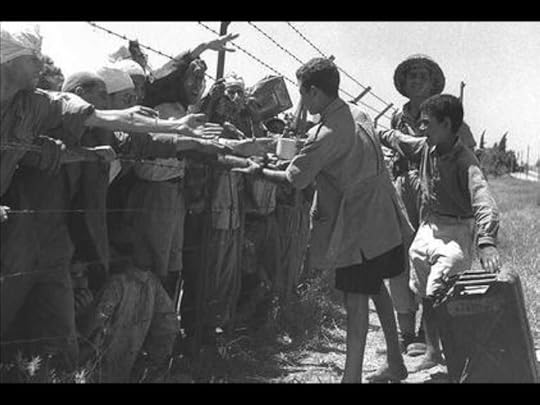
Le famiglie si spezzano, si disperdono.
Chi scappa sparisce chi rimane è rinchiuso in campi delimitati da un filo spinato.
Ancora una volta mi chiedo come il popolo ebraico possa aver permesso che tutto questo succedesse. I palestinesi hanno pagato il conto dovuto dai nazisti?
Solo a libro finito posso rendermi conto di quanto questo libro scateni quelle universali emozioni con cui assistiamo passivamente alle ingiustizie di questo mondo.
Il pregio narrativo è quello di aver saputo creare il giusto equilibrio tra sorriso e lacrima.
Una storia racchiusa tra il sogno rappresentato da un abito inglese e una realtà grottesca dove anche le mucche sono diventate ebree..
”In quei lunghi mesi aveva tenuto duro. Nonostante tutto non aveva mai smesso di sperare, aggrappato al suo abito inglese come a un salvagente.
Quel completo in lana di Manchester era la manifestazione tangibile di un sogno in cui aveva continuato a credere, pur nell’indicibile tragedia che si era abbattuta su di lui, su di loro.”
Ah, dimenticavo: è una storia vera...
January 3, 2023
"رفع يده إلى أعلاها، و أخرج خرقة رمادية مخطَّطة بالأحمر، وبيدَيْه المرتعشتَيْن ناولني إيَّاها، ثمَّ عاد إلى كرسيِّه، و أخذ نَفَسًا عميقًا قبل أن يقول : " هاد كلّ اللِّي بقيلي من فلسطين"
بهذا المشهد و هذهِ الجمل تُنهي الكاتبة سعاد العامري روايتها التي تحكي فيها عن يافا في زمن النكبة ١٩٤٨ و ما قبلها حيثُ كانت الحياة طبيعية..مرورًا بخمسة سنوات بعد النكبة .من خلال قصة حب بريئة كُتب لها أن تنتهي و يموت الحب قبل أن يولد..صبحي و شمس اللذين فرّقت بينهم الظروف و النكبة و المسافات..
بالنسبة لي سعاد العامري حكاواتية و بإمتياز. قادرة على صياغة و كتابة نصّ مميّز و حقيقيّ لا يُنسى و الأهمّ من ذلك حميميّ فهُنا ككّل أعمالها لا تخلو الرواية من الجوّ الحميميّ للعائلة..
رواية بديعة بجوّها اللطيف حيث تأخذنا إلى يافا و قُراها و شوارعها و بيّارات البرتقال المشهورة بها و الحياة البسيطة للفلّاحين،مقارنةً بأهل المدينة و الفروقات فيما بينهم..فبطلنا صبحي من أهل المدينة و شمس فلّاحة من قرية سلِمة.
أحببتها جدًا و إستمتعت بها و أثّرت فيني كثيرًا ..و أكثر ما اثّر فيني أنها مُقتبسة من قصة حقيقية..و الرواية كتبتها الكاتبة بعد مقابلات مع شمس و صبحي.
و آخر فصول الرواية عبارة عن لقاء الكاتبة بالأبطال شمس و صبحي..كان حوارًا مؤثر و مؤلم جدًا.
أنصح بها.
بهذا المشهد و هذهِ الجمل تُنهي الكاتبة سعاد العامري روايتها التي تحكي فيها عن يافا في زمن النكبة ١٩٤٨ و ما قبلها حيثُ كانت الحياة طبيعية..مرورًا بخمسة سنوات بعد النكبة .من خلال قصة حب بريئة كُتب لها أن تنتهي و يموت الحب قبل أن يولد..صبحي و شمس اللذين فرّقت بينهم الظروف و النكبة و المسافات..
بالنسبة لي سعاد العامري حكاواتية و بإمتياز. قادرة على صياغة و كتابة نصّ مميّز و حقيقيّ لا يُنسى و الأهمّ من ذلك حميميّ فهُنا ككّل أعمالها لا تخلو الرواية من الجوّ الحميميّ للعائلة..
رواية بديعة بجوّها اللطيف حيث تأخذنا إلى يافا و قُراها و شوارعها و بيّارات البرتقال المشهورة بها و الحياة البسيطة للفلّاحين،مقارنةً بأهل المدينة و الفروقات فيما بينهم..فبطلنا صبحي من أهل المدينة و شمس فلّاحة من قرية سلِمة.
أحببتها جدًا و إستمتعت بها و أثّرت فيني كثيرًا ..و أكثر ما اثّر فيني أنها مُقتبسة من قصة حقيقية..و الرواية كتبتها الكاتبة بعد مقابلات مع شمس و صبحي.
و آخر فصول الرواية عبارة عن لقاء الكاتبة بالأبطال شمس و صبحي..كان حوارًا مؤثر و مؤلم جدًا.
أنصح بها.
December 20, 2023
Mother of strangers - Suad Amiry
I was contemplating about the book for awhile because the few chapters of it was a little of putting for me due to the unecessary and unusual sexual references, but the historical context of it made me continue and i find it hard to put it down the more i learn about the characters.
I sobbed when he author explained how she actually talked and interviewed the two palestinian that inspired her book in the end. All of the characters were real people with dreams. I couldnt help by cry for their loses and gains amist the war. The tragedy that befalls all of them. It suprises me how the author decribe shams as a polite, soft, warm and caring person dispite all of the struggles she's being put through.
subhi after all those years still seem to be thinking of his first love shams while also taking pride in his english suit and love for his country. All of this makes me wonder how many families are facing all of this rn in gaza with the on going genocide.
it made me realise that these stories don't generate on their own and that within these books are real people with real hopes and dreams that palestine will be liberated and wish the day they’ll rejoice with their family and friends.
Im glad i finished it, apart of it being an emotional ending, It was educational as well. 10/10
I'm going end off the review with a reminder that palestinians are still undergoing the genocide, and I need everyone to realise that those videos you see are of real people going through real pain and trauma.
Lets echo the voices of the palestinians and never give up until they are free. Count your blessings always and thank you for taking your time to read this 🫶🏻
From the river to the sea, Palestine will be free. ❤️🇵🇸
I was contemplating about the book for awhile because the few chapters of it was a little of putting for me due to the unecessary and unusual sexual references, but the historical context of it made me continue and i find it hard to put it down the more i learn about the characters.
I sobbed when he author explained how she actually talked and interviewed the two palestinian that inspired her book in the end. All of the characters were real people with dreams. I couldnt help by cry for their loses and gains amist the war. The tragedy that befalls all of them. It suprises me how the author decribe shams as a polite, soft, warm and caring person dispite all of the struggles she's being put through.
subhi after all those years still seem to be thinking of his first love shams while also taking pride in his english suit and love for his country. All of this makes me wonder how many families are facing all of this rn in gaza with the on going genocide.
it made me realise that these stories don't generate on their own and that within these books are real people with real hopes and dreams that palestine will be liberated and wish the day they’ll rejoice with their family and friends.
Im glad i finished it, apart of it being an emotional ending, It was educational as well. 10/10
I'm going end off the review with a reminder that palestinians are still undergoing the genocide, and I need everyone to realise that those videos you see are of real people going through real pain and trauma.
Lets echo the voices of the palestinians and never give up until they are free. Count your blessings always and thank you for taking your time to read this 🫶🏻
From the river to the sea, Palestine will be free. ❤️🇵🇸

December 9, 2023
Inspiegabile - lo concludo alle quattro del mattino straziata, e mi rendo conto di quanto anche questo sentimento sia intriso nel privilegio intellettuale di chi può rimuginare sul sentimento del dolore e non debba immediatamente, piuttosto, reagire e provare a rifuggirlo in nome della salvezza, in nome della vita. Ci dovrebbe essere un tempo per tutto, e poi un tempo più dilatato per il dolore e infine un tempo sacro per il trauma. E in ginocchio su quell’altare di sacralità dovrebbe esserci spazio per ricoprirsi di luce. Ma anche questo è vaneggiare, anche questa è vana licenza poetica e spirituale, mentre abitiamo un mondo che da decenni si copre gli occhi

July 28, 2024
قرأت هذه الرواية في جلسة واحدة وكانت خير علاج بعد قراءة رواية ثقيلة ومملة (فازت بإحدى "الجوائز").
رواية واقعية تعتمد على خيوط حقيقية (كما أشارت الكاتبة لذلك) وتستعرض سيرة كلّ من "ًصبحي" و"شمس" بأسلوب جذّاب وممتع وسلس ولغة بسيطة جزلة وحوارات بلهجة "يافا".
الفضاء السردي شارك في الحدث وأثّر في الأحداث ووثّق (بعيدًا عن التقريرية) لتلك المرحلة وتلك المدينة الصاخبة.
بناء الشخصيات كان جيدًا جدًا ولعّل شخصية "حبيب" هي الشخصية الأفضل والأمتن داخل هذا النص.
الرمزيات هائلة داخلة النص ولعلّ أيرزها ذلك التناص بين "قميص" السيد المسح و"بدلة" صبحي".
يعيب الرواية بعض الهنّات في الحبكة وأبرزها:
1- لقاء عائلة "صبحي" مع "شمس" في منزل "عبد" من دون ان يعرفوا اسم الفتاة الذين هم ذاهبون لخطبتها، ردّة فعل "شمس" واعطاءهم اسمها الثلاثي الحقيقي (كل هذا اللقاء كان يمكن تحريره بشكل أفضل لو تمّ تغيير اسماء الفتيات من قبل العائلة الجديدة).
2- عمر شمس لحظة الخطبة (16) والذي كان عمر طبيعي للزواج في ذلك الوقت (كان يمكن ان يكون رفض رفقة لتزويج الفتاة بسبب الدراسة على سبيل المثال).
3- في الحوارات، لم استطع ان المس الفرق ما بين لهجة أهل "يافا" ولهجة أهل "سلمة".
ولكن بشكل عام رواية جيدة جدًا وسعيد بالقراءة لسعاد العامري وسأحاول قراءة مجمل اعمالها.
ملاحظة: ناقشنا الرواية في نادي "جسور من ورق" وكان لقاءً ممتعًا وغنيًا جدًا.
رواية واقعية تعتمد على خيوط حقيقية (كما أشارت الكاتبة لذلك) وتستعرض سيرة كلّ من "ًصبحي" و"شمس" بأسلوب جذّاب وممتع وسلس ولغة بسيطة جزلة وحوارات بلهجة "يافا".
الفضاء السردي شارك في الحدث وأثّر في الأحداث ووثّق (بعيدًا عن التقريرية) لتلك المرحلة وتلك المدينة الصاخبة.
بناء الشخصيات كان جيدًا جدًا ولعّل شخصية "حبيب" هي الشخصية الأفضل والأمتن داخل هذا النص.
الرمزيات هائلة داخلة النص ولعلّ أيرزها ذلك التناص بين "قميص" السيد المسح و"بدلة" صبحي".
يعيب الرواية بعض الهنّات في الحبكة وأبرزها:
1- لقاء عائلة "صبحي" مع "شمس" في منزل "عبد" من دون ان يعرفوا اسم الفتاة الذين هم ذاهبون لخطبتها، ردّة فعل "شمس" واعطاءهم اسمها الثلاثي الحقيقي (كل هذا اللقاء كان يمكن تحريره بشكل أفضل لو تمّ تغيير اسماء الفتيات من قبل العائلة الجديدة).
2- عمر شمس لحظة الخطبة (16) والذي كان عمر طبيعي للزواج في ذلك الوقت (كان يمكن ان يكون رفض رفقة لتزويج الفتاة بسبب الدراسة على سبيل المثال).
3- في الحوارات، لم استطع ان المس الفرق ما بين لهجة أهل "يافا" ولهجة أهل "سلمة".
ولكن بشكل عام رواية جيدة جدًا وسعيد بالقراءة لسعاد العامري وسأحاول قراءة مجمل اعمالها.
ملاحظة: ناقشنا الرواية في نادي "جسور من ورق" وكان لقاءً ممتعًا وغنيًا جدًا.
January 14, 2023
1.5 stars for the lesson in palestinian history from a neglected point of view, half a star for the unfortunately short section from shams’s perspective- frankly i skimmed the first 70% of the book because the plot was dead on arrival. things hit a more compelling historical and emotional stride in the back fourth, and redeemed what was otherwise a slog through some bruuuutal technical writing... disjointed narrative, unnatural dialogue, a deep need for “show don’t tell”.
it felt like amiry kept wanting to write a straightforward historical account of the nakba, suddenly remembered this was supposed to be a fiction novel, and propped up a paper-thin character to say the name of an event and the date it happened and not do much else. a lot clicked when i learned she’s exclusively written nonfiction, which is probably pretty good based on her style here! a lot more teen boy boners than i was expecting
it felt like amiry kept wanting to write a straightforward historical account of the nakba, suddenly remembered this was supposed to be a fiction novel, and propped up a paper-thin character to say the name of an event and the date it happened and not do much else. a lot clicked when i learned she’s exclusively written nonfiction, which is probably pretty good based on her style here! a lot more teen boy boners than i was expecting
March 20, 2024
مؤلمة كعادة اي رواية عن فلسطين

June 17, 2025
Con dosi equilibrate di leggerezza e gravità questo libro racconta pezzi dell’inizio dell’immensa tragedia della Palestina, tragedia che si consuma ancora oggi sotto i nostri occhi di occidentali, in parte indifferenti, in parte conniventi, in parte indecisi da che parte stare, sempre colpevoli. Storia privata (una storia vera) e Storia con la maiuscola si mischiano senza soluzione di continuità. Doloroso (ovviamente quando si parla di questa questione), tenero, rigoroso, appassionato, sempre meno drammatico della realtà, da leggere.

August 16, 2024
التهمت هذه الرواية وهذا العمل في أقل من يوم لمتعة الحكاية وجمال السرد وفخامة اللهجة الفلسطينية في كل حوارات العمل الذي دار وحدث في مدينة يافا أرض البرتقال بفلاحيها وبياراتها وأغنياءها وحواريها وشوراعها واحتفالاتها وتاريخها ونضالها وعيشها الرغيد نوعا ما ما قبل النكبة وأثناء الانتداب البريطاني ومن ثم التاريخ الموجع بعد احتلال اليهود واستيطانهم هذه المدينة العربية وميناءها ومزارعها وما ارتكبوه من جرائم وقتل وتهجير وسرقة واحتلال وتعذيب وتشتيت وتهجير إلى الأهل والأحبة والعوائل ، عن طريق سرد قصة حب بريئة لشمس وصبحي وما آلت إليه مصائرهم قبل وبعد هذه المأساة ..
استمعت بالحكاية والسرد الجميل أكثر مما نقلت من وقائع تاريخيّة صارت معروفة عند كل إنسان عربي يتابع أخبار غزة منذ أكثر من عشرة شهور ، والفصل الأخير في العمل من خلال لقاء الكاتبة بشمس في يافا وصبحي في عمّان أكثر ما أثر فيّ ودمعت عيناي بسببه وانقبض قلبي بشأنه فكنت أتمنى أن لو اجتمعوا وحقق صبحي حلمه بلبس بدلته الإنجليزية مع شمس بفستان زفافها الأبيض كما كان يحلم..
أن قصص الحب البريئة لا يكتب لها أن تكتمل مع وجود مجرم يجهض أجنة الحب قبل أن يكتمل نضجها وميلادها ..
كان جاكيت البدلة الرمادي المخطط بالأحمر رمز الانتداب هو ما بقي لصبحي من فلسطين، وكانت البقرة اليهودية رمز الاستيطان والجريمة هي ما شتت شمس وعائلتها وأمها ، شمس التي بعبثية الأقدار صارت جزءًا من عائلة صبحي بعد زواجها من أمير أخ صبحي ..
وكما يقول صبحي " كل واحد ونصيبه في هالدنيا "
وكما تقول شمس : كانت ولدنة ..
استمعت بالحكاية والسرد الجميل أكثر مما نقلت من وقائع تاريخيّة صارت معروفة عند كل إنسان عربي يتابع أخبار غزة منذ أكثر من عشرة شهور ، والفصل الأخير في العمل من خلال لقاء الكاتبة بشمس في يافا وصبحي في عمّان أكثر ما أثر فيّ ودمعت عيناي بسببه وانقبض قلبي بشأنه فكنت أتمنى أن لو اجتمعوا وحقق صبحي حلمه بلبس بدلته الإنجليزية مع شمس بفستان زفافها الأبيض كما كان يحلم..
أن قصص الحب البريئة لا يكتب لها أن تكتمل مع وجود مجرم يجهض أجنة الحب قبل أن يكتمل نضجها وميلادها ..
كان جاكيت البدلة الرمادي المخطط بالأحمر رمز الانتداب هو ما بقي لصبحي من فلسطين، وكانت البقرة اليهودية رمز الاستيطان والجريمة هي ما شتت شمس وعائلتها وأمها ، شمس التي بعبثية الأقدار صارت جزءًا من عائلة صبحي بعد زواجها من أمير أخ صبحي ..
وكما يقول صبحي " كل واحد ونصيبه في هالدنيا "
وكما تقول شمس : كانت ولدنة ..

May 20, 2022
This is a moving story about the displacement of Palestinian families during the partition & civil war of 1947-49. But first the story brings to light the city of Jaffa (a seaside port town) before then - what it was like with its enticing cafes, cinemas, shops, and orange groves - and tells the story of Subhi, a young mechanic (age 15) who hopes to gain the heart of a young peasant girl (Shams, age 13) he meets at the annual summer festival. He buys a suit to impress her --and hopes to one day wear it for their wedding day ... but due to events of the day ... they are pulled apart & their families are displaced, their homes are taken, and they become refugees. You wonder if Subhi & Shams and their families will survive and if they will find one another again. The story weaves through tumultuous scary times - a great upheaval & refugee crisis. I didn't know too much about the history but this novel brings it vividly to life and the travails of those who were displaced. I was taken especially by the character of Subhi, the young mechanic and I rooted for him to succeed. You'll have to check out the story to find out what happens. Apparently it is based on a true story - which the Author talks about in a Note at the book's end.
November 26, 2022
شهر بالكامل ، استغرقت شهر في قراءة واحدة من أجمل وأعظم الروايات اللي قرأتها في حياتي ، الرواية دي بقي ليها مكانه خاصة في قلبي ، فلسطين قبل الاحتلال ، حكايات من القلب ، شخصيات حقيقية و دوافع شخصية ، تاريخ ، حب ، فقد ، حُزن
كل شئ يتواجد في الرواية وبشكل عظيم
سرد في غاية الجمال ، حوارات مكتوبة بدقة .
وقصة حب من أجمل ما يكون ، ونهاية غير متوقعة أبداً أبداً أبداً
جميلة وعظيمة جداً .
كل شئ يتواجد في الرواية وبشكل عظيم
سرد في غاية الجمال ، حوارات مكتوبة بدقة .
وقصة حب من أجمل ما يكون ، ونهاية غير متوقعة أبداً أبداً أبداً
جميلة وعظيمة جداً .
July 12, 2023
pros
- based on a true story (I didn't realise this till the end)
- provides a semi-fictionalised perspective on the nakba (I haven't seen many books that do this)
- it has a really really nice cover
- the characters (obviously) feel realistic and lifelike
cons
- the writing was really clunky, there were random paragraphs of historical background/political speak haphazardly inserted into the story
- really weird and unnecessary sexual content I had to keep skipping past...I understand the main character is a 15-year-old boy but seriously...
- the narration was a bit weird second half of the book, really emotional things are happening but the author is just skipping over it like 'the next month, *insert specific date*, his mother died. He cried. 3 weeks later *insert specific date*...' you get the idea.
overall, writing-wise it's probably a 2 1/2-star book, but I rounded it to 3 because I feel like the subject matter is super important and it's great to see books being written about it.
- based on a true story (I didn't realise this till the end)
- provides a semi-fictionalised perspective on the nakba (I haven't seen many books that do this)
- it has a really really nice cover
- the characters (obviously) feel realistic and lifelike
cons
- the writing was really clunky, there were random paragraphs of historical background/political speak haphazardly inserted into the story
- really weird and unnecessary sexual content I had to keep skipping past...I understand the main character is a 15-year-old boy but seriously...
- the narration was a bit weird second half of the book, really emotional things are happening but the author is just skipping over it like 'the next month, *insert specific date*, his mother died. He cried. 3 weeks later *insert specific date*...' you get the idea.
overall, writing-wise it's probably a 2 1/2-star book, but I rounded it to 3 because I feel like the subject matter is super important and it's great to see books being written about it.

March 2, 2021
Bello!!!

January 25, 2026
“Maledetta la vostra mucca ebrea.
Se ci punite per aver rubato una mucca, cosa vi meritate voi, per aver rubato una nazione intera?”
Il titolo simpatico di questo romanzo nasconde la drammatica storia di due persone realmente esistite: Subhi e Shams, rispettivamente un ragazzino di Giaffa e una ragazzina delle campagne circostanti. E delle loro famiglie palestinesi. Non ai giorni nostri, ma nel periodo della Nakba, “la catastrofe” del 1948, quando iniziò il piano di partizione dei Territori Palestinesi, la cessione di quella zona da parte della Gran Bretagna al popolo ebraico, origine del sionismo più violento e becero.
Qualcuno può obiettare che si tratti di una narrazione partigiana - l’autrice è una palestinese nata a Damasco e trasferitasi a Ramallah nel 1981 -, ma è doveroso sentire anche la voce (le voci) di chi ha visto infrangere il proprio Paese, ed insieme ad esso, anche il proprio futuro e i propri sogni.
Attraverso una quotidianità che passa improvvisamente dalla quiete all’ombra dei dorati agrumeti ad una persecuzione che fa dei palestinesi profughi in casa loro, lèggiamo del coraggio di giovani vite costrette ad affrontare oltraggi, violenze, angherie e diaspore mantenendo lealtà ai propri ideali e alla propria cultura.
Famiglie smembrate e defraudate delle proprie abitazioni dalla sera alla mattina, umiliati e bombardati, quando anche un elegante abito da uomo in lana di Manchester diventa un buon pretesto per l’accusa di furto e l’incarcerazione. Non parliamo poi di macellare una mucca ebrea per sfamare qualche famiglia mussulmana. Del resto, una mucca che pascola sul nuovo suolo israeliano non può che essere ebrea, no? L’assurdo nell’assurdo.
Non fatevi fuorviare dall’ameno titolo: qui c’è la sofferenza di un popolo e il suo tentativo di sopravvivere.
Ma c’è anche il perdono. A questo proposito mi viene in mente un film dello scorso anno, sull’argomento: Tutto quello che resta di te, di Cherien Dabis. Sempre ambientato a Giaffa, sempre partendo dalla Nakba per arrivare ai giorni nostri.
Nel film, l’Imam dice alla famiglia palestinese protagonista: “Non sottovalutate la potenza della vostra umanità. È l’unica cosa che può salvarvi.”
E vi assicuro che, nel romanzo di Amiry, di umanità ce n’è tantissima.
Se ci punite per aver rubato una mucca, cosa vi meritate voi, per aver rubato una nazione intera?”
Il titolo simpatico di questo romanzo nasconde la drammatica storia di due persone realmente esistite: Subhi e Shams, rispettivamente un ragazzino di Giaffa e una ragazzina delle campagne circostanti. E delle loro famiglie palestinesi. Non ai giorni nostri, ma nel periodo della Nakba, “la catastrofe” del 1948, quando iniziò il piano di partizione dei Territori Palestinesi, la cessione di quella zona da parte della Gran Bretagna al popolo ebraico, origine del sionismo più violento e becero.
Qualcuno può obiettare che si tratti di una narrazione partigiana - l’autrice è una palestinese nata a Damasco e trasferitasi a Ramallah nel 1981 -, ma è doveroso sentire anche la voce (le voci) di chi ha visto infrangere il proprio Paese, ed insieme ad esso, anche il proprio futuro e i propri sogni.
Attraverso una quotidianità che passa improvvisamente dalla quiete all’ombra dei dorati agrumeti ad una persecuzione che fa dei palestinesi profughi in casa loro, lèggiamo del coraggio di giovani vite costrette ad affrontare oltraggi, violenze, angherie e diaspore mantenendo lealtà ai propri ideali e alla propria cultura.
Famiglie smembrate e defraudate delle proprie abitazioni dalla sera alla mattina, umiliati e bombardati, quando anche un elegante abito da uomo in lana di Manchester diventa un buon pretesto per l’accusa di furto e l’incarcerazione. Non parliamo poi di macellare una mucca ebrea per sfamare qualche famiglia mussulmana. Del resto, una mucca che pascola sul nuovo suolo israeliano non può che essere ebrea, no? L’assurdo nell’assurdo.
Non fatevi fuorviare dall’ameno titolo: qui c’è la sofferenza di un popolo e il suo tentativo di sopravvivere.
Ma c’è anche il perdono. A questo proposito mi viene in mente un film dello scorso anno, sull’argomento: Tutto quello che resta di te, di Cherien Dabis. Sempre ambientato a Giaffa, sempre partendo dalla Nakba per arrivare ai giorni nostri.
Nel film, l’Imam dice alla famiglia palestinese protagonista: “Non sottovalutate la potenza della vostra umanità. È l’unica cosa che può salvarvi.”
E vi assicuro che, nel romanzo di Amiry, di umanità ce n’è tantissima.

July 9, 2024
حكاية تذكر و تذكير لما وقع في يافا في أيام النكبة و تهجير لسكانها عبر حكاية صبحي و شمس .
العمل مبني على وقائع حقيقية .
العمل مبني على وقائع حقيقية .

August 30, 2022
This is a unique book and worth a read, if for nothing else than to learn more about the Israeli/Palestinian conflict, which I think is something that many Americans can't quite comprehend.
The story is based off an encounter that the author had with her taxi driver, and learned of this true story of the "romance" between Subhi and Shams. Now given that I am an American it is a little icky to read about a 13 year old girl being pursued for marriage by a 15 year old. But this is historically and culturally accurate, so keep that in mind.
For me, the strength of this story was less about the romance and more about what it was like to live through an occupation. It's a book that highlights the human condition and all our flaws and beauty. It is a heartbreaking lesson in the displacement of peoples and what "home" means.
TO ORDER:
Bookshop
If you want to see more of what I'm reading each day, follow me on my Bookstagram
To watch my monthly updates and author chats, check out my Book Tube channel
To read my in depth reviews and see author Q&A's, head to my blogAll audio books are from Libro FM to support my local bookstore, The Book Bar in Denver.
The story is based off an encounter that the author had with her taxi driver, and learned of this true story of the "romance" between Subhi and Shams. Now given that I am an American it is a little icky to read about a 13 year old girl being pursued for marriage by a 15 year old. But this is historically and culturally accurate, so keep that in mind.
For me, the strength of this story was less about the romance and more about what it was like to live through an occupation. It's a book that highlights the human condition and all our flaws and beauty. It is a heartbreaking lesson in the displacement of peoples and what "home" means.
TO ORDER:
Bookshop
If you want to see more of what I'm reading each day, follow me on my Bookstagram
To watch my monthly updates and author chats, check out my Book Tube channel
To read my in depth reviews and see author Q&A's, head to my blogAll audio books are from Libro FM to support my local bookstore, The Book Bar in Denver.
February 20, 2023
لم تكتب للقارئ العربي
كأنها فيلم هوليودي متخيل عن حكايتك ، حيث الاضافات الغير حقيقة و التفاصيل المقطوعة .
اللغة ايضا عادية و بسيطة ( محبوبته ، شمسه ) كلمات عادية و غير ناقلة للمشاعر على مستوى روائي
القصة ايضا مملة في البدء و اسرعت بكثير من الانجاز في الأخير
أردات سر تفاصيل مكانية ليافا قبل الاحتلال و لتواريخ مهمة في النكبة ، فجعلت الرواية كالروايات المدرسية .
لم تعجبني و لم تكن على مستوى ، لا القصة ولا اقحام الأحداث جاء بسلاسة
يظل استاذ ابراهيم نصرالله خير من كتب عن التجربة الفلسطينية بشكل روائي طويل و قصير ، البقرة في دبابة تحت شجرة عيد الميلاد و المفاتيح مع مريم في ظلال المفاتيح ، و طبعا الأهم دائما زمن الخيول البيضاء
و سوزان أبو الهوى تتربع عرش الكتابة عن فلسطين بحبكات و مشاعر
لكن هنا صدمت و كانت اقل من مستوى ( دمشقي ) بكثير
كأنها فيلم هوليودي متخيل عن حكايتك ، حيث الاضافات الغير حقيقة و التفاصيل المقطوعة .
اللغة ايضا عادية و بسيطة ( محبوبته ، شمسه ) كلمات عادية و غير ناقلة للمشاعر على مستوى روائي
القصة ايضا مملة في البدء و اسرعت بكثير من الانجاز في الأخير
أردات سر تفاصيل مكانية ليافا قبل الاحتلال و لتواريخ مهمة في النكبة ، فجعلت الرواية كالروايات المدرسية .
لم تعجبني و لم تكن على مستوى ، لا القصة ولا اقحام الأحداث جاء بسلاسة
يظل استاذ ابراهيم نصرالله خير من كتب عن التجربة الفلسطينية بشكل روائي طويل و قصير ، البقرة في دبابة تحت شجرة عيد الميلاد و المفاتيح مع مريم في ظلال المفاتيح ، و طبعا الأهم دائما زمن الخيول البيضاء
و سوزان أبو الهوى تتربع عرش الكتابة عن فلسطين بحبكات و مشاعر
لكن هنا صدمت و كانت اقل من مستوى ( دمشقي ) بكثير

November 12, 2022
I was granted an arc in exchange of an honest review
Rating this book feels wrong. Because five stars doesn’t seem enough. It doesn’t seem adequate for how it made me feel. But for the sake of a rating, it’s one of the easiest five stars I’ve given.
I’ve read a lot of books that changed the way I saw things but I rarely come across one that confronts me with painful truths. Those books give colour to things I knew but couldn’t see, attaching a story to facts and they stay in my mind much longer than other books. Mother of Strangers was one of them.
Subhi, the fifteen-year-old mechanic and mc of this book, had a sharp sense of humour but despite that, no part of this book has been easy to read. It was set in a time a little before the British mandate ended, the Palestine before. And knowing what I know now, I spent every minute taking in all the details of the flourishing city of Jaffa, their traditions, their festivities, knowing that it no longer exists—buried as a memory under the long, ongoing occupation and genocide.
I started highlighting the passages a little into the book and I didn’t stop. I couldn’t. I’ve waited a long time. To see Palestine from the eyes of a Palestinian, to see a Palestinian shoot down one of the most common zîonist sayings, which is that Palestine didn’t exist. In this book, you see the actual history, where Palestine was once a beautiful(it still is, despite it all) country booming with trade. When Palestine was free.
Reading a book was like watching a movie. And in this movie, I saw a Palestine I haven’t seen(I’ve heard of but reading it makes it more vividly real) and it’s sad, knowing what it was and what it is now.
It was heartbreaking to read about how Subhi went from living an ordinary life as a clever, yet naive mechanic hopelessly in love with 13 year-old-Shams, who he one day hopes to marry, to someone whose life gets turned upside down as he and the rest of the Palestinians lose their homes, their country, their peace, their lives. It was especially difficult to read the pages where families were ripped apart. The knowledge that many of them never saw their families again haunted me, while also making me realise how much I have to be grateful for.
I’m not a crier. This book was not only one of the few that made me cry, but with the others, I only cried once. Either when a character dies or at the end, when all the emotions I felt in the book hit me at once and overwhelmed me. But, I lost count of the number of times I cried while reading Mother of Strangers. I cried in the middle, when their lives were being snatched. In all the happy, peaceful parts, knowing that it’ll never be the same. Knowing it’s ephemeral. I cried when I was talking to my friend about this book and again when I was writing this review.
I know the end was supposed to be one of the saddest parts of the book but all I felt was numb, after seeing one tragedy after another, without the space to breathe or grieve properly. Crushed hopes and ruined dreams. But somewhere there, subtle but impactful, there was hope. Hope that one day, they’ll return. That one day, Palestine will be free again.
Profound, painful and informative, Mother of Strangers ripped my heart into pieces, while also stitching it back together. I will be recommending this book for a long time
Rating this book feels wrong. Because five stars doesn’t seem enough. It doesn’t seem adequate for how it made me feel. But for the sake of a rating, it’s one of the easiest five stars I’ve given.
I’ve read a lot of books that changed the way I saw things but I rarely come across one that confronts me with painful truths. Those books give colour to things I knew but couldn’t see, attaching a story to facts and they stay in my mind much longer than other books. Mother of Strangers was one of them.
Subhi, the fifteen-year-old mechanic and mc of this book, had a sharp sense of humour but despite that, no part of this book has been easy to read. It was set in a time a little before the British mandate ended, the Palestine before. And knowing what I know now, I spent every minute taking in all the details of the flourishing city of Jaffa, their traditions, their festivities, knowing that it no longer exists—buried as a memory under the long, ongoing occupation and genocide.
I started highlighting the passages a little into the book and I didn’t stop. I couldn’t. I’ve waited a long time. To see Palestine from the eyes of a Palestinian, to see a Palestinian shoot down one of the most common zîonist sayings, which is that Palestine didn’t exist. In this book, you see the actual history, where Palestine was once a beautiful(it still is, despite it all) country booming with trade. When Palestine was free.
Reading a book was like watching a movie. And in this movie, I saw a Palestine I haven’t seen(I’ve heard of but reading it makes it more vividly real) and it’s sad, knowing what it was and what it is now.
It was heartbreaking to read about how Subhi went from living an ordinary life as a clever, yet naive mechanic hopelessly in love with 13 year-old-Shams, who he one day hopes to marry, to someone whose life gets turned upside down as he and the rest of the Palestinians lose their homes, their country, their peace, their lives. It was especially difficult to read the pages where families were ripped apart. The knowledge that many of them never saw their families again haunted me, while also making me realise how much I have to be grateful for.
I’m not a crier. This book was not only one of the few that made me cry, but with the others, I only cried once. Either when a character dies or at the end, when all the emotions I felt in the book hit me at once and overwhelmed me. But, I lost count of the number of times I cried while reading Mother of Strangers. I cried in the middle, when their lives were being snatched. In all the happy, peaceful parts, knowing that it’ll never be the same. Knowing it’s ephemeral. I cried when I was talking to my friend about this book and again when I was writing this review.
I know the end was supposed to be one of the saddest parts of the book but all I felt was numb, after seeing one tragedy after another, without the space to breathe or grieve properly. Crushed hopes and ruined dreams. But somewhere there, subtle but impactful, there was hope. Hope that one day, they’ll return. That one day, Palestine will be free again.
Profound, painful and informative, Mother of Strangers ripped my heart into pieces, while also stitching it back together. I will be recommending this book for a long time

April 22, 2026
تستاهل ٣ نجوم ونجمة إضافية لأنها أعادت لي شغف القراءة
June 14, 2024
☆Reseña atrasada pq sí☆
"Solo la muerte puede hacer que ese dolor se vaya".
Nunca había leído un libro de este estilo, sobre todo uno sobre un genocidio que está pasando en tiempo real.
Mother of Strangers es una historia sobre un primer amor, pero también sonre la destrucción total de Palestina, donde se inicia de una manera suave y simple, lenta pero precisa, con nuestro protagonista enamorado de la hija de un conocido de su padre, también cuenta la tranquilidad de los palestinos antes de la tragedia y fundación de Israhell, todo desde la perspectiva de ambos. Nos cuenta incluso el pensamiento de Subhi sobre matrimonio con Shams, sin embargo todo eso se ve afectado cuando un día empiezan los soldados a sacar gente de sus casas y a obligarlos a ir de ligar en lugar, viendo muertes de su propia gente mientras siguen con sus vidas, tal cual como se ven las imágenes diarias hoy en día.
El libro es muy crudo, muestra la agonía de estar separados de los seres queridos y sufrir perdidas, el dolor de estar en guerra mientras tienen que empezar desde cero, y lo más triste es que la mayoría de los personajes fueron personas reales que les tocó vivir el inicio del Nakba de 1948, como lectora fue un golpe muy crudo después de ver las noticias sobre Palestina y el sentimiento de saber que no se puede hacer lo suficiente por ellos. Además esta el punto donde uno se pregunta si las familias de Subhi y Shams van a sobrevivir o si ellos sobrevivieron.
El epílogo nos muestra como al final la historia de ambos se entrelaza y termina en que nunca se volvieron a ver, siento que llegó un punto donde ni siquiera se recordaban, en ese momento yo sentía un nudo en el estómago de tristeza e impotencia. Me gustó que pude conocer eventos históricos desde la ficción, puede uno conectar con los personajes e informarse sobre los eventos que ocurren.
Este libro me hizo darme cuenta que estamos viviendo un genocidio directo en Palestina y muchos deciden cerrar los ojos y no informarse, muchos de estos ciudadanos tenían sueños y aspiraciones, gente que tiene que ver como su tierra es destruida por un estado ficticio, como miles de ciudadanos tienen el mismo espíritu triste de estos personajes.
Par finalizar la reseña, estamos en un momento donde el genocidio continúa, donde vemos en directo cómo decapitan niños y como bombardean ciudades enteras, mientras nosotros estamos desde la comodidad de nuestras casas ellos están huyendo de los aviones y soldados armados, como personas podemos levantar nuestras voces, compartir e informar y ayudar de cualquier manera factible a estas personas, meterlos en nuestras oraciones y nunca, nunca dejemos de levantar nuestras voces por estas personas.
"Solo la muerte puede hacer que ese dolor se vaya".
Nunca había leído un libro de este estilo, sobre todo uno sobre un genocidio que está pasando en tiempo real.
Mother of Strangers es una historia sobre un primer amor, pero también sonre la destrucción total de Palestina, donde se inicia de una manera suave y simple, lenta pero precisa, con nuestro protagonista enamorado de la hija de un conocido de su padre, también cuenta la tranquilidad de los palestinos antes de la tragedia y fundación de Israhell, todo desde la perspectiva de ambos. Nos cuenta incluso el pensamiento de Subhi sobre matrimonio con Shams, sin embargo todo eso se ve afectado cuando un día empiezan los soldados a sacar gente de sus casas y a obligarlos a ir de ligar en lugar, viendo muertes de su propia gente mientras siguen con sus vidas, tal cual como se ven las imágenes diarias hoy en día.
El libro es muy crudo, muestra la agonía de estar separados de los seres queridos y sufrir perdidas, el dolor de estar en guerra mientras tienen que empezar desde cero, y lo más triste es que la mayoría de los personajes fueron personas reales que les tocó vivir el inicio del Nakba de 1948, como lectora fue un golpe muy crudo después de ver las noticias sobre Palestina y el sentimiento de saber que no se puede hacer lo suficiente por ellos. Además esta el punto donde uno se pregunta si las familias de Subhi y Shams van a sobrevivir o si ellos sobrevivieron.
El epílogo nos muestra como al final la historia de ambos se entrelaza y termina en que nunca se volvieron a ver, siento que llegó un punto donde ni siquiera se recordaban, en ese momento yo sentía un nudo en el estómago de tristeza e impotencia. Me gustó que pude conocer eventos históricos desde la ficción, puede uno conectar con los personajes e informarse sobre los eventos que ocurren.
Este libro me hizo darme cuenta que estamos viviendo un genocidio directo en Palestina y muchos deciden cerrar los ojos y no informarse, muchos de estos ciudadanos tenían sueños y aspiraciones, gente que tiene que ver como su tierra es destruida por un estado ficticio, como miles de ciudadanos tienen el mismo espíritu triste de estos personajes.
Par finalizar la reseña, estamos en un momento donde el genocidio continúa, donde vemos en directo cómo decapitan niños y como bombardean ciudades enteras, mientras nosotros estamos desde la comodidad de nuestras casas ellos están huyendo de los aviones y soldados armados, como personas podemos levantar nuestras voces, compartir e informar y ayudar de cualquier manera factible a estas personas, meterlos en nuestras oraciones y nunca, nunca dejemos de levantar nuestras voces por estas personas.
July 8, 2022
At first, I let certain technical writing flaws distract me in Mother of Strangers. (If you’re interested: telling rather than showing, disjointed historical points which disrupt the narrative, clunky and unrealistic dialogue, underdevelopment of the main character, confused narrative voice with unclear concept of audience.)
Six or seven chapters in, I resolved to forgive the shortcomings of Amiry’s writing to focus on the narrative. The “love story” of fifteen-year-old Subhi and thirteen-year-old Shams, from a 2022 perspective, feels statutory, stalkerish, and kinda creepy. After a couple mentions of the minors’ “private parts,” I decided to check-out from the narrative and now shift my attention to the historical elements.
The historical backdrop of Amiry’s story is what interested me most as a reader, and sharing her lived experience is where she shines as a writer. With this, Amiry does for me what fiction is meant to do for readers—Mother of Strangers taught me something new about the human condition: I learned more, through Amiry’s depiction of the Israeli/Palestinian conflict, what it means to be displaced by war. Amiry’s expert selection of historical context has enlightened me to the struggles countless families face when their country is under attack. This story has given me more compassion for the refugee experience. *I will say the bias is overtly Pro-Palestine, so that fact may alienate some readers.
Overall, Amiry’s Mother of Strangers sits in the middle for me. Check out my bookstagram @marizzlereadsbooks for more reviews & chaotic “content.”
Six or seven chapters in, I resolved to forgive the shortcomings of Amiry’s writing to focus on the narrative. The “love story” of fifteen-year-old Subhi and thirteen-year-old Shams, from a 2022 perspective, feels statutory, stalkerish, and kinda creepy. After a couple mentions of the minors’ “private parts,” I decided to check-out from the narrative and now shift my attention to the historical elements.
The historical backdrop of Amiry’s story is what interested me most as a reader, and sharing her lived experience is where she shines as a writer. With this, Amiry does for me what fiction is meant to do for readers—Mother of Strangers taught me something new about the human condition: I learned more, through Amiry’s depiction of the Israeli/Palestinian conflict, what it means to be displaced by war. Amiry’s expert selection of historical context has enlightened me to the struggles countless families face when their country is under attack. This story has given me more compassion for the refugee experience. *I will say the bias is overtly Pro-Palestine, so that fact may alienate some readers.
Overall, Amiry’s Mother of Strangers sits in the middle for me. Check out my bookstagram @marizzlereadsbooks for more reviews & chaotic “content.”

April 3, 2022
Io lo so che ogni volta che leggo un libro di Suad Amiry poi mi arrabbio con il mondo, con israele e con le politiche che hanno portato alla distruzione della Palestina, e anche stavolta non é stato diverso. Quello che non sapevo era peró la storia di Giaffa e della sua Nebka, come se non ci fosse giá abbastanza strazio e miseria nella recente storia della Palestina e della Cisgiordania.
Con la sua capacitá di partire da storie del singolo per comprendere quella del paese che lo ospita, Suad Amiry ci offre ancora una volta uno sprazzo di vita in quella che era una cittá che prima del 1947 era qualcosa di diverso da un distretto di Tel Aviv.
Con la sua capacitá di partire da storie del singolo per comprendere quella del paese che lo ospita, Suad Amiry ci offre ancora una volta uno sprazzo di vita in quella che era una cittá che prima del 1947 era qualcosa di diverso da un distretto di Tel Aviv.
December 30, 2023
La storia è interessante, se non altro perché è un buon modo per imparare di più sul genocidio palestinese, ma purtroppo ho avuto l'impressione che mancasse qualcosa a livello stilistico. Inoltre, anche se le vicende sono tratte da una storia vera e questa è sicuramente successa, non apprezzo il tentativo di umanizzare il protagonista maschile raccontando dei suoi incontri con donne prostituite.

August 19, 2024
cried like ten times reading this in the airport before my flight was canceled, and finished it on the subway back home… really well-written and a heartbreaking story, it combines all the elements of a good, compelling, and informative piece of literature
December 18, 2023
[3.5/5 stars]
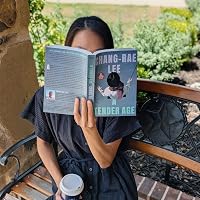
1947-51, Jaffa - fifteen-year-old Subhi is a talented mechanic and dreams of marrying with Shams, the daughter of his father’s employee. However his plan is shattered by the change of nations.
Based on true events (1948 Nakba), Amiry is effective at showing the political unrest that looms over that time/space, product of the conflict between Arabs and Jews. One is able to witness the way 1936 Revolt changed the relationship between Arabs and Jews, following with strike, protests and devastation. In the richest and largest Arab city in Palestine, Amiry also exposes the deep socioeconomic divisions in Jaffa's society and how one's interest dictates one's political positions.
Amidst the destruction, the readers, on the other hand, are allowed glimpses of Palestinian culture, immersing into joyful, vibrant and innocent moments embedded with festival and traditions. In a more hopeful tone, there's an inspiring take on how people maintain integrity and humanity despite the losses. The author crafts a story that covers colonialism, war, grief and first love. My critique is that there's more telling than showing, making the story not as emotionally impactful as I had hoped. Nevertheless, I think the author accomplished what she wanted and the strength of this novel lies in the historical context.
MOTHER OF STRANGERS is a quick and relevant read. This book is for those wanting to know more about Palestinian history and/or enjoy a beautiful love story.
- the author’s note is very enlightening
[ I received a complimentary copy from the publisher - Pantheon books . All opinions are my own ]
1947-51, Jaffa - fifteen-year-old Subhi is a talented mechanic and dreams of marrying with Shams, the daughter of his father’s employee. However his plan is shattered by the change of nations.
Based on true events (1948 Nakba), Amiry is effective at showing the political unrest that looms over that time/space, product of the conflict between Arabs and Jews. One is able to witness the way 1936 Revolt changed the relationship between Arabs and Jews, following with strike, protests and devastation. In the richest and largest Arab city in Palestine, Amiry also exposes the deep socioeconomic divisions in Jaffa's society and how one's interest dictates one's political positions.
Amidst the destruction, the readers, on the other hand, are allowed glimpses of Palestinian culture, immersing into joyful, vibrant and innocent moments embedded with festival and traditions. In a more hopeful tone, there's an inspiring take on how people maintain integrity and humanity despite the losses. The author crafts a story that covers colonialism, war, grief and first love. My critique is that there's more telling than showing, making the story not as emotionally impactful as I had hoped. Nevertheless, I think the author accomplished what she wanted and the strength of this novel lies in the historical context.
MOTHER OF STRANGERS is a quick and relevant read. This book is for those wanting to know more about Palestinian history and/or enjoy a beautiful love story.
- the author’s note is very enlightening
[ I received a complimentary copy from the publisher - Pantheon books . All opinions are my own ]
Displaying 1 - 30 of 417 reviews