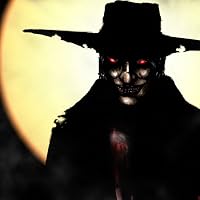
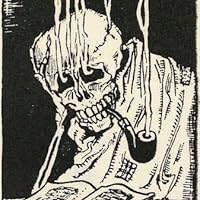
In this, Reggie Oliver’s seventh collection of stories the Devil and the Seven Deadly Sins go on holiday to an English seaside resort. And there are other visits to the seaside, which equally deserve Oliver’s suggestively ambiguous title of a ‘Holiday from Hell’, notably by a recently bereaved solicitor troubled by thoughts of mortality, and immortality in ‘The Rooms are High’. In ‘The Perfect Author’ a highly successful author at a seaside crime writing convention seems to be haunted by one of her less appealing creations.
And, with his gift for varied and unusual settings, Oliver takes us elsewhere: to late seventeenth-century Oxford in ‘Absalom’, to Paris in 1867 (‘The Green Hour’), to a remote and terribly strange hotel in Wales called ‘The Druid’s Rest’, to the London of the swinging sixties in ‘The Prince of Darkness’, and, in ‘Rapture’, to what could perhaps be the end of the world.
Contains: ‘Introduction' by Robert Shearman, ‘Holiday from Hell, ‘The Silken Drum’, ‘The Green Hour’, ‘The Perfect Author’, ‘Absalom’, ‘The Druid’s Rest’, ‘The Rooms are High’, ‘The Prince of Darkness’, ‘The Book and the Ring’, ‘The Maze at Huntsmere’, ‘Trouble at Botathan’, ‘A Day with the Delusionists’, ‘Rapture’, ‘Love at Second Sight’, ‘Afterword’.
Reggie Oliver is a stage actor and playwright. His biography of Stella Gibbons was praised as “a triumph” by Hilary Spurling in the Daily Telegraph, his play Winner Takes All, was described as “the funniest evening in London”, by Michael Billington in The Guardian, and his adaptation of Hennequin and Delacour’s Once Bitten opened at the Orange Tree Theatre in London in December 2010.
He is the author of four highly-praised volumes of short fiction: The Dreams of Cardinal Vittorini (Haunted River 2003), The Complete Symphonies of Adolf Hitler (Haunted River 2005), Masques of Satan (Ash Tree 2007), and Madder Mysteries (Ex Occidente 2009). His stories have appeared in over 25 anthologies and, for the third year running, one of his stories appears in The Mammoth Book of Best New Horror, the most widely read and popular of contemporary horror anthologies.
I'll give him this, Reggie Oliver is immensely readable. Whether his output contains what you require is a different thing.
In his story notes he elucidates on his recent travails, and the artistic, and primarily personal crossroads that he has experienced of late. This is so typical of Oliver. Honest, and heart-wrenching.
This is not my favourite collection of his, but I will continue to read, and look forward to his latest outpourings, agog!
Reggie Oliver (Londres, 1952) pertenece a esa peculiar tradición británica en la que el teatro, la literatura de fantasmas y una cierta educación humanística parecen formar parte del mismo oficio. Actor, director y dramaturgo profesional desde 1975, estudió en Eton y University College Oxford y ha desarrollado una carrera que abarca escenario, radio, televisión y escritura. Entre sus trabajos teatrales se cuentan Imaginary Lines, Absolution y Winner Takes All. También escribió una biografía de su tía, la novelista Stella Gibbons, Out of the Woodshed, publicada por Bloomsbury en 1998.
Como narrador de literatura fantástica, Oliver se ha especializado en lo que podríamos llamar el cuento sobrenatural de tradición inglesa, aunque la etiqueta se le queda algo estrecha. Su ficción combina fantasmas, ocultismo, folklore, sátira social, humor negro y una marcada afición por el mundo del teatro y por los personajes que viven entre libros, universidades, iglesias, hoteles decadentes y casas de campo. "Holidays from Hell", publicado por Tartarus Press en 2017, es su séptima colección y reúne catorce relatos.
Es significativo que el propio Oliver se presente en el epílogo como alguien que llegó a pensar que quizá ya había terminado su recorrido como cuentista. Había publicado casi un centenar de relatos y después de "Flowers of the Sea" creyó que tal vez aquella sería su última colección. La continuidad de su carrera ha demostrado que no era así.
El título promete unas vacaciones infernales y, en sentido bastante estricto, cumple. Hay balnearios costeros ingleses, hoteles galeses, casas de campo, viajes por Europa, regresos a lugares del pasado y personajes que abandonan temporalmente su vida cotidiana para descubrir que el mundo resulta bastante menos estable de lo que suponían.
Pero el infierno de Oliver rara vez consiste en una puerta que se abre y deja salir demonios. Es más frecuente que adopte la forma de un recuerdo, una persona conocida, un objeto aparentemente inocente o una habitación cuya historia nadie considera necesario explicar. El horror aparece de lado, casi con educación.
La colección recorre épocas y escenarios muy diferentes: desde el Oxford de finales del siglo XVII hasta el París de 1867, pasando por la Inglaterra de los años sesenta y setenta, el País de Gales rural o el Londres contemporáneo. Esa variedad evita que el libro pueda reducirse a una única fórmula, aunque sí existe una constante: personajes cultos, razonablemente civilizados y con frecuencia bastante pagados de sí mismos descubren que hay cosas que la cultura no ha conseguido domesticar.
Holiday from Hell. El relato que da título al volumen lleva al protagonista, un joven actor y ayudante de dirección teatral, a una pensión de un decadente balneario inglés. Allí convive con un grupo de ancianos grotescos y una misteriosa cuidadora, mientras la rutina costera empieza a adquirir una cualidad cada vez más siniestra. Oliver mezcla sátira social, teatro y horror corporal con bastante mala leche. El contraste entre vacaciones familiares y pesadilla es especialmente eficaz.
The Silken Drum. Un matrimonio alquila una pequeña propiedad a una joven japonesa cuya presencia despierta una curiosidad que pronto se transforma en inquietud. Oliver introduce aquí un antiguo motivo japonés relacionado con Aya no Tsuzumi, el "tambor de seda", y lo utiliza para construir una historia de deseo, celos y violencia.
The Green Hour. Oliver resucita a C. Auguste Dupin y lo coloca en el París de la Exposición Universal de 1867, enfrentándolo a una serie de asesinatos extraordinariamente macabros. El homenaje a Poe es evidente, pero Oliver no intenta convertirse en Poe: conserva su propia ironía y su gusto por el detalle histórico. El resultado funciona también como relato detectivesco convencional antes de revelar una dimensión más siniestra.
The Perfect Author. Una escritora de novelas criminales, Elsa Elliott, ha conseguido convertirse en la encarnación de la profesionalidad literaria: puntual, prolífica, amable con sus lectores y obsesionada con la exactitud. Durante una convención aparece una mujer que guarda un parecido inquietante con uno de sus personajes. Oliver aprovecha la situación para burlarse de las convenciones del mundo literario y de la relación entre autor y criatura. El humor resulta tan importante como el elemento sobrenatural.
Absalom. Un investigador contemporáneo encuentra en los archivos de Oxford unos documentos del siglo XVII relacionados con Sir Everard Charlett, estudiante libertino y personaje históricamente documentado. La narración se transforma entonces en una historia de venganza sobrenatural contada mediante cartas y testimonios antiguos. Es el Oliver más deliberadamente cercano a M.R. James: bibliotecas, manuscritos, universidades, erudición y una amenaza que permanece parcialmente fuera de campo.
The Druid's Rest. Dos jóvenes ciclistas, sorprendidas por la lluvia en Gales, buscan alojamiento y terminan en un establecimiento cuyo propietario, un antiguo poeta y músico, parece vivir atrapado en otra época. La situación empieza casi como una comedia de costumbres rurales y poco a poco adquiere una dimensión sobrenatural. El paisaje galés funciona aquí como algo más que decorado: contribuye a crear la sensación de estar entrando en un territorio que conserva reglas antiguas.
The Rooms Are High. Un abogado viudo viaja a un pequeño balneario para apartarse del mundo y de sus recuerdos. Allí descubre indicios de que el pasado puede no estar tan muerto como parece. El misterio de la frase the rooms are high concentra buena parte del relato y Oliver administra deliberadamente la información. Es uno de los cuentos más melancólicos de la colección, y el más aickmaniano.
The Prince of Darkness. El narrador recibe el encargo de vaciar el piso de un tío recién fallecido y encuentra entre sus pertenencias una cámara fotográfica extraordinaria, relacionada con el antiguo propietario del apartamento. A partir de ahí, Oliver convierte un simple trabajo de limpieza en una investigación sobre un fotógrafo del Londres de los años sesenta.
The Book and the Ring. Un investigador especializado en música antigua descubre la historia de Jeremiah Staveley, compositor isabelino enterrado de una manera bastante peculiar. La narración adopta después la forma de la confesión de Staveley y retrocede hasta su encuentro con una bruja y con un libro de magia negra. Es uno de los relatos más abiertamente góticos del volumen. Oliver reproduce con notable convicción la cadencia de un documento antiguo y hace que la erudición musical desemboque, casi sin transición, en brujería.
The Maze at Huntsmere. Un antiguo actor recuerda su relación con Seymour Charteris, compañero de juventud convertido en exitoso cineasta, y con Lady Susan, la mujer que ambos desearon. El escenario central es una mansión ancestral cuyo laberinto de setos es elegido para rodar una película de terror. Oliver mezcla sátira del cine, viejas rivalidades sexuales, paganismo y memoria personal.
Trouble at Botathan. Durante unas vacaciones en Cornualles, un joven se pierde y encuentra un lugar extraño relacionado con una historia local y con una serie de muertes. El relato juega con la frontera entre experiencia sobrenatural, sugestión y crisis psicológica. Oliver se resiste a proporcionar una resolución espectacular y prefiere mostrar las consecuencias a largo plazo de lo ocurrido. Esa decisión encaja con uno de sus recursos favoritos: el verdadero terror empieza después de que aparentemente haya terminado la historia.
A Day with the Delusionists. El narrador recuerda una visita a un antiguo decano de Oxford y una conversación que empieza como una evocación humorística de viejos amigos, alcohol y literatura. Poco a poco aparece la historia de un asesinato cometido décadas atrás por un estudiante que después se convertiría en escritor famoso. Es uno de los cuentos más ligeros del conjunto y también uno de los más divertidos. Oliver utiliza la cortesía universitaria como mecanismo de encubrimiento moral: todo puede perdonarse mientras se conserve la apariencia adecuada.
Rapture. Alan vive solo en Londres cuando una pareja de vecinos profundamente religiosos comienza a introducirse en su vida. Su entusiasmo por la llegada del Apocalipsis resulta inicialmente pintoresco, incluso molesto, hasta que las fronteras entre fanatismo religioso, visión sobrenatural y realidad comienzan a desmoronarse. El humor deja paso gradualmente al horror. El relato está dedicado a Mark Samuels.
Love at Second Sight. Un viudo regresa a un lugar de su juventud y se reencuentra con una mujer que había conocido décadas atrás. La visita despierta recuerdos relacionados con el amor, el teatro y un compositor obsesivo, pero también la sospecha de que el pasado puede reproducirse de formas que desafían cualquier explicación racional. Es un relato sobre la memoria más que sobre los fantasmas. El título resume bien la idea: a veces necesitamos volver a mirar algo para descubrir qué era realmente.
Oliver no pretende reinventar el cuento de fantasmas. Utiliza materiales clásicos, casas antiguas, objetos malditos, documentos, muertos, brujería, pero los combina con escenarios muy británicos como Oxford, el teatro, las casas solariegas o los archivos. Sus protagonistas suelen ser personas cultas y racionales que se enfrentan a algo que no saben interpretar. En ese sentido, está cerca de M. R. James y Robert Aickman, aunque incorpora más humor y vida social.
El pasado es una de sus grandes obsesiones. Más que preguntarse qué ocurre cuando aparece un fantasma, Oliver parece interesado en qué sucede cuando aquello que creíamos enterrado regresa. La memoria, el envejecimiento, los amores perdidos y las decisiones que no se pueden corregir están presentes en buena parte de los relatos. En ocasiones, el fantasma más persistente no es un muerto, sino la persona que fuimos.
El teatro y la literatura también tienen mucho peso. Sus personajes interpretan papeles sociales, cuidan su reputación y esconden cosas detrás de una fachada de respetabilidad. De ahí surge buena parte de su humor, que no rompe el terror, sino que lo acompaña. Oliver se ríe de escritores, actores, académicos y de su propia vanidad.
La colección es profundamente británica, incluso cuando se desplaza a otros lugares. Predominan la ironía, la contención y una cierta confianza en que una biblioteca puede esconder cosas bastante menos tranquilizadoras de lo que parece. Su principal defecto es también consecuencia de este estilo: Oliver se toma su tiempo para presentar personajes, lugares y antecedentes, y algunos relatos avanzan más despacio de lo necesario.
Conoce bien los mecanismos clásicos del género, pero evita explicarlos por completo. Hay objetos malditos, manuscritos y casas encantadas, aunque nunca vienen acompañados de un manual de instrucciones. El lector recibe suficientes pistas para interpretar lo ocurrido, pero rara vez todas las respuestas. Esa ambigüedad lo acerca de nuevo a Aickman, aunque Oliver es más narrativo y convencional.
La colección está además bien ordenada: comienza con relatos más grotescos y humorísticos y avanza hacia historias cada vez más personales y melancólicas. No todos tienen la misma fuerza, pero la variedad evita que el libro se convierta en una sucesión de casas encantadas y fantasmas intercambiables.
El título "Holidays from Hell" termina adquiriendo un sentido bastante preciso. Las vacaciones alejan a los personajes de su entorno habitual y, con ello, de sus defensas. Fuera de casa aparecen fantasmas, objetos extraños y secretos del pasado, pero el verdadero terror suele estar en descubrir que la vida cotidiana escondía algo que preferíamos no mirar.
Por eso el libro habla tanto de la memoria como de lo sobrenatural.
“Holiday from Hell” (2013) ✭✭✭½ “The Silken Drum” (2013) ✭✭✭½ “The Green Hour” (2013) ✭✭✭ “The Perfect Author” (2013) ✭✭✭½ “Absalom” (2014) ✭✭✭½ “The Druid's Rest” (2014) ✭✭✭½ “The Rooms Are High” (2015) ✭✭½ “The Prince of Darkness” [alternate title: “Posessions”] (2015) ✭✭✭½ “The Book and the Ring” (2014) ✭✭✭ “The Maze at Huntsmeer” (2015) ✭✭½ “Trouble at Botathan” (2015) ✭✭✭ “A Day with the Delusionists” (2017) ✭✭½ “Rapture” (2016) ✭✭✭ “Love at Second Sight” (2016) ✭✭✭✭
There are some excellent stories in this collection, but also several that didn't make much of an impression. Of course, my expectations when it comes to Reggie Oliver are impossibly high, so it is only in comparison with his other short story collections that this is a three-star rating.
Holidays From Hell is my second collection of Reggie Oliver’s dark tales, like the first I read (Masques of Satan) this was an excellent collection. The tales here were a bit more varied, and not necessarily only ghostly tales, it even has a detective story. Oliver wears his influences on his sleeves in many of these stories, from sequels to an M.R James tale, to a tribute to Robert Aickman, and a murder-mystery in the vein of Poe, but all these tales feel entirely like Oliver’s own. He has the uncanny ability to produce the bizarre and otherworldly in such a way that his tales are uncomfortable to read even during daylight.
Reggie Oliver masterfully combines both the old, classic trappings of the genre, with more modern ones in a way that blends beautifully. From his take on Poe’s classic detective in The Green Hour which feels like a detective tale written in the late 1800s to the eerie and quite disturbing tale Rapture, which has a thoroughly more modern feel to it, Oliver’s prose in both tales are delightful and perfectly suits the moods of each tale. Some of the standout tales for me was: Holiday from Hell, The Druid’s Rest, The Rooms are High, The Prince of Darkness, The Book, and the Ring, Trouble at Botathan and Rapture. Reggie Oliver is quickly becoming one of my favorite authors of weird and ghostly fiction, and this collection is a must for any fan of the genre.
Not the man's best offering so far. Few of these stories are quite good, but most of those gud 'uns I've read in the anthologies in which they made their original appearances. Out of those new to me (whether they are original to this collection or not), titular story is a fun yarn with a dash of Charles Williams io it, un-supernatural "Green Hour" is a fun period detective story (and a nice tribute to Poe original that served as its basis), while the "The Book and the Ring" and "A Day with the Delusionists" are my favourites. Latter one, in particular, is perhaps the best offering in this collection (even though it is relatively short by Oliverian standards). Good half of this collection, though, is forgettable-to-poor, and it also has the honor of being the Oliver collection with the single weakest story of his I've red so far. In the afterword, Oliver mentions how he initially thought that his previous collection will be his last. I sure hope that this one won't be his last one either, even though he produced surreal amount of quality fiction so far. I do hope that he'll fix his relationship with his muse before his next one is out.
Reggie Oliver is wry, understated, and extremely British. More than hints of Aickman and M.R. James color his work, but Oliver is original. This collection can move a bit slow and often the horror is in the blurs of one's vision, but "Holidays from Hell" delivers a thematically and very subtle collection of stories that rewards multiple re-readings and savoring the collection. "Holiday from Hell" and "The Silken Drum" start the collection off and hit the thematic notes of intrusion, half-understood life interpretation, and the way horror can stroll in and out of one's life indirectly. "The Green Hour" picks with where Poe's C. Auguste Dupin left off, but Oliver does not dip into Poe's voice or pastiche. However, the collection begins to feel similar in the middle with stories like "The Prince of Darkness" and "The Rooms Are High" but these reward re-reading. Come back to these stories after you have palate-cleansed. The end of the collection is has a few stories that really stand out, particularly “Rapture" which builds on Christian culture. Many of the narrators have Oliver's love of theatre and there are many self-referential narrators who gentle mock Reggie Oliver's proclivity. Oliver needs to be more widely-read.
Following a compact, honest, comprehensive 'Introduction', we have fourteen tales here, many of which contain extraordinary violence and nastiness benath their gentle and polished narratives. Some of my favourites were~ 1. Holiday from Hell; 2. The Silken Drum; 3. The Green Hour; 4. The Perfect Author; 5. Absalom; 6. The Druid's Rest; 7. The Rooms are High; 8. The Prince of Darkness; 9. The Maze at Huntsmere. Overall, despite there being several 'Meh' stories towards the end, I am being forced to award this book full five stars primarily due to the strength of the above-mentioned vicious yet sweet-looking stories. Superlative production values of Tartarus Press also deserve to be mentioned in this context. Highly recommended.
While not quite as up to snuff as other Oliver collections, even on his B game Reggie Oliver delivers excellent Weird Fiction.
Holiday From Hell - 4 The Silken Drum - 3 The Green Hour - 4 The Perfect Author - 3 Absalom - 3 The Druids Rest - 4 The Rooms Are High - 3 The Prince Of Darkness - 4 The Book And The Ring - 4 The Maze At Huntsmere - 4 Trouble At Botathan - 4 A Day With The Delusionists - 2 Rapture - 4 Love At Second Sight - 4
This story is a portrait of truly insidious horror by dark implication and salacious insinuation, as well as conveying painterly and actorly-actressly dynamics as part of an eventually exponential threnody of domestic and eschatological seediness.
The detailed review of this book posted elsewhere under my name is too long to post here. Above is one of its observations.
Chose this collection of short horror stories as a follow-up to Stephen King because it also appeared on The Kind of Face You Hate blog’s The Books of 2020 list. Unfortunately, this one was a chore to get through and set my return to reading fiction way back.
The main problem I had with the stories was the writing style, which seemed to be trying for a modern take on classic British horror (which I’ve never particularly cared for), often with a dash of “clever” humor. The humor was mostly lost on me, and I usually couldn’t relate to the (actor) protagonist or the situations he found himself in. The stories frequently relied on strangeness as a surrogate for horror, and were often to subtle or suggestive that failed to leave an impression.
Here are the ones I liked the most.
Holiday from Hell - Here the weirdness worked, with a group of diabolical elderly (who as a demographic are often creepy in normal circumstances) helping a starving artist staying in the same hotel as them.