

What do you think?

The Mirror of My Heart: A Thousand Years of Persian Poetry by Women
An anthology of verse by women poets writing in Persian, most of whom have never been translated into English before, from acclaimed scholar and translator Dick Davis.
A Penguin Classic
The Mirror of My Heart is a unique and captivating collection of eighty-three Persian women poets, many of whom wrote anonymously or were punished for their outspokenness. One of the very first Persian poets was a woman (Rabe'eh, who lived over a thousand years ago) and there have been women poets writing in Persian in virtually every generation since that time until the present. Before the twentieth century they tended to come from society's social extremes--many were princesses, some were entertainers, but many were wives and daughters who wrote simply for their own entertainment, and they were active in many different countries - Iran, India, Afghanistan, and areas of central Asia that are now Uzbekistan, Turkmenistan, and Tajikistan. From Rabe'eh in the tenth century to Fatemeh Ekhtesari in the twenty-first, the women poets found in The Mirror of My Heart write across the millennium on such universal topics as marriage, children, political climate, death, and emancipation, recreating life from hundreds of years ago that is strikingly similar to our own today and giving insight into their experiences as women throughout different points of Persian history. The volume is introduced and translated by Dick Davis, a scholar and translator of Persian literature as well as a gifted poet in his own right.
A Penguin Classic
The Mirror of My Heart is a unique and captivating collection of eighty-three Persian women poets, many of whom wrote anonymously or were punished for their outspokenness. One of the very first Persian poets was a woman (Rabe'eh, who lived over a thousand years ago) and there have been women poets writing in Persian in virtually every generation since that time until the present. Before the twentieth century they tended to come from society's social extremes--many were princesses, some were entertainers, but many were wives and daughters who wrote simply for their own entertainment, and they were active in many different countries - Iran, India, Afghanistan, and areas of central Asia that are now Uzbekistan, Turkmenistan, and Tajikistan. From Rabe'eh in the tenth century to Fatemeh Ekhtesari in the twenty-first, the women poets found in The Mirror of My Heart write across the millennium on such universal topics as marriage, children, political climate, death, and emancipation, recreating life from hundreds of years ago that is strikingly similar to our own today and giving insight into their experiences as women throughout different points of Persian history. The volume is introduced and translated by Dick Davis, a scholar and translator of Persian literature as well as a gifted poet in his own right.
264 pages, Paperback
First published October 1, 2019
About the author
Dick Davis
95 books46 followersDick Davis is an English-American poet, university professor, and translator of verse, who is affiliated with the literary movement known as New Formalism in American poetry.
Born into a working class family in Portsmouth shortly before the end of World War II, Davis grew up in the Yorkshire fishing village of Withernsea during the 1950s, where an experimental school made it possible for Davis to become the first member of his family to attend university.
Shortly before graduating from Cambridge University, Davis was left heartbroken by the suicide of his schizophrenic brother and decided to begin living and teaching abroad.
After teaching in Greece and Italy, in 1970 Davis fell in love with an Iranian woman, Afkham Darbandi, and decided to live permanently in Tehran during the reign of the last Shah. As a result, he taught English at the University of Tehran, and married Afkham Darbandi, about whom he has since written and published many love poems, in 1974.
After the Islamic Revolution turned Dick and Afkham Davis into refugees, first in the United Kingdom and then in the United States, Davis decided to begin translating many of the greatest masterpieces of both ancient and modern Persian poetry into English. Davis is a vocal opponent of the ruling Shia clergy of Iran and has used his talents as a scholar and literary translator to give a voice to critics and foes of Islamic fundamentalism and Sharia Law from throughout the history of Iranian literature. Despite expressing a fondness for Christian music, Davis has said that his experiences during the Iranian Revolution have made him into an Atheist and that he believes that religion does more harm than good.
Davis is a Fellow of the Royal Society of Literature, and has been called, by The Times Literary Supplement, "our finest translator from Persian." Davis' original poetry has been just as highly praised.
Born into a working class family in Portsmouth shortly before the end of World War II, Davis grew up in the Yorkshire fishing village of Withernsea during the 1950s, where an experimental school made it possible for Davis to become the first member of his family to attend university.
Shortly before graduating from Cambridge University, Davis was left heartbroken by the suicide of his schizophrenic brother and decided to begin living and teaching abroad.
After teaching in Greece and Italy, in 1970 Davis fell in love with an Iranian woman, Afkham Darbandi, and decided to live permanently in Tehran during the reign of the last Shah. As a result, he taught English at the University of Tehran, and married Afkham Darbandi, about whom he has since written and published many love poems, in 1974.
After the Islamic Revolution turned Dick and Afkham Davis into refugees, first in the United Kingdom and then in the United States, Davis decided to begin translating many of the greatest masterpieces of both ancient and modern Persian poetry into English. Davis is a vocal opponent of the ruling Shia clergy of Iran and has used his talents as a scholar and literary translator to give a voice to critics and foes of Islamic fundamentalism and Sharia Law from throughout the history of Iranian literature. Despite expressing a fondness for Christian music, Davis has said that his experiences during the Iranian Revolution have made him into an Atheist and that he believes that religion does more harm than good.
Davis is a Fellow of the Royal Society of Literature, and has been called, by The Times Literary Supplement, "our finest translator from Persian." Davis' original poetry has been just as highly praised.
Ratings & Reviews
Friends & Following
Create a free account to discover what your friends think of this book!
Community Reviews
Displaying 1 - 30 of 85 reviews

August 20, 2022
more like a thousand years of poetry by bad bitches

November 17, 2020
Dick Davis is perhaps the world’s greatest translator of Persian classics into English, capturing the nuance, beat, rhyme, and passion in a way that does justice. In this volume he showcases the female side of a civilization that has prized poetry like no other. He selects great poems by about 85 women spanning over a thousand years, from Rabe’eh in the 900s CE to Fatemeh Ekhtesari a few years ago. Let me mention just two of them.
Mahsati Ganjavi (1089–1159) published famous quatrains, celebrating joy and love as the greatest aims in life. She lived her dream of personal fulfillment on a public stage, as an intellectual associate of Omar Khayyam and a companion of the Seljuq Sultan Sanjar. She aroused controversy condemning the dogmatism of professional clerics, and writing odes to freedom:
No force can bind us: pull of moment, arrows flying home,
Nor any wild nostalgia that seized our hearts whilom
Though my soft braids turned chains of steel and anchored in your heart,
Could any chain keep me home if I should wish to roam?
Her city of Ganja, which is now in the Republic of Azerbaijan, has a beautiful center for art and literature devoted to her memory.
Jahan Malek Katun (1324–1382) lived in Shiraz during the same decades as the great Hafez, and these poets seemed to interact in a dance of sometimes stylistically mirroring lyrics. She was approximately three times more prolific than Hafez, although the love she expressed was less ecstatic than profoundly compassionate. In 1353 the warlord Mobarez al-Din invaded Shiraz and killed all her male relatives. She wrote 23 heartbroken elegies to a deceased infant daughter. Her works included hundreds of odes, quatrains, and 1,413 gazal love poems, the earliest manuscripts of which are embellished with gold or illuminated with fine artwork, preserved as treasures of world heritage in Paris, Istanbul, and Cambridge.
Mahsati Ganjavi (1089–1159) published famous quatrains, celebrating joy and love as the greatest aims in life. She lived her dream of personal fulfillment on a public stage, as an intellectual associate of Omar Khayyam and a companion of the Seljuq Sultan Sanjar. She aroused controversy condemning the dogmatism of professional clerics, and writing odes to freedom:
No force can bind us: pull of moment, arrows flying home,
Nor any wild nostalgia that seized our hearts whilom
Though my soft braids turned chains of steel and anchored in your heart,
Could any chain keep me home if I should wish to roam?
Her city of Ganja, which is now in the Republic of Azerbaijan, has a beautiful center for art and literature devoted to her memory.
Jahan Malek Katun (1324–1382) lived in Shiraz during the same decades as the great Hafez, and these poets seemed to interact in a dance of sometimes stylistically mirroring lyrics. She was approximately three times more prolific than Hafez, although the love she expressed was less ecstatic than profoundly compassionate. In 1353 the warlord Mobarez al-Din invaded Shiraz and killed all her male relatives. She wrote 23 heartbroken elegies to a deceased infant daughter. Her works included hundreds of odes, quatrains, and 1,413 gazal love poems, the earliest manuscripts of which are embellished with gold or illuminated with fine artwork, preserved as treasures of world heritage in Paris, Istanbul, and Cambridge.

March 20, 2021
in honor of nowruz (aka the persian new year), i went ahead and recommended this and many other persian reads here: https://youtu.be/Ipjcp_e0fOU

August 30, 2021
When I read Dick Davis's translations, I don't just learn about literature, but history, art, folktales, and pop-culture in Iran!
I really enjoyed reading this anthology. I'm not a reader who deliberately picks up a poetry book or craves it. I usually read prose. I also think reading poetry in Farsi itself is much harder. All this being said, I believe Dick Davis is a legendary translator and scholar and his work in this book is more than admirable! The choice of poems, although he is modest about it in the introduction, are highly clever and all go with very well together.
I really enjoyed reading this anthology. I'm not a reader who deliberately picks up a poetry book or craves it. I usually read prose. I also think reading poetry in Farsi itself is much harder. All this being said, I believe Dick Davis is a legendary translator and scholar and his work in this book is more than admirable! The choice of poems, although he is modest about it in the introduction, are highly clever and all go with very well together.

March 6, 2021
Aysheh Samarqandi
I said, "Bright moon, give me my heart back to me
How long must I endure love's agony?"
He spread a thousand hearts before my eyes
And said, "Take yours, which is it? You tell me."
----
Jahan Malek Khatun
My heart, sit down, welcome love's pain, and make the best of it:
The rose is gone but the thorns remain, so make the best of it.
My heart said, "No! I can't endure this sadness any longer..."
I saud, "You've no choice, don't complain, just make the best of it."
----
Mehri
He asked if he might kiss my lips, although
Not which lips - those above, or those below?
----
Pari Khan Khanom
We cannot lean upon this world
this emptiness that fades away
Bring wine my friend, we cannot change
the destinies we must obey
We cannot build a house upon
this flowing flood of emptiness
Or think of life eternal in
this ruin where we briefly stay
----
Makhfi
Love comes and steals a wise man's common sense outright
(The thieves dowse the light first, to stay out of sight);
A blind man wouldn't hurt himself as I have done
I'm in the house but can't locate its owner's light.
----
Reshheh
My heart beats wildly in my breast as though
Pierced by a shaft shot from his eyebrows' bow.
----
Efaf
In love's street, O my heart, beware -
Highwaymen wait in ambush there.
----
Fakhri
They say love's a catastrophe...
O God, may no one ever be
Deprived of this catastrophe.
I said, "Bright moon, give me my heart back to me
How long must I endure love's agony?"
He spread a thousand hearts before my eyes
And said, "Take yours, which is it? You tell me."
----
Jahan Malek Khatun
My heart, sit down, welcome love's pain, and make the best of it:
The rose is gone but the thorns remain, so make the best of it.
My heart said, "No! I can't endure this sadness any longer..."
I saud, "You've no choice, don't complain, just make the best of it."
----
Mehri
He asked if he might kiss my lips, although
Not which lips - those above, or those below?
----
Pari Khan Khanom
We cannot lean upon this world
this emptiness that fades away
Bring wine my friend, we cannot change
the destinies we must obey
We cannot build a house upon
this flowing flood of emptiness
Or think of life eternal in
this ruin where we briefly stay
----
Makhfi
Love comes and steals a wise man's common sense outright
(The thieves dowse the light first, to stay out of sight);
A blind man wouldn't hurt himself as I have done
I'm in the house but can't locate its owner's light.
----
Reshheh
My heart beats wildly in my breast as though
Pierced by a shaft shot from his eyebrows' bow.
----
Efaf
In love's street, O my heart, beware -
Highwaymen wait in ambush there.
----
Fakhri
They say love's a catastrophe...
O God, may no one ever be
Deprived of this catastrophe.
January 11, 2022
A wonderfull anthology of Persian poetry by women. Beginning from the medieval period and arriving to the present day we hear women sing about love, desparation, emancipation, anger and sometimes hope. We travel from the mythical gardens of Persia to the harsh reality of present day Iran. Their voices are lyrical, elegiac, erudite and self conscious! It was a wonderfull journey with a very informative introduction.

July 2, 2023
I picked up this book when I started reading about Iran after the horrible death of Mahsa Jina Amini in September 2022, and the protests that followed. What's going on there is incredibly heartbreaking, and I wanted to read books by Iranian authors to better understand the situation. This is one of just a handful of Iranian books I've read so far.
This particular book still sits on my bedside table, and months later I find I am still dipping in and out of it from time to time.
The poetry here is absolutely gorgeous. It's startling how strongly these poems have given me a connection to women who died centuries ago. It's like they are standing next to me. I've really appreciated hearing these voices alongside more commonly read Persian poets like Hafiz and Rumi.
It's heartbreaking that things haven't yet changed in Iran. I hope they will soon. Woman, Life, Freedom.
This particular book still sits on my bedside table, and months later I find I am still dipping in and out of it from time to time.
The poetry here is absolutely gorgeous. It's startling how strongly these poems have given me a connection to women who died centuries ago. It's like they are standing next to me. I've really appreciated hearing these voices alongside more commonly read Persian poets like Hafiz and Rumi.
It's heartbreaking that things haven't yet changed in Iran. I hope they will soon. Woman, Life, Freedom.
May 26, 2023
Dieses Buch ist für mich alles. Ich liebe es so unendlich sehr.

May 26, 2024
There is an amazing lecture by Dick Davis where he comments that:
Link: https://www.youtube.com/watch?v=CbA2t...
Although Davis’ edited collection of poetry includes only writers after the Arab conquest, through reading both his amazing introduction and the words of numerous women throughout the last thousand years, this principle becomes incredibly clear. As you move through the centuries, you observe how each writer is working off of a larger historical dialogue. A dialogue that is essentially entirely foreign to me, and to many of us in the West.
There’s several competing historical influences that became very apparent: the role of Islam, the mixture of many Central and South Asian cultures, and the recurrence of major motifs and imagery throughout the ages (certain nature motifs like tulips and crows, Biblical and Islamic characters, ancient heroes etc.)
You quickly learn that Persian history is dominated by the general push and pull of Islamic culture that has changed the level of religious tolerance and women’s freedom throughout the centuries under different rulers and political systems. The latest incarnation of this is obviously the contrast between the current regime since the 1979 Islamic Revolution with the more secular, democratic period Pahlavi dynasty post-1925. Though this conflict was infused with modern Western ideas introduced in the 19th century, this cycle has been going on for centuries, and significantly influenced the type of poetry produced in each generation.
You also learn about the enormous influence of Persian culture throughout Central and South Asia. Many of the writers collected here hail from places Azerbaijan, Tajikistan, Uzbekistan, Afghanistan, Pakistan, and India. This influence was so great that Urdu, the 10th most spoken language in the world, is actually a Persianized form of Hindi.
These ideas became clear because this collection ranges incredibly wide. It includes poems about love, loss, nature, politics, feminism, war, revolution, friendships, lust, family, and more. It gives you a kaleidoscopic view of Persian culture and history in an unstructured way. Of course, Davis’ introduction gives you solid historical footing from which you can embark on the adventure, but reading poetry is not like reading a textbook about Iran.
I was particularly delighted by the fact that Davis himself translated essentially every piece in this collection. Ranging from the very ancient to the very modern (though he comments that Farsi is quite easy to read in its historical forms in comparison to other languages), he was able to translate many things in English verse, which is an amazing feat. This is on top of the fact that it appears he is one of the very, very few people in the world who have dedicated themselves to translating Persian into English. It’s one thing to translate Homer, of which we have numerous reference translations to work off of. It’s another thing to take: a) a language that is rarely translated into English, and b) poets who are minor enough almost no one has ever translated them into *any* language before.
As a fun aside, for every poet included in the book, Davis writes a small paragraph outlining their biography. For some of the authors, I did some Googling of their names, and found many didn’t even have their own Wikipedia pages. Many of the ones that did were essentially stubs, and, of these, many of the references cite back to some of Davis’ other books. It was hilarious.
Of course, academic fields in which a single person is doing everything is not ideal given the fact that peer review is almost impossible. But reading his work and listening to his words, it’s clear how he deeply cares about Persian culture and the beauty in bringing its deep history to the West.
The Persian culture is an enormously old culture. It is one of the oldest continuous cultures in the world… and that moment when the Arabs conquered Iran (~1400 years ago) is halfway through Iranian recorded history. There is as much recorded history of Iran before that moment as since that moment, and that recorded history from before that moment is deeply, profoundly, utterly, totally present in the culture.
Link: https://www.youtube.com/watch?v=CbA2t...
Although Davis’ edited collection of poetry includes only writers after the Arab conquest, through reading both his amazing introduction and the words of numerous women throughout the last thousand years, this principle becomes incredibly clear. As you move through the centuries, you observe how each writer is working off of a larger historical dialogue. A dialogue that is essentially entirely foreign to me, and to many of us in the West.
There’s several competing historical influences that became very apparent: the role of Islam, the mixture of many Central and South Asian cultures, and the recurrence of major motifs and imagery throughout the ages (certain nature motifs like tulips and crows, Biblical and Islamic characters, ancient heroes etc.)
You quickly learn that Persian history is dominated by the general push and pull of Islamic culture that has changed the level of religious tolerance and women’s freedom throughout the centuries under different rulers and political systems. The latest incarnation of this is obviously the contrast between the current regime since the 1979 Islamic Revolution with the more secular, democratic period Pahlavi dynasty post-1925. Though this conflict was infused with modern Western ideas introduced in the 19th century, this cycle has been going on for centuries, and significantly influenced the type of poetry produced in each generation.
You also learn about the enormous influence of Persian culture throughout Central and South Asia. Many of the writers collected here hail from places Azerbaijan, Tajikistan, Uzbekistan, Afghanistan, Pakistan, and India. This influence was so great that Urdu, the 10th most spoken language in the world, is actually a Persianized form of Hindi.
These ideas became clear because this collection ranges incredibly wide. It includes poems about love, loss, nature, politics, feminism, war, revolution, friendships, lust, family, and more. It gives you a kaleidoscopic view of Persian culture and history in an unstructured way. Of course, Davis’ introduction gives you solid historical footing from which you can embark on the adventure, but reading poetry is not like reading a textbook about Iran.
I was particularly delighted by the fact that Davis himself translated essentially every piece in this collection. Ranging from the very ancient to the very modern (though he comments that Farsi is quite easy to read in its historical forms in comparison to other languages), he was able to translate many things in English verse, which is an amazing feat. This is on top of the fact that it appears he is one of the very, very few people in the world who have dedicated themselves to translating Persian into English. It’s one thing to translate Homer, of which we have numerous reference translations to work off of. It’s another thing to take: a) a language that is rarely translated into English, and b) poets who are minor enough almost no one has ever translated them into *any* language before.
As a fun aside, for every poet included in the book, Davis writes a small paragraph outlining their biography. For some of the authors, I did some Googling of their names, and found many didn’t even have their own Wikipedia pages. Many of the ones that did were essentially stubs, and, of these, many of the references cite back to some of Davis’ other books. It was hilarious.
Of course, academic fields in which a single person is doing everything is not ideal given the fact that peer review is almost impossible. But reading his work and listening to his words, it’s clear how he deeply cares about Persian culture and the beauty in bringing its deep history to the West.

Read
July 26, 2023This is an anthology of incredibly expressive poetry from gifted Iranian women over ten centuries, focusing mostly on topics of ardor or anguish or anxiety of love and romantic relationships( both gratifying and unsatisfying, unrequited and returned), with a few poems about longing for freedom or longing for wine, written in hyperbolic or unrestrained emotionality by writers ranging from princesses, courtesans of kings, handmaidens of queens, and regular civilians who left their mark on posterity through the power of their poetry.

September 13, 2023
the intro and footnotes alone are fascinating, well worth a read on their own, but of course the poetry.....the POETRY......'we must go into the street, all this sky won't fit into the window'
ahhhh
i am well fed
ahhhh
i am well fed
March 21, 2022
*Saoirse Ronan's women meme* How wonderful is to feel connected to women who lived centuries ago.
February 18, 2025
The Tahirih translation warms the cockles
April 10, 2026
Amazing collection. It feels like a dive in into the history of the Persian world
October 1, 2026
This one is for the yearners.
The more I search myself the more I see
That longing for your love has ruined me;
I gaze into the mirror of my heart,
And though it's me who looks, it's you I see.
-Daughter of Salar (p. 17)
I started this anthology because, honestly, never have I fallen in love so deeply before. I was already familiar with the major Persian lyric poets, and had this book on my tbr for more than 4 years. I thought it would be a great opportunity to read this now. And it was.
They say love's a catastrophe...
O God, may no one ever be
Deprived of this catastrophe.
-Fakhri (p. 95)
This is the best poetry anthology I've ever read. Period. Older poems usually tend to be, in general, quite repetitive, as there are common tropes that dominated Persian (and not only!) literature for centuries. However, the selection here proved to be so well thought out. Every poet has her own voice, even when navigating the same structures and themes.
Thanks be to God, your face's sun has made
My ruined heart the safest site tonight
My hands are filled with love to welcome him
Within my soul the moon shines bright tonight (...)
-Mastureh Kurdi (p. 100)
Love is such an universal theme, that it has become commodified. Every popular song has in one way or another erotic lyrics. Before, this pushed me away. I would think: 'These feelings were supposed to be intense, to tear you apart from the inside, how could anyone write and sing so casually about this? Does this thing actually happen?'. Everything seemed so formulaic. During Medieval times in Persian-speaking places, being a poet was an actual job. You could live a comfortable life as a court poet. Which means, maybe, that not all of the older love poems stem from genuine feelings, and some of them could have just been composed for monetary gain. However, this way of expressive yourself feels special to us now, because it differs from the usual pop song. Funnily enough, some of these old writings were also used for musical performances, so really they could be seen as the pop songs from back in the day. Yet it's clear to me that most of these poems come from a very genuine place. And even if they didn't, they still mean the world to me.
I've fallen from that high roof of my longing
To the foot of reality's wall (...)
-Zhaleh Esfahani p 159
I began to understand more and more Majnun's insanity caused by his love for Layli. I, myself, feel closer to insanity nowadays more than ever. I do enjoy feeling like this (even though melancholy, dread and fear are obviously part of it), however I need my brain for other things too. But, O God, that pretty face. The purest of hearts. The warmest of smiles.
Those past springs that I lived through without you
What were they then but autumns, since the spring is you? (...)
-Simin Behbahani, p 169
English speakers are very privileged to have Dick Davis as a translator from Persian. He is a poet in his own right, and it shows. I wish I could compare his renderings to the original texts, but he is one of the most respected scholars of Persian literature, so I choose to trust the experts.
Not all of the poems are erotic, some of them explicitly critique patriarchy, war and other types of exploitation. It is utterly amazing that women have been writing in the Persian language for so long.
This books means a whole lot to me, and I hope you give it a chance when the time is right. <3
The more I search myself the more I see
That longing for your love has ruined me;
I gaze into the mirror of my heart,
And though it's me who looks, it's you I see.
-Daughter of Salar (p. 17)
I started this anthology because, honestly, never have I fallen in love so deeply before. I was already familiar with the major Persian lyric poets, and had this book on my tbr for more than 4 years. I thought it would be a great opportunity to read this now. And it was.
They say love's a catastrophe...
O God, may no one ever be
Deprived of this catastrophe.
-Fakhri (p. 95)
This is the best poetry anthology I've ever read. Period. Older poems usually tend to be, in general, quite repetitive, as there are common tropes that dominated Persian (and not only!) literature for centuries. However, the selection here proved to be so well thought out. Every poet has her own voice, even when navigating the same structures and themes.
Thanks be to God, your face's sun has made
My ruined heart the safest site tonight
My hands are filled with love to welcome him
Within my soul the moon shines bright tonight (...)
-Mastureh Kurdi (p. 100)
Love is such an universal theme, that it has become commodified. Every popular song has in one way or another erotic lyrics. Before, this pushed me away. I would think: 'These feelings were supposed to be intense, to tear you apart from the inside, how could anyone write and sing so casually about this? Does this thing actually happen?'. Everything seemed so formulaic. During Medieval times in Persian-speaking places, being a poet was an actual job. You could live a comfortable life as a court poet. Which means, maybe, that not all of the older love poems stem from genuine feelings, and some of them could have just been composed for monetary gain. However, this way of expressive yourself feels special to us now, because it differs from the usual pop song. Funnily enough, some of these old writings were also used for musical performances, so really they could be seen as the pop songs from back in the day. Yet it's clear to me that most of these poems come from a very genuine place. And even if they didn't, they still mean the world to me.
I've fallen from that high roof of my longing
To the foot of reality's wall (...)
-Zhaleh Esfahani p 159
I began to understand more and more Majnun's insanity caused by his love for Layli. I, myself, feel closer to insanity nowadays more than ever. I do enjoy feeling like this (even though melancholy, dread and fear are obviously part of it), however I need my brain for other things too. But, O God, that pretty face. The purest of hearts. The warmest of smiles.
Those past springs that I lived through without you
What were they then but autumns, since the spring is you? (...)
-Simin Behbahani, p 169
English speakers are very privileged to have Dick Davis as a translator from Persian. He is a poet in his own right, and it shows. I wish I could compare his renderings to the original texts, but he is one of the most respected scholars of Persian literature, so I choose to trust the experts.
Not all of the poems are erotic, some of them explicitly critique patriarchy, war and other types of exploitation. It is utterly amazing that women have been writing in the Persian language for so long.
This books means a whole lot to me, and I hope you give it a chance when the time is right. <3
May 14, 2025
"I can't forget you while my lips
Still bear that kiss's burning trace
And even though the passion fades
Still I'll be lost in your embrace."
3.5 stars! ˚ ༘ ೀ⋆。˚
a beautiful poetry collection depicting the love, yearning, oppression and frustration of persian woman from medieval times up to the present. I really appreciated the little information about each poet before their works were displayed - it really provided context and emotional value to their poems when you knew the gist of their situation and environment. this is the second persian poetry collection i've read and i can confidently say there will be more. their poems, especially when it comes to romance, have a way of stirring the inner trappings of your heart.
how touching to know that women in a completely different country, in a completely different era, share the same complicated feelings of being in love.
"The more I search myself the more I see
That longing for your love has ruined me;
I gaze into the mirror of my heart,
And though it's me who looks, it's you I see."
Still bear that kiss's burning trace
And even though the passion fades
Still I'll be lost in your embrace."
3.5 stars! ˚ ༘ ೀ⋆。˚
a beautiful poetry collection depicting the love, yearning, oppression and frustration of persian woman from medieval times up to the present. I really appreciated the little information about each poet before their works were displayed - it really provided context and emotional value to their poems when you knew the gist of their situation and environment. this is the second persian poetry collection i've read and i can confidently say there will be more. their poems, especially when it comes to romance, have a way of stirring the inner trappings of your heart.
how touching to know that women in a completely different country, in a completely different era, share the same complicated feelings of being in love.
"The more I search myself the more I see
That longing for your love has ruined me;
I gaze into the mirror of my heart,
And though it's me who looks, it's you I see."

March 11, 2021
It was such a good treat, to prepare for the upcoming spring. In fact the title suggests it a mirror of the heart, and so it was. Going through the poems and women poets from Persia revealed as much about them as about ourselves. While I stopped at pretty much every line to say find the subtlety there was, I couldn't help but feel in intimate presence of these poets.
My heart found its reflection in the poems as its title suggested.
I however enjoyed poems from the pre-republic era, rather floral and subtle than the former ones.
But one theme that fascinated me enough during the Iranian republic era with all the changes that occurred was how women courageously defended their statut and more so endorsed different ideologies through their poems ! Brilliant !
My heart found its reflection in the poems as its title suggested.
I however enjoyed poems from the pre-republic era, rather floral and subtle than the former ones.
But one theme that fascinated me enough during the Iranian republic era with all the changes that occurred was how women courageously defended their statut and more so endorsed different ideologies through their poems ! Brilliant !
January 10, 2025
Fantastic eye opening read the earliest poem was in the 10th century and some woman couldn’t be traced but they were still able to connect with woman today these poems were so diverse some were about sex others about personal experiences and living under social structures also going through war there’s something to relate to in most of these poems and reading it all from woman in history was very special

July 5, 2021
This was an excellent collection that proves people have always been people, balancing the huge problems around them with their personal troubles.
April 11, 2025
this was my 19th birthday gift. it was so cool!
October 6, 2022
This has been in my pile of unread books for a very long time. When the protests broke out in Iran, I felt compelled to read it and it was a wonderful experience. This volume give us a glimpse of the lives and times of female poets across the ages. I'm surprised at the range and variety of topics and styles that female poets used across the ages in writing their pieces. Most poems are heartwarming, others are comical, but the pieces that really struck me most were the ones that showed us what it meant to be a woman pushing back against their country's gender norms.
Want to Read
December 23, 2020reviewed in TLS 6099

June 11, 2023
i said, “my heart would like a kiss from you.”
“a kiss from me will cost your soul,” he said.
immediately my heart poked at my side
and whispered, “that’s dirt cheap, dear, go ahead!”
—motrebeh, twelfth century
*
my eyes weep pearl-like tears that glisten
like shining earrings in my ears—
so take these earrings, since the world
says you’re the owner of my tears.
—aysheh samarqandi, thirteenth century
*
i saw the sunset in the sky
at evening prayer time, tulip red—
it was as though they’d killed the sun
and there her blood-soaked skirts were spread.
—aysheh afghani, eighteenth century
*
bring rose-hued wine that scours away the rust
from lovers’ hearts, and cleanses them of dust.
bring me a goblet-full when nightfall comes
and bring me tambourines and harps and drums;
bring me a glittering bowl brimful of wine
that shines as badakhshan’s bright rubies shine.
—farkhondeh savoji, nineteenth century
*
i’m forgotten and decency is silent
and you are hanging from love’s gallows.
—mina assadi, b. 1943
*
i could be wearing all the clouds in the world
and they’d still throw a cloak over my shoulders
so that i wouldn’t be naked.
—granaz moussavi, b. 1976
*
like a leopard
he emerged
from among the bushes
with genghis khan’s smile on his lips
his black eyes flickered
he held out his hand
the poets of nayshapur
the multi-colored silks of balkh
the granaries of khorasan and khwarazm
in me
went up in flames
and turned to smoke.
—sara mohammadi-ardehali, b. 1976
*
why are you afraid of the water?
the persian empire has fallen
we’ve agreed on summer
come, with old phoenician mariners
we’ll go sailing.
—sara mohammadi-ardehali, b. 1976
“a kiss from me will cost your soul,” he said.
immediately my heart poked at my side
and whispered, “that’s dirt cheap, dear, go ahead!”
—motrebeh, twelfth century
*
my eyes weep pearl-like tears that glisten
like shining earrings in my ears—
so take these earrings, since the world
says you’re the owner of my tears.
—aysheh samarqandi, thirteenth century
*
i saw the sunset in the sky
at evening prayer time, tulip red—
it was as though they’d killed the sun
and there her blood-soaked skirts were spread.
—aysheh afghani, eighteenth century
*
bring rose-hued wine that scours away the rust
from lovers’ hearts, and cleanses them of dust.
bring me a goblet-full when nightfall comes
and bring me tambourines and harps and drums;
bring me a glittering bowl brimful of wine
that shines as badakhshan’s bright rubies shine.
—farkhondeh savoji, nineteenth century
*
i’m forgotten and decency is silent
and you are hanging from love’s gallows.
—mina assadi, b. 1943
*
i could be wearing all the clouds in the world
and they’d still throw a cloak over my shoulders
so that i wouldn’t be naked.
—granaz moussavi, b. 1976
*
like a leopard
he emerged
from among the bushes
with genghis khan’s smile on his lips
his black eyes flickered
he held out his hand
the poets of nayshapur
the multi-colored silks of balkh
the granaries of khorasan and khwarazm
in me
went up in flames
and turned to smoke.
—sara mohammadi-ardehali, b. 1976
*
why are you afraid of the water?
the persian empire has fallen
we’ve agreed on summer
come, with old phoenician mariners
we’ll go sailing.
—sara mohammadi-ardehali, b. 1976

July 3, 2021
‘If you’re a hypocrite, and bow your face in prayer — what use is that?
Once poison’s reached into your soul, remedial care — what use is that?
Showing yourself to everyone as though you’re virtuous and moral,
If you’re all filth within, the spotless cloak you wear—what use is that?’ — Mahsati
Once poison’s reached into your soul, remedial care — what use is that?
Showing yourself to everyone as though you’re virtuous and moral,
If you’re all filth within, the spotless cloak you wear—what use is that?’ — Mahsati
February 16, 2025
This was a lovely little collection.
I read it having enjoyed the poems of Jahan Malek Khatun in ‘Faces of Love: Hafez and the Poets of Shiraz’ (and, indeed, all of Dick Davis’ other translated works more generally), and was similarly happy with the result. Davis is (as ever) a superb guide to the tropes and forms of Persian lyrical poetry, and he strikes a remarkable balance between being accessible to those who’ve read very little without being overly simplistic to those who’ve read a bit more. That’s important: one of the most interesting parts of this book was the historical settings and personages found within. I hadn’t quite appreciated the cultural and literary impact of the Safavid revolution before now, and Davis’ willingness to follow the shift in the Persianate literary world’s centre of gravity to Mughal India was really welcome. More generally, I appreciated his willingness to interpret the scope of this work broadly, bringing in voices from Iran, India, Tajikistan, Afghanistan and beyond. Nur Jahan’s poetry, for instance, was especially haunting and powerful, and I’m glad I got the chance to enjoy it.
I was struck by the fascinating lives of many of the poets found within. Jahan is an obvious example, but there are many more - like Shah Tahmasp’s daughter Pari Khan Khanom, who had managed to both engineer herself into position as de facto ruler of Iran and be murdered by the age of just 29. Compiling a volume that follows the progression of Persian poetry over 1,000 years also enables Davis to foreground both the genre’s remarkable consistency of form (with the structure only really shifting in the past century or so) and the sheer variety of topics which that form had been used to address. I was moved by the exchange of poems between Zib al-Nissa/Makhfi and Aqel Khan, particularly given that the former was locked up by her father the Mughal Emperor Aurangzeb for most of her life (and intrigued by the contrast with the poems of her sister, Zinat al-Nissa Beigum, who was favoured by Aurangzeb and so lived a much freer life). I liked that some were funny, some were mystical, and some were scandalous. I was touched when the rawness of an author’s pain penetrated the strictures of form - with Jahan Malek Khatun and Aysheh Afghani responding similarly to the deaths of their children, despite being separated by centuries.
By inclination I’m less interested in the modern works, and Davis (perhaps inevitably, given the source material) spends a lot of time on these. Even so, the fact that we know so much more about their lives has its benefits. Knowing that Tahereh/Qorrat al-Ayn was an early adherent of the breakaway Babist movement adds a certain piquancy to her work, but more than that - encountering poets whose preoccupations echo our own is thrilling. Suddenly, you have poets by nationalists, communists and feminists. From Nimtaj Solmasi writing about the war, Parvin Etesami about poverty, or Alem Taj about women’s rights, we move away from Sufism and mysticism and into a world that is more recognisably our own. In this, Davis is evenhanded. He points out that Tahereh Saffarzadeh was a supporter of the Islamic Revolution, and that in modern Iran she has tended to be defined by the fact that she was a favourite of Khomeini. At the same time, he doesn’t shy away from noting that her poems aren’t entirely conformist; she is strident in her contention that women’s voices deserve not just to be heard but to be amplified. In this, Davis invites us to interrogate the ambiguities and nuances of the earlier pieces anew. Perhaps they too are more inflected with the politics of their own time than we give them credit for, which goes some way to explaining their continued interest and appeal centuries after they were written.
I read it having enjoyed the poems of Jahan Malek Khatun in ‘Faces of Love: Hafez and the Poets of Shiraz’ (and, indeed, all of Dick Davis’ other translated works more generally), and was similarly happy with the result. Davis is (as ever) a superb guide to the tropes and forms of Persian lyrical poetry, and he strikes a remarkable balance between being accessible to those who’ve read very little without being overly simplistic to those who’ve read a bit more. That’s important: one of the most interesting parts of this book was the historical settings and personages found within. I hadn’t quite appreciated the cultural and literary impact of the Safavid revolution before now, and Davis’ willingness to follow the shift in the Persianate literary world’s centre of gravity to Mughal India was really welcome. More generally, I appreciated his willingness to interpret the scope of this work broadly, bringing in voices from Iran, India, Tajikistan, Afghanistan and beyond. Nur Jahan’s poetry, for instance, was especially haunting and powerful, and I’m glad I got the chance to enjoy it.
I was struck by the fascinating lives of many of the poets found within. Jahan is an obvious example, but there are many more - like Shah Tahmasp’s daughter Pari Khan Khanom, who had managed to both engineer herself into position as de facto ruler of Iran and be murdered by the age of just 29. Compiling a volume that follows the progression of Persian poetry over 1,000 years also enables Davis to foreground both the genre’s remarkable consistency of form (with the structure only really shifting in the past century or so) and the sheer variety of topics which that form had been used to address. I was moved by the exchange of poems between Zib al-Nissa/Makhfi and Aqel Khan, particularly given that the former was locked up by her father the Mughal Emperor Aurangzeb for most of her life (and intrigued by the contrast with the poems of her sister, Zinat al-Nissa Beigum, who was favoured by Aurangzeb and so lived a much freer life). I liked that some were funny, some were mystical, and some were scandalous. I was touched when the rawness of an author’s pain penetrated the strictures of form - with Jahan Malek Khatun and Aysheh Afghani responding similarly to the deaths of their children, despite being separated by centuries.
By inclination I’m less interested in the modern works, and Davis (perhaps inevitably, given the source material) spends a lot of time on these. Even so, the fact that we know so much more about their lives has its benefits. Knowing that Tahereh/Qorrat al-Ayn was an early adherent of the breakaway Babist movement adds a certain piquancy to her work, but more than that - encountering poets whose preoccupations echo our own is thrilling. Suddenly, you have poets by nationalists, communists and feminists. From Nimtaj Solmasi writing about the war, Parvin Etesami about poverty, or Alem Taj about women’s rights, we move away from Sufism and mysticism and into a world that is more recognisably our own. In this, Davis is evenhanded. He points out that Tahereh Saffarzadeh was a supporter of the Islamic Revolution, and that in modern Iran she has tended to be defined by the fact that she was a favourite of Khomeini. At the same time, he doesn’t shy away from noting that her poems aren’t entirely conformist; she is strident in her contention that women’s voices deserve not just to be heard but to be amplified. In this, Davis invites us to interrogate the ambiguities and nuances of the earlier pieces anew. Perhaps they too are more inflected with the politics of their own time than we give them credit for, which goes some way to explaining their continued interest and appeal centuries after they were written.

March 31, 2026
Of the books I’ve read this month this one took the longest, mostly because of the new job lol but also because I kind of felt a slight sense of apprehension in regards to writing a review about this.
First, three pretty poems
-A poisoned pit i swallowed eagerly
my throat now chocked by a lovers misery
And as by times release the air is back to me
i once more scream for the seeds of my memory
-will it seize with my last breath or will Death refuse it?
Now i know,
Charon will take us both when all is done
for he knows the two of us as one
-a sin burned mark bestowed at birth
like a rotting corps to pilot forth
Reeking with forceful moving nature
of concious underlying danger
how cruel my doting you has been
to deny a nightingale her right to sing
But now I loudly hear your song
as at last my choking love is gone
this tenacious curse at last undone
-Exhiled now from my lovers hand
my gaze still now to no mans land
flesh yet plum and brenches bent
soon my fruits with winter end
The introduction Is about the vast history of Persian poems ,about the changes in Persian society and the circumstance which have left a clear effect on its .literature Through the poems we are introduced to their deepest of sorrows, of love, sex, desires, hate and also of the effect of society on these women. It also highlights how non native readers might find beauty in these texts yet completely miss the contexts, leaving us longing for more knowledge, needing to know more about these circumstances, these references and way of life that have been used as a mold for already beautifully sculpted passages to eyes untrained.
poems are like gazing in to someones eyes, reading the depths of ones soul. The intimacy and honesty of art is for many of these women the only way of voicing themselves. Which result in passionate and heart wrenching introduction to these individuals of the past going as far back as the mediaval period.
The history is obviously such a vast and deep topic which could be deducted with no prior knowledge by just reading how the text are produced by these women.
Deeply sorrowful how a society ones so open in gender equality and even gender neutrality turned around to denying women of their rights. Saddening,
There are however also poems about what’s “sinful” these women who through their poetry fought against conventions and took back ownership of all of which denied and pillaged from them. Speaking of desire, love and sex in such passionate ways, ways that scream of pride and assurance of their conciousnses and as well their body.
In these text we read that they are entirely free. Just beautiful
the independence granted or rather it being taken by its reins by way of writing, (virginia woolf a room of ones own was on to something) is marvellous and plentiful. Make art, scream loud, tame conformity like a wild horse scared by its shadow!
The poems in this book are better then those three at the top lol, whenever I read I feel my writing change based on the context of the book and with poetry especially I find myself constantly making up passaged in the back of my head. So those are mine
Those giants of poetry did a way better job then me so id definitely recommend this book if ur into pretty poems!
First, three pretty poems
-A poisoned pit i swallowed eagerly
my throat now chocked by a lovers misery
And as by times release the air is back to me
i once more scream for the seeds of my memory
-will it seize with my last breath or will Death refuse it?
Now i know,
Charon will take us both when all is done
for he knows the two of us as one
-a sin burned mark bestowed at birth
like a rotting corps to pilot forth
Reeking with forceful moving nature
of concious underlying danger
how cruel my doting you has been
to deny a nightingale her right to sing
But now I loudly hear your song
as at last my choking love is gone
this tenacious curse at last undone
-Exhiled now from my lovers hand
my gaze still now to no mans land
flesh yet plum and brenches bent
soon my fruits with winter end
The introduction Is about the vast history of Persian poems ,about the changes in Persian society and the circumstance which have left a clear effect on its .literature Through the poems we are introduced to their deepest of sorrows, of love, sex, desires, hate and also of the effect of society on these women. It also highlights how non native readers might find beauty in these texts yet completely miss the contexts, leaving us longing for more knowledge, needing to know more about these circumstances, these references and way of life that have been used as a mold for already beautifully sculpted passages to eyes untrained.
poems are like gazing in to someones eyes, reading the depths of ones soul. The intimacy and honesty of art is for many of these women the only way of voicing themselves. Which result in passionate and heart wrenching introduction to these individuals of the past going as far back as the mediaval period.
The history is obviously such a vast and deep topic which could be deducted with no prior knowledge by just reading how the text are produced by these women.
Deeply sorrowful how a society ones so open in gender equality and even gender neutrality turned around to denying women of their rights. Saddening,
There are however also poems about what’s “sinful” these women who through their poetry fought against conventions and took back ownership of all of which denied and pillaged from them. Speaking of desire, love and sex in such passionate ways, ways that scream of pride and assurance of their conciousnses and as well their body.
In these text we read that they are entirely free. Just beautiful
the independence granted or rather it being taken by its reins by way of writing, (virginia woolf a room of ones own was on to something) is marvellous and plentiful. Make art, scream loud, tame conformity like a wild horse scared by its shadow!
The poems in this book are better then those three at the top lol, whenever I read I feel my writing change based on the context of the book and with poetry especially I find myself constantly making up passaged in the back of my head. So those are mine
Those giants of poetry did a way better job then me so id definitely recommend this book if ur into pretty poems!
June 7, 2025
This is a beautiful collection of poems, providing profounding insights into the lives and thoughts of Persian-speaking women throughout history. The translations by Davis were effective, and the included contexts added greater meaning to the poems.
Poetry lent a voice to women, who were always marginalised and treated as inferior to men to varying extents throughout history.
Of course, the poems are quite feminist in nature. It should, however, be noted that for pre-modern poetry, the women were all from rich backgrounds and hence would have been more empowered to think about the societal issues they faced.
It was interesting to notice the shift in tone with changing landscapes over the years, as noted by Davis in his introduction. The focus of the selected pre-modern poetry seemed to be more on celebration of the spiritual, with many mentions of wine, as well as misery over forced marriages, sometimes explicitly mocking their husbands. In contrast, the modern poetry was dark and sombre. There was a deep yearning for their country and the golden past, and we quickly note that these poets were almost all persecuted in some way for their dissenting voices against the strict regime.
I am very glad to have explored such a profound and important part of Persian literature. As with all arts, the voices of the marginalised become more powerful and distinct when expressed through it, and such was the case with these women’s poetry. With the very famous poets like Rumi, Ferdowsi, and Hafez still studied today in Farsi-speaking Iran and celebrated overseas, these poems deserve their own place too. While they have garnered their spotlight overseas through Davis’ translation, it is saddening to think they have yet to find their way back to their country as the poets would have wished.
Poetry lent a voice to women, who were always marginalised and treated as inferior to men to varying extents throughout history.
Of course, the poems are quite feminist in nature. It should, however, be noted that for pre-modern poetry, the women were all from rich backgrounds and hence would have been more empowered to think about the societal issues they faced.
It was interesting to notice the shift in tone with changing landscapes over the years, as noted by Davis in his introduction. The focus of the selected pre-modern poetry seemed to be more on celebration of the spiritual, with many mentions of wine, as well as misery over forced marriages, sometimes explicitly mocking their husbands. In contrast, the modern poetry was dark and sombre. There was a deep yearning for their country and the golden past, and we quickly note that these poets were almost all persecuted in some way for their dissenting voices against the strict regime.
I am very glad to have explored such a profound and important part of Persian literature. As with all arts, the voices of the marginalised become more powerful and distinct when expressed through it, and such was the case with these women’s poetry. With the very famous poets like Rumi, Ferdowsi, and Hafez still studied today in Farsi-speaking Iran and celebrated overseas, these poems deserve their own place too. While they have garnered their spotlight overseas through Davis’ translation, it is saddening to think they have yet to find their way back to their country as the poets would have wished.
June 21, 2025
The poems in this collection are incredible. Davis’s notes are meticulous, and his profound admiration for the lives and work of these poets shines through the whole anthology. The notes clarify nuances of culture that would otherwise have been lost on me (allusions to figures in the Shahnameh or Layli and Majnun, for example, or metaphors common in Persian poetry).
The range of emotions on display is striking. Certain themes were recurrent, and explored with great creativity. Romantic love and women’s oppression on individual and societal levels stand out in this regard. I was greatly moved by the work of Forugh Farrokhzad. Her poem Captive is heartbreaking - all the more so for the fact that she did indeed, as predicted, lose custody of her son for leaving her unhappy marriage. Fatemeh Shams’s poem W for War, a tribute to a Kurdish town in Syria besieged by ISIS in 2014, is among the saddest poems I have ever read. There is, however, some levity amongst these works; there was a trend in the 15th-16th century towards bawdy poetry, many of which are extremely funny. A notable example is the exchange between Aqel Khan and the poet Makhfi, in which she retaliates to a crude riddle with a “your mum” joke.
There is truly a poem for every mood and every state of mind in this collection. It is superb.
The range of emotions on display is striking. Certain themes were recurrent, and explored with great creativity. Romantic love and women’s oppression on individual and societal levels stand out in this regard. I was greatly moved by the work of Forugh Farrokhzad. Her poem Captive is heartbreaking - all the more so for the fact that she did indeed, as predicted, lose custody of her son for leaving her unhappy marriage. Fatemeh Shams’s poem W for War, a tribute to a Kurdish town in Syria besieged by ISIS in 2014, is among the saddest poems I have ever read. There is, however, some levity amongst these works; there was a trend in the 15th-16th century towards bawdy poetry, many of which are extremely funny. A notable example is the exchange between Aqel Khan and the poet Makhfi, in which she retaliates to a crude riddle with a “your mum” joke.
There is truly a poem for every mood and every state of mind in this collection. It is superb.

March 2, 2026
The poetry itself is gorgeous. Much of it centers on love, heartbreak, longing, and desire, but there are also sharp reflections on the political and social realities these women lived through. What makes the collection especially striking is the range of voices across a thousand years. Despite the distance in time, the emotional core feels immediate and familiar.
The translation deserves particular praise. The poems read fluidly and beautifully in English, with rhythm and shape that feel intentional rather than forced. The translator manages to preserve both elegance and clarity, allowing the emotional intensity of each poem to come through without feeling stiff or overly academic.
What stood out most to me were the women themselves. They were bold, educated, opinionated, and often surprisingly sassy. There is strength in their voices, whether they are writing about love, loss, injustice, or independence. At times, I had to remind myself that some of these poems were written centuries ago. It is also sobering to realize that many of the issues these women grappled with still persist today. The themes of restriction, longing, agency, and resilience feel frustratingly current. A thousand years have passed, and yet in some ways, the conversations remain the same.
The translation deserves particular praise. The poems read fluidly and beautifully in English, with rhythm and shape that feel intentional rather than forced. The translator manages to preserve both elegance and clarity, allowing the emotional intensity of each poem to come through without feeling stiff or overly academic.
What stood out most to me were the women themselves. They were bold, educated, opinionated, and often surprisingly sassy. There is strength in their voices, whether they are writing about love, loss, injustice, or independence. At times, I had to remind myself that some of these poems were written centuries ago. It is also sobering to realize that many of the issues these women grappled with still persist today. The themes of restriction, longing, agency, and resilience feel frustratingly current. A thousand years have passed, and yet in some ways, the conversations remain the same.
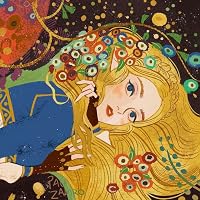
June 15, 2025
some of my favorites ✮⋆˙
“I said, “Bright moon, give my heart back to me—
How long must I endure love’s agony?”
He spread a thousand hearts before my eyes
And said, “Take yours; which is it? You tell me.”
(Aysheh Samarqandi)
“Last night, my love, my life, you lay with me,
I grasped your pretty chin, I fondled it,
And then I bit, and bit, your sweet lips till
I woke… It was my fingertip I bit.
My love’s an ache no ointments can allay now;
My soul’s on fire—how long you’ve been away now!
I said, “I will be patient while he’s gone.”
(But that’s impossible... it’s one whole day now… )”
(Jahan Malek Khatun)
“Possessed of untold sovereignty, beneath my veil
I am a woman whose good deeds will never fail;
Even for breezes that the morning wafts to me
It’s hard to pass the curtain of my chastity—
I keep my shadowed beauty from the sun, whose light
Illumines towns, bazaars, and every common sight.
Not every woman with two yards of veil can reign,
Not every crowned head’s worthy of a king’s domain—”
(Padshah Khatun)
“I said, “Bright moon, give my heart back to me—
How long must I endure love’s agony?”
He spread a thousand hearts before my eyes
And said, “Take yours; which is it? You tell me.”
(Aysheh Samarqandi)
“Last night, my love, my life, you lay with me,
I grasped your pretty chin, I fondled it,
And then I bit, and bit, your sweet lips till
I woke… It was my fingertip I bit.
My love’s an ache no ointments can allay now;
My soul’s on fire—how long you’ve been away now!
I said, “I will be patient while he’s gone.”
(But that’s impossible... it’s one whole day now… )”
(Jahan Malek Khatun)
“Possessed of untold sovereignty, beneath my veil
I am a woman whose good deeds will never fail;
Even for breezes that the morning wafts to me
It’s hard to pass the curtain of my chastity—
I keep my shadowed beauty from the sun, whose light
Illumines towns, bazaars, and every common sight.
Not every woman with two yards of veil can reign,
Not every crowned head’s worthy of a king’s domain—”
(Padshah Khatun)
Displaying 1 - 30 of 85 reviews