

What do you think?

War Doctor: Surgery on the Front Line
The #1 internationally bestselling, gripping true story of a frontline trauma surgeon operating in the world’s most dangerous war zones.
For more than 25 years, surgeon David Nott has volunteered in some of the world’s most dangerous conflict zones. From Sarajevo under siege in 1993 to clandestine hospitals in rebel-held eastern Aleppo, he has carried out life-saving operations and field surgery in the most challenging conditions, and with none of the resources of a major metropolitan hospital. Nott is now widely acknowledged to be the most experienced trauma surgeon in the world.
War Doctor is his extraordinary story, encompassing his surgeries in nearly every major conflict zone since the end of the Cold War, as well as his struggles to return to a “normal” life and routine after each trip. At times, Nott’s riveting memoir reads like a travelogue of the world’s cruelty—he has volunteered in Afghanistan, Congo, Darfur, Gaza, Iraq, Libya, Sierra Leone, and Yemen—but it’s also an uplifting and deeply compassionate story about the brave medical professionals trying to combat evil and heal their patients despite the terrible circumstances.
Culminating in his trips to war-torn Syria—and the untold story of his efforts to help evacuate some 50,000 people from Aleppo— War Doctor is a heart-stopping and moving blend of medical memoir, personal journey, and nonfiction thriller that provides unforgettable, at times raw, insight into the human toll of war.
For more than 25 years, surgeon David Nott has volunteered in some of the world’s most dangerous conflict zones. From Sarajevo under siege in 1993 to clandestine hospitals in rebel-held eastern Aleppo, he has carried out life-saving operations and field surgery in the most challenging conditions, and with none of the resources of a major metropolitan hospital. Nott is now widely acknowledged to be the most experienced trauma surgeon in the world.
War Doctor is his extraordinary story, encompassing his surgeries in nearly every major conflict zone since the end of the Cold War, as well as his struggles to return to a “normal” life and routine after each trip. At times, Nott’s riveting memoir reads like a travelogue of the world’s cruelty—he has volunteered in Afghanistan, Congo, Darfur, Gaza, Iraq, Libya, Sierra Leone, and Yemen—but it’s also an uplifting and deeply compassionate story about the brave medical professionals trying to combat evil and heal their patients despite the terrible circumstances.
Culminating in his trips to war-torn Syria—and the untold story of his efforts to help evacuate some 50,000 people from Aleppo— War Doctor is a heart-stopping and moving blend of medical memoir, personal journey, and nonfiction thriller that provides unforgettable, at times raw, insight into the human toll of war.
304 pages, Paperback
First published February 21, 2019
About the author
David Nott
19 books164 followersDavid Malcolm Nott (born 1956) is a Welsh consultant surgeon who works mainly in London hospitals as a general and vascular surgeon, but also volunteers to work in disaster and war zones and also organises training for others in this emergency work. He has been honoured for this dangerous work and is now often styled the "Indiana Jones of surgery".
Ratings & Reviews
Friends & Following
Create a free account to discover what your friends think of this book!
Community Reviews
Displaying 1 - 30 of 1,385 reviews

April 6, 2021
This book tells us the story of David Nott, who volunteered to work in some of the world's most hostile conditions, like the Sarajevo (Bosnia) under siege in 1993 and eastern Aleppo.
What I learned from this book
1) Why is David Nott considered the most experienced trauma surgeon in the world?
David Nott is an inspirational figure for many young doctors. He went into the war to treat patients and trained many Doctors treating the people injured in war. His team of doctors had played a major role in helping the injured war victims in Turkey, Gaza, Yemen, and Iraq. All these experiences helped him to acquire impeccable skills as a trauma surgeon.
"In last three years, our foundational team had trained more than 550 doctors during seven hostile environment surgical courses."
2) What are the most important qualities needed for a war doctor?

The author was cogent in explaining the important role of war doctors and tells us the significance of acquiring the necessary expertise before going into the battlefields as a war doctor. Ability to work with minimal resources is the most essential quality that a war doctor should possess. He also tells us the importance of having a strong mind as the patients we have to deal with due to the war injuries are entirely different from those we regularly treat in hospitals and clinics.
“The boy's death turned me into a person marked by war: it was the Sarajevo equivalent of a campaign medal, although not one to wear with pride.”
3) The siege of Sarajevo
It was considered one of the longest sieges of a capital city in the history of modern warfare. During the Bosnian war, Sarajevo was besieged by the Army of Republika Srpska. The author is mentioning in detail all the difficulties that the people of Sarajevo had to go through.
"It was very difficult not to get involved in the reality of the experience for the people on the ground, whose lives were being torn apart. I felt for them keenly. The citizens of Sarajevo were lovely people who had not harmed anyone, yet were being harmed. I did not know them or their past lives, but they were very vulnerable."
My favourite three lines from this book
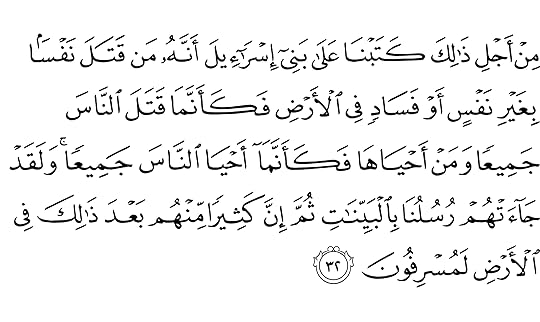
“As the quran says in surat 5:32 whoever saves a life, it will be as if they saved the life of whole mankind.”
“Is the practice of medicine a business or is it a vocation? Where does the balance lie between doing well and doing good?”
“Vulnerability of human life that - when it is stripped down to its basics - makes us all the same.”
What could have been better?
Medicine has long been a subject of interest to the popular media. But in the latter part of the book, the author has given unnecessary importance to show the enigmatic relationship between popular medicine and media.
Rating
4/5 The cathartic role a war doctor plays is brilliantly chronicled by the author. This book is a reminder to world leaders and organizations like the UN about the importance of taking conciliatory measures to prevent war between nations to establish concord in this world.
—————————————————————————
You can also follow me on
Instagram ID - Dasfill | YouTube First Channel ID - Dasfill | YouTube Second Channel - Dasfill - Malayalam | Twitter ID - Dasfill1 | Snapchat ID - Dasfill | Facebook ID - Dasfill | TikTok ID - Dasfill1

January 7, 2020
I thought this book was going to be the first all-gold 10 star of the year, but it has too many flaws. The author always presents himself as on the 'right' side of the conflict and he goes to many conflicts in Africa, the Middle East (mostly), that the other side are the worst kind of beasts to roam the earth, and with ISIS this is certainly true.
But... then he says that Hamas is a properly elected government (it held a single election back in 2007) and not a terrorist organisation and ignores all the internal violence, concentrating just on Israeli attacks as though they were unprovoked. This undermined my trust in his judgements, was he as partisan in all of them as in this and I just didn't know enough about those situations to be aware of it?
When he started to pray, I could understand that, he was under the most enormous pressure. But he put himself there! He admits that the first time he was under threat of losing his life and lived, he got the most amazing rush and had become addicted to it, physically, like a junkie. But then he meets his future wife, although he is in older middle age by now and never married, and she goes to church every lunchtime to pray for him and he gets religion and I start to skim.
A rather heart-warming story was when he was invited to his first Royal banquet and was to sit at the left side of the Queen, a very honoured position, and would therefore spend half the meal conversing with her. (Half her coversation is to the right, half to the left). She says something about the war zones and it makes him, already nervous, well up with tears so she does something extraordinary. She opens a silver jar on the table, pulls out a dog biscuit, breaks it, giving him half and for the rest of the meal they feed the (numerous) corgis under the table. "This is much better than conversation, isn't it?" She says kindly.
I liked how the author spoke in detail of the operations, I was a bit lost, I don't know more than the basic anatomy and roughly which organs do what, and this was detailed and very bloody, but interesting too. I liked hearing about the patients and the little he knew of their lives and countries, especially the Syrians and Syria for which he has a great deal of affection. One intensive care ward containing four patients with all modern life=support equipment was run by a single nurse who continually noted all vital signs and urine etc outputs. Each bed had two video cameras on it, and with her data and those pictures, and Arab-American doctors in the US monitored the ward 24 hours a day and directed the treatment. I was very impressed.
It all gets political towards the end. He is famous, on tv, gets interviewed by major journalists, sets up a very worthy foundation to educate other doctors in war surgery and even gets to speak to presidents. I saw the point, but phonecalls reported word for word are boring. I wasn't sorry when the book ended and couldn't be bothered to read the afterword.
________________
The author spares you nothing. The two worst atrocities I have read (in the 21st C) are here. The first is in Chad, on the borders with Sudan where 2 million black Africans have fled from the Sudanese civil war and especially the brutality of the Janjaweed, the government-funded Arab militia. There has long been dissent and hatred from the Arab, Muslim North (now North Sudan) towards the Black, Muslim, Christian and Animist South - an agricultural rather than urban people.
The author was a surgeon working for Medicine Sans Frontiers on the Chad/Sudanese border and he says that there were a lot of children, little girls of 10 or so, who had been made pregnant by rape from these Janjaweed. The little girls pelvises were too small to deliver a child and they would labour for days and (those that didn't die) would be brought, sometimes a long distance, to the hospital. One little girl's baby had died during that time and was rotting and gangrenous inside her. He describes he procedure he says he thought was last used in Victorian times, where via the cervix, the skull, a green and black, stinking mess and bones of the dead baby are broken so that they can be pulled out of the vagina. It was, he said, as traumatic for the medical staff as for the little girl.
The Sudanese girl who was enslaved around the corner from me. Slave: My True Story
The second atrocity that is so bad it is beyond any kind of understanding or humanity, was a game the snipers played in Aleppo in Syria. The hospital staff would notice that on any given day the gunshot injuries of so many of the patients would be similar. It was, the author was told, a game for points the snipers played, to target a certain part of people to shoot at. One day it was pregnant women.... One woman was shot and so she had an emergency Caesarian. Her uterus was shattered, she would never have another child. And this one, dead, had the bullet lodged in his brain.
_____________________
What life is like in Afghanistan under the Taliban
My Afghani taxi-driver's story
Reading notes
Review 4/2020
But... then he says that Hamas is a properly elected government (it held a single election back in 2007) and not a terrorist organisation and ignores all the internal violence, concentrating just on Israeli attacks as though they were unprovoked. This undermined my trust in his judgements, was he as partisan in all of them as in this and I just didn't know enough about those situations to be aware of it?
When he started to pray, I could understand that, he was under the most enormous pressure. But he put himself there! He admits that the first time he was under threat of losing his life and lived, he got the most amazing rush and had become addicted to it, physically, like a junkie. But then he meets his future wife, although he is in older middle age by now and never married, and she goes to church every lunchtime to pray for him and he gets religion and I start to skim.
A rather heart-warming story was when he was invited to his first Royal banquet and was to sit at the left side of the Queen, a very honoured position, and would therefore spend half the meal conversing with her. (Half her coversation is to the right, half to the left). She says something about the war zones and it makes him, already nervous, well up with tears so she does something extraordinary. She opens a silver jar on the table, pulls out a dog biscuit, breaks it, giving him half and for the rest of the meal they feed the (numerous) corgis under the table. "This is much better than conversation, isn't it?" She says kindly.
I liked how the author spoke in detail of the operations, I was a bit lost, I don't know more than the basic anatomy and roughly which organs do what, and this was detailed and very bloody, but interesting too. I liked hearing about the patients and the little he knew of their lives and countries, especially the Syrians and Syria for which he has a great deal of affection. One intensive care ward containing four patients with all modern life=support equipment was run by a single nurse who continually noted all vital signs and urine etc outputs. Each bed had two video cameras on it, and with her data and those pictures, and Arab-American doctors in the US monitored the ward 24 hours a day and directed the treatment. I was very impressed.
It all gets political towards the end. He is famous, on tv, gets interviewed by major journalists, sets up a very worthy foundation to educate other doctors in war surgery and even gets to speak to presidents. I saw the point, but phonecalls reported word for word are boring. I wasn't sorry when the book ended and couldn't be bothered to read the afterword.
________________
The author spares you nothing. The two worst atrocities I have read (in the 21st C) are here. The first is in Chad, on the borders with Sudan where 2 million black Africans have fled from the Sudanese civil war and especially the brutality of the Janjaweed, the government-funded Arab militia. There has long been dissent and hatred from the Arab, Muslim North (now North Sudan) towards the Black, Muslim, Christian and Animist South - an agricultural rather than urban people.
The author was a surgeon working for Medicine Sans Frontiers on the Chad/Sudanese border and he says that there were a lot of children, little girls of 10 or so, who had been made pregnant by rape from these Janjaweed. The little girls pelvises were too small to deliver a child and they would labour for days and (those that didn't die) would be brought, sometimes a long distance, to the hospital. One little girl's baby had died during that time and was rotting and gangrenous inside her. He describes he procedure he says he thought was last used in Victorian times, where via the cervix, the skull, a green and black, stinking mess and bones of the dead baby are broken so that they can be pulled out of the vagina. It was, he said, as traumatic for the medical staff as for the little girl.
The Sudanese girl who was enslaved around the corner from me. Slave: My True Story
The second atrocity that is so bad it is beyond any kind of understanding or humanity, was a game the snipers played in Aleppo in Syria. The hospital staff would notice that on any given day the gunshot injuries of so many of the patients would be similar. It was, the author was told, a game for points the snipers played, to target a certain part of people to shoot at. One day it was pregnant women.... One woman was shot and so she had an emergency Caesarian. Her uterus was shattered, she would never have another child. And this one, dead, had the bullet lodged in his brain.
_____________________
What life is like in Afghanistan under the Taliban
My Afghani taxi-driver's story
Reading notes
Review 4/2020

April 1, 2023
Just from the cover picture alone, I knew this book would move me and make me think. I was right. The book told stories that are hard to take in, because war and the effects of it, are far removed from my own life. The author managed to bring me closer to the reality of atrocities and the people who are trying to help. I feel so humbled and proud to live in a world where people risk their own life for others. I cried, I smiled and I felt utterly in awe by the health personell working in war zones.

September 30, 2023
Why I chose to listen to this audiobook:
1. upon reading GR friend, Sonja's review, and having some knowledge about Doctors Without Borders/Médecins Sans Frontières (MSF), I added it to my WTR list; and,
2. September 2023 is my "Memoirs & Biographies" Month.
Praises:
1. author David Nott shares his experiences (both successes and frustrations) while volunteering as a trauma surgeon in areas such as eastern Europe, various African countries, Nepal, Haiti, and the Middle East, with a large focus on Syria;
2. I got a strong sense of anxiety as Nott discussed nerve-wracking near-death situations as well as the evil atrocities inflicted on innocent civilians, including children;
3. Nott freely admits that not only did he truly wish to help others on these volunteer missions, but that he also got a charge while "living on the edge";
4. I appreciated his explanations of various medical terminology and procedures;
5. his lunch with Queen Elizabeth II sounded very familiar! I recently read about this particular incident in The Palace Papers: Inside the House of Windsor - the Truth and the Turmoil by Tina Brown; and,
6. Nott's wife, Elly, discussed how they established the David Nott Foundation, a non-profit UK charity which provides surgical training to those working in war and/or natural disaster zones.
Niggles:
1. some editing was needed! Many parts were long, repetitive, and overly-detailed. My mind was frequently wandering! The word-for-word phone calls over a lengthy period of time between Nott and doctors in Syria could have been condensed;
2. he came across as sounding flippant when discussing his dangerous flying mishaps (almost killing those on board!), his reasons for being removed from MSF, and even when he missed his mother's symptoms which led to her death;
3. I felt a touch of annoyance over Nott's arrogance as he often reiterated his frustrations working with medical personnel who disagreed with him (and, of course, he was always right!); however, I don't recall him sharing any stories when his methods were wrong; and,
4. maybe he had a reason for doing so, but I found his audio narration to be quite monotone.
Overall Thoughts:
I have a deep respect for anyone who goes into dangerous situations to help those in need, even if their own lives are at risk. I could never envision myself doing that! This memoir gives a very good indication of what these people go through.
I appreciated that Nott was one such person who did this many times; however, his delivery occasionally comes off as sounding like a "savior complex" which sometimes rubbed me the wrong way.
1. upon reading GR friend, Sonja's review, and having some knowledge about Doctors Without Borders/Médecins Sans Frontières (MSF), I added it to my WTR list; and,
2. September 2023 is my "Memoirs & Biographies" Month.
Praises:
1. author David Nott shares his experiences (both successes and frustrations) while volunteering as a trauma surgeon in areas such as eastern Europe, various African countries, Nepal, Haiti, and the Middle East, with a large focus on Syria;
2. I got a strong sense of anxiety as Nott discussed nerve-wracking near-death situations as well as the evil atrocities inflicted on innocent civilians, including children;
3. Nott freely admits that not only did he truly wish to help others on these volunteer missions, but that he also got a charge while "living on the edge";
4. I appreciated his explanations of various medical terminology and procedures;
5. his lunch with Queen Elizabeth II sounded very familiar! I recently read about this particular incident in The Palace Papers: Inside the House of Windsor - the Truth and the Turmoil by Tina Brown; and,
6. Nott's wife, Elly, discussed how they established the David Nott Foundation, a non-profit UK charity which provides surgical training to those working in war and/or natural disaster zones.
Niggles:
1. some editing was needed! Many parts were long, repetitive, and overly-detailed. My mind was frequently wandering! The word-for-word phone calls over a lengthy period of time between Nott and doctors in Syria could have been condensed;
2. he came across as sounding flippant when discussing his dangerous flying mishaps (almost killing those on board!), his reasons for being removed from MSF, and even when he missed his mother's symptoms which led to her death;
3. I felt a touch of annoyance over Nott's arrogance as he often reiterated his frustrations working with medical personnel who disagreed with him (and, of course, he was always right!); however, I don't recall him sharing any stories when his methods were wrong; and,
4. maybe he had a reason for doing so, but I found his audio narration to be quite monotone.
Overall Thoughts:
I have a deep respect for anyone who goes into dangerous situations to help those in need, even if their own lives are at risk. I could never envision myself doing that! This memoir gives a very good indication of what these people go through.
I appreciated that Nott was one such person who did this many times; however, his delivery occasionally comes off as sounding like a "savior complex" which sometimes rubbed me the wrong way.

November 1, 2019
Imagine, operating while shrapnel flies, in the open and sometimes when you look up from the surgical table you find your nurse and anesthetist have abandoned their post. This is the “schwarz welt” where Dr. David Nott exists for a time to bring mercy, healing and safeguarding for up to ten lives a day in Syria. Is “sapienta superat morus” his mantra?
War and Dr. Nott---sans personal life---describes its’ sanguine tragedy of a baby being rescued from a building with a crushed arm and part of its little skull lost. So foreign to the little OC Babies here in California---who would never come know a tragedy of such magnitude. Chaos was the cocktail Dr. Nott drank nightly and retitled it normal.
“In the chaotic first few days after the disaster...I had resolved to share the dreadful story of the pregnant woman whose unborn baby had been shot...and talk about how truly wicked things were in northern Syria.”
---David Nott, General & Vascular Surgeon (U.K.)
In this world, hospitals are targets (like physicians and all medical personnel). We follow him in his travels to Afghanistan, Libya, Sierra Leone, Liberia, Iraq, Haiti, Syria and Gaza hearing the sniper fire, bombs and ghoulish like screams. After work most physicians retire to the sanctity of a trouble-free domicile, Nott seeks just the opposite.
“War Doctor: Surgery on the Front Lines” is not for the meek. Certain death was surely on the menu when meeting the Taliban leader for approval on an operation for an Afghan lady. Despite such circumstances, Nott was serene, composed and the paradigm of a Welsh, University of Manchester (UK) trained vascular surgeon. Read.
War and Dr. Nott---sans personal life---describes its’ sanguine tragedy of a baby being rescued from a building with a crushed arm and part of its little skull lost. So foreign to the little OC Babies here in California---who would never come know a tragedy of such magnitude. Chaos was the cocktail Dr. Nott drank nightly and retitled it normal.
“In the chaotic first few days after the disaster...I had resolved to share the dreadful story of the pregnant woman whose unborn baby had been shot...and talk about how truly wicked things were in northern Syria.”
---David Nott, General & Vascular Surgeon (U.K.)
In this world, hospitals are targets (like physicians and all medical personnel). We follow him in his travels to Afghanistan, Libya, Sierra Leone, Liberia, Iraq, Haiti, Syria and Gaza hearing the sniper fire, bombs and ghoulish like screams. After work most physicians retire to the sanctity of a trouble-free domicile, Nott seeks just the opposite.
“War Doctor: Surgery on the Front Lines” is not for the meek. Certain death was surely on the menu when meeting the Taliban leader for approval on an operation for an Afghan lady. Despite such circumstances, Nott was serene, composed and the paradigm of a Welsh, University of Manchester (UK) trained vascular surgeon. Read.
This entire review has been hidden because of spoilers.
May 27, 2020
this was my 30th book of the year. unfortunately it wasn’t for me. I didn’t like it at all. david nott has undoubtedly done a lot of good in his field and has saved countless lives, which regardless of context can only be a good thing, and of course on that I commend him, and it’s good that he brings to light many of the atrocities facing victims of war across the world. I just really disliked this book, for the following reasons:
1. the writing in this book is clunky and I couldn’t get along with it. I felt that the prose was very much “I did this, I did that, I felt like this”, which didn’t sit well with me. he seemed to write of harrowing atrocities briefly and move on from them as if they were a minor detail. conversely, the descriptions of surgery were a little *too* detailed, and read like a medical textbook. it didn’t flow well. there were also points at which the language used came across as patronising and highlighted things that would have been blisteringly obvious to the reader, for example when he described a man being tortured inside a filthy, sweltering storage container and then added “it was a horrendous way to treat people”. thanks david, I was edging towards thinking it sounded pretty comfortable. thank you for bringing me back down to earth.
2. I have complicated feelings about westerners entering war zones and being hailed as heroes for doing so. almost all of the time, these people are rich and privileged. who else can afford to take weeks of unpaid leave? why aren’t the local medical staff hailed as heroes? why aren’t the civilian victims & casualties of these wars hailed as heroes? why is it always the noble christian westerner with a saviour complex swooping on by to spread their infinite wisdom to these ‘poor, poor people’ the ones who get a book deal and lunch with the fucking queen? I know we can’t just throw pragmatism out of the window in the name of pure ideology all the time, I get that, but I feel like david nott’s visits to these war torn countries could be yet another, albeit veiled, form of western imperialism. I just wish people would read this stuff with more of a critical eye. these wars are often made a lot worse, if not caused by the west, and it frustrates me that privileged people like david nott can leave their “comfortable flat” (direct quote) and head into a war, knowing that they can leave and go back to their lives of luxury whenever, feeling very pleased with themselves. I could go on with this but I won’t.
3. david nott is obviously a very clever and very talented man, but in this book he comes across as so dense and arrogant. if he knew use of cameras was forbidden (especially opposite an ISIS base), why did he insist on using his camera to take a picture of the sunset, only to then be stormed by ISIS for doing so? if he knew his eyesight wasn’t adequate to pilot a boeing 737, why did he proceed to do so and almost crash-land it? why, after the boeing incident, did he risk a load of his colleague’s lives by flying them around in a helicopter, which he almost crashed into a hotel and a power line? why, despite being warned by locals, did he attend a public display of the taliban’s punishments and executions, stay to watch them unfold, describe them graphically in the book, and then complain about the trauma of seeing it - why didn’t he leave after it became obvious what he was watching? why, when the rules stated not to, did he travel in an unarmed vehicle, only to be shot at, and then describe feeling “exhilarated” by the bullets that flew across the top of his head, and express relief that the front passenger was killed instead of the driver? it also made me utterly despair to read david nott write that part of his reasoning for impartially saving the lives of terrorists was that “maybe when he wakes up, the terrorist will hear that his life was saved by a western christian doctor, and might change his point of view”...OH MY GOD. it all made me want to scream.
4. this book is very author-centred. david nott seems intent on making himself the star of the show. the people suffering the most in these wars are the innocent civilians. so why does he not make them the focal point? the narrative always came back to david - how he felt, what he thought, how hard it was for him. it’s such a shame, because if this story had been told from a different point of view, by someone who put their patients at the forefront of the narrative, it would have been a better book. I found it almost laughably irritating that he describes confidently his weirdly intense interest in war, borne out of watching the killing fields when he was younger (please). I found it so rich and so frustrating to read of his “excitement” and “exhilaration” around war and around entering a war zone and endangering himself. it just absolutely reeks of voyeurism.
there’s probably a lot more I could write here but I think I’ve covered the basics. I couldn’t wait to finish this book and I’m so glad to finally be able to move onto something else. I’m a little disappointed, because I thought that this book was going to be pretty good, going by the reviews. like I said, I don’t dispute that david nott has and continues to do benevolent work, but this book was quite unbearable.
1. the writing in this book is clunky and I couldn’t get along with it. I felt that the prose was very much “I did this, I did that, I felt like this”, which didn’t sit well with me. he seemed to write of harrowing atrocities briefly and move on from them as if they were a minor detail. conversely, the descriptions of surgery were a little *too* detailed, and read like a medical textbook. it didn’t flow well. there were also points at which the language used came across as patronising and highlighted things that would have been blisteringly obvious to the reader, for example when he described a man being tortured inside a filthy, sweltering storage container and then added “it was a horrendous way to treat people”. thanks david, I was edging towards thinking it sounded pretty comfortable. thank you for bringing me back down to earth.
2. I have complicated feelings about westerners entering war zones and being hailed as heroes for doing so. almost all of the time, these people are rich and privileged. who else can afford to take weeks of unpaid leave? why aren’t the local medical staff hailed as heroes? why aren’t the civilian victims & casualties of these wars hailed as heroes? why is it always the noble christian westerner with a saviour complex swooping on by to spread their infinite wisdom to these ‘poor, poor people’ the ones who get a book deal and lunch with the fucking queen? I know we can’t just throw pragmatism out of the window in the name of pure ideology all the time, I get that, but I feel like david nott’s visits to these war torn countries could be yet another, albeit veiled, form of western imperialism. I just wish people would read this stuff with more of a critical eye. these wars are often made a lot worse, if not caused by the west, and it frustrates me that privileged people like david nott can leave their “comfortable flat” (direct quote) and head into a war, knowing that they can leave and go back to their lives of luxury whenever, feeling very pleased with themselves. I could go on with this but I won’t.
3. david nott is obviously a very clever and very talented man, but in this book he comes across as so dense and arrogant. if he knew use of cameras was forbidden (especially opposite an ISIS base), why did he insist on using his camera to take a picture of the sunset, only to then be stormed by ISIS for doing so? if he knew his eyesight wasn’t adequate to pilot a boeing 737, why did he proceed to do so and almost crash-land it? why, after the boeing incident, did he risk a load of his colleague’s lives by flying them around in a helicopter, which he almost crashed into a hotel and a power line? why, despite being warned by locals, did he attend a public display of the taliban’s punishments and executions, stay to watch them unfold, describe them graphically in the book, and then complain about the trauma of seeing it - why didn’t he leave after it became obvious what he was watching? why, when the rules stated not to, did he travel in an unarmed vehicle, only to be shot at, and then describe feeling “exhilarated” by the bullets that flew across the top of his head, and express relief that the front passenger was killed instead of the driver? it also made me utterly despair to read david nott write that part of his reasoning for impartially saving the lives of terrorists was that “maybe when he wakes up, the terrorist will hear that his life was saved by a western christian doctor, and might change his point of view”...OH MY GOD. it all made me want to scream.
4. this book is very author-centred. david nott seems intent on making himself the star of the show. the people suffering the most in these wars are the innocent civilians. so why does he not make them the focal point? the narrative always came back to david - how he felt, what he thought, how hard it was for him. it’s such a shame, because if this story had been told from a different point of view, by someone who put their patients at the forefront of the narrative, it would have been a better book. I found it almost laughably irritating that he describes confidently his weirdly intense interest in war, borne out of watching the killing fields when he was younger (please). I found it so rich and so frustrating to read of his “excitement” and “exhilaration” around war and around entering a war zone and endangering himself. it just absolutely reeks of voyeurism.
there’s probably a lot more I could write here but I think I’ve covered the basics. I couldn’t wait to finish this book and I’m so glad to finally be able to move onto something else. I’m a little disappointed, because I thought that this book was going to be pretty good, going by the reviews. like I said, I don’t dispute that david nott has and continues to do benevolent work, but this book was quite unbearable.

June 5, 2019
Such a hard-hitting book written by one of the most heroic people I have ever come across.
What. A. Guy.
(The writing itself is 4 stars but the lasting impression it gives makes it a 5 star book)
What. A. Guy.
(The writing itself is 4 stars but the lasting impression it gives makes it a 5 star book)

June 6, 2020
*https://theburgeoningbookshelf.blogsp...
David Nott has written a compassionate story of his years as a volunteer surgeon working in hospitals around the world in war torn areas in Afghanistan, Sarajevo, Sierra Leone, Liberia, Sudan, Darfur, Yemen and Gaza. Operating in poorly equipped hospitals with the most basic of instruments.
Nott didn’t come from a privileged background. He describes his sometimes harsh and lonely upbringing. He has achieved his accomplishments through hard work and perseverance. There were wins and failures along the way.
It’s hard for a book like this, with David in the centre of some quite political wars, to not be political however he steers clear of taking sides giving the reader facts and eye witness accounts.
David Nott comes across as humble and sensitive. The inhumanity he witnesses has a profound effect on him and he finds it hard to fit back into normal life. Nott explains his need to help people and the pull to be amidst the trouble and constant danger of a war zone, operating while missiles are reigning down and during sudden blackouts. Survival sometimes was just pure luck.
War Doctor is a fascinating and humbling account of a doctor’s life in a war zone. Written with real compassion for all humankind. David Nott is a true humanitarian.
An emotional afterword by David’s wife Eleanor is filled with love and pride.
*I received my copy from the publisher
David Nott has written a compassionate story of his years as a volunteer surgeon working in hospitals around the world in war torn areas in Afghanistan, Sarajevo, Sierra Leone, Liberia, Sudan, Darfur, Yemen and Gaza. Operating in poorly equipped hospitals with the most basic of instruments.
Nott didn’t come from a privileged background. He describes his sometimes harsh and lonely upbringing. He has achieved his accomplishments through hard work and perseverance. There were wins and failures along the way.
It’s hard for a book like this, with David in the centre of some quite political wars, to not be political however he steers clear of taking sides giving the reader facts and eye witness accounts.
David Nott comes across as humble and sensitive. The inhumanity he witnesses has a profound effect on him and he finds it hard to fit back into normal life. Nott explains his need to help people and the pull to be amidst the trouble and constant danger of a war zone, operating while missiles are reigning down and during sudden blackouts. Survival sometimes was just pure luck.
War Doctor is a fascinating and humbling account of a doctor’s life in a war zone. Written with real compassion for all humankind. David Nott is a true humanitarian.
An emotional afterword by David’s wife Eleanor is filled with love and pride.
*I received my copy from the publisher
September 6, 2020
Every month I contribute to Doctors without Borders which is just the English description of MSF, an organisation this author did many humanitarian work for. Now I know exactly what my money is being used for and perhaps I should start donating more.
Doing humanitarian work in a warzone is all kinds of crazy and leaves the volunteers with PTSD for years afterwards.
From pulling bomb detonators out of legs to pulling dead babies out of pregnant 9-year olds, this man has seen some truly horrific things.
Not only do you need to deal with medical emergencies without proper equipment, you also need to process the thought that you may be saving someone’s life who will go on to commit atrocious crimes. You just don’t know who you are healing in a war zone.
The author volunteered as a doctor in Sarajevo, Syria, Afghanistan, Bosnia, Iraq, Yemen, Aleppo, the list goes on and on, spanning 20 years.
He even treated Osama Bin Ladin’s wife for fibroids….. before Bin Laden became the household name for terror after 9/11.
Similar to a war journalist the author also openly admits that he got addicted to the rush of adrenalin going into places he could be killed at any moment.
This is a book full of medical marvels and the worst of human depravity during a war. I would have given this 5 stars had the last 20% not become overly political.
Its still worth the read.
Doing humanitarian work in a warzone is all kinds of crazy and leaves the volunteers with PTSD for years afterwards.
From pulling bomb detonators out of legs to pulling dead babies out of pregnant 9-year olds, this man has seen some truly horrific things.
Not only do you need to deal with medical emergencies without proper equipment, you also need to process the thought that you may be saving someone’s life who will go on to commit atrocious crimes. You just don’t know who you are healing in a war zone.
The author volunteered as a doctor in Sarajevo, Syria, Afghanistan, Bosnia, Iraq, Yemen, Aleppo, the list goes on and on, spanning 20 years.
He even treated Osama Bin Ladin’s wife for fibroids….. before Bin Laden became the household name for terror after 9/11.
Similar to a war journalist the author also openly admits that he got addicted to the rush of adrenalin going into places he could be killed at any moment.
This is a book full of medical marvels and the worst of human depravity during a war. I would have given this 5 stars had the last 20% not become overly political.
Its still worth the read.
April 14, 2024
روزی که شروعش کردم فکر نمیکردم وقتی تمومش میکنم ممکنه اینقدر نزدیک جنگ باشیم. این کتاب خاطرات یه جراح عروق پزشکان بدون مرز بود که به صورت داوطلبانه خیلی جاها رفته بود.
حالا قاطی با متن کتاب نظرمو مینویسم:
تو مسیر شغلیش به یه سری مورالیتی کانفلیکت ها هم برخورده بود:
▪ I was reminded of a bomb-maker I’d had to work on while I was in Pakistan: a Taliban fighter who’d been injured making improvised explosive devices (IEDs) for use against coalition forces across the border in Afghanistan. He came in and I operated on him, and saved his life.
I am often asked how I can square my humanitarian work with saving the life of someone who might go on to make something that kills British soldiers or innocent civilians. It’s a valid point, of course, and every war surgeon has to wrestle with the conundrum at some stage. But actually it’s quite simple: I don’t get to choose who I work on. I can only try to intervene to save the life of the person in front of me who is in desperate need of help. Usually I have no idea who they are or what they have done until afterwards anyway – but even if I did know, nothing would change. I rationalize it by thinking, Well, maybe that Taliban guy or this ISIS fighter will find out his life was saved by a Western, Christian doctor, and that might make him change his outlook. Some people may consider this is naive, but that’s how it is.
اون وسط ها میفهمه این تکی خیلی کار ها رو نمیرسه کنه و از طرفی کلی آدم هستند که میخوان کمک کنند ولی چون مثلا تو انگلیس و آمریکا و جاهای خیلی با تجهیزات تر و تو شرایط آروم تری کار کردن رو یاد گرفتن اصلا متوجه نیستن تو این شرایط فورس و در حالیکه که بالا سرت داره بمب پرتاب میشه عروق یکی که تیر خورده رو چطور جراحی کنی زنده بمونه و خیلی ها از بین میرفتن اون وسط؛ در نتیجه تصمیم میگیره هرجا میره به پزشکای اونجا و کسایی که داوطلب شدن اومدن نحوه منیج تو اون شرایط رو یاد بده. و کلا اصلا میاد با خانمش سازمانی درست میکنن و هنوز به این کار ادامه میده.
▪ I had to do more than just operate on whoever happened to be put in front of me. That would help one person, but there was a much bigger goal in trying to improve the whole system. Too many volunteers with good intentions were being put in situations outside their normal experience, and were making poor decisions as a result. I had to try to change the whole modus operandi of the surgeons there.
▪ I had become increasingly aware that surgical training in the developed world was becoming more and more specialized – so specialized, in fact, that I feared surgeons would no longer be able to do humanitarian work. They simply wouldn’t have the array of skills necessary to treat the full gamut of injuries a single war surgeon would see in the field.
اولاش که تعریف میکنه حس ترس و ایناش خیلی کمه و معطوف به دیگرانه بیشتر؛ ولی از یه جا به بعد، بخصوص از سوریه به بعد کم کم وحشت جنگ به سمت خودش هم میاد و میفهمه پروتکشن از طرف سازمان ملل و اینا برا یه سری کشور ها و رژیم ها تو یه سری موقعیت ها کشکه.
بعد پیتیاسدی بدی میگیره برمیگرده. اون وسط یه جا کلی تلاش میکنه دکترای دیگه زیر حمله رو نجات بده.
فصلای اول توصیفات محل و شرایط رو داره:
War zones are completely different from routine life at home, and it is very easy to become blinkered and not to take care of oneself, such is the focus on the patients. But extra precautions must be taken at all times to try to limit the risk of getting caught out. You have to have a different bit of your head switched on – you can’t take your normal NHS mindset to a war. In more well-established hospitals everyone would be checked for weapons with a hand-held metal detector before being allowed in – in one of the hospitals where I had worked in northern Pakistan a few months before going to Syria, even the volunteer doctors and nurses were checked when they arrived. But we didn’t have one in Atmeh, and had to deal with whoever came in, whoever they were.
همچنان اولاست ولی کم کم داره میفهمه بعد های دیگه جای جنگ زده چطوریه:
It was like an initiation. I felt for the first time like a tiny cog in the vast machinery of war. My idealism was challenged, shaken; I was hardened by it, and understood more of the intense pressure my colleagues had been under, for so much longer than I had had to endure. The boy’s death turned me into a person marked by war: it was the Sarajevo equivalent of a campaign medal, although not one to wear with pride. It manifested not so much in a tough exterior as a tough interior, a little place in my heart, or soul, that closed like a fist and iced over. It was arguably the first in a series of experiences that I bottled away, thinking I’d put them behind me, until a trip to Syria twenty years later.
▪ ‘You don’t know what it’s like!’ he shouted. ‘You don’t know what it’s like to live in a war zone! I’m going to show you!’
And with that, he reached over for the switch, turned out the lights in the restaurant and started banging his chair on the floor and going around the room hammering his fists on the wall.
این یه تایمی اون وسط میره افغانستان و توصیفاتش از اونجا:
▪ When I returned there in early 2001, this time working in the Taliban’s spiritual birthplace of Kandahar, I was able to see for myself the impact this had on the country and its people.
It was like going back to medieval times. Women were confined to their homes, children were not allowed out and were forbidden to play with toys, especially of Western origin. Education was banned apart from studying the Koran, and innocent pleasures like kite-flying or playing music were also banned as they took children away from the study of Islam. Women had to cover themselves from head to toe in sky-blue burkas, with crochet mesh covering even their eyes, and men were not allowed to shave their beards.
بعد حالا این ها به کنار یه چیز فاجعه دیگه که داشت این بود که یه طالبان گذاشته بودن تو بیمارستان (غیر متخصص و اصلا هیچ اطلاعی از پزشکی و سلامت و سواد نداشت) و ایشون باید تصمیم میگرفت کی رو درمان کنن یا نکنن.
▪ Every day, a Taliban policeman wearing a large black turban stood inside the entrance to the operating theatre. He was there to give consent for us to operate on patients, and make sure we were not contravening any of the strict religious codes imposed by the regime. We had to ask him if he would allow us to operate on this or that patient, knowing he had no medical knowledge whatsoever and probably couldn’t read or write either. A simple wave of his hand would submit patients to life-saving surgery or sentence them to death.
بعد این اولا فکر میکنه این فرمالیتهس و خب قاعدتا این آدمه باید به همه اجازه درمان بده دیگه وقتی رسیده و دکتر بالا سرشه و .... ولی خب این اقا خیلی راحت و بر حسب هیچی برا خودش تصمیم میگرفت نمیذاشت دکترا یا پرستاران برن سراغ نجات یه سری ها.
▪ Where does it say in the Koran that you can play God?
جلو تر که میره، میرسه به لحظه ای که چهره اسلام رو میبینه:
▪ Because we worked for an aid agency, we were permitted to go to the city’s football stadium to witness the enforcement of Sharia law, Taliban-style. Idiotically, I went along one day only to witness terrible and unforgettable acts of barbarism: women being stoned to death after being buried up to their necks in sand; women being placed beside a wall they had built with their bare hands and killed after a truck was driven at the wall at high speed. There were also revenge killings, where the victim’s relatives were allowed to shoot and kill the supposed perpetrator. I felt like a spectator at some brutal entertainment from ancient Rome, and was reminded of a bullfight I’d once seen in Provence, where I had been appalled by the killing of those magnificent animals. But this was far, far worse.
The images of what I saw all those years ago still flash through my head sometimes: so easy to view, so hard to shake.
I often wonder now why I went. I think it was because I simply didn’t believe what I’d been told about what went on there. I also couldn’t believe that what purported to be legal in Sharia law was nothing more than outright murder and torture. I was astonished and sickened by the cruelty that one human being could bring to bear on another, and it filled me with revulsion. The football stadium was full of people watching and I wondered what they all felt. Were they completely inured to it? Or just curious?
آخراش هم میرسه به اونجا که دیگه کم آورده (آهان این موضوع رو ذکر کنم که این آدم باز به فراخوان والنتیر شدن نه نمیتونست بگه و باز میرفت ولی هی اثرات مخربش روش بیشتر میشد.)
▪ What did it mean to carry on? How many lives saved was enough? Who was even keeping count? I had seen so much death, so many horrific sights; no one in their right mind could remain unaffected by it.
از چیزایی که باعث تلنگرای دیگه بهش شد:
▪ One morning in early October someone came in and said, ‘Oh, Henning’s been killed, do you want to see?’ And like an idiot, I did see, and watched the terrible footage of his execution. I think it was happened to another Brit, a volunteer just like me, not very far away
یه جا از بچه هایی که وسط جنگ میارن میگه و خیلی راست میگه، ما یه سری شرایط خیلییی ساده ار از این فجایع رو داشتیم که بچه اینقدر ضربه روانی بزرگی میخوره یه جا فقط زل میزنه و درد فیزیکی رو نمیفهمه.
▪ He was silent on the operating table. Many children are like this – often because they have lost a lot of blood, but in some cases they are simply mute from the psychological trauma.
▪ What happened to humanity when women children and elders walk on foot between bombs, some died on the road and left alone for animals to eat them . . . Some reach regime region where allies are ready to arrest men and put them again on the front lines
خلاصه که برام کتاب جذابی بود چون از آرزوهای دوران کودکیم این بوده که برم اینجاها و این مدل دکتر بشم(حالا شاید الان نه).
توصیفات تروماها و مدل منیج و جراحیش برام خیلی جذاب بود؛ ولی خاطراتش به طور کلی باعث شد از یه دید دیگه ای به یه سری چیز نگاه کنم.
حالا قاطی با متن کتاب نظرمو مینویسم:
تو مسیر شغلیش به یه سری مورالیتی کانفلیکت ها هم برخورده بود:
▪ I was reminded of a bomb-maker I’d had to work on while I was in Pakistan: a Taliban fighter who’d been injured making improvised explosive devices (IEDs) for use against coalition forces across the border in Afghanistan. He came in and I operated on him, and saved his life.
I am often asked how I can square my humanitarian work with saving the life of someone who might go on to make something that kills British soldiers or innocent civilians. It’s a valid point, of course, and every war surgeon has to wrestle with the conundrum at some stage. But actually it’s quite simple: I don’t get to choose who I work on. I can only try to intervene to save the life of the person in front of me who is in desperate need of help. Usually I have no idea who they are or what they have done until afterwards anyway – but even if I did know, nothing would change. I rationalize it by thinking, Well, maybe that Taliban guy or this ISIS fighter will find out his life was saved by a Western, Christian doctor, and that might make him change his outlook. Some people may consider this is naive, but that’s how it is.
اون وسط ها میفهمه این تکی خیلی کار ها رو نمیرسه کنه و از طرفی کلی آدم هستند که میخوان کمک کنند ولی چون مثلا تو انگلیس و آمریکا و جاهای خیلی با تجهیزات تر و تو شرایط آروم تری کار کردن رو یاد گرفتن اصلا متوجه نیستن تو این شرایط فورس و در حالیکه که بالا سرت داره بمب پرتاب میشه عروق یکی که تیر خورده رو چطور جراحی کنی زنده بمونه و خیلی ها از بین میرفتن اون وسط؛ در نتیجه تصمیم میگیره هرجا میره به پزشکای اونجا و کسایی که داوطلب شدن اومدن نحوه منیج تو اون شرایط رو یاد بده. و کلا اصلا میاد با خانمش سازمانی درست میکنن و هنوز به این کار ادامه میده.
▪ I had to do more than just operate on whoever happened to be put in front of me. That would help one person, but there was a much bigger goal in trying to improve the whole system. Too many volunteers with good intentions were being put in situations outside their normal experience, and were making poor decisions as a result. I had to try to change the whole modus operandi of the surgeons there.
▪ I had become increasingly aware that surgical training in the developed world was becoming more and more specialized – so specialized, in fact, that I feared surgeons would no longer be able to do humanitarian work. They simply wouldn’t have the array of skills necessary to treat the full gamut of injuries a single war surgeon would see in the field.
اولاش که تعریف میکنه حس ترس و ایناش خیلی کمه و معطوف به دیگرانه بیشتر؛ ولی از یه جا به بعد، بخصوص از سوریه به بعد کم کم وحشت جنگ به سمت خودش هم میاد و میفهمه پروتکشن از طرف سازمان ملل و اینا برا یه سری کشور ها و رژیم ها تو یه سری موقعیت ها کشکه.
بعد پیتیاسدی بدی میگیره برمیگرده. اون وسط یه جا کلی تلاش میکنه دکترای دیگه زیر حمله رو نجات بده.
فصلای اول توصیفات محل و شرایط رو داره:
War zones are completely different from routine life at home, and it is very easy to become blinkered and not to take care of oneself, such is the focus on the patients. But extra precautions must be taken at all times to try to limit the risk of getting caught out. You have to have a different bit of your head switched on – you can’t take your normal NHS mindset to a war. In more well-established hospitals everyone would be checked for weapons with a hand-held metal detector before being allowed in – in one of the hospitals where I had worked in northern Pakistan a few months before going to Syria, even the volunteer doctors and nurses were checked when they arrived. But we didn’t have one in Atmeh, and had to deal with whoever came in, whoever they were.
همچنان اولاست ولی کم کم داره میفهمه بعد های دیگه جای جنگ زده چطوریه:
It was like an initiation. I felt for the first time like a tiny cog in the vast machinery of war. My idealism was challenged, shaken; I was hardened by it, and understood more of the intense pressure my colleagues had been under, for so much longer than I had had to endure. The boy’s death turned me into a person marked by war: it was the Sarajevo equivalent of a campaign medal, although not one to wear with pride. It manifested not so much in a tough exterior as a tough interior, a little place in my heart, or soul, that closed like a fist and iced over. It was arguably the first in a series of experiences that I bottled away, thinking I’d put them behind me, until a trip to Syria twenty years later.
▪ ‘You don’t know what it’s like!’ he shouted. ‘You don’t know what it’s like to live in a war zone! I’m going to show you!’
And with that, he reached over for the switch, turned out the lights in the restaurant and started banging his chair on the floor and going around the room hammering his fists on the wall.
این یه تایمی اون وسط میره افغانستان و توصیفاتش از اونجا:
▪ When I returned there in early 2001, this time working in the Taliban’s spiritual birthplace of Kandahar, I was able to see for myself the impact this had on the country and its people.
It was like going back to medieval times. Women were confined to their homes, children were not allowed out and were forbidden to play with toys, especially of Western origin. Education was banned apart from studying the Koran, and innocent pleasures like kite-flying or playing music were also banned as they took children away from the study of Islam. Women had to cover themselves from head to toe in sky-blue burkas, with crochet mesh covering even their eyes, and men were not allowed to shave their beards.
بعد حالا این ها به کنار یه چیز فاجعه دیگه که داشت این بود که یه طالبان گذاشته بودن تو بیمارستان (غیر متخصص و اصلا هیچ اطلاعی از پزشکی و سلامت و سواد نداشت) و ایشون باید تصمیم میگرفت کی رو درمان کنن یا نکنن.
▪ Every day, a Taliban policeman wearing a large black turban stood inside the entrance to the operating theatre. He was there to give consent for us to operate on patients, and make sure we were not contravening any of the strict religious codes imposed by the regime. We had to ask him if he would allow us to operate on this or that patient, knowing he had no medical knowledge whatsoever and probably couldn’t read or write either. A simple wave of his hand would submit patients to life-saving surgery or sentence them to death.
بعد این اولا فکر میکنه این فرمالیتهس و خب قاعدتا این آدمه باید به همه اجازه درمان بده دیگه وقتی رسیده و دکتر بالا سرشه و .... ولی خب این اقا خیلی راحت و بر حسب هیچی برا خودش تصمیم میگرفت نمیذاشت دکترا یا پرستاران برن سراغ نجات یه سری ها.
▪ Where does it say in the Koran that you can play God?
جلو تر که میره، میرسه به لحظه ای که چهره اسلام رو میبینه:
▪ Because we worked for an aid agency, we were permitted to go to the city’s football stadium to witness the enforcement of Sharia law, Taliban-style. Idiotically, I went along one day only to witness terrible and unforgettable acts of barbarism: women being stoned to death after being buried up to their necks in sand; women being placed beside a wall they had built with their bare hands and killed after a truck was driven at the wall at high speed. There were also revenge killings, where the victim’s relatives were allowed to shoot and kill the supposed perpetrator. I felt like a spectator at some brutal entertainment from ancient Rome, and was reminded of a bullfight I’d once seen in Provence, where I had been appalled by the killing of those magnificent animals. But this was far, far worse.
The images of what I saw all those years ago still flash through my head sometimes: so easy to view, so hard to shake.
I often wonder now why I went. I think it was because I simply didn’t believe what I’d been told about what went on there. I also couldn’t believe that what purported to be legal in Sharia law was nothing more than outright murder and torture. I was astonished and sickened by the cruelty that one human being could bring to bear on another, and it filled me with revulsion. The football stadium was full of people watching and I wondered what they all felt. Were they completely inured to it? Or just curious?
آخراش هم میرسه به اونجا که دیگه کم آورده (آهان این موضوع رو ذکر کنم که این آدم باز به فراخوان والنتیر شدن نه نمیتونست بگه و باز میرفت ولی هی اثرات مخربش روش بیشتر میشد.)
▪ What did it mean to carry on? How many lives saved was enough? Who was even keeping count? I had seen so much death, so many horrific sights; no one in their right mind could remain unaffected by it.
از چیزایی که باعث تلنگرای دیگه بهش شد:
▪ One morning in early October someone came in and said, ‘Oh, Henning’s been killed, do you want to see?’ And like an idiot, I did see, and watched the terrible footage of his execution. I think it was happened to another Brit, a volunteer just like me, not very far away
یه جا از بچه هایی که وسط جنگ میارن میگه و خیلی راست میگه، ما یه سری شرایط خیلییی ساده ار از این فجایع رو داشتیم که بچه اینقدر ضربه روانی بزرگی میخوره یه جا فقط زل میزنه و درد فیزیکی رو نمیفهمه.
▪ He was silent on the operating table. Many children are like this – often because they have lost a lot of blood, but in some cases they are simply mute from the psychological trauma.
▪ What happened to humanity when women children and elders walk on foot between bombs, some died on the road and left alone for animals to eat them . . . Some reach regime region where allies are ready to arrest men and put them again on the front lines
خلاصه که برام کتاب جذابی بود چون از آرزوهای دوران کودکیم این بوده که برم اینجاها و این مدل دکتر بشم(حالا شاید الان نه).
توصیفات تروماها و مدل منیج و جراحیش برام خیلی جذاب بود؛ ولی خاطراتش به طور کلی باعث شد از یه دید دیگه ای به یه سری چیز نگاه کنم.

March 6, 2019
Welsh surgeon David Nott combines advanced technical skills with extreme altruism: for weeks of every year he takes unpaid leave to volunteer with a medical charity like Médecins sans Frontières or Syria Relief in war zones or disaster areas around the world. The kinds of procedures he has performed in Sarajevo, Kabul and Darfur are a world away from his normal work as an NHS consultant in London: amputations, treating injuries caused by homemade bombs, and delivering the babies of young rape victims. His memoir is mostly structured by countries and/or time periods. There are gripping moments – such as completing a difficult amputation by following instructions texted to him by a London colleague – but also some less fascinating chronology. The book is slow to start and took me weeks to get through. However, it shines when Nott recalls particular patients who have stood out for him. All told, his is an amazing and inspiring story.
See my full review at Shiny New Books.
See my full review at Shiny New Books.

April 27, 2022
It is always amazing to me reading these books how people can fit so much into their lives. Incredible. David Nott is one of those. From working in three hospitals in London, going out to war-torn countries volunteering for Doctors Without Borders (Médecins sans frontières), looking after his elderly parents and flying planes and helicopters.
‘I can’t deny I get a kick out of taking the controls of a plane or a helicopter, or performing surgery in a war zone: the risk is part of the appeal. And it is undeniably addictive. It is a physiological reaction, as well as an emotional one. The trick is knowing when to stop, as any ex-junkie will tell you.’
The main story here though are those volunteer trips to places like Yemen, Sudan, the Congo, Syria, Bosnia, Haiti and Libya. Talk about having stories to tell and quite horrific some of them are as well. That is an understatement actually. He describes some of the worse injuries I have ever read about before. Truly sickening. From detailing some of the operations he performed including those that did not end well to the scrapes that took place in the many hostile areas he worked. He had a few close shaves with death. If he was a cat, I am not sure how many lives he would have left. Not many.
I have read enough about Syria to know what was going on there but reading Dr David Nott’s account and those of his colleagues out there just highlighted how awful that situation really was. Civilians caught in the middle of a horrible civil war and then ISIS arrive. The injuries from the barrel bombs and snipers were brutal. No wonder Dr Nott had a hard time on his return to the UK. He witnessed some seriously messed up stuff.
I am quite sure that this book could have been a lot bigger. He does write in a fairly simple manner and does not get bogged down in the details and minutiae. He is extremely honest. A remarkable doctor.
‘I can’t deny I get a kick out of taking the controls of a plane or a helicopter, or performing surgery in a war zone: the risk is part of the appeal. And it is undeniably addictive. It is a physiological reaction, as well as an emotional one. The trick is knowing when to stop, as any ex-junkie will tell you.’
The main story here though are those volunteer trips to places like Yemen, Sudan, the Congo, Syria, Bosnia, Haiti and Libya. Talk about having stories to tell and quite horrific some of them are as well. That is an understatement actually. He describes some of the worse injuries I have ever read about before. Truly sickening. From detailing some of the operations he performed including those that did not end well to the scrapes that took place in the many hostile areas he worked. He had a few close shaves with death. If he was a cat, I am not sure how many lives he would have left. Not many.
I have read enough about Syria to know what was going on there but reading Dr David Nott’s account and those of his colleagues out there just highlighted how awful that situation really was. Civilians caught in the middle of a horrible civil war and then ISIS arrive. The injuries from the barrel bombs and snipers were brutal. No wonder Dr Nott had a hard time on his return to the UK. He witnessed some seriously messed up stuff.
I am quite sure that this book could have been a lot bigger. He does write in a fairly simple manner and does not get bogged down in the details and minutiae. He is extremely honest. A remarkable doctor.
July 20, 2020
An exceptional take, and some really moving passages. But on the whole the narrator bragged too much and glorified himself. Came across as a white saviour.

February 25, 2019
From BBC Radio 4 - Book of the week:
David Nott, the frontline trauma surgeon reads from his memoir about working in some of the world's most dangerous conflicts.
For over twenty-five years, David Nott, has taken time off from his job as a vascular surgeon with the NHS to volunteer in war zones and areas impacted by natural disasters. Together with his compassion and a desire to help others, his skills on the operating table have saved countless lives, and he now trains others in the techniques he has developed on the frontline. David Nott reads his remarkable story, telling us about what motivates him and his experiences of war.
Read by David Nott
Abridged by Richard Hamilton
Produced by Elizabeth Allard
https://www.bbc.co.uk/programmes/m000...
David Nott, the frontline trauma surgeon reads from his memoir about working in some of the world's most dangerous conflicts.
For over twenty-five years, David Nott, has taken time off from his job as a vascular surgeon with the NHS to volunteer in war zones and areas impacted by natural disasters. Together with his compassion and a desire to help others, his skills on the operating table have saved countless lives, and he now trains others in the techniques he has developed on the frontline. David Nott reads his remarkable story, telling us about what motivates him and his experiences of war.
Read by David Nott
Abridged by Richard Hamilton
Produced by Elizabeth Allard
https://www.bbc.co.uk/programmes/m000...

October 23, 2023
کتابی سراسر انسانیت از یه پزشک واقعی که زندگی راحتش در انگلیس رو برای رفتن به ماموریت نجات مردم کشورهای جنگزده یا زلزلهزده به خطر میندازه تا در اون شرایط سخت و با کمترین امکانات، با جراحی تروما جون انسانهای زیادی رو نجات بده و حتی به جراحان دیگه آموزش بده که این چرخه ادامه پیدا کنه
تلخ و تاثیرگذار و سرشار از انسانیت. چنین انسانهایی واقعا کمیابن
تلخ و تاثیرگذار و سرشار از انسانیت. چنین انسانهایی واقعا کمیابن
February 24, 2021
I would recommend this to anyone unreservedly. There are times this is horrific - man's inhumanity to man does not change and Syria is particularly bad - as well as tissues. David Nott is not always right but he is always a powerful humanitarian. His words are far more powerful than mine - enough said

June 21, 2020
**UPDATED REVIEW**
I'm currently a third of the way through We Can't Say We Didn't Know and it does everything David Nott doesn't do. There's a combination of facts and news to understand the politics of conflict; alongside a focus on the humans who stayed behind or left and why.
It's all of the things that would have made Nott's book that wasn't just him navel gazing. War Doctor was our book club's June read, and in our discussion, a big question was: if you're telling your own story: just why would you present it like this.
I was very tepid in my initial thoughts about the book, and knew that it was incomplete. Now that I'm reading a book covering similar topics, I'm now just extremely annoyed because Nott's book does a disservice to the people he claims to care about. It's a weird combination of fabrication, diminishment of the good work being done by local organisations (say the White Helmets, anyone?), erasure of victims and survivors and an active avoidance of discussing politics.
It's not quite fake news, but the narrative that he chooses to tell and his role in it all makes me feel much stronger in my resolve that his book adds close to zero value into the world.
Also, I emailed his foundation a month ago to access their book club discussion questions and they still haven't gotten back to me. Why wouldn't you just make them more easily accessible!?
Original review below was a relatively generous two stars:
Taking a leaf from Nott's writing style, a few scattered thoughts...
I get that some books are written primarily as a device to "build brand" for some combination of booking more speaking/media gig, to raise money for a charity or drum up leads for a business. That's fine, I don't inherently have anything against these sorts of books. However, after finishing the War Doctor, I might start to actively avoid them in the future.
International development and aid is work that is good, needed and riddled with moral quandaries and dilemmas. (And when done even slightly below average, the consequences are disastrous, but that's a different topic and it's not like Nott even skimmed the surface of this tension despite decades of experiences).
I'm not here to pass judgement on Nott, although, I must say, he really doesn't come across as likeable or three dimensional in terms of "character" depth. Quotation marks because he is a real person. I'm just very confused that this is how he's chosen to portray himself given that he was both controlling this entire narrative and the only character in the book.
That takes me to my next point: this book was written poorly and lacked any semblance of a structure or narrative arc that I could follow. Why wasn't it chronological, or regional or conflict-based? I didn't get why it jumped to and fro. I didn't get why there was a whole chapter about him flying. I'm not a medical student myself, so maybe this was more interesting than a standard text book. I did study politics, and his few words about the conflicts themselves were no more detailed than newspaper articles.
It sort of read a little bit like audio description for TV or a school student reading out their oral presentation book report, index card by index card.
A huge part of me wonders how much of this book was edited/ghost-written by his partner, Eleanor Nott. The afterword was also awkward, and I didn't get why it was there. If this book really was a device to raise money--then it could have at least been explicit with what they wanted me to do upon finishing.
Lastly, maybe this would have resonated more if I was in the UK for a lot of his heroics (the final few chapters). It could have been a case of seeing it on the news, then seeing this at a bookstore and wanting to learn more. Instead, those final chapters also left me confused having read the memoirs of seasoned diplomats because they never came as close as Nott did in inferring his influence.
I'm currently a third of the way through We Can't Say We Didn't Know and it does everything David Nott doesn't do. There's a combination of facts and news to understand the politics of conflict; alongside a focus on the humans who stayed behind or left and why.
It's all of the things that would have made Nott's book that wasn't just him navel gazing. War Doctor was our book club's June read, and in our discussion, a big question was: if you're telling your own story: just why would you present it like this.
I was very tepid in my initial thoughts about the book, and knew that it was incomplete. Now that I'm reading a book covering similar topics, I'm now just extremely annoyed because Nott's book does a disservice to the people he claims to care about. It's a weird combination of fabrication, diminishment of the good work being done by local organisations (say the White Helmets, anyone?), erasure of victims and survivors and an active avoidance of discussing politics.
It's not quite fake news, but the narrative that he chooses to tell and his role in it all makes me feel much stronger in my resolve that his book adds close to zero value into the world.
Also, I emailed his foundation a month ago to access their book club discussion questions and they still haven't gotten back to me. Why wouldn't you just make them more easily accessible!?
Original review below was a relatively generous two stars:
Taking a leaf from Nott's writing style, a few scattered thoughts...
I get that some books are written primarily as a device to "build brand" for some combination of booking more speaking/media gig, to raise money for a charity or drum up leads for a business. That's fine, I don't inherently have anything against these sorts of books. However, after finishing the War Doctor, I might start to actively avoid them in the future.
International development and aid is work that is good, needed and riddled with moral quandaries and dilemmas. (And when done even slightly below average, the consequences are disastrous, but that's a different topic and it's not like Nott even skimmed the surface of this tension despite decades of experiences).
I'm not here to pass judgement on Nott, although, I must say, he really doesn't come across as likeable or three dimensional in terms of "character" depth. Quotation marks because he is a real person. I'm just very confused that this is how he's chosen to portray himself given that he was both controlling this entire narrative and the only character in the book.
That takes me to my next point: this book was written poorly and lacked any semblance of a structure or narrative arc that I could follow. Why wasn't it chronological, or regional or conflict-based? I didn't get why it jumped to and fro. I didn't get why there was a whole chapter about him flying. I'm not a medical student myself, so maybe this was more interesting than a standard text book. I did study politics, and his few words about the conflicts themselves were no more detailed than newspaper articles.
It sort of read a little bit like audio description for TV or a school student reading out their oral presentation book report, index card by index card.
A huge part of me wonders how much of this book was edited/ghost-written by his partner, Eleanor Nott. The afterword was also awkward, and I didn't get why it was there. If this book really was a device to raise money--then it could have at least been explicit with what they wanted me to do upon finishing.
Lastly, maybe this would have resonated more if I was in the UK for a lot of his heroics (the final few chapters). It could have been a case of seeing it on the news, then seeing this at a bookstore and wanting to learn more. Instead, those final chapters also left me confused having read the memoirs of seasoned diplomats because they never came as close as Nott did in inferring his influence.

February 15, 2020
In early 2016, I was over at a family friend's house for dinner. I'm going to call them the D's for short. Mr and Mrs D are doctors based in central London. One is a professor for the Royal College of Surgeons, the other is a senior consultant at the royal free and Chelsea and Westminster hospitals.
I think, anyway. It's hard for me to understand exactly what they do as doctors and surgeons tend to stratify in order to help the greatest amount of patients, therefore the answer they give to what "they do", tends to change depending on what they're learning at this very minute.
ANYWAY, I was at their house for dinner in 2016 and my sister brought up Desert Island Discs.
Dr D- said he had a friend who went on desert island discs, and here's where I first heard of David Nott.
Dr D told me about how in Syria, David Nott was held at gunpoint when operating on the brother of a member of ISIS.
He told me how David had learned how to perform his first c-section in a war zone.
He told me how David had almost lost his pass with Doctors without Borders because he tried to get a Haitian toddler who had necrotized tissue and dead bone in a portion of her skull out of the country and into the UK so she could be properly operated on.
He told me that after David's second (SECOND) return from Syria in 2014, he went to meet the Queen for his services and charity work and almost had a mental breakdown as she sat next to him, to which the queen brought him back from the brink by getting dog biscuits and letting him feed her dogs.
I heard all this at a dinner party, half drunk, four years ago and it all stuck with me.
Flash forward four years later, I'm working in a bookshop and a proof of David Nott's autobiography comes through the door. I didn't remember his name, I didn't even know what he looked like really, but I knew immediately that this was the man I'd heard of at the dinner party years prior. I had to read his firsthand account.
It has been to date the most -
I didn't know how to lead on from that sentence, but I didn't want to delete it. War, for me, has always been displayed through the lens of three viewpoints: the warrior, the reporter, and the civilian.
This was the first time I've ever seen war from the perspective of the doctor. Not only that, but multiple wars. While all the bloodshed and carnage, carnage of the scale of modern warfare is going on, here are people scrambling about, trying to remain calm so they can put the pieces of people back together and sew some semblance of peace back into a broken body.
David Nott operated on countless victims, soldiers, children and doctors alike in the past 30+ years of his voluntary work as a doctor on the front lines. The descriptions he has written for his experiences will stay with me for the rest of my life, I can only imagine how it will stay with him.
Very rarely do I read a book and say, uncaring of a person's taste or of their choice in literature, that this is a necessary read.
Everyone. I repeat, everyone must read this book to understand a sliver of what modern warfare is today.
This is the account of a man who has had to contend with Russians dropping barrel bombs and chlorine gas on civilians in order to prop up a dictatorial regime. This is a man who has railed against the British government for their inadequacy to act on front of the worst humanitarian disaster of the 21st century to date.
People, especially in the UK and Europe, need to understand why Syria's mass exodus started and why the prosecution at the hands of the EU and danger of death whilst crossing the Mediterranean was the far more preferred option than staying in the hands of Assad, who is himself a British trained doctor.
I'm going to get off my soap box now. Just read the damn book. Please. You need to understand.
I think, anyway. It's hard for me to understand exactly what they do as doctors and surgeons tend to stratify in order to help the greatest amount of patients, therefore the answer they give to what "they do", tends to change depending on what they're learning at this very minute.
ANYWAY, I was at their house for dinner in 2016 and my sister brought up Desert Island Discs.
Dr D- said he had a friend who went on desert island discs, and here's where I first heard of David Nott.
Dr D told me about how in Syria, David Nott was held at gunpoint when operating on the brother of a member of ISIS.
He told me how David had learned how to perform his first c-section in a war zone.
He told me how David had almost lost his pass with Doctors without Borders because he tried to get a Haitian toddler who had necrotized tissue and dead bone in a portion of her skull out of the country and into the UK so she could be properly operated on.
He told me that after David's second (SECOND) return from Syria in 2014, he went to meet the Queen for his services and charity work and almost had a mental breakdown as she sat next to him, to which the queen brought him back from the brink by getting dog biscuits and letting him feed her dogs.
I heard all this at a dinner party, half drunk, four years ago and it all stuck with me.
Flash forward four years later, I'm working in a bookshop and a proof of David Nott's autobiography comes through the door. I didn't remember his name, I didn't even know what he looked like really, but I knew immediately that this was the man I'd heard of at the dinner party years prior. I had to read his firsthand account.
It has been to date the most -
I didn't know how to lead on from that sentence, but I didn't want to delete it. War, for me, has always been displayed through the lens of three viewpoints: the warrior, the reporter, and the civilian.
This was the first time I've ever seen war from the perspective of the doctor. Not only that, but multiple wars. While all the bloodshed and carnage, carnage of the scale of modern warfare is going on, here are people scrambling about, trying to remain calm so they can put the pieces of people back together and sew some semblance of peace back into a broken body.
David Nott operated on countless victims, soldiers, children and doctors alike in the past 30+ years of his voluntary work as a doctor on the front lines. The descriptions he has written for his experiences will stay with me for the rest of my life, I can only imagine how it will stay with him.
Very rarely do I read a book and say, uncaring of a person's taste or of their choice in literature, that this is a necessary read.
Everyone. I repeat, everyone must read this book to understand a sliver of what modern warfare is today.
This is the account of a man who has had to contend with Russians dropping barrel bombs and chlorine gas on civilians in order to prop up a dictatorial regime. This is a man who has railed against the British government for their inadequacy to act on front of the worst humanitarian disaster of the 21st century to date.
People, especially in the UK and Europe, need to understand why Syria's mass exodus started and why the prosecution at the hands of the EU and danger of death whilst crossing the Mediterranean was the far more preferred option than staying in the hands of Assad, who is himself a British trained doctor.
I'm going to get off my soap box now. Just read the damn book. Please. You need to understand.

May 4, 2021
This is a very interesting read and David Nott has clearly worked very hard as a humanitarian in his lifetime. The low rating comes from the poor writing, "I did this, I said this, etc etc". And lots of unnecessary medical jargon. Not well narrated.
He is also a very arrogant individual with little insight into his shortcomings. Whilst nobody is perfect, he is quick to highlight his "heroism" and excuse his mistakes. The details of his flying career were the pinnacle of this. It became a little tiring to read after a point.
Having said that, it is still worth a read and gave me a better understanding of the crisis in Syria in particular.
He is also a very arrogant individual with little insight into his shortcomings. Whilst nobody is perfect, he is quick to highlight his "heroism" and excuse his mistakes. The details of his flying career were the pinnacle of this. It became a little tiring to read after a point.
Having said that, it is still worth a read and gave me a better understanding of the crisis in Syria in particular.

July 7, 2019
This was such an emotionally charged read, and one that I recommend everyone has a copy of. I’ve read lots of similar books this year but none quite like this; the author is an NHS doctor but volunteers himself, unpaid, to work in some of the most dangerous areas of the world, taking care of casualties of war whether that be newborn babies to Isis soldiers.
The author documents with searing honesty the realities of his work and how he spent countless hours only yards from fighting in the Middle East as he performed complex and sometimes extraordinary surgeries on patients. Although I have of course seen many news reports on the conflicts in places like Syria, it’s an entirely new perspective to hear about it first hand. On several occasions, the authors life was at risk as he came face to face with weapons. And once, when Isis soldiers invaded his theatre as he performed surgery.
I wondered from the start what kind of impact his work has had on Nott psychologically, which he does briefly mention towards the end of the book. There are some truly heartbreaking stories within this book, but also stories of resilience and heroism. I’m not sure if he has ever been formally recognised for his work, but at the very least he deserves an MBE. This book deserves to be on the best seller charts for many months to come.
The author documents with searing honesty the realities of his work and how he spent countless hours only yards from fighting in the Middle East as he performed complex and sometimes extraordinary surgeries on patients. Although I have of course seen many news reports on the conflicts in places like Syria, it’s an entirely new perspective to hear about it first hand. On several occasions, the authors life was at risk as he came face to face with weapons. And once, when Isis soldiers invaded his theatre as he performed surgery.
I wondered from the start what kind of impact his work has had on Nott psychologically, which he does briefly mention towards the end of the book. There are some truly heartbreaking stories within this book, but also stories of resilience and heroism. I’m not sure if he has ever been formally recognised for his work, but at the very least he deserves an MBE. This book deserves to be on the best seller charts for many months to come.
March 10, 2022
This book's timing couldn't be more coincidental and unfortunate. I started listening to it two or three days before the Ukraine war began. Between the news and the book, Corona and other personal dramas, I was heartbroken, anxious, sad, afraid, and overwhelmed. So I took a break from the news and focused on this amazing doctor's work and big heart. For 25 years he didn't miss any war, he was all over the world, saving innocent people as well as their enemies. He trained other doctors to learn from what he himself learned by doing and after he got his own family, he dedicated his time to teaching and to his foundation.
Of course when the Ukraine war started and I was already deep in the book, I was curious if Dr. Nott felt that surge, that call of every war before this one that dragged him to the places where no one wanted to be. And from his foundation's Instagram account I learned that he is actually on top of things . I think Heaven is a place designed for this kind of people.
Of course when the Ukraine war started and I was already deep in the book, I was curious if Dr. Nott felt that surge, that call of every war before this one that dragged him to the places where no one wanted to be. And from his foundation's Instagram account I learned that he is actually on top of things . I think Heaven is a place designed for this kind of people.

March 15, 2024
ترک عمیق واحساسی ای خوردم بااین کتاب وبادبادک باز که نگم براتون!
کتاب هایی از نسل کشی های هیتلر وگتوهای مختلفش خوندم والان موندم کدوم کتاب بیشتر داغونم کرد... ولی این دوتا کتاب فاجعه ی انسانی غریب تری رو به تصویر کشیده بودند
یک جراح تروما به معنی واقعی کلمه تلاش می کردتا هم نجات بخش ادما تو اتاق عمل باشه وهم با سیاست مدارها مذاکره کنه...
یک انسانی کع من یکی درصدی نمیتونم شبیهش باشم توی ریسک کردن وموثر بودن!
وضعیت اقتصادی وسیاسی وعقیدتی،چنان تخم نفرت رو توی دل ما کاشته که چشمامون رو خیلی چیزابستیم...خوش به حال کسایی که توی جغرافیایی هستند که میتونن ازادتر از ما فکر کنند!
اینکع میخواست جون ادمارو نجات بده حتی اگه اون ادم قرار بود تو شرایط سختی پس از مرخص شدن توی مملکتش سپری کنه ونمیگفت جالا بذار بمیره،راحت بشه،برای من عجیب وقابل ستایش بود
کتاب هایی از نسل کشی های هیتلر وگتوهای مختلفش خوندم والان موندم کدوم کتاب بیشتر داغونم کرد... ولی این دوتا کتاب فاجعه ی انسانی غریب تری رو به تصویر کشیده بودند
یک جراح تروما به معنی واقعی کلمه تلاش می کردتا هم نجات بخش ادما تو اتاق عمل باشه وهم با سیاست مدارها مذاکره کنه...
یک انسانی کع من یکی درصدی نمیتونم شبیهش باشم توی ریسک کردن وموثر بودن!
وضعیت اقتصادی وسیاسی وعقیدتی،چنان تخم نفرت رو توی دل ما کاشته که چشمامون رو خیلی چیزابستیم...خوش به حال کسایی که توی جغرافیایی هستند که میتونن ازادتر از ما فکر کنند!
اینکع میخواست جون ادمارو نجات بده حتی اگه اون ادم قرار بود تو شرایط سختی پس از مرخص شدن توی مملکتش سپری کنه ونمیگفت جالا بذار بمیره،راحت بشه،برای من عجیب وقابل ستایش بود
March 7, 2021
While the book highlights many of the world's conflicts which seem to be long forgotten by the media or the public, and David of course did amazing work, a lot of the book made me cringe as the white saviourism theme took hold. There are many references throughout I struggled with, but in DRC he highlights how he learned a new technique from a Congolese doctor, in the next paragraph he speaks of how western surgeons can teach the locals so much. As someone who works in the humanitarian sector it was difficult to grapple with the good work David does, and the arrogance and savouristic notions that permeate most chapters.
October 5, 2018
Incredible.
What an amazing man, it blows my mind the places he’s been and the things he’s done in the most terrifying of war zones.
Told in a truly accessible way. I have more understanding of the issues in some of these conflicts globally through this than through many news reports.
Incredible career, inspiring read
What an amazing man, it blows my mind the places he’s been and the things he’s done in the most terrifying of war zones.
Told in a truly accessible way. I have more understanding of the issues in some of these conflicts globally through this than through many news reports.
Incredible career, inspiring read

February 13, 2021
I have to give this book give stars, even though I had to bypass a lot of the in depth descriptions of surgeries! What an amazing gentleman, whose experiences will stay with me for a very long time.
August 21, 2021
Absolutely devastating

October 1, 2025
English version below
****************
Ich habe das Buch gekauft, weil mich das Thema brennend interessiert, musste dann aber feststellen, dass das kein Buch für mich ist.
Der Autor schreibt mit hohem Detaillierungsgrad, lässt den Leser aber dann ohne näheren Kontext im Regen stehen. Dadurch konnte das Buch bei mir kein Interesse wecken und ich habe es ziemlich bald abgebrochen.
------------------
I bought the book because I am extremely interested in the subject, but then realised that it was not the right book for me.
The author writes in great detail, but then leaves the reader in the dark without providing any further context. As a result, the book failed to spark my interest and I gave up on it fairly quickly.
****************
Ich habe das Buch gekauft, weil mich das Thema brennend interessiert, musste dann aber feststellen, dass das kein Buch für mich ist.
Der Autor schreibt mit hohem Detaillierungsgrad, lässt den Leser aber dann ohne näheren Kontext im Regen stehen. Dadurch konnte das Buch bei mir kein Interesse wecken und ich habe es ziemlich bald abgebrochen.
------------------
I bought the book because I am extremely interested in the subject, but then realised that it was not the right book for me.
The author writes in great detail, but then leaves the reader in the dark without providing any further context. As a result, the book failed to spark my interest and I gave up on it fairly quickly.

October 14, 2023
I burst into tears many times while reading this book. Dr. David Nott has shown the beauty of humanity during the most chaotic times and in the most dangerous places. It is people like him who continue to uplift our hope for humanity

February 23, 2019

 https://www.bbc.co.uk/programmes/m000...
Description: For more than twenty-five years, David Nott has taken unpaid leave from his job as a general and vascular surgeon with the NHS to volunteer in some of the world’s most dangerous war zones. From Sarajevo under siege in 1993, to clandestine hospitals in rebel-held eastern Aleppo, he has carried out life-saving operations and field surgery in the most challenging conditions, and with none of the resources of a major London teaching hospital.
The conflicts he has worked in form a chronology of twenty-first-century combat: Afghanistan, Sierra Leone, Liberia, Darfur, Congo, Iraq, Yemen, Libya, Gaza and Syria. But he has also volunteered in areas blighted by natural disasters, such as the earthquakes in Haiti and Nepal.
Driven both by compassion and passion, the desire to help others and the thrill of extreme personal danger, he is now widely acknowledged to be the most experienced trauma surgeon in the world. But as time went on, David Nott began to realize that flying into a catastrophe – whether war or natural disaster – was not enough. Doctors on the ground needed to learn how to treat the appalling injuries that war inflicts upon its victims. Since 2015, the foundation he set up with his wife, Elly, has disseminated the knowledge he has gained, training other doctors in the art of saving lives threatened by bombs and bullets.
July 31, 2021
A book filled with hope and saddening tragedy. I can't recommend War Doctor enough. It opened my eyes to a side of medicine that I, as a medical student, had barely given a thought to. Working as a doctor or surgeon in countries where war and natural disasters dominate the lives of the locals proves a difficult challenge for the medics working to help the people there with limited resources, and this book brings fascinating insight to not only a variety of cases but a glimpse into living in conditions where your life is threatened at any moment.
Displaying 1 - 30 of 1,385 reviews