

What do you think?

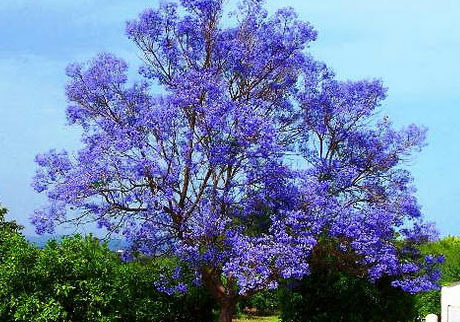
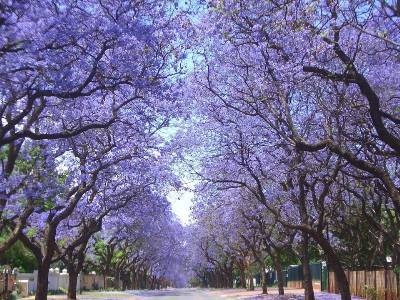
Jacaranda Tree
Used book in good condition, due to its age it could contain normal signs of use
250 pages, Mass Market Paperback
First published January 1, 1949
About the author
H.E. Bates
279 books201 followersHerbert Ernest Bates, CBE is widely recognised as one of the finest short story writers of his generation, with more than 20 story collections published in his lifetime. It should not be overlooked, however, that he also wrote some outstanding novels, starting with The Two Sisters through to A Moment in Time, with such works as Love For Lydia, Fair Stood the Wind for France and The Scarlet Sword earning high praise from the critics. His study of the Modern Short Story is considered one of the best ever written on the subject.
He was born in Rushden, Northamptonshire and was educated at Kettering Grammar School. After leaving school, he was briefly a newspaper reporter and a warehouse clerk, but his heart was always in writing and his dream to be able to make a living by his pen.
Many of his stories depict life in the rural Midlands of England, particularly his native Northamptonshire. Bates was partial to taking long midnight walks around the Northamptonshire countryside - and this often provided the inspiration for his stories. Bates was a great lover of the countryside and its people and this is exemplified in two volumes of essays entitled Through the Woods and Down the River.
In 1931, he married Madge Cox, his sweetheart from the next road in his native Rushden. They moved to the village of Little Chart in Kent and bought an old granary and this together with an acre of garden they converted into a home. It was in this phase of his life that he found the inspiration for the Larkins series of novels -The Darling Buds of May, A Breath of French Air, When the Green Woods Laugh, etc. - and the Uncle Silas tales. Not surprisingly, these highly successful novels inspired television series that were immensely popular.
His collection of stories written while serving in the RAF during World War II, best known by the title The Stories of Flying Officer X, but previously published as Something in the Air (a compilation of his two wartime collections under the pseudonym 'Flying Officer X' and titled The Greatest People in the World and How Sleep the Brave), deserve particular attention. By the end of the war he had achieved the rank of Squadron Leader.
Bates was influenced by Chekhov in particular, and his knowledge of the history of the short story is obvious from the famous study he produced on the subject. He also wrote his autobiography in three volumes (each delightfully illustrated) which were subsequently published in a one-volume Autobiography.
Bates was a keen and knowledgeable gardener and wrote numerous books on flowers. The Granary remained their home for the whole of their married life. After the death of H. E Bates, Madge moved to a bungalow, which had originally been a cow byre, next to the Granary. She died in 2004 at age 95. They raised two sons and two daughters.
primarily from Wikipedia, with additions by Keith Farnsworth
He was born in Rushden, Northamptonshire and was educated at Kettering Grammar School. After leaving school, he was briefly a newspaper reporter and a warehouse clerk, but his heart was always in writing and his dream to be able to make a living by his pen.
Many of his stories depict life in the rural Midlands of England, particularly his native Northamptonshire. Bates was partial to taking long midnight walks around the Northamptonshire countryside - and this often provided the inspiration for his stories. Bates was a great lover of the countryside and its people and this is exemplified in two volumes of essays entitled Through the Woods and Down the River.
In 1931, he married Madge Cox, his sweetheart from the next road in his native Rushden. They moved to the village of Little Chart in Kent and bought an old granary and this together with an acre of garden they converted into a home. It was in this phase of his life that he found the inspiration for the Larkins series of novels -The Darling Buds of May, A Breath of French Air, When the Green Woods Laugh, etc. - and the Uncle Silas tales. Not surprisingly, these highly successful novels inspired television series that were immensely popular.
His collection of stories written while serving in the RAF during World War II, best known by the title The Stories of Flying Officer X, but previously published as Something in the Air (a compilation of his two wartime collections under the pseudonym 'Flying Officer X' and titled The Greatest People in the World and How Sleep the Brave), deserve particular attention. By the end of the war he had achieved the rank of Squadron Leader.
Bates was influenced by Chekhov in particular, and his knowledge of the history of the short story is obvious from the famous study he produced on the subject. He also wrote his autobiography in three volumes (each delightfully illustrated) which were subsequently published in a one-volume Autobiography.
Bates was a keen and knowledgeable gardener and wrote numerous books on flowers. The Granary remained their home for the whole of their married life. After the death of H. E Bates, Madge moved to a bungalow, which had originally been a cow byre, next to the Granary. She died in 2004 at age 95. They raised two sons and two daughters.
primarily from Wikipedia, with additions by Keith Farnsworth
Ratings & Reviews
Friends & Following
Create a free account to discover what your friends think of this book!
Community Reviews
Displaying 1 - 30 of 50 reviews

March 18, 2021
لا يوجد أقوى من الحرب والخوف لاظهار الوجه الحقيقي للبعض، واختبار عواطفنا ومشاعر الانتماء الحقيقية
مجموعة متباينة من البريطانيين العالقين في بورما يقررون الفرار متأخرا بعد غزو اليابانيين للبلاد
تنشأ الخلافات بينهم، تطفو مشاعر الغيرة والاضطراب الكامنة في النفوس، وتظهر نماذج أخرى شديدة الانسانية، وأخرى تفضل البقاء في الوطن الذي قضوا بين جنباته معظم حياتهم عوضا عن الفرار إلى وطنهم الأصلي
الرواية كان يمكن أن تكون أفضل من ذلك، لم أفهم سبب تسميتها بشجرة الجاكاراندا، لم يكن هناك مغزى رمزي قوي وراء العنوان، الوصف كان جيدا في بعض أقسام الرواية، قليلا جدا ولا يشبع الفضول في أقسام أخرى، ولعل ذلك بسبب الترجمة المختصرة التي افقدت العمل الكثير من جاذبيته، حتى أننا نرى من حين لآخر قفزات في الأحداث تربك القارئ
رواية متوسطة المستوى على أي حال ربما ميزتها الفريدة أنها تقدم نماذج مختلفة من البشر بشكل مميز
مجموعة متباينة من البريطانيين العالقين في بورما يقررون الفرار متأخرا بعد غزو اليابانيين للبلاد
تنشأ الخلافات بينهم، تطفو مشاعر الغيرة والاضطراب الكامنة في النفوس، وتظهر نماذج أخرى شديدة الانسانية، وأخرى تفضل البقاء في الوطن الذي قضوا بين جنباته معظم حياتهم عوضا عن الفرار إلى وطنهم الأصلي
الرواية كان يمكن أن تكون أفضل من ذلك، لم أفهم سبب تسميتها بشجرة الجاكاراندا، لم يكن هناك مغزى رمزي قوي وراء العنوان، الوصف كان جيدا في بعض أقسام الرواية، قليلا جدا ولا يشبع الفضول في أقسام أخرى، ولعل ذلك بسبب الترجمة المختصرة التي افقدت العمل الكثير من جاذبيته، حتى أننا نرى من حين لآخر قفزات في الأحداث تربك القارئ
رواية متوسطة المستوى على أي حال ربما ميزتها الفريدة أنها تقدم نماذج مختلفة من البشر بشكل مميز

June 11, 2017
When the Japanese troops invade Burma during World War II, a group of British colonialists plan to escape to India. Paterson, the manager of a rice mill, organizes cars filled with people, tents, food, water, and gasoline. Two of the passengers are native Burmese--Paterson's mistress and her brother who cooks and does other chores. Paterson treats them both with a gentle affection, and they are loyal and uncomplaining.
A few of the British stop to offer medical aid to the Burmese. The other snobbish British passengers fight over unimportant things, feel very superior to the natives, and are generally unlikable. The women characters were portrayed too often as seductive, even one woman who was critically ill with a high fever. In addition to fearing the advancing Japanese, there are rumors of cholera, breakdowns of vehicles, crowded narrow roads, and more to add to the drama. The good descriptions show us the dirt, dust, and heat on the road as well as the colorful natural beauty of Burma. The interesting story captured the conflicts between people, and the danger faced by the fleeing expats. 3.5 stars.
A few of the British stop to offer medical aid to the Burmese. The other snobbish British passengers fight over unimportant things, feel very superior to the natives, and are generally unlikable. The women characters were portrayed too often as seductive, even one woman who was critically ill with a high fever. In addition to fearing the advancing Japanese, there are rumors of cholera, breakdowns of vehicles, crowded narrow roads, and more to add to the drama. The good descriptions show us the dirt, dust, and heat on the road as well as the colorful natural beauty of Burma. The interesting story captured the conflicts between people, and the danger faced by the fleeing expats. 3.5 stars.

April 15, 2024
Kind of the epitome of a three-star book. The Jacaranda Tree concerns British expats in Burma during WWII who are forced to evacuate when word comes of the Japanese invasion. A group of eleven people depart in two cars, on roads that are slow going, not least as they're shared by countless Burmese also evacuating, whether on foot, on carts, or pack animals. Their various petty grievances and prejudices slowly drive the group apart. Some will die, some will decide to go back to the village hospital and hold out there. The group is led by Paterson, the manager of a rice plantation, and includes two Burmese, a girl who is his mistress (which of course scandalizes the other Brits) and her younger brother.
This is well written and full of incident, and the characters mostly avoid becoming stereotypes. The best character arc is that of Mrs. Betteson, cowed by a domineering husband and mostly mocked by the other expats as "batty"--not without reason, as she does seem to be a few scones short of afternoon tea. But halfway into the book one of the cars, well, negotiates a cliff rather badly, and Mrs. Betteson finds an inner reserve to just get on with it. She doesn't become McGyver but just accepts what's happened and rationally sets about the task of staying alive. It's a surprising turn and great stuff.
The book never astonishes but remains engaging throughout. Bates has a genuine knack for sensory detail, in particular the colors and oppressive heat of Burma. Death is realistic, heroics never exaggerated, sentiment kept in check. The one nagging thing I couldn't shake concerns Paterson and the Burmese brother and sister. (Ages aren't specified but the girl is clearly a teenager and the boy probably around 12.) On the one hard Paterson is a good person--a minor flaw of the book is he sometimes appears too much Mr. Ideal Protagonist--and the only Brit who is never racist toward the Burmese. (His mistress being a teenager is never commented on, which is realistic though will land differently now than in 1949). But he calls the girl Nadia and the boy Tuesday (yes, I know). These are not their names. In addition they are given no inner life; the girl remains a cipher, and though you get passages from the boy's point of view, this rarely goes beyond hero worship of Paterson. I don't want to engage in twitter-thread-level moralizing, but the thing is there is genuine affection between these three characters. That's fine. But given that, wouldn't the brother and sister at some point say, Excuse me, my name isn't Nadia, it's X; my name isn't Tuesday, it's Y. But they never do. It's a blind spot on the part of Bates.
This is well written and full of incident, and the characters mostly avoid becoming stereotypes. The best character arc is that of Mrs. Betteson, cowed by a domineering husband and mostly mocked by the other expats as "batty"--not without reason, as she does seem to be a few scones short of afternoon tea. But halfway into the book one of the cars, well, negotiates a cliff rather badly, and Mrs. Betteson finds an inner reserve to just get on with it. She doesn't become McGyver but just accepts what's happened and rationally sets about the task of staying alive. It's a surprising turn and great stuff.
The book never astonishes but remains engaging throughout. Bates has a genuine knack for sensory detail, in particular the colors and oppressive heat of Burma. Death is realistic, heroics never exaggerated, sentiment kept in check. The one nagging thing I couldn't shake concerns Paterson and the Burmese brother and sister. (Ages aren't specified but the girl is clearly a teenager and the boy probably around 12.) On the one hard Paterson is a good person--a minor flaw of the book is he sometimes appears too much Mr. Ideal Protagonist--and the only Brit who is never racist toward the Burmese. (His mistress being a teenager is never commented on, which is realistic though will land differently now than in 1949). But he calls the girl Nadia and the boy Tuesday (yes, I know). These are not their names. In addition they are given no inner life; the girl remains a cipher, and though you get passages from the boy's point of view, this rarely goes beyond hero worship of Paterson. I don't want to engage in twitter-thread-level moralizing, but the thing is there is genuine affection between these three characters. That's fine. But given that, wouldn't the brother and sister at some point say, Excuse me, my name isn't Nadia, it's X; my name isn't Tuesday, it's Y. But they never do. It's a blind spot on the part of Bates.
August 24, 2023
فى الأوقات الفارقه و القرارات المصيريه التى تستوجب سرعة التنفيذ و التحرك كالهروب أو النزوح من الوطن مثلا ستذهلك حقيقة أن التقدم السريع لا يضمن النجاه و الصداره دائما فيصبح أحيانا هو عين الهلاك و مجلبة العار فى المستقبل القريب ! ، و أن الرجوع للوراء ليس دائما غباء فقد يكون هو عين العقل و كل الحكمه و أجمل صور الإنسانيه و الوفاء !
الأنانيون فى الحياه العاديه يفوزون كثيرا أما فى الحياه و الظروف الغير عاديه فلا يجنون من ثمار أنانيتهم سوا التهور و الطيش اللذان يسلمان الانسان بكل تأكيد لأغبى القرارات ..
الأشخاص الحساسون و ذو الضمائر و القلوب و إن بدوا لغيرهم فى العادى مجانين او أغبياء قد يصبحوا فى أقسى الظروف رموزا للشجاعه و الخير ، فالمتخلفين عن الركب المسعور و إن كانوا قد تخلفوا و ليس بحوزتهم سوا دراجه او نظاره بعدسه مكسوره او زى ممرضه و صندوق معدات طبيه فارغ تقريبا ! ، فى حدث كالحدث الذى تدور حوله قصتنا هم أبطال القصه و أبطال الحدث الحقيقيون
و الاشخاص الذين ولدوا بجينات القياده ليسوا كالمتكالبين عليها دون أدنى قدر من المقومات المطلوبه الفرق تماما كالفرق بين الموهبه و الاجتهاد دون موهبه ! و النوع الأول هو الذى يتقن فن إدارة الأزمات و إن أخفق بسبب قيادته لمجموعه من الحمقى ! أما النوع الثانى فمصيره و مصير من أتبعه مفروغ منه ..
معانى عظيمه فى هذه الروايه القصيره التى أفسدت ترجمتها المختصره جزءا كبير من متعتها و موهت معانيها
الأنانيون فى الحياه العاديه يفوزون كثيرا أما فى الحياه و الظروف الغير عاديه فلا يجنون من ثمار أنانيتهم سوا التهور و الطيش اللذان يسلمان الانسان بكل تأكيد لأغبى القرارات ..
الأشخاص الحساسون و ذو الضمائر و القلوب و إن بدوا لغيرهم فى العادى مجانين او أغبياء قد يصبحوا فى أقسى الظروف رموزا للشجاعه و الخير ، فالمتخلفين عن الركب المسعور و إن كانوا قد تخلفوا و ليس بحوزتهم سوا دراجه او نظاره بعدسه مكسوره او زى ممرضه و صندوق معدات طبيه فارغ تقريبا ! ، فى حدث كالحدث الذى تدور حوله قصتنا هم أبطال القصه و أبطال الحدث الحقيقيون
و الاشخاص الذين ولدوا بجينات القياده ليسوا كالمتكالبين عليها دون أدنى قدر من المقومات المطلوبه الفرق تماما كالفرق بين الموهبه و الاجتهاد دون موهبه ! و النوع الأول هو الذى يتقن فن إدارة الأزمات و إن أخفق بسبب قيادته لمجموعه من الحمقى ! أما النوع الثانى فمصيره و مصير من أتبعه مفروغ منه ..
معانى عظيمه فى هذه الروايه القصيره التى أفسدت ترجمتها المختصره جزءا كبير من متعتها و موهت معانيها

October 18, 2014
كان دافعى الأول لقراءة تلك الرواية
هو حبي لأجواء بورما خلال الحرب العالمية الثانية في رواية مدينة مثل أليس
تحكي الرواية عن
رواية لا بأس بها

May 19, 2020
شجرة الجاكاراندا..
وقت الحروب والأزمات والخطر تطغى على النفس مشاعر حُب الذات والأنانية.
تجد العنصرية هي سيدة الموقف، حيث أنا أفضل منك نظرًا لمكانتي ووضعي وعرقي.
أنا خير منك، ولذلك سأتركك في محنتك وألوذ بالفرار.
وتبقى القلة القليلة هي المحافظة على فطرتها السليمة، الفطرة المجبولة على مساعدة النفس والغير، منح العطاء للجميع وخاصة من هو محتاج.
ولكن من سينجو في الأخير؛ هذا ما ستجاوبك عليه شجرة الجاكاراندا.
يُعاب على الكاتب الإسهاب المُمل في تفاصيل المشاهد في الفصول الأولى. وربما يدفعك ذلك لترك الرواية.
ولكن مع التعمق في القراءة والتوغل داخل الفصول، ستفهم الهدف من ذلك.
سأقيمها بثلاثة نجوم.
__
2020
(29)
وقت الحروب والأزمات والخطر تطغى على النفس مشاعر حُب الذات والأنانية.
تجد العنصرية هي سيدة الموقف، حيث أنا أفضل منك نظرًا لمكانتي ووضعي وعرقي.
أنا خير منك، ولذلك سأتركك في محنتك وألوذ بالفرار.
وتبقى القلة القليلة هي المحافظة على فطرتها السليمة، الفطرة المجبولة على مساعدة النفس والغير، منح العطاء للجميع وخاصة من هو محتاج.
ولكن من سينجو في الأخير؛ هذا ما ستجاوبك عليه شجرة الجاكاراندا.
يُعاب على الكاتب الإسهاب المُمل في تفاصيل المشاهد في الفصول الأولى. وربما يدفعك ذلك لترك الرواية.
ولكن مع التعمق في القراءة والتوغل داخل الفصول، ستفهم الهدف من ذلك.
سأقيمها بثلاثة نجوم.
__
2020
(29)

April 1, 2014
لكتاب مترجم نسخة مكتبة الأسرة عام 1999 (سعرها كان 100 قرش = جنيه:) )
تأليف هربرت بيتس
ترجمة عبد الحميد فهمي الجمال
عدد الصفحات 340 صفحة من القطع الصغير
مستوى الترجمة سئ جدا ولذلك معظم المصوتين لها من العرب يعطونها تقييما ضعيفا والسبب الترجمة
أما الرواية فهي جيدة لكن إطالة المقدمة لا تجذب القارئ العربي دائما كقصص همنجواي
تحتاج لورقة لتسجيل الأبطال
جميلة من حيث الجملة ولوالنص الأجنبي متواجد لكان أفضل فهي من الكلاسيكيات
تأليف هربرت بيتس
ترجمة عبد الحميد فهمي الجمال
عدد الصفحات 340 صفحة من القطع الصغير
مستوى الترجمة سئ جدا ولذلك معظم المصوتين لها من العرب يعطونها تقييما ضعيفا والسبب الترجمة
أما الرواية فهي جيدة لكن إطالة المقدمة لا تجذب القارئ العربي دائما كقصص همنجواي
تحتاج لورقة لتسجيل الأبطال
جميلة من حيث الجملة ولوالنص الأجنبي متواجد لكان أفضل فهي من الكلاسيكيات

January 13, 2021
Bates’ 1949 novel combines the tension of civilians escaping the advancing Japanese in Burma in 1942 with some interesting character studies of ex-pat colonials. The last few chapters aren’t as consistently good as the earlier sections where rice-mill manager, Paterson, leads two cars, one with his young Burmese lover and her servant-brother, on the rough and dangerous road to India. Some characters are a little too stereotypical although not all survive and it is compelling and absorbing as illness, attitudes and the unseen enemy provide a real challenge
January 14, 2019
A surprising little gem. Bates showcases the spectrum of attitudes and crises of identity elicited by the Burmese colonial project. His style is taut, economical, humane and evocative without pretension. My first, but not last, read of this author.

January 26, 2017
لا مش عجبانى بجد
فضلت اقرا جزء كل كام يوم
لكن لا مش عارفة افهم هى بتتكلم عن الحرب ولا الطبقية
ولا الحب ولا الكذب ولا الرحلات ولا ايه ولا ايه
فضلت اقرا جزء كل كام يوم
لكن لا مش عارفة افهم هى بتتكلم عن الحرب ولا الطبقية
ولا الحب ولا الكذب ولا الرحلات ولا ايه ولا ايه
August 1, 2017
The escape from the Japanese is background; the real story is the relationships between those fleeing and the author captures the classic English superiority - warts and all.
August 29, 2026
A very interesting, controlled story that would be easy analysis for any class on colonialism, exploitation, racism, sexism and so on.

August 27, 2013
لقد أخذت مني هذه الرواية الكثير من الوقت لقراءتها , حيث انني عندما قمت بشرائها اكتفيت بوضعها في المكتبة و لم أقم بقرائتها الا بعد شرائها ب 6 سنوات. عندما تحليت بالصبر فالوراية مليئة بالاوصاف و التشبيهات , التي قد تجعلك تمل في البدايه و لكنه عندها تنتهي من الفصول الاولي و تبدأ الدخول في عمق الرواية تكتشف ان الروايه تستحق القراءة و الاقتناء.
----------------------------------------------------------------------
فقد أمضي ه.إ.بيتس جانبا من حياته الوظيفية ببورما و الشرق الاقصي, مما قد افادته خبرته العملية في الكتابة وجعلته ملما بوصف البلد و حياة الاوروبين في رواياته شجرة الجاكارندا .
الروايه عن مجموعه من الاوروبين يعملون في بورما وكيفية تعايشهم في هذا البلد البعيد في اقاصي الشرق مثل ذهابهم الي النوادي للسباحه هناك هروبا من اشعه الشمس الحارقه وعن أستخدامهم لسكان البلد للخدم في البيوت التي كانوا يعيشون فيها. و عندما بدأت الحرب (الحرب العالمية الثانيه) في الاشتداد في هذه المناطق .ودخول اليابانين بورما . قد جعل كل من في البلد يفر الي الهند خائفا علي حياته , حيث كان اليابانين لا يفرقون بين عسكري و مدني .فالروايه تحكي عن المغامرة التي قام بها مجموعة من الاوروبين و محاولة فرارهم من بورما الي الهند. الجدير بالذكر ان حالات الوفاه بين المهجرين كانت نتيجة للاعياء و الامراض و الاوبئة التي كانت منتشره نتيجه درجه الحرارة الشديدة وصعوبة الطرق وعدم وجود مساعدة .
ان الرواية تكشف المأساه الحقيقية لهؤلاء المهجرين وتركهم لبلادهم و أملاكهم من اجل الفوز بحياتهم .
________________________________________________________________
----------------------------------------------------------------------
فقد أمضي ه.إ.بيتس جانبا من حياته الوظيفية ببورما و الشرق الاقصي, مما قد افادته خبرته العملية في الكتابة وجعلته ملما بوصف البلد و حياة الاوروبين في رواياته شجرة الجاكارندا .
الروايه عن مجموعه من الاوروبين يعملون في بورما وكيفية تعايشهم في هذا البلد البعيد في اقاصي الشرق مثل ذهابهم الي النوادي للسباحه هناك هروبا من اشعه الشمس الحارقه وعن أستخدامهم لسكان البلد للخدم في البيوت التي كانوا يعيشون فيها. و عندما بدأت الحرب (الحرب العالمية الثانيه) في الاشتداد في هذه المناطق .ودخول اليابانين بورما . قد جعل كل من في البلد يفر الي الهند خائفا علي حياته , حيث كان اليابانين لا يفرقون بين عسكري و مدني .فالروايه تحكي عن المغامرة التي قام بها مجموعة من الاوروبين و محاولة فرارهم من بورما الي الهند. الجدير بالذكر ان حالات الوفاه بين المهجرين كانت نتيجة للاعياء و الامراض و الاوبئة التي كانت منتشره نتيجه درجه الحرارة الشديدة وصعوبة الطرق وعدم وجود مساعدة .
ان الرواية تكشف المأساه الحقيقية لهؤلاء المهجرين وتركهم لبلادهم و أملاكهم من اجل الفوز بحياتهم .
________________________________________________________________

February 17, 2021
The book was written in 1949 and set at the beginning of the second world war, but as I read it the headlines kept coming in about the coup in Myanmar and I couldn't help but wonder how much of the problems that that country is now experiencing is due to their history of occupation and repression by the British and then the Japanese. As you would expect from its date and author, it is written from the perspective of the colonists. The two local people in the group are not presented as being the equals of their British, though having said that the British are on the whole presented pretty negatively as well, with the exception of Paterson, a 'normal man'. The narrative is gripping, well told, and I'm sure gives a flavour of what it was like to be a colonialist fleeing the country at that time. The characters are interesting and how they respond (sometimes flowering, sometimes withering) in response to their change in circumstances is very nicely done. Definitely worth reading.

March 21, 2015
The story written in 1949, describes the escape of a small group of British and Burmese civilians from the invading Japanese during WW2, and seems perfect material for one of those British 1950s war films, showing the British temperment when facing total war - courage, resilience, snobbery, the perpetuation of the class system and petty rivalries even with the threat of a demanding landscape and a brutal enemy closing in on them. As far as I know it never made the silver screen but you can have fun slotting actors of the time into the different characters.
The writer captures the vivid Burmese country, its taste and smell, its appalling heat and humidity from his own personal experience and involves the reader in the hopes and fears of the escapees, urging them on to safety. Will this be a happy heroic ending or will it end in tragedy?
The writer captures the vivid Burmese country, its taste and smell, its appalling heat and humidity from his own personal experience and involves the reader in the hopes and fears of the escapees, urging them on to safety. Will this be a happy heroic ending or will it end in tragedy?

October 5, 2015
كاتب انجليزي يتحدث عن الحرب العالمية.. ما الذي ننتظر منه؟
آه طبعا.. حديث عن معاناة الإنجليز من ويلات هذه الحرب!
لا أحب أدب الحروب فكل شخص يكتب عنه لابد و أن يظهر بلده و كأنها البلد الضحية و أن شعبه هو الشعب الطيب الخير و العدو هو تجسيد للشيطان على الأرض!
و الكاتب هنا لا يختلف كثيرا عن هذا..
القصة عن مجموعة انجليز تهرب من بورما أثناء اجتياح اليابانيين لها..
لم أشعر بأي تعاطف مع أي شخصية من القصة..
لم أجد أي أحداث في القصة..
الجميع يركب السيارة..
الجميلع ينزل من السيارة..
الجميع يركب السيارة..
الجميع ينزل من السيارة..
و هكذا!
لم أستطع إكمالها من الملل..
آه طبعا.. حديث عن معاناة الإنجليز من ويلات هذه الحرب!
لا أحب أدب الحروب فكل شخص يكتب عنه لابد و أن يظهر بلده و كأنها البلد الضحية و أن شعبه هو الشعب الطيب الخير و العدو هو تجسيد للشيطان على الأرض!
و الكاتب هنا لا يختلف كثيرا عن هذا..
القصة عن مجموعة انجليز تهرب من بورما أثناء اجتياح اليابانيين لها..
لم أشعر بأي تعاطف مع أي شخصية من القصة..
لم أجد أي أحداث في القصة..
الجميع يركب السيارة..
الجميلع ينزل من السيارة..
الجميع يركب السيارة..
الجميع ينزل من السيارة..
و هكذا!
لم أستطع إكمالها من الملل..

October 13, 2010
Excellent book. I had read other HE BAtes stories before; a favourite was The Purple Plain. This story, like that is also set in Burma during WWII. The plot involves a group of British people trying to escape from Burma in the face of a Japanese invasion and the personality clashes that result from their previous relationships and the close quarters in which they find themselves. Well-written, engrossing, an excellent story. I highly recommend.
August 12, 2011
As with all his books, you can taste, see and smell the setting.
July 17, 2026
4.5 stars. Clearly a very versatile author. he is best known for the slightly idealised bucolic charm of "The Darling Buds Of May", which was a return to the style of his earliest writing, but during WWII he wrote propaganda stories about dashing RAF airmen. After the war he wrote several novels inspired by his own experiences in the East, including this one, about refugees fleeing from the Japanese invasion of Burma.
Paterson, the young manager of a rice mill, organises a motley band of British colonial types, together with an Anglo-Burmese nurse and his own Burmese mistress and her younger brother, and sets off in two cars on the long dusty road to India. The ill-assorted band almost immediately begin to fall out as old quarrels, snobbery, sexual and occupational jealousies, and toxic racial and class attitudes rear their ugly heads. And that's without the rigours of the journey itself, the climate, disease, and primitive roads already crowded with their fellow-refugees.
The narration switches cleverly between several members of the cast, so we get different perspectives on the terrible ordeal coloured by the (mis)perceptions and prejudices of each character. The characters are skilfully-penned and feel realistically human.
Faults ? The novel was written in 1949, and some of the attitudes and language are "of their time" - although actually racial and colonial prejudices and misogyny are usually being held up to ridicule, some of them can feel uncomfortable to a modern reader.
A very good read.
Paterson, the young manager of a rice mill, organises a motley band of British colonial types, together with an Anglo-Burmese nurse and his own Burmese mistress and her younger brother, and sets off in two cars on the long dusty road to India. The ill-assorted band almost immediately begin to fall out as old quarrels, snobbery, sexual and occupational jealousies, and toxic racial and class attitudes rear their ugly heads. And that's without the rigours of the journey itself, the climate, disease, and primitive roads already crowded with their fellow-refugees.
The narration switches cleverly between several members of the cast, so we get different perspectives on the terrible ordeal coloured by the (mis)perceptions and prejudices of each character. The characters are skilfully-penned and feel realistically human.
Faults ? The novel was written in 1949, and some of the attitudes and language are "of their time" - although actually racial and colonial prejudices and misogyny are usually being held up to ridicule, some of them can feel uncomfortable to a modern reader.
A very good read.
March 5, 2023
Vivid in its description of place and character, the storytelling also captures the descent from stability to chaos in prose that loses focus and clarity. Like the characters lost along the journey, by the end of the novel its sentences are feverish and the action almost insensible.
The Japanese are approaching and the British are fleeing Burma, bicycles and all. The writing captures a sense of place beautifully. The fussing British are as frustrating to the reader as they are to the mission's leader (while he himself is also frustrating, it must be said). The baffling choices of some characters are perhaps more understandable to the reader than to the Burmese boy travelling at the request of his British employer, much to the consternation of the assembled colonials.
It's not an all-enlightened tale for modern audiences, but this holds up well for its time. Prejudices are depicted as ugly, women as capable - and worthy - of agency, and for all the focus on the white bloke in charge, the story is told more frequently through the eyes of his Burmese servant, depicted with as much complexity and humanity as any of the white characters in the cast.
Nothing here is as simple as good or bad, right or wrong, fair or unfair. It never strays into neatness in either character or narrative. But for a depiction of a moment in history, capturing the panicked atmosphere of war and the beauty and brutality of place, this is an excellent read.
The Japanese are approaching and the British are fleeing Burma, bicycles and all. The writing captures a sense of place beautifully. The fussing British are as frustrating to the reader as they are to the mission's leader (while he himself is also frustrating, it must be said). The baffling choices of some characters are perhaps more understandable to the reader than to the Burmese boy travelling at the request of his British employer, much to the consternation of the assembled colonials.
It's not an all-enlightened tale for modern audiences, but this holds up well for its time. Prejudices are depicted as ugly, women as capable - and worthy - of agency, and for all the focus on the white bloke in charge, the story is told more frequently through the eyes of his Burmese servant, depicted with as much complexity and humanity as any of the white characters in the cast.
Nothing here is as simple as good or bad, right or wrong, fair or unfair. It never strays into neatness in either character or narrative. But for a depiction of a moment in history, capturing the panicked atmosphere of war and the beauty and brutality of place, this is an excellent read.
This entire review has been hidden because of spoilers.
April 17, 2024
Whilst I enjoyed this book immensely, I did think it was very tiresome being reminded of the heat and yellow dust on just about every page, just in case I should forget it was hot and dusty! Low and behold, I just picked up another book set in Burma during the WWII era by H.E. Bates and guess what? On the first page the protagonist, Forrester, harps on about the yellow dust and heat. H.E. Bates: I get it! Oddly enough, I did wonder on a couple of occasions during my read if H.E. Bates had ever been to Burma due to his over-emphasising a few facts about Burma.
Nonetheless, the self-appointed superiority of the English invaders over the natives was familiar and you couldn't help but to despise most of them (apart from Mrs Betteson, who turned out to be an anti-heroine) but it occurred to me that Paterson himself may have indulged in exploitation of the disadvantaged natives himself nor is there any indication of Nadia's age.
I did like Forrester's compassion for his band of misguided English ex-pats, he had a surplus of patience and an impressionable skill of ignoring their constant petty complaints. I was somewhat confused at the end as to whether Paterson was dying or simply suffering extreme exhaustion. All in all, I did enjoy the read and found it hard to put down until I'd finished. I think it would make a good film.
Nonetheless, the self-appointed superiority of the English invaders over the natives was familiar and you couldn't help but to despise most of them (apart from Mrs Betteson, who turned out to be an anti-heroine) but it occurred to me that Paterson himself may have indulged in exploitation of the disadvantaged natives himself nor is there any indication of Nadia's age.
I did like Forrester's compassion for his band of misguided English ex-pats, he had a surplus of patience and an impressionable skill of ignoring their constant petty complaints. I was somewhat confused at the end as to whether Paterson was dying or simply suffering extreme exhaustion. All in all, I did enjoy the read and found it hard to put down until I'd finished. I think it would make a good film.

May 6, 2017
Lovely writing and a very easy to read tale about a group of English expats fleeing Burma to escape the Japanese invasion. This book isn't really abut the war but about the characters and their experiences and prejudices. The descriptions of the country were wonderful particularly with the author's use of colours. The plot was pacey with plenty of twists and turns. Not all of the people who set out on the journey make it to the end...and as some of the characters were very unlikeable it wasn't always a blow when they met their ultimate fate! The only downside to this book was the way the author wrote about the female characters. There were altogether too many scenes in incongruous places where the women in question were suggestively manoeuvring their clothes or where their blouse or nightdress became 'taut across their breasts'. There was even a scene where, in illness and delirium, a female character was still almost desperate for male attention. It struck me that the writer didn't know women particularly well, or perhaps that was just a product of the time. Overall though a very enjoyable book that was difficult to put down.

May 16, 2017
Jacaranda trees are not native to South-East Asia, but they can be found all over the formerly British bits; the British themselves left, and left behind their legacy.
This novel is about a group of British people who are attempting to leave Burma for India as the Japanese invade during WWII. The main character is Paterson, the manager of a rice mill, supported by his young Burmese mistress and her even younger brother. Paterson is generally well-organised and efficient, with their help. The other British and European characters are variously old-fashioned, snobbish, racist, unpleasant, inefficient or unimaginative; Burma would be better off without them.
This is an enjoyable and well-written novel, with some excellent descriptions. The story is quite predictable, but still worth reading.
This novel is about a group of British people who are attempting to leave Burma for India as the Japanese invade during WWII. The main character is Paterson, the manager of a rice mill, supported by his young Burmese mistress and her even younger brother. Paterson is generally well-organised and efficient, with their help. The other British and European characters are variously old-fashioned, snobbish, racist, unpleasant, inefficient or unimaginative; Burma would be better off without them.
This is an enjoyable and well-written novel, with some excellent descriptions. The story is quite predictable, but still worth reading.

June 1, 2019
A book very much of its time, but the main character Mr Paterson does represent a change in attitudes to people of other cultures. Although the Burmese boy and his sister still have a less than equal relationship with him, this is shown as largely due to the way society at the time perceive their roles. Paterson himself treats them as more important than his ex-pat acquaintances. First you have to get over the opening paragraph which describes the boy in very racist terms. I thought this was going to be the writer’s view, but quickly came to feel that he was simply showing us the attitude of many of his peers. Worth reading to get insight into the era.

April 19, 2021
This is a scathing commentary on British colonial attitudes. I found it difficult to find a character that I could relate to. This dreadful idea that all Asian peoples (this is set in Burma) are only civilised by the advent of British peoples, culture and work ethic is really distasteful. This is of course the point that Bates is making, as these people run away from the invading Japanese army in 1942. The portrayal of the women was a little weird-they all seemed to be constantly ready for sexual liaisons, mostly with the main character, Paterson. However what the story does show is the absolute horror that total war visits on civilians, and always has.

August 3, 2018
Whilst it was easy to engage with many of the characters in this book - who showed a cross-section of British colonists in Burma, their attitudes and focused on Mr Patterson and his Burmese boy and consort - this was the main interest of the book. The story unfortunately was not as good as the synopsis suggested, the war always seems ovoer the horizon, nothing greatly exciting happens and I don't feel that the story really reached a satisfactory close.
I nearly gave up a third of the way through and kind of wish I had.
I nearly gave up a third of the way through and kind of wish I had.
June 30, 2026
This is a gem of a book and very far sighted in 1949. It starts with an Englishman bossing around two Burmese and ends with the two Burmese in complete control of him. The world turns.
The Brits who have not integrated at all soon perish. The ones who stand out as different prosper (shades of Field Marshal Slim) and the Eurasian nurse comes into her own.
Fatalism is a theme throughout. No Japs ever appear and British soldiers only appear at the very end.
The Brits who have not integrated at all soon perish. The ones who stand out as different prosper (shades of Field Marshal Slim) and the Eurasian nurse comes into her own.
Fatalism is a theme throughout. No Japs ever appear and British soldiers only appear at the very end.

July 9, 2017
Just dull. It's hard to care for this group of British, Burmese and Eurasian people fleeing ahead of the Japanese invasion. What you've got is pretty much stock characters, like the stalwart Major who cycles back to die gallantly next to the nurses who refused to evacuate. Nothing like "Empire of the Sun" or "Four Frightened People".

September 7, 2018
رواية قصتها جميلة و شيقة لكن توجد بعض الاحداث طويلة بشكل مبالغ فيه تتحدث عن تلات عاءلات انجليزية كانوا يعيشون في بورما ووعندما بدأت الحرب العالمية الثانية و دخول الجيش اليابانى الحرب و المذابح التى ترتكب قرر باترسون الهرب هو و بتسون و زوجته و بورتمان و زوجته و ماك ناءيرن و ابنتها الهرب الا ان العديد و الصعوبات واجهتهم اثناء هروبهم .

July 16, 2020
The historical background was appreciated but should have contained so much more to make it an enjoyable read.
"A lánynak aztán rajta kívül senkije és semmije nincsen. S most egy pillanatra összehasonlította őt az európaiakkal, akik lent várnak az udvaron, a birtoklás tudatával holmikat szorongatnak a kezükben, s olyan dolgok birtoklására vágynak, amelyek nem adattak meg nekik..."
"A lánynak aztán rajta kívül senkije és semmije nincsen. S most egy pillanatra összehasonlította őt az európaiakkal, akik lent várnak az udvaron, a birtoklás tudatával holmikat szorongatnak a kezükben, s olyan dolgok birtoklására vágynak, amelyek nem adattak meg nekik..."
Displaying 1 - 30 of 50 reviews