Il faut cesser de disjoindre Nature et Culture : la clé de la culture est dans notre nature et la clé de notre nature est dans la culture.Il faut cesser de réduire l'homme à l'homo faber et l'homo sapiens. Homo, qui apporte au monde magie, mythe, délire, est doué à la fois de raison et de déraison : sapiens-demens. Au-delà d'une conception étroite et fermée de la vie (biologisme), d'une conception insulaire et sur-naturelle de l'homme (anthropologisme), d'un concept ignorant la vie et l'individu (sociologisme), il faut concevoir l'homme comme espèce, société, individu.Edgar MorinDirecteur de recherche émérite au CNRS, est docteur honoris causa de nombreuses universités à travers le monde. Son travail exerce une forte influence sur la réflexion contemporaine, notamment dans le monde méditerranéen, en Amérique latine, et jusqu'en Chine, en Corée et au Japon.
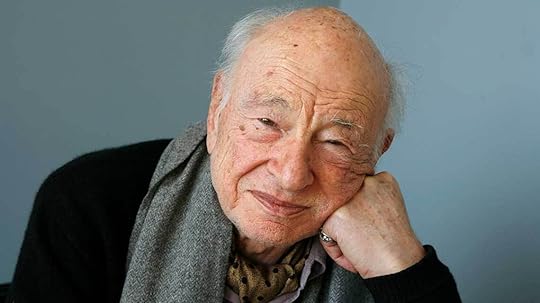
Edgar Morin (born Edgar Nahoum) is a French philosopher and sociologist who has been internationally recognized for his work on complexity and "complex thought," and for his scholarly contributions to such diverse fields as media studies, politics, sociology, visual anthropology, ecology, education, and systems biology. He holds degrees in history, economics, and law. Though less well known in the United States due to the limited availability of English translations of his over 60 books, Morin is renowned in the French-speaking world, Europe, and Latin America.
At the beginning of the 20th century, Morin's family migrated from the Greek town of Salonica to Marseille and later to Paris, where Edgar was born. He first became tied to socialism in connection with the Popular Front and the Spanish Republican Government during the Spanish Civil War.
When the Germans invaded France in 1940, Edgar fled to Toulouse, where he assisted refugees and committed himself to Marxist socialism. As a member of the French Resistance he adopted the pseudonym Morin, which he would use for the rest of his life. He joined the French Communist Party in 1941. In 1945, Morin married Violette Chapellaubeau and they lived in Landau, where he served as a Lieutenant in the French Occupation army in Germany.
In 1946, he returned to Paris and gave up his military career to pursue his activities with the Communist party. Due to his critical posture, his relationship with the party gradually deteriorated until he was expelled in 1951 after he published an article in Le Nouvel Observateur. In the same year, he was admitted to the National Center of Scientific Research (CNRS).
Morin founded and directed the magazine Arguments (1954–1962). In 1959 his book Autocritique was published.
In 1960, Morin travelled extensively in Latin America, visiting Brazil, Chile, Bolivia, Peru and Mexico.He returned to France where he published L'Esprit du Temps.
That same year, French sociologist Georges Friedmann brought him and Roland Barthes together to create a Centre for the Study of Mass Communication that, after several name-changes, became the Edgar Morin Centre of the EHESS, Paris.
Beginning in 1965, Morin became involved in a large multidisciplinary project, financed by the Délégation Générale à la Recherche Scientifique et Technologique in Plozévet.
In 1968, Morin replaced Henri Lefebvre at the University of Nanterre. He became involved in the student revolts that began to emerge in France. In May 1968, he wrote a series of articles for Le Monde that tried to understand what he called "The Student Commune." He followed the student revolt closely and wrote a second series of articles in Le Monde called "The Revolution without a Face," as well as co-authoring Mai 68: La brèche with Cornelius Castoriadis and Claude Lefort.
In 1969, Morin spent a year at the Salk Institute for Biological Studies in La Jolla, California.
In 1983, he published De la nature de l’URSS, which deepened his analysis of Soviet communism and anticipated the Perestroika of Mikhail Gorbachev.
Morin was married to Johanne Harrelle, with whom he lived for 15 years.
In 2002, Morin participated in the creation of the International Ethical, Scientific and Political Collegium.
In addition to being the UNESCO Chair of Complex Thought, Morin is known as a founder of transdisciplinarity and holds honorary doctorates in a variety of social science fields from 21 universities (Messina, Geneva, Milan, Bergamo, Thessaloniki, La Paz, Odense, Perugia, Cosenza, Palermo, Nuevo León, Université de Laval à Québec, Brussels, Barcelona, Guadalajara, Valencia, Vera Cruz, Santiago, the Catholic University of Porto Alegre, the Universidade Federal do Rio Grande do Norte, and Candido Mendes University Rio de Janeiro.
The University of Messina in Sicily, Ricardo Palma University in Lima, and the Centre National de la Recherche Scientifique (CNRS), the French National Research Center in
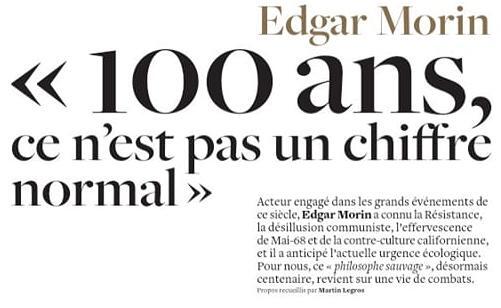
I couldn't avoid noticing he became 100 years old, since last summer. UNESCO gave him a celebration. Media in France didn't forget him, as well, especially TV.
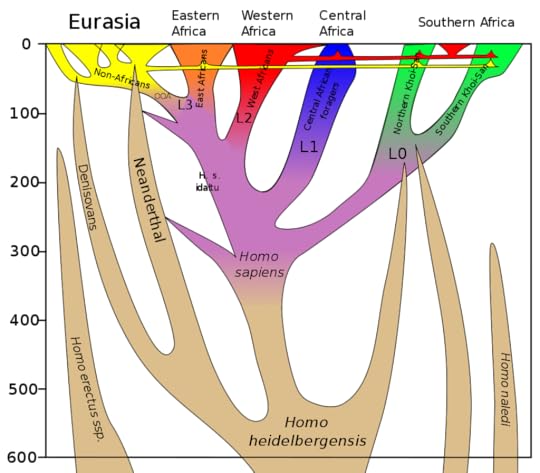
The fact that the book doesn't mention Denisovans, or humans interbreeding with Neanderthals, makes the book a bit outdated. It's lacking, clearly, the genetic perspective. DNA from Denisovans or Neanderthals would make things/interpretations different.
Besides, some parts of the book are highly speculative (regarding the psychology of Sapiens and other hominids), because the only things we've got are bones, some wall paintings, and a few artifacts. There's also a Marxist bias, in certain readings.
Nonetheless, a nice try Monsieur Morin, uncovering the "human nature".
Morin, antropólogo, sociólogo e filósofo francês, principal teórico da Complexidade, pretende dissolver tanto o "antropologismo" como o " biologismo" - ambas as correntes isolam o Homem: ora colocando-o num pedestal em apologia ao ser racional emancipado da Natureza através da Cultura (antropologismo), ora referindo-se a ele como ser totalmente regido pelo determinismo genético (biologismo). O Homem resulta sim de uma pluralidade de relações, da praxis de quatro pólos principais: Ecossistema, sistema genético, cérebro e cultura-sociedade. Exploram-se as estruturas de organização social primáticas, a importância das pressões ambientais, do bipedismo e do "inacabamento humano" e o prolongamento da infância (neotenia), no desenvolvimento do poderoso cérebro do Sapiens sujeito precocemente aos estímulos ambientais; A paleossociedade (que contava com algumas dezenas de indivíduos) dá lugar à " arqui-socidade" (relacionava várias dezenas, numa maior complexidade cultural) onde há a emergência do mito, religião e sacralização da cultura; Aprofunda-se a relação espécie-sociedade-individuo, a consciência, e por fim o aparecimento das primeiras sociedades históricas. Analisa-se o excesso (ubris) que germinou no complexo cérebro do Homo sapiens, e a desordem e a loucura como condições indissociáveis do progresso, criatividade, invenção, da complexidade, mas no entanto concomitantes com desregulamentos que levam às neuroses e possíveis regressões, desvios falhados num dado sistema social. Edgar Morin, em suma, defende uma antropologia aberta, multidimensional, que não separa o Homem da Natureza e que resulta da interação entre vários factores. "O Homem verdadeiro", genérico, capaz de explorar todo o seu potencial, resultará da dialéctica "sapiens-demens", ou seja, de uma regulação entre a razão e a demência, no equilíbrio/autoregulação do seu cérebro triúnico - paleocéfalo (herança reptilínea- instintos primitivos como a predação), mesocéfalo (componente afectiva típica dos mamíferos) e neocéfalo (exclusivamente humano, cerne do universo noologico - das ideias, da lógica.) A teoria do Homem, a " Scienza nuova", ainda não surgiu, mas mesmo esta teoria que almeja quebrar com as barreiras reducionistas, estará condenada a manter-se aberta a novas teorias, novos ajustes, porque a brecha é sempre infinita no que toca ao conhecimento humano. Afinal, o Sapiens " tapa constantemente a brecha com a mitologia e a ideologia" e haverá sempre proposições indecidíveis. - " e isto abre infinitamente a aventura espiritual: o cérebro humano necessita do ecossistema, da cultura, da sociedade, da praxis, para estabelecer as suas verdades."
" A ciência não está nos seus últimos desenvolvimentos, mas sim no recomeço. Ela não traz a verdade em relação aos dogmas religiosos, metafísicos, ou políticos: ainda não resolveu os seus problemas elementares de verdade, de ética, de ligação com as finalidades sociais. Ela gagueja e balbucia, logo que sai das suas equações que manipulam poderes formidáveis. Nós estamos no começo do conhecimento. Estamos igualmente, como já repetimos bastantes vezes, no começo da consciência. Por fim, não estamos no momento de um possível desabrochamento das sociedades históricas, mas no prenúncio de uma verdadeira hipercomplexidade social. (...) A plena consciência da incerteza, do acaso, da tragédia, em todas as coisas humanas está longe de me ter levado ao desespero. Pelo contrário, é saudável trocar a segurança mental pelo risco visto que também se ganha a sorte. As verdades polifónicas da complexidade exaltam, como me compreenderão aqueles que como eu, asfixiam no pensamento fechado, na ciência fechada, nas verdades limitadas, amputadas, arrogantes. É saudável uma pessoa arrancar-se para sempre à palavra à mestra que explica tudo, à litania que pretende resolver tudo. Por fim, é saudável considerar o mundo, a vida, o homem, o conhecimento, a acção, como sistemas abertos. A abertura, brecha sobre o insondável e o nada, ferida original do nosso espírito e da nossa vida, também é a boca sequiosa e esfomeada pela qual o nosso espírito e a nossa vida desejam, respiram, se dessedentam, comem, bebem."
Fundamental para entender o comportamento do ser humano enquanto animal social. Partindo de estudos antropológicos explica uma grande parte da nossa estrutura social tradicional, desde o núcleo familiar até às tribos. Um dos ideólogos do Maio de 68, acabou por desiludir os seus camaradas com teses que o afastaram das teorias sociais colectivistas.
İnsanın varoluşunun biyoloji, antropoloji, ekoloji, sosyoloji.. disiplerin harmonosi ile açıklamaya çalışan, antrapolojiyi kapalı bir disiplin olmaktan kurtarmaya çalışan, çağrıda bulunan, disiplinler arası etkileşimin ve gelişimin insan doğasına ne tür etkileri tetiklediği incelemiştir... İncelemeleri, teorileri ufuk açıcı olduğunu rahatlıkla dile getirebilirim. Örnek olarak. "Gençleşme, türün genetik doğasında tutun da kültürün sosyal doğasına ve bireyin akli ve duygusal doğasına kadar her boyutuyla beyin oluşum sürecine sıkı sıkıya bağlı, hem genel, hem çoğul bir süreçtir." Edgar Morin
Edgar Morin tarihsel bağlamda insanın ve insanlığın düşünce, düşünsel, zihinsel ve kültürel bağlamsal gelişim ve geçişlerinde beni aydınlatıyor.. Sezgilerimi, tespitlerimi ifade etmeme yardımcı oluyor.. Göbekli tepedeki yerleşik hayat düzenine geçişin dinden ziyade asli nedeni ölüm inancı ve ritüelleri. Mezarların ev odalarının içine gömülmesinin asli nedeni "ölünün canlılarla aynı ihtiyaçlara sahip cismani bir ruh formunda hayatını sürdüğü inancını akla getiriyor."* Göbekli tepedeki taşların dizilimi spiral şeklindedir. Yani bu şekil Spiritüalizme yelken açmaktadır. Yeniden doğuşa, ölümlüye eşlik etme, yeniden doğuşa zemin hazırlama.. Bu mit ve büyü hakimdir Göbekli Tepe'de. En azından ben böyle düşünüyorum.
Malgré la façon un peu rétrograde dont il parle des femmes, ce livre est extrêmement intéressant. Il utilise beaucoup un concept que j'adore, celui de l'entropie; même si des fois c'est ennuyeux, il explique le processus humain très bien.
Un po' barboso in certi tratti, spesso Morin si ripete e scrive in maniera eccessivamente contorta. Questo il motivo per cui ho dato 4 stelle e non cinque. Per il resto è un ottimo libro di introduzione al paradigma della complessità. Non lo consiglierei a chiunque perché comunque è piuttosto tecnico e difficile, però vale la pena soprattutto se si studia filosofia/antropologia/sociologia imo. Adorato la parte sulla breccia tra cervello umano e ambiente, che si tenta di riempire attraverso i miti, i riti, la magia, la religione e le teorie razionalizzatrici. Ho trovato questa associazione del razionalismo della religione come "due facce della stessa soluzione nevrotica" all'angoscia umana come una mossa geniale, che ho dovuto riconoscere realistica. Good job Morin!! In certi punti, a true poet
İlk baskısı 1973 yılında yapılmış. Kitabın temel vurgusu; biyolojik evrim ve kültürel evrimin, bütünsel insanlaşma olgusunun ayrılmaz iki boyutu olduğu. #yitikparadigmainsandoğası insan, toplum ve doğa üzerine düşünmek isteyenler için bir esin kaynağı. #edgarmorin
Un libro davvero interessante, polivalente, arricchente. Conoscevo già Morin, padre del pensiero della complessità. Questo testo si inserisce pienamente in tale pensiero, ed anzi si pone agli albori di quest'ultimo. Esso è il tentativo di fondare su basi complesse l'antropologia, la sociologia, la biologia, in una parola: lo studio dell'essere umano. In tale ricerca Morin cerca di restituire una visione polifonica e policentrica dell'umanità, contraddistinta dalla doppiezza insolubile sapiens-demens. Egli ripercorre tutta la catena dell'evoluzione umana dalle scimmie antropomorfe a Homo sapiens mostrando la profonda interrelazione di vare sfere e fenomeni, quali la cerebralizzazione, l'ecosistema, il codice genetico, la cultura, la società, la prassi umana.
Devo dire che il libro è, come sempre quando si legge Morin, coinvolgente e a tratti appassionante. Tuttavia, mi duole rimarcare che qui l'autore indugia, esagerando forse, con neologismi e termini inutilmente complicati (non complessi), spesso non specificandoli o chiarendoli, il che rende la lettura a volte snervante e frustrante. Al di là di ciò, si tratta di un ottimo saggio che tratta di antropologia, sociologia, primatologia, biologia, evoluzionismo, filosofia, epistemologia e molto altro ancora, in una prospettiva che mette in correlazione le varie discipline, leitmotiv fulcro del pensiero del sociologo francese.
Edgar Morin’in kitabı, hepimizin zaman zaman yanlışlıkla da olsa içine düştüğü, insan doğasıyla ilgili iddialı genellemelerimizin (‘erkeğin doğası çokeşlidir,’ ‘dişi kuş yuvayı yapar’ gibi...) karşısına oturan Freudiyen veya Marksist ‘koşullayan doğa ya da kültür’ gibi diğer uçlarda genellemeleri her kullandığımızda içimizden geçen, ‘önemli bir eksiklik var bu söylediğimin, ama...’ diyen o hissi ele alıp, muhteşem bir ‘ara- ‘ ama, ‘üst-ara’ teorik altyapıyla cevaplamaya yönelik bir gelecekbilimi çerçevesi öngörüyor. 70’lerin sonlarında yazılmış bu kitabı takibeden eserlerini okumadım Morin’in, ama günümüzde hala aykırı bulunan Nassim Nicholas Taleb’le benzerliği düşünülürse (ki bence Taleb, Morin’e atıfta bulunmasa bile, ona bir hayli borçlu) muhtemelen günümüzde halen önemli ve henüz projesinin tamamlandığını görmemiş bir paradigma yaratmış Morin... belki de ya çağının çok ötesinde olduğundan, ya da tamamıyla palavra olduğundan (!) hakettiği yankıyı görmemiş, vagonları hala nispeten boş, tek kelimeyle nefeskesici bir felsefe lokomotifi...
ilk baskısı 1973'te Fransızca olan kitabın 2017 tarihli 3. baskısını Türkçe olarak okudum. insan, hayvan, doğa ve kültür ilişkilerini doğal ve kültürel tarih içerisinde boyutlandırarak zengin bir okuma deneyimi sunuyor.
Ama kitabın terimsel ve akademik dili anlaşılırlık açısından kimi okuyucuya hitap ediyor; yani, Yuval Noah Harari'nin "Hayvanlardan Tanrılara Sapiens"i gibi genel okuyucuya hitap edebilecek bir dile dolayısıyla popülerliğe sahip değil.
Studiato per un esame (etica della comunicazione), interessante soprattutto il paragrafo sugli Scimpanzé ma nonostante sia un grande studioso Morin risulta altezzoso.
Hesitei bastante entre as quatro estrelas que atribuí e as três estrelas. Gostei bastante do livro, o senhor Morin tem uma escrita simples, apelativa e elucidativa, mas demorei tanto tempo a ler este livro que ponderei atribuir uma pontuação mais baixa para me obrigar a relê-lo com mais atenção. Foi aí que me apercebi que não podia fazer isso por esse preciso motivo. Gostei do livro e fiquei com vontade de o reler com mais atenção e, quem sabe, dar-lhe uma pontuação ainda mais elevada. Até breve, senhor Morin.
Rejeitando o biologismo e o antropologismo, Morin integra o homem à sua biologia e também sua cultura, única maneira de se chegar a uma compreensão da natureza humana, a qual não está estritamente ligada à genética, mas depende igualmente do social.
"Para se conhecer o ser humano, é preciso estudar áreas do conhecimento como as ciências sociais, a biologia, a psicologia. Mas a literatura e as artes também são um meio de conhecimento. (...) Literatura e artes não podem ser tratadas no currículo escolar como conhecimento secundário."