

What do you think?

Stampede: Gold Fever and Disaster in the Klondike
A gripping and wholly original account of the epic human tragedy that was the great Klondike Gold Rush of 1897-98. One hundred thousand men and women rushed heedlessly north to make their fortunes; very few did, but many thousands of them died in the attempt.
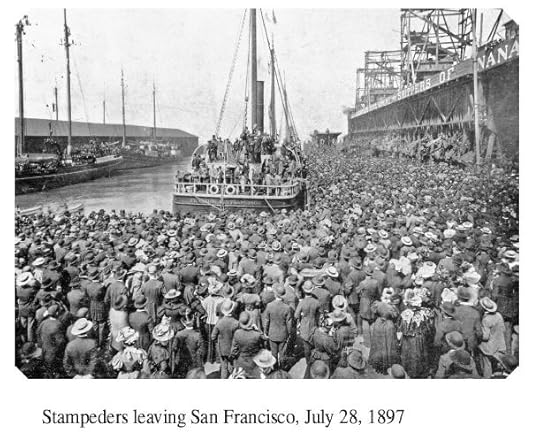
In 1897, the United States was mired in the worst economic depression that the country had yet endured. So when all the newspapers announced gold was to be found in wildly enriching quantities at the Klondike River region of the Yukon, a mob of economically desperate Americans swarmed north. Within weeks tens of thousands of them were embarking from western ports to throw themselves at some of the harshest terrain on the planet--in winter yet--woefully unprepared, with no experience at all in mining or mountaineering. It was a mass delusion that quickly proved deadly: avalanches, shipwrecks, starvation, murder.
Upon this stage, author Brian Castner tells a relentlessly driving story of the gold rush through the individual experiences of the iconic characters who endured it. A young Jack London, who would make his fortune but not in gold. Colonel Samuel Steele, who tried to save the stampeders from themselves. The notorious gangster Soapy Smith, goodtime girls and desperate miners, Skookum Jim, and the hotel entrepreneur Belinda Mulrooney. The unvarnished tale of this mass migration is always striking, revealing the amazing truth of what people will do for a chance to be rich.
In 1897, the United States was mired in the worst economic depression that the country had yet endured. So when all the newspapers announced gold was to be found in wildly enriching quantities at the Klondike River region of the Yukon, a mob of economically desperate Americans swarmed north. Within weeks tens of thousands of them were embarking from western ports to throw themselves at some of the harshest terrain on the planet--in winter yet--woefully unprepared, with no experience at all in mining or mountaineering. It was a mass delusion that quickly proved deadly: avalanches, shipwrecks, starvation, murder.
Upon this stage, author Brian Castner tells a relentlessly driving story of the gold rush through the individual experiences of the iconic characters who endured it. A young Jack London, who would make his fortune but not in gold. Colonel Samuel Steele, who tried to save the stampeders from themselves. The notorious gangster Soapy Smith, goodtime girls and desperate miners, Skookum Jim, and the hotel entrepreneur Belinda Mulrooney. The unvarnished tale of this mass migration is always striking, revealing the amazing truth of what people will do for a chance to be rich.
269 pages, Hardcover
First published April 13, 2021
About the author
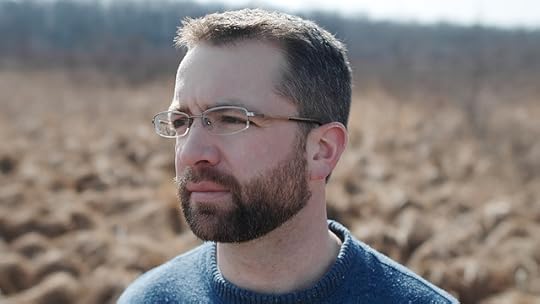
Brian Castner
10 books120 followersYou can now find me on Skolay: https://www.skolay.com/writers/brian-...
Brian Castner is a nonfiction writer, former Explosive Ordnance Disposal officer, and veteran of the Iraq War. He is the author of "Stampede," "Disappointment River," "All the Ways We Kill and Die" and the war memoir "The Long Walk," which was adapted into an opera and named a New York Times Editor’s Pick and an Amazon Best Book. His journalism and essays have appeared in the New York Times, WIRED, Esquire, The Atlantic, Foreign Policy, and on National Public Radio.
Brian Castner is a nonfiction writer, former Explosive Ordnance Disposal officer, and veteran of the Iraq War. He is the author of "Stampede," "Disappointment River," "All the Ways We Kill and Die" and the war memoir "The Long Walk," which was adapted into an opera and named a New York Times Editor’s Pick and an Amazon Best Book. His journalism and essays have appeared in the New York Times, WIRED, Esquire, The Atlantic, Foreign Policy, and on National Public Radio.
Ratings & Reviews
Friends & Following
Create a free account to discover what your friends think of this book!
Community Reviews
Displaying 1 - 30 of 97 reviews

October 27, 2023
Excellent, educational, grimly entertaining. This was of particular interest to me as my grandparents lived and operated a mining company in the Yukon, and many places mentioned were super familiar. Castner did his own narration very well, and I learned so much about the nitty gritty beyond "there's gold in them thar hills". I will certainly never look at White Pass the same again. Eerie.

April 22, 2021
"Men, it has been well said, think in herds; it will be seen that they go mad in herds, while they only recover their senses slowly, and one by one..."
~Charles Mackay, Extraordinary Popular Delusions & the Madness of Crowds, 1841
Despite getting off to a bit of a slow start, this gritty story built up steam as it went... The author opens the book with the above quote, a testament to the irrationality of the era. The book also included many pictures, which is always a nice touch, as it helps bring context to the reader.
Author Brian Castner is a nonfiction writer, former Explosive Ordnance Disposal officer, and veteran of the Iraq War. He is the author of Disappointment River, All the Ways We Kill and Die and the war memoir The Long Walk. His journalism and essays have appeared in the New York Times, WIRED, Esquire, The Atlantic, Foreign Policy, and on National Public Radio.
Brian Castner:
Stampede is presented as a collection of stories and anecdotes from historical characters, during the gold rush years 1895-1899. Castner writes of the thousands of men who traveled north in search of their fortune, focusing on the lives of a few central characters.
The stories told here, through these central characters tell of a jaw-droppingly dark and gritty time, where the law was scarce to nonexistent; and robbers, grifters, confidence tricksters, and virtually every other form of predatory archetype ruled the land...
Many of these gritty characters and their tales are recounted here by Castner.
A few of the more colourful characters covered here by Castner include:
* The author Jack London
* Colonel Samuel Steele of the Canadian Mounties.
* Early entrepreneur Belinda Mulrooney
* The grifter Soapy Smith
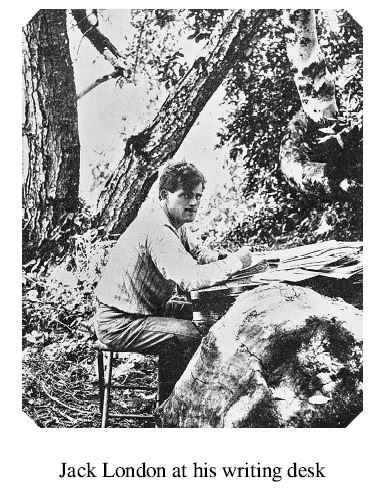
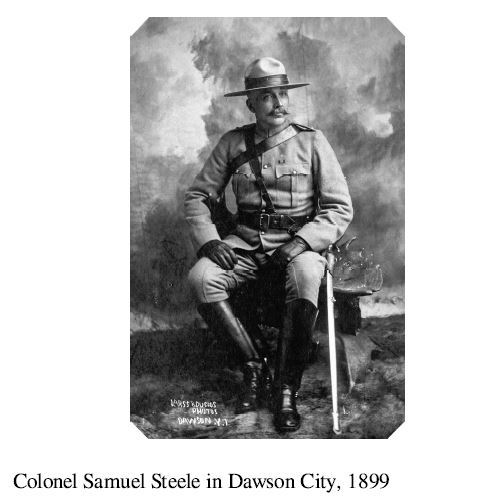


Making the arduous journey north was no cakewalk. Many of the eager gold-seekers were unfamiliar with sailing, ships, horses, the cold, survival in the wilderness, or all of the above.
Castner writes of one ill-fated expedition, lead by Arthur Arnold Dietz:
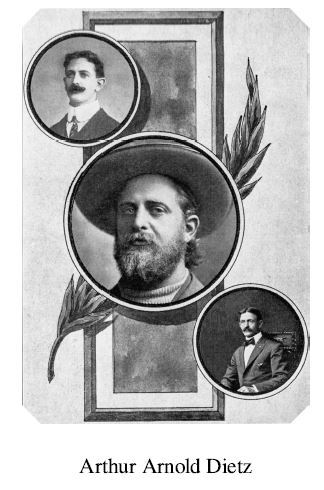
Far from the exception, the above expedition seemed to be more the rule. Castner reports on the grim broader picture:
Interestingly (or should I say hilariously), the author mentions at the start of the book that - in attempts to remain historically accurate - he will use the using the jargon and language of the time, including terminology and epithets that could be considered racist today. Despite encouraging readers to put this into historical context, many reviews of the book that I've read show that people were still offended by this. Oh boy...
Stampede was an interesting look at this incredible epoch. I enjoy historical books about real-life sagas, and, despite getting off to a bit of a slow start; Castner did a decent job conveying the source material to the reader here.
I would recommend this one to anyone interested.
3.5 stars.
~Charles Mackay, Extraordinary Popular Delusions & the Madness of Crowds, 1841
Despite getting off to a bit of a slow start, this gritty story built up steam as it went... The author opens the book with the above quote, a testament to the irrationality of the era. The book also included many pictures, which is always a nice touch, as it helps bring context to the reader.
Author Brian Castner is a nonfiction writer, former Explosive Ordnance Disposal officer, and veteran of the Iraq War. He is the author of Disappointment River, All the Ways We Kill and Die and the war memoir The Long Walk. His journalism and essays have appeared in the New York Times, WIRED, Esquire, The Atlantic, Foreign Policy, and on National Public Radio.
Brian Castner:
Stampede is presented as a collection of stories and anecdotes from historical characters, during the gold rush years 1895-1899. Castner writes of the thousands of men who traveled north in search of their fortune, focusing on the lives of a few central characters.
The stories told here, through these central characters tell of a jaw-droppingly dark and gritty time, where the law was scarce to nonexistent; and robbers, grifters, confidence tricksters, and virtually every other form of predatory archetype ruled the land...
Many of these gritty characters and their tales are recounted here by Castner.
A few of the more colourful characters covered here by Castner include:
* The author Jack London
* Colonel Samuel Steele of the Canadian Mounties.
* Early entrepreneur Belinda Mulrooney
* The grifter Soapy Smith
Making the arduous journey north was no cakewalk. Many of the eager gold-seekers were unfamiliar with sailing, ships, horses, the cold, survival in the wilderness, or all of the above.
Castner writes of one ill-fated expedition, lead by Arthur Arnold Dietz:
"Of the nineteen who set out in the original company, only Dietz and three other men survived. They were picked up by the USS Wolcott, a Coast Guard cutter, in the spring of 1900, a full two years after they originally set out from Yakutat. The ship’s crew saw the smoke from their signal fire and followed it and in an unnamed cove discovered the horrific camp of rotting fish and dog bones and dead men so stretched and skeletal as to be mummified. Three corpses lay stiff in their sleeping bags, and of the four who lived, two were struck permanently blind from the snow glare and at least one went mad.
When Dietz arrived back in New York City his wife did not recognize him. She thought his return a hoax, then an uncanny resurrection and she shrank from his sunken Lazaran face until Dietz’s little six-year-old son ran up and reached for his father."
Far from the exception, the above expedition seemed to be more the rule. Castner reports on the grim broader picture:
"The newspapers reported that in the initial rush of 1897, a mob of over 100,000 people set out, more than the populations of Los Angeles and Seattle combined. Less than half made it to the headwaters of the Yukon, and of those, only another half reached the Klondike. Three quarters of those who left on the stampede were shipwrecked, shot, suffocated, frozen, starved, drowned, or demoralized to the point they gave up and went home.
Of the thirty thousand or so who reached Dawson, less than half bothered to stake a claim and actually do some mining. The majority found as much gold as Jack London, about $5 worth. Only a few hundred dug out enough to call themselves rich.
One hundred thousand set out on the stampede, less than one percent got rich or anywhere close. The inequities of the Gilded Age and the Panic of 1893 that had spurred the disastrous mass migration in the first place were recreated in the Klondike..."
Interestingly (or should I say hilariously), the author mentions at the start of the book that - in attempts to remain historically accurate - he will use the using the jargon and language of the time, including terminology and epithets that could be considered racist today. Despite encouraging readers to put this into historical context, many reviews of the book that I've read show that people were still offended by this. Oh boy...
Stampede was an interesting look at this incredible epoch. I enjoy historical books about real-life sagas, and, despite getting off to a bit of a slow start; Castner did a decent job conveying the source material to the reader here.
I would recommend this one to anyone interested.
3.5 stars.

February 25, 2021
Great look at the Yukon gold rush
I enjoyed this book. I found it to be character-driven and not event-driven, making the book all the more compelling. I found it hard to put down. It has an interesting structure where each chapter focuses on a specific year of the Gold Rush and on a different subject or person. Sometimes there was more than one chapter on a specific year, but each would have a different focus. The writing was crisp and never got bogged down in minutiae. However, it was somewhat disturbing that the author used archaic and racist terms to be authentic to the times, but this added nothing to the texture of the book and was completely unnecessary. Nonetheless I found the book well-worth the read. Thank you to NetGalley and Penguin Random House Canada for the advance reader copy.
I enjoyed this book. I found it to be character-driven and not event-driven, making the book all the more compelling. I found it hard to put down. It has an interesting structure where each chapter focuses on a specific year of the Gold Rush and on a different subject or person. Sometimes there was more than one chapter on a specific year, but each would have a different focus. The writing was crisp and never got bogged down in minutiae. However, it was somewhat disturbing that the author used archaic and racist terms to be authentic to the times, but this added nothing to the texture of the book and was completely unnecessary. Nonetheless I found the book well-worth the read. Thank you to NetGalley and Penguin Random House Canada for the advance reader copy.
March 14, 2021
In 1896 there were two gold finds in the Yukon Territory of North West Canada. One was sizable and almost equivalent to the find at Sutter's Creek in California. For most prospectors, a creek that would yield more than ten cents a pan would be consider a great "strike". But not too far from the first strike another was found on the "Klondike" creek. This one yielded pans of up to $5.00 and averaged over $1.50.
During the time that over 100,000 stampeders overwhelmed the area, Dawson and Skagway were the two most popular destinations in the world. During the three years it took to dig out most of the gold out, 20,000,000 ounces, about $34 billion in today's was extracted. The price of gold in 1900 was higher (when adjusted for inflation) than in 2000. Most of the gold was extracted by panning the rivers and melting areas of perma-frost to follow the gold veins.
Of the 100k of people who set out from Seattle and points in Canada, half never made it to the area of the Yukon that led to the two passes that went into the Klondike. Half of those never made it over the passes, and fewer than 10k ever made it to the Goldfields. Of the few dozen millionaires most never made enough money to pay for a ticket home, and many ended up working for those who controlled the thousand best claims.
The moral of the story is that unlike oil, once the original strike is publicized, it's too late to go.
During the time that over 100,000 stampeders overwhelmed the area, Dawson and Skagway were the two most popular destinations in the world. During the three years it took to dig out most of the gold out, 20,000,000 ounces, about $34 billion in today's was extracted. The price of gold in 1900 was higher (when adjusted for inflation) than in 2000. Most of the gold was extracted by panning the rivers and melting areas of perma-frost to follow the gold veins.
Of the 100k of people who set out from Seattle and points in Canada, half never made it to the area of the Yukon that led to the two passes that went into the Klondike. Half of those never made it over the passes, and fewer than 10k ever made it to the Goldfields. Of the few dozen millionaires most never made enough money to pay for a ticket home, and many ended up working for those who controlled the thousand best claims.
The moral of the story is that unlike oil, once the original strike is publicized, it's too late to go.

February 9, 2021
Thank you NetGalley for providing me a free copy for review. This does not sway my final opinion.
Written as a basic overview of the Klondike Gold Rush, Stampede highlights a rather colorful cast of characters that exemplify what life was like in those trying times - from Soapy Smith, conman extraordinaire; entrepreneur and determined survivor Belinda Mulrooney; the real discoverer of gold, Skookum Jim; the impressionable youth Jack London; to Colonel Samuel Steele who helped save the scrappiest of those determined to make their wealth in the Yukon. From the good time girls to the reporters who covered the mass exodus of folks from across the county, Castner reveals them all in a rather engaging blend of history and narrative.
While I did not appreciate the author's inclusion of his politics at the end of the story, I do understand the point he was trying to make by "the madness of the crowds". All in all, engaging but basic, with other books on the market that delve deeper into a fascinating, if rather deadly, point in history.
Actual rating: 3.5 stars
Written as a basic overview of the Klondike Gold Rush, Stampede highlights a rather colorful cast of characters that exemplify what life was like in those trying times - from Soapy Smith, conman extraordinaire; entrepreneur and determined survivor Belinda Mulrooney; the real discoverer of gold, Skookum Jim; the impressionable youth Jack London; to Colonel Samuel Steele who helped save the scrappiest of those determined to make their wealth in the Yukon. From the good time girls to the reporters who covered the mass exodus of folks from across the county, Castner reveals them all in a rather engaging blend of history and narrative.
While I did not appreciate the author's inclusion of his politics at the end of the story, I do understand the point he was trying to make by "the madness of the crowds". All in all, engaging but basic, with other books on the market that delve deeper into a fascinating, if rather deadly, point in history.
Actual rating: 3.5 stars
April 2, 2021
This book is one of the few books that I have found accessible and engaging concerning the Gold Rush. While it shouldn't be taken as the last book on the subject, it is definitely a good place to begin. Castner's descriptions of characters and the stories he tells of them in the Klondike bring a story that may garner a few mentions in history class more of their due. This is the real Mountain Men, much more rough and trying. Many of these stories I had never heard of, aside from Jack London, and even then, I learned a great deal more about him.
What impressed me is not just what is included, but Castner's prose really pulled me in. I read a lot of nonfiction, some rather dry, but here is a book that I think could easily bridge the gap between popular nonfiction and academic insightfulness.
What impressed me is not just what is included, but Castner's prose really pulled me in. I read a lot of nonfiction, some rather dry, but here is a book that I think could easily bridge the gap between popular nonfiction and academic insightfulness.

May 12, 2021
This book tells the events of the gold rush in the Klondike in the late 1800s. The author is a good storyteller which makes the book more interesting than just hearing facts. I didn't know much about the Stampeders and the Klondike going into reading the book.
I'm still amazed at how many died from disease, the elements and terrain just trying to reach the Klondike. The photos in this book were an added bonus and really helped me picture the events and time period.
I'm still amazed at how many died from disease, the elements and terrain just trying to reach the Klondike. The photos in this book were an added bonus and really helped me picture the events and time period.

April 16, 2025
This book was such a ride. We sail to the Alaskan coast on overcrowded steamers, trudge through steep mountain passes watching others fall to their demise, hold on for dear life over white water rapids, desperately pan for dust in icy waters, walk the muddy streets of lawless boomtowns, and watch the mountain tops for the signs of winter that will strand us in place for months if we don't hurry.
The book follows over a dozen different real life characters during the gold rush centered around the Klondike River in the late 1890s. Expertly using primary sources like letters and journals as a base (all meticulously documented in the bibliography), Castner tells the journeys of the men and women of the era with a great balance of a mix of colorful and documentary-style narration of his own along with historical context.
This book was a page-turner for me, and I would recommend it to fans who love history but don't want to read a text book.
I really appreciated the photo plates and would have loved even more. I guess there is always Google. My only complaint was that a few times I thought the language referring to the people of color (both black and indigenous) could have used more quotes to make it even more clear (in addition to the disclaimer in the beginning) that certain terms are not acceptable nor in use anymore.
The book follows over a dozen different real life characters during the gold rush centered around the Klondike River in the late 1890s. Expertly using primary sources like letters and journals as a base (all meticulously documented in the bibliography), Castner tells the journeys of the men and women of the era with a great balance of a mix of colorful and documentary-style narration of his own along with historical context.
This book was a page-turner for me, and I would recommend it to fans who love history but don't want to read a text book.
I really appreciated the photo plates and would have loved even more. I guess there is always Google. My only complaint was that a few times I thought the language referring to the people of color (both black and indigenous) could have used more quotes to make it even more clear (in addition to the disclaimer in the beginning) that certain terms are not acceptable nor in use anymore.

June 28, 2022
A fascinating, and often terrifying, look into the Klondike gold rush of the late 1890s and the conditions people faced to get to the region. Thousands of people (mostly men) fled for the Klondike from all corners of the United States when they heard reports of gold fields with large nuggets just sitting there for the taking. People believed it, perhaps because they wanted to, perhaps because they were desperate to, and often spent their last dollar getting to Skagway and Dawson City. The vast majority turned around even before reaching these far flung towns, and never even saw where the gold mining was taking place. The conditions and terrain described are terrifyingly difficult and its amazing that even more people didn't die on their way in, considering how ill prepared most of them were. Author Brian Castner describes things well and has clearly done his research, providing a compelling story of a little known gold rush and bringing it and the people who participated in it to life.
I received an ARC of this book from NetGalley in exchange for an honest review
I received an ARC of this book from NetGalley in exchange for an honest review

February 24, 2023
I think I was hoping for something a bit more like
Medicine in the Old West
, or something similar to that. Instead, this was a collection of a few biographical stories about people who participated in the Klondike Gold Rush. A lot of it seemed to have been sourced directly from Jack London's account of his own time there.
I learned a lot of specific things that happened there, but none of it was particularly new to me. It was an Old West-y type gold rush situation where the men outnumbered the women by a huge amount. There was a decent amount of crime, and a lot of disappointment, and a lot of under-prepared people heading out to the Klondike. About what I expected.
I learned a lot of specific things that happened there, but none of it was particularly new to me. It was an Old West-y type gold rush situation where the men outnumbered the women by a huge amount. There was a decent amount of crime, and a lot of disappointment, and a lot of under-prepared people heading out to the Klondike. About what I expected.

April 24, 2021
The last of the gold rushes and I never knew anything about it. This novel explores the greed and senseless death of many who thought they would make it big.
Alaska is can be a dangerous place today so I can’t imagine how much more it was back then.
This was an in-depth look at greed. Lots of historical facts and mostly bad news. I enjoyed it because I love history.
Thanks to my local library for this audiobook. Happy Reading.
Alaska is can be a dangerous place today so I can’t imagine how much more it was back then.
This was an in-depth look at greed. Lots of historical facts and mostly bad news. I enjoyed it because I love history.
Thanks to my local library for this audiobook. Happy Reading.
Read
January 25, 2023I read this in preparation for an Alaskan cruise. It gives a clear picture of the Yukon gold rush not as a romantic story told in sepia-toned nostalgia, but as the humanitarian catastrophe that it actually was.

September 19, 2021
I picked up this book because of how much I enjoyed *Disappointment River,* also by Castner. I’m looking forward to reading the rest of his books.
Castner’s writing has the force of authenticity; his voice is discernible in a way that lends strength to his work. This may be because I heard him speak once, and found him approachable and, again, authentic. But it’s also because it seems to me that his writing isn’t sifted so finely that any jarring notes are removed. Castner leaves some of the splinters in.
In *Stampede,* I found so much to admire in the people who headed for the Klondike in search of gold at the end of the 1800s. Yet Castner isn’t leading me to that point of view, and he makes me feel ashamed of it as he goes deeper into the stories that come out of a period of uncontrolled lawlessness created by greed—greed for gold the least of it.
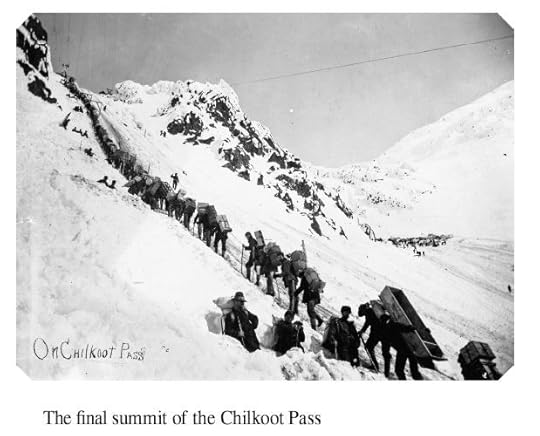
But the story itself—cutting down trees to build one’s own boat to navigate Alaskan rapids, the many dead along the trail from illness and hunger and cold, melting the permafrost with fire to be able to mine in winter—what a story. It’s a story of a time when risking one’s life was not particularly unusual; I wonder what drove the few women who headed to Alaska for life as “good-time girls.” It’s also a story of when the Arctic was frozen in a way that it may never be again, mostly because of climate change but also because of the technology that provides food and warmth in a way unimaginable to the tens of thousands who inexplicably were willing to pay a very high price for a long-shot lottery ticket.
Castner lists a Cast of Characters (real people) at the beginning of his book, a device I wish I’d see more often. It’s those characters who remind us that we’re not reading about tens of thousands of people but one person times ten thousand (an idea I stole from Rabbi Marc Gellman’s “God Squad” column).
Castner’s writing has the force of authenticity; his voice is discernible in a way that lends strength to his work. This may be because I heard him speak once, and found him approachable and, again, authentic. But it’s also because it seems to me that his writing isn’t sifted so finely that any jarring notes are removed. Castner leaves some of the splinters in.
In *Stampede,* I found so much to admire in the people who headed for the Klondike in search of gold at the end of the 1800s. Yet Castner isn’t leading me to that point of view, and he makes me feel ashamed of it as he goes deeper into the stories that come out of a period of uncontrolled lawlessness created by greed—greed for gold the least of it.
But the story itself—cutting down trees to build one’s own boat to navigate Alaskan rapids, the many dead along the trail from illness and hunger and cold, melting the permafrost with fire to be able to mine in winter—what a story. It’s a story of a time when risking one’s life was not particularly unusual; I wonder what drove the few women who headed to Alaska for life as “good-time girls.” It’s also a story of when the Arctic was frozen in a way that it may never be again, mostly because of climate change but also because of the technology that provides food and warmth in a way unimaginable to the tens of thousands who inexplicably were willing to pay a very high price for a long-shot lottery ticket.
Castner lists a Cast of Characters (real people) at the beginning of his book, a device I wish I’d see more often. It’s those characters who remind us that we’re not reading about tens of thousands of people but one person times ten thousand (an idea I stole from Rabbi Marc Gellman’s “God Squad” column).

July 25, 2021
“Everyone seems to have lost his head, and cannot observe or state facts,”
Really enjoyed how this captures the heart of man. Highly recommended for fans of this genre. Great, truly captivating story!
Really enjoyed how this captures the heart of man. Highly recommended for fans of this genre. Great, truly captivating story!

December 21, 2023
Entertaining and interesting cover to cover.

January 29, 2021
At the beginning of this book, author Castner states that in order to make the book realistic, he's decided to use racist slurs like the n-word and other terms. I'm so tired of white authors doing this. Dear authors: you can convey racism without repeating the violence of using that word. He also uses "good time girls" to describe sex workers and uses a variety of other offensive terms in his quest to bestow period parlance on the book. And the book itself is rather dull, full of repetitive details and adjectives that rely on gender, age, and race stereotypes without actually telling the read about anything useful. The writing made it difficult to tell when Castner was providing historical narrative and when he was embellishing or speculating, and ultimately disappointed me.

June 27, 2021
Stampede is a worthy book for its education about the Klondike gold rush and its illumination of the exploitation of white workers in the late 19th century. I ordered this book for the bookstore where I work for the many fans of true adventure.
Personally, I would have preferred the book better if the author had chosen a corrective tone toward the anti-indigenous and anti-black racism of that era. In the forward, the author disclaims the racism and offers the racism as a accurate reflection of the time. Nonetheless, calling indigenous children wolf pups, describing tufts of grass as **ggerheads, and native people as savages struck me the wrong way. The WSJ reviewer called the racism gratuitous— it didn’t advance the plot — and I agree.
Personally, I would have preferred the book better if the author had chosen a corrective tone toward the anti-indigenous and anti-black racism of that era. In the forward, the author disclaims the racism and offers the racism as a accurate reflection of the time. Nonetheless, calling indigenous children wolf pups, describing tufts of grass as **ggerheads, and native people as savages struck me the wrong way. The WSJ reviewer called the racism gratuitous— it didn’t advance the plot — and I agree.

October 6, 2022
This book is about suffering, cruel, unimaginable suffering.
The Gold Rush is a time of hope and hard work. The economic crash of 1893, the apogee of the Gilded Age, and the march of civilization all contributed to the Klondike Gold Rush 1896-1899. Hundreds of thousands of people sought to reach the gold fields of the Yukon. Most of them turned around without ever seeing the mines. Thousands died on the journey. Only a few hundred made it rich, less than 1% of the stampeders.
Castner tells the story of the Yukon Gold Rush through the harrowing experiences of a handful of people who lived through it and suffered. The book begins with a solitary miner impaling his leg on a broken branch dangling him over a rushing river. Imagine dulling the pain by dipping the shattered leg into the freezing waters of said river, then limping to town far, far away.
Castner picks up the story with frontiersmen, miners, lawmen, gangsters, businesswomen, and writers. And everyone suffers. The cold, snow, illness, hunger, danger, loneliness, corruption, and hypocrisy all contributed to the misery, made worse by the torrent of stampeders seeking their fortunes. Castner brilliantly writes a story full of adventure and danger. The slowest sections of the book were those focusing on Jack London and Tappan Adney. I grew up loving London's work on the Klondike. Now, I realize how romantic and false those narratives are.
One of the most interesting chapters in the book concerned Jeff "Soapy" Smith, the crime boss of Scagway. By strategically placing his conmen all over town and in seemingly legitimate business, Smith had virtual control over the town. His schemes and rackets would have made Al Capone and Meyer Lansky nod approvingly. He had an army of cutthroat enforcers to maintain discipline. But consider the audacity of operating a telegraph office without telegraph lines, or a realestate company without and holdings, on top of mafia-style businesses that charged exorbitant prices while removing competitors. Then there were the usual gambling, con game, extortion, robbery, and related crimes. His sudden and violent death removed a fascinating criminal from history.
This is a fascinating and sobering look at the hardships and heartbreaks of the Klondike Gold Rush. It describes the Hellish conditions of burning through permafrost to mine gold. It describes the mother traveling all over in pursuit of her last living family member (a son whom she never found). It is the story of soiled doves who had no rights and no protections against bands of gangsters. And it is an ode to the thousands who died in pursuit of a dream. Most of them dying slowly, and alone, through starvation in an unforgiving wilderness. The ones that died in an avalanche or a crevasse were the lucky ones....
Overall, Castner does not try to connect these personal stories with the modern age or the world in greater context, except to help explain the frenzied rush to the Klondike. It is an excellent story of one of the last wild west towns on the planet. The Mounties patrolling Dawson had an uphill battle taming the savages and frontier justice of the miners. The target audience of the book probably requires someone with more than a passing interest in the history of the west.
The Gold Rush is a time of hope and hard work. The economic crash of 1893, the apogee of the Gilded Age, and the march of civilization all contributed to the Klondike Gold Rush 1896-1899. Hundreds of thousands of people sought to reach the gold fields of the Yukon. Most of them turned around without ever seeing the mines. Thousands died on the journey. Only a few hundred made it rich, less than 1% of the stampeders.
Castner tells the story of the Yukon Gold Rush through the harrowing experiences of a handful of people who lived through it and suffered. The book begins with a solitary miner impaling his leg on a broken branch dangling him over a rushing river. Imagine dulling the pain by dipping the shattered leg into the freezing waters of said river, then limping to town far, far away.
Castner picks up the story with frontiersmen, miners, lawmen, gangsters, businesswomen, and writers. And everyone suffers. The cold, snow, illness, hunger, danger, loneliness, corruption, and hypocrisy all contributed to the misery, made worse by the torrent of stampeders seeking their fortunes. Castner brilliantly writes a story full of adventure and danger. The slowest sections of the book were those focusing on Jack London and Tappan Adney. I grew up loving London's work on the Klondike. Now, I realize how romantic and false those narratives are.
One of the most interesting chapters in the book concerned Jeff "Soapy" Smith, the crime boss of Scagway. By strategically placing his conmen all over town and in seemingly legitimate business, Smith had virtual control over the town. His schemes and rackets would have made Al Capone and Meyer Lansky nod approvingly. He had an army of cutthroat enforcers to maintain discipline. But consider the audacity of operating a telegraph office without telegraph lines, or a realestate company without and holdings, on top of mafia-style businesses that charged exorbitant prices while removing competitors. Then there were the usual gambling, con game, extortion, robbery, and related crimes. His sudden and violent death removed a fascinating criminal from history.
This is a fascinating and sobering look at the hardships and heartbreaks of the Klondike Gold Rush. It describes the Hellish conditions of burning through permafrost to mine gold. It describes the mother traveling all over in pursuit of her last living family member (a son whom she never found). It is the story of soiled doves who had no rights and no protections against bands of gangsters. And it is an ode to the thousands who died in pursuit of a dream. Most of them dying slowly, and alone, through starvation in an unforgiving wilderness. The ones that died in an avalanche or a crevasse were the lucky ones....
Overall, Castner does not try to connect these personal stories with the modern age or the world in greater context, except to help explain the frenzied rush to the Klondike. It is an excellent story of one of the last wild west towns on the planet. The Mounties patrolling Dawson had an uphill battle taming the savages and frontier justice of the miners. The target audience of the book probably requires someone with more than a passing interest in the history of the west.

September 4, 2024
This was a pretty entertaining and action-packed account of the Klondike gold rush from the point of view, not of governments or the big movers of history, but of individuals who were there. It’s an up close and personal look at the events in the terrible cost of gold fever. Many paid the ultimate price and Castner doesn’t sugarcoat it.
Other reviewers seem to have liked it too. Here are a few brief quotes:
“Stampede is my first introduction into Alaska's Klondike gold rush”
“An accessible and insightful look into the Alaskan Gold Rush.”
It’s a quick and lively read, full of dreamers and schemers, … in the struggle to get to and get rich from Alaskan gold.
These folks definitely enjoyed the book as much as I did and from their reviews, you might almost get the impression that the Klondike Gold Rush took place in Alaska. It was, in fact, in the Yukon, which is a part of Canada. Castner never hides this fact, but he doesn’t exactly expend much ink making it clear either. All he needed to do was to state outright that the Klondike River and the gold-rich streams that fed into it were entirely in the Yukon. Dawson City was in the Yukon, which isn’t Alaska. To be fair, most of the stampeders, as they were known, were Americans. The shortest route to the goldfields was through Skagway and the Chilkoot or the White Pass trails, which were in Alaska. Most of the gold that came out of the Klondike flowed into the United States. Alaska is a big part of this story, and it did have its share of gold rushes, but none of them were connected to the Klondike. I think, for the sake of historical rigor, Castner could’ve expended a sentence or two clarifying that. Apparently mentioning Sam Steele and his Mounties wasn’t enough to make it obvious to everyone.
Other than that little quibble, this was a fun read. I really enjoyed the individual stories. History is about people, and this book is about people. A massive and colorful cast of characters populates this story and makes its tragedy all the more devastating. The lust for gold, a constant in the history of Western civilization, was never more disastrous.
There were a number of interesting characters connected with the story that I found endlessly fascinating, Skookum Jim, George Carmack, Joe Ladue, Robert Henderson, "Soapy" Smith, Belinda Mulrooney, Jack London, and Arnold Dietz, to name a few. The one whose story touched me most was Anna Degraf, that amazingly tough middle-aged immigrant lady who spent many years in Alaska and the Yukon looking for her lost son and providing protection and kindness to anyone who needed it, particularly abused women of which there were many in that lawless frontier. It angers me more than a little that those racist, misogynistic sourdoughs were quick to bring justice to anyone who stole from them but had very little interest in meeting out similar treatment to rapists.
I enjoyed this one quite a lot.
Other reviewers seem to have liked it too. Here are a few brief quotes:
“Stampede is my first introduction into Alaska's Klondike gold rush”
“An accessible and insightful look into the Alaskan Gold Rush.”
It’s a quick and lively read, full of dreamers and schemers, … in the struggle to get to and get rich from Alaskan gold.
These folks definitely enjoyed the book as much as I did and from their reviews, you might almost get the impression that the Klondike Gold Rush took place in Alaska. It was, in fact, in the Yukon, which is a part of Canada. Castner never hides this fact, but he doesn’t exactly expend much ink making it clear either. All he needed to do was to state outright that the Klondike River and the gold-rich streams that fed into it were entirely in the Yukon. Dawson City was in the Yukon, which isn’t Alaska. To be fair, most of the stampeders, as they were known, were Americans. The shortest route to the goldfields was through Skagway and the Chilkoot or the White Pass trails, which were in Alaska. Most of the gold that came out of the Klondike flowed into the United States. Alaska is a big part of this story, and it did have its share of gold rushes, but none of them were connected to the Klondike. I think, for the sake of historical rigor, Castner could’ve expended a sentence or two clarifying that. Apparently mentioning Sam Steele and his Mounties wasn’t enough to make it obvious to everyone.
Other than that little quibble, this was a fun read. I really enjoyed the individual stories. History is about people, and this book is about people. A massive and colorful cast of characters populates this story and makes its tragedy all the more devastating. The lust for gold, a constant in the history of Western civilization, was never more disastrous.
There were a number of interesting characters connected with the story that I found endlessly fascinating, Skookum Jim, George Carmack, Joe Ladue, Robert Henderson, "Soapy" Smith, Belinda Mulrooney, Jack London, and Arnold Dietz, to name a few. The one whose story touched me most was Anna Degraf, that amazingly tough middle-aged immigrant lady who spent many years in Alaska and the Yukon looking for her lost son and providing protection and kindness to anyone who needed it, particularly abused women of which there were many in that lawless frontier. It angers me more than a little that those racist, misogynistic sourdoughs were quick to bring justice to anyone who stole from them but had very little interest in meeting out similar treatment to rapists.
I enjoyed this one quite a lot.
September 15, 2021
Castner describes the Klondike gold rush as a chronology, starting with the first discovery in 1895 through to the burning of Dawson in 1899 which marked the end of the rush. Along the way he provides stories of some of the personalities including Robert Henderson , George Carmack, Jack London and Sam Steele.
The Palm Sunday Avalanche killed 72 men. It "... was the single greatest calamity of the stampede, and the deadliest such incident the United States had ever known."
Arthur Arnold Dietz headed a party of 19 men who crossed the Malaspina Glacier to get to the Klondike. By the time they got to the Yukon, winter was again approaching and rather than last out the winter, they retreated back across the glacier. Only Dietz and three other men
survived.
The most amazing chapter is the last where Castner sums up the Klondike gold rush. "... in the initial rush of 1897, a mob of over 100,000 people set out, more than the populations of Los Angeles and Seattle combined. Less than half made it to the headwaters of the Yukon, and of those, only another half reached the Klondike. Three quarters of those who left on the stampede were shipwrecked, shot, suffocated, frozen, starved, drowned, or demoralized to the point they gave up and went home. Of the thirty thousand or so who reached Dawson, less than half bothered to stake a claim and actually do some mining. The majority found as much gold as Jack London, about $5 worth. Only a few hundred dug out enough to call themselves rich. One hundred thousand set out on the stampede, less than one percent got rich or anywhere close."
The Canadian routes were perhaps worse. Of the 2000 that travelled to the Klondike through Edmonton, over half died and only a few hundred made it. Of 1500 that tried the Telegraph Trail, only a handful arrived. Three hundred of the 5000 that tried the Stikine Trail got to the Klondike. "Arctic leprosy, as that disease came to be known, killed more all-Canadian stampeders than all the cataracts and avalanches and brigands combined."
The Palm Sunday Avalanche killed 72 men. It "... was the single greatest calamity of the stampede, and the deadliest such incident the United States had ever known."
Arthur Arnold Dietz headed a party of 19 men who crossed the Malaspina Glacier to get to the Klondike. By the time they got to the Yukon, winter was again approaching and rather than last out the winter, they retreated back across the glacier. Only Dietz and three other men
survived.
The most amazing chapter is the last where Castner sums up the Klondike gold rush. "... in the initial rush of 1897, a mob of over 100,000 people set out, more than the populations of Los Angeles and Seattle combined. Less than half made it to the headwaters of the Yukon, and of those, only another half reached the Klondike. Three quarters of those who left on the stampede were shipwrecked, shot, suffocated, frozen, starved, drowned, or demoralized to the point they gave up and went home. Of the thirty thousand or so who reached Dawson, less than half bothered to stake a claim and actually do some mining. The majority found as much gold as Jack London, about $5 worth. Only a few hundred dug out enough to call themselves rich. One hundred thousand set out on the stampede, less than one percent got rich or anywhere close."
The Canadian routes were perhaps worse. Of the 2000 that travelled to the Klondike through Edmonton, over half died and only a few hundred made it. Of 1500 that tried the Telegraph Trail, only a handful arrived. Three hundred of the 5000 that tried the Stikine Trail got to the Klondike. "Arctic leprosy, as that disease came to be known, killed more all-Canadian stampeders than all the cataracts and avalanches and brigands combined."

October 29, 2021
People will go to any length to get rich quick. Local miners discovered gold on Aug. 16, 1896 in the Klondike region of Yukon, in Northwestern Canada. When the news reached Seattle and San Francisco the following year, it triggered the Klondike Gold Rush. A mob of over 100,000 prospectors set out in the initial rush in 1897. The vast majority went in vain. Less than half made it to the headwaters of the Yukon. Of those, only another half made it to the Klondike. Author Brian Castner, in Stampede: Gold Fever and Disaster in the Klondike, tells the story of the gold rush through individual experiences of the iconic characters who endured it.
Three quarters of those who left on the stampede were shipwrecked, shot, suffocated, frozen, starved, drowned, or demoralized to the point they gave up and went home. Less than 1% (only a few hundred) dug out enough gold to be considered rich. Most gambled it away or lost it in speculative investments.
The Klondike Gold Rush, according to author Brian Castner, was a "naturally occurring pyramid scheme.” Profits flowed to the lucky few at the start, and the later arrivals were almost guaranteed to lose everything. By 1898 the newspapers that had encouraged so many to travel to the Klondike lost interest. Some called the rush "a contagion of hopes and misinformation.”
This is the story of the lengths to which humanity will go to seek supposedly greener grass (and greater riches) on the other side. Unfortunately get-rich-quick schemes and sensationalized news are still pervasive. The poor and desperate around the world continue to take unimaginable risks to escape suffering in search of a better life that supposedly exists somewhere else far away. A dangerous and all-too-human movement of ill-informed continue to seek an elusive chance of economic opportunity.
Three quarters of those who left on the stampede were shipwrecked, shot, suffocated, frozen, starved, drowned, or demoralized to the point they gave up and went home. Less than 1% (only a few hundred) dug out enough gold to be considered rich. Most gambled it away or lost it in speculative investments.
The Klondike Gold Rush, according to author Brian Castner, was a "naturally occurring pyramid scheme.” Profits flowed to the lucky few at the start, and the later arrivals were almost guaranteed to lose everything. By 1898 the newspapers that had encouraged so many to travel to the Klondike lost interest. Some called the rush "a contagion of hopes and misinformation.”
This is the story of the lengths to which humanity will go to seek supposedly greener grass (and greater riches) on the other side. Unfortunately get-rich-quick schemes and sensationalized news are still pervasive. The poor and desperate around the world continue to take unimaginable risks to escape suffering in search of a better life that supposedly exists somewhere else far away. A dangerous and all-too-human movement of ill-informed continue to seek an elusive chance of economic opportunity.

August 23, 2021
I lived in Alaska for three years in the 90's. Like you, I thought I had a general idea what the Klondike gold rush was all about. And then I read Brian Castner's book. The detailed descriptions of where the gold was found made me feel like I was hiking around the hills of that part of the world again. I could almost imagine going over the Chilkoot Pass myself. The fine descriptions of the backbreaking work that went into mining for gold put you right in the miners' shoes.
What really drew me in was the characters. The Klondike was just an anonymous historical event in my head until now. From Henderson to Carmack to Dietz to Soapy Smith to Belinda Mulrooney. What a cast. And when Castner brings you right into the room with them, well, you'll be hooked. Ultimately, history is just the conglomeration of the stories of individual people, and Castner does a great job of putting you right there, listening to their conversations, suffering their tragedies.
This dramatic gold rush is compelling and, ultimately, I was left with a feeling that it was the word in the sub-title: a disaster. And this stampede was certainly that. Especially, when it came to the gauntlet of grifters that the latecomers ran through in Skagway. I'm paraphrasing from the Tommy Lee Jones quote in Men in Black but, a person can be okay, but "people" are twitchy and dangerous. Maybe no more human story than this look at the Klondike. Castner correctly points out the timeless character of people that the gold rush highlighted: "A contagion of hopes and misinformation, a sticky idea that the crowd couldn't shake." Almost a character study, but about humanity's bad tendencies as a whole. I highly recommend this book.
What really drew me in was the characters. The Klondike was just an anonymous historical event in my head until now. From Henderson to Carmack to Dietz to Soapy Smith to Belinda Mulrooney. What a cast. And when Castner brings you right into the room with them, well, you'll be hooked. Ultimately, history is just the conglomeration of the stories of individual people, and Castner does a great job of putting you right there, listening to their conversations, suffering their tragedies.
This dramatic gold rush is compelling and, ultimately, I was left with a feeling that it was the word in the sub-title: a disaster. And this stampede was certainly that. Especially, when it came to the gauntlet of grifters that the latecomers ran through in Skagway. I'm paraphrasing from the Tommy Lee Jones quote in Men in Black but, a person can be okay, but "people" are twitchy and dangerous. Maybe no more human story than this look at the Klondike. Castner correctly points out the timeless character of people that the gold rush highlighted: "A contagion of hopes and misinformation, a sticky idea that the crowd couldn't shake." Almost a character study, but about humanity's bad tendencies as a whole. I highly recommend this book.

September 14, 2022
An enlightening look at the late nineteenth century Klondike gold rush. The author presents the stories of a motely crew of Americans and Canadians seeking fortune and adventure in the northern frontier. Among the characters are writers, a seamstress, and a con man, but most of all, prospectors. The extreme recession in America caused by the economic inequality of the gilded age made the prospect of sudden riches even more appealing. Gold fever struck the country and thousands ventured north. Many died in the attempt, still more abandoned the cause; few struck it rich.
The influx of hordes of underprepared prospectors caused widespread death and destruction as forests were ravaged for firewood and boats as they raced against the clock before winter set in. Thousands of horses were left to rot when the lack of food left them too weak to go on. In the most extreme cases, one party resorted to killing and eating their expedition dogs. Of the party of nearly twenty, only three survived the trek across the glacier.
Where men gather in mobs with little to do, drunkenness and debauchery reigned supreme. Stealing a man's gold resulted in mob justice, but outside of that, lawlessness was the norm. Especially vulnerable were the women who went north; most were forced to turn to prostitution to survive. They were brutally mistreated, subjected to theft, abuse, rape, and murder at astronomical rates.
I learned a lot about the period; especially interesting was the story of Jack London, who went north to prospect but ended up using the experiences of himself and others to inspire his literary career.
Would recommend to nineteenth century history fans.
The influx of hordes of underprepared prospectors caused widespread death and destruction as forests were ravaged for firewood and boats as they raced against the clock before winter set in. Thousands of horses were left to rot when the lack of food left them too weak to go on. In the most extreme cases, one party resorted to killing and eating their expedition dogs. Of the party of nearly twenty, only three survived the trek across the glacier.
Where men gather in mobs with little to do, drunkenness and debauchery reigned supreme. Stealing a man's gold resulted in mob justice, but outside of that, lawlessness was the norm. Especially vulnerable were the women who went north; most were forced to turn to prostitution to survive. They were brutally mistreated, subjected to theft, abuse, rape, and murder at astronomical rates.
I learned a lot about the period; especially interesting was the story of Jack London, who went north to prospect but ended up using the experiences of himself and others to inspire his literary career.
Would recommend to nineteenth century history fans.

February 8, 2022
I have a lot of thoughts, but firstly, I love this cover! It is something I'd totally pick up in a bookstore. Stampede is my first introduction into Alaska's Klondike gold rush, and I picked up quite a few tidbits of information - namely how going to Alaska was really lucrative for the first people on the river, and not worth it for literally everybody else.
Castner has a unique way to tell this story. While the chapters are chronological and named by the year in which events occurred, each chapter typically focuses on one person and talks about their experience in the Klondike. He covers law men, party leaders that ended in death/disaster, conmen, traders and bar-owners, "good time girls", and regular people tryin' to make it big in the north (including the author Jack London, before he got famous). It's a bit of an awkward structure since we sometimes return to these people in later chapters, but frequently do not.
While much of this seems well researched (I listened to this on audiobook but downloaded the ebook to browse through the bibliography), Castner isn't my favorite writer. It almost feels like he's trying to be conversational, but I'd have preferred it more if he did not. In narration voice and cadence, this kind of reminded me of The End is Always Near: Apocalyptic Moments, from the Bronze Age Collapse to Nuclear Near Misses (narrated by the author) - this is not a compliment. Castner also uses the phrase "thought to himself/herself" a lot, and then quotes something that an individual wrote. This seems minor, but I really don't like this attempt to bring the readers into the storyline. I'd prefer if Castner had just said "wrote". I'm very picky when it comes to historical nonfiction authors writing things like "thought to themselves" because there's no way for an author to validate this with hard data.
Overall, I felt this was big on retelling stories of different people that participated in the Klondike Stampede (some were quite entertaining - I liked the conman the best), but light on an overarching theme and cohesion. Because of this, the author's use of racial slang (which he says in the introduction he kept as a way to accurately depict the times) felt kind of pointless.
I wouldn't recommend, and I wouldn't be eager to pick something else up by Castner, but I learned about a historical event I knew nothing about and I'd definitely read something else on this subject matter.
Castner has a unique way to tell this story. While the chapters are chronological and named by the year in which events occurred, each chapter typically focuses on one person and talks about their experience in the Klondike. He covers law men, party leaders that ended in death/disaster, conmen, traders and bar-owners, "good time girls", and regular people tryin' to make it big in the north (including the author Jack London, before he got famous). It's a bit of an awkward structure since we sometimes return to these people in later chapters, but frequently do not.
While much of this seems well researched (I listened to this on audiobook but downloaded the ebook to browse through the bibliography), Castner isn't my favorite writer. It almost feels like he's trying to be conversational, but I'd have preferred it more if he did not. In narration voice and cadence, this kind of reminded me of The End is Always Near: Apocalyptic Moments, from the Bronze Age Collapse to Nuclear Near Misses (narrated by the author) - this is not a compliment. Castner also uses the phrase "thought to himself/herself" a lot, and then quotes something that an individual wrote. This seems minor, but I really don't like this attempt to bring the readers into the storyline. I'd prefer if Castner had just said "wrote". I'm very picky when it comes to historical nonfiction authors writing things like "thought to themselves" because there's no way for an author to validate this with hard data.
Overall, I felt this was big on retelling stories of different people that participated in the Klondike Stampede (some were quite entertaining - I liked the conman the best), but light on an overarching theme and cohesion. Because of this, the author's use of racial slang (which he says in the introduction he kept as a way to accurately depict the times) felt kind of pointless.
I wouldn't recommend, and I wouldn't be eager to pick something else up by Castner, but I learned about a historical event I knew nothing about and I'd definitely read something else on this subject matter.

January 4, 2022
Took awhile but here we are, my interest in historical books I read tend to be about history I don’t know well. And the Klondike gold rush is one of those.
This book is a straight up history of the Klondike gold rush told from the perspective of a wide variety of the people involved, men and women. Natives, politicians, crime lords, madams, good time girls, writers, and more we get a bit about a young Jack London who, after his experiences in the Klondike wrote some beloved classical pieces of literature, a middle aged woman looking for her son who has disappeared gets sucked into the Klondike storyline even though she cared less about gold then finding her son Trying to figure out who actually sparked the gold rush as we converge on 3 different possibilities, how the natives of the area got involved, to the crime lord who saw an advantage in this massive growth and made himself untouchable for years.
We also learn about the process of gold digging, the horror of the winters and the insane physical toll it took. One of the biggest amount of deaths in our country’s history was due to this gold rush. And we see how fast it ended thanks in part to a massive accidental fire set by drying clothes by candle light. A fascinating tale of greed that turns bad quickly. Very informative and a good overview of this piece of history. Even includes pictures from the time.
This book is a straight up history of the Klondike gold rush told from the perspective of a wide variety of the people involved, men and women. Natives, politicians, crime lords, madams, good time girls, writers, and more we get a bit about a young Jack London who, after his experiences in the Klondike wrote some beloved classical pieces of literature, a middle aged woman looking for her son who has disappeared gets sucked into the Klondike storyline even though she cared less about gold then finding her son Trying to figure out who actually sparked the gold rush as we converge on 3 different possibilities, how the natives of the area got involved, to the crime lord who saw an advantage in this massive growth and made himself untouchable for years.
We also learn about the process of gold digging, the horror of the winters and the insane physical toll it took. One of the biggest amount of deaths in our country’s history was due to this gold rush. And we see how fast it ended thanks in part to a massive accidental fire set by drying clothes by candle light. A fascinating tale of greed that turns bad quickly. Very informative and a good overview of this piece of history. Even includes pictures from the time.

May 9, 2021
STAMPEDE by Brian Castner 3 STARS
NOTHING IN LIFE IS FREE
This is an interesting novel about the famous Klondike Gold Rush. From the initial discovery of gold to the thousands of people who dropped everything to run for the gold. Desperate folks who thought they could get rich quickly but most found only pain and heartache.
The story is told in more of a story form, yet still giving the details about who found gold first, at which locations. The gold rush was 1896-1899, with the stampede being 1897-1898. Few people got rich from the gold that they found. They discovered that the inflation of regular things like food or supplies went up.
The book has a plethora of historical facts about the stampede, it would appeal to history buffs. Some of it was interesting to me, but I lost interest in it, somewhere in the middle.
Thankfully, I received a complimentary copy of #stampede @stampede from #netgalley I was under no obligation to post a review.
NOTHING IN LIFE IS FREE
This is an interesting novel about the famous Klondike Gold Rush. From the initial discovery of gold to the thousands of people who dropped everything to run for the gold. Desperate folks who thought they could get rich quickly but most found only pain and heartache.
The story is told in more of a story form, yet still giving the details about who found gold first, at which locations. The gold rush was 1896-1899, with the stampede being 1897-1898. Few people got rich from the gold that they found. They discovered that the inflation of regular things like food or supplies went up.
The book has a plethora of historical facts about the stampede, it would appeal to history buffs. Some of it was interesting to me, but I lost interest in it, somewhere in the middle.
Thankfully, I received a complimentary copy of #stampede @stampede from #netgalley I was under no obligation to post a review.
October 19, 2022
This story is not, as the author says, sugar coated like a Klondike bar. The human cost of the Klondike goldrush chronicled here, probably in the tens of thousands of men (and women too), far outweighed the riches recovered by the lucky hard working few who got there first. My city Seattle was put on the map by selling provisions to a desperate generation during an economic downturn - i.e. "mining the miners." It only got worse - very much worse - after the prospectors (and those who sought to profit from them) got on boats bound from what we call the "Emerald city" to the gold fields of the Yukon.
The closing line from Woody Guthrie's song about the deaths of miners about 15 years later in 1913 pretty much sums up this story too: "see what your greed for money has done." A good, sad and troubling read that is more about flawed human nature than the metal they so desperately wanted to find at the end of the 1800s.
The closing line from Woody Guthrie's song about the deaths of miners about 15 years later in 1913 pretty much sums up this story too: "see what your greed for money has done." A good, sad and troubling read that is more about flawed human nature than the metal they so desperately wanted to find at the end of the 1800s.
August 29, 2026
Bought this book while in Alaska. Excellent storytelling describes the troubles, successes, terrors, and utter failures of the Klondike gold rush through the lens of many different characters - all who have different motives and outcomes on their journey. Two complaints - 1. The story jumps around from character to character making it feel a little jumbled as you try to remember the characters story arch throughout the book. Not ideal if you can only read a few pages per day. It’s fine if you read many chapters within a setting.
2. The afterword was political and didn’t make sense. Comparing modern day immigration to the gold rush was silly. If your point is to say immigrants are the modern day gold rush prospectors seeking riches and better life and we ought to give them grace, why write an entire book explaining how gold lust and stupid greed endangered and killed thousands of people? Odd.
Other than those things, it was a fun and informative read.
2. The afterword was political and didn’t make sense. Comparing modern day immigration to the gold rush was silly. If your point is to say immigrants are the modern day gold rush prospectors seeking riches and better life and we ought to give them grace, why write an entire book explaining how gold lust and stupid greed endangered and killed thousands of people? Odd.
Other than those things, it was a fun and informative read.

September 30, 2021
An accessible and insightful look into the Alaskan Gold Rush. I enjoyed this book more than I expected. I had no real background knowledge of the Klondike before reading this book and came away with a deep look into the lives and characters of the Klondike story. The book follows individuals more than events in a more or less chronological order with a very interesting surprise at the end of the story. Beyond avoiding the traps of a dull narrative spent listing historical events, Mr. Castner saves his most analytical insights for the Afterword where he puts each narrative to bed while examining the symmetry between the Stampeders or the late 1800s and the modern day stampeders, immigrants/refugees/migrants leaving everything at great personal risk, based on nothing more than rumor, just to seek a better life. The more things change…

April 13, 2021
In history class we learned the facts of the Gold Rush but not much about the people who took the chance and headed to the Klondike. More fortunes may have been made in Seattle outfitting the hopefuls and giving them passage to the gold fields. Not many of them realized their dreams. This book told me about the people who took the chance and I found this to be a very enjoyable and informative read. It's also a good overall history and it made me want to read about the gold rush in greater detail. After finishing it I knew there was more I wanted to learn. I'm putting it on my "gift list" for upcoming holidays and birthdays.
My thanks to the publisher Doubleday Books and to NetGalley for giving me an advance copy in exchange for my honest review.
My thanks to the publisher Doubleday Books and to NetGalley for giving me an advance copy in exchange for my honest review.
Displaying 1 - 30 of 97 reviews