“Повість временних літ”, також “Повість врем’яних літ”, “По́вість мину́лих літ” — літописне зведення, складене в Києві в XI — на початку XII століття Нестором та іншими літописцями, яке лягло в основу всього наступного руського літописання. Одна з найдавніших літературних пам’яток в історії України, найдавніша велика літописна пам’ятка української мови, перша в Київській Русі пам’ятка, в якій історія держави показана на широкому тлі світових подій. Висвітлює історію східних слов’ян та князівської влади, утвердження християнства на Русі, містить оповіді про виникнення слов’янської писемності, відбиває настрої різних суспільних верств. Записи подаються порічно. Використано перекази, оповідання, повісті, легенди.
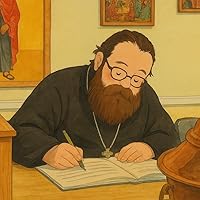
Nestor the Chronicler (Nestor litopysets) - famous medieval hagiographer and chronicler; saint in the Ukrainian church. The date of his canonization is uncertain. He entered the Kyivan Cave Monastery at 17 and was a hierodeacon under Hegumen Stefan of Kyiv (1074–8). He participated in the ceremonial disinterment of the relics of Saint Theodosius of the Caves in 1091. The earliest biography of Nestor appeared in the Kyivan Cave Patericon (pub 1661). He was one of the most educated men in late 11th- and early 12th-century Kyivan Rus’, renowned for his knowledge of theology, history, literature, and Greek. Nestor wrote the lives of Saints Borys and Hlib and Saint Theodosius of the Caves in the 1080s, and he supplemented and continued the text of the Rus’ Primary Chronicle (written in 1093), and completed its redaction, known as Povist’ vremennykh lit (The Tale of Bygone Years), ca 1111–13. The original has not been preserved. Most scholars (eg, Dmytro Abramovych, Mykhailo Braichevsky, Dmytro Chyzhevsky, Mykhailo Hrushevsky, D. Likhachev, M. Priselkov, Omeljan Pritsak, Aleksei Shakhmatov, Mykhailo Vozniak) consider Nestor the Hagiographer and Nestor the Chronicler to be one person. Some (eg, Evgenii Golubinsky, P. Kazansky, Aleksei Sobolevsky), however, believe they are different persons. Some Western scholars of the Povist’ (eg, Louis-Paul-Marie Léger, L. Müller) have referred to it as the Nestor Chronicle.
I'm going to add this monster, because even if I haven't read every single word of it, I sure have read lots and lots of it, and what I have read, I've read twice, analyzed and annotated every single word of - 7,5 hours a day, for MONTHS. So there.
What can one say about it? Lots of action, that's sure. A bit repetitive. Lots of travelling. Many of us exasperated readers probably wish the old Slavs could have used numbers with their names, because a normal person can only keep track of so many Jaropolches and Svyatoslavs.
There are some highlights, one of which is Olga. Volodimir and the examination of religions is also highly amusing. They should have kept God out of this thing though; whenever he is mentioned the syntax is shot to hell in true OCS style. The treaties with the Greeks are also fun, as is the description of the ideal woman (a true busy bee). There's some torture in here, but for that kind of thing, you're much better off with the lives of the saints. There are also some miracles, talking donkeys and the like, but if you know anything of the genre you know that's pretty common.
Pretty good account of the history of Kievan Rus from the founding of the state up to around the late 11th century or so. Having read a few books about the eastern romans / byzantines it was nice to finally read about the Rus from their point of view, as 'protagonists', and to read about their interactions with the 'greeks' and the other states.
I don't think "russian" should be in the title since there was no Russia back then, just Rus principalities loosely held together by a Grand Prince. Eventually one of those became Muscovy / Russia.
Oh and since it's a medieval text, you already know there's going to be a lot of miracles and bible quoting.
Не знаю, з якої точки зору оцінювати прочитане, чи то історика, чи то літературознавця. І так і так весело читати, ну і завданнячко відділяти правду (???) від домислів, дописів та середньовічної джинси мені прийшлося до душі. А всі, хто уважно читали, знайдуть у тексті вишеньку на торті у вигляді мінету із ковтанням.
I used this as my primary source for a research paper in a History of Russia class, and it was great. Cross and Sherbowitz-Wetzor did a tremendous job of providing notes throughout the content.
This work is a translation of the oldest Russian primary history that covers the years from prehistory until 1100. It has some famous stories like the founding of Kiev by Rurik and the conversion of Saint Vladimir. It also contains some fascinating information on Slavic paganism. The chronicle takes an annual report format with the Russian histories starting around 850. Some of the standard entries concern battles, natural disasters, dedication of churches and monasteries, marriages and the death of rulers. This is a book you may not read cover to cover, but it good to review if you're looking up a certain time period.
Een goede vertaling, als in, accuraat en duidelijk. Maar zó droog, er had echt wel wat meer sjeu aan gemogen. Ik heb mooiere, poëtischer en spannender vertalingen van legenden en mythen gelezen zeg... Hier was niet doorheen te komen. Alleen voor óf de diehard fan, of voor de student Slavische Talen en Culturen (ik wens je veel succes).
Er zitten illustraties in, maar die zijn allemaal van de kroniek zelf. Dit boek had 1 hele ster meer gekregen als er ook bijv. foto's van het gebied nu hadden gezeten, of foto's van voorwerpen of kunst uit de Kiev Rus, of foto's van ruïnes of andere overblijfselen oid. Zelfs een landkaart ontbreekt. Zo jammer!
The story from the original source is always interesting.
How Vladimir baptized Russia, why Yaroslav was known as the Wise One, the creation of the Old Slavonic alphabet and the Church Slavonic language by Cyril and Methodius, how Olga avenged her husband's murder - I repent, at history lessons, all this passed by. And now I decided to be enlightened through the literature, who knew that the chronicle can impress so much. Actually other reason behind that I need it for studies in almost no time.
After I found out how Prince Oleg died of a snake bite crawling out of his horse's bones, I began to tell it to my wife with passion, and she answered dryly that, unlike me, she studied at school. Fair enough, I can't argue with that.
And it turned out that Prince Svyatoslav was murdered on our doorsteps, and they made chalice out of his skull...
Yeah, well, the time's coming soon for all kinds of literature.
Interesting facts: ⠀ - Nestor is considered to be the first Russian chronicler, and "The Tale of Bygone Years" - the first Russian chronicle. ⠀ -The book was compiled in Kyiv. ⠀ -The covered period of history begins with biblical times in the introduction and ends in the third edition in 1117.
Книга, а точнее летопись, начинается с момента основания Киевской Руси. Заканчивается же всё на моменте с тремя братьями. В процессе мы узнаем о Ярославе Мудром, Владимире Великом (укр. Володимир Великий), об Ольге и Олеге, а так же о многих других важных фигурах истории Руси.
Читалось тяжело. Язык устаревший, на то это и письмена, но всё же слишком много лишних моментов. Эта книга хороша тем, что тот кто прочитал - более менее знает и вспомнит (если учил, нет - выучит) историю начала украинкой земли и её монархов. Больше всего понравился момент истории с Ольгой, и да, я наконец-то запомнила, что в 988 году было крещение Руси. В целом, я вообще не жалею, что потратила много времени перед ВНО именно на это произведение, а не на какое-либо другое и менее полезное. Ведь это историческая/документальная литература.
Советую, однозначно. Знаю, что рецензия небольшая, но я сказала всё очень сжато и по сути, чтобы не терять вашего времени, но такое будет вряд-ли часто.
The excerpt on the life of Vladimir of Kiev shows a strong theological slant on the early history of Russia. The portrayals of the Muslim Bulgars and Khazar Jews were demeaning and insulting. Interestingly, those same Bulgars that the author dismissed as being unhappy and severe, were the most tolerant of the candidates: in 985 they had requested Vladimir convert to 'any of the religions of the Book'.
Vladimir's conversion and subsequent baptism is strongly reminiscent of the life of St. Constantine the Great, which raises the likelihood of fancifulness in the tale.
Generally dry reading, of course, but excellent material. All other books written on the matter of reference this one, which speaks of the materials value. But you will need to have a working knowledge of the basic history and historical figures already in place otherwise you'll be lost in the sea of info.
eeee jebać to, nic nie rozumiem ale przeczytane xdddd najlepszy part jak Olga królowa w krwawy sposób pomordowała wszystkich co jej męża zabili, we stan
(Pagaidām lasu tik par Vladimiru un hazāriem). Kaut kāds ārprāts, tas Kijevas kņazs Vladimirs! Man jau pietika ar visām viņa asiņainajām kāzām, a te izrādās, ka tam visam vēl ir turpinājums, ne mazāk asiņains. Pēs leģendas pie Vladimira brauca pasaules Gudrie un pēc tam viņš sūtīja uz tām valstīm savus vēstniekus (amatu apvienošanas kārtībā - laupītājus). Kad tika izlēmts, kuru ticību pieņemt (kura zeme visbagātākā), savāca karaspēku un gāja uz turieni (t.i. uz Bizantiju). Bizantieši izspēlēja diplomātisku gājienu, lai šis bik nomierinās - apprecināja ar savējo (it kā viņam jau tā sievu nepietiktu, viņam jau bija vesels harēms pa visu Slāviju), tad tipa Vladimirs pats nokristījās un brauca atpakaļ pārtaisīt Kijevu, pa ceļam gan paķerot šādas tādus vērtības. Atgriežoties Kijevā sadzina visus cilvēkus upē, tipa kristīšana. Pēc tam lika nopērt visus elkdievus un pēc tam tos sadedzināt. Nu bet baznīcas kā likums būvēja uz tām pašām vietām, kur iepriekš bija krietni asinis patecinātas. Baigi, patiešām baigi. Tāds, lūk, Kijevas varonis.
".. пришли (к Владимиру) хазарские евреи и сказали: «Слышали мы, что приходили болгары и христиане, уча тебя каждый своей вере. Христиане же веруют в того, кого мы распяли, а мы веруем в единого Бога Авраамова, Исаакова и Иаковля». И спросил Владимир: «Что у вас за закон?». Они же ответили: «Обрезаться, не есть свинины и заячины, соблюдать субботу». Он же спросил: «А где земля ваша?». Они же сказали: «В Иерусалиме». А он спросил: «Точно ли она там?». И ответили: «Разгневался Бог на отцов наших и рассеял нас по различным странам за грехи наши, а землю нашу отдал христианам». Сказал на это Владимир: «Как же вы иных учите, а сами отвергнуты Богом и рассеяны? Если бы Бог любил вас и закон ваш, то не были бы вы рассеяны по чужим землям. Или и нам того же хотите?».
"После всего этого Владимир взял царицу, и Анастаса, и священников корсунских с мощами святого Климента, и Фива, ученика его, взял и сосуды церковные и иконы на благословение себе. Поставил и церковь в Корсуни на горе, которую насыпали посреди города, выкрадывая землю из насыпи: стоит церковь та и доныне. Отправляясь, захватил он и двух медных идолов и четырех медных коней, что и сейчас стоят за церковью святой Богородицы и про которых невежды думают, что они мраморные. Корсунь же отдал грекам как вено за царицу, а сам вернулся в Киев. И когда пришел, повелел опрокинуть идолы – одних изрубить, а других сжечь. Перуна же приказал привязать к хвосту коня и волочить его с горы по Боричеву взвозу к Ручью и приставил 12 мужей колотить его палками. Делалось это не потому, что дерево что-нибудь чувствует, но для поругания беса, который обманывал людей в этом образе, – чтобы принял он возмездие от людей. «Велик ты, Господи, и чудны дела твои!». Вчера еще был чтим людьми, а сегодня поругаем. Когда влекли Перуна по Ручью к Днепру, оплакивали его неверные, так как не приняли еще они святого крещения. И, притащив, кинули его в Днепр. И приставил Владимир к нему людей, сказав им: «Если пристанет где к берегу, отпихивайте его. А когда пройдет пороги, тогда только оставьте его». Они же исполнили, что им было приказано. И когда пустили Перуна и прошел он пороги, выбросило его ветром на отмель, и оттого прослыло место то Перунья отмель, как зовется она и до сих пор. Затем послал Владимир по всему городу сказать: «Если не придет кто завтра на реку – будь то богатый, или бедный, или нищий, или раб, – будет мне врагом». (..) И сказав это, приказал рубить церкви и ставить их по тем местам, где прежде стояли кумиры. И поставил церковь во имя святого Василия на холме, где стоял идол Перуна и другие и где творили им требы князь и люди. И по другим городам стали ставить церкви и определять в них попов и приводить людей на крещение по всем городам и селам. Посылал он собирать у лучших людей детей и отдавать их в обучение книжное. Матери же детей этих плакали о них; ибо не утвердились еще они в вере и плакали о них как о мертвых."
Venäjä ei koskaan käynyt läpi renessanssia eikä valistuksen aikaa, joten siellä ollaan toinen jalka edelleen tukevasti keskiajassa. Venäjän hallinto perustelee yhä ratkaisujaan tuhat vuotta vanhoilla kansallismyyteillä ja niinhän siellä nykyäänkin Vladimir pitää kansaansa kurissa ja nuhteessa kuten tuhat vuotta sittenkin. Näin naapurivaltion asukkina saattaa olla hyväksi tuntea venäläistä historiaa myös aikalaiskirjoitusten kautta. Nestorin kronikka on koottu arvioiden mukaan vuoden 1117 tienoilla ja esipuheensa mukaan se on Venäjän kirjallisuuden ensimmäinen tunnettu teos. Kertomus menneistä ajoista, siitä, miten Venäjän maa sai alkunsa, kuka oli Kiovan ensimmäinen hallitsija ja miten Venäjän maa kehittyi. Erityisen paljon kehittymistä tässä ei ole, lähinnä vain soditaan kenen kanssa vain on mahdollista. Kreikkalaiset, unkarilaiset, tsekit ja puolalaiset tapetaan heti kun vain on mahdollista, tosin kristinuskon leviämisen jälkeen kreikkalaiset saivat ilmeisesti olla aika rauhassa. Heidän sijaan ja ohessa hakattiinkin sitten päät irti kasaareilta, tsuudeilta, jaameilta, semgalleilta, horutaaneilta, valakeilta, bolgaareilta, obreilta, alaaneilta, adygeilta, petsenegeiltä, vjatitseilta, krivitseiltä, kumaaneilta sekä suurin piirtein kaikilta muiltakin, ketä nyt vastaan sattui tulemaan. Verinen on Venäjän maan historia. Lähinnä tässä tosiaan kronikoidaan hallitsijoita ja taisteluita vuosilukuihin niputettuna eikä lukemista helpota, että saman nimisiä heppuja oli valtaistuimella useita. Melkoinen urakka enkä nyt oikeastaan tiedä lisäsikö ymmärrystäni juuri minkään muun suhteen kuin, että nyt tiedän Nestorin kronikan olevan hyvin raskas ja tylsä teos.
Время рассудит, но время не рассуждает: ему внушают — оно отражает. Как записано человеком, тому вера будет. И ежели сказал один, другой повторит. Если не повторит, то исказит на лад свой. И тогда будет время иным, и станут прежде жившие иными, и ныне живущий станет иным, ибо не дано знать никому о минувшем. Было ранее, в житие Нестора, что летописец, хроника Георгия Амартола, греческого византийца. По той хронике «Повесть временных лет» писана, добрую часть прошлого к истории Руси тем приписав. Прочее, Амартолу неизвестное, взято по народным преданиям, из уст на писчее положено. Другое же, Нестором не виденное, со слов свидетелей записано. Чему сам очевидцем был, то сухо изложил, без фантазии.
Loppuviitteitä olisi saanut olla enemmänkin ja niissä enemmän asiaa, esimerkiksi kohdat "Joidenkin tutkijoiden mukaan tällä tarkoitetaan - - - " olisi saanut sisältää viitteen kyseiseen tutkimukseen/ kyseisiin tutkimuksiin.
I have been using this book continually for the past ten years and still find it to be invaluable. If you are studying Kievan Rus’ either as a scholar or for interest, get yourself a copy, now!
This is an important work of history, so I am grateful to be able to read it in English translation. It's our main source of information for the history of the early Russian state from its founding under the leadership of the dynasty of Rurik, through Christianization and several hundred years of history until Kyiv was conquered by the Mongols in 1240. But as important as it is, it's a slog to get through. Having studied Russian, I'm better than a lot of people at Slavic names, but I confess that my head began to spin trying to keep Svyatoslav straight from Svyatopolk and Vsevolod from Volodymyr. The history that we get here is basically endless fighting, some against external enemies and a lot of internal strife. Then there is a lot of church history, including a long summary of the historical story of the bible, and a history of the Cave Monastery where Nestor, the principal writer of the Chronicle, lived. There is also a good measure of demons, portents and evil sorcerers. But we don't get a lot of personality. The only individuals whose stories stuck with me were Olga, the brilliant queen, and David, the faithless traitor. We learn how Olga took charge of the Kyivan state upon her husband's death and cleverly avenged his death. She went on to convert to Christianity two generations ahead of the rest of the Russians but still remained fiercely independent and even outfoxed the Byzantine emperor in Constantinople. David was one of a number of warring brothers. He didn't hesitate to ally himself with dangerous foreigners or to repeatedly plot, betray faith and go against his brothers. And yet he continually got away with it. He had some strong mojo.
Essential reading for anyone interested in the founding of the Russian state and Ukraine. Second half of this is not as interesting as the first, it becomes repetitive and then just abruptly ends as if the population was exploding and the cycle would continue on, and on, with new Vladimir's. But, this tells the story of how Russia came to Christianity.