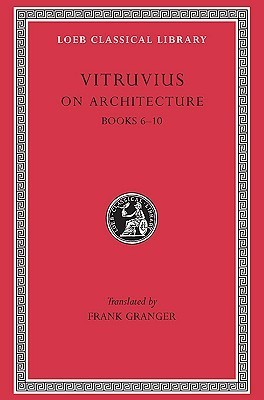
Contents of the books 6-10 include, domestic buildings such as Roman villa, typically a farmhouse or country house built in the Roman Republic and the Roman Empire, sometimes reaching extravagant proportions. Pavements, an outdoor floor or superficial surface covering and decorative plasterwork, coating of walls and ceilings and for moulding and casting decorative elements. Water supplies and aqueducts, to bring water from outside sources into cities and towns. Aqueduct water supplied public baths, latrines, fountains, and private households; it also supported mining operations, milling, farms, and gardens. Sciences influencing architecture, like geometry, measurement, astronomy, sundial. Use and construction of machines, Roman siege engines, water mills, drainage machines, hoisting, pneumatics.
Vitruvius originated the idea that all buildings should have three attributes: firmitas, utilitas, and venustas ("strength", "utility", and "beauty"). These principles of perfect proportion in architecture led to the famous Renaissance drawing of the Vitruvian Man by Leonardo da Vinci.