Jump to ratings and reviews
Rate this book

Et si on arrêtait de faire semblant ?

Rate this book
Wir müssen der Wahrheit ins Gesicht sehen, sagt Jonathan Franzen, der sich seit vielen Jahren mit Themen des Umweltschutzes beschäftigt. Das Spiel ist aus, wir werden den Klimawandel nicht mehr kontrollieren, die Katastrophe nicht verhindern können. Das Pariser Abkommen, das Zwei-Grad-Ziel, "Fridays for Future", die Bepreisung von CO₂: alles zu spät, nachdem 30 Jahre lang vergeblich versucht wurde, die globale Erwärmung zu reduzieren. Aber das ist kein Grund zum Aufhören und schon gar nicht das Ende von allem. Wir sollten uns vielmehr neu darauf besinnen, was uns wichtig ist. Deshalb, so Franzen, wird es jetzt Zeit, sich auf die Folgen vorzubereiten, zum Beispiel auf Brände, Überschwemmungen und Flüchtlingsströme. Es geht aber auch darum, alles in unserer Macht Stehende zu tun, um unsere Gesellschaften, unsere Demokratien zu festigen. Dieses Buch ist ein kämpferisches Plädoyer dafür, die Grenzen unserer Möglichkeiten nicht zu Lasten dessen zu leugnen, was sich erfolgreich verändern lässt. Es enthält neben einem Essay und dem bislang unveröffentlichten Vorwort des Autors ein Interview, das er der Zeitung "Die Welt" im Juli 2019 zur Klimakrise gegeben hat. "Wenn unser Planet uns am Herzen liegt, und mit ihm die Menschen und Tiere, die darauf leben, können wir zwei Haltungen dazu einnehmen. Entweder wir hoffen weiter, dass sich die Katastrophe verhindern lässt, und werden angesichts der Trägheit der Welt nur immer frustrierter oder wütender. Oder wir akzeptieren, dass das Unheil eintreten wird, und denken neu darüber nach, was es heißt, Hoffnung zu haben." Jonathan Franzen

352 pages, Paperback

First published January 1, 2019

17 people are currently reading
1169 people want to read

About the author

Jonathan Franzen

90 books10.1k followers
Jonathan Earl Franzen is an American novelist and essayist. His 2001 novel The Corrections drew widespread critical acclaim, earned Franzen a National Book Award, was a Pulitzer Prize for Fiction finalist, earned a James Tait Black Memorial Prize, and was shortlisted for the International Dublin Literary Award. His novel Freedom (2010) garnered similar praise and led to an appearance on the cover of Time magazine alongside the headline "Great American Novelist". Franzen's latest novel Crossroads was published in 2021, and is the first in a projected trilogy.
Franzen has contributed to The New Yorker magazine since 1994. His 1996 Harper's essay "Perchance to Dream" bemoaned the state of contemporary literature. Oprah Winfrey's book club selection in 2001 of The Corrections led to a much publicized feud with the talk show host.

Ratings & Reviews

What do you think?
Rate this book

Friends & Following

Create a free account to discover what your friends think of this book!

Community Reviews

5 stars
157 (13%)
4 stars
413 (36%)
3 stars
423 (37%)
2 stars
124 (10%)
1 star
23 (2%)
Displaying 1 - 30 of 147 reviews
Profile Image for s.penkevich [hiatus-will return-miss you all].
1,573 reviews14.8k followers
March 8, 2025
I have to admit, I’d never read Jonathan Franzen before. Truth be told, the main idea his name always brings to mind is an old comedic piece in Jezebel on why ‘teens are the only true nihilists left’ that ends with ‘TEENS DON’T GIVE A MAD FUCK ABOUT JONATHAN FRANZEN!!!!!!!!!’ I laughed so hard the first time I read that article. But Jonathan Franzen also wrote an article, this one for the New Yorker (you can read it here) back in 2019 and it set the internet astir. Which, from what I know about Franzen, is pretty par for the course with him. He seems to really cause some strong emotions in folks but, until today, I honestly didn’t *checks notes* give a mad fuck about Jonathan Franzen. But seeing a friend on here review it and then diving into the whole fallout of the social media discourse around the original article I had to give it a quick read. Because I do love a good social media shitstorm. So here we are. What If We Stop Pretending? by Franzen, including the original essay and a few scattered thoughts as well addressing the original essay. It’s pretty bleak, and understandably so because the climate crisis is pretty bleak. And, as everyone was quick to point out, there's a lot in this essay that doesn’t come across great. But there’s a lot of criticism that seems to focus on aspects in a way that misconstrue what he’s saying too. So let’s take a look for a brief moment.

“There is infinite hope,” Kafka tells us, “only not for us.” This is a fittingly mystical epigram from a writer whose characters strive for ostensibly reachable goals and, tragically or amusingly, never manage to get any closer to them. But it seems to me, in our rapidly darkening world, that the converse of Kafka’s quip is equally true: There is no hope, except for us.

Climate crisis is changing the world around us and is only going to get worse if we don’t make changes. Such is the general consensus. His article got a lot of criticism for, as on critic put it, saying ‘We’re doomed so just garden and be nice’ which is ‘deadly and useless.’ And there are some good criticisms—such as Franzen not acknowledging how much more dire the situation is in other parts of the world and that people are dying right now—but I also don’t think garden and be nice is what he is trying to say. At least from what I read in it, Franzen is more concerned about how the language around climate crisis, particularly at a political level, sets it as this large looming abstract threat we can “fight to stop” when the reality is, it isn’t a “flip the switch, its over” scenario and the looming future makes it easier for people to push it aside as future-Me’s problem. Franzen is saying to look at what you can do in the immediate present and do that, even if its small, and small things can build towards big change. Though the "do what you can as an individual" does just feel a bit more like patting oneself on the back when collective action is going to be necessary and also doesn't do enough to point towards the larger issues (like fossil fuel industries or an economic system that will not bother to budge if actually addressing climate means less profits). And it may seem like a rather bleak prophesying that we can’t just “stop” climate change, but I mean…it’s already here so thats not wrong but I don’t think he’s giving a resignation attitude at all. Quite the opposite was my take, though I also don't find him particularly helpful amidst much more productive voices on the issue.

If you’re younger than sixty, you have a good chance of witnessing the radical destabilization of life on earth—massive crop failures, apocalyptic fires, imploding economies, epic flooding, hundreds of millions of refugees flooding regions made uninhabitable by extreme heat or permanent drought. If you’re under thirty, you’re all but guaranteed to witness it.

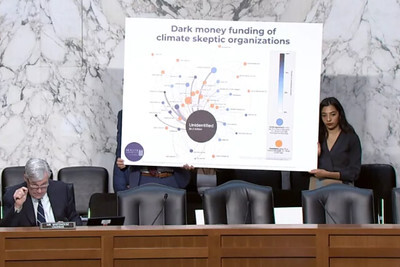
But yes, a lot of it does have a layer of privilege to it and he does sort of armchair-quarterback the situation in ways where it’s like “I’m helping!” but like…is he? It feels a bit too small, and a bit too much like, sure, lets do what we can, but losing sight of the larger picture at the same time. Also he seems to neglect to talk about the people who are already doing the work. I was the finance officer for a 2020 state level campaign and climate crisis was a big talking point of ours in the early days. Democratic party advisors tried to tell us to not focus on it much and showed us troves of data that public opinion on the issue had been rising over the years but—and this is bleak, prep yourself—when the face of fighting climate change became largely women, especially young women (like Greta Thunberg and Alexandria Ocasio-Cortez), and very often women of color (like Isra Hirsi), polls showed a dramatic decrease in voters seeing it as a priority issue. NOT GREAT . And while Franzen talks about how we need to change the public discourse and language around climate crisis, he seems to miss how much misogyny, racism, and ageism all play a large role in the ad hominem criticisms used to distract and dismiss climate action as well as the massive amounts of funding from corporations such as the oil industry to attempt to delegitimize climate science in the public opinion.
Screenshot 2025-03-04 124120
US Senate Budget Committee discussing the role of the fossil fuel industry in funding climate skepticism

Which is a pretty known problem unless you are repeating the rhetoric of industry plants. The oil industry has a long history of blocking climate action and even deceives the public on their commitment to climate and downplayed the crisis and bribed journalists to help.

But I suppose that is part of the problem Franzen talks about. We look at the huge amount of money funneled into climate skepticism and think “I can’t fight billionaires” and feel powerless. While I wish Franzen took a bolder stance and gave more outlets or examples of people doing the work, I do see where he is coming from about looking to what we can do in the Now. But the whole “look at you as an individual” also reeks of BP oil coming up with the “carbon footprint” to have people look at themselves and not at the oil industry who is a massive part of the problem.

Finding a way to actually collectively address the issue is daunting, so while it is frustrating that Franzen is sort of turning away from that idea I want to find some hope in his notion that people looking for what they can do in the present will hopefully inspire people to move towards holding companies and politicians accountable. Naomi Klein addresses the issue of framing in the beginning of her book This Changes Everything: Capitalism vs. The Climate, citing a politician claiming about climate action that the 'entire movement [is] simply a green Trojan horse, whose belly is full with red Marxist socioeconomic doctrine' and that climate denialists have gotten traction through rather defeatist behavior by refusing to do anything using claims that efforts to address the crisis will cause prices to soar, profits to drop and is largely invented as an excuse to destroy capitalism as their excuse. So while people are yelling at Franzen for climate resignation and not doing enough, which isn't wrong, perhaps the energy would be better spent against those with climate defeatist resignation under an excuse of economic anxiety that is beside the point and shortsighted as prices will rise and the economy will suffer when the effects of climate crisis get worse. Klein discusses how changing the framing is needed:
'Just as climate denialism has become a core identity issue on the right, utterly entwined with defending current systems of power and wealth, the scientific reality of climate change must, for progressives, occupy a central place in a coherent narrative about the perils of unrestrained greed and the need for real alternatives.'

While Franzen says to stop saying "stop climate change" because its inevitable (which is...pretty unhelpful honestly), Klein says we need to make addressing climate crisis central in cultural narratives about everything from consumption to recreation in both personal and social decisions. And to call out climate denialists as much of that comes from corporate interests valuing theoretical profits over reality and lives.

So I definitely agree with some of the criticism on how Franzen just…comes across as kind of smug and privileged but I also don’t think that changes his points either and those would be better places to argue him. And there’s plenty that can occur there. But fighting against someone who is trying to at least say lets find a better way to think about working towards reducing harm seems the wrong place to put all the energy when actually working to reduce harm and hold corporations and politicians accountable is right there too. I feel like a lot of what goes on in this book was done much better by others and This Changes Everything: Capitalism vs. The Climate by Naomi Klein, for example, is a far better read. Or Not Too Late: Changing the Climate Story from Despair to Possibility by Rebecca Solnit which has a much more optimistic look without coming across as naive or rose colored glasses on a serious issue. So now I guess I’ve read some Franzen. Cool?
Profile Image for Meike.
Author 1 book4,905 followers
July 13, 2020
This short book contains Franzen's by now infamous essay "What If We Stopped Pretending? The climate apocalypse is coming", but it's also a book about our cultural climate: When Franzen, a known environmentalist and bird lover, published his texts about climate change, he earned major shitstorms including a fair amount of commentators distorting his positions in order to disqualify him as a person (the book also contains Franzen's thoughts on this phenomenon). It's certainly possible to disagree with Franzen in some respects, but how this discussion played out is pretty symptomatic, especially regarding the recently published "A Letter on Justice and Open Debate", signed by an illustrious group of artists and intellectuals like Margaret Atwood, Salman Rushdie, and Noam Chomsky.

Franzen's basic position is that people should not get caught up in trying to end climate change (which cannot be achieved, he argues) in major or even global concerted efforts or by trying to change human nature, but that they should immediately take smaller measures to protect the climate while also trying to change the big picture. Franzen points out that we have known the scientific facts for 30 years and that humanity is still clinging to optimism instead of acknowledging failure and starting to think smaller in order to finally make something concrete happen.

And frankly: This reader sees that Franzen's outlook is very hard to bear, not because it doesn't make sense, but because it is utterly terrifying. I would also contradict him regarding some points he makes - and that is called a debate about issues. Franzen is deeply concerned about the environment, and to try to silence an ally means to play into the hands of the climate deniers - although some internet bubbles seem to strongly disagree, keyword: #cancelculture.

I am already curious how we will evaluate both debates - the one about climate change and the one about freedom of speech - in ten years, and what we will have achieved by then.
Profile Image for Bianca thinksGRsucksnow.
1,311 reviews1,143 followers
October 9, 2021
Jonathan Franzen - one of the internet's favourites guys to pile on - has come up with another essay to defend previous essays and articles. He's claiming that we're too late to fight climate change, that it's impossible to achieve carbon neutrality in ten years. He claims that we should accept the inevitability of higher temperatures and all that's coming. Of course, it doesn't mean we should do our best to reduce/stop our carbon emissions, that can only benefit us. He advocates for us to focus on what we can achieve on a smaller, more local scale, especially when it comes to saving species, habitats etc. He makes some good observations and arguments, while also being very scant on data and action plans. While I wanted more data, concrete actions etc, I have to remember he's not a scientist, nor a policy maker. It saying all that it wasn't without merit.
Profile Image for Rebecca.
4,178 reviews3,436 followers
July 25, 2021
(3.5) The message of this controversial New Yorker essay is simple: climate breakdown is here, so stop denying it and using unsuitably optimistic language about “saving the planet” (that includes you, Democratic Party); it’s too late for all that. A certain amount of global warming is locked in, and the collective will is simply not there to curb growth, completely overhaul economies, and ask people to voluntarily give up the benefits of developed world lifestyles. Instead, start preparing for the fallout (e.g. refugees) and saving what can be saved (e.g. particular habitats and species).

Franzen comes across as realistic about human nature and practical about what to do next, though I’m sure many will have labelled him a doom-monger. I’ve read similar sentiments from him before in The End of the End of the Earth. His immediate spur for writing was witnessing forest fires in Germany in June 2019. The recent murderous temperatures and devastating fires in Canada and Siberia only reinforce his point that the climate crisis is advancing more rapidly than we expect or are ready for, and mitigating against future fires and floods is one practical way we can minimize the human impact of the inevitable disasters.

Appended to the essay is an interview Franzen did with a German literary magazine in July 2019, and he wrote a short foreword that November. My disappointment with this slim volume is that 4th Estate did not commission an updated introduction that would reiterate the importance of climate action even during or in spite of Covid-19 and that would more accurately reflect the current political landscape. For instance, Franzen emphasizes the importance of strengthening democracies everywhere. I would have liked his thoughts on the events of January 6th and Biden’s first 100 days in leadership.

A sample passage: “If you’re younger than sixty, you have a good chance of witnessing the radical destabilization of life on earth—massive crop failures, apocalyptic fires, imploding economies, epic flooding, hundreds of millions of refugees flooding regions made uninhabitable by extreme heat or permanent drought. If you’re under thirty, you’re all but guaranteed to witness it.”
Profile Image for Corina Dabija.
172 reviews60 followers
November 19, 2020
Anul 2020 este anul în care au apărut mai multe întrebări decât răspunsuri, anul în care responsabilitatea a devenit un element de blamare și de divizare a societății între fataliști și isterici. Cumva anume această atmosferă de constantă isterie și panică generează meditații bine venite asupra unor subiecte de anvergură.

Jonathan Franzen este un romancier prolific al momentului, are la activ câteva romane și duce un mod activ de viață, implicându-se vehement în discursul mondial cu privire la problemele ecologice existente.

Prezentul eseu este o reflecție asupra consecințelor care survin de pe urma atitudinii noastre incoerente și iresponsabile. Franzen nu-și arogă rolul de Mesia și nici nu dă soluții, dar te aruncă într-un soi de duș rece, arătând clar care sunt pronosticurile dacă vom continua să dăm dovadă de acest consumerism feroce. E de menționat că autorul nu scuză nici extremismul ecologic, care divaghează și mută atenția publicului de la alte probleme la fel de importante, precum este biodiversitatea sau ecosistemele.

Deși este o carte mică, în parametri de volum, este acel mesaj de care avem nevoie acum, pentru a ne trezi dintr-o apatie atât de confortabilă.

Am citit-o cu o strângere de inimă, amintindu-mi de perioada când eram parte dintr-un club ecologic și încercam să amintesc lumii cât de vital e să păstrăm intactă această casă: Planeta Pământ.

O recomand tuturor fără precădere ca o pilulă amară cu o doză sănătoasă de adevăr :)

"Dacă ai mai puțin de 60 de ani, ai mari șanse să fii martorul unei destabilizări radicale a vieții pe pământ - scăderi masive ale recoltei agricole, incendii apocaliptice, economii prăbușite, inundații catastrofale, sute de milioane de refugiați ce își părăsesc regiunile devenite nelocuibile din pricina temperaturilor extreme sau a secetei permanente.
Dacă ai mai puțin de 30 de ani, vei vedea cu certitudine toate astea."

"Fie că-mi spuneți pesimist sau umanist, eu nu cred că natura umană se va schimba fundamental în perioada imediat următoare."
Profile Image for K.T. ♡.
273 reviews133 followers
January 1, 2022
This books can be considered a good wake-up call for the utter denial of climate change. It showcases some great arguments for immediate action (which are highly relevant for the time being), nevertheless, the book is referring to the issue on quite a surface level still. I would love to see more of the author’s viewpoint on tackling climate calamities through power struggles, social inequalities, and so on.

Overall, a concise and nice read to kick off 2022 :’)

3.4/5 stars for this one.
Profile Image for Julian.
58 reviews
January 19, 2022
I had a whole angry review typed before I even read Franzen's actual words because I couldn't even stand the title. What you see now is the review after I actually read the book, after going through his words and arguments.
I am, of course, biased and in no way trying to shame the author. He makes valid points and provides an important perspective for this species' literal existential crisis. Cancelling someone is not the way. Discussion and dialogue is. Listening to each other. This essay's title contradicts everything I fight for but I had to read it anyway because I am as human as the author.
So I have listened and now it is my turn to speak, although I doubt anyone will actually listen to me.

His passion for birds
He starts the foreword (at least in my edition) with a story of a wildfire and his love for birds. So let's begin with him claiming that environmental organizations have ceased to care about biodiversity in favor of fighting climate change (because that's were he was going with the birds story). As a member of several environmental organizations I can confidently say: That's bullshit. Climate change is huge but the loss of biodiversity is in no way out of the picture because the earth is a single system and nothing can live without biodiversity. The activists he shuns for being in denial and making empty promises literally fight for the same thing as he does, just look at Extinction Rebellion.

Bad social media
He doesn't try to properly defend himself which is good because he shouldn't have to. His arguments are logical and therefore open for actual debate. But his attempt to invalidate the points a lot of people have made (and I am going to) to criticize the very basis of his essay - that he is a privileged white person from a western country, that he is not a scientist - just looks like a weird defense mechanism to avoid actual discussion because "the discourse has eroded" and social media is bad.

The actual beginning
I really quite like the beginning of his essay. To bring in Kafka to set the mood for despair and to illustrate our constant trial and yet inevitable failure, is not only intelligent but extremely fitting. (As a lover of Kafka's literature it appealed to me especially.) There is a great section about what people under 60 will probably and people under 30 will definitely have to see and experience; other people have quoted it.

Privileged perspective
He talked about "the right" denying climate change and "the left" denying the inevitability of the catastrophe. And of course he's right: Politics need to sell, that's why politicians deny the reality and distort the facts. Because fact is: Yeah, it is too late to stop climate change.
But it's not too late to stop trying to avoid total catastrophe. Only someone from a privileged country could have written such an essay, honestly. To "stop denying" (which equals to stop fighting for 1,5 or even 2 degrees, in the language he uses) is not an option for someone living in Thailand, or Bangladesh, or Singapore, or Somali, or Mexico, or even the damn Netherlands or Great Britain. Because lives are already being lost, way too many, because the consequences of climate change are already effecting a large portion of the world and its population.
Those wildfires, and storms, and floods, and heat records, and crop failures, and water shortages, etc. etc. etc. - It's shit, even for countries like Germany or the USA that can afford to rebuild after a "once in a century but soon to be every other year"-event. But to call out to people to redirect their sole efforts to conservation and adaptation because we can't avoid the catastrophe anyway is just plain offending to anyone whose livelihood and life and family and everything are at stake.

Psychological analysis
His very brief analysis of the human psyche is completely sound. Change in the necessary scale is highly unlikely but that does not make it impossible. To stop trying because the odds are against us is, in my opinion, just the easy way out. The way that focuses on the hope of a bearable present amid a global catastrophe instead of the hope for a better world. Because the former is easier to hold on to, when you live in a rich country, than the latter which requires everyone to put up an enormous effort for millions if not billions of people they don't know. Empathy seems to be a difficult concept to grasp and a sense of justice does also not appear in Franzen's essay - which are the main drivers of many people whose life is not directly at stake.

The thing about hope
At the end of his essay he tells us again to stop denying the reality of not being able to avoid the catastrophe and to not look too far into the future. Less great aims to change "human nature" and "save the world", more small efforts in a local area. "Focus on today."
I can only repeat myself: You can live like that and I can too. But even today people are losing their homes, their families, their lives because of the effects of climate change. They cannot live like "be happy today and there will always be hope" (not a direct quotation), they need change now. Big changes, great aims, huge efforts. It's not about saving the planet. It's about saving as many lives as possible, and that simply cannot be achieved by the method Franzen proposes because its focus is small and short-sighted.
We cannot sacrifice our children's future and our fellow humans' present to live in peace with ourselves having "accepted the reality". That is a convenient excuse. It is simply not an option for anyone who cares. Hope can live on without sacrificing one's own humanity.

Personal statement
I'm a pessimist. I even have a strong fatalistic tendency. But the sheer disrespect to more than half of the world's population that is indirectly expressed by the author is too much, even for me.
Fighting for change is not fun. It's exhausting and depressing because you know enough to see that it won't be enough. But even the slightest chance of success is reason enough to try.
You can't change the past so you have to adapt for the future out of necessity. The horrible things we see today are still so much better than any future in which we stop fighting for 1.5 or 2.
Humans are able to change, I have to believe that in order to stay sane and alive. We just have to start somewhere.

Conclusion
We can fight to try and avoid the catastrophe AND use more resources for conservation of biodiversity and adaptation. Why does it always have to be "either...or", why can't we just say "AND" and f*cking be done with convenience and comfort.
Rebel for life.
Profile Image for Kim.
1,120 reviews98 followers
August 6, 2021
A short essay and a correspondingly short audiobook of it.
While my view is that manmade climate change is happening right now, this didn't have any new insights for me. His recount of a forest fire in Germany sounded a bit tame in comparison to bushfire storms I've witnessed from my front door. Maybe my Australian perspective makes me feel it's a more worrying concern than the average person around the world.
Good to listen to but was hoping for more scientific insight than this provided.
Profile Image for Fra.
152 reviews140 followers
December 19, 2020
"Se la vostra speranza per il futuro si basa su uno scenario estremamente ottimistico, cosa farete tra dieci anni, quando quello scenario diventerà inattuabile anche in teoria? Darete il pianeta per perso? Prendendo in prestito il linguaggio dei consulenti finanziari, consiglierei un portafoglio di speranze più bilanciato, alcune a lungo termine, la maggior parte a più breve termine. Va bene lottare contro i limiti della natura umana, sperando di mitigare il peggio di quel che verrà, ma è altrettanto importante combattere battaglie più piccole e locali che avete qualche realistica speranza di vincere. Continuate a fare la cosa giusta per il pianeta, sì, ma continuate anche a cercare di salvare ciò che amate nello specifico - una comunità, un'istituzione, un luogo selvaggio, una specie in difficoltà - e a rallegrarvi per i vostri piccoli successi. Ogni cosa buona che fate è presumibilmente una protezione contro un futuro più caldo, ma la cosa davvero importante è che è buona oggi. Finché avrete qualcosa da amare, avrete qualcosa in cui sperare."
Profile Image for Daniele Scaglione.
Author 12 books15 followers
December 19, 2020
Jonathan Franzen ha deciso che quella per il clima era una battaglia in cui si vinceva o si perdeva, come una partita di pallacanestro. Bisogna usare il passato perché, nella visione di Franzen, quella partita si è già giocata, ed è stata persa. Questa, a mio avviso, è la prima debolezza del pamphlet E se smettessimo di fingere? pubblicato in Italia da Einaudi.

La mia prima sensazione è che Franzen ragioni come quegli ambientalisti che pure critica. Se la prende infatti con chi dice che abbiamo ancora dieci anni — o quel che è — per salvare il pianeta, perché a suo dire, quei dieci anni non ce li abbiamo più. Lui dà per scontato che l’aumento della temperatura non starà sotto i 2 °C e quindi la partita è persa, fine della storia.

Al di là del valutare se sulla questione specifica della temperatura abbia torto o ragione, quello che non mi convince è l’idea che se si arriva a 1,9 °C siamo salvi, ma se arriviamo a 2,1 °C, siamo spacciati. Franzen non scrive precisamente questo, a onor del vero, ma il suo ragionamento mi pare questo: c’è una soglia, e quella soglia siamo destinati a superarla. La battaglia è persa.

A me sembra un modo un po’ troppo lineare di pensare all’emergenza climatica. Le catastrofi si vedono già oggi, così come le loro tragiche conseguenze su milioni di persone. Ma ciò non toglie che si possano fare un sacco di cose per impedire alcune (molte?) tragiche conseguenze ancora da venire ed evitare grandi sofferenze. Probabilmente i ghiacciai delle Alpi oramai ce li siamo giocati, con gravi conseguenze sulla disponibilità d’acqua nella pianura padana. Quelli della Groenlandia ancora no.

ADATTAMENTO CONTRO MITIGAZIONE

Credo che la situazione sia più complicata di come appare da questo libro. Non migliore né peggiore di come la dice Franzen, ma più complicata: la partita è aperta, e lo sarà sempre, perché sempre ci sarà qualcosa da fare per impedire tragedie e sofferenze.

Per Jonathan Franzen, invece, ormai non vale più la pena spendere soldi in treni ad alta velocità che «potrebbero anche non essere adatti al Nord America» (il perché non siano adatti non lo so, l’autore non lo scrive). E questo perché «ogni miliardo di dollari speso in treni ad alta velocità è un miliardo che non viene messo da parte per prepararsi ai disastri, per risarcire i paesi inondati o per futuri aiuti umanitari».

Trovo un po’ spiazzante contrapporre le spese per la mobilità in treno a quelle per la risposta ai disastri o agli aiuti umanitari. A me, alle spese per il cosiddetto ‘adattamento’ — quello che si deve fare per gestire i danni prodotti dal cambiamento climatico — non vengono da contrapporre quelle per la cosiddetta ‘mitigazione’, cioè quello che si deve fare per limitare i danni prodotti dal cambiamento climatico.

Altre spese da tagliare potrebbero essere quelle militari. Mi scuso per il riferimento iper banale e super scontato, maè anche vero che sempre di difesa si parla.

In sintesi, mi sembra che Franzen affermi che qualsiasi azione sul versante della mitigazione sia inutile, mentre sul versante dell’adattamento ci siano enormi possibilità di fare qualcosa di concreto. Su questa seconda parte mi convince. Qualsiasi sia lo scenario che verrà a delinearsi, ad attendere l’umanità c’è una situazione difficile. Mio figlio che ora ha otto anni vivrà in un mondo più ostile di quello che ho conosciuto io, su questo non mi faccio grandi illusioni. Per cui, riuscire, a costruire società migliori, più democratiche, in cui ci si prende cura di chi e di ciò che ci sta vicino, come scrive Franzen, secondo me è fondamentale.

CONTRO L'ATTIVISMO E CONTRO LA SCIENZA

La parte iniziale di questo libro Franzen la dedica ai suoi dissidi con ambientalisti, che non sono pochi e sono piuttosto intensi. Ma Franzen si lascia andare anche a un giudizio sui giovani che protestano per il clima che io trovo piuttosto strano. Afferma che «un settantenne americano benestante ha già inflitto la sua parte di danni all’atmosfera, e non dovrà subirne gli effetti».

Chi li subirà, invece, sono i più giovani che hanno tutto il diritto di essere arrabbiati. Però «ciò non significa che, se fossero stati al posto del settantenne americano, non si sarebbero comportati esattamente come lui. La loro protesta è legittima, ma non rispecchia un’innata superiorità morale». Non capisco cosa c’entri la morale, ma neppure seguo il ragionamento. È un po’ come dire che Nelson Mandela è nato nero ed è diventato leader della lotta all’apartheid. Ma ciò non significa che se fosse nato bianco non sarebbe stato uno degli oppressori.

La critica di Franzen non risparmia neppure gli scienziati. L’autore specifica che «le persone che non danno ascolto alla scienza climatica sono il peggio del peggio», ma mi sembra che lui non si faccia scrupolo di rifiutare ciò che dicono gli scienziati che si occupano di clima, quando affermano qualcosa che non condivide.

Nel libro è contenuta anche un’intervista rilasciata a Wieland Freund per «Die Literarische Welt». Freund chiede a Franzen: «Molti ricercatori assicurano che la crisi climatica si può ancora fermare. Secondo te non è così? Perché non credi alle loro argomentazioni?». La risposta di Franzen è netta: «Dobbiamo considerare chi sta parlando: se non è un lobbista o un attivista — in altre parole, se è sincero — qualunque climatologo specificherà che evitare gli scenari peggiori è possibile in teoria».

Insomma, chi non condivide la sentenza di Franzen sul fatto che la battaglia per il clima è perduta, non può essere un climatologo. È un mentitore.

SUPPORRE DI AVER CAPITO

La mia sensazione è che Franzen faccia una supposizione un po’ audace: suppone di aver capito tutto quello che c’è da capire, sulla crisi climatica. Nonostante sia un argomento di grande complessità, sembra avere pochi dubbi. Sia chiaro: su alcune cose non è lecito avere dubbi. La temperatura della terra sta aumentando in modo velocissimo, e ciò sta avvenendo per colpa delle attività degli esseri umani che producono gas serra. Non è di questo che si sta parlando.

Si sta parlando, però, di tutte quelle cose che si possono ancora fare per gestire i tanti differenti aspetti che riguardano il cambiamento climatico. A cominciare dalle cose che è possibile fare per limitare i danni, che sono tanti: su molte di queste cose, il dibattito è aperto, la ricerca è in corso. Bollare tutto ciò come inutile, perché tanto la battaglia ormai è persa, secondo me è un atteggiamento un po’ supponente.

Credo sia un’ottima cosa che grandi scrittori come Franzen, Jonathan Safran Foer e Fred Vargas abbiano scritto sull’emergenza climatica. Penso però che occorra maggior accortezza: un romanziere, per quanto abbia studiato e approfondito l’argomento, non riuscirà a raggiungere la competenza di chi, per mestiere e passione, si occupa di questi argomenti dotato di strumenti matematici e scientifici adeguati.

Credo, allora, che il loro ruolo debba essere quello di accompagnare noi lettori in questo campo così complesso. Penso ci debbano aiutare ad accostarci alla scienza, a farci ragionare sulle conseguenze di ciò che è stato scoperto e che si sta via via scoprendo. Ma se invece assumono il tono di chi dice «ho capito come stanno le cose, e adesso ve le spiego», secondo me, sbagliano.

E se smettessimo di supporre di aver capito tutto?
Profile Image for Seregnani.
729 reviews31 followers
October 29, 2025
«Moltissimi esseri umani, compresi milioni di statunitensi avversi al governo centrale, dovranno accettare senza ribellarsi un aumento delle tasse e un forte ridimensionamento del tenore di vita a cui sono abituati. Dovranno accettare che il cambiamento climatico è reale e avere fede nelle misure estreme adottate per combatterlo. Non potranno rifiutare come false le notizie che non gradiscono.
Dovranno mettere da parte nazionalismo, classismo e odio razziale.
Dovranno fare sacrifici per lontane nazioni in pericolo e lontane generazioni future. Dovranno essere costantemente terrorizzati dalle estati piú calde e dai disastri naturali piú frequenti, anziché semplicemente abituarcisi. Ogni giorno, invece di pensare alla colazione, dovranno pensare alla morte.»

4⭐️
Profile Image for Johanna.
158 reviews39 followers
December 3, 2020
sehr interessant aber auch sehr deprimierend, musste es in zwei teilen mit einem monat abstand lesen... jetzt hab ich lust auf die >> korrekturen <<
Profile Image for Aoife Cassidy McM.
819 reviews381 followers
November 10, 2021
I’ve read a few books this year on climate change, climate apocalypse, the end of civilisation etc, and they’ve been some of the books I’ve enjoyed the most.

How do you feel about it these types of books? Do they fill you with existential dread? Do they leave you pondering your own existence and the future of the planet in ways that make you want to do something, however small? Or do you just avoid them?!

I just finished this short read by Jonathan Franzen, called What If We Stopped Pretending? Franzen is a novelist (his latest books Crossroads is great) and not a scientist.

He posits in this essay, published to great controversy a couple of years ago in The New Yorker, that climate change is, at this point, irreversible. The damage is done and according to Franzen, we need to stop pretending this isn’t the case. However, he says we can all still make changes to how we live to prepare for what is coming - mass weather events, uninhabitable lands, mass displacement and movement of people. We can do this, not because we believe it will save us, but because it is the right thing to do.

This is a really interesting, thought-provoking read, whether you agree with his views or not, and however idealistic they may be. It’s a mixed bag.

He acknowledges that for the climate science establishment, publicly stating that climate change is irreversible might have the effect of people doing nothing because, what’s the point?

It’s hard not to feel powerless in the face of information suggesting that anyone under the age of 60 is likely to see climate apocalypse events in their lifetime, and that anyone under the age of 30 most certainly will.

This is a complementary read to Bewilderment by Richard Powers, or dystopian fiction like The Stranding by Kate Sawyer, or Station Eleven by Emily St John Mandel, all books that had a profound impact on me in terms of how they left me thinking afterwards. The topic can be daunting, but, looking at it from a different angle, it’s also life-affirming,. You’re alive, and you can make a difference, however small you perceive it to be.

This was my first read on @scribd. I listened to the audiobook. It’s very short, only 66 pages or less than an hour on audio, if it has piqued your interest. I couldn’t see it on BorrowBox unfortunately.
Profile Image for Anna Boklys.
162 reviews60 followers
February 9, 2025
Більше відгуків у моєму книжковому Telegram та YouTube-каналі.

Коли я читала "Свободу" Джанатана Франзена, я страшенно дивувалась тому, наскільки професійно та реалістично автор вписав тему захисту природи та процес її капіталізації. Тож не дивно, що мені було цікаво прочитати есе Франзена про зміну клімату.

То що ж буде, якщо ми перестанемо прикидатися, що проблеми не існує?

Основний посил есе: кожен має прийняти, що зміна клімату реальна, небезпечна та гостра проблема, й зробивши це, докорінно змінити життя, щоб якось виправити це. Я, як людина, що працює у цій сфері, погоджуюсь з цією тезою, але не схвалюю те, як це написано. Хоча Франзен опирається на наукові та реальні факти у своїх роздумах, та пише зверхньо та грубо.

Автор буквально пише про крайнощі, бо йому болить тема, але це ніяк не допоможе залучити до боротьби проти зміни клімату більше людей. Бо категорично писати про крайнощі - це забирати у людей надію там, де вони навіть не побачать результат за своє життя - і це низько. І це рідко призводить до проактивних дій. А Франзен тільки це й робить, говорячи, що ми всі давно програли у боротьбі та адаптації до зміни клімату.

Я вважаю, що краще говорити про проблему одразу з чітким переліком дій, які може виконати кожен та кожна. Треба одразу давати надію, а у Франзена не виходить цього зробити.

Загалом есе цікаве, як думка, але навряд сильно дієве. Принаймні не для української аудиторії, хоча можливо, що з англомовними читачами це й спрацювало.

У книзі, до речі, окрім есе є ще й вступ, де Франзен жаліється, що його думки зазнали критики науковців та природозахисників, через категоричність. А також його відповіді на питання підписників, але якісь грубі та пихаті.

Ну таке, не думаю, що це мають прочитати всі🤷🏼‍♀️
Profile Image for Eero Ringmäe.
48 reviews3 followers
May 4, 2021
This book makes exactly one very interesting point - we don't have the technology to really make a radical difference in the amount of greenhouse gas emissions nor the willingness to abandon what he calls "petro-consumerism", but we all live in a collective delusion that we can get to net zero emissions and avert the global heating.

So - what if we just stopped pretending.

The rest of the book is a mess of far-left political ideas and suggesting random things he personally likes. He is basically saying - the world is ending anyway, nothing we can do about it. So, we should ride our bicycles, increase taxes, make community gardens and wealthy countries should pay poor countries guilt-money.

He is also advocating that preserving biodiversity should be top goal at this point, rather than curbing emissions. Aside a few personal anecdotes (I visited a forest fire once and it was scary), he does not elaborate on how to understand biodiversity, how big is the problem, what is the goal we would need to achieve, what are the possible actions. It's hard to understand if this is just a passing thought or if he has actually done research about it.

Sidenote on "community gardens" - I like the milieu they create, but isn't cutting down trees to make planting boxes, excavating soil and driving individual plants around in our cars an insanely emissions-rich way to get a few kg of tomatoes.

At least it's a short book :).
Profile Image for Cristian.
121 reviews
July 28, 2020
Pragmatisch-humanistischer und vor allem utopieskeptischer Einwurf, der zu einem mündigen und diversifizierten Handeln bezüglich des Klimawandels aufruft.
Profile Image for Manuel Bricoli.
64 reviews7 followers
August 3, 2022
Un dialogo nonché saggio inutile sul cambiamento climatico, ricco di banalità e di cose che si sanno da tempo. Tanta carta sprecata anche stavolta.
Guillermo Mariotto, voto: 2
Profile Image for Shruti Sharma.
189 reviews25 followers
May 13, 2022
The first book on Climate Change that stripped me of any hope. True to its title, I am in somewhat denial that it's true nothing can be done now. Going to live each day now as if it's my last.
3 reviews
November 2, 2025
Fin liten sak. Franzen våger å ta et upopulært standpunkt i klimadebatten. Jeg setter den inn i bokhylla med en styrket tro og motivasjon til å ta vare på nærmiljøet mitt.
Profile Image for Rudi.
171 reviews44 followers
June 24, 2021
Jonathan Franzen geht davon aus, dass der Klimawandel nicht mehr zu stoppen, die Klimakatastrophe also nicht mehr zu verhindern sei. Trotzdem sollten wir die Hoffnung nicht verlieren und Maßnahmen ergreifen, die Folgen des Klimawandels abzumildern (Maßnahmen gegen Feuersbrünste, Hochwasser, Unwetter). Zudem kritisiert Franzen, dass über dem Aktivismus zur Bekämpfung des Klimawandels, der dramatische Rückgang der Artenvielfalt vernachlässigt werde.
Das ist ja alles nachvollziehbar. Aber (auch unter Nachhaltigkeitsaspekten und angesichts einer notwendigen Ressourcenschonung) hätte gut auf dieses sehr dünne und aufwändig produzierte Werk verzichtet werden können.
Profile Image for stregachilegge.
177 reviews64 followers
December 27, 2021
Un saggio molto breve, ma sicuramente intenso.

Cinico soprattutto, ma come fa notare l'autore a volte un bello schiaffo fa di meglio che un incitazione alla cheerleader. Il fatto che ci sia ancora speranza non fa rendere conto del pericolo, anzi della catastrofe che sta avvenendo e lo sappiamo tutti, anche nei piccoli sforzi non abbiamo veramente la voglia perché sappiamo che ci sarà ancora tempo o qualcuno che farà meglio di noi.

Vorrei davvero sentire pareri diversi, è più producente la speranza o la disperazione?

Non ho ancora ben compreso cosa intende con il concentrarsi meno sul clima e più sulla biodiversità e vorrei approfondire.

Sicuramente è un ottimo punto di riflessione, oltre che sferzate pungenti di verità sulle falle dei nostri tempi.
Profile Image for Lisa-Marie.
31 reviews
August 21, 2025
This very very short book shows an inspiring approach from the author on climate change. It is not about saving the earth and that we can still save ourselves. He says the catastrophe is coming, but we should deal with the handling and the consequences. He also sees a critical point towards eco and climate activists in their narrative about hope. Now I’m curious about reading more from Jonathan Franzen.
Profile Image for Ville Verkkapuro.
Author 2 books192 followers
October 2, 2023
An important essay on climate crisis from a voice that is not usually heard in the conversation in a constructive light — the older white male. Franzen and his beloved birds look at the issue from fresh angles, forcing the reader to make the climate crisis personal for yourself. It’s a multi-layered complex issue, yes, and we can’t solve it ourselves, but we can do stuff that makes it easier for us to breathe. The example about the charity for the homelessness was a great example: it doesn’t fix the whole issue but it does a lot of good. So let’s do nice stuff for the climate mmkay and let’s do it for ourselves, maybe focus a bit more on some details and aspects of it? And then at some point we as humankind maybe can fix it because we’ve solved these kinds of unsolvable issues in the past too. But yes, it’s the most important issue ever and time is running out.
Profile Image for Sarah Brizzolara.
65 reviews1 follower
January 7, 2022
"Ogni movimento verso una società più giusta e civile può essere considerato un'azione significativa per il clima. Garantire elezioni eque è un'azione per il clima. Combattere l'estrema disuguaglianza economica è un'azione per il clima. Chiudere le macchine d'odio sui social network è un'azione per il clima. Istituire politiche migratorie umane, sostenere l'uguaglianza razziale e di genere, promuovere il rispetto delle leggi e la loro applicazione, difendere una stampa libera e indipendente e vietare le armi d'assalto sono tutte azioni significative per il clima."
Profile Image for ➸ Gwen de Sade.
1,226 reviews112 followers
April 14, 2022
Super Ansätze, keine Frage, regt auch zum Denken an. Ich finde es trotzdem total schwierig, wenn ein Autor das einfach ohne wissenschaftlichen Background so schreibt. Klar, kann man "logisch" oder "mit Hausverstand" argumentieren. Aber heißt ja oft auch nicht, dass es richtig ist.

Einige Aussagen haben mir aber sehr gut gefallen. Ich würde sagen Empfehlung, zur Denkanregung, aber mit Vorsicht zu genießen.

Profile Image for Frabe.
1,189 reviews55 followers
February 3, 2021
Franzen fa bene a occuparsi e scrivere del cambiamento climatico in atto, dei disastri che già produce e che produrrà in futuro; ma in questo libriccino mi pare un po' troppo saccente e semplificatore... Le mie perplessità sono sostanzialmente quelle ben espresse qui in Goodreads da Daniele Scaglione in questa recensione (complimenti, Daniele) https://www.goodreads.com/review/show...
17 reviews
April 30, 2021
Purtroppo “E se smettessimo di fingere?” fa parte dei libri che non quest’anno. Ho trovato il pensiero dell’autore fin troppo negativo circa la questione ambientale. Sono d’accordo che la situazione sia gravissima, ma devo ammettere che il suo scritto mi ha quasi demoralizzato.
Profile Image for Don Jaucian.
139 reviews48 followers
December 19, 2021
Konti yung data to back up some of the claims but Franzen is right about one thing — humans are assholes and it’ll be hard to convince a wholesale lifestyle change for everyone to save the planet.
Profile Image for ttttooo”””’mmmmmm.
113 reviews3 followers
April 8, 2023
definitely understand why is opinions are sorta controversial, kinda agree partly tho. however, book isn’t needed as a stand alone piece of literature… better just as a add on to his novels.
Displaying 1 - 30 of 147 reviews

Can't find what you're looking for?

Get help and learn more about the design.