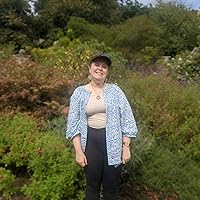
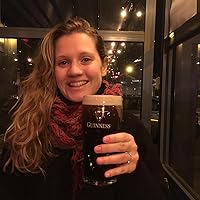
Is it possible to be young, progressive, and a Catholic? Ellen Coyne is about to find out…
‘You know, this isn’t a Catholic country anymore,’ someone proudly declared in a Dublin pub where Ellen Coyne was celebrating the repeal of the Eighth Amendment. About to turn 30, like many her age, Ellen had left the Church a long time ago, but she had never stopped believing in and talking to God. Now, she suddenly realized she wasn’t quite ready for this statement to be true, however much of a contradiction it seemed to present with some of her most strongly held views.
Abandoning the Church had been an act of protest, a form of punishment. However, she began to wonder: who had really lost the most? Why should those who did the damage to the Church get to keep it and all its good bits, like going to Mass for the ritual and the community, having a clear guide for living a better life, and the comfort of believing it’s not the end when somebody dies?
But how could she ally herself to an institution she doesn’t entirely agree with? In her first book, Ellen tries to figure out how much she really wants to go back to the Church, and if it is even the right thing to do. A stunningly intelligent and thoughtful debut work of non-fiction.
An interesting read if you’re religious and struggling to reconcile the horrors perpetrated by the Catholic Church with your own personal faith. I am neither and found this a frustrating one.
The author’s unwavering faith in God appears to be based on comfort derived from habits formed as part of a happy (and superstitious) childhood. Sure, it’s certainly better than faith based on fear which was a dominant feature of our parents’ generation, but in touting this touchy-feely version of Catholicism, there’s no alternative presented. It’s either Catholic faith or total spiritual hunger. She even dismissively refers to her teenage “fervent atheism” without actually examining the basis for that in any detail.
This is, in my view, a false narrative. Religion does not have a monopoly on morals and there is sustenance for the soul to be found outside of religion, but Ellen Coyne doesn’t stray too far beyond the parish boundaries and the rose-tinted look back at her all girls Catholic school education.
She talks about her worries that right wing values are “taking over” the church. I’m afraid those right wing values have always been embedded, it’s just that when you grow up accepting them all as fact and truth, you don’t realise they’re right wing. It took living abroad for me to realise just how dysfunctional a relationship we have with religion in Ireland. It pervades all aspects of Irish life. Less so nowadays, but our schools and hospitals are still largely Catholic-run and the majority of children are receiving the same education we did 40+ years ago.
It takes the author ages to address the sexual abuse of children and the cover up of abuse by members of the clergy right to the very top of the institutional church (Pope John Paul II anyone?) and she acknowledges that she’s avoiding the subject up to this point. Clearly it’s a source of discomfort.
When she does address it, she doesn’t give it the importance that it deserves. The same goes for Magdalen Laundries and Mother and Baby Homes. I would describe her as being quite detached from the experience of survivors. Perhaps this is to ensure that her own faith is insulated and protected in the face of such harrowing testimony? She doesn’t mention that the Church has never said sorry. It has sought “forgiveness”, but what good is that to survivors? It has withheld a significant portion of the monies it was ordered to pay them by the various commissions of inquiry.
She does repeatedly refer to the Church’s stance on LGBT issues and abortion, which suggested to me that these were issues of greater importance or relevance to her personally. This may be an age thing (she’s 30 I think). I suspect her journey (to use an awful metaphor) is not over yet.
This is an interesting and entertaining read at times, but there’s so much missing. I’d like to have seen the author examine why we believe in God so unquestioningly in Ireland. As Dawkins has said, there’s no such thing as a Catholic child, only a child of Catholic parents. Cultural Catholicism is alive and well precisely because of indoctrination in schools. We sort of don’t know any alternative; God is all we know from the age of four.
Finally, the author neglects to mention that the Catholic Church thinks in centuries, not in years. If she thinks change is coming, I’m afraid she’ll be waiting. I’d make the case that even the heathens among us can rail against individualism and strive for the common good. 1/5 ⭐️
Are You There God? It’s Me, Ellen by Ellen Coyne was released last year & kept popping up on my feed. I hadn’t considered reading it but it was available on BorrowBox & I was looking for something to listen to so decided to give it a go. It was the last book I read in 2020
Like a lot of young people in Ireland, Ellen has turned her back on the Catholic Church. But she starts to miss it and investigates what this means to her & her faith
Ultimately this is not a book I clicked with. There was certain things I did identify with, mainly anecdotes from growing up that a lot of Irish people like myself would have experienced. And while I’ve read points of views of people grappling with a crisis of faith before, this one is different because while that’s an element of it, more so is the crisis of faith the author has with the Catholic Church institution
I started to take some notes as I listened, I wish I had done this from the beginning. Ellen states that somewhere along the line being Catholic has become synonymous with being right wing. But I think that’s always been there, the way the Catholic Church preaches is right wing, it’s not become right wing from nowhere.
She speaks about the guilt of being nasty to people online, she would engage in that but kept thinking that behaving that way isn’t very Catholic. That even if she died and discovered she was incorrect about God and religion, she wouldn’t be embarrassed as she’d know the guilt would have helped her lead a better life. The guilt is like a security blanket, which lets her know that her pursuit of religion will have been worthwhile regardless of what comes after. At the very least, even if she was wrong about it all, it would have made her nicer to people. For me, I disagree with this. Religion doesn’t have a monopoly on morals, you don’t need religion to know when you’re behaving poorly
At one stage she says religion is important than politics. And I completely disagree. Regardless, our politics and society is still incredibly entwined with religion in Ireland. Something Ellen touches on with her idea that Irish society/culture being different thanks to Catholicism. That people in Ireland are good because of being Catholic. You could say that on one hand but on the other, what about the people who are good despite of Catholicism (back to the idea that you don’t need religion to have morals). Or bad people who have a deep Catholic faith who use it as an excuse for their behaviour (for example,as we’ve seen in the news recently with the Mother and Baby Homes report). I would almost argue the other way, that Ireland as a society has been worse off for years because of the Catholic Church. There’s a lot of nostalgia in the book for the sense of community (going to Mass etc) but you don’t need to centre and foster community around religion
Catholicism in of itself isn’t bad, it is a flavour of Christianity and there is plenty good in Christian teachings (love thy neighbour). However this book isn’t about returning to being a Catholic and faith, it’s more about returning to the Catholic Church. To me, I see a difference. The Catholic Church has been rotten for centuries now, right to its core. And reading this book made me uneasy, as I can not fathom being comfortable returning to the Catholic Church in Ireland. Especially as it has not atoned for its sins when it comes to things like abuse and seems unwilling to want to change. It’s a well written book but ultimately one I wished I hadn’t read as I took nothing from it
In Are You There God? It's Me, Ellen, author and journalist Ellen Coyne examines her own relationship with the Catholic faith she grew up in, and wonders if it's possible to still be a Catholic in Ireland today as a modern woman, with a modern ideology on life.
I thought this was a very easy, enjoyable book to listen to and while I didn't grow up as deeply entrenched in religion the way Ellen did, I also grew up in an Irish household with a father who believes quite strongly, and went to a N.S where I made my communion and confirmation. I was in the children's choir for family mass, and was a regular reader of the Prayers of the Faithful. Similar to Ellen, I also then broke away from the church in my teen years as I started to become more aware of the corruption and power imbalance at play, and the harm that the church as an institution has done to Ireland, in particular to women and children. I'm getting married this year, and have opted to avoid a religious ceremony as I don't feel right or comfortable invoking religion on our marriage (and don't agree with many of the wordings in a Catholic marriage ceremony about a woman's place in the home and to her husband). Yet, despite all of this, I also understood Ellen's needs to examine what it means to be Catholic today and I was intrigued to see what she learned about if it's even possible to be a pro-choice, pro-gay rights young Catholic in Ireland that is allowed to be critical of the church's historic failings.
I thought this was a fair and measured look at the Catholic Church's history in Ireland and what it means for a young person trying to find a way in now. Ellen Coyne is a journalist, and I can feel you can tell this by how the book is written - it's easily digestible and while this book is aimed at an Irish reader, news stories and cultural moments are described well that those outside of Ireland with a lesser understanding should feel up to speed quick enough in different sections. There was a large emphasis in this book on the Repeal the 8th movement and the referendum to grant abortion rights to the women of Ireland, as it was a changing point for Ellen with her faith (and while I don't agree with some of her views around when 'life' begins, I appreciate and respect her sharing of what it meant for her to vote with a Christian heart), and was also another moment aspects of the Church reared its ugly head and we still often see some terrible things said or done to or about women in a very vulnerable place because of the Chruch's stance on abortion rights.
I liked that Ellen not only spoke to Catholic priests and leaders but also had some eye-opening conversations with others in the Christian faith such as a lesbian vicar with the Church of Ireland, and how while it may have been easier for her to just divert to a different church, Ellen is a Catholic and wanted to remain so.
While I certainly won't be going back to mass anytime soon or declaring myself a Catholic, this book has reassured me that there are some modern leaders and people really trying within the Catholic Church in Ireland, and it's not as depressing and archaic as one originally thinks. And that the Catholic Church as an institution is oft times completely separate to how people behave and treat others with a Catholic mindset, with love, kindness and empathy in their hearts. I appreciate what Ellen looked into in this book, and that she didn't allow the Church away with some of its big mistakes and made it clear what it needs to do to have a true future in Ireland, in a country where state and church are completely separated as they should be.
Ellen is an excellent journalist but this book was way off the mark for me. I don’t understand the place this book has in modern Irish society. It appeared sympathetic to the i Catholic Church despite their countless atrocities in Ireland. Her personal religious beliefs and convictions are to be admired but how can she rectify those beliefs with the Catholic Church, given all that she covers in the book.
It was a mind boggling read because I had seen so many people recommend it. The whole thing made me feel deeply uncomfortable because she seemed to be trying to find some decency in the church to make herself feel better for wanting to be a member.
Her language is nice but I couldn’t overlook the hypocrisy of the book if I’m being honest.
Undoubtedly one of the worst books I read in a long time. I began to wonder was I reading a sequel to the also abysmal Aisling series. Do not get me wrong, I was excited to read. Coyne is a very good journalist and her articles are well researched and poignant. Unfortunately this does not translate to the book. The idea is half baked and the timeline is narrow so seems less profound. Coyne and I are the same age, however it feels like it's written by a woman 15 years her senior. Coyne writes like she had the average Irish Catholic upbringing, and seems unaware she was raised in household and school that was staunchly catholic and at times her faith does come across as indoctrination. (She uses terms and phrases as norms which are not in my vernacular despite I myself attending catholic school).She seems to research internally in the church rather than speak to independent theologians and philosophers, which is totally fine as a personal choice, but leave the book a little poorly balanced. It does read as haste from a woman suffering the "where do I belong/I desire comfort battle that we all face on the cusp of our 30s" and she latches to her religion, rather than her faith. Content aside, I'm afraid from reading another book that should have been essay, I can only come to the conclusion that pershaps the ability to cross the medium from journalism to non fiction writer, has for now, died with Fisk. With Coyne having spent great time reporting (excellently) on repeal I wonder if this is the most interesting topic she could have written about. As a lover of theological philosophy, it falls so flat.
A side note that throughout the book Coyne uses the term LGBT+ community which just wacks of a straight girl who doesn't know enough of us....
ehhh.... I just struggled to care. I mean - it's not The Topic for me, I was raised in the 10s and without religion and in a multicultural household, so very different to the authors experiences. so maybe it makes sense that I don't care? maybe someone more like her would care. but for me, the book was just: will she be catholic? won't she be catholic? and I didnt care as no basis for caring was really made at the beginning of the book (or middle, or end...)
this book was written by a journalist and YOU CAN TELL. it reads like an online article. on this note, the article is too long. THE BOOK WAS TOO LONG AND REPETITIVE. god how many times do you need to tell us you're not against "LGBT+ people" (the amount of times the phrase was used just irked me. it read as pure virtue signalling. like we get it. you're an ally. and a catholic. a catholic ally. wooooooow. #SoImpressed)
oh on the topic of virtue signalling - the PERFORMATIVE ASS USE OF GAEILGE - I love Gaeilge as much as the next speaker, but why we're you throwing around grá instead of love? it made no sense as the author never mentions the Irish language in the book and I'll safely assume she's not a Gaeilgeoir (being from Wexford). like it just made no sense and was clearly just to pick up brownie points from the Irish independent reviews.
not much information or sympathy was given on the topic of the sex abuse and Magdalene laundries, we get the vibe the author doesn't want to think about that aspect of the church too much.
for how progressive the author describes herself, she isn't really. this book could only have been successful in 2020 cus there was nothing else to do, I guess I must congratulate the author in releasing it at the right time.
(also she's not even young?? 30 is a full ass adult, to describe yourself as young repeatedly has me thinking you're my age. you're not!)
As someone quietly undertaking their own return-to-faith journey, I could not wait to read Ellen Coyne's book and learn about hers. Already impressed by Coyne's work as a journalist from very early on, I was delighted when the paperback finally arrived in the post as I was *this close* to downloading the Kindle, I was so impatient! It was worth the wait
It appears that Coyne never lost her faith to begin with, but was having trouble reconciling it with the historical venality, cruelty, abuse and hauteur of the established Catholic hierarchy. This wrestling match in her mind is the main driving force behind the book and Coyne's honesty means that I am never quite convinced she pulls it off. This is in no way to detract from the memoir's force and power, the honesty only making it more compelling. I enjoyed reading the tales of Coyne's childhood and student days, including the way the back of the ladies' toilets documented historical times such as pre-Repeal. Also her encounters with clergymen and women had me interested. It appears that disillusion within the institutional Irish Catholic Church is very high.
Coyne's sections on the real consequences of the Eighth Amendment and institutional religious abuse are enraging reading. The fate of Rachel, who was constantly obstructed in her attempts to get a morning after pill and then to get an abortion, and who was left to have the child without a bit of support from the boy who had got her into that mess, had me absolutely raging mad. I nearly had to put the book down. If there was anything I would have liked more of, it was her early journalism experience as I found those chapters exciting too. Made me think of Monica Dickens a little bit.
I wish Ellen the best in her spiritual return to Catholicism. I won't be following her - my weekly facebook live session with the Rev Mike of the Unitarian Church is fine for me - but I admire her honesty in dealing with a difficult subject.
Really enjoyed this book, was really reflective, and made me really reconsider my relationship with Catholicism. There was some topics that were less interesting to me than others, I particularly enjoyed the chapters on Covid-19, the abortion legislation and same sex marriage. Really enjoyed how Irish this book was. Very enjoyable overall.
As a young person who grew up in Ireland, this book was extremely interesting to me, while I don’t feel I will ever return to religion, I appreciated Ellen Coyne’s viewpoint and interviews throughout the book!
The premise for this book was so intriguing, as someone who has followed Ellen's journalism for a while. I loved the thoughtfulness of her consideration of the pros and cons of going back to the church, and am convinced she made the right decision for herself. I think the book is incredibly important for irish society, as someone who has no confidence or faith in the institutional church. At points I think it dragged a little, but overall would recommend!
An Irish liberal wanting a spiritual connection with God through Catholicism and trying to reconcile her political views with the stance of the Catholic church on things like abortion. A nice try. The author doesn't shy away from being critical of the Catholic church, but I wasn't sure why she needed this particular religion to have a connection with God. Seemed sentimental about her childhood more than anything.
Let me get this straight: we’re going to take a deep dive into the (myriad) issues of the Irish Catholic Church, recognize that the Church’s stance on most issues is in direct conflict with our beliefs, highlight the (major) ongoing scandals the Church is embroiled in, and rejoin the Church anyway!?
I really don't know what to say about this. One of the things about me you need to understand is that I tend to be very understanding. I listen to people and try to see things from thier perspective. I see the merits in most things.
This book is about journalist Ellen Coyne and her journey back to Catholicism. She doesn't agree with thier policies or the source material on which the religion is based etc. To me she is confusing the comfort of ritual and the years of brainwashing with Faith.
I am a few years older than Ellen. Like her I went to a Catholic school (they where all Catholic schools back then) I grew up with one foot in Louth and one in Meath. I spent my school days in a council estate in Drogheda and my weekends and Holidays on a farm in Beamore. I was baptised, sang for the church choir, I made my communion, confirmation and even got married in a church to appease older family members all of which I regret.
Ellen mentions that the Catholic church is sadly becoming right wing but the truth is Catholicism has always been right wing. It has also always been corrupt. She says Catholicism is part of our culture and while that's technically true it's also flawed as Catholicism has actually destroyed our culture replacing it with a lot of lies. Ireland was a pagan place and the church took the parts it wanted and used them to ease the conversion of the people to Christianity discarding the rest. Catholicism has destroyed and distorted many cultures with this method even if you put all that aside your still left with the abuses of power just look to the children buried in a mass grave at Tuam.
Ellen says the Catholic guilt makes us better people but I disagree with this it was the guilt and shame that led ordinary people to turn thier backs on thier own daughters allowing the church to work them for thier sins in The Laundries. Taking thier babies away from them to send to good Catholic homes.
She hopes that the church can be changed from within but I don't think that something so backward and tbh evil can ever be turned around.
I have faith I believe in something I would even go so far as to say I believe in God but I do not believe in the Bible and I do not believe in Catholicism and for good reason. People do not need to be guilted into being good people. In Catholicism your born a sinner and you spend your entire life repenting. Anyone who's made thier first confession will probably tell you they needed to make up sins for it because they couldn't go in with nothing. I don't believe people are born sinners. I don't believe in a religion that sees women as less than men. I don't believe in a religion that is built on the oppression of others. You can have Faith without religion. No god worth worshiping would agree with Catholicism.
This books was uncomfortable to read but I'm glad I did. I'm happy Ellen wrote this book even if I don't agree with her on everything.
This entire review has been hidden because of spoilers.
Coyne book, attempting to justify her return to the Catholic Church is at is best when she is in a journalist mode interviewing ordinary people about their relationship to the church. She talks to people who have been hurt by the church, please who have left the church, people who are thinking about leaving, and people who are passionate about the good the Church can and could do. She paints vivid and sympatric portraits. She admits herself that she is "a bit of a sap for human interest stories". One quickly notices, however, that Coyne rarely if ever speaks to someone who it might be harder to turn sap for.
Bishop Cullinan blanks her after she sends him a list of questions. After briefly engaging with her, Breda O'Brien, patron of the arch-conservative Iona Institute does likewise. The Sisters of Charity won't talk to her. The Holy See won't talk to her. She mentions several times, a concern that the men currently training to be priesthood are very right-wing indeed, but never even attempts to talk to aby of them. While Coyne acknowledges, a to some extent engages with the positions of the the establishment and the right-wing of the Church, the absence of any representatives of these views on the page allows her to avoid confronting what being in a community of faith along side these views really means. This should be centre of moral question of this book, but Coyne is not capable, constitutionally or intellectually of engaging properly with this.
Instead Coyne lets the Church off the hook, drawing distinction between the institution and the faith without teasing out the difference between the two. Anything bad that the Church has done is a straying from the path, any good is an example of true Catholicism. She's quite taken with Fr Burke's metaphor, "if you don't like your postman, you still take your post." Perhaps, but if my postman was a child rapist I hope I would have something to say about that. Coyne flinches from examining whether the wrongs in the Church are inherent rather than incidental.
As she hand wrings early in the book over her faith colliding with disagreements she has with Church doctrine I found myself repeatedly muttering "just be a Protestant" at her and in fairness she does eventually float this as a possibility only to brush it off as "I don't want to be a Protestant". This is of course, her prerogative, but it will, I hope, give you an indication of the level of theological debate present in this book.
Regardless of your religious belief or non-belief, this is a really nostalgic read for women who grew up in Ireland in the 90s and 00s, and witnessed a lot of social change that came with the secularisation of society. It's also very funny in several places!
I enjoyed the nuance of Coyne's approach to the role of the RC Church in Ireland - a voice that criticizes out of a genuine desire for justice and for reform. Often such voices are not appreciated precisely because they don't take sides. I'm bemused by negative reviews here from non-religious reviewers that say Coyne's implying you have to be religious to be moral or that she is naive to believe Church reform is imminent - in the book she explicitly says you don't have to be religious to be moral and that reform on women's ordination and LGBT+ inclusion is probably a century or two away. Conversely, the engagement with religious people on Twitter that she describes in the book also suggests those people seek out what they want to hate about her views. I think that this kind of petty criticism from two opposite perspectives proves that something complex and worthwhile is being offered in this book.
I would recommend the book with one reservation shared by some reviews here - her engagement with theology was a bit light for my personal taste. She describes a philosophy of being sound with a bit of added magic, as opposed to anything that is particularly Catholic. However, she does point out that she's not a theologian and the fact that you shouldn't have to have a qualification to be allowed critique the Church, which is a valid point. However, if you are interested in a journey back to faith that delves into the really difficult theological dilemmas and questions, this is not quite the book for you.
Brilliant book. Portraying the struggles of why someone should or shouldn't commit to the church again when they're more mature. I found the background of issues with modern church very insightful with why young people don't want to have any relation with church. The struggles of people caused by the church are excruciating and the talks with victims gives this book great depth. Abortion issues was the big question for the author as she's a journalist that was greatly involved with the supporting abortion side.
I don't think that what she was seeking to gain with church, could be only accomplished with returning to the church but understandingly, it's what she knew, she returned to.
The book portraits what has been caused in Ireland by the church and it's priests, the horrors as well as how younger and more modern priests are trying to change the view on more classic views (abortion, women's rights, same sex marriage etc)
I wasn't really sure what to make of this book. Ellen is on a journey back to the Catholic church and much of this book is about her trying to find a way to accommodate her liberal social views with a church that - in her words - is misogynistic and homophobic.
In the end, she finds a way to park her reservations and proclaims herself Catholic.
This isn't a bad book, its well written and provides an interesting social commentary of a changing Ireland. The problem is that I'm not sure its fair, Ellen does mention in passing things like sex abuse, mother and baby homes etc but seems to be able to gloss over these because, you know, the church is great.
I get that Ellen is probably lucky enough to have grown up in a faith that didn't cause her harm. She wasn't a victim of the church so she can see the good in it but I feel she dismisses things too easily and at the expense of those who were not so fortunate.
Some of her comments are quite mind bending such as her belief that a Catholic wedding is a bigger vow than secular ones or how she believes the goodness of people during the Covid-19 epidemic is partly because of Catholic values. Well, this atheist would beg to differ.
As I say its not a bad book and I did enjoy it and I'm glad Ellen has found her faith and is happy. I agree with her on a lot of what she says in here, I just found some of the mental gymnastics to rationalise her return to the church a bit ridiculous. We all know that the church has some great people in it, she doesn't need to paper over the horrors though.
In the end I wasn't sure who Ellen was trying to convince, the reader or herself.
Ellen shares her own very personal exploration of her own faith and the Catholic church within these pages.
The author doesn't shy away from the issues that she has with the church, including mysogony, homophobia and clerical abuse. The book is highly critical of the institution for these and other reasons. It includes Ellen's interviews with priests, practicising and lapsed Catholics, which I thought added other dimensions to the book. Ellen also highlights some of the issues where the Church could focus attention to the betterment of Irish society, such as homelessness and climate change.
I share all of Ellens' concerns and frustrations with Catholicism in Ireland. I would like to explore my spirituality further and this is a part of my family heritage and tradition, but I don't share Ellen's optimism about the potential for reform, and particularly reform from within.
I could relate to many of her experiences, particularly growing up in rural Ireland and I found her writing to be very accessible. This is a topic that many of us may be grappling with, to some extent, and I feel this book usefully contributed to my own reflections on my faith and the religious tradition that I grew up with.
As a fellow religious person, some of Ellen’s reflections are definitely interesting. However, what makes this book lose A LOT of weight, is her love for Catholicism being fully based on nostalgia and the religion being a big part of her culture. As someone who converted to a religion that has practically no history in my culture and especially not my family (I’m from the Netherlands and became Muslim 10 years ago), I can’t stop wondering why Ellen never had much interest in exploring different religions. She doesn’t even show much interest in exploring other groups within Christianity, which absolutely blows my mind. She even mentions how she doesn’t want to be anything but Catholic, and although she met people from different Christian groups, she never seemed to genuinely explore them. I fully understand how comfortable and appealing it is to stay in the religion of your culture and that it is not easy to join a different religion. But as a convert myself it really surprises me that after so much research, so so SOOOOO many disagreements, she still decides to go back to Catholicism without ever seriously exploring any other religions, and not even other groups within Christianity itself.
I appreciated the honesty of navigating a journey of coming back to faith and the complexities of that with the Catholic church as an institution, however, as a passionate follower in Jesus myself, there were many times where I disagreed with the author's political views and views on the bible itself. I did however learn a lot about Catholic run healthcare and how abortion helplines would pretend to be pro-choice, to change women's minds to a pro-life view. I personally believe abortion is wrong, but I have compassion for people in this situation facing this choice and that it is a deeply traumatic experience and choice to make. I do think religious organisations posing as pro-choice services to trick people is wrong, despite me agreeing with that side of the argument. I don't think tricking people is following God's will and that we should treat people facing these decisions with more humility and compassion
Are You There God? It’s Me, Ellen details the journalist Ellen Coyne’s journey with her faith as a returning Catholic.
I’m not really sure I rate this book too highly unfortunately, as a lot of the issues that Coyne raises in the book regarding the Catholic Church are scooted past rather than properly dealt with. The author references some of the wrongdoings of the church and its more “right wing” views, however, she doesn’t really delve into what those are.
The book is written in an Irish context and brings up the Repeal referendum as well as how the Church is embedded into our communities (this, I think, is the main thing the author is referencing when she says that she misses the Church). The book is actually more about the author’s return to the Catholic Church itself rather than the Catholic faith.
I could’ve done with skipping this one if I’m being honest, sadly!
Listened to this on audiobook, as part of learning a bit more about Ireland as a nod to the Irish in the month of March, the month where Saint Pat's day falls. There's nothing more Irish than Catholicism, and they have had more than their share of horrors that have been revealed over the years. Ellen, is an accomplished Irish Journalist who misses practicing her faith after leaving the Church in her youth, she feels she may have thrown the baby out with the bathwater. If good progressive Catholics leave the Church then is there much hope for it. She examines all this an entertaining way in good faith, pardon the pun, and a good sense of humour. She kept this agnostic interested anyway. The delightful lilting Irish accent of the narrator wasn't hard to take either.
This was a tough read, but one I soldiered through because I was interested in a drastically alternative point of view to mine. Unfortunately, while Ellen acknowledges arguments to her views on reclaiming the Catholic Church, she devotes very little time to it, and really doesn’t explain well why we should ignore all of the insidious little abuses that have snuck into Irish society from the pulpit.
While it’s very easy to read, it’s very difficult to read the weak arguments of someone you can’t debate with, but in the end, I gave it three stars as I think that Ellen didn’t set out to change minds, but to write a personal book expressing her complicated feelings. She achieves that, even if I don’t agree with her.
This entire review has been hidden because of spoilers.
I found this book intriguing on various levels. For me, the author had already decided she wanted to return to the Irish Catholic Church and, for some reason, felt she needed to justify this decision to her readers. She did lots of research, spoke to many relevant people and most of the answers she came up with would have made a neutral researcher run for the hills. The history of paedophile priests, the Magdalene Laundry horrors and the current misogyny (to name but three) would surely have led to a Definitely Not conclusion? The more I read the more I thought she can only come to a No Way decision so I was surprised by her final choice. I just felt that there was no need to write this book if it is intended to encourage lapsed Catholics back to the Church. Very puzzling.
I was very much looking forward to reading this. I did enjoy it on a whole. In particular her commentary and interviews in the first half of the book were really engaging, hard hitting and honest. However as the book went on, it was a bit repetitive and I didn't feel like the conclusion was as strong as it could have been. The language of 'leaving the church' also annoyed me a bit because she just stopped going to mass. Leaving to me would mean a significant and definite exit (eg. In Germany there's a legal process for leaving if you have been baptised). So, wishing Ellen the best of luck and the representation of a young Irish Catholic female is phenomenal to see, very relatable for me.
A truly fantastic read. This is the book I've always wanted to write as a Catholic. Ellen Coyne is honest about the difficulties Catholicism has in facing up to the social issues of our time. She is also incredibly honest about her own crisis of faith and return to the Church. I completely related to her "reform from within" position which is my similar personal experience when I wrestled with leaving the Church and then deciding to stay to try to encourage change from within the institution. Thoroughly recommend!!
Brought up a Catholic in rural Ireland, Ellen Coyne, like most teenagers, moved away from the church and the ritual of mass. Ireland was going through the turmoil of referenda on abortion and same-sex marriage and these issues alongside the stories of Magdalene laundries and child abuse lead many to reject the church entirely. But slowly over a couple of years, the author tried to refind her faith and it's the story of that journey back to the Catholic church that makes this book so interesting. Very timely and worth a read.
I’m neither Irish or Catholic but most the Catholics I know are people I respect for their compassion and kindness so I was interested in Ellen’s book. Banning abortion always seems to me as ridiculous as prohibition, it doesn’t stop abortions happening it just makes them more dangerous so I sympathised with many of Ellen’s views. I too can see that the church seems obsessed with sexuality and sometimes forgets issues of justice, homelessness and hunger. This book gave me plenty to think about and I found it an easy read.