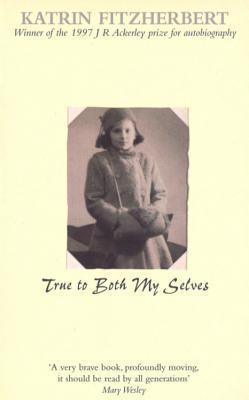
This biography is at times contradictory;
Speaking of her grandmother; "[She], too, was popular; nobody could resist her wit and liveliness and, particularly after the Fritz Johne incident, she could do no wrong on Fauststrasse. She felt so much part of the community that she was not afraid to use her well-known fierceness if someone needed putting in his place"..."For both of them [her mother and her grandmother] the key to being accepted was the confidence they inspired by the fact that their loyalties in the war were firmly on the German side. And so they were." p.73
However in Ally occupied Berlin in 1945, British and American visitors "were clearly taken aback the first time they called to have to door opened by a diminutive grey haired lady so English that she could easily have been their mother or aunt. She was a real character, too, and they quickly succumbed to her lively personality, quick wit and funny stories. She acquired a large circle of admirers; after twenty-five years of being regarded as a curiosity, Oma was being appreciated for herself, respected, even held in awe and she basked in the experience". p.184-5
Which one is it? The pragmatism of this family is astonishing. While the fighting is still going on in Berlin, Katrin's mother is forging Army discharge papers at the house of a local anti-nazi, with equipment procured by her husband - a Hitler youth leader. The switch from Party member and supporter to the other side was prepared before this, and put into action when the time came.
What comes across in this memoire is the kindness offered to this family, in both Germany and Britain, by their extended family, friends as well as by strangers. However, like their German nationality, these strangers are discarded as soon as they are no-longer useful, with little regret.
"When my summons to re-join my family at last arrived, I was elated but Aunty Hyne cried. She reproached me for not being in the least sorry to leave her. I wished I was better at pretending but there was no way I could conceal my joy. p.265. "My three years in Cornwall [with Mrs Hyne]...were idyllic in every way but one, a serene, secure and enriching interlude of my growing-up providing the benign environment I needed to practice my new English identity and become integrated".
What stands out as well is that among all these reminiscences, there are none where Katrin's family help others unless there is some benefit for themselves. I think this mindset is a reaction to the difficult economic situation in Germany at that time. It is quite understandable that Katrin's parents preferred the better standard of living offered by Canada and England. Who would not, in their place, do all they could to ensure the best environment and education possible for their children? If one country fails to provide this, chose another one and shed the old beliefs on the way. Although I can empathise with their situation, I didn't find them at all likable. Clever, cultured, bold, interesting, good at bargaining and entirely self interested. Many lives touched theirs and made it better, but I doubt if anyone could say the same of them.