

What do you think?

The Age of Umbrage
Guadalupe, 15, is confused. She grew up in the house of one of the richest families in the world . . . in the servants’ quarters with her mother, the family cook. The life of luxury is all she knows, but it isn’t really her life. Unhappy in school, invisible at home, she lives inside her head, in a world made of books and movies. Outside, Manila is in turmoil: protest rallies, a bloodless revolution, coup attempts, and the Web hasn’t even arrived yet. When is Guada going to leave her imaginary shelter and get a life?
Funny, caustic, and moving, The Age of Umbrage is the first novel from one of the most distinctive voices in contemporary Filipino writing.
Funny, caustic, and moving, The Age of Umbrage is the first novel from one of the most distinctive voices in contemporary Filipino writing.
126 pages, Paperback
First published January 1, 2020
About the author
Jessica Zafra
29 books337 followersJessica Zafra (born 1965) is a fiction writer, columnist, editor, publisher and former television and radio show host. She is known for her sharp and witty writing style. Her most popular books are the Twisted series, a collection of her essays as a columnist for newspaper Today (now Manila Standard Today), as well as from her time as editor and publisher of the magazine Flip. She currently writes a weekly column for The Philippine Star which is called, Emotional Weather Report. She resides in Metro Manila, Philippines, where she is working on her first novel. She also managed the Eraserheads during the 90's.
Her work often are about current events (both Philippine and international), tennis, movies, music, cats, books, technology and her personal life. Her work has been the subject of academic study. The main ingredient to her work is often fun cynicism and irony.
Find out more about her here.
Her work often are about current events (both Philippine and international), tennis, movies, music, cats, books, technology and her personal life. Her work has been the subject of academic study. The main ingredient to her work is often fun cynicism and irony.
Find out more about her here.
Ratings & Reviews
Friends & Following
Create a free account to discover what your friends think of this book!
Community Reviews
Displaying 1 - 30 of 74 reviews

December 8, 2020
Anyone who's familiar with Jessica Zafra's writing style would find themselves transported back to her Twisted essays and short story collections, which for most of her religious readers such as myself goes back to at least the last decade. And if you do know her through her writing, you wouldn't second guess that this is semi-autobiographical, that some of Guada's experiences and belief systems mirror her own.
But to me, reading this made me realize that I had outgrown Jessica Zafra. What I once thought funny, charming, and quirky, now seems condescending and and elitist.
While she's writing in the context of the Philippines, it felt like she isn't writing to a Filipino audience. Her tone and style isn't accessible, if not completely detached, to the Filipino psyche. Which becomes apparent when she writes about Filipino superstitious beliefs and religiosity bordering occultism. Her condescension feels like she's poking fun of Filipino culture instead of making a critical analysis of it. Perhaps I'm asking too much of her? Perhaps this is reflective of the Filipino elite she satircizes in the novel? I think I would have enjoyed this more if I were younger.
But to me, reading this made me realize that I had outgrown Jessica Zafra. What I once thought funny, charming, and quirky, now seems condescending and and elitist.
While she's writing in the context of the Philippines, it felt like she isn't writing to a Filipino audience. Her tone and style isn't accessible, if not completely detached, to the Filipino psyche. Which becomes apparent when she writes about Filipino superstitious beliefs and religiosity bordering occultism. Her condescension feels like she's poking fun of Filipino culture instead of making a critical analysis of it. Perhaps I'm asking too much of her? Perhaps this is reflective of the Filipino elite she satircizes in the novel? I think I would have enjoyed this more if I were younger.

November 3, 2020
You may easily imagine the scenes in Jessica Zafra’s latest book and first novel, “The Age of Umbrage,” as tinged with pastel colors and framed in obsessively symmetrical shots. But while the slim novel may have the touches of a Wes Anderson film—a precocious protagonist, eccentric supporting characters, snappy dialogue, family drama—it remains distinctly Pinoy and completely Zafraesque.
Told through the author’s unique voice and unmistakable wit, the novel is the coming-of-age story of Guadalupe “Guada” de Leon, who grows up in the servants’ quarter of one of the richest families in the Philippines, the Almagros.
Guada doesn’t belong in the world of the Almagros, biologically and socioeconomically speaking—but the Almagro boys can’t help but be drawn to her. They admire Guada who is too smart for her age. They interact with her as if she were a grown-up. Gabriel, the eldest and the heir to the Almagro Empire, discusses Charles Dickens and Edgar Rice Burrhoughs novels with her. Guillermo, the aloof black sheep with artistic inclinations, watches Fellini films with her. Both boys, despite their family’s wealth, or maybe because of it, are restless, lonely old souls, and it is with Guada that they find the kind of connection they have never built with their own kin.
At school, because of her intelligence and propensity for solitude, Guada is bullied. But she learns not to care. When her tormentors lock her up in the restroom, by the time the school janitor arrives in the scene, she has already finished a Thomas Hardy novel and listened to an entire Prince album.
On another level, “The Age of Umbrage” is also satirical. Set in the later years of the Marcos regime and the early years of the Cory administration, the novel offers a subtle but hilarious critique on the Philippine elite and their relationship with power. It also lets you in on a few nasty secrets that are most likely anchored on true accounts (or actual gossip). Here are Don Juans who are oversexed but are underperforming assets outside the boudoir. Here are their young wives and mistresses, who collect European art and prattle about the sex lives of their neighbors in their gated village.
If you’re in the know about these “genteel” circles enough, you’ll probably recognize the real people many of the characters in the novel are based on. Here’s an obvious one: “Freddy Boy Nuñez, a once-brilliant journalist turned all-around sycophant.”
But behind all its cleverness, there is a poignance to Zafra’s first stab at the novel. Central to this book, apart from the difficult drama of growing up in a place one doesn’t belong to, is Guada’s relationship with Siony, her mother, with whom she shares a little room at the Almagros. In perhaps the most moving moment in the book, Guada realizes just how much love her mother has for her—but only after a particularly trying episode presents itself.
In one of their conversations, Guada tells Gabriel, “Sometimes books make me sad.”
“Like when someone dies,” Gabriel replies.
Guada adds, “Or when I really like a story, and it ends. I wish they’d go on longer.”
“Don’t you want the hero to live happily ever after?” Gabriel asks.
“I can’t tell if he’s happy,” Guada shoots back. “The story’s over.”
“The Age of Umbrage” is a novel about transitions both societal and personal, which of course can sometimes happen at once. Or this may simply be a novel for those who love to hear and tell stories, and those who have only stories to survive. This novel ends when you don’t want it to. But we can tell Guada is happy, despite all that she’s gone through, and that makes us a little happy, too.
(This review first appeared on ANCX.)
Told through the author’s unique voice and unmistakable wit, the novel is the coming-of-age story of Guadalupe “Guada” de Leon, who grows up in the servants’ quarter of one of the richest families in the Philippines, the Almagros.
Guada doesn’t belong in the world of the Almagros, biologically and socioeconomically speaking—but the Almagro boys can’t help but be drawn to her. They admire Guada who is too smart for her age. They interact with her as if she were a grown-up. Gabriel, the eldest and the heir to the Almagro Empire, discusses Charles Dickens and Edgar Rice Burrhoughs novels with her. Guillermo, the aloof black sheep with artistic inclinations, watches Fellini films with her. Both boys, despite their family’s wealth, or maybe because of it, are restless, lonely old souls, and it is with Guada that they find the kind of connection they have never built with their own kin.
At school, because of her intelligence and propensity for solitude, Guada is bullied. But she learns not to care. When her tormentors lock her up in the restroom, by the time the school janitor arrives in the scene, she has already finished a Thomas Hardy novel and listened to an entire Prince album.
On another level, “The Age of Umbrage” is also satirical. Set in the later years of the Marcos regime and the early years of the Cory administration, the novel offers a subtle but hilarious critique on the Philippine elite and their relationship with power. It also lets you in on a few nasty secrets that are most likely anchored on true accounts (or actual gossip). Here are Don Juans who are oversexed but are underperforming assets outside the boudoir. Here are their young wives and mistresses, who collect European art and prattle about the sex lives of their neighbors in their gated village.
If you’re in the know about these “genteel” circles enough, you’ll probably recognize the real people many of the characters in the novel are based on. Here’s an obvious one: “Freddy Boy Nuñez, a once-brilliant journalist turned all-around sycophant.”
But behind all its cleverness, there is a poignance to Zafra’s first stab at the novel. Central to this book, apart from the difficult drama of growing up in a place one doesn’t belong to, is Guada’s relationship with Siony, her mother, with whom she shares a little room at the Almagros. In perhaps the most moving moment in the book, Guada realizes just how much love her mother has for her—but only after a particularly trying episode presents itself.
In one of their conversations, Guada tells Gabriel, “Sometimes books make me sad.”
“Like when someone dies,” Gabriel replies.
Guada adds, “Or when I really like a story, and it ends. I wish they’d go on longer.”
“Don’t you want the hero to live happily ever after?” Gabriel asks.
“I can’t tell if he’s happy,” Guada shoots back. “The story’s over.”
“The Age of Umbrage” is a novel about transitions both societal and personal, which of course can sometimes happen at once. Or this may simply be a novel for those who love to hear and tell stories, and those who have only stories to survive. This novel ends when you don’t want it to. But we can tell Guada is happy, despite all that she’s gone through, and that makes us a little happy, too.
(This review first appeared on ANCX.)

December 28, 2020
the synopsis promised me a coming-of-age story and i didn't really get that :/ i liked some parts of the book, especially when we got to high-school-aged guada. as a fellow science high school alumna, i related a lot to her struggles and thoughts while studying in national science. for most of the book, though, i feel like we focused too much on other characters that ultimately didn't do anything for the story. i wish we really would have just focused on guada instead.
also, for a filipino book written by a filipino author, i sometimes didn't think the author had people like me as her intended audience. idk if that makes sense, but it just felt very westernized. i've come to realize maybe this author's writing just isn't for me (jokes about a character's bisaya accent? seriously?)
on a positive note, this book has my favorite cover... probably of all time??
also, for a filipino book written by a filipino author, i sometimes didn't think the author had people like me as her intended audience. idk if that makes sense, but it just felt very westernized. i've come to realize maybe this author's writing just isn't for me (jokes about a character's bisaya accent? seriously?)
on a positive note, this book has my favorite cover... probably of all time??
June 30, 2025
Ein Panorama der philippinischen Gesellschaft in einem teilweise bösen, bissigen, ironischen Ton. Herrlich!
Es hat mich beeindruckt, berührt und bereichert.
PS: Das Buch wäre ein idealer Einstieg in die Literatur des Gastlandes der diesjährigen Frankfurter Buchmesse.
Es hat mich beeindruckt, berührt und bereichert.
PS: Das Buch wäre ein idealer Einstieg in die Literatur des Gastlandes der diesjährigen Frankfurter Buchmesse.

December 15, 2020
When I read the book description, I thought it was going to be about Guada's pagkamulat or about her discovering the world outside her books and movies. It wasn't exactly about that, though. It was more about the problems she faced as someone in an awkward position in society. She was the daughter of the cook in the richest family in the Philippines. She was brought up in a rich-kid school with rich friends which made it difficult for her to relate with people from her own social class. At the same time, as a smart person, she found it difficult to understand shallow people who didn't think about life the way she did.
What I liked most about the book was how Zafra described the interaction between social classes in the Philippines. She was able to emphasize the sort of "paternalism" the rich family had over their servants. She also made the book funny and entertaining by making scenes about Filipino culture that would just make you roll your eyes.
However, I wasn't a fan of how one-dimensional the characters were, especially in the high school where she used the typical jocks, popular girls, nerds stereotypes. I don't think these stereotypes go so well in the Filipino setting (especially in Pisay, which is the school she described). Maybe it's because the story was short, but there wasn't much time for character development. I also think that she should've kept the Filipino words in Filipino instead of translating them into English. "Motherfucker" just doesn't hit the same as "Putangina".
Overall, it's definitely worth reading, and it won't take up too much of your time. I'd recommend this book to people who want an entertaining but meaningful story about someone whose perspective isn't seen in many books.
What I liked most about the book was how Zafra described the interaction between social classes in the Philippines. She was able to emphasize the sort of "paternalism" the rich family had over their servants. She also made the book funny and entertaining by making scenes about Filipino culture that would just make you roll your eyes.
However, I wasn't a fan of how one-dimensional the characters were, especially in the high school where she used the typical jocks, popular girls, nerds stereotypes. I don't think these stereotypes go so well in the Filipino setting (especially in Pisay, which is the school she described). Maybe it's because the story was short, but there wasn't much time for character development. I also think that she should've kept the Filipino words in Filipino instead of translating them into English. "Motherfucker" just doesn't hit the same as "Putangina".
Overall, it's definitely worth reading, and it won't take up too much of your time. I'd recommend this book to people who want an entertaining but meaningful story about someone whose perspective isn't seen in many books.

December 15, 2020
As someone who once thought the world of Twisted and Zafra's early fiction, I concede that there is something comforting about the sense of innocence/nostalgia that this book conjures. But this, her first attempt at a novel, is really a long short story both in form and ideas (can 40k or so words if at that be called a novel?). This bildungsroman of a complex enough character in Guada sadly did not benefit from (1) the kind of ticks and conventions that betray local anglophone fiction's god-awful politics (jokes about Pinoy nicknames? pointing out how a character "from a remote island in the Visayas" pronounces stepping stone as "stiffing stoon"--are we really making fun of accents in 2020?) and (2) a treatment of history that relegates it to the background as token "political" decoration even as the story serves to validate simplistic narratives like EDSA. It's puzzling how she talks about how 2016 augured the apocalypse when this book rehashes liberal ideas about Philippine society that 2016 and Duterte precisely upended. I heard Zafra say that shifting to third person was her way of shaking off the whiny Salinger voice. Reading this, there was no doubt in my mind that it was the same voice telling the story of Guada, just a bit sober and easy on the expletives. Unfortunately it takes more than a shift in point of view to overturn or remedy the kind of problematic politics and dated writing that abounds in this work.

May 22, 2022
For my 35th birthday, I gifted myself a writing boot camp with THE Jessica Zafra. To get in the zone, I decided to read her most recent book, The Age of Umbrage (2020).
The story was told from the perspectives of Siony and Guada, shifting from one to the other seamlessly, as these women navigated inter-generational drama against the backdrop of Philippine society and history in the 80s.
My resonance with the context and the captivating yet easy-flowing story-telling made me finish the book in one sitting.
I thoroughly enjoyed this book and it reminded me of my other Philippine Lit favorite, Catch a Falling Star by Cristina Pantoja Hidalgo.
I'm even more excited now for my writing workshop.
Here's to hoping I could also put my own thoughts to paper with such eloquence, honesty, and beauty.
The story was told from the perspectives of Siony and Guada, shifting from one to the other seamlessly, as these women navigated inter-generational drama against the backdrop of Philippine society and history in the 80s.
My resonance with the context and the captivating yet easy-flowing story-telling made me finish the book in one sitting.
I thoroughly enjoyed this book and it reminded me of my other Philippine Lit favorite, Catch a Falling Star by Cristina Pantoja Hidalgo.
I'm even more excited now for my writing workshop.
Here's to hoping I could also put my own thoughts to paper with such eloquence, honesty, and beauty.

February 10, 2021
I thought the story would start where the synopsis said it would leading me to hope that the book was something it —a bit disappointingly— wasn’t.
Guada’s abilities as a baby also made me assume that it falls a bit under speculative fiction, but I failed to encounter the same oddity later into the story. Perhaps it was her way of showing that Guada was outgrowing the magic of childhood? I’m not sure. I thought the ending could’ve justified that only if her “awakening” was elaborated. In the end, all we could hope was her riding the bus alone was the start of her stepping out of the same comfort she was ironically coming back home to.
Guada’s abilities as a baby also made me assume that it falls a bit under speculative fiction, but I failed to encounter the same oddity later into the story. Perhaps it was her way of showing that Guada was outgrowing the magic of childhood? I’m not sure. I thought the ending could’ve justified that only if her “awakening” was elaborated. In the end, all we could hope was her riding the bus alone was the start of her stepping out of the same comfort she was ironically coming back home to.

October 10, 2020
I will read everything that Jessica Zafra writes. Her first novel, The Age of Umbrage, is a good coming-of-age tale of Guada, who was born to quarreling parents and grew up in a rich household where she developed her taste for films and literature. I saw some of myself in Guada, the nerd introvert who reads in family gatherings.
Zafra is a gift to Filipino nerds. In a country where any deviation to the 'traditionally normal' is verboten, she makes being different cool and okay.
Zafra is a gift to Filipino nerds. In a country where any deviation to the 'traditionally normal' is verboten, she makes being different cool and okay.

October 17, 2021
If you were born in the late 80s and lived through the 90s as a kid, you will easily relate to Jessica Zafra's The Age of Umbrage. I find this very relatable as I was raised in a middle-class family with hardworking parents, and I also went to school feeling different from the others. While I can easily relate to Guada's story, some might not get the references, especially if they were not part of that generation. Nonetheless, I like how this novel has its quirky take on going through memory lane.
The story's background also tackles events in the Philippines from the 80s to 90s, including social issues and stereotypes. If someone is a first-time reader of Zafra, they will find it too satirical or sarcastic. But come to think of it, the Filipino culture is as quirky and twisted as it can be, and I appreciate how The Age of Umbrage brought that flavor to our identity.
The story's background also tackles events in the Philippines from the 80s to 90s, including social issues and stereotypes. If someone is a first-time reader of Zafra, they will find it too satirical or sarcastic. But come to think of it, the Filipino culture is as quirky and twisted as it can be, and I appreciate how The Age of Umbrage brought that flavor to our identity.

July 3, 2025
Starts off as a magazine column then, stepping down from its pedestal, becomes a briefly sincere and tender coming-of-age story. I’ve seen the praises for Zafra from readers, and it is easy to fall for her acerbic wit and style. I just found it difficult to reconcile her voice with Guada, who ultimately felt like a vehicle for Zafra’s cultural commentary. And that’s probably why this is written in the third-person: to make statements.
July 15, 2023
Trust Zafra to get me out of another LOOONG reading slump, props to her really. The book was relatively good, with her signature sharp narrative, dry humor, and sly observations on the country? It could well as be brilliant to a fault. At first, I felt detached to our protagonist, Guada, as the story sets its focus following several characters along the way. But soon I discovered this was Zafra's plan all along: to indulge us with a world so real yet so unattainable to us.
Many characters are introduced, but come as they go, their presence flashes for only a visit and you can't help but feel like an outcast in the process. Never mind the fact that you are a kid living under the most influential and richest house and you're studying in a national high school in the Philippines, which is a privilege in itself. But you're 15, with your mom as a cook, living at a time between the waning days of a dictatorship and its inheritor, and you find out you're simply not too smart for life no matter how much of a progeriac you are in mind.
I feel like there's many more things I missed but I feel like this will not be the last time I'll read this.
Many characters are introduced, but come as they go, their presence flashes for only a visit and you can't help but feel like an outcast in the process. Never mind the fact that you are a kid living under the most influential and richest house and you're studying in a national high school in the Philippines, which is a privilege in itself. But you're 15, with your mom as a cook, living at a time between the waning days of a dictatorship and its inheritor, and you find out you're simply not too smart for life no matter how much of a progeriac you are in mind.
I feel like there's many more things I missed but I feel like this will not be the last time I'll read this.

May 16, 2026
umbrage (n.) annoyance, resentment, or displeasure.
Guada, 15 - erudite, candid, ostracized. she might be living with one of the richest families in the world, but it's only because her mother is the family cook.
preferring books over social interaction, she finds herself lost in the messy life of getting along with /some/ people outside her social class and shunned by peers for the very same reason.
it's a coming of age story that unpacks family dynamics and teenage moods, all while satirizing philippine politics and the elite. everyone's teenage years were chaotic - this one wasn't any different.
you'll feel for her, you'll be in awe of her knowledge, and most especially, you'll wish her the best.
Guada, 15 - erudite, candid, ostracized. she might be living with one of the richest families in the world, but it's only because her mother is the family cook.
preferring books over social interaction, she finds herself lost in the messy life of getting along with /some/ people outside her social class and shunned by peers for the very same reason.
it's a coming of age story that unpacks family dynamics and teenage moods, all while satirizing philippine politics and the elite. everyone's teenage years were chaotic - this one wasn't any different.
you'll feel for her, you'll be in awe of her knowledge, and most especially, you'll wish her the best.

Read
October 19, 2020Any one who has read Jessica Zafra will recognize her unmistakable voice in this first novel. Her social observations continue to be sharp and funny, even in this longer format. And one cannot help but see a young Jessica in precocious Guada.
February 27, 2022
Finally got to finish this after a very busy week.
This is my first Zafra book. I hope I can read more of her works because I really liked this one because of her writing style.
This is my first Zafra book. I hope I can read more of her works because I really liked this one because of her writing style.
March 9, 2025
can be pretty condescending of filipino culture at times but overall i really enjoyed this coming-of-age story; i loved the sharp, visceral writing (especially on food and places) and zafra’s tender, attentive, and subtly satirical approach to local sensibilities, even if the novel does tend to talk down to them from time to time
alsooo i should add that the self-insert got kinda corny? baka ako lang
alsooo i should add that the self-insert got kinda corny? baka ako lang
January 8, 2021
The Age of Umbrage is a coming-of-age story of a girl sheltered from reality in an uncertain time. The prose is quick-witted and satirical, which is characteristic of Zafra’s writing, I’ve learned. The novel is a portrait of the angst of our youth, where we find solace in anything but home. The story touches on the ridiculous lives of the 1% through the eyes of someone privileged to look away from these things. My frustration with how the political climate was treated in the book led me to the question of how I viewed social issues when I was younger. I wonder if this was on purpose, but regardless I was left wanting in this aspect.
The novel ends just before it properly takes off, and I found myself wanting more. Alas, we can’t tell if they’re happy since the story is over.
The novel ends just before it properly takes off, and I found myself wanting more. Alas, we can’t tell if they’re happy since the story is over.
March 27, 2021
I think I needed this book right now, when we're in the midst of a worsening (again) pandemic which we thought we had controlled. I guess when you're feeling shitty, a good, funny book, movie, or TV show can bring you out of that dark mood. Thank you, Ms. Zafra.
If you are not familiar with Jessica Zafra's brand of mean-girl humor, I recommend you go to her blog jessicarulestheuniverse.com and read up on some of her posts, to get an idea of her writing style. And then if you see any of her books anywhere (book stores, libraries, your friend's house), pick one up, read a couple of pages, and if you're hooked, buy it, borrow it, but don't steal it!
If you are not familiar with Jessica Zafra's brand of mean-girl humor, I recommend you go to her blog jessicarulestheuniverse.com and read up on some of her posts, to get an idea of her writing style. And then if you see any of her books anywhere (book stores, libraries, your friend's house), pick one up, read a couple of pages, and if you're hooked, buy it, borrow it, but don't steal it!

October 18, 2021
I've read Jessica Zafra's short stories for as long as I can remember, so this first novel was something I looked forward to. It's about 15-year old Guada who was raised by a single mom. Her mother cooks for a rich family and her employer lets them stay in their grand home in one of Manila's gated communities (Ayala Alabang in real life, I'm guessing). Her amo also send Guada to the same private all-girls school their daughter attends. Because of this, Guada's upbringing is completely different from those of other teens from her socio-economic class. Despite being poor, she has the education, sheltered worldview, and (false) sense of security that privileged children do.
What I enjoyed most about the book is how distinctly Filipino it is – covering many issues that only our people could ever really understand (among many others):
Filial Piety
You can't be a Filipino kid and not be on the receiving end of guilt trips.
"What a terrible burden it was to be the center of someone's existence, the reason they got up every morning, the justification for all their pain and toll."
Gender Inequality
"Men had special privileges in the Philippines, where only women could be guilty of adultery. The corresponding crime for men was concubinage, and the accuser had to prove that the married man was keeping a mistress in her own establishment. In short, it was alright for a man to cheat on his wife as long as he continued the public fiction of a contented marriage. Bad enough for a wife to endure infidelity, but for everyone to know about it was beyond endurance."
Domestic Abuse
Screw men who hit their wives—in front of their kids, no less.
Classism in the PH
"...but she really was a terrible snob, the way only someone from the aspiration lower midle class could be."
"No one questioned the right of the rich to maintain a fortress in the midst of general poverty and squalor. It just wasn't done."
That being said, Guada's story is not representative of most Filipino youth, so I wouldn't exactly categorize this as a Filipino coming-of-age story, except for the well-to-do maybe. Aside from her years in a science high school, most tidbits from Guada's childhood are limited to the upper class.
Still, I felt drawn to her character. If you also grew up with a fierce love for books, an overachiever's drive for academic excellence, and the feeling of being an outsider, this might be for you too. I wish I could tell all the young girls in Guada's shoes what I would've loved to hear when I was younger: it may not feel like it right now but one day, you are going to grow up, find people who share your interests with as much (or even more) passion, and make lifelong friends who will become your chosen family.
What I enjoyed most about the book is how distinctly Filipino it is – covering many issues that only our people could ever really understand (among many others):
Filial Piety
You can't be a Filipino kid and not be on the receiving end of guilt trips.
"What a terrible burden it was to be the center of someone's existence, the reason they got up every morning, the justification for all their pain and toll."
Gender Inequality
"Men had special privileges in the Philippines, where only women could be guilty of adultery. The corresponding crime for men was concubinage, and the accuser had to prove that the married man was keeping a mistress in her own establishment. In short, it was alright for a man to cheat on his wife as long as he continued the public fiction of a contented marriage. Bad enough for a wife to endure infidelity, but for everyone to know about it was beyond endurance."
Domestic Abuse
Screw men who hit their wives—in front of their kids, no less.
Classism in the PH
"...but she really was a terrible snob, the way only someone from the aspiration lower midle class could be."
"No one questioned the right of the rich to maintain a fortress in the midst of general poverty and squalor. It just wasn't done."
That being said, Guada's story is not representative of most Filipino youth, so I wouldn't exactly categorize this as a Filipino coming-of-age story, except for the well-to-do maybe. Aside from her years in a science high school, most tidbits from Guada's childhood are limited to the upper class.
Still, I felt drawn to her character. If you also grew up with a fierce love for books, an overachiever's drive for academic excellence, and the feeling of being an outsider, this might be for you too. I wish I could tell all the young girls in Guada's shoes what I would've loved to hear when I was younger: it may not feel like it right now but one day, you are going to grow up, find people who share your interests with as much (or even more) passion, and make lifelong friends who will become your chosen family.
This entire review has been hidden because of spoilers.
February 11, 2024
There is fundamentally a marketing inaccuracy for this novel because it comes nothing close to what the synopsis promised: it is really more a bildungsroman that starts from the protagonist's birth (instead of when she was 15). But another misleading point is that this novel is less a bildungsroman than a quiet and angry novel that frequently takes jabs at the rich in the face of gross inequality, and at individuals for upholding blatant gender double standards.
It is a tiny, quiet piece because nothing much really happens. The plot is grounded - faithful to the unceasing cycle of widening inequality, conspicuous consumption (among both the poor and the rich), and exploitative practices of the rich. Hence, a large part of the book is spent on discussing the frivolous and sheltered lifestyles of the super-rich and how those outside the "community" are ready to partake any tokenistic altruism offered by the former, for even a glimpse of (or ideally chance to acquire) the wealthy life.
But Age of Umbrage is also hilariously angry, and it makes you exasperated reading it. These lines from the novel sum it up:
These parallel narratives just make the protagonist's growth less important in comparison. One can argue that perhaps this is a stylistic choice - by rendering the protagonist (however perceptive and genuine she is) insignificant, she is truly just a cog in the wheel that will not stop spinning. What a mood read!
It is a tiny, quiet piece because nothing much really happens. The plot is grounded - faithful to the unceasing cycle of widening inequality, conspicuous consumption (among both the poor and the rich), and exploitative practices of the rich. Hence, a large part of the book is spent on discussing the frivolous and sheltered lifestyles of the super-rich and how those outside the "community" are ready to partake any tokenistic altruism offered by the former, for even a glimpse of (or ideally chance to acquire) the wealthy life.
But Age of Umbrage is also hilariously angry, and it makes you exasperated reading it. These lines from the novel sum it up:
"No doubt they believed in the soldiers' cause, but they also could not bear to be left out of the action. Not being "in the know" - that was the social nadir. When the dictator's tanks rumbled down the highway to storm the rebel base, they were stopped in their tracks by a massive street party. What could the Marcos loyalists do but get out and mingle?"
These parallel narratives just make the protagonist's growth less important in comparison. One can argue that perhaps this is a stylistic choice - by rendering the protagonist (however perceptive and genuine she is) insignificant, she is truly just a cog in the wheel that will not stop spinning. What a mood read!

September 15, 2024
The Age of Umbrage by Jessica Zafra is a compelling coming-of-age novel that deftly combines personal and social narratives. Set against the backdrop of Manila during a tumultuous period in Philippine history, the story follows Guadalupe, a 15-year-old girl who navigates the complexities of growing up in the servants’ quarters of one of the wealthiest families in the country.
Guadalupe, or Guada, is a voracious reader and a keen observer of the world around her. Her life is a blend of privilege and invisibility, as she experiences the luxuries of the Almagro household while remaining on the periphery of their world. Zafra’s portrayal of Guada’s internal struggles and her interactions with her environment is both poignant and humorous.
Zafra’s writing is marked by her trademark wit and sarcasm, making the narrative both engaging and thought-provoking. The novel is rich with cultural references, from classic literature to iconic films, which adds depth to Guada’s character and her worldview. The historical context, including the political upheavals of the Marcos and Aquino eras, is seamlessly woven into the story, providing a vivid backdrop to Guada’s personal journey.
One of the strengths of The Age of Umbrage is its ability to capture the essence of adolescence—the confusion, the search for identity, and the desire to find one’s place in the world. Guada’s story is relatable and universal, yet distinctly Filipino, offering readers a unique perspective on life in Manila during a pivotal time in the country’s history.
Overall, The Age of Umbrage is a beautifully written novel that resonates with both young and adult readers. It is a testament to Jessica Zafra’s skill as a storyteller and her keen insight into the human condition. Whether you’re a fan of coming-of-age stories or interested in contemporary Filipino literature, this book is a must-read.
Guadalupe, or Guada, is a voracious reader and a keen observer of the world around her. Her life is a blend of privilege and invisibility, as she experiences the luxuries of the Almagro household while remaining on the periphery of their world. Zafra’s portrayal of Guada’s internal struggles and her interactions with her environment is both poignant and humorous.
Zafra’s writing is marked by her trademark wit and sarcasm, making the narrative both engaging and thought-provoking. The novel is rich with cultural references, from classic literature to iconic films, which adds depth to Guada’s character and her worldview. The historical context, including the political upheavals of the Marcos and Aquino eras, is seamlessly woven into the story, providing a vivid backdrop to Guada’s personal journey.
One of the strengths of The Age of Umbrage is its ability to capture the essence of adolescence—the confusion, the search for identity, and the desire to find one’s place in the world. Guada’s story is relatable and universal, yet distinctly Filipino, offering readers a unique perspective on life in Manila during a pivotal time in the country’s history.
Overall, The Age of Umbrage is a beautifully written novel that resonates with both young and adult readers. It is a testament to Jessica Zafra’s skill as a storyteller and her keen insight into the human condition. Whether you’re a fan of coming-of-age stories or interested in contemporary Filipino literature, this book is a must-read.

October 8, 2022
As a fan of Jessica Zafra's Twisted series, I was excited to read her first attempt into novel writing.
I was pleased to discover the same razor-sharp wit and dry humor that I spent my teenage years idolizing. The story of a young girl named Guada growing up with the elites of Manila despite having come from a poor family instantly drew me in. I enjoyed the slow burn from the tensions that Zafra painted: the tension between Guada's biological family and her adoptive family against the background tensions between the Marcos and the Cory administrations.
But my main criticism is that the plot lacked payoff. I don't know if or how Guada was actually able to grow as a person towards the end. There was no central conflict in the story and thus no satisfying resolution to the conflict. It was really just about a girl existing in a rich society, and all the small interesting things that happen to the people around her. Also, there is so much self-insertion by the author.
Zafra also reveals some elitism in the way she writes about Filipino culture. She makes fun of names that sound like doorbell sounds. She makes fun of a character with a Bisaya accent. It reads like punching down. The jokes fall flat.
I still give this book 4 stars because what the story lacked in plot was made up for in the incisive writing and interesting characters.
I was pleased to discover the same razor-sharp wit and dry humor that I spent my teenage years idolizing. The story of a young girl named Guada growing up with the elites of Manila despite having come from a poor family instantly drew me in. I enjoyed the slow burn from the tensions that Zafra painted: the tension between Guada's biological family and her adoptive family against the background tensions between the Marcos and the Cory administrations.
But my main criticism is that the plot lacked payoff. I don't know if or how Guada was actually able to grow as a person towards the end. There was no central conflict in the story and thus no satisfying resolution to the conflict. It was really just about a girl existing in a rich society, and all the small interesting things that happen to the people around her. Also, there is so much self-insertion by the author.
Zafra also reveals some elitism in the way she writes about Filipino culture. She makes fun of names that sound like doorbell sounds. She makes fun of a character with a Bisaya accent. It reads like punching down. The jokes fall flat.
I still give this book 4 stars because what the story lacked in plot was made up for in the incisive writing and interesting characters.

July 8, 2025
No one prepared me for this kind of writing from a Filipino author Jessica Zafra! Immensely hilarious 😭😭 pls her sharp sarcasm and dry wit got me cracking up 😆 though I’ll admit, I was a bit overwhelmed in the first few pages (soafer run on sentences) , but I got used to it eventually 😂
But on a more serious note, while I might not have related much with Guada, living in Manila now validated how Zafra described this hellhole of a city - in its full lovable grotesque and chaotic glory.
Some parts hit so close home like the frequent mention of Pinangat (a staple Bicolano dish) and local pop culture that made me realize just what I’ve been missing out by not reading a local Filipino book. Those references like the collective high school and elementary days experience we’ve had and the important cultural textures of layers of historical Philippine events that something other books just won’t be able to offer!
Overall, I felt like while this book was a fresh read, there were times when there’s so much going on, and the ending left me a bit hanging. I’m going to give it a 3.5 star rate as it resonated with me in finding our own paths - the pursuit of your place in the hustle and bustle of the big city.
But on a more serious note, while I might not have related much with Guada, living in Manila now validated how Zafra described this hellhole of a city - in its full lovable grotesque and chaotic glory.
Some parts hit so close home like the frequent mention of Pinangat (a staple Bicolano dish) and local pop culture that made me realize just what I’ve been missing out by not reading a local Filipino book. Those references like the collective high school and elementary days experience we’ve had and the important cultural textures of layers of historical Philippine events that something other books just won’t be able to offer!
Overall, I felt like while this book was a fresh read, there were times when there’s so much going on, and the ending left me a bit hanging. I’m going to give it a 3.5 star rate as it resonated with me in finding our own paths - the pursuit of your place in the hustle and bustle of the big city.

December 7, 2020
This is a short story about a girl named Guada. Guada lived a sheltered life and never knew hardship—all thanks to the sacrifices made by her controlling, but somehow, misunderstood mother. Overall, this is a story about family, politics and social class in the Philippines.
I enjoyed this book immensely. But in the middle of reading it, I was a little disheartened because it’s too cliché and it reeks of too much stereotypes. I felt the author was too out of touch with reality.
Oh, how wrong was I.
After finishing the book, I finally get what the author was trying to achieve: Guada’s just a bystander in the grand scheme of things, and her story is only about to start.
The ending reminded of this conversation between Guada and Gabriel:
“Sometimes books make me sad.”
“Like when somone dies.”
“Or when I really like a story, and it ends. I wish they’d go on longer.”
“Don’t you want the hero to live happily ever after?”
“I can’t tell if he’s happy. The story’s over.”
“That’s an interesting way to look at it.”
God damn foreshadowing. Such brilliant ending. Such brilliant writing.
I enjoyed this book immensely. But in the middle of reading it, I was a little disheartened because it’s too cliché and it reeks of too much stereotypes. I felt the author was too out of touch with reality.
Oh, how wrong was I.
After finishing the book, I finally get what the author was trying to achieve: Guada’s just a bystander in the grand scheme of things, and her story is only about to start.
The ending reminded of this conversation between Guada and Gabriel:
“Sometimes books make me sad.”
“Like when somone dies.”
“Or when I really like a story, and it ends. I wish they’d go on longer.”
“Don’t you want the hero to live happily ever after?”
“I can’t tell if he’s happy. The story’s over.”
“That’s an interesting way to look at it.”
God damn foreshadowing. Such brilliant ending. Such brilliant writing.
This entire review has been hidden because of spoilers.
February 25, 2021
This was an introduction on Zafra's work for me. Loved how the book displayed the day to day lives and the gossips/chismis that rather become a hobby to entertain themselves.
What made me realize is that how societal issues back then is still prevalent up to this day, or somehow more exemplified today. Problems such as normalizing the child as an investment to provide their parents a luxurious life afterwards, the ever religious people and their condemning abilities when someone doesn't have the same beliefs as them, the rampant cheating and constant objectifying females just for a man's pleasure only to be taken at a laughing value.
The book ended on an open end, with subtle hints along the lines. Like Guada on finishing Great Expectations, I felt the same way.
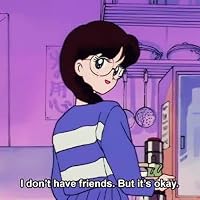
" I can't tell if he's happy. The story's over."
What made me realize is that how societal issues back then is still prevalent up to this day, or somehow more exemplified today. Problems such as normalizing the child as an investment to provide their parents a luxurious life afterwards, the ever religious people and their condemning abilities when someone doesn't have the same beliefs as them, the rampant cheating and constant objectifying females just for a man's pleasure only to be taken at a laughing value.
The book ended on an open end, with subtle hints along the lines. Like Guada on finishing Great Expectations, I felt the same way.
" I can't tell if he's happy. The story's over."

February 5, 2023
I wanted to like this so bad, because it seemed like i should’ve related to it more than i did being that it’s a coming-of-age story set in the Philippines. But it didn’t really feel as ‘Filipino’ to me maybe because it’s set during a different time, and of course because of Guada’s unique situation.
When it comes to Zafra’s writing style, it felt too intentional, almost forced especially with the insertion of references to books and films Guada has read or watched. Somehow, with the tragedy that has happened to Guada, the writing hindered it from evoking much emotion, or maybe i’m just dead inside. Despite this i still want to give Zafra’s writing a chance, that is, read more of her works.
Regardless of all i said about The Age of Umbrage, it’s still a valuable addition to Philippine literature with Zafra’s take on a perspective that’s not yet been as deeply explored.
3.5
When it comes to Zafra’s writing style, it felt too intentional, almost forced especially with the insertion of references to books and films Guada has read or watched. Somehow, with the tragedy that has happened to Guada, the writing hindered it from evoking much emotion, or maybe i’m just dead inside. Despite this i still want to give Zafra’s writing a chance, that is, read more of her works.
Regardless of all i said about The Age of Umbrage, it’s still a valuable addition to Philippine literature with Zafra’s take on a perspective that’s not yet been as deeply explored.
3.5

June 18, 2024
I finally got around to reading The Age of Umbrage after it sat in my tsundoku pile long enough. I enjoy Zafra's writing; after reading several volumes of her essays, this pleasantly short read was pretty much what I expected. This novel is a fascinatingly fictionalized retelling of the society in which Zafra came of age, spun through a younger, more wide-eyed if unreliable narrator. I was highly entertained by the book although I'm honestly surprised at how many people are taking this book way too personally/seriously. I think the back blurb set up some false expectations for the readers who were expressing their dismay over the book here on Goodreads. Did they think they'd get some coming of age/feel good movie? This book rightfully felt like a "death is only the beginning" kind of pep talk from David Lynch.

July 11, 2025
it had a really promising book description, but now that i think about it, it wasn’t as accurate as i hoped. the political aspect didn’t take up as much space as i anticipated or wanted. however, i really enjoyed the writing style. as a science high school alumna myself, it brought me back to those days when i forced myself to fit into a stem setting, even though i knew i would have done anything to be in a humss track instead. though i don’t remember having classmates quite like guada (most of my batchmates then were just focused on themselves), as the book says, we were all valedictorians. i’m not that special. can i leave now?
as for the ending, i wouldn’t say it felt entirely appropriate. it made sense, yet somehow it didn’t. maybe i need to read more of jessica zafra’s work to understand the hype, because this book alone didn’t quite show me why.
as for the ending, i wouldn’t say it felt entirely appropriate. it made sense, yet somehow it didn’t. maybe i need to read more of jessica zafra’s work to understand the hype, because this book alone didn’t quite show me why.

March 27, 2026
This was a very entertaining and engaging read. Although I didn't grow up reading Jessica Zafra (because I was born in the 2000s and was more exposed to foreign literatures growing up), I have always loved everything I've read from her since the time I discovered one of her writings. The way she writes always elevates the whole experience. I loved it more as I immersed myself in the book and the characters. Guada, I would say, was probably one of the most relatable characters, and I didn't want it to end because I share the same perspective as her: not wanting a story I really like to end because, that way, I can't tell if the hero is happy. How this book ended was also very beautiful and satisfying - and I suppose it's one of the best endings ever. When I read the final line, the only thing I could think of was: I wish it'd go on longer. I liked this so much.

August 21, 2026
i did not expect the story to go this way, and even though i saw how many pages left there were, the ending still feels so abrupt to me 😭😭😭
1. i resonate with guada in so many different ways, and that makes me empathize with her character so deeply.
2. thank you jessica zafra for the pisay insert, dengue creek and all. i miss that creek.
3. feels timely to read about pinangat two weeks after my first time eating it during my first time in bicol.
4. i will forever love real-life details in filipino novels, e.g. EDSA I, quiapo, etc.
here's what i wrote on the last page of my book just ten minutes ago:
"I don't know what to say.
I feel sad, hopeful.
I want to know what happens next to Guada.
I want things to get better."
addendum: i agree with other reviews that the synopsis is misleading. but nonetheless, i was pleasantly surprised by how easy of a read this was.
1. i resonate with guada in so many different ways, and that makes me empathize with her character so deeply.
2. thank you jessica zafra for the pisay insert, dengue creek and all. i miss that creek.
3. feels timely to read about pinangat two weeks after my first time eating it during my first time in bicol.
4. i will forever love real-life details in filipino novels, e.g. EDSA I, quiapo, etc.
here's what i wrote on the last page of my book just ten minutes ago:
"I don't know what to say.
I feel sad, hopeful.
I want to know what happens next to Guada.
I want things to get better."
addendum: i agree with other reviews that the synopsis is misleading. but nonetheless, i was pleasantly surprised by how easy of a read this was.
Displaying 1 - 30 of 74 reviews