Essays by noted historians of the past and present, on the problems of investigation, offer a series of intriguing case studies in the relationship between historical research and detective fiction
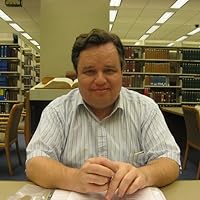
Robin W. Winks was an American academic, historian, diplomat, writer on the subject of fiction, especially detective novels, and advocate for the National Parks.
For the small amount of practical application that I derived from this book, I got a great amount of joy in reading it and following the "cases." Of course, it did open my eyes to the fact of counterfeit documents and relics created not for their own sake, but to advance someone's career or benefice. The Historian as Detective is not a typical research manual telling one where to look for information, but a forensics manual explaining how to discern and evaluate purportedly historical evidence.
Four months to read this book? That's because I own this book but kept going to the library, which insists that I read its books in three weeks. So The Historian as Detective got put aside multiple times.
It's hard to rate a book of essays of different topics by multiple writers who hold various viewpoints. Winks does gather them all around "evidence" and what it means to history and history technique, with sidebar nods to the detective story. So in general I, as a semi-professional [retired] historian and an aficionado of the lowly detective story, offer it four stars.
I had high hopes for this one, even though it was older. After reading the intro and the first three essays, I just couldn't work up any enthusiasm. Yes, there were some random ideas that caught my eye, but too much rambling "schlolar-speak"; I'm more of a plain speaker/reader. It's not that I can't read/comprehend, it just seems to become redundant at times.
I apologize to the editor and essay writers if the essays got progressively better. I just have other items I'd rather be reading...
The Historian as Detective is a playful collection of essays concerning historical methods built within the frame of detective fiction. Interspersed liberally with Winks's own thoughts and analysis, it is an eminently readable, occasionally whimsical, and assuredly valuable starting point for any examination of history as a discipline.
A true classic in every sense of the word. This book is a compilation of essays by various authors on various subjects of historical interest. This is pretty heavy reading and can get dull at times if you're not totally nuts about it. I like the title of the book though.
This book of essays by historians, though dated, still contains good information and analysis about historical evidence and how historians use all kinds of evidence to try to reconstruct the objective reality of events and people of the past. The final conclusion: the historian can never be totally sure about objective truth of history because evidence is at best incomplete, almost always slanted, and often contradicted, or at least changed, by evidence that is discovered later. Many of the historians use actual historical events or discuss historical people to illustrate their points about evidence. For anyone at all interested in history, the book is a fascinating and educational read.