What do you think?
Rate this book


In quel tempo remoto gli dèi si erano stancati degli uomini, che facevano troppo chiasso, disturbando il loro sonno, e decisero di scatenare il Diluvio per eliminarli. Ma uno di loro, Ea, dio delle acque dolci sotterranee, non era d’accordo e consigliò a un suo protetto, Utnapishtim, di costruire un battello cubico dove ospitare uomini e animali. Così Utnapishtim salvò i viventi dal Diluvio.
Il sovrano degli dèi, Enlil, invece di punire Utnapishtim per la sua disobbedienza, gli concesse una vita senza fine, nell’isola di Dilmun. Il nome Utnapishtim significa «Ha trovato la vita».
Dopo qualche migliaio di anni approda a Dilmun un naufrago, Sindbad il Marinaio. Utnapishtim lo accoglie nella sua tenda e i due cominciano a parlare. Ciò che Utnapishtim racconta è la materia di questo libro.
146 pages, Paperback
First published October 8, 2020
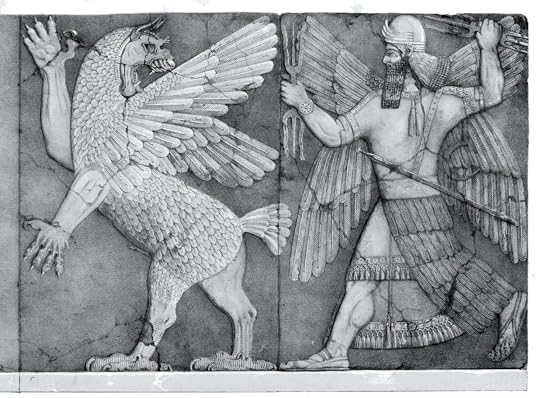
"More than Babylon or Eridu, it was the Underworld that was the Great City. Walking through it, one came across one palace after another. Some said: 'This is Nergal's palace, this is Ereshkigal's.' But there were others, too, palaces of minor gods, Hushbisha, Dimpimeku, Ninazimue. There were temples, too, and towers. Darkness was constant, except when Utu, the Sun, made a brief visit to pass judgement. The inhabitants wandered in the dust, dressed in feathers down to their feet, like birds that cannot fly. They ate clay."
"At first bewilderment and confusion ran riot. Then people began to split up and withdraw into different regions, well protected from one another. A dim veil came down on each of these places. But the veil could be torn open by curiosity and study."