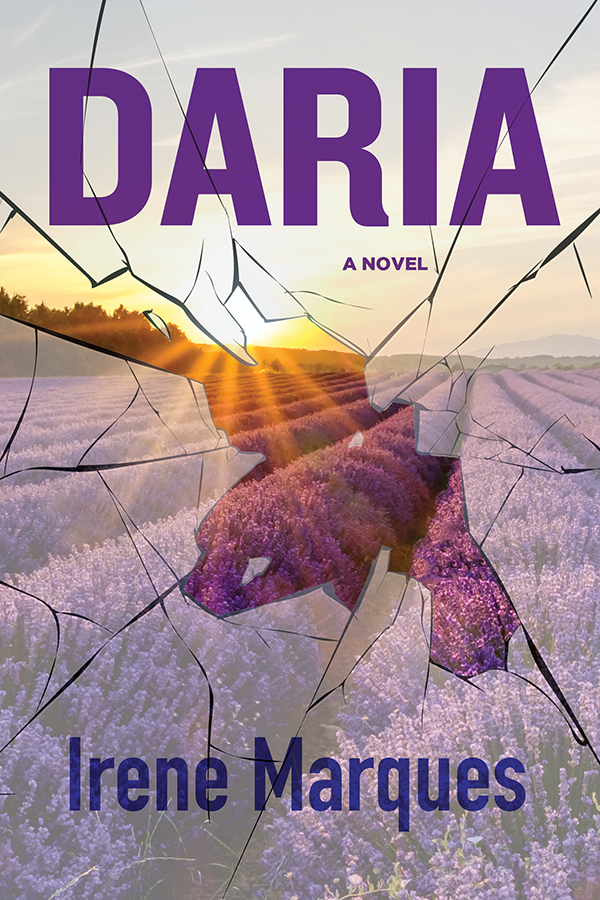
Daria is a novel about a young immigrant girl trying to find her way in a new (but also very old) world, where patriarchal networks abound. Daria's story is bound to multiple characters, their individual stories forcing the reader to see the world with different an Indo-Portuguese-Canadian sexual predator; an idealist and resilient Mozambican freedom fighter with an insatiable thirst for virgins; an exquisite Iberian Roma circus--Iberian Christianized Muslims and Jews; a Nubian master who knows how to capture black matter; a searching Caribbean-Canadian diversity director and wannabe African; a fascist dictator whose ruthless cousin delivers unthinkable punishments to anti-colonial combatants inside the closed walls of Tarrafal, the infamous Cape Verdean prison of the Portuguese colonial regime--and countless other characters, some wretched, some redeemable, some spiritually pristine, and some otherworldly, defending visions and ideals, fighting for dignity, power, fame, and recognition. The novel goes back and forth between Portugal, Canada, Mozambique, and Cape Verde to display and juxtapose specific cultural, historical and familial contexts, where the intimate and personal intermingle with the collective of the world at large. When Daria is subjected to a violent attack, the impact of colonialism, patriarchy, and who we choose to love are thrown into sharp relief.
REVIEWS
Irene Marques’s novel Daria (2021) delves into the complexities of diasporic identity, gender dynamics, and colonial legacies within the Portuguese community in Toronto. Through the narrative lens of Daria, the protagonist, Marques traverses between Portugal, Mozambique, Cabo Verde, and Toronto, exploring themes of cultural displacement, gender liberation, and the lingering effects of colonialism. Employing modernist narrative techniques reminiscent of William Faulkner, Marques intricately weaves together Daria's introspective monologues with fragments of memory and trauma. The novel sheds light on Daria's quest for autonomy, her confrontations with patriarchal norms inherited from her cultural upbringing, and her experiences of sexual exploitation and resilience within the diaspora. Marques interlaces historical contexts, colonial histories, and personal narratives to offer a compelling exploration of identity, power dynamics, and liberation within the Portuguese diaspora. Through vivid character portrayals and evocative storytelling, Daria invites readers to engage with the complexities of cultural heritage, gender roles, and the pursuit of individual freedom amidst intersecting social and historical landscapes.
O romance "Daria" (2021) de Irene Marques adentra nas complexidades da identidade diaspórica, das dinâmicas de gênero e dos legados coloniais dentro da comunidade portuguesa em Toronto. Através da lente narrativa de Daria, a protagonista, Marques atravessa entre Portugal, Moçambique, Cabo Verde e Toronto, explorando temas de deslocamento cultural, libertação de gênero e os efeitos persistentes do colonialismo. Empregando técnicas narrativas modernistas reminiscentes de William Faulkner, Marques entrelaça habilmente os monólogos introspectivos de Daria com fragmentos de memória e trauma. O romance lança luz sobre a busca de Daria por autonomia, seus confrontos com normas patriarcais herdadas de sua educação cultural e suas experiências de exploração sexual e resiliência dentro da diáspora. Marques entrelaça contextos históricos, histórias coloniais e narrativas pessoais para oferecer uma exploração cativante da identidade, dinâmicas de poder e libertação dentro da diáspora portuguesa. Através de retratos de personagens vívidos e narrativa evocativa, "Daria" convida os leitores a se envolverem com as complexidades da herança cultural, papéis de gênero e busca da liberdade individual em meio a paisagens sociais e históricas interseccionais. -- Gávea-Brown (Brown University)
Irene Marques is a brilliant novelist and storyteller. She is endowed with the gift of creating characters and narrating their stories over time and space. Daria is a cerebral novel about Portuguese identity, family, immigration, displacement, and remembering. Personal and poetic, Irene Marques' aching narrative is a masterpiece of contemporary Portuguese-Canadian fiction, a meditation on human experience in Portugal, Canada, and the former Portuguese colonial empire. It is a necessary book for anyone interested in women's struggles within and outside of patriarchy, dictatorship, colonialism, anticolonialism, immigration, neoliberalism, and globalization. Daria is a novel that conveys the dreams and the wisdom of those who left home and country. --Isabel A. Ferreira Gould, Independent Scholar
Brilliant and captivating, the novel Daria provides a look into the struggles and triumphs of being in a new land. Irene Marques' writing moves extraordinarily between countries and she masterfully creates scenes of beauty and horror...
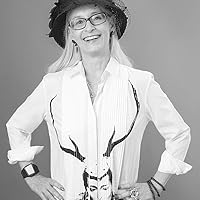
Irene Marques is a bilingual writer (English and Portuguese) and Lecturer at Ryerson University in the English Department, where she teaches literature and creative writing. She holds a PhD in Comparative Literature, Masters in French Literature and Comparative Literature, a BA (Hon.) in French Language (all from the University of Toronto) and a Bachelor of Social Work (Ryerson University). Her Portuguese-language novel, Uma Casa no Mundo (Imprensa Nacional Casa da Moeda, 2021) was awarded the Imprensa Nacional/Ferreira de Castro Prize. She lives in Toronto.
Thank you Irene for a beautiful work of great geographical, historical, and emotional breadth and purpose that goes down easy like proper aguardente, then leaves you reeling in the afterglow…
"I write myself in the intervals of a lifetime to see if I can find my true name." Surely one of the best first lines ever? And the book doesn't let up from there! Daria is a magnificent novel of power, beauty and bravery, with wall-to-wall exquisite prose.