Mr Fox is a spiv, dealing in second-hand cars and black-market food, and skilled in bending the law. When a woman and her young daughter are deserted at the start of World War II, he offers them a roof over their heads, and a shared, if dubious future. By the author of "The Juniper Tree".
Barbara Comyns was educated mainly by governesses until she went to art schools in Stratford-upon-Avon and London. Her father was a semi-retired managing director of a Midland chemical firm. She was one of six children and they lived in a house on the banks of the Avon in Warwickshire. She started writing fiction at the age of ten and her first novel, Sisters by a River, was published in 1947. She also worked in an advertising agency, a typewriting bureau, dealt in old cars and antique furniture, bred poodles, converted and let flats, and exhibited pictures in The London Group. She first married in 1931, to an artist, and for the second time in 1945. With her second husband she lived in Spain for eighteen years.
What a pleasant way to spend several hours. One of those rare novels for me in which I did not want it to end.
After I finished, I was thinking that although I would rhapsodize about the novel, hoping GR folks would consider adding it to their TBR list, I knew, or so I thought I knew, that this book had been out of print and was scarce.
Wonderful how life can be sometimes…just LAST WEEK, the Times Literary Supplement ran an article (‘Reviving Barbara Comyns’, by Christopher Shrimpton https://www.the-tls.co.uk/articles/re... ) which reviewed ‘Mr. Fox’ as well as ‘Who Was Changed and Who Was Dead’ and ‘House of Dolls’. The book has just been re-released by a small publishing house in Ireland, Daunt Books Publishing (London) and is now available! I did not know this when I decided last night to pick out this book from my TBR shelves to read it. And read it I did, hard to put down except it was time to catch some zzzz’s…I finished today. Yea, Barbara!!! 😊
I thought nothing could top ‘Our Spoons Came from Woolworths’. I read the Vet’s Daughter and that was very good but was through-and-through dark. Anyway, I would say this was on the same level as ‘Our Spoons Came from Woolworths’… I found myself more than once just laughing out loud.
Here are several quotes that made me laugh out loud. I know just reading them without context is not the same as with context, but anyway… Oh, let me set the scene. So, Caroline Seymore is a single mom immediately prior to World War II living in London and she has a little girl Jenny who is 3 years old. Her husband ran off before even meeting Jenny in that he was no longer attracted to Caroline because she was pregnant. So, what is a young single mom to do in pre-way London…she ends up being partners with Mr. Fox, a man her age who is on the shady side. In fact, he is so shady he is known by the law and will turn himself in to have stints in prison willfully so he can have time to think and read and such! The back cover of the Methuen Paperback edition I had describes Mr. Fox as “a dealer in second-hand cars and black-market food, a man skilled in bending the law”. He still advises Caroline while he is in prison on who to connect with on the outside so she can make money for both her and he. There isn’t a romantic relationship between the two—he does things for her (puts a roof over her and Jenny’s head) and she does things for him (makes him money). She is not a good-two shoes...she likes to have a good time as much as the next person.
So here are just a few quotes out of the book now that I’ve given a small lead-in the Caroline’s world: • [She’s at a nightclub having a good time] … Jenny was asleep in her rather bare little room and I felt it was quite safe to leave her, although during the bus ride to Regent Street I did start to worry in case the house set on fire and Jenny turned into a cinder while I was enjoying myself in a night-club. … I hoped Mr. Fox didn’t think I’d run away and left Jenny on his hands; he might even put her in an orphanage and it would take months to get her out again. • [She arrives at a nice fancy house in which she has been hired to be a maid to a weird woman, Mrs. Hood, and look after her spoiled child] … When it was time for the children to go to bed there was no hot water for their baths although there was a very good Cosy stove in the dining-room which could heat bathwater as well; but Mrs. Hood said it was only lit once a week on washing day. She gave me an extra squinting look when she said that, but I had already told her in a letter that I was willing to do the cooking and quite a lot of housework but no washing, so I gave her rather a squinting look in return. … We stood squinting at each other over the gas stove for a few moments while I boiled a kettle to get hot water to wash Jenny with. • I passed some of the time filling sandbags in the street; heaps of people were doing it and it seemed the fashionable thing to do.
It’s Comyns’ style of writing…what makes me laugh is not something that she elaborately sets out to be funny…it’s the way Caroline in the first person talks or the way she perceives things or describes people, things and events around her. It’s a scream at times. Here are some blurbs on the back cover so I can be backed up in what I say about how much I liked this book…others did too: • I recommend it for its hilariously accurate description of war…Barbara Comyns held me by the throat in that chokey state between laughter and tears given us by all too few writers. — Mary Wesley, London Daily News • An extremely funny book. — Literary Review • I enjoyed the story…for its innocence, its straightforwardness, its charming lack of guile. — Nina Bawden, Daily Telegraph • A minor classic…hunt down Mr. Fox forthwith for its peerless evocation of an era. — Daily Mail • A little treasure…captures perfectly the atmosphere of wartime London. — Manchester Evening News
I wish we knew more of the history behind this book. We do know that: • “…She spent some of the war in London though; living with a black marketer named Arthur Price, a relationship and associated experiences that are loosely fictionalized in Mr Fox.” • This was first published not so long ago, in 1987 — it was based on an “old manuscript”. I find that so sad on the one hand and so fortunate on the other. So sad in that this is so good, and somehow others around her or she herself at the time of putting pen to paper did not think this was good enough to be published, and so fortunate because it finally saw the light of day for other people to enjoy.
I felt a sense of dread at the start of this because I was not in the mood to read about a scam artist. The character of Mr. Fox is loosely based on a black marketer Comyns lived with during the London Blitz, the time and place for most of the novel. Comyns’ propulsive style kept me going, though, and I’m glad it did.
This is a straightforward tale told simply, even naively, with deadpan humor, and a dash of foreshadowing—all distinctive traits of Comyns. A bit of ‘levitation,’ though used with complete realism, is even included.
At one point I thought Comyns was heading for a Our Spoons Came from Woolworths type of ending, but that was nicely averted. Still, this book is in the realm of that earlier novel more than in any of her others I’ve read and I was surprised to see it was published just two years before her last, The House of Dolls.
This is the last of my Comyns exploration—unless the used-copy prices of the ones I haven’t read go down or someone reissues the titles.
'How could people think they were lords of creation when they were so hideous and miserable and wherever they went they made ugliness and called it 'progress' and 'civilization'. I thought perhaps people are an acquired taste like olives'.
What a short, quirky book that captures everyday life in London at the outset of WW2 in such a droll fashion. Caroline has unwittingly become a single mother after her husband bolted to America. Times become tougher with the threat of war and Caroline's tenants began to move out, leaving the debt collectors to move in. Mr Fox offers the unlikely solution of inviting Caroline and her daughter to move in. Mr Fox is a chancer and part-time racketeer. Caroline is a survivor too but also naively funny as she bumps along with his latest ventures.
'I didn't let him know how funny he looked rolling about because I know men don't like being laughed at unless they are being funny on purpose; dogs are like that, too'.
I've never read anything from Barabara Comyns before but appreciated her unique, dry writing style. If you can find a copy, try this short book for a fresh take on London during the Blitz.
Yazardan okuduğum ikinci roman. İlki Veteriner’in Kızı’ydı, hem şaşırmış hem de sevmiştim. Bay Fox da benzer çizgide yürüyen bir roman. İki romanını okuduktan sonra rahatlıkla şunu söyleyebilirim ki Barbara Comyns’te en sevdiğim şey korkunç şeyleri korkunç şeyler anlatıyormuş gibi anlatmaması. Caroline’ın hayatında yoksulluk, savaş, evsizlik, erkeklere bağımlılık ve sürekli bir güvencesizlik var ama Comyns bütün bunları sade, konuşur hatta mırıldanır gibi bir dille anlatıyor. Caroline’ın başına gelenleri olduğu gibi kabul edip yoluna devam etmesinde hem çok komik hem de çok hüzünlü bir taraf var. Romana ismini veren Bay Fox karakteri de griliğiyle uzun uzun konuşulmayı hak eden bir karakter. Yazarı okumaya devam edeceğim.
A gem of a novel - Mr Fox is very much in the style of one of Comyns’ earlier novels, Our Spoons Came from Woolworths (1950), a book that made my ‘best of’ list back in 2017. Like ‘Spoons’, Mr Fox features a rather childlike young woman who relates her story in an unassuming, conversational style. As the novel opens, Caroline Seymore and her three-year-old daughter, Jenny, have just been offered a place to live by their ‘friend’, Mr Fox, who makes his money via various underhand dealings – mostly tarting up dodgy cars plus some black-market activities here and there. (The novel is set at the start of WW2.)
Barbara Comyns ile ikinci buluşmamız. İlkinde Veterinerin Kızı ile tanışmıştık, şimdi de Bay Fox ile yollarımız kesişti.
Hikaye, İkinci Dünya Savaşı’nın gölgesindeki Londra’da geçiyor. Kocası tarafından terk edilmiş, küçük kızı Jenny ile ayakta kalmaya çalışan Caroline, annesinden kalan evin odalarını kiraya vererek geçinmeye çalışıyor. Savaşın getirdiği yoksulluk ve belirsizlik işleri iyice zorlaştırınca yolu, ikinci el otomobil ticareti yapan, karaborsacılıkla uğraşan, bir gün cömert bir gün çekilmez olabilen Bay Fox ile kesişiyor. Caroline ve kızına barınacak bir yer sağlayan bu tuhaf adamla aralarında alışılmadık bir ortaklık başlıyor.
Karaborsa, tuhaf karakterler, garip ilişkiler, hayatta kalma mücadelesi… Malzeme bol am ben kitap boyunca bir şeylerin olmasını bekledim. Hani birazdan bir şey çıkacak, bütün bu tuhaflıklar bir yere bağlanacak, hikaye bizi şaşırtacak diye. Bekledim, bekledim… Bay Fox bir şekilde işlerini yoluna koydu ama ben 157 sayfa boyunca hikayenin nereye gittiğini çözemedim.
Comyns’in kendine has, biraz tekinsiz, biraz absürt anlatımı var. Bunu inkar edemem am bu kez o tuhaf dünyanın içine giremedim. Savaş atmosferi de hikayeye benim beklediğim derinliği katmadı.
Kısacası okudum, bitirdim ama neden okudum diye kendime sormadan da edemedim. Sanırım bu buluşmada frekansımız pek tutmadı. Bakalım üçüncü kitapta barışabilecek miyiz?
I love Comyns' work, and try to pick up her novels whenever I place an online order, difficult as they seem to locate in physical bookshops. Virago have reissued three of her books - The Vet's Daughter, Sisters by a River, and Our Spoons Came From Woolworths - in the last few years, and NYRB have just brought out a lovely edition of The Juniper Tree, but I have seen nothing about a republication of her 1987 novel, Mr Fox. I therefore purchased a copy of it online, and was eager to begin.
Comyns' penultimate novel, Mr Fox is set during the Second World War, and moves from London to some small, imagined towns and villages nearby. At the outset of the novel, which is narrated in its entirety by Caroline Seymore, Mr Fox, a 'spiv', offers her and her young daughter, Jenny, assistance. The pair were deserted by Jenny's father, Oliver, whilst Caroline was still pregnant, as he felt that running off to Spain to fight against Franco was more important than providing for his family. Mr Fox promises the Seymores 'a roof over their heads, advice on evading creditors and a shared - ie. dubious - future.' Mr Fox is 'always full of new ideas about making money and was often very prosperous, but sometimes almost penniless.' He takes on many schemes to make dishonest money, and is unable to keep any savings in the bank, due to the temptation of spending them.
The novel opens in the following manner, which wonderfully sets the tone for the whole: 'The other people in the house where I lived didn't like me. I expect it was because I was living with a man I wasn't married to. We just had "Mr Fox and Mrs Caroline Seymore" written on the door that led to our flat. There was a Miss Seymore living there, too, but she didn't have her name on the door because she was only three years old.' Adhering to social conventions is something which does not greatly bother Caroline; the welfare of herself and her daughter during wartime is her primary concern. Of her marriage to Oliver, Caroline writes: 'I don't think it's a frightfully good thing to do to marry poets. My mother was very much against it, but she was rather a dreary kind of woman and I didn't want to grow dreary too, so I left her and married Oliver, who was delightful and sparkling, and it was only afterwards I discovered he was shallow and spoilt and really rather affected, and his poetry was affected, too.'
Their existence with Mr Fox is often rather tumultuous. Early on in the narrative, Caroline admits: 'We often did things that made him [Mr Fox] displeased with us, but we had nowhere else to go, so we had to go on living with him.' Once the air raids begin in earnest, she and Mr Fox decide to move out of London. They find a 'shoddy little house' in the fictional town of Straws, near the factory where Mr Fox is able to get a job. Caroline writes: 'It wasn't the war that depressed me so much but life at Straws. It was the most dreary, lonely place in the world, and it made Mr Fox unbearable. He became frightfully bad-tempered and nervy and had completely changed from the dashing kind of crook he used to be; leading an honest life didn't suit him at all.' Although she has been removed from the fear of being bombed, she feels increasingly trapped and frightened, with nowhere else to go, and no friends to speak to. Despite her misfortunes, Caroline does not allow herself to become pessimistic: 'In the back of my mind I was always sure that wonderful things were waiting for me, but I'd got to get through a lot of horrors first.'
The chatty style which Comyns employs works so well here; Caroline feels like a three-dimensional creation, always candid and often rather funny. Comyns also gives one a real feel for the period as the threat of war, and later conflict itself, progresses: 'But it wasn't the same as the scare the previous year. The war came nearer and nearer and there was no escaping it, you could almost see it coming like a great dust-storm.' In Mr Fox, Comyns tells of a quite ordinary woman's experiences during wartime, crafting rather a straightforward and sincere voice in which to do so. Mr Fox is an immersive novel, and an unfairly neglected one too. I'm crossing my fingers that a publisher will reprint it soon, so that it can be discovered by a whole new clutch of readers.
(from my 1988 notebook): fast funny read. Very middle class - things are 'simply stiff with... ' money, make up, pianos, and other things are 'simply awful'. But marvellous stuff somehow, the con-merchant Mr Fox is wonderful as is the narrator's deliberate naivety. I originally put three stars but this sounds like a 4 star review, so changed it.
Amongst the many unsolved mysteries in our world is how so many of Barbara Comyn's novels fell out of print. Often, as in this case, they are the best ones. Thankfully now this has had a reprint, but there's still a couple, notably The Skin Chairs, I can't get hold of for anything less than a small fortune. Another I haven’t read yet, A Touch of Mistletoe, has just had a reissue.
This was published in 1984, though most likely written years before. Set during World War II it is the story of Caroline Seymoure, and her young daughter Jenny, who have been left by her husband and due to tough financial circumstances, moves into live with Mr Fox, a dodgy man with a 'fine red beard', who is involved with many shady deals, some of which see him spending short times in Brixton Prison, so many that he knows the police and warders well, and counts them amongst his friends. Fox is a fascinating character, given to mood swings and possessing an explosive temper, his relationship with Caroline has as many bad times as good. When the war arrives he becomes heavily involved in the black market, trading in pianos and grandfather clocks amongst other things. Though Caroline leaves for a job outside London as a housekeeper, she returns when it doesn't work out.
On the one hand this is a remarkable first hand account of living through the War; the fear, the loss, the quandry of wondering whether to send your child away, and the effort to live a normal life and keep cheerful. And on the other, a witty yet dark tale written in Comyns's inimitable style, told with that ‘innocent eye which observes with childlike simplicity the most fantastic or the most ominous occurrences’.
I feel a little ashamed for extracting a quotation--it's like sharing the name and exact location of a wonderful little café or a quiet stretch of beach, enjoyed by a select few, with a million other people--but I like it so much, and I want to remember it.
"I suddenly began to feel awfully happy. . . . I enjoyed all kinds of things I'd never noticed before--people, for instance. I'd never cared about them much, but they really were rather nice. Often I'd stood in a street looking at them and thought how ugly they were; if only the street became filled with squirrels and bears and deer and foxes, how different it would look! How could people think they were lords of creation when they were so hideous and miserable and wherever they went they made ugliness and called it 'progress' and 'civilization'? Now I began to notice how kind some people looked and how interesting others were, and some were so good-looking it was a pleasure to see them and watch them moving. I thought perhaps people are an acquired taste like olives." (p. 145)
Actually, I would give this 4.5 stars if I could. My first Barbara Comyns novel and I definitely will be looking to read more by her. Told entirely in the first person, it has a quality of pathos to it while still retaining a feeling of hope. The narrator also retains a sense of naivete throughout all her trials. Very enjoyable story.
Bay Fox’un Barbara Comyns’in yaşam öyküsünden kaynaklanan bir eser olduğu düşünülüyor. Comyns ilk evliliğini yaptığı sanatçı ve çocukluk arkadaşı John Pemberton’dan ayrıldıktan sonra iki çocuklu genç bir anne olarak ekonomik açıdan çok zor durumda kalmış. Bu zor koşullarda, 1930’ların sonlarında ve savaş yıllarında Londra’da yaşadığı deneyimler Mr Fox‘un kaynağı olmuş. O yıllarda Arthur Price ile tanışıyor. Price, “biraz dolandırıcı” sayılabilecek, çeşitli işlere girip çıkan bir adam. Barbara Comyns, iki çocuğu ve Arthur birlikte yaşamaya başlıyorlar. Comyns’ın hayatını inceleyen çalışmalar, Price’ın Mr Fox‘taki başkişinin oluşumunda önemli bir model olduğunu belirtiyor. Ama romandaki otobiyografik unsur “başından geçenleri romana aktarmak”tan çok, yaşanmış deneyimleri grotesk ve kurmaca bir dünyaya dönüştürmek şeklinde değerlendirilmiş.
1956’da ikinci kocasının, John Le Carre’nin romanlarına konu olan ünlü “köstebek” Kim Philby ile iş ilişkisi ortaya çıkınca İspanya’ya taşınmışlar ve o tarihten sonra Barbara Comyns’in eserleri yaynlanmaz olmuş. Comyns’in dönüşü ancakVirago Yayınları’nın onu tekrar keşfetmesi ve 1981’de Veterinerin Kızı’nın yeniden basımı ile mümkün olmuş. Hem daha önce yayınlanmış ama baskısı tükenmiş eserleri yeniden basılmış hem de Bay Fox gibi daha önce reddedilip basılmayan eserler yayınlanma imkanı bulmuş.
Romanın anlatıcı kahramanı Caroline Seymore küçük kızı Jenny ile birlikte yaşayan genç bir kadın. Kocası Oliver onu terk etmiştir. II. Dünya Savaşı’nın başlangıcında Caroline ekonomik ve toplumsal açıdan zor durumdadır. Bu sırada Mr Fox’la tanışır.
Fox, sahtekarlık kokan bir yöntemle ikinci el otomobil ticareti yapar, bir yandan da savaş ekonomisinin yarattığı fırsatlardan yararlanır ve çeşitli yiyecek maddelerinin karaborsası ile para kazanır. Bu işleri nedeniyle zaman zaman hapse girer, buna rağmen Caroline ve Jenny’nin hamisi haline gelir.
Zeynep Sude Güvenç’in Türkçeye çevirdiği Bay Fox’un ilginç yanı savaş zamanında geçmesine rağmen savaşın ön planda olmaması. Caroline’in çocuğu ile birlikte bir bekar anne olarak hayatta kalma mücadelesi ana konuyu oluşturuyor. Londra’ya yağan bombaları, şehir dışına kaçma çabalarını onun yaşam mücadelesini daha da zorlaştıran gelişmeler olarak okuyoruz.
Eleştirmenler, büyük felaketleri küçük, gündelik ve çoğu zaman şaşırtıcı derecede naif, sakin, komik ve zaman zaman ürkütücü bir sesle anlatmanın Comyns’ın genel poetikasının temeli olduğunu belirtiyor. Çok kendine has, başta tuhaf gelen ama sayfalar ilerledikçe havasına girip “iğneyi başkalarına çuvaldızı kendine batır” diyen mizah anlayışını kavradıkça okumak çok daha keyifli bir hale geliyor.
Comyns’ın anlatıcı tavrı son derece sakin ve saf görünümlü, kahramanı Caroline da hayata çocuksu bir saflıkla yaklaşıyor ve yaşadıklarını öyle anlatıyor. Olan biteni sadece kendi yaşamına etkileriyle değerlendiriyor. Savaşın yarattığı ahlaki, ekonomik ve toplumsal karmaşayı da onun günlük yaşamının çapı kadar görüyoruz, yani sınırlı bir bakışla. Mr Fox’un yaptığı işlerin yasallığını veya ahlakını da pek sorgulamıyor. Fox’un hayatındaki tuhaflıklar onun için hayatın doğal parçaları. Gerektiğinde de bu işlerde ona yardımcı olmaktan geri durmuyor. Savaşın yarattığı ölümcül tehlikeyi anlatıcının kendisinden daha önce biz okurlar anlıyoruz ve bakalım ne zaman durumun dehşetini kavrayacak diye merak ediyoruz.
Fox adı, İngiliz masallarındaki tilki figürünü çağrıştırıyor, diye yazmış eleştirmenler. Masalın tilkisi kurnazdır, Comyns’ın Mr Fox’u ise kurnaz, fırsatçı, koruyucu ve tehlikeli özellikleri aynı anda taşıyan bir savaş dönemi erkeğidir, diye yazmışlar. Caroline’ın başına gelenler: “terk edilme, gizemli yardımcı, yeni hayat, savaş, kayıplar, yeniden başlama şeklinde bir masal örgüsünü andırıyormuş. Ama roman bir masal gibi bitmiyor. Bence Comyns Bay Fox’da bir “masal” yazmıyor ama romanın dünyasını masalsı bir mantıkla kuruyor ve sonra o masalın yapısını kırıyor, bozuyor.
Barbara Comyns’ın Bay Fox‘u, savaş, yoksulluk, annelik ve kadınların ekonomik bağımlılığı gibi meseleleri samimi ve ironik bir dille anlatan bir roman. Comyns’in farkı ise bu ağır meseleleri dünyayı anlamakta isteksiz ya da yetersizmiş gibi görünen, fakat tam da bu nedenle dünyadaki kötülükleri daha çıplak gösteren naif bir anlatıcı gözünden anlatmasında yatıyor. Bay Fox, bu bakımdan bir savaş romanından çok, savaşın gündelik hayatı nasıl dönüştürdüğünü anlatan bir roman.
A slim volume, Mr Fox is one of the later, lesser-known and slighter novels novels by Barbara Comyns.
Typically offbeat, it follows Caroline’s struggle for survival during the prelude to, and the years of, the Second World War. It’s a snapshot of the times, capturing – winningly, but without whimsy – the harsh reality of the choices available to women. Our narrator, a naive but not dim-witted mother abandoned by her husband, at times flirts with sex work and tries her hand at being a live-in cook and maid to support herself and her young daughter.
Taken under the wing of the somewhat sketchily freewheeling but essentially good-hearted Mr Fox, at the expense of her reputation, she becomes a successful landlady and piano dealer.
At all times she has to navigate the whims of men; even those sympathetic to her plight seem to expect sex or a measure of servitude in return.
Comyns is a writer able to ventriloquise first-person narration well in a register other than her own. Her mundane, hopeful protagonist doesn’t narrate as though she has a master’s degree in creative writing; she uses her natural modes of language and idiom. That’s not to rob her of insight, wit and expression, but these are rendered in a convincing voice which really gives us the sense of a story being told, not written. This approach seems as though it should be self-evident, but it is rare enough that I felt it strongly here.
Much of the humour in the book emerges from Caroline’s naive, hopeful reading of events, but it never quite masks her quiet desperation.
The story begins to feel familiar towards the end, setting us up for a clichéd resolution. Its absence makes the book all the more convincing and satisfying.
zero waste lit: the scraggly carrot-tops of housekeeping for the tyrannical vegetarian mrs hood, the bones & gizzards of selling janky old grand pianos, the onion peels & cheese rinds of german blitz campaigns & grinding poverty, cooked down into a richer broth than some books 10x as eventful accomplish. command of dramatic irony exquisite as per yoozh. ought to get just as much love as babs’ better known offerings… cough cough NYRB!!
İnsanlar bu kadar çirkin ve acınası görünürlerken kainatın efendisi olduklarını nasıl düşünebiliyorlardı, nereye giderlerse çirkinliği de beraberlerinde götürürlerken bunun adını nasıl “ilerleme” ve ”medeniyet” koyuyorlardı?
Over the past few years I've bought all the books by Comyns I came across in second-hand stores, but never saw a copy of "Mr Fox". After discovering its existence in a recent review of Avril Horner's biography of the author, I did something I hadn't done in a really long time: I ordered it online! This is the story of a naive and optimistic single mum, Caroline, and how she survives WWII with her small daughter Jenny. With no money and few skills (apart from painting furniture in an idiosyncratic way), Caroline reluctantly throws in her lot with Mr Fox, a small-time crook rather better equipped than she is to cope with the black market and all the other upheavals visited on Britain in the 1940s. Mr Fox has his moods, and Caroline doesn't always enjoy being his business partner in shady deals, but he can also be kind and generous, especially when she is poorly. Besides, after an ill-fated attempt to work as a nightclub hostess, Caroline has the sense to realize that she'll never be a happy and successful hooker, and that living with Mr Fox is the lesser of 2 evils. Still, it's a bumpy road, and after a particularly dreary spell in a factory town, Caroline, decides to try her luck as a domestic servant. But the first lady who hires her dies of pneumonia even before they even meet, and the second turns out to be a shrewish vegetarian. Everything thus conspires to bring her back to Mr Fox... The great charm of this episodic novel lies in the tart and yet dreamy voice of its narrator as well as in its unsentimental description of the hassle of living in wartime. When Mr Fox dies in an air raid, Caroline discovers how much she owes him, but even in her grief she can't help looking forward to the brighter future she feels must be right around the corner.
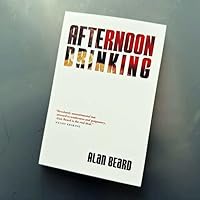
[Turnpike Books] (2025). SB. Reprint. 175 Pages. Purchased from Amazon.co.uk.
Quirky and engaging writing; occasionally lacking in polish.
Adeptly evocative of the fears and hardships building during World War II in England.
The impecunious protagonist, Caroline, seems to bumble through life - struggling by in ever-straightened, and sometimes seedy, circumstances. She often seems naive to the point of being childlike.
She comes across as a loving if somewhat clueless mother - doggedly optimistic - navigating one challenge after another. There’s a sense of alienation and a clear propensity for sleepwalking into awkward situations.
“…I didn’t want any of my friends to know where I was living. I hoped they would think I was doing something exciting and brave, not just being a wretched vegetarian cook in a garden city. But in any case I hadn’t any real friends - only a lot of acquaintances, and I didn’t care much if I never saw any of them again.” (p. 108.)
“In the back of my mind I was always sure that wonderful things were waiting for me, but I’d got to get through a lot of horrors first.” (p. 86.)
Some charming turns of phrase:
“But there he was, looking like a bulldog crossed with a hot-cross bun. He seemed pleased to see me, so my heart warmed to him.” (p. 51.)
“He was a beastly old man who had shaky hands and smelt of drink and mushrooms.” (p. 68.)
“There was a father and mother and some fat, jolly little boys who had never heard of nerves.” (p. 113.)
“I thought perhaps people are an acquired taste like olives.” (p. 145.)
"In the back of my mind, I was always sure that wonderful things were waiting for me, but I'd got to get through a lot of horrors first."
This is the philosophy of main character Caroline, and it lends this book and all Comyns' books their zest for life in the midst of disaster. Caroline is a single mother who barely survives with the help of a scoundrel, and through her eyes, we see poverty, bombings, and enormous loss. Through it all, she never loses her mischief and odd hope. She resembles a character in a Beckett play in one sense, and yet, there's a significant difference. She's so honest, scrappy, and vivid that we really DO believe wonderful things are waiting for her somewhere. This story shares traits with some other Comyns' novels, but this one is more absurd than some. Like a much darker version of I Love Lucy.
Another brilliant, sad and funny book from Barbara Comyns. This is the story of a solo mum in her 20s during ww2 in London. Her husband has left her and her daughter and the war is looming. Caroline tries being a hostess, selling pianos, raising hens and befriending sculptors. The thing that really gets her through the war is Mr Fox, a strange, suspicious man that befriends her and homes her. There are similarities between Mr Fox and A Touch of Mistletoe and like all Comyns work the heroine is odd and diamond-like, fragile but strong. At times Mr Fox is heartbreaking and the characters are never as they seem, the twists and turns keep the plot from being obvious and Caroline’s belief that something good is around the corner keeps the reader from despair.