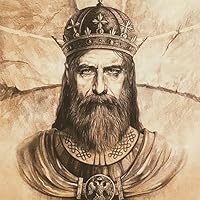
«Սասնա ծռերը» հայ ազգային էպոսն է՝ դյուցազնավեպը. ստեղծվել է միջնադարում՝ արաբական արշավանքների ժամանակ։ Էպոսի գաղափարական ոգին հայ ժողովրդի հերոսական մաքառումն է թշնամիների դեմ՝ հանուն ժողովրդի ազատության և անկախության, հայրենիքի և պետականության պահպանման։
«Սանասար և Բաղդասար»։ Հայոց Գագիկ թագավորը հարկատու էր Բաղդադի կռապաշտ խալիֆին։ Վերջինս, լսելով արքայադստեր՝ Ծովինարի գեղեցկության մասին, ցանկանում է կնության առնել նրան, բայց մերժվում է։ Կատաղած խալիֆն սկսում է ավերել Հայոց երկիրը։ Ծովինարը որոշում է հոժարակամ դառնալ կռապաշտի կինը, որպեսզի հայրենիքը փրկի ավերումից։ Հայրենի լեռներում շրջելիս նա ծարավում է և Աստծուց ջուր է աղերսում։ Հանկարծակի բխած Կաթնաղբյուրից Ծովինարը մի լիքը և մի կիսատ բուռ ջուր է խմում ու հղիանում։ Հետո նա մեկնում է Բաղդադ։ Որոշ ժամանակ անց ծնվում են Սանասարն ու Բաղդասարը, որոնք օրեցօր մեծանում են ու հզորանում։ Խալիֆն ուզում է սպանել եղբայրներին, բայց նրանք են սպանում խալիֆին և իրենց մոր հետ փախչում գալիս են հայրենիք, հիմնում իրենց բերդը՝ Սասունը, հզորացնում ու շենացնում այն։ Սանասարն ամուսնանում է Դեղձուն-Ծամի հետ։ Ունենում են 3 զավակ՝ Մհերը, Ձենով Օհանը և Վերգոն։
«Մեծ Մհեր»։ Սանասարին հաջորդում է որդիներից ամենաքաջը՝ Մհերը։ Այդ տարիներին Սասունը հարկատու էր Մըսրա Մելիքին։ Չափահաս դառնալով՝ Մհերը տիրություն է անում երկրին ու ժողովրդին. հացի ճանապարհը փակող հսկա առյուծի երախը պատռելով՝ երկու կես է անում, որի համար նրան անվանում են Առյուծաձև Մհեր, Սպիտակ Դևից ազատում է գեղեցկուհի Արմաղանին ու ամուսնանում նրա հետ, մենամարտում հաղթում է Մըսրա Մելիքին և Սասունն ազատում հարկերից, հիմնում է Մարութա Բարձրիկ Աստվածածինը, Ծովասարը դարձնում իր որսատեղին, շինում բերդեր ու կամուրջներ։ Մըսրում մեռնում է Մելիքը։ Նրա կինը՝ Իսմիլ Խաթունը, խնդրում է Մհերին գալ և տեր կանգնել իր երկրին՝ գաղտնի մտադրություն ունենալով ժառանգ ունենալ նրանից։ Ծնվում է արու զավակ, որին Իսմիլ Խաթունը կոչում է Մելիք՝ ի հիշատակ մեռած ամուսնու։ 7 տարի նա Մհերին պահում է իր մոտ՝ արբեցնելով թունդ գինով։ Ի վերջո սթափվելով և զգալով իր սխալը՝ Մհերը վերադառնում է Սասուն։ Արմաղանը դժվարությամբ ներում է նրան։ Մհերը նորից շենացնում է Սասունը։ Որոշ ժամանակ անց Արմաղանը ծնում է մի տղա, որին անվանում են Դավիթ։ Երեխայի ծնվելուն պես Մհերն ու Արմաղանը, պայմանի համաձայն, մեռնում են։
«Սասունցի Դավիթ»։ Որբացած նորածին Դավթին ուղարկում են Մըսր՝ Իսմիլ Խաթունի մոտ, որտեղ քաջազունը մեծանում է ժամ առ ժամ։ Մըսրա Մելիքը փորձում է խորամանկությամբ սպանել Դավթին, բայց պատանի դյուցազնը հաղթահարում է բոլոր փորձությունները և վերադառնում Սասուն։ Ձենով Օհանը Դավթին կարգում է գառնարած, ապա՝ նախրապան, որսորդ։ Դավիթն սպանում է Սասունը կողոպտած դևերին և երկրի ամբարները լցնում բարիքներով, միայնակ կոտորում է Մըսրա Մելիքի զորքին, վռնդում է նաև հարկահավաք Կոզբադինին։ Մելիքը բազմահազար զորքով ինքն է արշավում Սասուն։ Դավիթը սրի մեկ հարվածով երկու կես է անում խոր հորի մեջ թաքնված Մըսրա Մելիքին։ Սասունն ազատագրելուց հետո Դավիթը նշանվում է Չմշկիկ Սուլթանի հետ, բայց լսելով Կապուտկողի արքայադուստր Խանդութի գեղեցկության մասին՝ մի շարք քաջագործություններից հետո ամուսնանում է նրա հետ։ Ապա գնում է Գյուրջիստան և 7 տարի մնում այնտեղ։ Խանդութը ծնում է արու զավակ և անունը դնում Մհեր։ Չափահաս դառնալով՝ նա որոշում է գնալ և գտնել հորը։ Ճանապարհին հայր ու որդի հանդիպում են և, իրար չճանաչելով, մենամարտում։ Դավիթը Մհերի բազկապանից ճանաչում է որդուն, չի ներում, որ նա հանդգնել է մենամարտել իր հետ և անիծում է. «Անմա՜հ ըլնես, անժառա՜նգ»։ Դավիթն սպանվում է Չմշկիկ Սուլթանի աղջկա թունավոր նետից, իսկ ամուսնուն հավատարիմ Խանդութը ցած է նետվում բերդի գլխից։
«Փոքր Մհեր»։ Դավթին փոխարինած Փոքր Մհերը պատերազմում է թշնամիների դեմ և հաղթում, սպանում է Չմշկիկ Սուլթանին՝ լուծելով հոր վրեժը։ Ապա ամուսնանում է գեղեցկուհի Գոհարի հետ։ Բայց կատարվում է հոր անեծքը. Մհերը մնում է անժառանգ։ Մեռնում է Գոհարը։ Հողն այլևս չի դիմանում Մհերի ոտքերի տակ։ Սասնա վերջին քաջազունը փակվում է Ագռավաքար ժայռի մեջ:
Books can be attributed to "Anonymous" for several reasons:
* They are officially published under that name * They are traditional stories not attributed to a specific author * They are religious texts not generally attributed to a specific author
Books whose authorship is merely uncertain should be attributed to Unknown.
I very much enjoyed this tale of the heroes who founded the city of Sassoun and continued to defend it through several generations. They are bigger than life and are ready to mow down the enemy by the thousand at the drop of a hat.
But much of the charm of the saga lies in the secondary characters who advise, attack, and entice them. Some are devious, some weak-willed, some are loving mothers, but each is drawn as an individual, believable person. Magic pervades the story, but the core of the story is the play of human emotions. What I liked the most was the very strong women characters and the important part they played. The wise ones gave the sagest counsel to the hero-kings, and the young ones didn't accept the husbands chosen for them , but actively sought or tested prospective husbands -- to the point of wresting to a draw!
Finally, the saga is woven of such a wonderful combination of hundreds of years of Armenian bravado, wisdom, and melancholy yearning that it goes well beyond a mere adventure story or foundation myth.
Note that the version I read is a 'retelling' by Mischa Kumian. I believe another reviewer who says that you must read the saga in Armenian to fully appreciate it, but this has sufficient charm to keep your interest.
A great read. I have a thing for epics, I read a lot of them, and this one was definitely one of the most enjoyable. It is stunning in visual imagery, laced with humor, features amazing female characters, and is very consistent throughout four generations of heroes, tying back to previous events all through the story. It tells its tales in the larger context of the time and place; heroes travel, make alliances, and fight with other kingdoms, other cultures, other countries. The emotional range of the epic is wide, going from heartbreakingly sad all the way to hilariously funny, and everything in between. By the end, you feel attached to the family of the Daredevils of Sassoun. For storytellers, especially because of the many motifs that tie it to other cultures' traditions, it is definitely a must-read. I suggest reading it together with some of the Caucasian Nart epics for further cultural context.
Rating a book can be very easy, but at times it does prove to be difficult. This is one of those times, mostly because this is a translation. A good translation with an amazing foreword, but still a translation.
Just like any other epic poem, in order to get its beauty and its might - this book HAS to be read in its original form: in Armenian. The original got 5 stars from me: it's juicy, pretty, so very old and... well, epic. Rereading the original at an older age when I am more knowledgeable - I saw more allegories and points that tie up to recorded history, and understood more of the Spirit of Armenian People and our inner strengths, which mostly lie outside of the realm of matter.
The Daredevils of Sassoun are four generations of men in the Armenian city of Sassoun who live, laugh, love, and resist oppressive taxation at the hands of marauding Egyptians (who for some reason are based in Baghdad). Mostly, they fight: each other, bandits, bandit lions, the Chinese (don't ask), devs (like the Arabian djinni), or their wives (who can more than hold their own; for Daredevils, a fighting woman is a sexy woman). But mostly, they fight the Egyptians, who are always scheming up new ways to tax Armenians. This concern for oppressive taxation is almost certainly rooted in medieval Armenia's status as a fallen kingdom subject to several foreign yokes, although all this grousing about taxes does tend to make these ancient warriors sound a bit like Republicans. The historically-minded reader will find similar concerns in the text with preserving Christian heritage in the midst of Islamic neighbors; the significance of preserving Armenian language and culture; and the importance of courage and cunning against a numerically superior foe.
As an oral tale told several centuries before the invention of character, you have to accept a certain amount of simplification and exaggeration to take place. As such, all four of the Daredevils are the strongest man alive, the stoutest drinker in the world, and the sexiest person in the universe. It can be difficult to tell them apart, but here is a helpful guide:
Sanasar is the strong, drunken, sexy one.
Meherr, Sr. is the burly, tipsy, gorgeous one.
David is the muscular, inebriated, seductive one.
Meherr, Jr. is the brawny, sozzled, arousing one.
Hopefully that clears up the confusion.
For students of Armenian literature and culture, this is essential reading. For enthusiasts of medieval epic poetry, this is an interesting addition to the syllabus for its merging of European and Asian traditions: there's a bit of King Arthur and a bit of the 1,001 Nights on every page.
With all that said, I've been writing this while I'm supposed to be studying Armenian vocabulary. So I'm going to split the difference and list:
Things That the Daredevils of Sassoun (Սասնա ծռեր) Like
Մի ուրիշ հաճույք ա ավելի գիտակից տարիքում էպոս վերընթերցելը, երբ էլ չկա ուսուցիչներիդ ազդեցությունը, երբ ավելի փիլիսոփայորեն ես նայում էդ պատմություններին, փորձում ինչ-որ գծեր տեսնել ու դրանցով մեկնաբանել ներկայիս իրավիճակը, աշխարհի կարգը, մեր դրությունը, քայլերը և այլն:
Կարդացել եմ Աբեղյանի (Սանասար և Բաղդասար), Աբովի (Առյուծաձև Մհեր, Սասունցի Դավիթ` մինչև Դավիթ և Խանդութ մասը) ու Ղանալանյանի (Դավիթ և Խանդութ, Պստիկ Մհեր) մշակած տարբերակը` ակադեմիկոս Հովսեփ Օրբելիի ծավալուն նախաբանով: Շատ կոմունիստական ոգով գրված նախաբան էր, որը էպոսին նայում էր դասակարգային տեսանկյունից, ինչը շատ հետաքրքիր էր ու մի տեսակ ոսպնյակ ձևավորվեց, որով կարդացի ամբողջ էպոսը:
Էնքան փիլիսոփայություն կա էս էպոսում, էնքան կարևոր պատմություններ ու աշխարհայացք, որոնց մասին հաճախ մոռանում ենք: Օրինակ, վերջին տարիներին շատ եմ լսում էպոսի վերաիմաստավորման մասին խոսակցություններ կին կերպարների տեսանկյունից, որովհետև շատ ուժեղ կերպարներ են էստեղ պատկերված. թույլ ու պաշտպանության կարիք ունեցող կանայք չեն, այլ հակառակը` իրենց ամուսինների հետ կռվող, իրենց ամուսիններին ընտրող, սեփական կամքը թելադող, սեփական բախտը տնօրինող, ուղղակի հիացմունքի արժանի:
Էպոսի գլխավոր կերպարների` Սասնա ծռերի մեջ ինձ ամենաշատը գրավում ա իրենց պարզությունը. թեպետ ազնվական ծագում ունեն (Ծովինարն արքայադուստր էր), բայց իրենց դիրքով ու կեցվածքով չեն տարբերվում հասարակ մարդուց, անում են հասարակ բանվորի աշխատանք, հոգ են տանում շարքային համերկրացիների (և ոչ միայն) մասին, չունեն թալանելու ահագություն, վատություն անելու կամ սպանելու մոլուցք, առաջնորդվում են իրենց իմացած ճշմարտությամբ:
In the initial decades following the discovery of the epic in the late nineteenth century a general consensus emerged attributing its theme to the struggle of four generations of Sassoun's warriors against Muslim rule in the 8th to 10th centuries. The pioneers of this interpretation of the epic were the philologist Manuk Abeghian in Armenia and academic Joseph Orbeli at the Hermitage Museum in Leningrad, who argued that there are no characters in the epic that could be attributed to a historical person from before the 10th century.
The historicist school held its sway until the Armenian philologist Grigoryan first in an article (1981), then in a book (1989) argued following an incisive analysis of the epic, "it is indisputable that the roots of the epic go back deep into the centuries, and they reach not only the cuneiform times when monarchy was underway in Armenia, but even the prehistoric era." Grigoryan identified various episodes in the epic as of patently matriarchal origin, prompting various scholars both in Soviet Armenia and elsewhere to probe deeper into the proto-layers of the epic.
Let's say you're a mother of two very manly Armenian strongmen. You walk out of your tent and you see your two sons fighting. What do you do?
(a) Shout, "Stop!" (b) Call someone who is masculine and manly like they are to stop their manly fight. (c) Flash them.
Without fail, Daredevils of Sassoun chooses option (c). While I feel that I gained something from this book, I can't quite decide what it is that I gained. And while I enjoyed it in a way, it was not good.
I held off writing a review of this, because it is so difficult to describe this book.
This 1,000-year-old Armenian national epic is something like a cross between a series of unexpurgated fairy tales - simple, heroic, yet gruesome and containing moments of surprising complexity - and Don Quixote.
It starts out like a fairy tale, and a fairly mild one as fairy tales go. Later it becomes more complex and brutal. Although I believe the whole thing was written about 1,000 years ago, the later parts take on a Cervantes-esque tinge. It feels strangely modern, and a hero and a villain of these sections are an Armenian Christian and an Egyptian Muslim whom it is explicitly said need not fight, for they are half-brothers. They do fight, tragically. The Muslims have been wronged by the Christians, and he wrongs Christians in return, but this is not pre-ordained by their religion or nationality. They are three-dimensional characters with free will, while remaining archetypes at the same time. That the possibility of friendship is noted, that they could make better choices than they do, and the tragic end, give this part of the story an oddly modern feel.
It ends (vague spoilers) with an Arthurian twist: the character is cloistered away in a cave, but he will return one day like King Arthur.
I suspect that some of the more over-the-top elements of the story were intended to be funny. That seems oddly meta for a book so old.
Each section of the story follows a different generation of the same family, and the protagonist of each section is always the son of the previous one.
All of the protagonists are Christian and many, but not all, of the villains are Muslims. Nonetheless, I do not see this as an anti-Muslim book, because 1) Armenia is Christian, so of course the Armenian protagonists of an Armenian epic are Christians, and Armenia has historically been in danger from Muslims making some of the antagonists Muslim rulers was simply factual. 2) The antagonists are complex, not didactically demonized villains. Even in the fairy tale world of the early parts, the Sultan is capable of justice and mercy, and in the later parts the Muslim king is sometimes in the right and the Christian in the wrong.
This is a funny epic. A humorous one. That seems like a contradiction, but I suspect that a nation as small and weak as Armenia could not take itself too seriously in its national epic. That might also account for the fact that the heroes are deeply flawed. If history is written by the victor, Armenia was hardly victorious enough to revise history to conceal its heroes' flaws.
I've never read anything quite like this. It seems simultaneously ancient and modern, childish and mature. I might not have liked it if I'd read it on my own, or if I'd read it out loud to someone other than the person I read it to. But having read it the way I did, I liked it, and I hope you will like it to. I hope you find it in your heart to enjoy this book for what it is, whatever it is.
I guess that I expected more than what was there. This is a book about one story line in Armenian mythology. There is a very long introduction (26 pages) which discusses how the oral histories had been tracked down and recorded a century earlier with the result of many different versions for each of the stories. The author states that he tried to maintain the same style of speech that the "oral historians" used, and tried to carry it through into the English translation. Unfortunately, it created a very trivial, childish sounding result. I'm glad that I read the book because it added to my knowledge of Armenian mythology, but I can only recommend it to people who are reading it for that purpose.