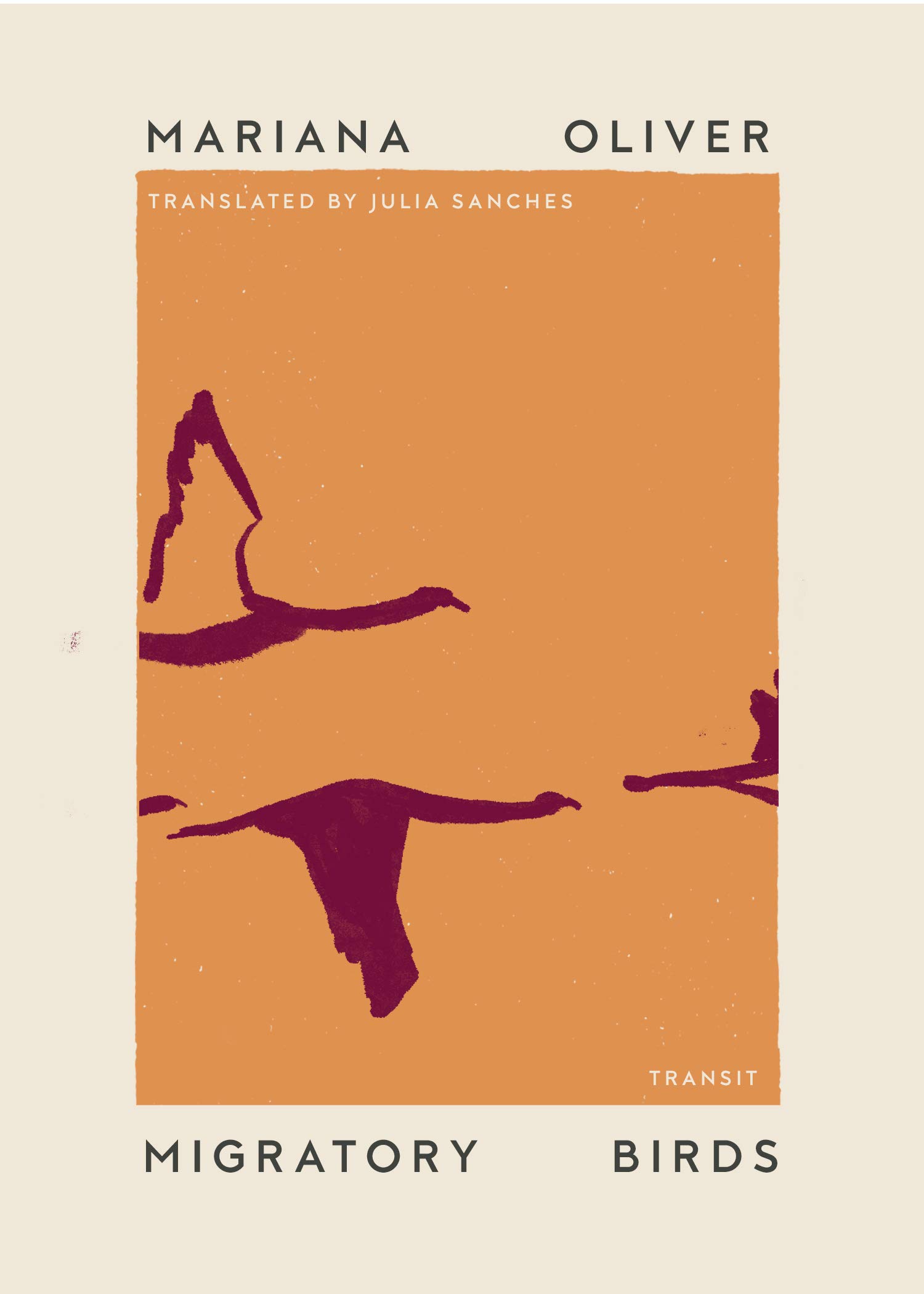
In her prize-winning debut, Mexican essayist Mariana Oliver trains her gaze on migration in its many forms, moving between real cities and other more inaccessible territories: language, memory, pain, desire, and the body. With an abiding curiosity and poetic ease, Oliver leads us through the underground city of Cappadocia, explores the vicissitudes of a Berlin marked by historical fracture, recalls a shocking childhood exodus, and recreates the intimacy of the spaces we inhabit. Blending criticism, reportage, and a travel writing all her own, Oliver presents a brilliant collection of essays that asks us what it means to leave the familiar behind and make the unfamiliar our own.
Migratory Birds is part of the Undelivered Lectures series from Transit Books.
Mariana Oliver was born in Mexico City in 1986. She received a master’s degree in comparative literature from the National Autonomous University of México (UNAM) and is currently working towards a doctoral degree in modern literature at the Iberoamerican University in Mexico City. Oliver was granted a fellowship for essay writing at the Foundation for Mexican Literature and was awarded the José Vasconcelos National Young Essay Award for Migratory Birds.
Qué buena sorpresa me llevé con este libro! Muy bueno, lo disfruté mucho. Se mueve por varios lugares, Berlin, la historia, la segunda guerra mundial, la migración, los sueños, etc etc. Ya es la segunda sorpresa que me llevo con Tierra adentro, también me gustó mucho el de Jazmina Barrera, Cuaderno de Faros, que se los recomiendo mucho. No perder a Oliver de vista.
I love a fragmentary essay collection but this was thin. Reads like a pale imitation of Maggie Nelson or Valeria Luiselli. It felt dated to me, almost like an accidental pastiche of the form. That’s in part because I’m reading a translation in 2021 and not the original in 2014, but on top of that it lacks substance. Wouldn’t recommend.
Çok severek okudum. Sınavlardan dolayı sekiz on gündür kitap okuyamamistim. Çok iyi geldi yorgun zihnime. Fragmanlardan oluşan, kesitli bir yapısı var kitabın. Öykü desen, oykuleyici bir anlatim var ama öykü de denilemez. Fragman belki doğru sözcük olabilir. Parçalı anlatı. Severim bu tarzı. On bir başlıkta toplanmış anlatılardan en çok Kapadokya ve Kassandra bölümlerini beğendim.
This collection of thoughtful and concise essays is the third installment of Transit's Undelivered Lectures series. The pieces cover migration and the concept of home using interesting tidbits from history, and often from the history of languages. Recommended.
emine sevgi özdamar, berlin ve evi tarif etmekle ilgili denemeler çok güzeldi. diğerleriyle pek bağ kuramadım. ve maalesef kitap yazım hatalarıyla dolu.
Deneme okumayı çok özlemişim bu kitap nasıl iyi geldi anlatamam. Yazarın dünyanın çeşitli yerlerini kendi algısından ve kültür birikiminden anlatmasına bayıldım.Baski sayfa duzeni araya serpiştirilmiş çizimler ve fotoğraf sanki yazarın günlüğüne ya da seyahat güncesini okuyormuş hissi verdi. Kapadokya bolumunu ayrı bir sevdim.
A lovely collection of essays thematically related to migration in its various forms. Language, pain, history, as well as the meaning of home are some areas of note explored in this collection that now have new meaning for me. Beautiful, short, and wholly satisfying.
“We always know more about farewells than we do about reunions.”
Did not impress. I felt that there was almost no substance here. The flat, affectless style never appeals to me. A few of the German-focused essays were mildly interesting.
I am not really an essays person but I loved these . I love how the author writes I think it’s beautiful and I hope she writes more stories . The essays are mostly about how ppl live during / after war . My fav essay was “özdamar’s tongue “
Language, migration, musings. Yep, a lucy book for sure. Some truly haunting histories. Her way of movement through words and worlds felt familiar to the ways I engage with them as well. :)
This fascinating collection of essays flits and skates around the idea of movement, language, and identity. Oliver spends much of her time investigating how friends, family, acquaintances, and common people throughout history have addressed displacement, both proactive and reactive. she cracks open the marrow of language to interrogate purpose, longing, and adaptability.
Barely clearing 120 pages in length, she grabbed my attention early and never let me go. The opening essay literally discusses birds in migration before eventually digging into various facets of Berlin, both immediately after World War II and the Fall of the Berlin Wall. I was further entranced by her thoughts on personality, place, and events, especially in the essay entitled "Mimesis in VHS."
I can see this book feeling too fractured for some readers, but the probing curiosity of Oliver's words hit me just right.
"Abarca más que los viajes geográficos o la distancia palpable. Habla sobre sentirse ajeno en la propia patria, de cómo toda una población puede estar en peregrinación constante de ideas..." Pueden leer mi reseña completa aquí: https://pparanoia.wordpress.com/2017/...
This book deserves so much more recognition! It’s beautifully written, completely original and terribly captivating. Also, I learn so many historical facts reading this one (always a plus for me)
"Ordenar las piedras fue el único modo de ordenar el lenguaje para nombrar al mundo que tanto había cambiado"
Este libro ha sido uno de los regalos más hermosos que he recibido en mucho tiempo, la dedicatoria que lo acompañó decía que como contenía aves y lenguaje no había otra persona que debiera tenerlo. Hace unas semanas en clase de lenguaje la profe nos compartía que en estudios lingüísticos se han dado cuenta que el área del cerebro responsable del movimiento es exactamente la misma que se activa con el lenguaje, lo que de cierta forma quiere decir que el lenguaje es movimiento. Y creo que no puede haber una manera más mágica de ponerlo. Teniendo en cuenta entonces que el lenguaje es movimiento, por ende nunca se encuentra quieto, esto también puede significar que está sujeto a formas muy diversas de ser: el lenguaje puede mutar de muchas maneras y corresponder a muchos movimientos desde la existencia de las aves, las historias y mitos de origen de los lugares, las trayectorias de los objetos. Pienso en la importancia de reconocer todas esas formas diversas de ser y habitar porque también me remitía mucho a otra de esas ideas que la autora expresaba en cuanto a que en el lenguaje puede empezarse la guerra. Pienso en mi contexto actual, pienso en la "Historia oficial" y las demás historias trenzadas que de alguna manera siguen vivas gracias a esas otra formas del lenguaje, gracias al movimiento, la in-quietud. Pienso en las memorias, en mi memoria y en qué tan buena es guardando recuerdos a pesar de haber mutado y mudado tanto de pieles y espacios. Pienso en todo lo que me trajo este libro y todo lo que devolvió a mi mente, de la misma manera en que retornaron los gansos después de un invierno largo a su hogar. Nosotros también somos animales en constante movimiento, cómo es posible que olvidemos siempre lo necesario que es migrar.
[Para efecto de ordenar mis propias piedras, una lista de cosas en las que no he parado de pensar: - el primer ensayo me llenó de nostalgia porque Fly Away Home era una de mis películas favoritas de pequeña, también fue la primera vez que entendí que muchos animales necesitan migrar - la arqueología y la geología me están posibilitando trazar mapas mentales como no me habría imaginado (ojalá algún día conocer Capadocia en persona) - quizás ahora sé por qué Roald Dahl me disgustó por tantos años, conocí a sus brujas a los nueve y ahora mismo creo que me hizo enojar - el cabello carga muchas cosas; ya entendí por qué siempre lo he preferido llevar como me gusta. Supongo que nuestras condenas solo están sujetas a nuestro lugar en la historia - ¿de dónde tantxs niñes perdidxs? que fuerte haber leído sobre ello aquí y que en mi cabeza suene en bucle la nueva canción de Phoebe Bridgers que a pesar de llamarse igual no tiene nada que ver - que tristeza tanta guerra, que tristeza que siempre se vuelva al mismo lugar - Alemania me persigue, ¿es una señal? y la ladrona de libros que regalaba palabras en medio de la guerra - ¿cómo se habla a alguien de algo que nunca conoció? Me pregunto que pasó con la videocasetera que la abuela había guardado - y como siempre la casa, como extensión de una misma
Tan chistoso, tantas palabras inquietas que aparentemente no tienen relación pero aún así me volvieron a habitar por la misma razón, que regalo tan inmenso fue este libro]
Primero llegó Mariana, y luego Aves migratorias...
Pensando en cómo podría describir su escritura encontré unas palabras de una biografía de Stefan Zweig que tomo prestadas y que encajan a la perfección: su delicadeza en la descripción de los sentimientos y la elegancia de su estilo, la convierten en una narradora fascinante.
Así me pareció este libro, el cual atesoraré como uno de los más bellos descubrimientos porque sus palabras te atraviesan, te conmueven, te transportan a otros tiempos y te sacan del letargo.
a hidden gem of a book! this slim volume contains essays all related to the subject of migration and home, whether that be in relation to places, languages, memories, or bodies. my personal highlights were the essays about language as a tool for migrating between identities and times, and the figurative ghosts that cause migrations within people's memories of their lives in the aftermath of war. fantastic translation by sanches as well; i could barely tell that this was originally written in spanish.
A quick collection of lyrical essays about migration, movement, meaning.
The first piece in this collection is about Bill Lishman, a Canadian inventor and aviator who was friends with my grandpa for a while, he also built the dining room table that dominates my grandparents’ kitchen. It was this filial connection that drove me to purchase and then later read this collection.
These essays speak to language and history and cause wanderlust to blister the soles of my feet.
I loved this! Oliver looks at the idea of 'migration' from multiple angles, with some interpretations that were quite creative. Her language is dreamy and the ideas/topics she brings up far ranging, interesting and emotionally charging.
Some essays felt a little aborted - there was a problem of abrupt endings - but a relatively minor issue.
kapadokya ya da türkiye’ye dair izlerin de olduğu ama ekseriyetle almanya’ya dair denemeler. meksikalı yazar mariana oliver, ülkesinde alman dili ve edebiyatı mezunu bir yazar olarak kolay okunan, yalın denemelere imza atmış ama içlerinden hiçbiri bana ekstra bir keyif vermedi. okudum, yer yer emine sevgi özdamar’lı bölüm gibi sevdiğim yerler oldu ama çok da acayip ve ilginç bulmadım.
Leí la edición de Tragaluz, ilustrada por Samuel Castaño Mesa. Ensayo Literario: “La casa, donde todo se vive y tal vez donde está la verdad, es el tema que atraviesa once ensayos de tono poético y conmovedor”
Metinler bana fazlasıyla dağınık ve mesafeli geldi. Bir çok deneme tam bitmeden sona eriyormuş gibiydi. “Ordan, burdan, biraz da şundan” tarzı şeyleri okumak odağımı oldukça dağıtıyor. Yine de hatırlattığı bazı meseleler nedeniyle 2 vermeye gönlüm razı olmadı.
Been so lost in grad school didn't have time to read for joy But now I do! Started it months ago and now finished it Felt like a not as good maggie nelson but still enjoyable if a little boring Maybe I've just read a thousand books about Berlin and migration but didn't stand out...
Migrantes por naturaleza u obligación, pero siempre atados a un hogar. Una colección de ensayos, elaborados como filigrana, y que juntos, dan cuenta de nuestra naturaleza.