

What do you think?

این جهان گذرا: تاریخچه بشریت
این جهان گذرا خُردترین کتاب در زمینۀ تاریخ کلان است، کتابی که داستان عالم و آدم را در کمترین صفحات ممکن نقل میکند. از پیدایش ستارگان و نخستین موجودات زنده تا شکلگیری مرحلهبهمرحلۀ تمدن بشری، از تکوین شهرها و امپراتوریها تا ظهور نظام سرمایهداری و شبکۀ جهانی اینترنت. دیوید کریسچن، نویسندۀ کتاب، همۀ این پدیدههای پراکنده را، بهنحوی وحدتیافته، در قالب یک کتاب راهنمای موجز، قابلفهم و برانگیزنده گردآورده است. یک مورخ بزرگ قادر است به نحوی تجربی پیوندهای موجود میان نخستین انسان هوشمند و نسخۀ امروزی آن انسان را روشن سازد و یک قصهگوی بزرگ قادر است از پیوندهای پیشگفته تصویری زنده و جاندار به دست دهد. دیوید کریسچن، و به تبع آن کتاب حاضر، هر دو ویژگی را یکجا در خود دارد. کتاب در اصل داستان یک سفر است، شرحی دلکش از مسیری طولانی و پرفرازونشیب که آدمی از عصر غذاجوییِ اولیه تا عصر مدرن امروزی پیموده است.
ژولیس سزار در عبارتی که اکنون زبانزد شده، همۀ شگفتیهای دهسال جنگ قلمروگشایانۀ خود در سرزمین گل را در سه واژه لاتین خلاصه کرد: «veni, vidi, vici»: «آمدم، دیدم، فتح کردم». در کتاب حاضر دیوید کریسچن، در یک اقدام هنرمندانۀ مشابه،همۀ شگفتیها و آشفتگیهای 250 هزار سال تاریخ بشر را در کمترین صفحات ممکن خلاصه و به مخاطب عرضه کرده است؛ و هم او با نشاندادن این مطلب که چگونه یادگیری مستمر جمعی، در طی اعصار و قرون، بر مهارتهای انسانی و نیز بر جمعیت، ثروت و قدرت آدمی افزوده است، حتی گامی فراتر از رجزخوانیهای ژولیس سزار برداشته است. برای گامنهادن در مسیر فهم جهانی که پیچیدگیهایش پیوسته پراکندگی خاطر میآورد، چه راهی سهلتر و متقاعدکنندهتر از این. (ویلیام مکنیل، استاد تاریخ دانشگاه شیکاگو)
ژولیس سزار در عبارتی که اکنون زبانزد شده، همۀ شگفتیهای دهسال جنگ قلمروگشایانۀ خود در سرزمین گل را در سه واژه لاتین خلاصه کرد: «veni, vidi, vici»: «آمدم، دیدم، فتح کردم». در کتاب حاضر دیوید کریسچن، در یک اقدام هنرمندانۀ مشابه،همۀ شگفتیها و آشفتگیهای 250 هزار سال تاریخ بشر را در کمترین صفحات ممکن خلاصه و به مخاطب عرضه کرده است؛ و هم او با نشاندادن این مطلب که چگونه یادگیری مستمر جمعی، در طی اعصار و قرون، بر مهارتهای انسانی و نیز بر جمعیت، ثروت و قدرت آدمی افزوده است، حتی گامی فراتر از رجزخوانیهای ژولیس سزار برداشته است. برای گامنهادن در مسیر فهم جهانی که پیچیدگیهایش پیوسته پراکندگی خاطر میآورد، چه راهی سهلتر و متقاعدکنندهتر از این. (ویلیام مکنیل، استاد تاریخ دانشگاه شیکاگو)
187 pages, Paperback
First published June 1, 2007
About the author
David Christian
70 books426 followersDavid Gilbert Christian is an Anglo-American historian and scholar of Russian history notable for creating and spearheading an interdisciplinary approach known as Big History. He grew up in Africa and in England, where he earned his B.A. from Oxford University, an M.A. in Russian history from the University of Western Ontario, and a Ph.D. in 19th century Russian history from Oxford University in 1974.
He began teaching the first course in 1989 which examined history from the Big Bang to the present using a multidisciplinary approach with assistance from scholars in diverse specializations from the sciences, social sciences, and humanities. The course frames human history in terms of cosmic, geological, and biological history. He is credited with coining the term Big History and he serves as president of the International Big History Association.
Christian's best-selling Teaching Company course entitled Big History caught the attention of philanthropist Bill Gates who is personally funding Christian's efforts to develop a program to bring the course to high school students worldwide in part via the website http://www.bighistoryproject.com
He began teaching the first course in 1989 which examined history from the Big Bang to the present using a multidisciplinary approach with assistance from scholars in diverse specializations from the sciences, social sciences, and humanities. The course frames human history in terms of cosmic, geological, and biological history. He is credited with coining the term Big History and he serves as president of the International Big History Association.
Christian's best-selling Teaching Company course entitled Big History caught the attention of philanthropist Bill Gates who is personally funding Christian's efforts to develop a program to bring the course to high school students worldwide in part via the website http://www.bighistoryproject.com
Ratings & Reviews
Friends & Following
Create a free account to discover what your friends think of this book!
Community Reviews
Displaying 1 - 30 of 101 reviews

January 27, 2024
از بیگ بنگ تا عصر حاضر در۱۷۲ صفحه
تو خود حدیث مفصل بخوان از این مجمل
********************************************************************
دیدگاه مارک تواین نویسنده را در نظر بگیرید که نوشت انسانها همیشه خود را در مرکز عالم- یا حداقل در مرکز کل تاریخ- میبینند. او در مقالهی سال ۱۹۰۳ خود، «آیا جهان برای انسان خلق شد؟»، نوشت: «اگر اکنون برج ایفل از حیث ارتفاع معرف عمر جهان باشد، پوستهی رنگ بسیار نازک روی قبه الرأس واقع در نوک آن معرف سهم آدمی از آن عمر خواهد بود، و همگان میدانند که آن پوسته چیزی است که برج اصلاً برای همان ساخته شدهاست. مطمئنم که روزی خواهند دانست.» صفحه ۴۴ کتاب
تو خود حدیث مفصل بخوان از این مجمل
********************************************************************
دیدگاه مارک تواین نویسنده را در نظر بگیرید که نوشت انسانها همیشه خود را در مرکز عالم- یا حداقل در مرکز کل تاریخ- میبینند. او در مقالهی سال ۱۹۰۳ خود، «آیا جهان برای انسان خلق شد؟»، نوشت: «اگر اکنون برج ایفل از حیث ارتفاع معرف عمر جهان باشد، پوستهی رنگ بسیار نازک روی قبه الرأس واقع در نوک آن معرف سهم آدمی از آن عمر خواهد بود، و همگان میدانند که آن پوسته چیزی است که برج اصلاً برای همان ساخته شدهاست. مطمئنم که روزی خواهند دانست.» صفحه ۴۴ کتاب

November 27, 2020
این جهانِ گذرا از همون اول تکلیفش رو با خوانندهش مشخص میکنه، خیلی واضح میگه این کتاب برای کسایی که تاریخ رو تدریس میکنن طراحی شده تا زمانی که در مورد دورههای تاریخی صحبت میکنن، یک مسیر و روش مشخصی داشته باشن. برای همین دیوید کریسچن با فرضِ اینکه خوانندهی کتاب اطلاعات قابل قبولی در مورد تاریخ، اقتصاد، تکامل انسانها و ادیان داره خیلی جزئیات رو نمیگه، فقط با هر سرفصل و توضیحات کوتاه سعی میکنه مسیر صحبت کردن در مورد تاریخ رو مشخص کنه.
این کتاب برای اطلاعات عمومی خیلی خوبه، یعنی کسی که اهل خوندن تاریخ نیست و آشنایی زیادی با این قضایا نداره، این جهانِ گذرا براش فوقالعادهس. همه چیز رو خیلی سریع توضیح میده و قبل از خستهکننده شدن سراغ مورد بعدی میره. نظرات نویسنده خیلی توی متن دخیل نیست و در مورد نظریهها و تئوریهایی که بعضا هم پرطرفدار هستن ولی از لحاظ علمی ثابت نشدن صحبت نمیکنه. از اون سمت به هیچعنوان ایدئولوژیها و ادیان رو نمیکوبه و خیلی منطقی با تمامشون رفتار میکنه.
به نظرم این کتاب برای ردهی سنی 12 تا 16 سال خیلی مناسبه، ممکنه برای کسی که اطلاعات کافی در مورد تاریخ داره خیلی تکراری باشه، چون کتاب برای دادنِ اطلاعات جدید نیست، فقط سعی میکنه یک دستهبندی خوب برای تدریس و تفکر در مورد تاریخ ارائه بده.
این کتاب برای اطلاعات عمومی خیلی خوبه، یعنی کسی که اهل خوندن تاریخ نیست و آشنایی زیادی با این قضایا نداره، این جهانِ گذرا براش فوقالعادهس. همه چیز رو خیلی سریع توضیح میده و قبل از خستهکننده شدن سراغ مورد بعدی میره. نظرات نویسنده خیلی توی متن دخیل نیست و در مورد نظریهها و تئوریهایی که بعضا هم پرطرفدار هستن ولی از لحاظ علمی ثابت نشدن صحبت نمیکنه. از اون سمت به هیچعنوان ایدئولوژیها و ادیان رو نمیکوبه و خیلی منطقی با تمامشون رفتار میکنه.
به نظرم این کتاب برای ردهی سنی 12 تا 16 سال خیلی مناسبه، ممکنه برای کسی که اطلاعات کافی در مورد تاریخ داره خیلی تکراری باشه، چون کتاب برای دادنِ اطلاعات جدید نیست، فقط سعی میکنه یک دستهبندی خوب برای تدریس و تفکر در مورد تاریخ ارائه بده.

November 5, 2021
بالاخره طلسم کتاب نخوندنم رو شکستم و خوشحالم.
---
کتاب همونطور که اولش توضیح میده یه راهنمای درسی تاریخه؛ توی دبیرستان مثلا. و سعی میکنه که تاریخ جهان رو از اول اول (حتی قبل از بیگ بنگ) تا حدود سال 2000 رو در کوتاهترین حالت ممکن تشریح کنه. و وسطاش هم یه سری بیندیشید داره که بیشتر شبیه کتاب درسی میکنتش. ولی نسبتا روون بود و میتونه یه دید کلی بهتون بده که چه خبر بوده در جهان.
توی پرانتز اینکه: با کمی عذاب وجدان، برای من بشخصه، با وجود روونی، یه کم حوصله سربر بود کتاب و هیچ چیز جدیدی نداشت. به جز اولش که داشت درمورد پیدایش جهان حرف میزد و واقعا هیجان زده شده بودم.
اما با توجه به اینکه بیشتر از نصفش داره درمورد قبل از عصر خوراکجویی و پیدایش کشاورزی حرف میزنه، نباید خیلی انتظار تاریخ معاصر داشت. چون همه این چیزهای آشنای 200-300 سال اخیر رو در چند صفحه کوتاه جمع میکنه.
---
کتاب همونطور که اولش توضیح میده یه راهنمای درسی تاریخه؛ توی دبیرستان مثلا. و سعی میکنه که تاریخ جهان رو از اول اول (حتی قبل از بیگ بنگ) تا حدود سال 2000 رو در کوتاهترین حالت ممکن تشریح کنه. و وسطاش هم یه سری بیندیشید داره که بیشتر شبیه کتاب درسی میکنتش. ولی نسبتا روون بود و میتونه یه دید کلی بهتون بده که چه خبر بوده در جهان.
توی پرانتز اینکه: با کمی عذاب وجدان، برای من بشخصه، با وجود روونی، یه کم حوصله سربر بود کتاب و هیچ چیز جدیدی نداشت. به جز اولش که داشت درمورد پیدایش جهان حرف میزد و واقعا هیجان زده شده بودم.
اما با توجه به اینکه بیشتر از نصفش داره درمورد قبل از عصر خوراکجویی و پیدایش کشاورزی حرف میزنه، نباید خیلی انتظار تاریخ معاصر داشت. چون همه این چیزهای آشنای 200-300 سال اخیر رو در چند صفحه کوتاه جمع میکنه.

May 30, 2022
کریسچن تحولات زندگی بشر رو در سه عصر خوراک جویی،کشاورزی و مدرن به صورت خیلی مختصر توضیح داده و این سه دوره رو با هم مقایسه کرده.
یه جورایی مطالب پراکنده ای که از کتابای مختلف خونده بودم اینجا به صورت منظم و دسته بندی شده برام مرور شد.
این امکان رو هم به خواننده میده که از بین عنوانها و دوره های بررسی شده، علاقش رو پیدا کنه تا بتونه اون بخش رو مفصل تر در کتابهای دیگه جستجو کنه.
یه جورایی مطالب پراکنده ای که از کتابای مختلف خونده بودم اینجا به صورت منظم و دسته بندی شده برام مرور شد.
این امکان رو هم به خواننده میده که از بین عنوانها و دوره های بررسی شده، علاقش رو پیدا کنه تا بتونه اون بخش رو مفصل تر در کتابهای دیگه جستجو کنه.

March 11, 2023
دو بخش اول برام تکراری بود و خیلی از مطالبش مشابه چیزایی بود که توی انسان خردمند خوندم بودم
فصل سوم جالب بود، اما در کل کتابش خیلی خیلی فشرده و خلاصه است؛ انسجام داره، اما به من شخصا اون چیزی که ازش میخواستم، نداد.
فصل سوم جالب بود، اما در کل کتابش خیلی خیلی فشرده و خلاصه است؛ انسجام داره، اما به من شخصا اون چیزی که ازش میخواستم، نداد.

October 29, 2023
کتاب مختصر و مفیدیه.
نسبت به انسان خردمند بنظرم مفید تر و علمی تره، درسته که نویسنده تا حدودی فلسفه غربی داره، اما راجع به نقاط ضعف ایدئولوژی ها کامل توضیح داده شده. مطالب خوبی تو ۱۷۰ صفحه بدون حاشیه رفتن نوشته شده که نکته مثبتیه. اگه میخواین شروع به خوندن تاریخ بکنید. پیشنهاد میکنم بخونیدش اما اگه اطلاعات زیادی راجع به تاریخ دارین پیشنهاد نمیکنم.
نسبت به انسان خردمند بنظرم مفید تر و علمی تره، درسته که نویسنده تا حدودی فلسفه غربی داره، اما راجع به نقاط ضعف ایدئولوژی ها کامل توضیح داده شده. مطالب خوبی تو ۱۷۰ صفحه بدون حاشیه رفتن نوشته شده که نکته مثبتیه. اگه میخواین شروع به خوندن تاریخ بکنید. پیشنهاد میکنم بخونیدش اما اگه اطلاعات زیادی راجع به تاریخ دارین پیشنهاد نمیکنم.

February 15, 2025
چون قبلش «انسان خردمند» رو خونده بودم،خیلی مطالبش جدید و جالب نبود برام.خوندمش تا انتها،چون کتابِ نصفه نیمه خونده ی رها شده،خیلی رو ذهنم سنگینی میکنه :)

February 20, 2025
خیلی کتاب جالبی بود و واقعا کنجکاوی منو برانگیخته کرد که برم راجع به یه سری موضوعات مطالعه بیشتری داشته باشم. هدف کتاب اینه که یه دید کلی از زندگی بشریت بهمون نشون بده، بخاطر همین اصلا وارد جزئیات نمیشه و حتی خیلی چیزارو نگفته. به نظرم صرفا برای افزایش اطلاعات عمومی و کنجکاوی کردن کتاب مناسبیه. حقیقتا موقع خوندنش بهم خوش گذشت!

July 28, 2024
این جهان گذرا خُردترین کتاب در زمینۀ تاریخ کلان است، کتابی که داستان عالم و آدم را در کمترین صفحات ممکن نقل میکند. از پیدایش ستارگان و نخستین موجودات زنده تا شکلگیری مرحلهبهمرحلۀ تمدن بشری، از تکوین شهرها و امپراتوریها تا ظهور نظام سرمایهداری و شبکۀ جهانی اینترنت. دیوید کریسچن، نویسندۀ کتاب، همۀ این پدیدههای پراکنده را، بهنحوی وحدتیافته، در قالب یک کتاب راهنمای موجز، قابلفهم و برانگیزنده گردآورده است. یک مورخ بزرگ قادر است به نحوی تجربی پیوندهای موجود میان نخستین انسان هوشمند و نسخۀ امروزی آن انسان را روشن سازد و یک قصهگوی بزرگ قادر است از پیوندهای پیشگفته تصویری زنده و جاندار به دست دهد. دیوید کریسچن، و به تبع آن کتاب حاضر، هر دو ویژگی را یکجا در خود دارد. کتاب در اصل داستان یک سفر است، شرحی دلکش از مسیری طولانی و پرفرازونشیب که آدمی از عصر غذاجوییِ اولیه تا عصر مدرن امروزی پیموده است.
هرچند خلاصه و مفید بود اما بازم حوصلم سررفت!
هرچند خلاصه و مفید بود اما بازم حوصلم سررفت!

June 7, 2021
این کتاب تاریخچه بشریت رو از ابتدا بررسی میکنه و تا عصر مدرن که عصر کنونی جهان هست میرسه. این کتاب تاریخ بشریت رو در سه دسته تقسیم و بررسی میکنه؛عصر خوراکجویی که در این عصر ما انسانها برای اینکه بتونیم دووم بیاریم شروع به شکار حیوانات میکنیم و به پیشرفتهای اندکی در زمینه کیفیت زندگی و فنون میرسیم هر چند همین پیشرفتها باعث میشه انسان در محیط خشن حیات وحش دووم بیاره. عصر کشاورزی که در این عصر انسان شروع به کشاورزی میکنه و در یکجا ساکن میشه. در این عصر برای اولین بار انسان میتونه غذا ذخیره کنه و در این عصر دولت، حکومت، امپراتوری، استبداد، مالیات و... بوجود میاد. در این عصر روابط اجتماعی پیچیدهتر از عصر قبل میشه و انسان با چالشهای مختلفی روبهرو میشه. عصر مدرن که از سال 1750 میلادی شروع میشه عصری هست که در اون انقلاب صنعتی رخ میده و زندگی بشر متحول میشه. شهرها بوجود میان و سرمایهدارها کارگران رو به جایی به نام کارخانه میاره و کارگران با استفاده از نیروی کارشون، کالا تولید میکنن. در این عصر بسیاری از وجههای زندگی بشر نسبت به عصرهای قبل متحول میشه و در این عصر خطر از بین رفتن محیط زیست مطرح میشه و بشر دچار جنگ، دیکتاتوری، استثمار، استعمار، امپریالیسم و... میشه.

January 15, 2021
اين جهان گذرا، كتاب مختصر و فوق العاده درباره تاريخ جهان از چندين هزار قبل تا الان با يك تقسيم بندي عالي و توضيح مناسب، يكي از كتاب هايي كه به نظرم همه مطالعه آنرا مي پسندند

February 28, 2024
روند سریع و منحصر به فردی دارد.

February 20, 2026
این جهان گذرا، اثر دیوید کریسچن
این کتاب راجب جهان ماست، از قبل انفجار بزرگ تا همین دهه. چگونگی بوجود اومدن انواع ذرات و پروتون و الکترون و در نتیجه اولین اتم ها، هیدروژن و هلیوم و اولین اشیای پیچیده به نام ستارگان، انرژی و کره زمین و سیارات دیگه، کلون ها، پروکاریوت ها و یوکاریوت ها، جانور های مختلف از دایناسور ها تا انقراضشون، از اولین انسان ها و دیگه کلا انسان ها، عصر خوراک جویی و کشاورزی و مدرن. از انقلاب های صنعتی و فرهنگی و علمی. از جنگ ها و امپراطوری ها و سلسله ها تا مدرن شدن و رهبری های دموکراتيک.
تمام این ها در ۱۸۸ صفحه. بنظرم واقعا راهنمای خیلی خوبیه برای وقتی که بخوای راجب تاریخ بخونی و ندونی از کجا شروع کنی. یک سفر چندین هزار ساله به گذشته.
این کتاب راجب جهان ماست، از قبل انفجار بزرگ تا همین دهه. چگونگی بوجود اومدن انواع ذرات و پروتون و الکترون و در نتیجه اولین اتم ها، هیدروژن و هلیوم و اولین اشیای پیچیده به نام ستارگان، انرژی و کره زمین و سیارات دیگه، کلون ها، پروکاریوت ها و یوکاریوت ها، جانور های مختلف از دایناسور ها تا انقراضشون، از اولین انسان ها و دیگه کلا انسان ها، عصر خوراک جویی و کشاورزی و مدرن. از انقلاب های صنعتی و فرهنگی و علمی. از جنگ ها و امپراطوری ها و سلسله ها تا مدرن شدن و رهبری های دموکراتيک.
تمام این ها در ۱۸۸ صفحه. بنظرم واقعا راهنمای خیلی خوبیه برای وقتی که بخوای راجب تاریخ بخونی و ندونی از کجا شروع کنی. یک سفر چندین هزار ساله به گذشته.

December 15, 2012
picked this up on a whim -- perhaps at the TED conference? Quick, delightful "Cliff Notes on the Human Race up to now"
In the spirit of Cliff Notes encapsulation and compression of salient data, here were the notes I jotted down as I read. Pretty much a bullet point version of the book for handy reference that you can keep in Evernote or on your smartphone :)
-Universe appeared 13.7B years ago with Big Bang, starting smaller than an atom which exploded to create all base elements of universe today
-particles passed through phase changes: first forces ala gravity and electromagnetism. Then particles like quarks, but most particles annihilated as soon as they appeared, turning into pure energy.
-starting point was protons and electrons + 4 forms of energy, all as plasma
-380k years later, next phase change was first atoms with protons + electrons (hydrogen and helium), which was electrically neutral and ceased to interact with e-mag radiation
- energy from big bang still detected in cosmic background radiation
-early universe was just clouds of H and He
-then complexity kicked in after 200M years, creating stars from gravity pulling H and He together, which heated up as they contracted, fusing H atoms together and creating pure energy poured out into empty space.
-with gravity, stars collected into clusters of galaxies. These stars kept fusing H together in their cores until they ran out of H, which led to collapse of centers, generating higher temp which fused He atoms together to form more complex elements like Carbon
-elements up to Iron created via these star core collapses (more complex atoms require more temp than a star can generate)
-when star dies, it creates a supernova, which creates elements all the way up to uranium. Hence all elements created in death throes of stars
-first supernovae within 1B years of Big Bang, seeding space with complex chemicals
-these chemicals combined to create new stars our of clouds with more complex elements. Non-hydrogen elements combined like snowballs to form meteorites and asteroids. In orbit, all the bits and pieces collided to form planets.
-Solar System's Sun created 4.5B years ago
-sun's heat drove gassier elements away from center, which is why inner planets are rockier, while outer planets are gassier
-early Earth was hot and bombarded by asteroid as it grew larger. Young Earth melted in a "differentiation" process, with heaviest elements like iron and nickel sinking to center to form Earth's core, which created magnetic field to protect surface from solar radiation. Mantle formed from semi-molten middle layer. Lighter materials at surface, cooling to form eggshell thin crust. Lightest materials form gas atmosphere.
-1st 500m years of Earth is Hadean era, with no oxygen in atmosphere and no life. Then Earth cooled forming water vapor clouds which rained down to form oceans.
-early oceans were perfect medium to create additional complexity via chemical reactions @ deep sea floor near underwater volcanoes.
-3.5B years ago, first 1-cell prokaryotes formed, capable of metabolism and replication by splitting with DNA mutations, leading to natural selection.
-those capable of photosynthesis thrived and pumped more oxygen into atmosphere, creating Eukaryotes 2B years ago.
-new level of complexity, with larger single cell organisms that protected DNA in central nucelus and sexual reproduction, creating more variety of offspring.
-600m years ago: multi-celled organisms living in the sea.
-500m years ago, some organisms explored the land and evolved
-65m years ago, asteroid wiped out dinosaurs, giving rise to small mammals who survived
-20m years ago, primates started to live on ground
-7m years ago, African apes stood on two legs
-3m years ago: Lucy (Australopithicus) lived in Ethiopia as bipedal
-2m years ago: homo habilis appeared, capable of making simple stone tools.
-1.5m years ago: homo erectus appeared, making more sophisticated tools, and migrating out of Africa into other regions as far as China
-250k years ago, homo sapiens appeared in East Africa
-most powerful trait is symbolic language with formal grammars that create limitless, precise utterances and ideas. Allowed people to talk about parties not immediately present as well as past/present/future and abstract entities/ideas. Knowledge accumulated faster than lost as a result via collective learning over generations. Culture overtakes natural selection as primary motor of change
Three Major Eras of World History:
1) Foraging (250k-10k years ago):
250k-100k years ago - African origins
100k-10k years ago - global migration
- society as family drove relations of exchanges conceived as gifts (act of exchange more important than quality of goods being exchanged) -- reciprocity. Hierarchies based on gender, age, experience, and respect within the family
- foragers usually lived on 3000 calories/day and had much free time. Built-in population control based on land area's resources. Thin population densities, with growth from expansion
2) Agrarian (8000BC-1750CE)
8000-3000BC: pre-city agrarian communities
3000-500BC: earliest cities and states
500BC-1000CE: agriculture, cities, empires
1000-1750: agricultural socities
- agriculture appeared 1st in Nile Valley with global warming and fertile areas capable of producing surpluses of food supply. Appeared in parallel across several independent regions.
- agriculture = cluster of tech that enabled humans to increase food production, via manipulation of environment and domestication of other species. Average human controlled 12k calories/day
- intensification with agriculture created larger communities with more people, changing social environments -- need hierarchies of power to administrate surpluses, etc.
- division of labor-- larger communities support non-farmer specialists: priests, potters, builders, soldiers, artists who exchange goods and services for food
- surpluses grew large enough to support elite groups specializing in exploitation of other people (macroparasites)
- villages appeared before cities
- new hierarchies created more patriarchy, and complex government and leadership models
- statehood arose as large coercive power structures between cities with interexchange of goods and services. Collection of wealth by force = crude form of looting that became formalized looting as taxation.
- writing first emerged as technique to track large stores of resources: 1st writing = early accounting systems!!
- defending city-states led to creation of armies, and rulers engaged in symbolic activities to maintain power: human sacrifice, monuments, palaces, etc. to raise prestige of local rulers
- Sargon of Akkad established 1st imperial system 2334BC in Mesopotamia
- Eurasia became largest system of exchange on Earth (silk road)
- increased reach of political, commercial, and intellectual exchange helped create first world religions, starting with Zoroastrianism in central asia in 600BC (when Cyrus I founded Achaemenid Empire), followed by Buddhism in northern India, and Christianity in Roman Empire, and then Islam in SW Asia in 600CE
-Western Europe became global hub of power via fleets and trade in integrated world system in 1500s, with inflow of ideas, wealth, resources, knowledge. European diseases also overpowered other regional populations.
3) Modern (1750-)
1750-1914: industrial revolutiion
1914-1945: 20th century crisis
1945-: contemporary era
-population grew from 770M in 1750 to 6B in 2000 (8x in 250 years only!)
-productivity gains driven by rapid tech advances. Average person controls 230k calories today
-411 cities with 1M+ pop, 41 with 5M+ (Shanghai at 16+M)
-3 waves of Industrial Revolution:
1) UK: Watt steam engine able to burn fossil fuels (endless supply of cheap energy), cotton-spinning machines
2) Steamengine trains vastly increase ranges for large nations like US
3) Industrial tech spreads to Europe, Russia, and Japan. Large corporations formed.
-industrial armies conquered much of the world, and machine-produced textiles undercut local producers in other regions
-global imperialism and 3rd World created in 19th century
-governments get even bigger and more complex, creating democratic rule
-crisis and progress slowdown created with collapse of global financial system as governments learned to cope with rapid growth, and often focused on monopolistic domination of other regions for resources.
-capitalist engine of growth driven by mass production and mass consumerism
-mass consumerism solved under-consumption/over-production problem. In early 1900s people realized that stimulating demand is more promising for long-term growth vs seeking protexcted mrkts. In 1930s John Maynard Keynes argued that governments revive capitalist economies by boosting consumption via unemployment payments (ex: New Deal in US 1930s to create jobs)
-cultural revolution driven by tech: realism in cinemas and mass culture and mass media caused artists to experiment with more abstract forms of expression
-Communist vs Capitalist models of industrialization competed in Cold War. Communist command economy only works well with military crises or massive resources devoted to prestrige projects (like space programs), but lacks constant innovation via competition.
-majority of people in most countries introduced to literacy and schooling
-rise of Globalization, with commodities and global brands available everywhere
-global population should level out at 9-10B by end of 2099, with rising standard of living
-but consumption levels rising everywhere, straining environment!
In the spirit of Cliff Notes encapsulation and compression of salient data, here were the notes I jotted down as I read. Pretty much a bullet point version of the book for handy reference that you can keep in Evernote or on your smartphone :)
-Universe appeared 13.7B years ago with Big Bang, starting smaller than an atom which exploded to create all base elements of universe today
-particles passed through phase changes: first forces ala gravity and electromagnetism. Then particles like quarks, but most particles annihilated as soon as they appeared, turning into pure energy.
-starting point was protons and electrons + 4 forms of energy, all as plasma
-380k years later, next phase change was first atoms with protons + electrons (hydrogen and helium), which was electrically neutral and ceased to interact with e-mag radiation
- energy from big bang still detected in cosmic background radiation
-early universe was just clouds of H and He
-then complexity kicked in after 200M years, creating stars from gravity pulling H and He together, which heated up as they contracted, fusing H atoms together and creating pure energy poured out into empty space.
-with gravity, stars collected into clusters of galaxies. These stars kept fusing H together in their cores until they ran out of H, which led to collapse of centers, generating higher temp which fused He atoms together to form more complex elements like Carbon
-elements up to Iron created via these star core collapses (more complex atoms require more temp than a star can generate)
-when star dies, it creates a supernova, which creates elements all the way up to uranium. Hence all elements created in death throes of stars
-first supernovae within 1B years of Big Bang, seeding space with complex chemicals
-these chemicals combined to create new stars our of clouds with more complex elements. Non-hydrogen elements combined like snowballs to form meteorites and asteroids. In orbit, all the bits and pieces collided to form planets.
-Solar System's Sun created 4.5B years ago
-sun's heat drove gassier elements away from center, which is why inner planets are rockier, while outer planets are gassier
-early Earth was hot and bombarded by asteroid as it grew larger. Young Earth melted in a "differentiation" process, with heaviest elements like iron and nickel sinking to center to form Earth's core, which created magnetic field to protect surface from solar radiation. Mantle formed from semi-molten middle layer. Lighter materials at surface, cooling to form eggshell thin crust. Lightest materials form gas atmosphere.
-1st 500m years of Earth is Hadean era, with no oxygen in atmosphere and no life. Then Earth cooled forming water vapor clouds which rained down to form oceans.
-early oceans were perfect medium to create additional complexity via chemical reactions @ deep sea floor near underwater volcanoes.
-3.5B years ago, first 1-cell prokaryotes formed, capable of metabolism and replication by splitting with DNA mutations, leading to natural selection.
-those capable of photosynthesis thrived and pumped more oxygen into atmosphere, creating Eukaryotes 2B years ago.
-new level of complexity, with larger single cell organisms that protected DNA in central nucelus and sexual reproduction, creating more variety of offspring.
-600m years ago: multi-celled organisms living in the sea.
-500m years ago, some organisms explored the land and evolved
-65m years ago, asteroid wiped out dinosaurs, giving rise to small mammals who survived
-20m years ago, primates started to live on ground
-7m years ago, African apes stood on two legs
-3m years ago: Lucy (Australopithicus) lived in Ethiopia as bipedal
-2m years ago: homo habilis appeared, capable of making simple stone tools.
-1.5m years ago: homo erectus appeared, making more sophisticated tools, and migrating out of Africa into other regions as far as China
-250k years ago, homo sapiens appeared in East Africa
-most powerful trait is symbolic language with formal grammars that create limitless, precise utterances and ideas. Allowed people to talk about parties not immediately present as well as past/present/future and abstract entities/ideas. Knowledge accumulated faster than lost as a result via collective learning over generations. Culture overtakes natural selection as primary motor of change
Three Major Eras of World History:
1) Foraging (250k-10k years ago):
250k-100k years ago - African origins
100k-10k years ago - global migration
- society as family drove relations of exchanges conceived as gifts (act of exchange more important than quality of goods being exchanged) -- reciprocity. Hierarchies based on gender, age, experience, and respect within the family
- foragers usually lived on 3000 calories/day and had much free time. Built-in population control based on land area's resources. Thin population densities, with growth from expansion
2) Agrarian (8000BC-1750CE)
8000-3000BC: pre-city agrarian communities
3000-500BC: earliest cities and states
500BC-1000CE: agriculture, cities, empires
1000-1750: agricultural socities
- agriculture appeared 1st in Nile Valley with global warming and fertile areas capable of producing surpluses of food supply. Appeared in parallel across several independent regions.
- agriculture = cluster of tech that enabled humans to increase food production, via manipulation of environment and domestication of other species. Average human controlled 12k calories/day
- intensification with agriculture created larger communities with more people, changing social environments -- need hierarchies of power to administrate surpluses, etc.
- division of labor-- larger communities support non-farmer specialists: priests, potters, builders, soldiers, artists who exchange goods and services for food
- surpluses grew large enough to support elite groups specializing in exploitation of other people (macroparasites)
- villages appeared before cities
- new hierarchies created more patriarchy, and complex government and leadership models
- statehood arose as large coercive power structures between cities with interexchange of goods and services. Collection of wealth by force = crude form of looting that became formalized looting as taxation.
- writing first emerged as technique to track large stores of resources: 1st writing = early accounting systems!!
- defending city-states led to creation of armies, and rulers engaged in symbolic activities to maintain power: human sacrifice, monuments, palaces, etc. to raise prestige of local rulers
- Sargon of Akkad established 1st imperial system 2334BC in Mesopotamia
- Eurasia became largest system of exchange on Earth (silk road)
- increased reach of political, commercial, and intellectual exchange helped create first world religions, starting with Zoroastrianism in central asia in 600BC (when Cyrus I founded Achaemenid Empire), followed by Buddhism in northern India, and Christianity in Roman Empire, and then Islam in SW Asia in 600CE
-Western Europe became global hub of power via fleets and trade in integrated world system in 1500s, with inflow of ideas, wealth, resources, knowledge. European diseases also overpowered other regional populations.
3) Modern (1750-)
1750-1914: industrial revolutiion
1914-1945: 20th century crisis
1945-: contemporary era
-population grew from 770M in 1750 to 6B in 2000 (8x in 250 years only!)
-productivity gains driven by rapid tech advances. Average person controls 230k calories today
-411 cities with 1M+ pop, 41 with 5M+ (Shanghai at 16+M)
-3 waves of Industrial Revolution:
1) UK: Watt steam engine able to burn fossil fuels (endless supply of cheap energy), cotton-spinning machines
2) Steamengine trains vastly increase ranges for large nations like US
3) Industrial tech spreads to Europe, Russia, and Japan. Large corporations formed.
-industrial armies conquered much of the world, and machine-produced textiles undercut local producers in other regions
-global imperialism and 3rd World created in 19th century
-governments get even bigger and more complex, creating democratic rule
-crisis and progress slowdown created with collapse of global financial system as governments learned to cope with rapid growth, and often focused on monopolistic domination of other regions for resources.
-capitalist engine of growth driven by mass production and mass consumerism
-mass consumerism solved under-consumption/over-production problem. In early 1900s people realized that stimulating demand is more promising for long-term growth vs seeking protexcted mrkts. In 1930s John Maynard Keynes argued that governments revive capitalist economies by boosting consumption via unemployment payments (ex: New Deal in US 1930s to create jobs)
-cultural revolution driven by tech: realism in cinemas and mass culture and mass media caused artists to experiment with more abstract forms of expression
-Communist vs Capitalist models of industrialization competed in Cold War. Communist command economy only works well with military crises or massive resources devoted to prestrige projects (like space programs), but lacks constant innovation via competition.
-majority of people in most countries introduced to literacy and schooling
-rise of Globalization, with commodities and global brands available everywhere
-global population should level out at 9-10B by end of 2099, with rising standard of living
-but consumption levels rising everywhere, straining environment!

July 30, 2013
Marketed as a fresh, new perspective on world history, especially for teachers. Unfortunately falls short of this promise; it's a thumbnail version of every World History class that has ever been taught. I should have been skeptical of an overview of human history weighing in at just over 100 pages in the first place. A few interesting debate questions/thought experiments, but overall too much emphasis on (and blatant speculation about) primitive/prehistoric foraging societies who I'm sure were nice people and all, but the least relevant to modern society and students. Really nothing new or particularly insightful here that's not already covered by most high school world history texts. The exception would be the whole section on the origins of the universe, which would be great in a science class of some kind, but something I'm unlikely to waste time talking about within the confines of a year-long World History survey course. I suppose it provides a nice outline/structure for teaching about human history, but again, it's nothing that teachers aren't already doing. Jared Diamond's Guns, Germs, and Steel gave a lot more insight into how different human societies evolved differently, with a lot stronger factual foundation.

January 17, 2021
ترسیم حرکت انسان به عنوان موجودی هوشمند از زمان پیدایش و افتراق از دیگر گونه های زیستی تا زمان حال... در واقع کتاب تاریخ زندگی بشتر است فارق از اتفاقات سیاسی-حکومتی و تمرکزش بر تاریخ زیستی انسان است
از آنجا کتاب مشخصا برای کمک به معلمان تاریخ جهت دادن یک تصویر کلی از تاریخ تدوین شده، بسیار خلاصه و موجز تاریخ را شرح داده که برای خواننده معمولی هم جهت داشتن یک تصویر کلی از تاریخ مفید است
نویسنده با تقسیم تاریخ بشر به سه بخش 1.عصر خوراکجویی 2.عصر کشاورزی 3. عصر مدرن تاریخ بشر را بررسی کرده
از آنجا کتاب مشخصا برای کمک به معلمان تاریخ جهت دادن یک تصویر کلی از تاریخ تدوین شده، بسیار خلاصه و موجز تاریخ را شرح داده که برای خواننده معمولی هم جهت داشتن یک تصویر کلی از تاریخ مفید است
نویسنده با تقسیم تاریخ بشر به سه بخش 1.عصر خوراکجویی 2.عصر کشاورزی 3. عصر مدرن تاریخ بشر را بررسی کرده
July 12, 2021
داشتن یک تصویر منسجم از تاریخ برای درک بهتر وقایع و جایگاهشون واقعا لازمه و به نظر من این کتاب بدون غرض و جبهگیری یا تعصب، و با اطلاعات علمی کامل و خلاصه شده، تصویر منسجم خوبی ارائه میده که واقعا لازمه.
بعد از این میشه به سراغ کتابهای دیگه رفت تا هر قسمت تاریخ رو با جزئیات بیشتر مطالعه کرد.
کلا به نظرم این کتاب دقیقا جوری بود که باید میبود، با اطلاعات خوب و منسجم، علمی و خلاصه.
بعد از این میشه به سراغ کتابهای دیگه رفت تا هر قسمت تاریخ رو با جزئیات بیشتر مطالعه کرد.
کلا به نظرم این کتاب دقیقا جوری بود که باید میبود، با اطلاعات خوب و منسجم، علمی و خلاصه.
February 11, 2022
با این کتاب میشه ساعتها در تاریخ غرق شد ولی خسته نشد، و سرعت تکامل جهان و رویدادهای مختلف رو به خلاصه ترین شکل ممکن، در عین مفید بودن، تجربه کرد. انگار همونطور که صفحات این کتاب ورق میخورند، تاریخ میلیارد ساله ی سیاره زمین هم ورق میخورد. و این تجربه ی خیلی باارزشیه.

July 27, 2022
خیلی معمولی و خب تو این حجم انتظار چیز عجیبی هم نداشتم و در کل برای کسی که تاریخ رو تیکه ای خونده خوبه نه منی که یه دور از اول تا اخر تاریخ رو قبلا خلاصه طور خوندم.

December 29, 2022
در تمام طول مدتی که این کتاب رو میخواندم (به احتساب گپ بزرگی که بینش افتاد) و مخصوصا در طول اتفاقات اخیر مرتبا به این فکر میکردم تک تک صفحاتی را که میخوانم و در آن نوشته شده است "در طول n سال n نفر تحت فلان اتفاق زندگی کرده اند." یعنی چه ؟! (مخصوصا سختی ها ، جنگ ها ، قطحی ها ، نسل کشی ها و ... )
تک تک اون آدم ها ، تک تک اون سال ها و روزها رو چطور گذرندوند ؟! چه احساساتی داشتند ؟! چه سختی هایی رو متحمل شدند ؟! چطور "زندهگی" کردند ؟!
پس از گذر سال های متمادی از امروز ، ما هم یکی از این ورق ها خواهیم بود فارق از سنگینی ناباور این روزهایمان !
و کسی چه میداند در تک تک این روزها چه بر سر تک تک ما آمد و چطور زندهگی کردیم !
و در آخر دنیا واقعا دار مکافاته !
تک تک اون آدم ها ، تک تک اون سال ها و روزها رو چطور گذرندوند ؟! چه احساساتی داشتند ؟! چه سختی هایی رو متحمل شدند ؟! چطور "زندهگی" کردند ؟!
پس از گذر سال های متمادی از امروز ، ما هم یکی از این ورق ها خواهیم بود فارق از سنگینی ناباور این روزهایمان !
و کسی چه میداند در تک تک این روزها چه بر سر تک تک ما آمد و چطور زندهگی کردیم !
و در آخر دنیا واقعا دار مکافاته !

April 7, 2024
کتاب خوبی بود
چرا خوب ؟ چون همون اول کتاب نویسنده یه هدف واضح برای خودش مشخص کرد ( یه طبقهبندی جامع برای تاریخ جهان که به نظرش کار سختی هست) و تو چیزی حدود صد و هفتاد صفحه بهش رسید .
کلا از کتابایی که تکلیفشون با خودشون معلومه خوشم میاد، ناگفته نماند که جای مطالعهی تاریخ رو به هیچ وجه نمیگیره ولی اگه این کتاب رو اول بخونین و بعدش برین سراغ تاریخهای کامل تر و جزئی تر، قطعا اون طبقهبندیای که خواستهی این کتاب بوده و تو ذهنتون شکل گرفته، بهتون کمک میکنه.
خودشم خیلی برای معلمای تاریخ توصیش کرده.
چرا خوب ؟ چون همون اول کتاب نویسنده یه هدف واضح برای خودش مشخص کرد ( یه طبقهبندی جامع برای تاریخ جهان که به نظرش کار سختی هست) و تو چیزی حدود صد و هفتاد صفحه بهش رسید .
کلا از کتابایی که تکلیفشون با خودشون معلومه خوشم میاد، ناگفته نماند که جای مطالعهی تاریخ رو به هیچ وجه نمیگیره ولی اگه این کتاب رو اول بخونین و بعدش برین سراغ تاریخهای کامل تر و جزئی تر، قطعا اون طبقهبندیای که خواستهی این کتاب بوده و تو ذهنتون شکل گرفته، بهتون کمک میکنه.
خودشم خیلی برای معلمای تاریخ توصیش کرده.

March 7, 2021
همانطور که در ابتدای کتاب مشخص شده این کتاب صرفا کتابی برای تدریسه و از پرداختن به شرح جزئیات خودداری کرده و مختصر تاریخ بشریت را در سه بخش توضیح داده.
به نظرم همین سادگی و جمع و جور بودن کتاب برای منی که مطالعه ی نسبتا کمی از تاریخ داشتم باعث به وجود آمدن یک چهارچوب کلی در ذهنم شد که برای شروع قدم مناسبیه.
به نظرم همین سادگی و جمع و جور بودن کتاب برای منی که مطالعه ی نسبتا کمی از تاریخ داشتم باعث به وجود آمدن یک چهارچوب کلی در ذهنم شد که برای شروع قدم مناسبیه.
August 2, 2019
Is it possible to tell a useful history of the world in 100 pages? After this book, the answer still remains no.
October 4, 2024
باسمه
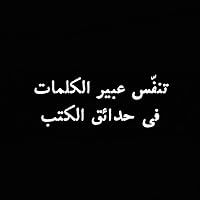
🔰 این بریده متنی که گذاشتم، اصلیترین دلیلم برای مطالعه این کتاب بود. قضیه از کجا شروع شد؟ پادکستی رو گوش میکردم به اسم ساگا که افسانهها و اسطورههای مختلف جهان رو روایت میکرد. برام جالب بود که چطور قصههایی با بیشترین میزان شباهت، در دورترین نقاط جهان و در مقاطعی که هیچ ارتباطی نداشتن شکل گرفته! در کنار نتیجهای که با نگاه توحیدی میشه گرفت، انگار بیشتر از اونی که فکر میکنیم، شبیه به هم هستیم...
🔰 گرچه خودم به تاریخ بیعلاقه نیستم؛ اما اینجا به سبک دیگهای از نگاه تاریخی نیاز داشتم. این شد که افتادم دنبال روایتهای تاریخی کلان از کل زندگی بشر. کتاب «این جهان گذرا» در کوتاهترین شکل ممکن، بلندترین تاریخها رو بررسی کرده: از لحظه انفجار بزرگ تا عصر حاضر. تاریخ بشر رو هم به سه بازه خوراکجویی، کشاورزی و مدرن تقسیم کرده که ادله اثباتی جالبی هم براش آورده. نتیجه این دسته بندی ذهنی خوب، روایتی با پیوستگی معنایی قابل قبول شده که در عین حفظ ساختار کلان، نکاتی جزئی ارائه میده؛ یعنی همون کلیدواژههای جستجوی شما بعد یا حین مطالعه.
🔰 با وجود اینکه کتاب حاضر بهعنوان محتوای آموزشی کلاسی نوشته شده؛ اما این ویژگی برای خواننده عمومی منفی نیست. اتفاقاً جدای از سهولت نسبی مطالب، بخشهایی با عنوان بحث کلاسی در متن هست که باعث میشه درباره محتوای ارائه شده بیشتر فکر بشه و در نتیجه آوردههای بیشتری هم برای مخاطب داشته باشه.
🔰 با این حال نکات دیگهای هم هست. علیرغم تلاش مشهود نویسنده برای حفظ بیطرفی، بخشهای پایانی عصر مدرن کاملاً در دام نگاه «پایان تاریخ» فوکویاما افتاده و اون رو به عنوان پیشفرض خودش در نظر گرفته. مثال دیگه هم سیاست حمایتگرایی هست که در زمان نگارش کتاب، مذموم بوده و الآن و در عصر گذار قدرت، مجدداً داره اجرا میشه... به غیر اینها، شاهد متن یکپارچهای هم نیستیم؛ چون اینجا مجموعهای از مقالات نویسنده رو داریم که فقط برای چاپ در قالب کتاب بازنویسی شده. نتیجهاش این شده که تا حدی مطالب تکراری داریم. ترجمه کتاب بد نیست؛ منتهی اونم میتونست خیلی بهتر باشه؛ چون خیلی روان - یا بهتر بگم، امروزی - نیست و سرعت مطالعه رو پایین میاره.
✅ ویرایش و چاپ کتاب خوبه. حجم کتاب هم که خیلی کم و خوش دست. خودم اون نکاتی که دنبالش بودم رو تقریباً پیدا کردم. در مجموع فکر میکنم یه بار خوندنش مفید باشه.
پ.ن: کتاب رو در ایام عملیات وعده صادق یک خریدم و در ایام عملیات وعده صادق دو به اتمام رسوندم...سخته که فکر کنم این مدت چه غمهایی دیدیم و چه رنجهایی متحمل شدیم... إن شاءالله همه مقدمهای باشن بر نصر الهی...
🔰 این بریده متنی که گذاشتم، اصلیترین دلیلم برای مطالعه این کتاب بود. قضیه از کجا شروع شد؟ پادکستی رو گوش میکردم به اسم ساگا که افسانهها و اسطورههای مختلف جهان رو روایت میکرد. برام جالب بود که چطور قصههایی با بیشترین میزان شباهت، در دورترین نقاط جهان و در مقاطعی که هیچ ارتباطی نداشتن شکل گرفته! در کنار نتیجهای که با نگاه توحیدی میشه گرفت، انگار بیشتر از اونی که فکر میکنیم، شبیه به هم هستیم...
🔰 گرچه خودم به تاریخ بیعلاقه نیستم؛ اما اینجا به سبک دیگهای از نگاه تاریخی نیاز داشتم. این شد که افتادم دنبال روایتهای تاریخی کلان از کل زندگی بشر. کتاب «این جهان گذرا» در کوتاهترین شکل ممکن، بلندترین تاریخها رو بررسی کرده: از لحظه انفجار بزرگ تا عصر حاضر. تاریخ بشر رو هم به سه بازه خوراکجویی، کشاورزی و مدرن تقسیم کرده که ادله اثباتی جالبی هم براش آورده. نتیجه این دسته بندی ذهنی خوب، روایتی با پیوستگی معنایی قابل قبول شده که در عین حفظ ساختار کلان، نکاتی جزئی ارائه میده؛ یعنی همون کلیدواژههای جستجوی شما بعد یا حین مطالعه.
🔰 با وجود اینکه کتاب حاضر بهعنوان محتوای آموزشی کلاسی نوشته شده؛ اما این ویژگی برای خواننده عمومی منفی نیست. اتفاقاً جدای از سهولت نسبی مطالب، بخشهایی با عنوان بحث کلاسی در متن هست که باعث میشه درباره محتوای ارائه شده بیشتر فکر بشه و در نتیجه آوردههای بیشتری هم برای مخاطب داشته باشه.
🔰 با این حال نکات دیگهای هم هست. علیرغم تلاش مشهود نویسنده برای حفظ بیطرفی، بخشهای پایانی عصر مدرن کاملاً در دام نگاه «پایان تاریخ» فوکویاما افتاده و اون رو به عنوان پیشفرض خودش در نظر گرفته. مثال دیگه هم سیاست حمایتگرایی هست که در زمان نگارش کتاب، مذموم بوده و الآن و در عصر گذار قدرت، مجدداً داره اجرا میشه... به غیر اینها، شاهد متن یکپارچهای هم نیستیم؛ چون اینجا مجموعهای از مقالات نویسنده رو داریم که فقط برای چاپ در قالب کتاب بازنویسی شده. نتیجهاش این شده که تا حدی مطالب تکراری داریم. ترجمه کتاب بد نیست؛ منتهی اونم میتونست خیلی بهتر باشه؛ چون خیلی روان - یا بهتر بگم، امروزی - نیست و سرعت مطالعه رو پایین میاره.
✅ ویرایش و چاپ کتاب خوبه. حجم کتاب هم که خیلی کم و خوش دست. خودم اون نکاتی که دنبالش بودم رو تقریباً پیدا کردم. در مجموع فکر میکنم یه بار خوندنش مفید باشه.
پ.ن: کتاب رو در ایام عملیات وعده صادق یک خریدم و در ایام عملیات وعده صادق دو به اتمام رسوندم...سخته که فکر کنم این مدت چه غمهایی دیدیم و چه رنجهایی متحمل شدیم... إن شاءالله همه مقدمهای باشن بر نصر الهی...

August 4, 2015
An attempt to tell the history of the world as a single story, in about ninety pages, is probably doomed from the start--the only question is, where does it fail? This text gives the best possible answer for a book seeking mass appeal: sacrifice the culture of prehistoric humans and stick to what is measurable.
There is no doubt that Christian knows history, and he's well acquainted with the important controversies and debates within his project. He explains the ethics of dividing world history into periods, and he covers competing theories in a balanced way. Did all humans emerge from Africa, or did different variations of the human species evolve from various, regionally-based proto-human animals with some degree of interbreeding? Christian covers that controversy well, justifying why he cleaves to one theory while giving a fair hearing to the other.
My disappointment with the book enters with Christian's obvious preference for economics and data. He quantifies human progress in terms of world-wide Gross National Product and gives almost as much attention to the cold war and the collapse of Soviet Russia as he does to animal husbandry. To some extent, it's natural to skew a history of the world in favor of recent history, where a greater quantity of research and information are available. But the appeal of a book like this has to rest equally in its coverage of ancient, even prehistoric history, which is the bit about which lay readers most likely know the least. On that history, Christian delivers some fascinating material, and I enjoyed that part the most by far. Particularly interesting was his use of the concept "lifeways" to characterize different human cultures at different times in history. Unfortunately, in keeping with his bias for economic behavior, too much of what we learn about humanity's various lifeways concerns what they bought and sold, the technologies and innovations they developed, rather than the arts or the cultures they practiced. About those, the book delivers only odd references here and there to the cave paintings, with almost no attention to the watershed discovery of a prehistoric temple dating older than the pyramids, which is located at Gobekli Tepe. That last objection might be due to the book's age. Although my edition was copyrighted 2008, the latest data referenced in the text were from the 1990s.
In general, this is a good resource for school-aged children looking to get a handle on the history of humanity in bite-sized chunks. Certainly the "Thought Experiments" included in various side-bars seem directed to that age and level of development. And it's also a useful read for anyone who'd like to learn a narrative of the human race that hangs together remarkably well. But the writing style is so very dry, and there is so much emphasis on economics and numbers, that I can't say it's a fun read. And learning the story of the human race should be a lot more fun than this.
There is no doubt that Christian knows history, and he's well acquainted with the important controversies and debates within his project. He explains the ethics of dividing world history into periods, and he covers competing theories in a balanced way. Did all humans emerge from Africa, or did different variations of the human species evolve from various, regionally-based proto-human animals with some degree of interbreeding? Christian covers that controversy well, justifying why he cleaves to one theory while giving a fair hearing to the other.
My disappointment with the book enters with Christian's obvious preference for economics and data. He quantifies human progress in terms of world-wide Gross National Product and gives almost as much attention to the cold war and the collapse of Soviet Russia as he does to animal husbandry. To some extent, it's natural to skew a history of the world in favor of recent history, where a greater quantity of research and information are available. But the appeal of a book like this has to rest equally in its coverage of ancient, even prehistoric history, which is the bit about which lay readers most likely know the least. On that history, Christian delivers some fascinating material, and I enjoyed that part the most by far. Particularly interesting was his use of the concept "lifeways" to characterize different human cultures at different times in history. Unfortunately, in keeping with his bias for economic behavior, too much of what we learn about humanity's various lifeways concerns what they bought and sold, the technologies and innovations they developed, rather than the arts or the cultures they practiced. About those, the book delivers only odd references here and there to the cave paintings, with almost no attention to the watershed discovery of a prehistoric temple dating older than the pyramids, which is located at Gobekli Tepe. That last objection might be due to the book's age. Although my edition was copyrighted 2008, the latest data referenced in the text were from the 1990s.
In general, this is a good resource for school-aged children looking to get a handle on the history of humanity in bite-sized chunks. Certainly the "Thought Experiments" included in various side-bars seem directed to that age and level of development. And it's also a useful read for anyone who'd like to learn a narrative of the human race that hangs together remarkably well. But the writing style is so very dry, and there is so much emphasis on economics and numbers, that I can't say it's a fun read. And learning the story of the human race should be a lot more fun than this.

February 3, 2021
هنگام مواجه با این کتاب،اگر انتظارمان را تا حد یک خلاصه سطحی ولی جمع و جور از تاریخ پایین بیاوریم،رضایت نسبی مان را در پایان جلب می کند و به داشته های تاریخی مان نظمِ خوبی می بخشد و شِمای کلی بی طرفانه ای از تاریخ ارائه می دهد.
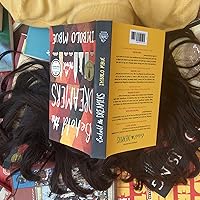
خود نویسنده،کتابش را راهنمایی موجز برای مدرسان تاریخ می داند و مخاطب اش را از پیش مشخص کرده ولی هدف من صرفا ایجاد آمادگی مناسبی برای شروع مطالعات اساسی ترِ تاریخی در آینده بود و البته صادقانه اعتراف می کنم که نقاشی روی جلد کتاب که اثری از بروگل است هم در انتخابم بی تاثیر نبود!
خود نویسنده،کتابش را راهنمایی موجز برای مدرسان تاریخ می داند و مخاطب اش را از پیش مشخص کرده ولی هدف من صرفا ایجاد آمادگی مناسبی برای شروع مطالعات اساسی ترِ تاریخی در آینده بود و البته صادقانه اعتراف می کنم که نقاشی روی جلد کتاب که اثری از بروگل است هم در انتخابم بی تاثیر نبود!
May 30, 2021
جزئیاتی در کار نیست...
یا باید فقط قصد آشنایی اولیه با مسیر تاریخ داشته باشید،
یا باید اطلاعات تاریخی داشته باشید تا کتاب برای شما مناسب باشه؛ به معلم هایی که میخواهند یک شمای کلی از این جهان گذرا داشته باشند، پیشنهاد می شود(به قول خود نویسنده، برای ایجاد یک تصویر از روند تاریخ در سراسر جهان یا بخش عمده جهان)
یا باید فقط قصد آشنایی اولیه با مسیر تاریخ داشته باشید،
یا باید اطلاعات تاریخی داشته باشید تا کتاب برای شما مناسب باشه؛ به معلم هایی که میخواهند یک شمای کلی از این جهان گذرا داشته باشند، پیشنهاد می شود(به قول خود نویسنده، برای ایجاد یک تصویر از روند تاریخ در سراسر جهان یا بخش عمده جهان)

November 11, 2022
حقیقتا، خیلی کتاب خوبی بود برای اینکه یه خُلاصه و دید کُلی نسبت به تاریخ جهان داشته باشید. من از خوندنش لذت بردم و کنارشم طبقِ تقسیم بخشش، فیلم و مستند دیدم و حتی پروسهی خوندن کتاب برام لذتبخشتر بود. قسمتهای بیاندیشید و بحث کنیدش هم خیلی لذت بخش بود فقط یک ایراد داشت که اونم تویِ ترجمه روابط جنسی رو جنسیتی(Gender) ترجمه کرده بودن.

August 3, 2018
I enjoyed this big picture overview of the history of humanity. It's a very quick read and offers a good contextual outline for filling in the details of world history.

June 19, 2021
وقتی سراغ این کتاب رفتم تصور میکردم با فضایی شبیه به کتاب تاریخ جهان گامبریچ مواجه خواهم شد ولی باید اعتراف کنم که اصلا آن چیزی که تصور میکردم نبود. مطمئنم برای هر کس که بخواند کتاب مفیدی است.
Displaying 1 - 30 of 101 reviews